
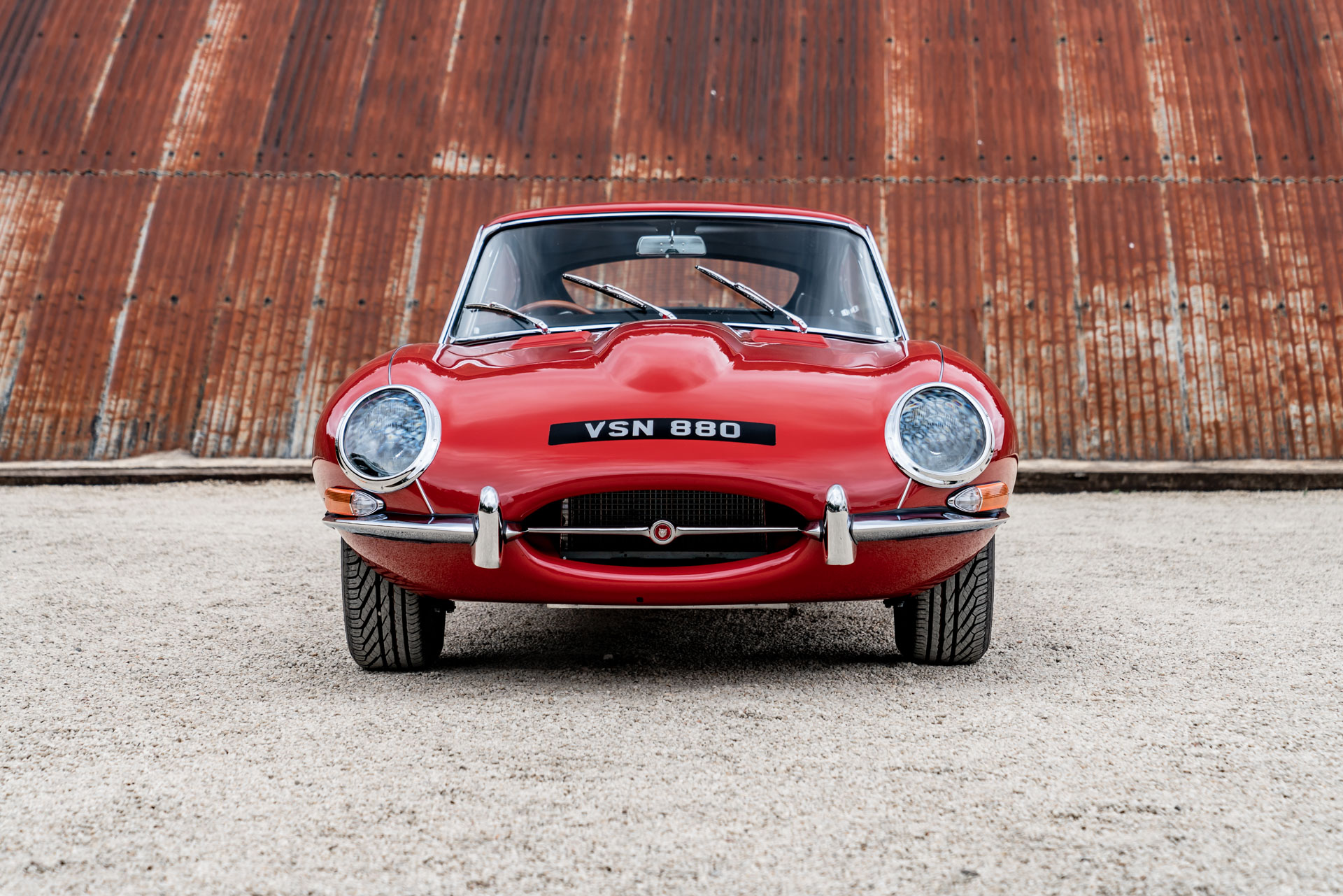
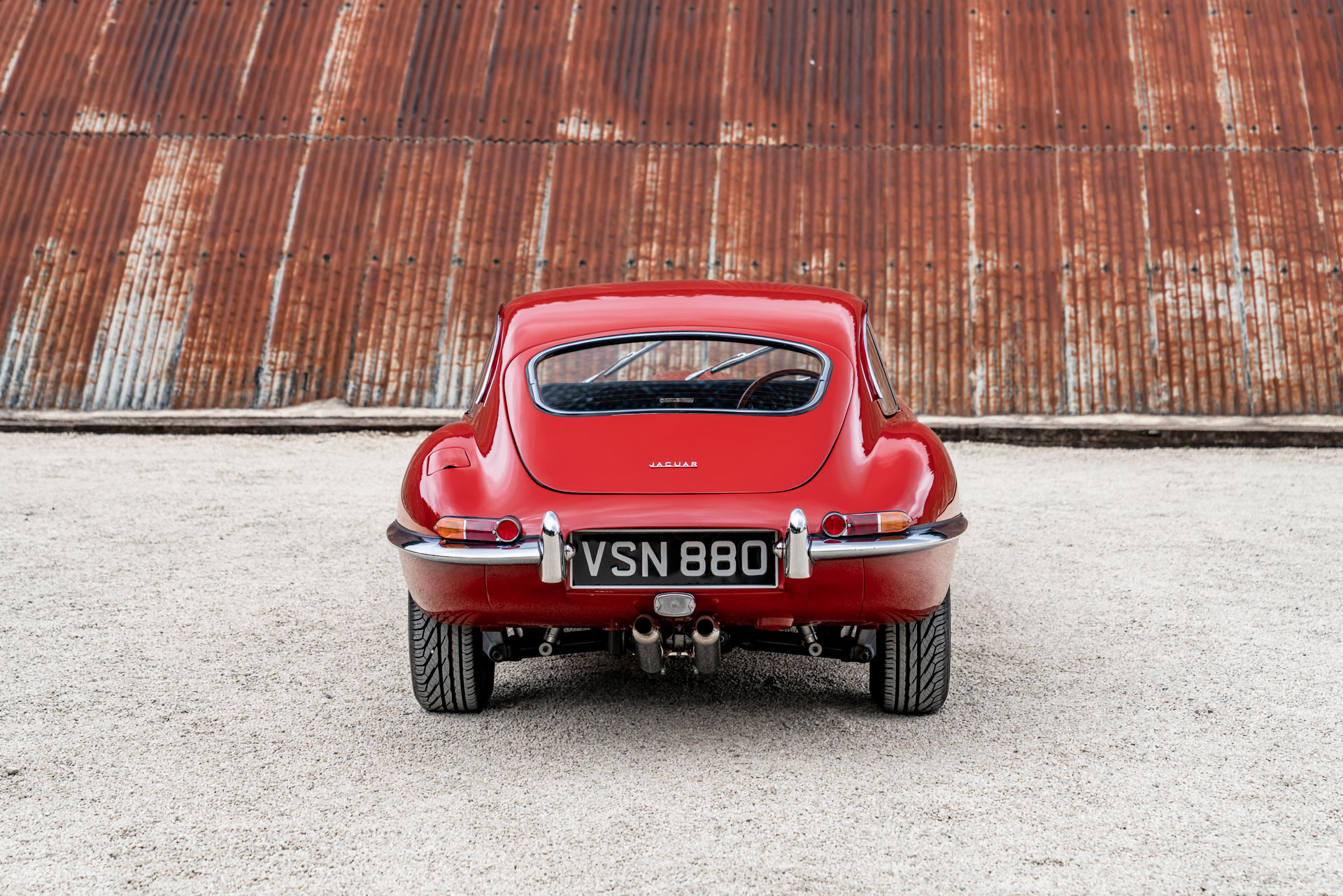
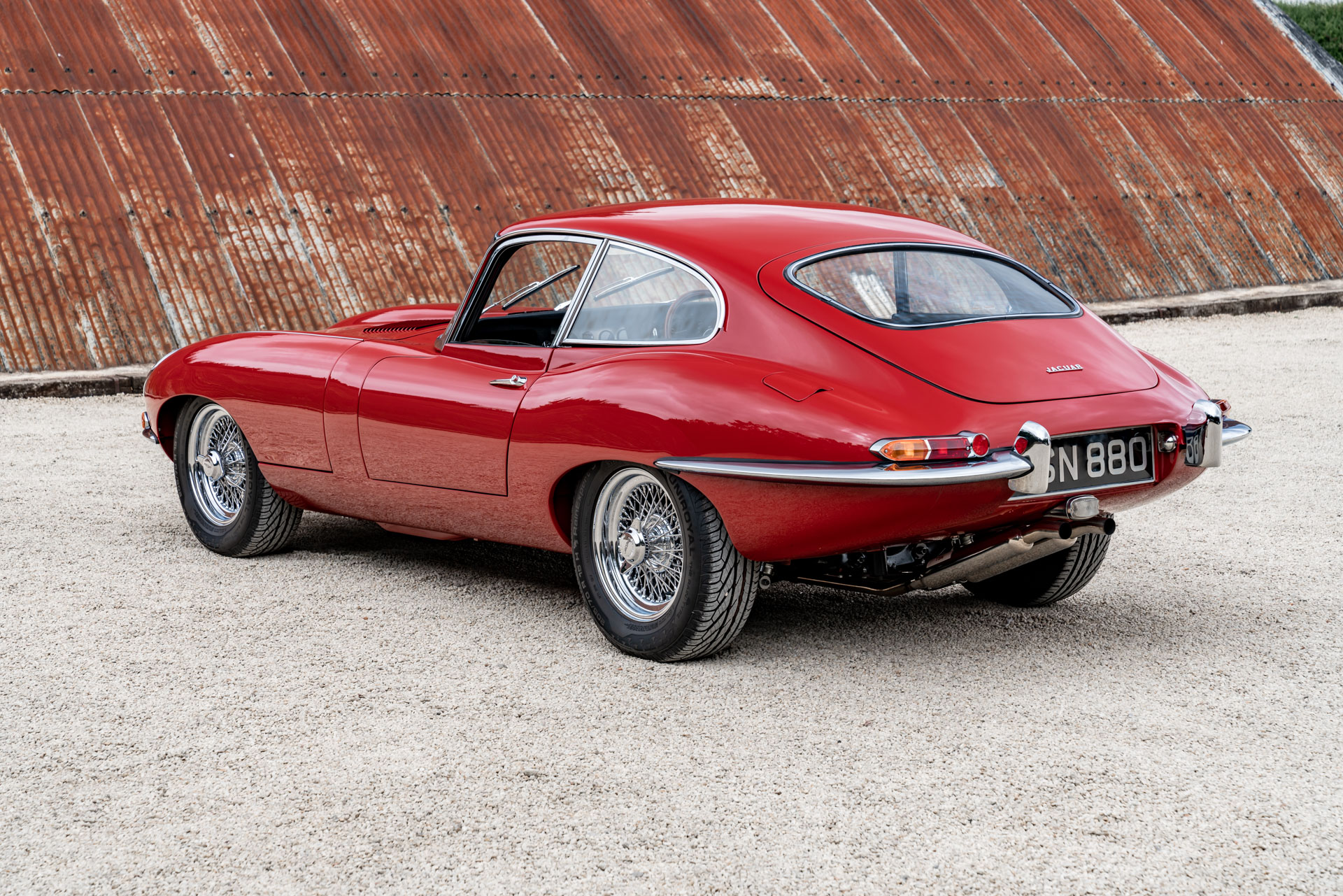
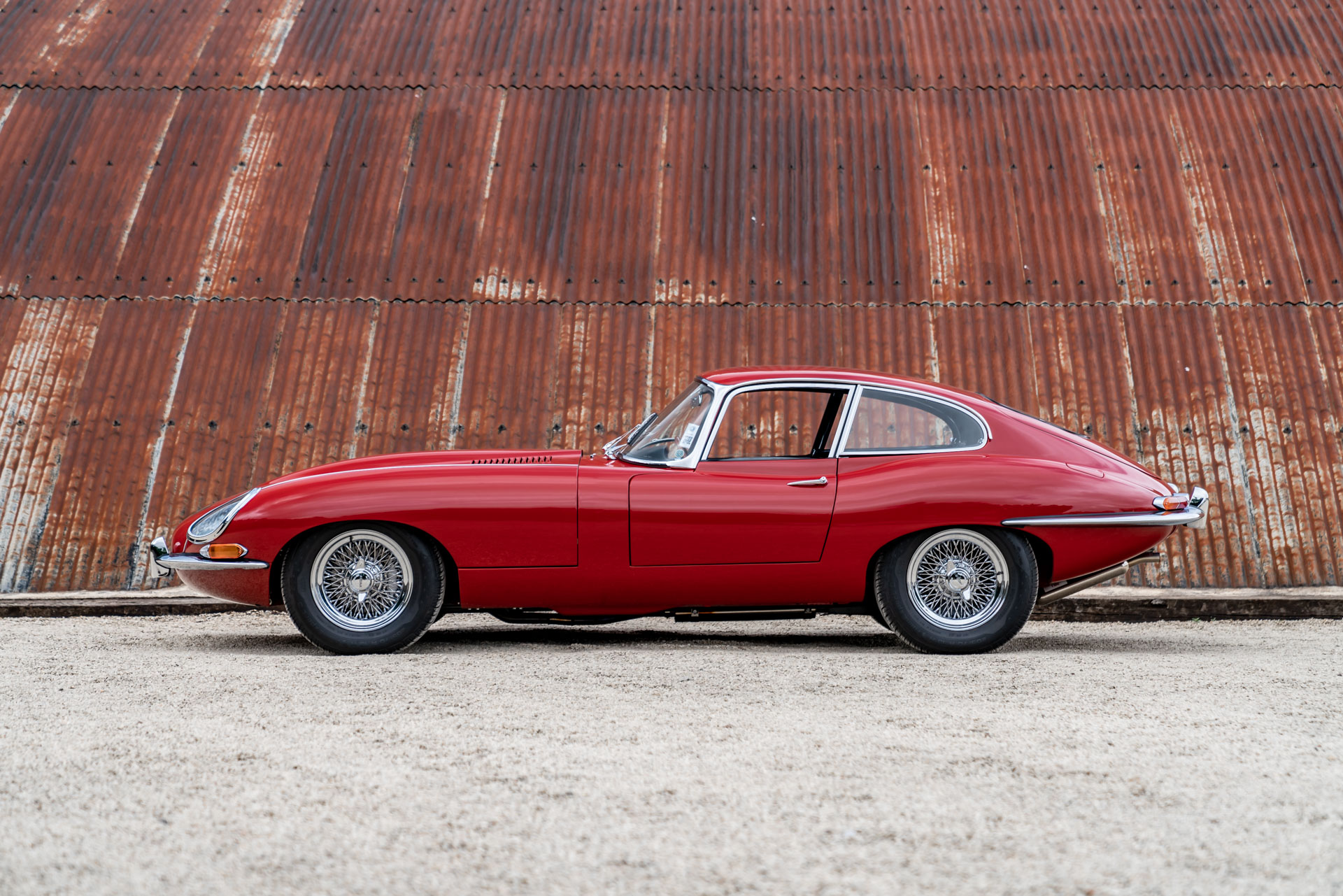
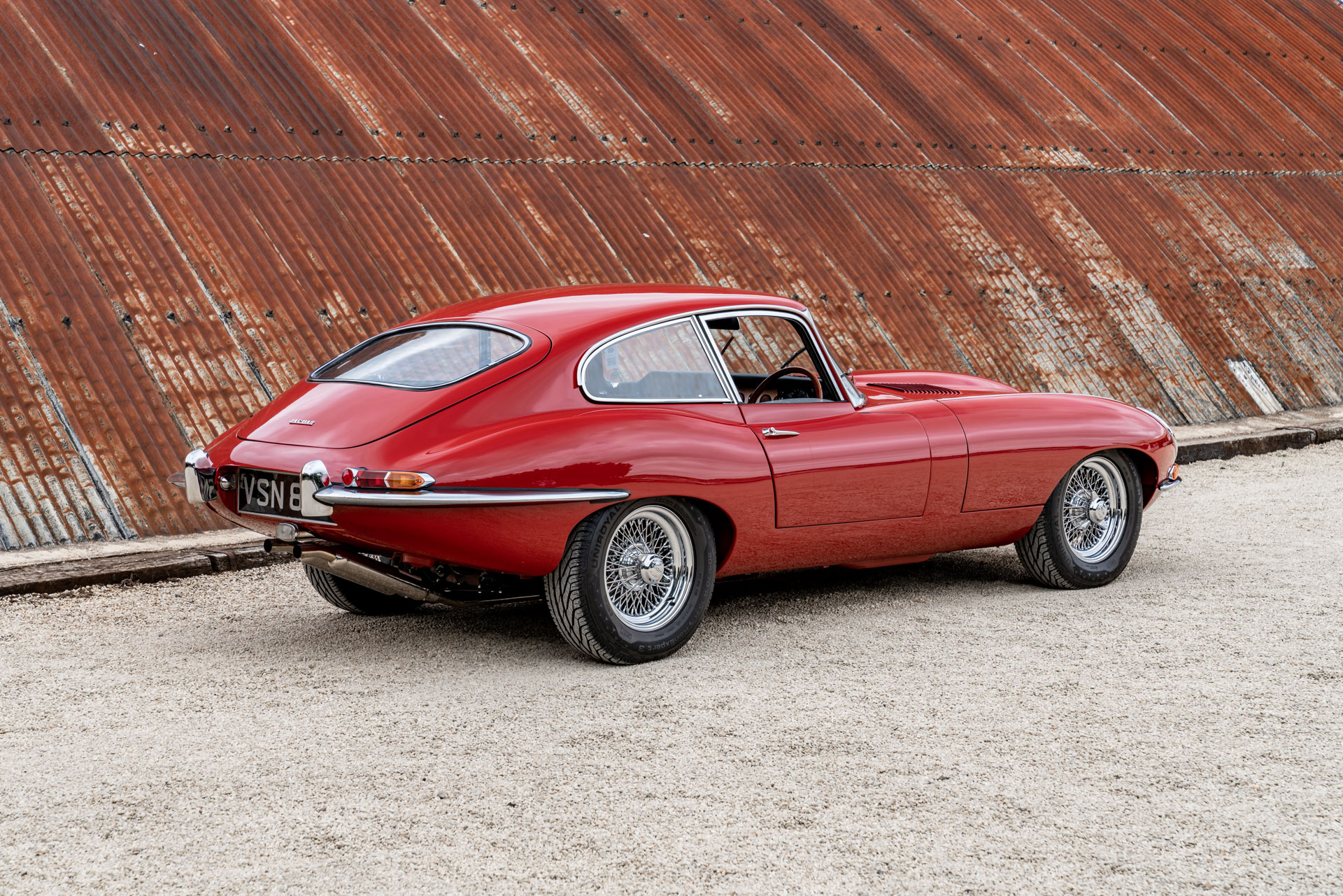
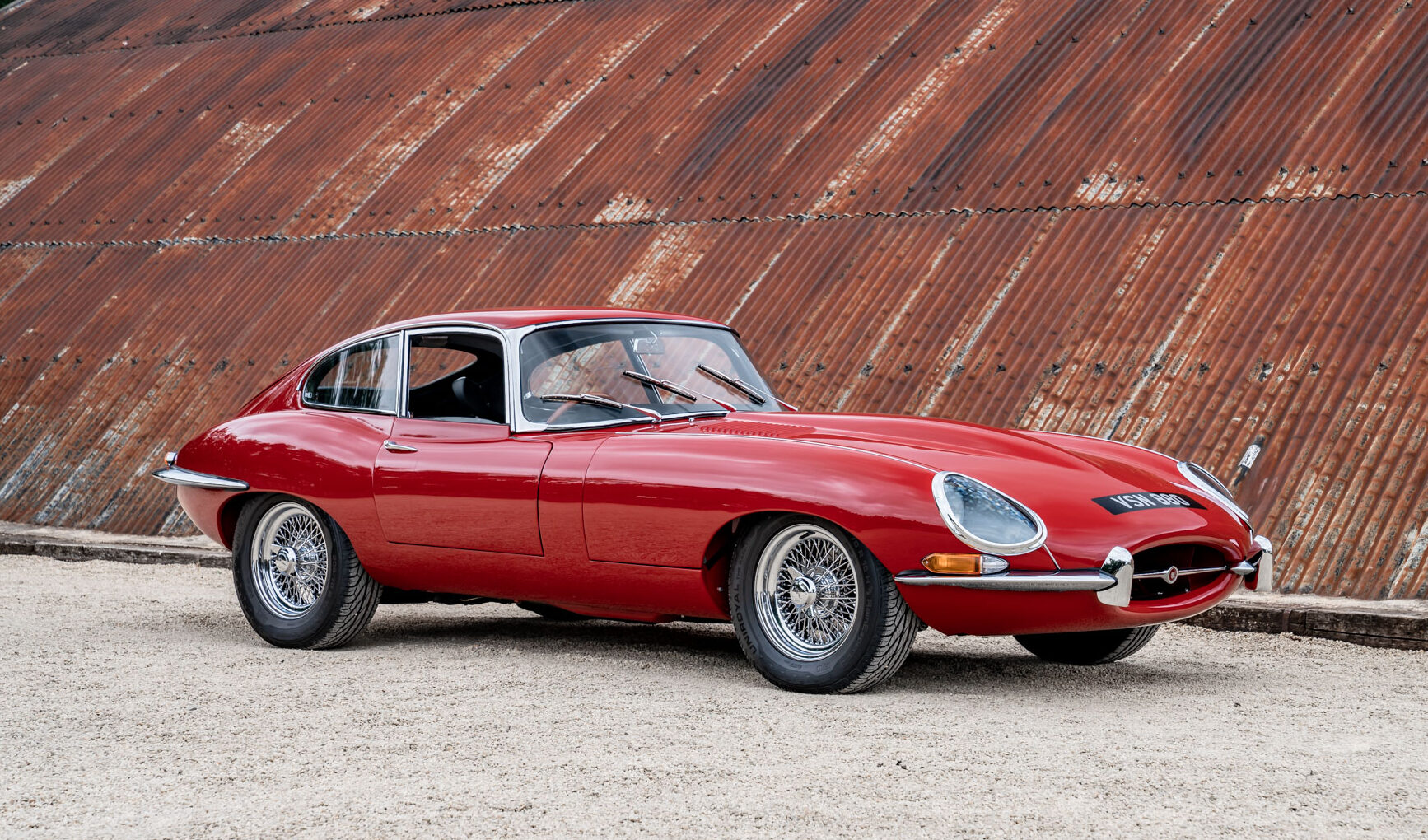
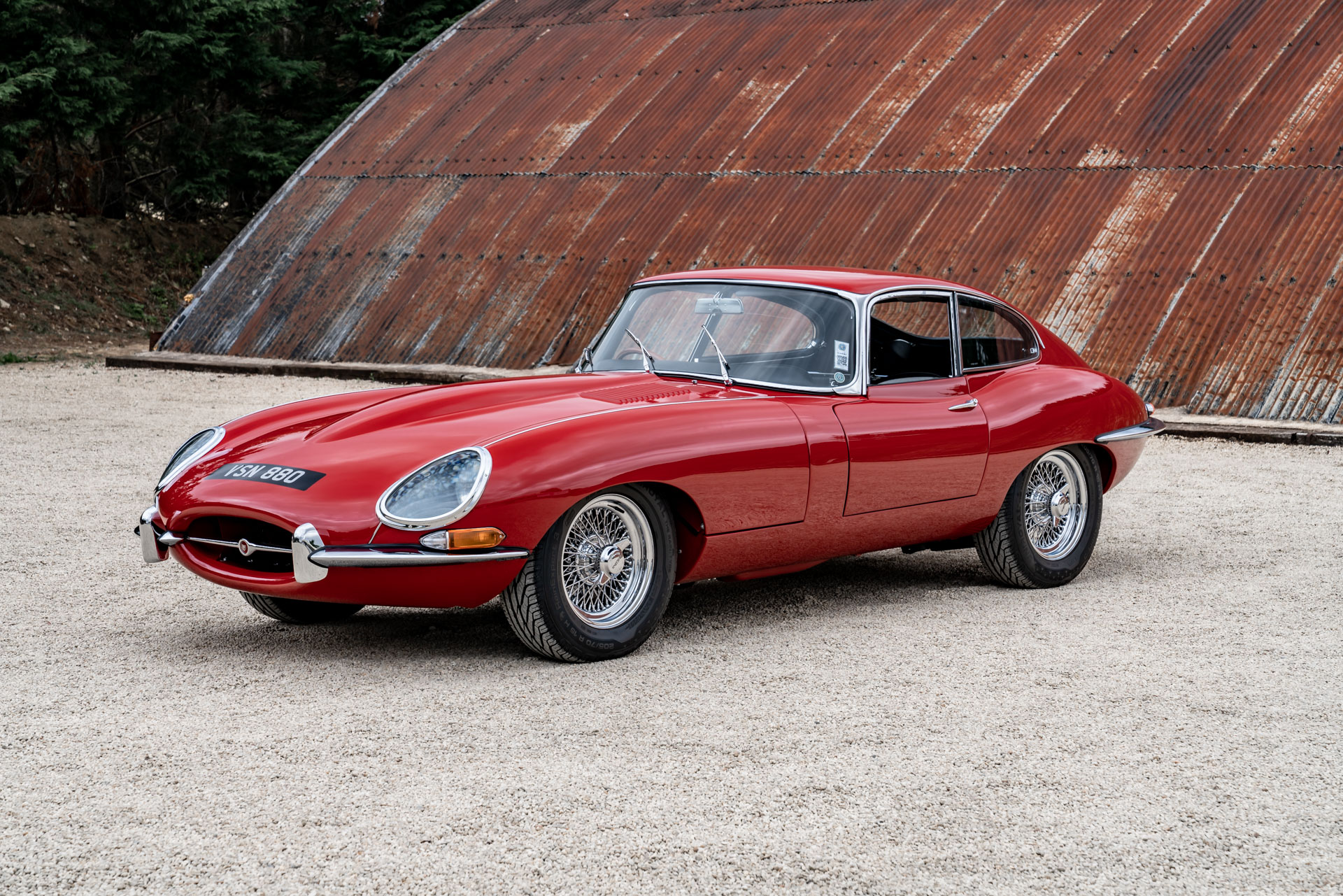
1964 Jaguar E-Type 3.8 FHC Series I








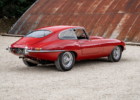


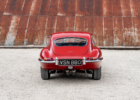


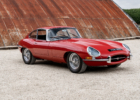

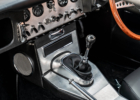
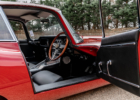
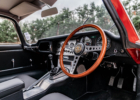


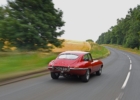

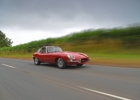
- Original UK-supplied Right Hand Drive
- Matching numbers engine and gearbox
- Meticulously restored to original colours of Carmen red with Black interior
- Recent servicing with marque specialists
| YEAR | 1964 |
| MAKE | Jaguar |
| PRICE | £ SOLD |
VEHICLE DESCRIPTION
To Follow
MODEL HISTORY
The Jaguar E-type caused a sensation when it was launched at the 1961 Geneva Salon.
Not only did aerodynamicist Malcolm Sayer came up with one of the most beautiful automotive shapes of all time, the E-type also offered 150mph performance from its 3.8-litre straight-six engine – and all for a price that was significantly less than its rivals from Aston Martin and Ferrari.
Beneath the skin, the E-type owed much to the Le Mans-winning D-type, and used a monocoque centre section with a subframe carrying the engine and front suspension. At the rear, independent suspension was fitted at a time when many of Jaguar’s rivals still employed a traditional live axle, and disc brakes were used all round.
In October 1964, the E-type received an updated 4.2-litre engine. Also developed for use in the Mark X saloon, the bigger ‘six’ provided a boost in torque – up from 261 to 283lb ft.
At the same time, the old Moss gearbox was replaced by a new all-synchromesh, four-speed Jaguar unit, and more comfortable seats were installed, plus improved electrics and a new brake servo. Two body styles were initially offered – a roadster and a fixed-head coupé – and a 2+2 model was added to the range in 1966.
When Motor Sport magazine tested a 4.2 E-type, editor Bill Boddy wrote: ‘The Jaguar E-type has been one of the world’s outstanding sports cars from the day it was first announced … In its latest form it is very near perfection.’
Motor magazine, meanwhile, said that the new model ‘creates its own unique position among the world’s most desirable cars with a combination of performance, handling, looks and refinement that is still unequalled at the price’.