1924 Bugatti Brescia


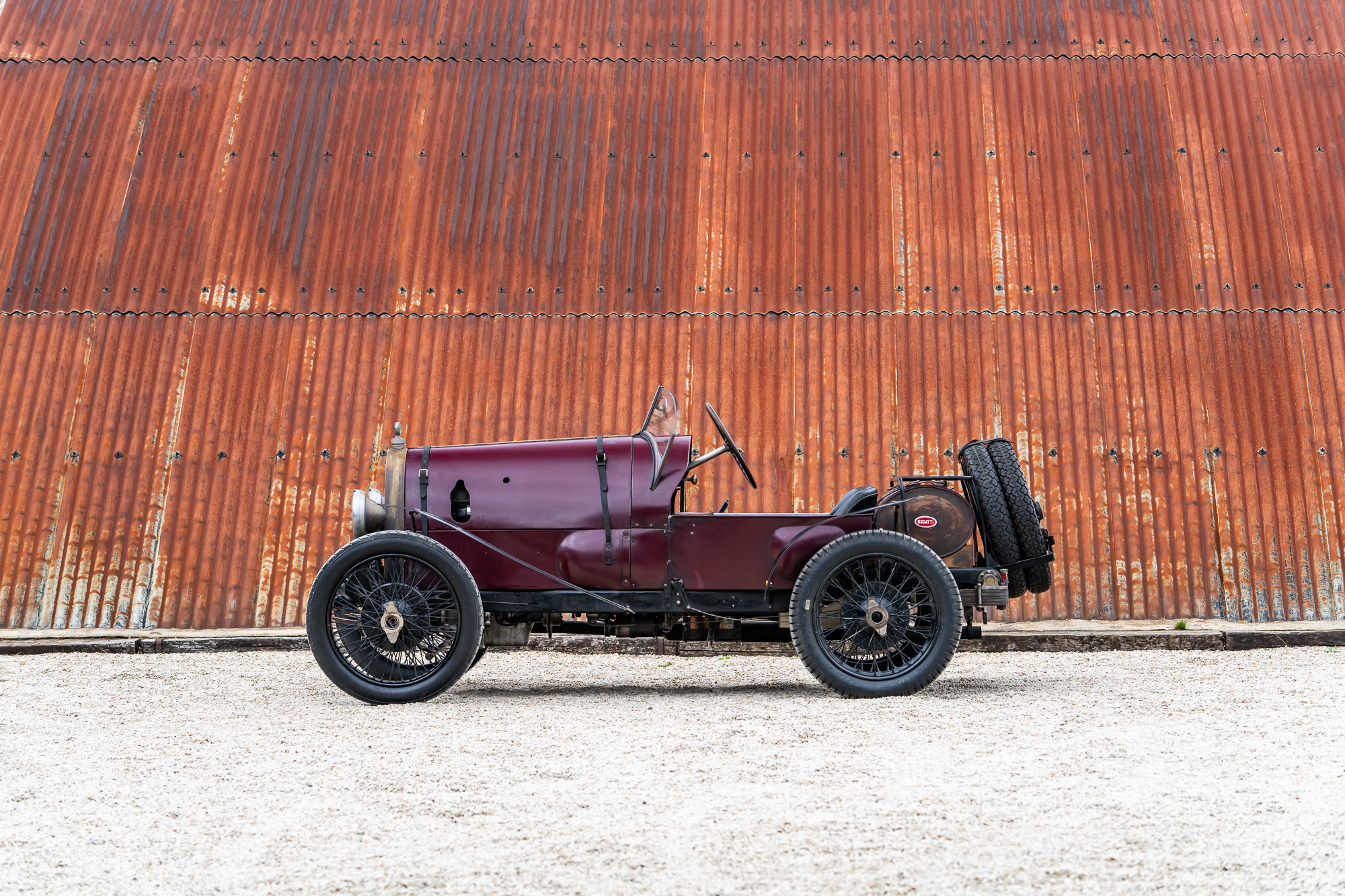

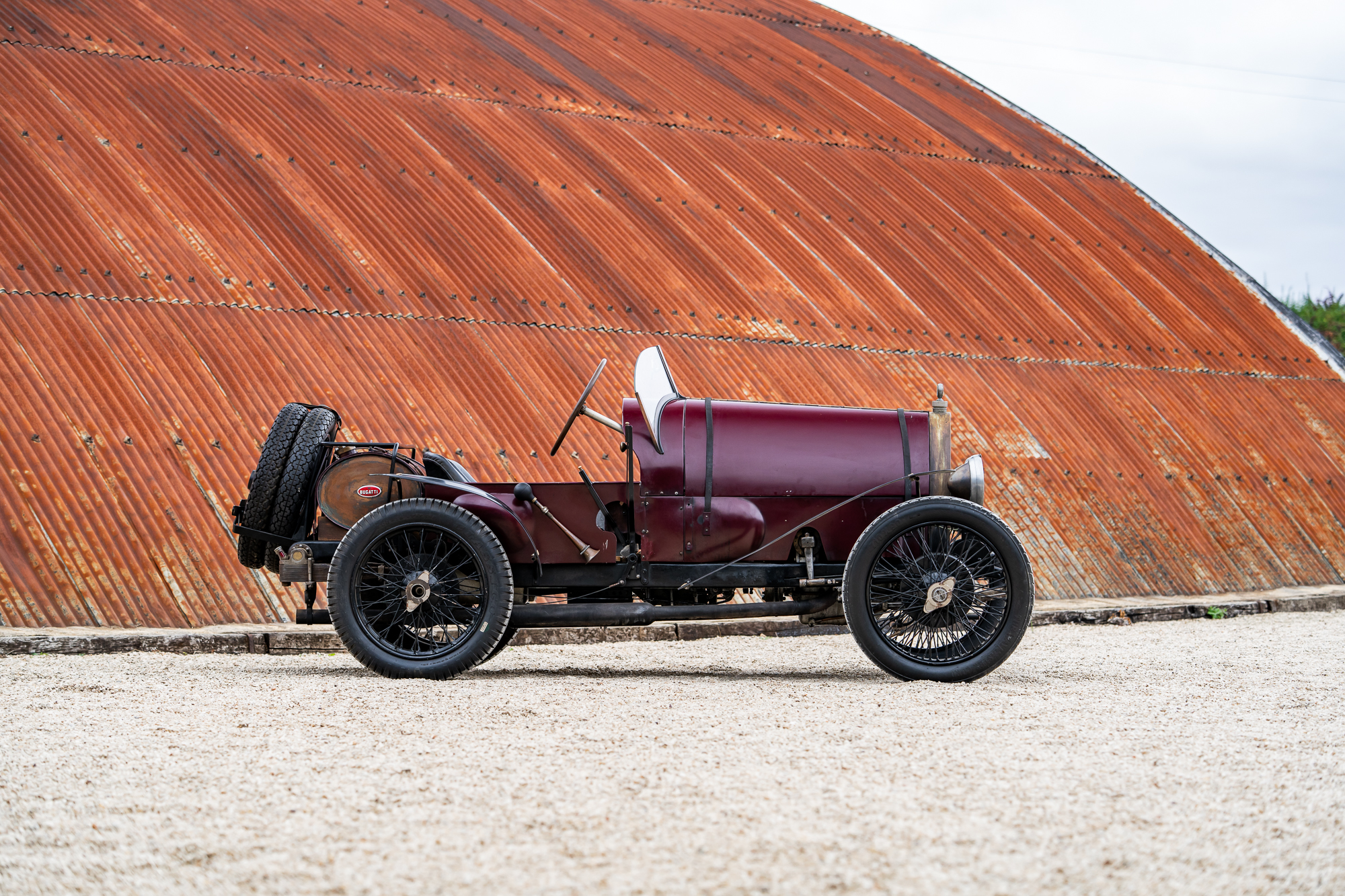
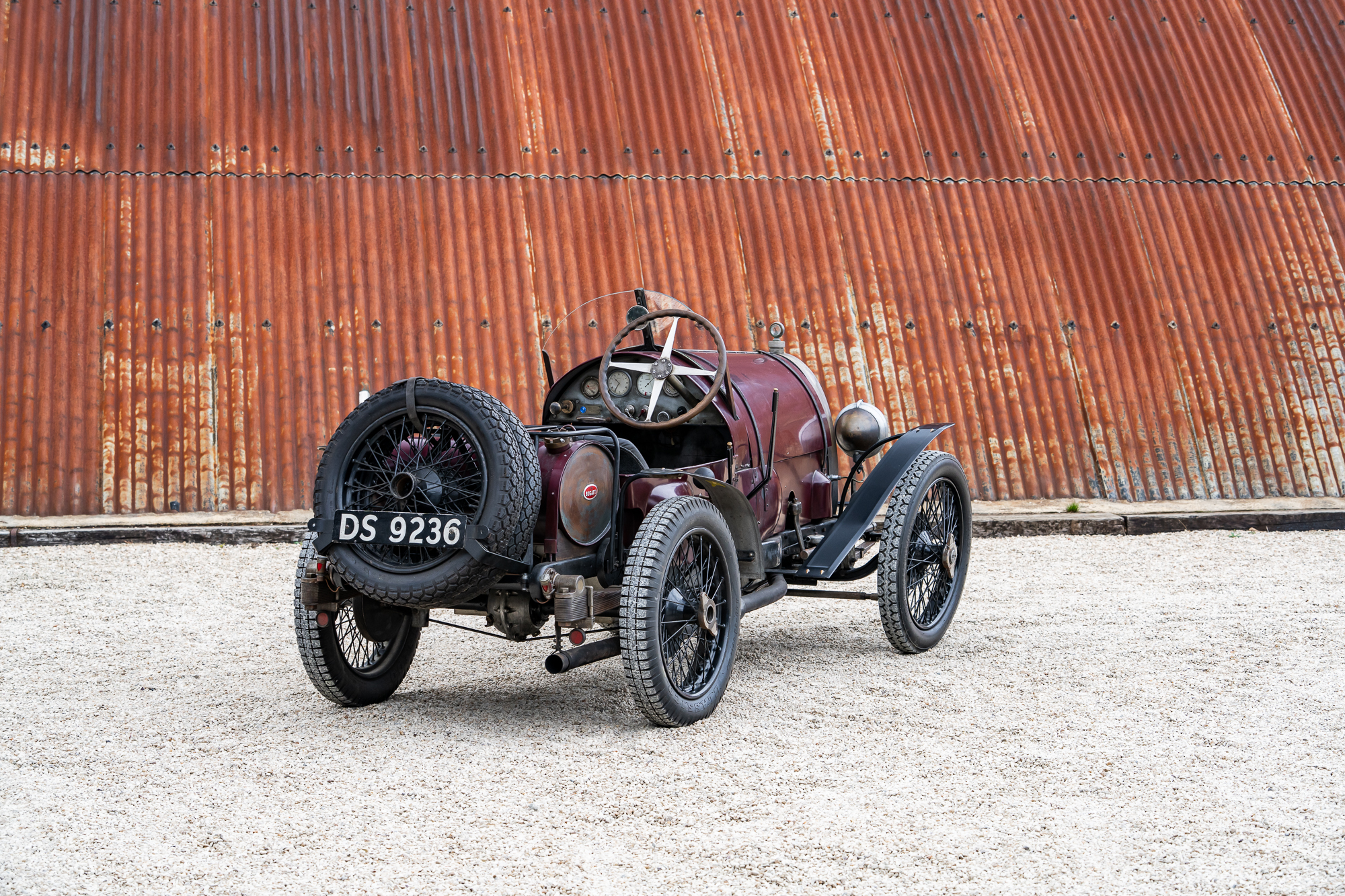
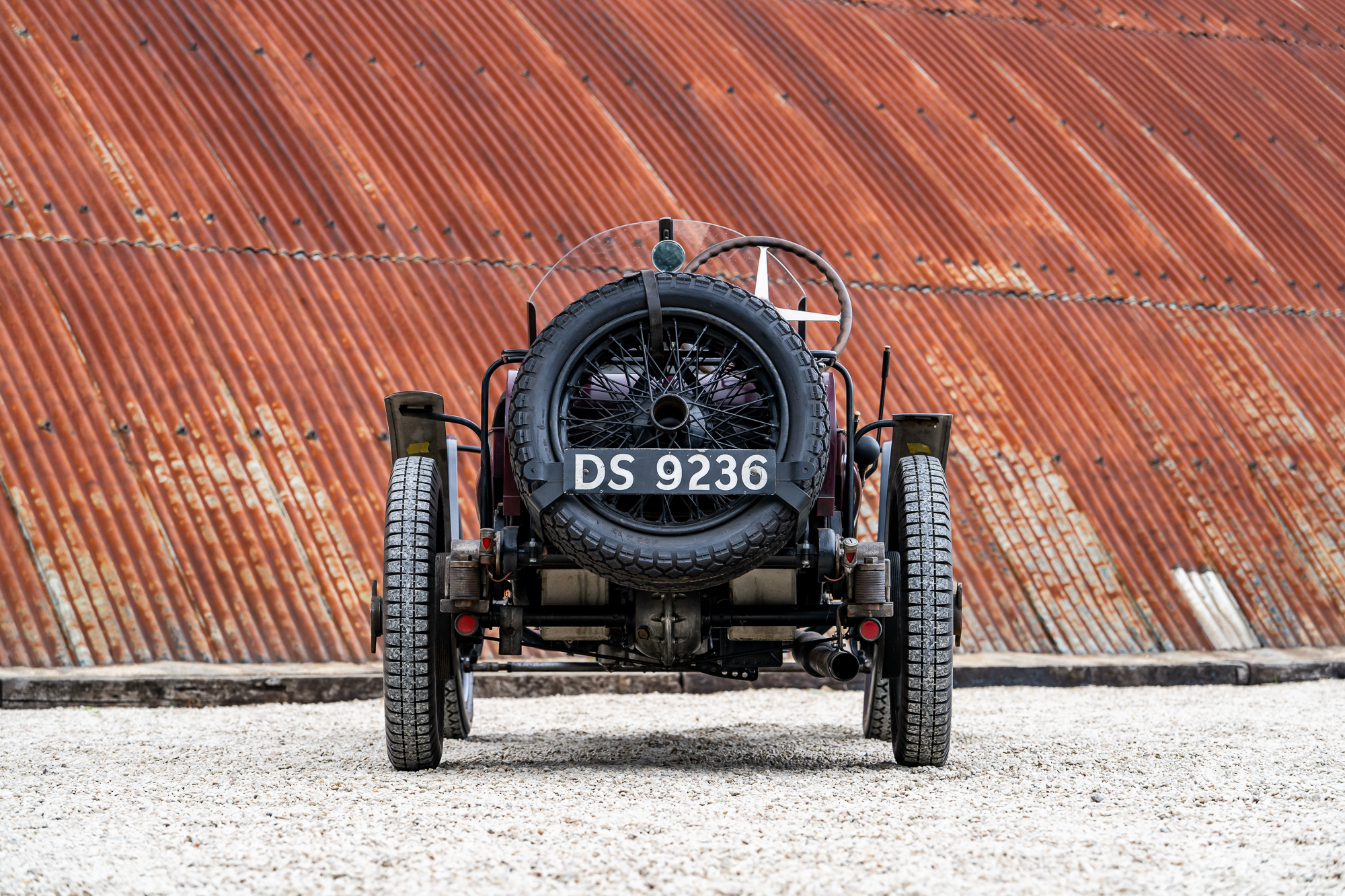
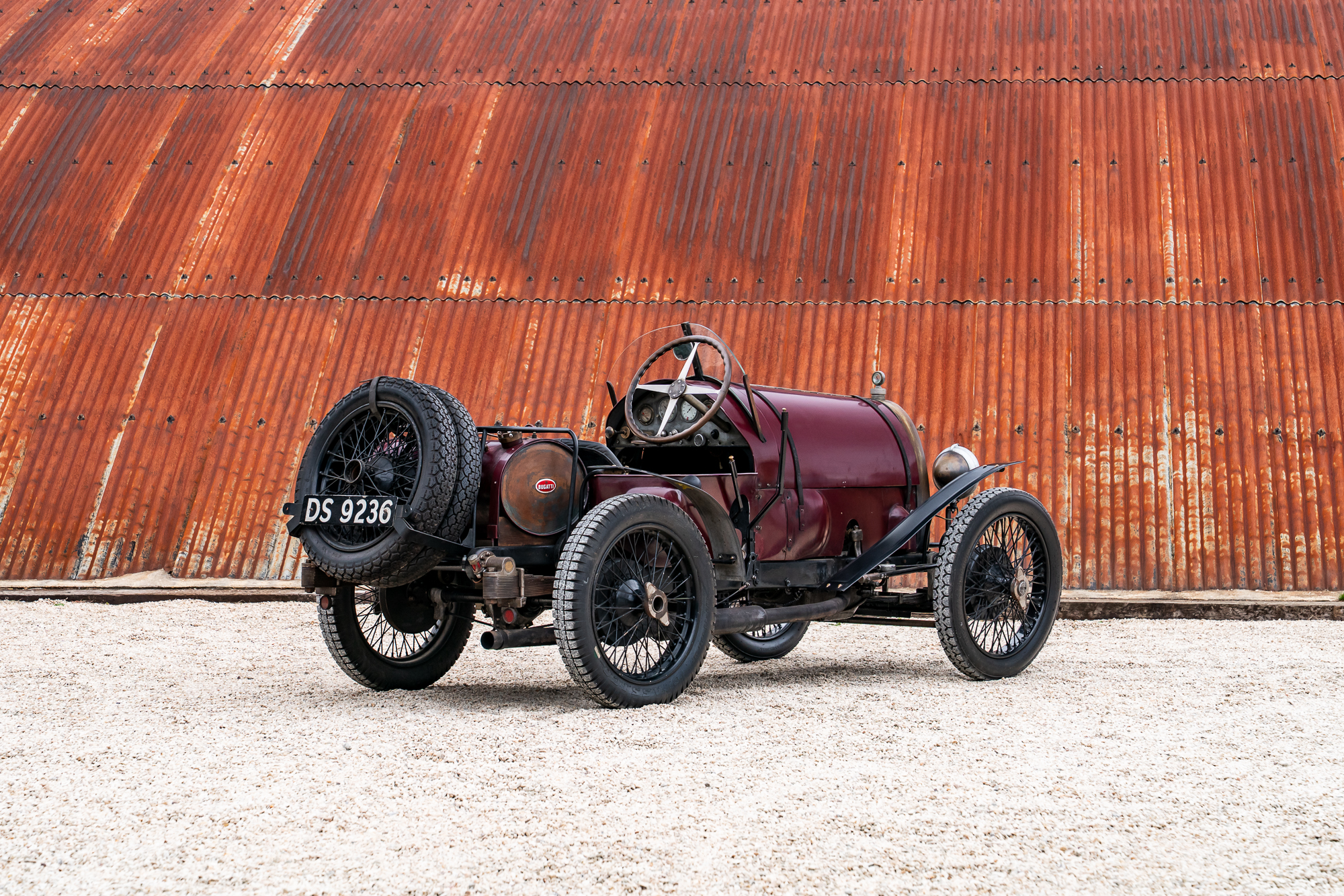

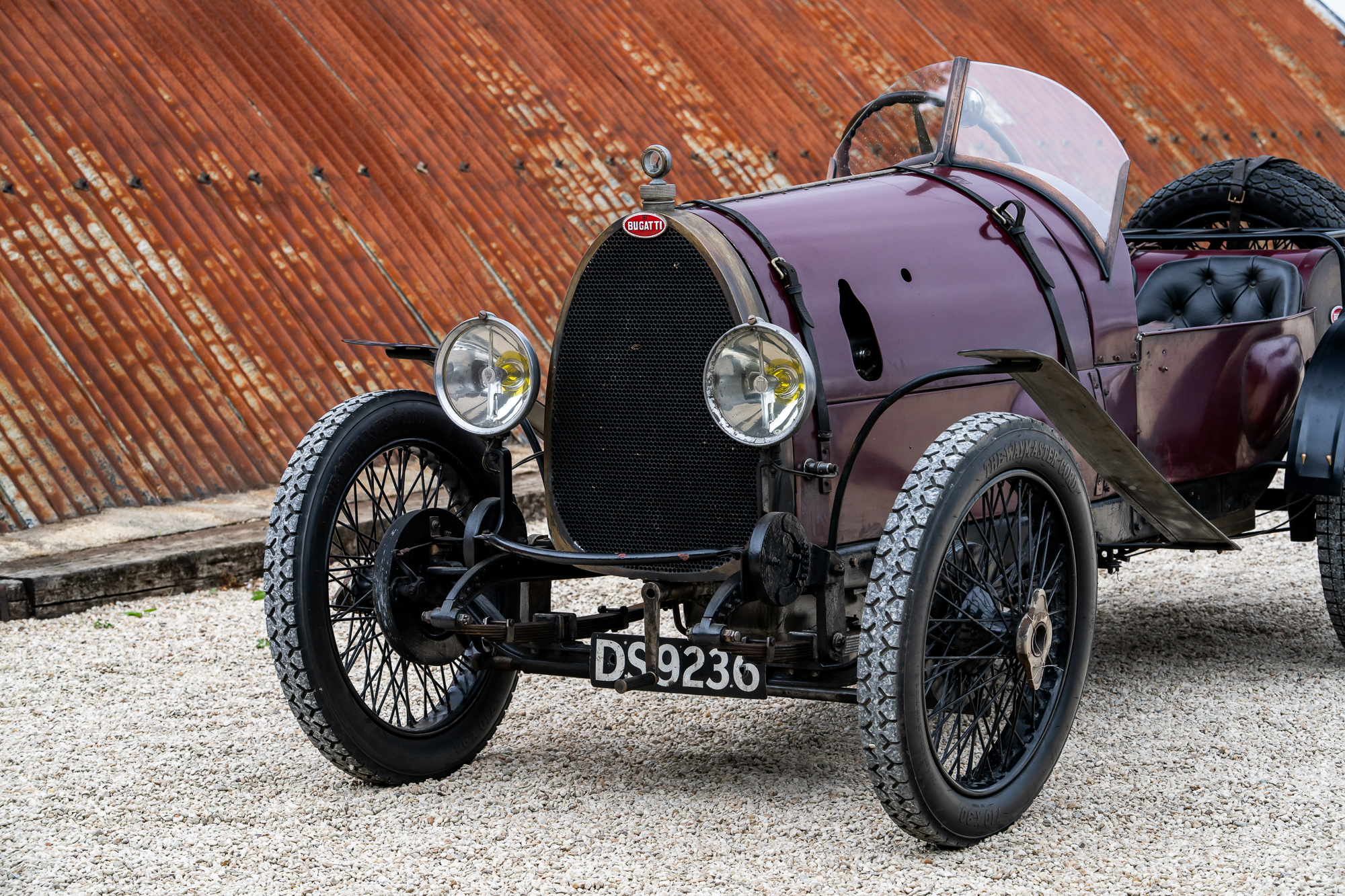

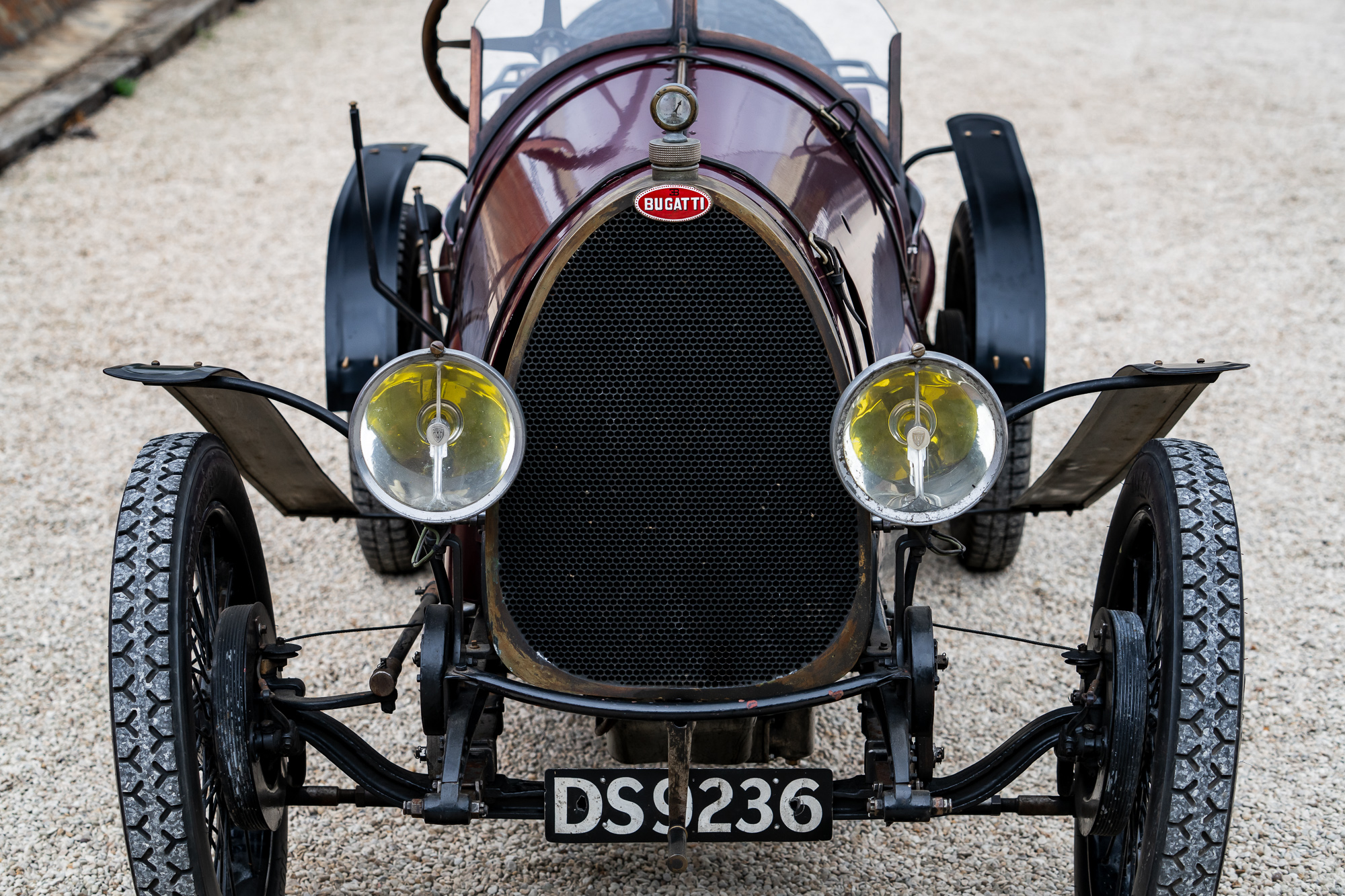
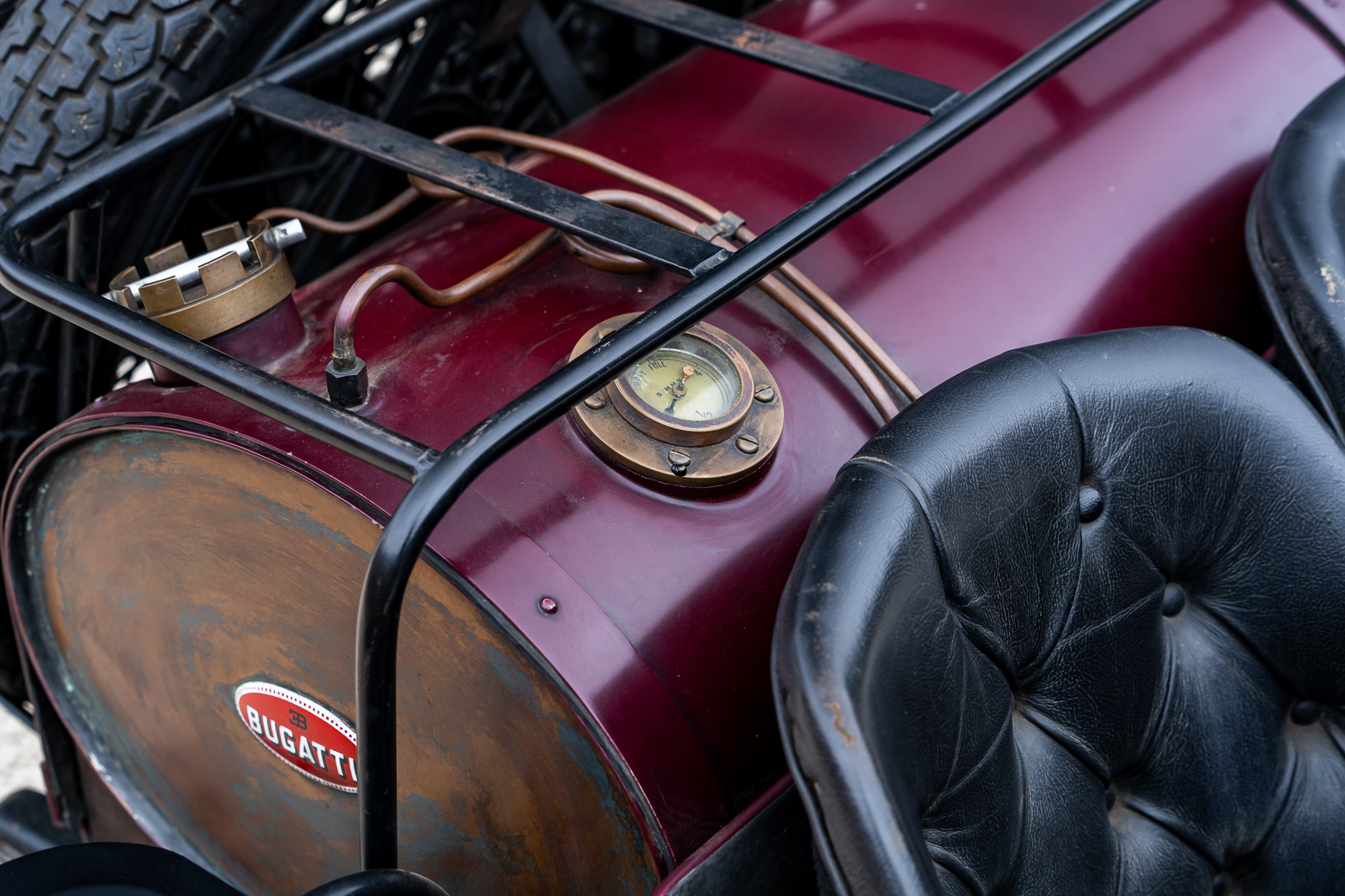




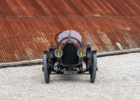

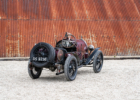
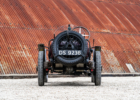

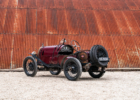

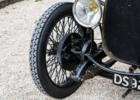
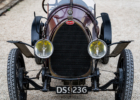
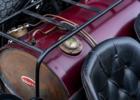
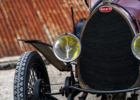
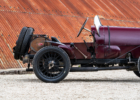
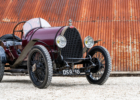


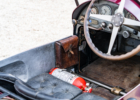



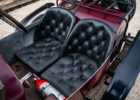
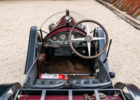

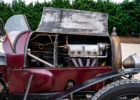
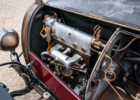
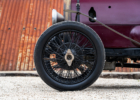
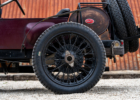

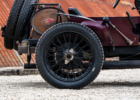
- Excellent mechanical condition
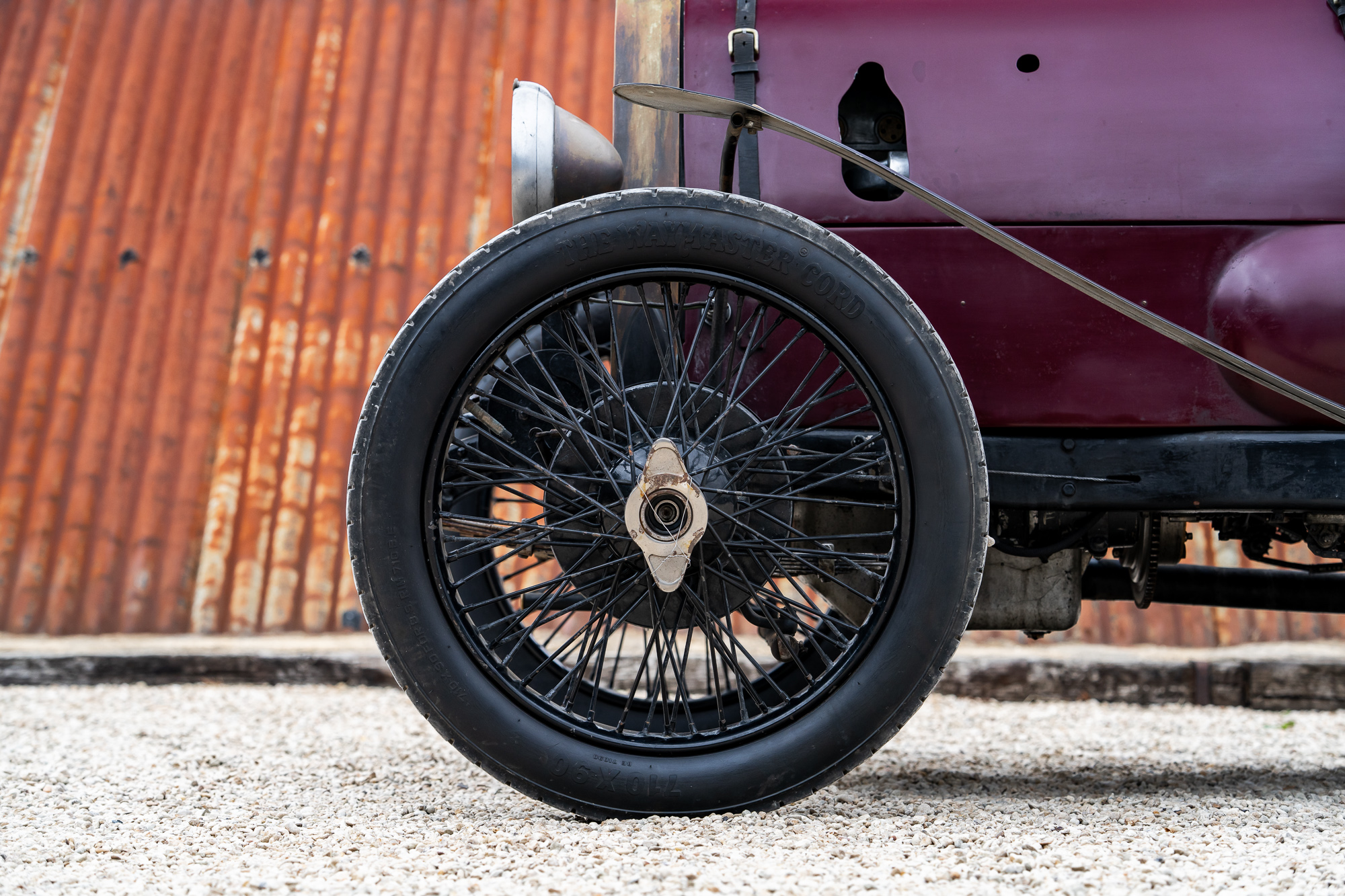
- Desirable front brakes
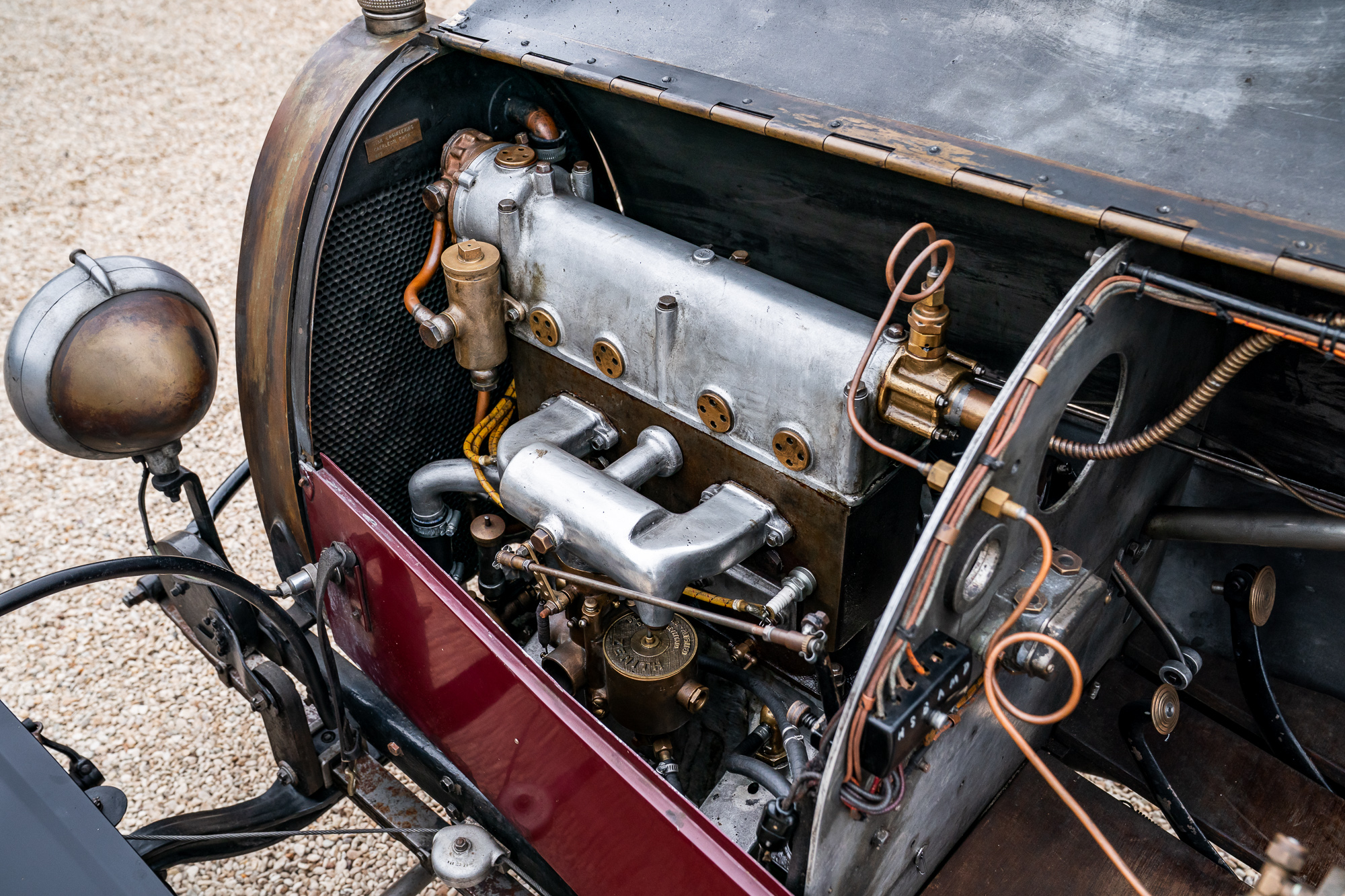
- 16-valve head with twin bronze-body SU carburettors
- Perfect entry for Brescia Rally, VSCC events and trials
| YEAR | 1924 |
| MAKE | Bugatti |
| PRICE | £280,000 |
VEHICLE DESCRIPTION
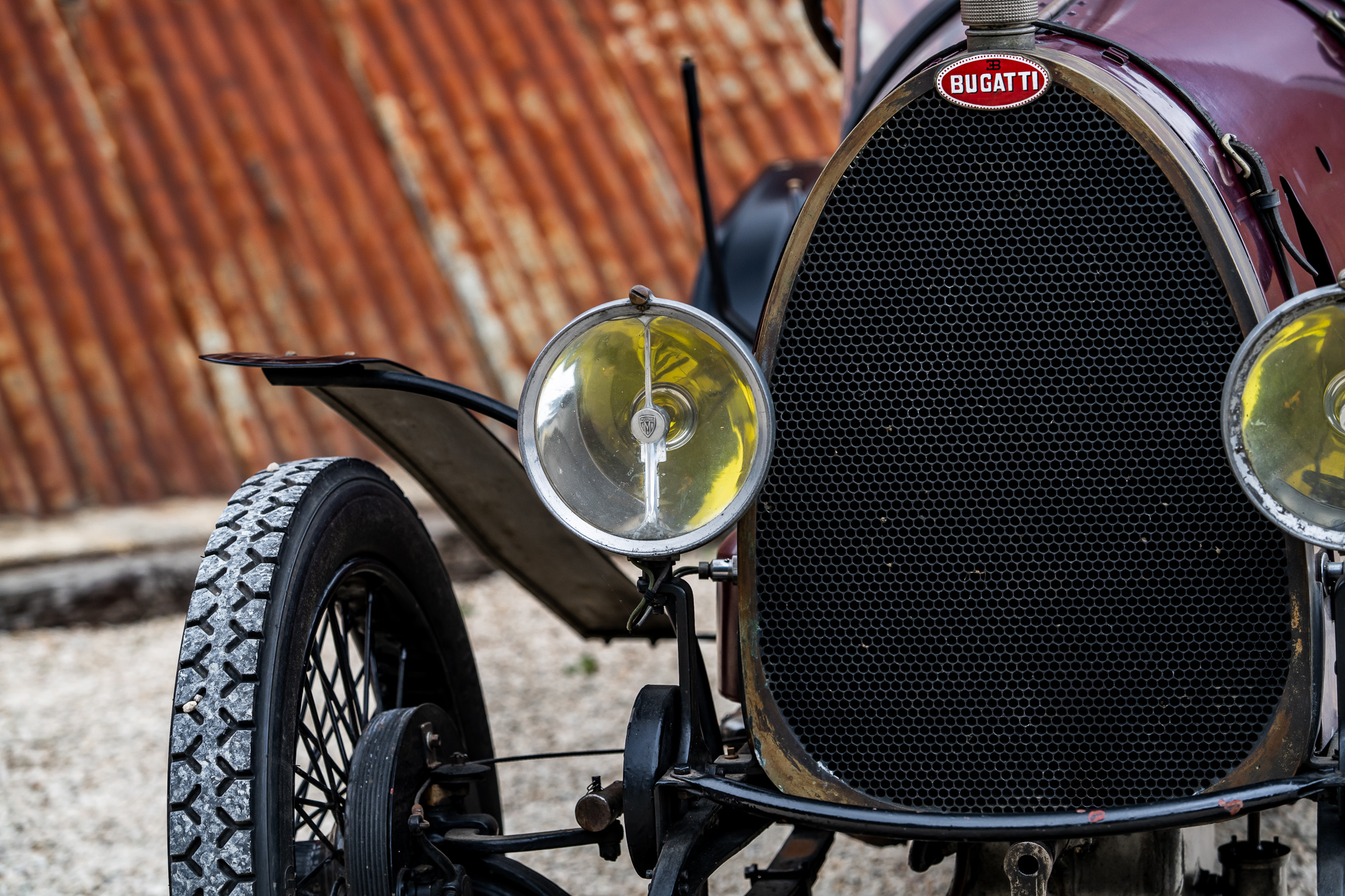
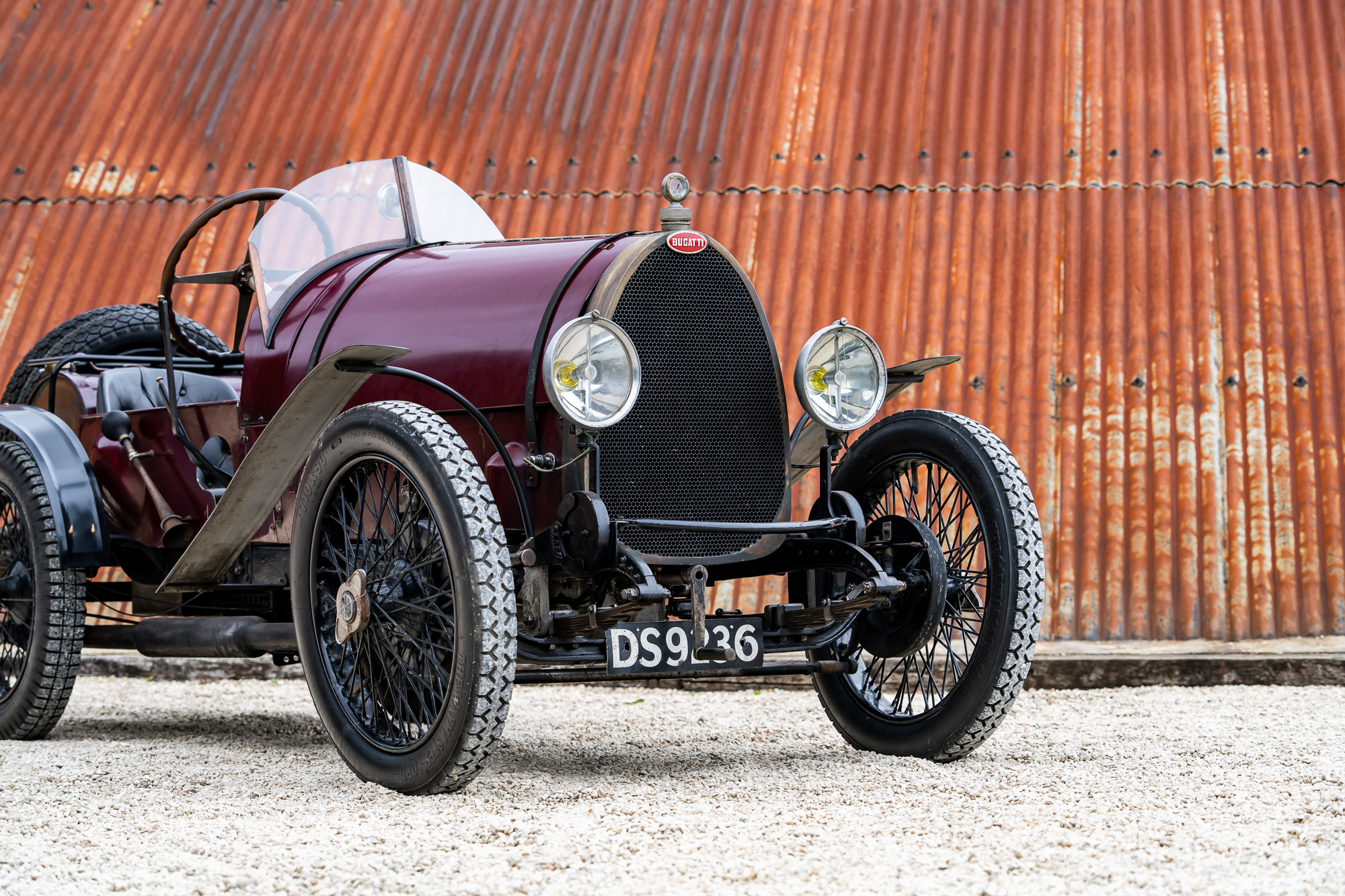
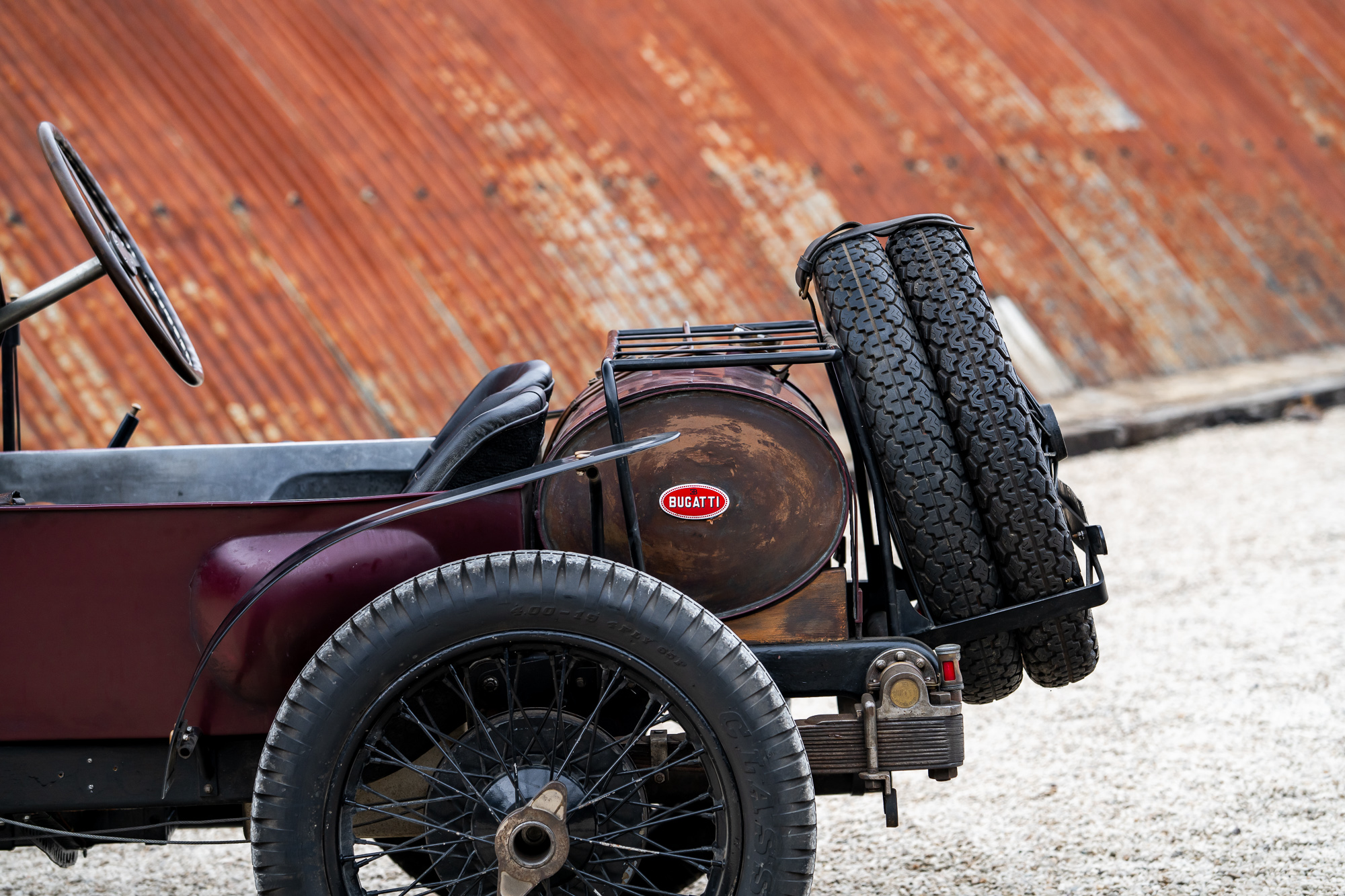
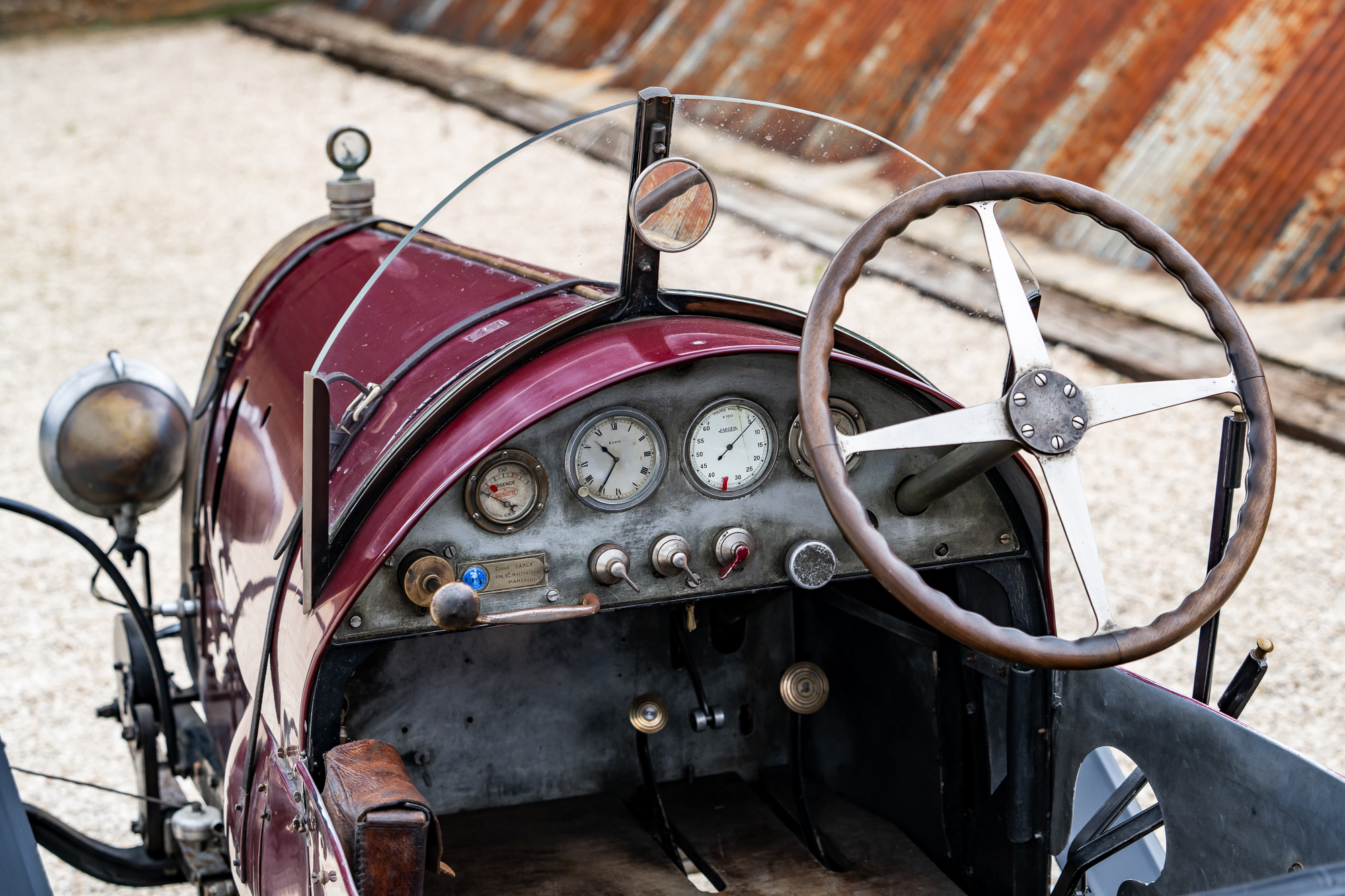
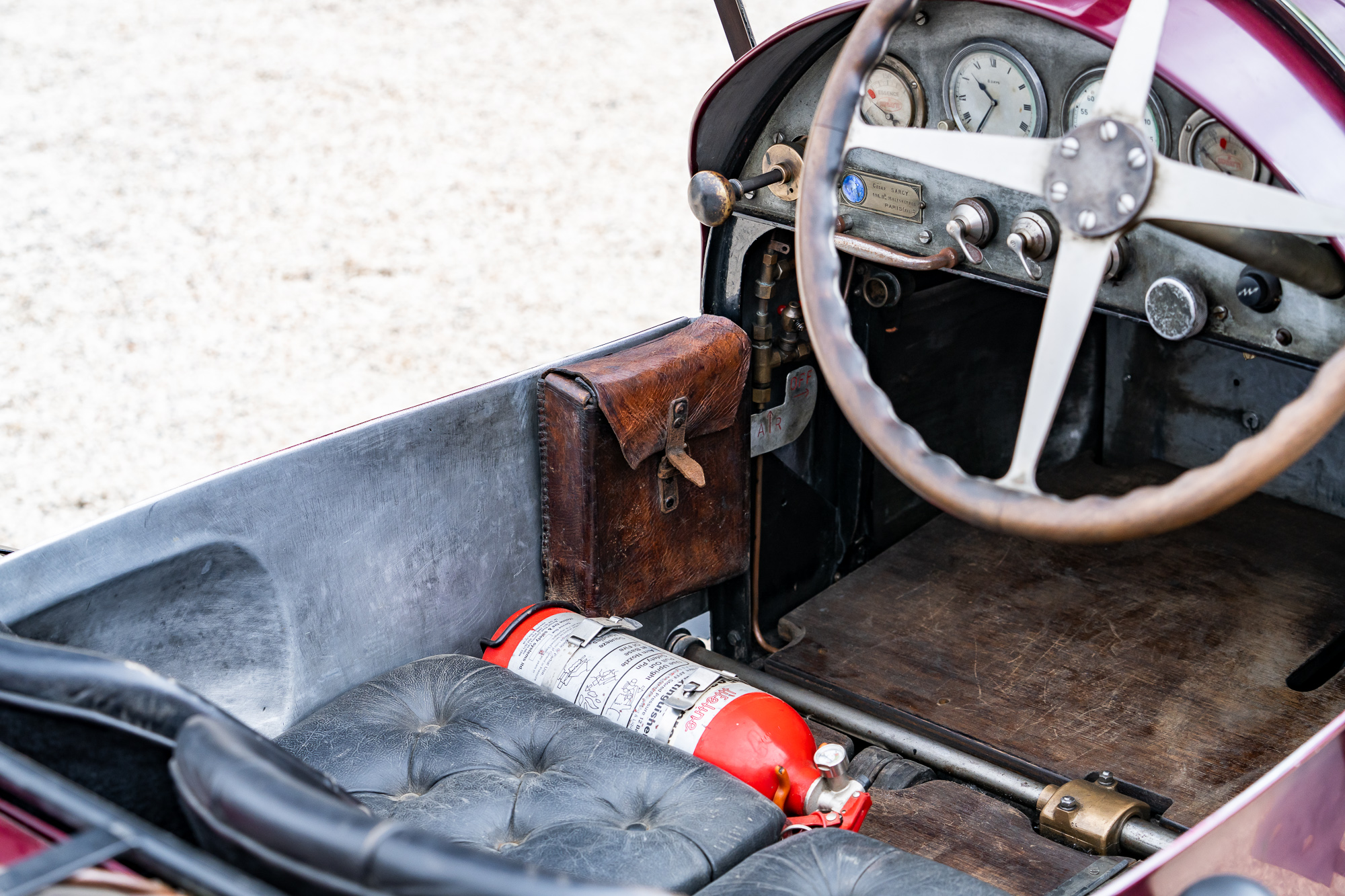
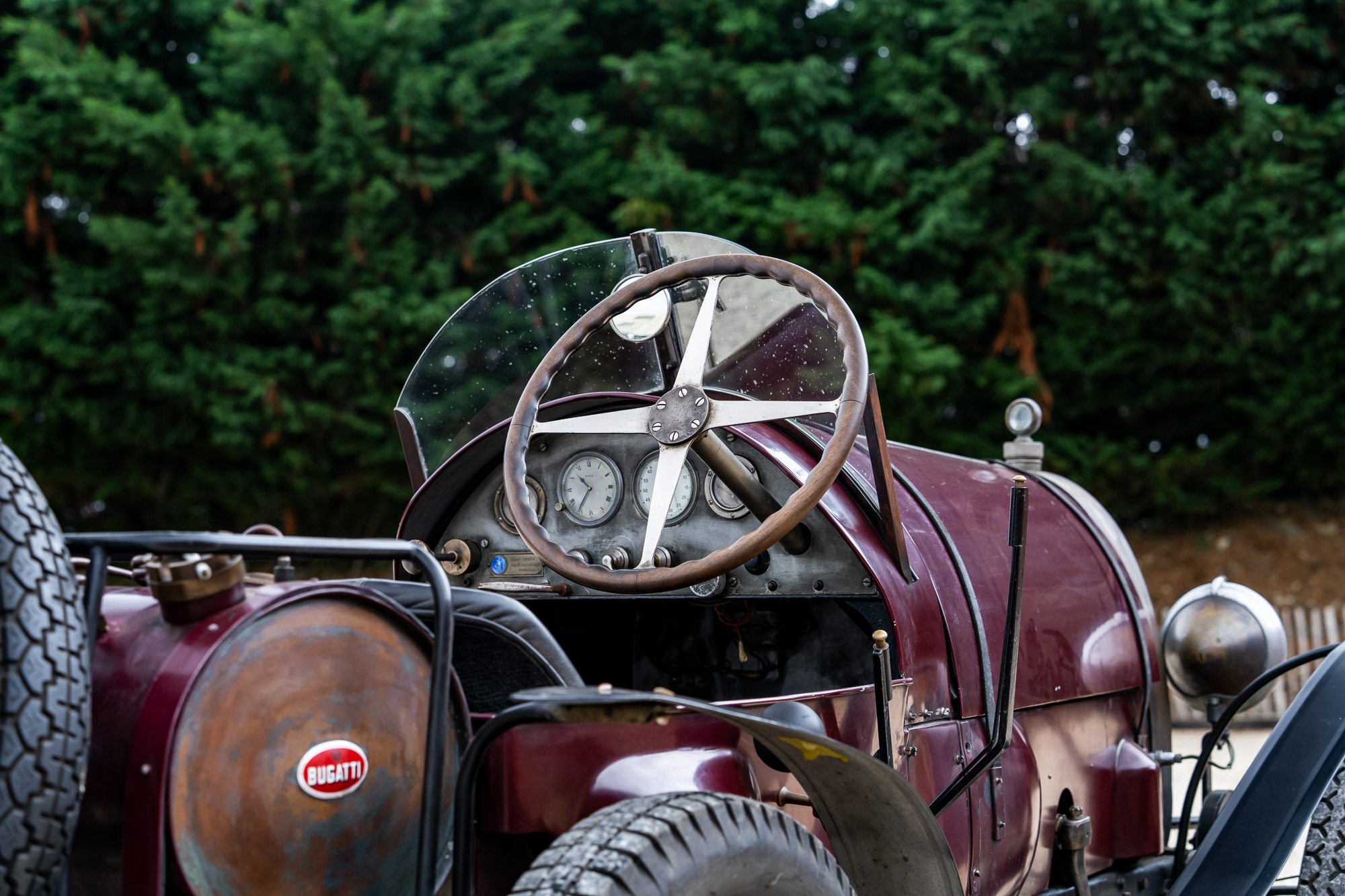
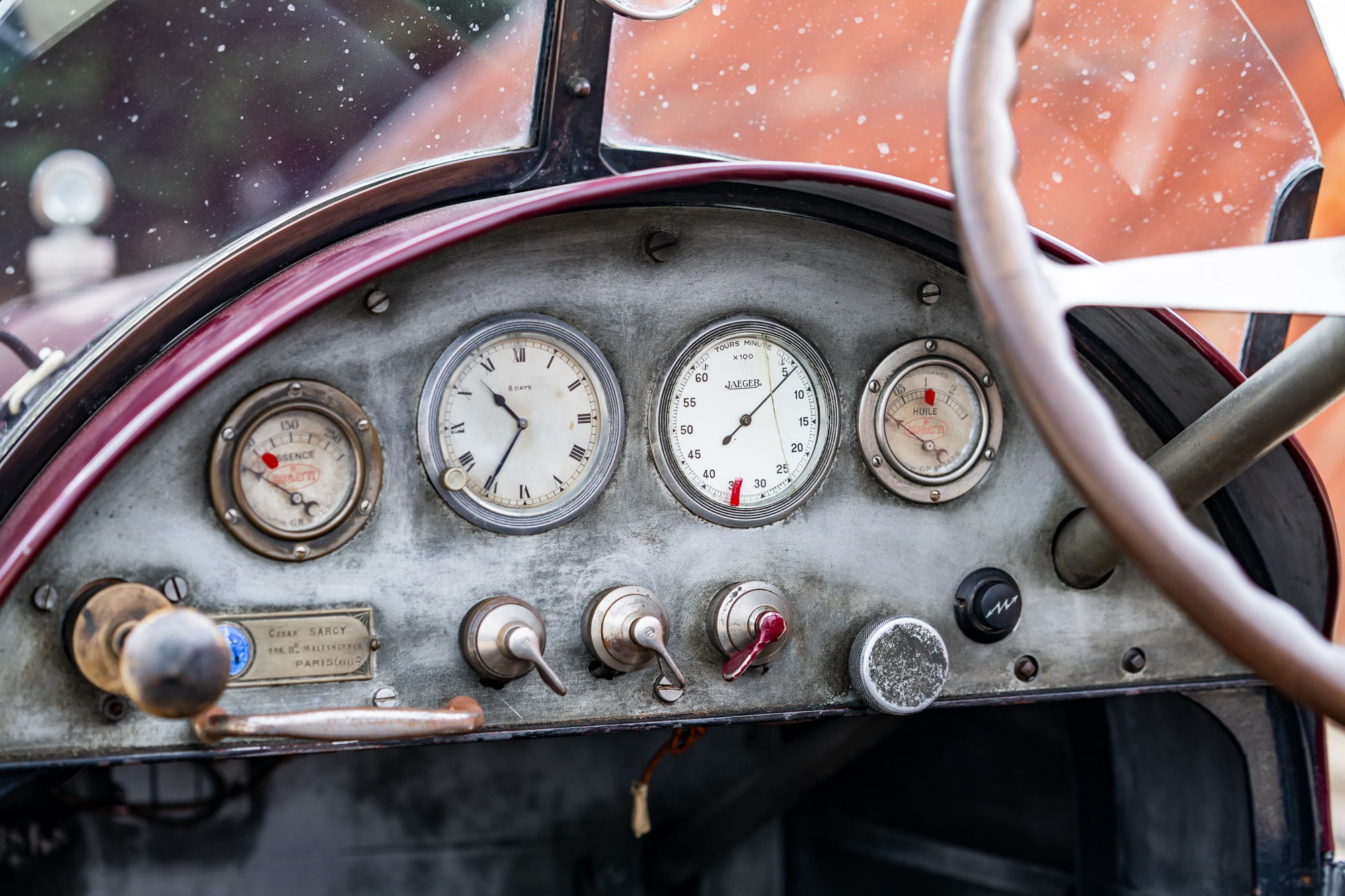
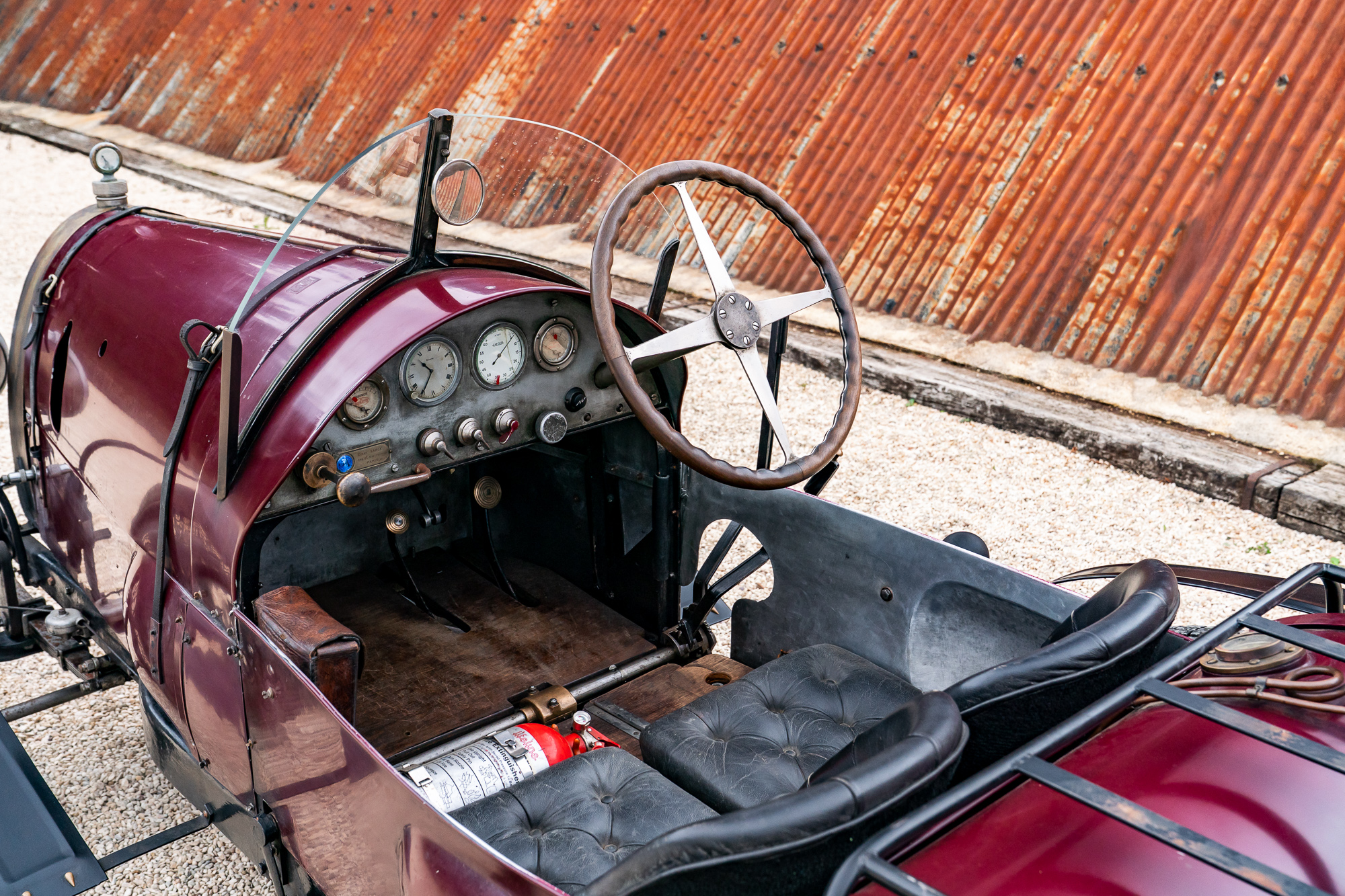
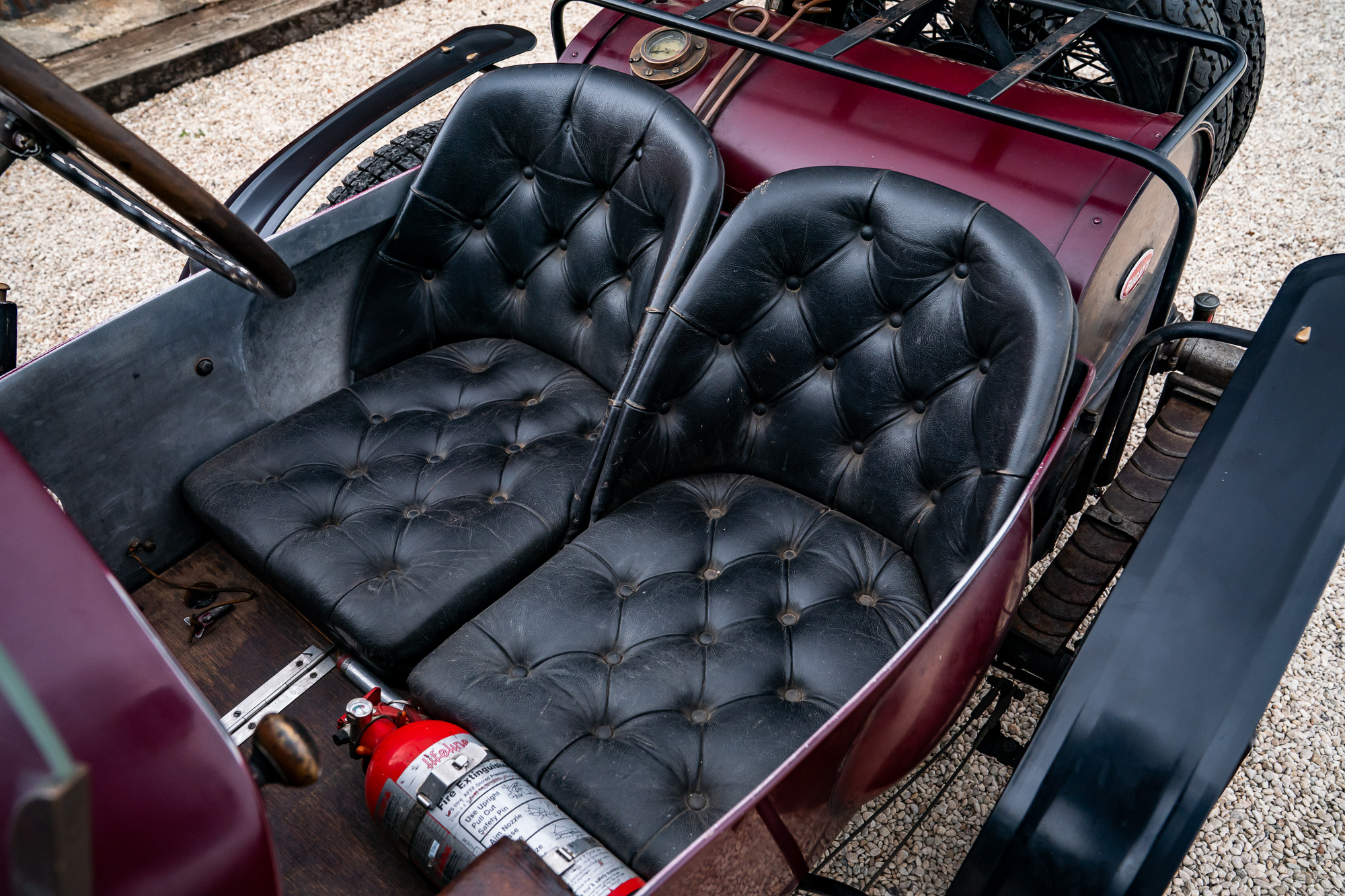
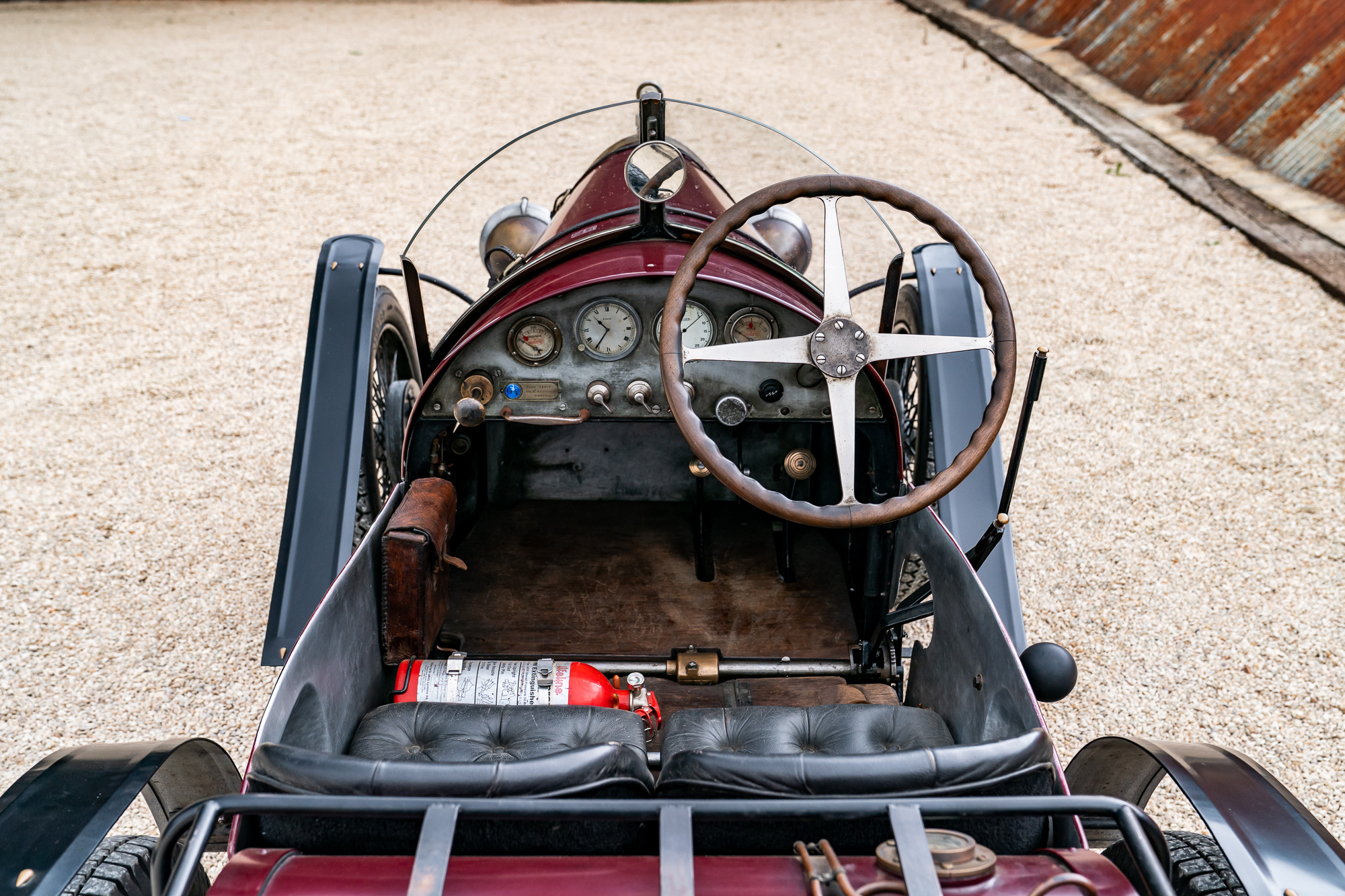
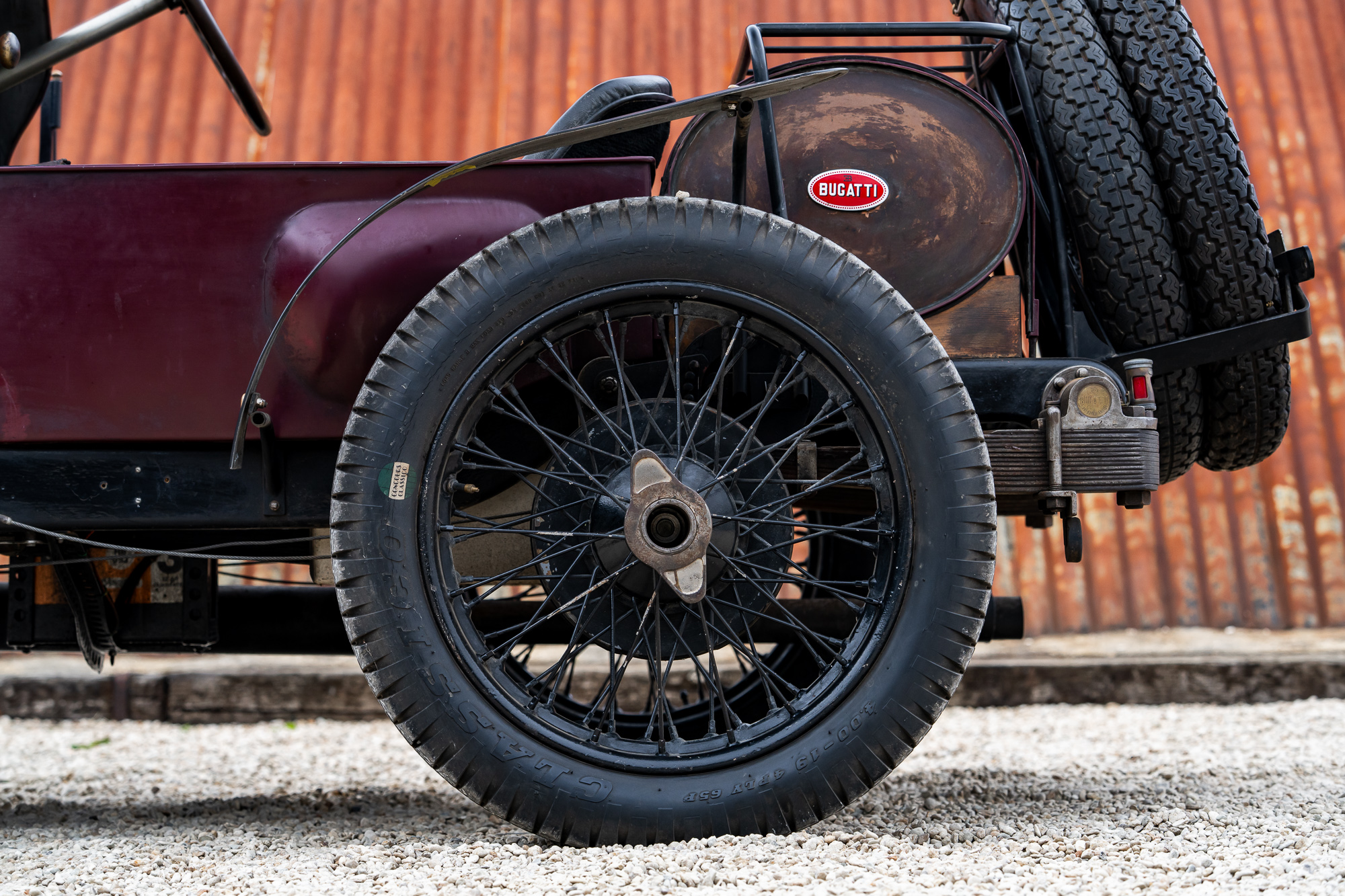
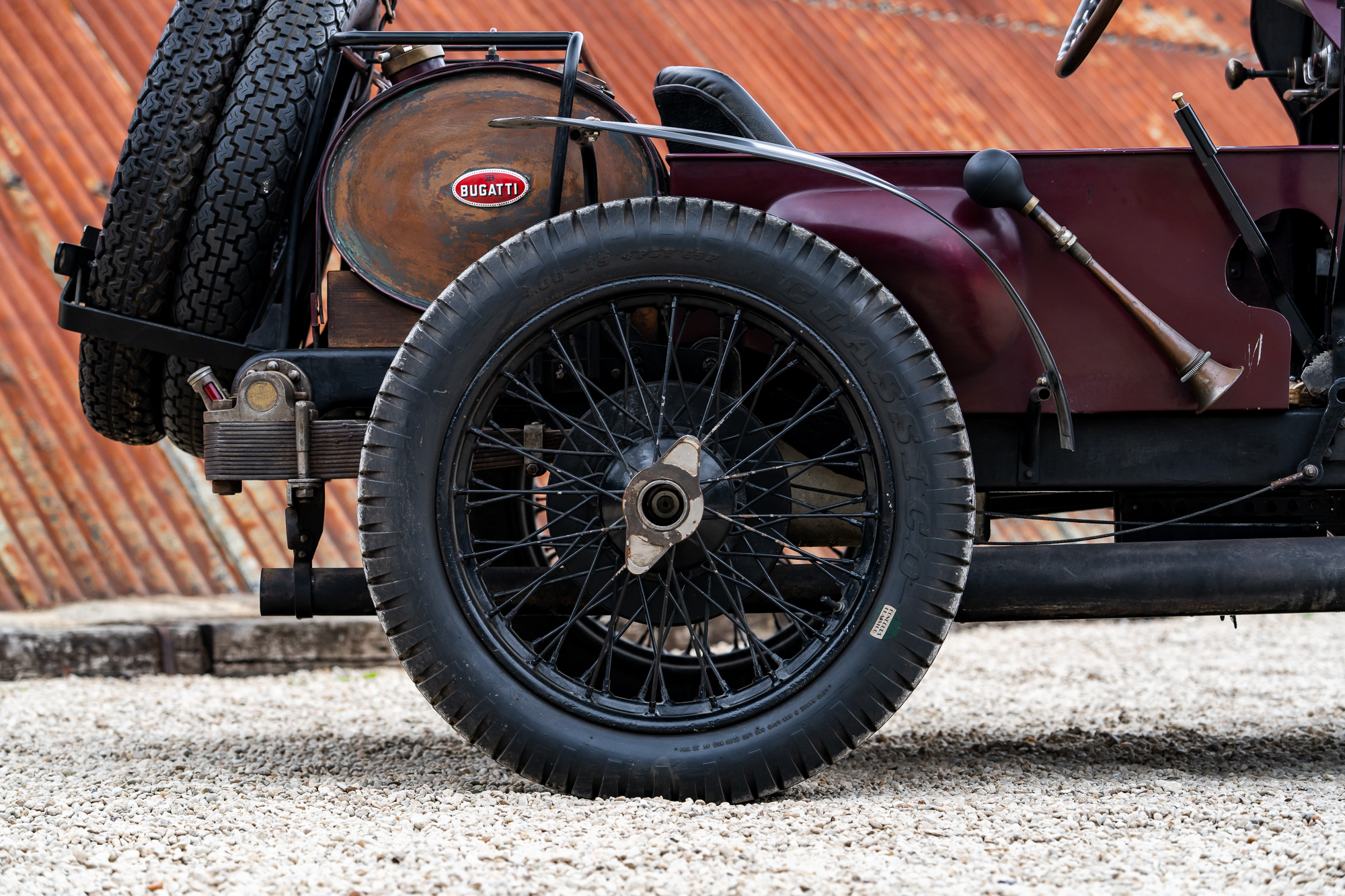
We are delighted to offer a rare opportunity to acquire this wonderful Bugatti Type 13‘Brescia’. Finished in dark burgundy with black upholstery, it features many original components. Chassis number BC67 was originally a long-chassis Type 23, but was shortened some years ago to Type 13 specification, and the body is in the ‘dog cart’ style.
The engine is a 16-valve ‘four’, retaining its original numbered crankcase and cambox, and it has been rebuilt over the past few years. It features a pair of SU bronze-body period carburettors, so it has wonderful performance that is truly amazing for a ‘light car’. It also has a heavy-style front axle with front-wheel brakes to handle modern motoring.
The car has a current UK V5C registration document and a VSCC buff form, making it ideal for competition use such as driving tests and trials, plus tours and more.
These wonderful early Bugattis remain a highly collectable component of the marque’s history. Please call for further details and to discuss this fabulous little Brescia, which is available now for immediate inspection and purchase.
MODEL HISTORY
Ettore Bugatti was born in Milan and learnt the automotive business while in the employment of Mathis, De Dietrich and finally Deutz. In 1908, while in the employment of Deutz, he started designing cars at his house, and two years later he left and set up his own company.
The first car he made was called the Type 10 because it was the 10th design he had created. It was small and light, built clearly with an eye to racing, but using lightness as the advantage rather than a large engine, as was the trend at the time.
It had a 1.2-litre, four-cylinder engine and a small two-seater body. It weighed only 365kg and could achieve a top speed of 80km/h. The car used an overhead camshaft activating twovalves per cylinder, and the camshaft was connected to the crankshaft via a vertical bevel shaft. It also used a wet multi-plate clutch and a shaft final drive when most cars where still using chains.
This was a very advanced and technically thought-out car from start to finish. On showing the car to potential customers, the response was overwhelmingly positive, with many pleading Ettore to put the car into production.
To this end, the marque founder acquired a disused tanning factory in Molsheim in 1910 and continued his development of the Type 10, calling the modified car the Type 13. It was the first full production model and the first to use the Bugatti name.
The T13 continued in a similar vein to its predecessor with a four-cylinder engine now enlarged to 1327cc, but retaining its eight-valve head, bevel-driven cams and shaft-driven wheels – now via a four-speed gearbox. The head was also soon upgraded to a 16-valve design, making it the first multi-valve head in a production car.
The car made its debut at the 1910 Paris Salon, where The Autocar described it as a ‘most delightful looking runabout’! The model was developed through the T15, T17, T22 and the T23, and around 435 of all types are believed to have been produced.
The Bugatti Type 13 took the top four places at the 1921 Brescia GP, which led tounprecedented sales orders at the Molsheim factory and gave the car its ‘Brescia’ nickname.