1957 Land Rover Series 1


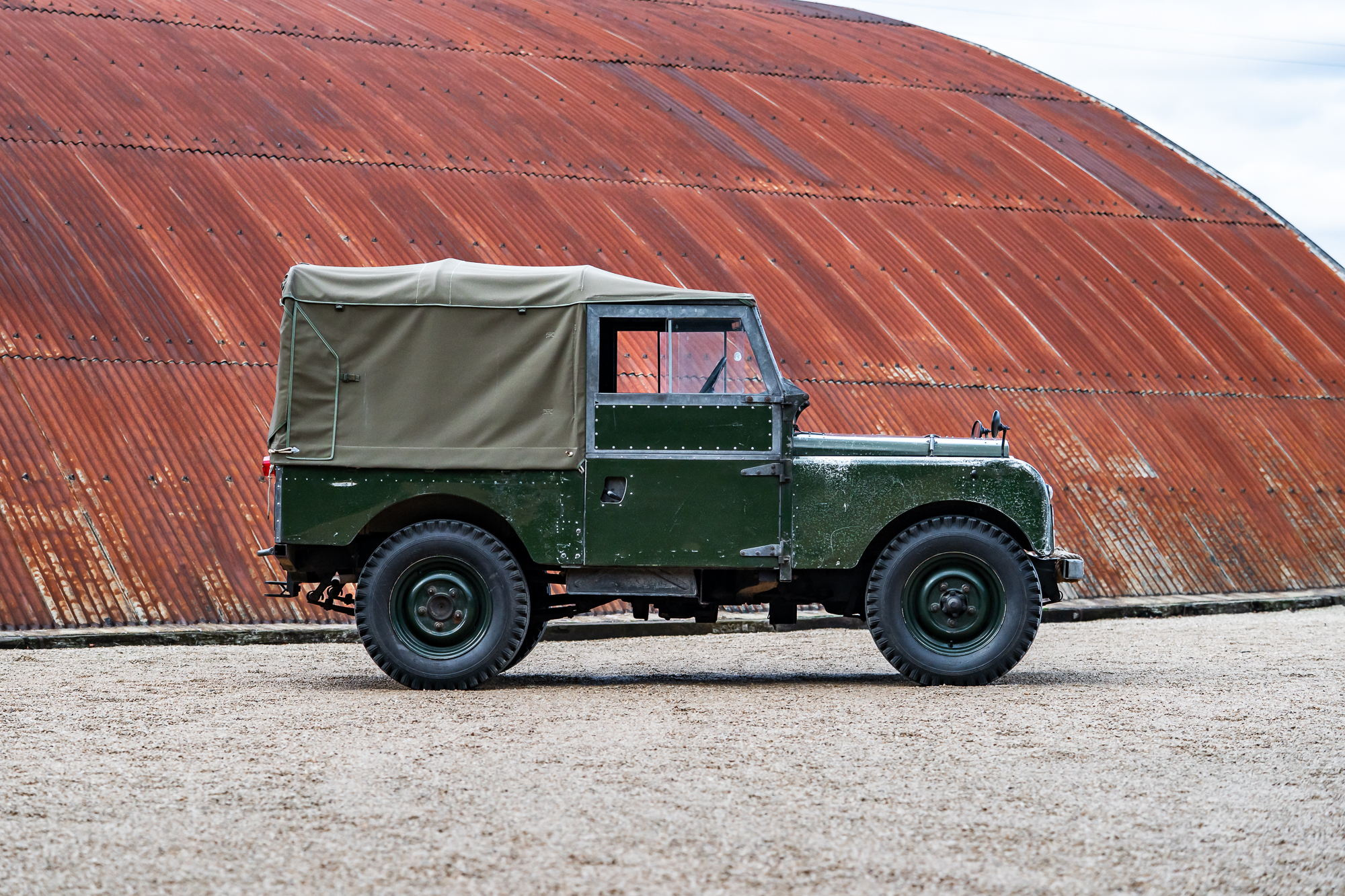
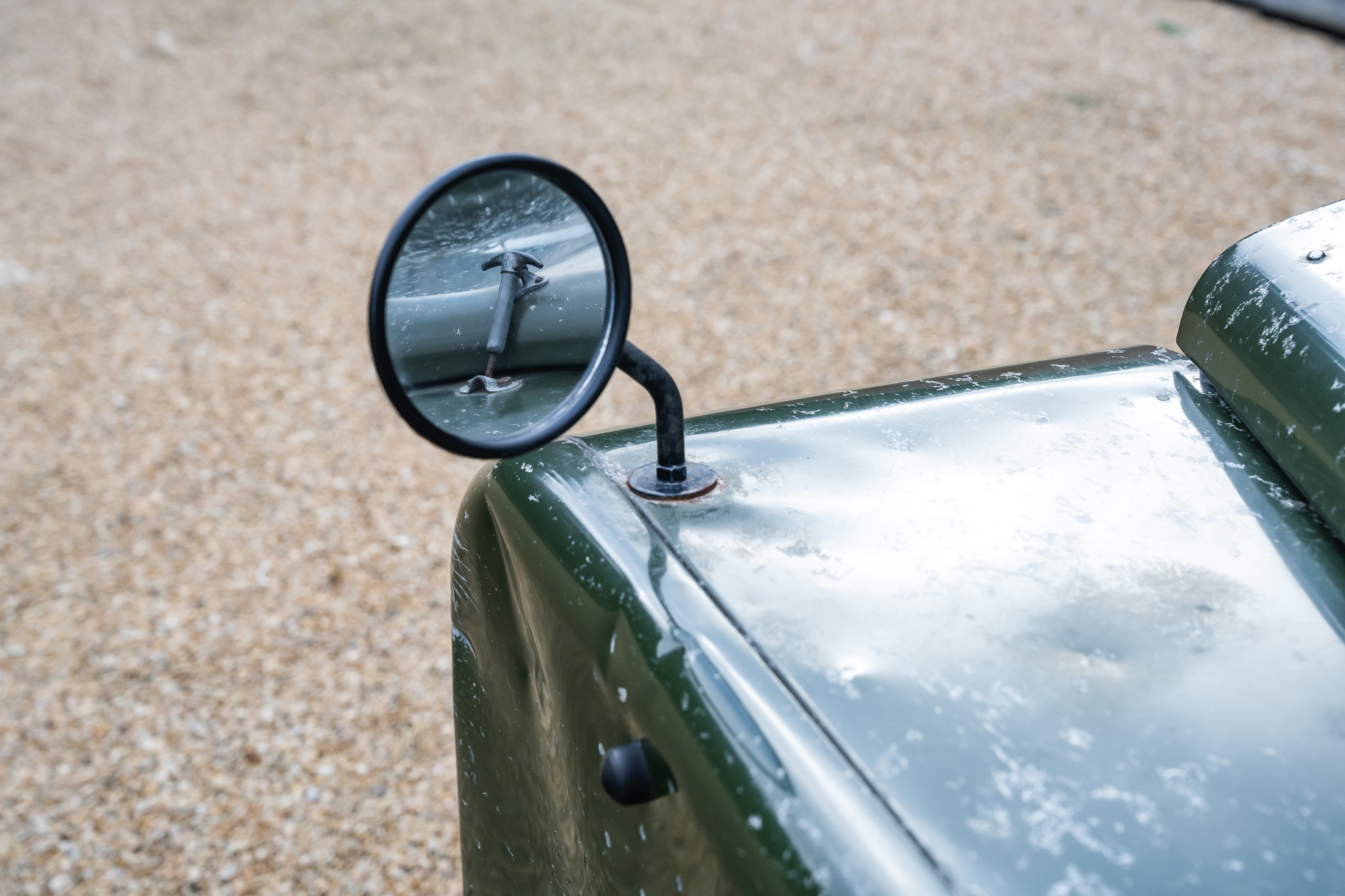
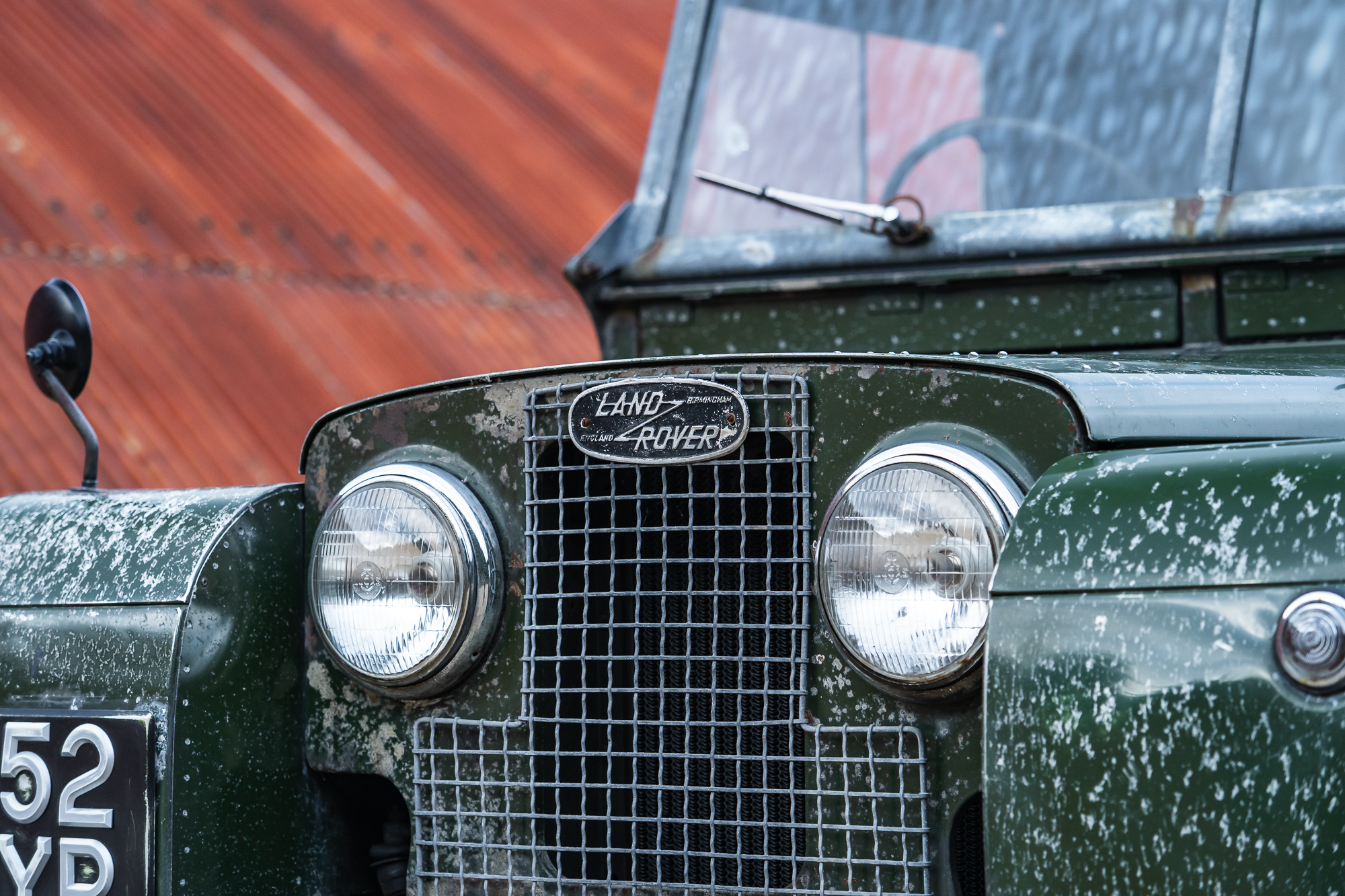


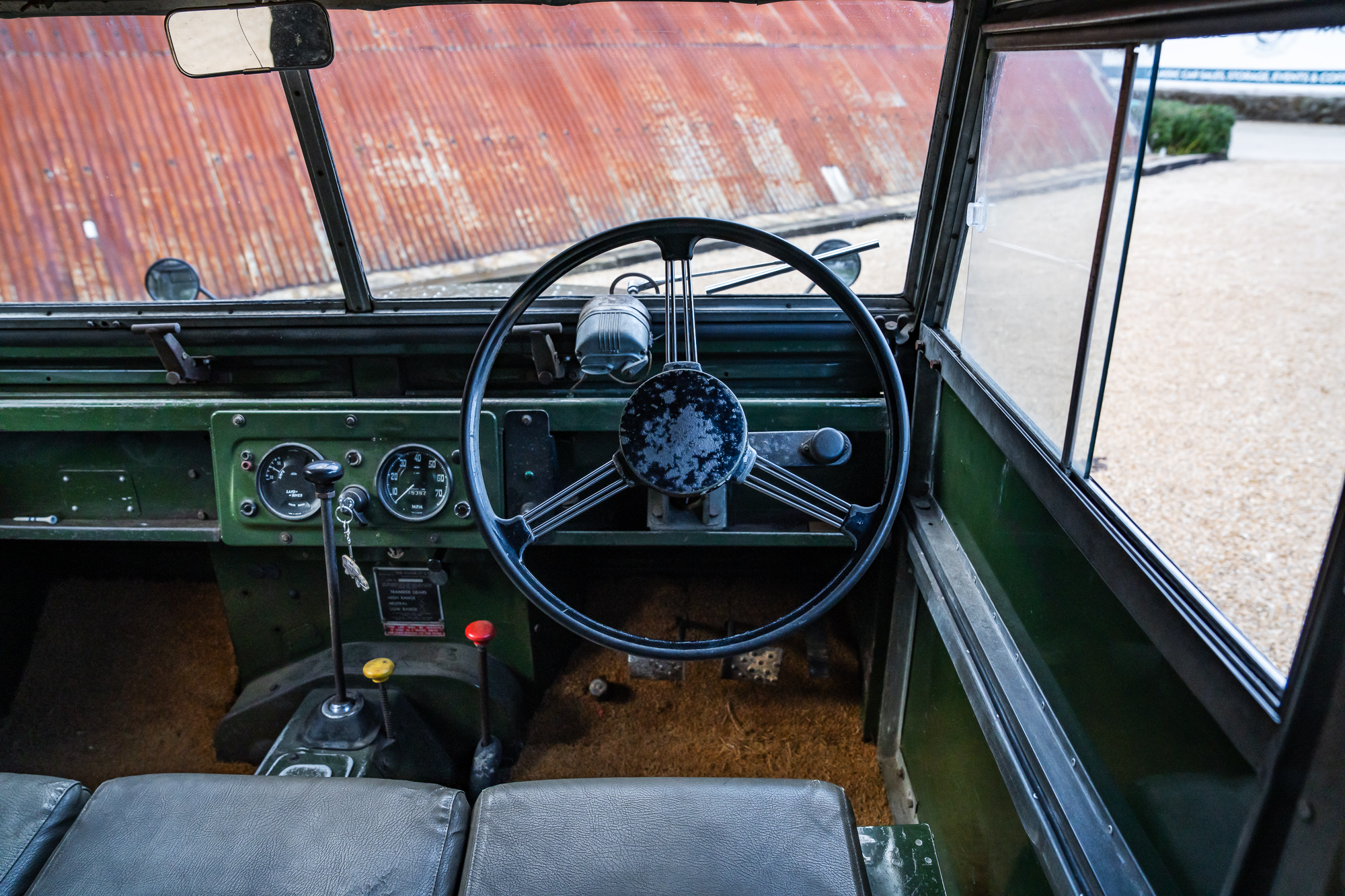


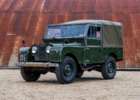
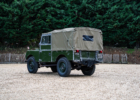

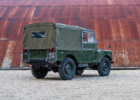
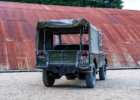
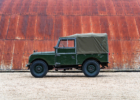
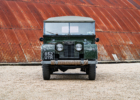
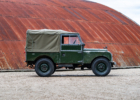




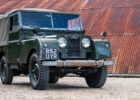

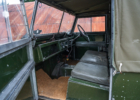
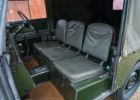
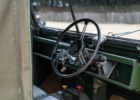

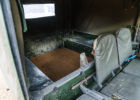

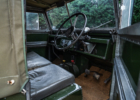

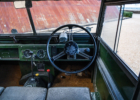

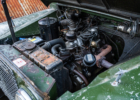

- Incredibly original example of the coveted Series 1
- 88-inch wheelbase and 2-litre petrol engine
- UK-market Series 1 sold new in Scotland
- Fully recommissioned in 2016
| YEAR | 1957 |
| MAKE | Land Rover |
| PRICE | £29,995 |
VEHICLE DESCRIPTION
The ‘Series’ Land-Rovers have attracted a strong following in recent years thanks to their rugged style, robust engineering and classless appeal. Popular wherever they go, they were even honoured with a special display at the 2025 Pebble Beach Concours d’Elegance.
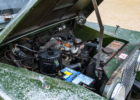
The late Series 1 being offered for sale here is an exceptionally original example that has never been fully restored. Completed on 3 October 1957 and despatched on 17 October, it’s a home-market, right-hand-drive vehicle that was specified with the 88-inch wheelbase and 2-litre petrol engine. It was supplied new via James Gibbons Motors Ltd in Glasgow and its original registration number, TUS 508, was issued there.
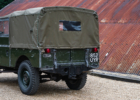
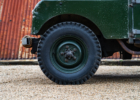
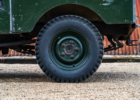
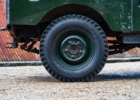
The Land-Rover subsequently stayed in Scotland and later spent a number of years off the road. It was then acquired by a marque enthusiast who’d owned a wide range of Series Land-Rovers. He recommissioned it by rebuilding the brakes, overhauling the carburettor, replacing the ignition system, and fitting four new tyres plus a new canvas tilt.
He also noted that the chassis and bulkhead had never been welded or repaired, and it returned to the road in June 2016 having been inspected by the Land-Rover Series One Club and issued with the registration 852 UYR.
More usable on the road than the early Series 1s thanks to its longer wheelbase and bigger engine, and still very capable off-road, this beautifully patinated Land-Rover embodies the all-round abilities for which this landmark vehicle is rightly renowned. Add an extensive network of clubs and specialists, and it’s little wonder that it’s become such a popular choice for enthusiasts of all ages.
MODEL HISTORY
Few cars can claim to be genuinely revolutionary, but the Land-Rover is definitely one of them. In the aftermath of World War Two, Rover’s chief designer Maurice Wilks – perhaps inspired by using a Jeep on his farm in Anglesey – came up with a vehicle of unmatched ‘go anywhere’ versatility.
When it was launched in 1948, the Land-Rover used an 80in wheelbase and a 1.6-litre four-cylinder petrol engine, which drove through a four-speed gearbox and a two-speed transfer box. Although it featured four-wheel drive, early cars had a freewheel unit that disengaged the front axle from the transmission when coasting.
The sturdy box-section chassis was made of steel, but the body panels were aluminium – a decision originally taken because of post-war steel shortages. One of the keys to the Land-Rover’s appeal was its use of Power Take-Off points that enabled owners to run machinery from it, and it was an immediate success both in crucial export markets and at home.
The Series 1 was regularly updated during its production run. The 1.6-litre engine was enlarged to 2 litres in 1951, and in subsequent years more wheelbase options were added – all the way up to the late 109in long-wheelbase model. From 1957, there was also the option of a diesel engine.
Although the basic outline remained unchanged, there were detail visual changes along the way. There was also a multitude of different body styles, military orders were soon pouring in, and Land-Rovers were even pressed into service for the royal family – both during official events and for private use.
A revised Series 2 was launched in 1958 and Land-Rover eventually grew to the point where it became an individual marque in its own right. Production of the ‘Series’ models and the subsequent Defender ran continuously until 2016, by which time just over two million of these remarkable vehicles had been built.