
1967 Aston Martin DB6 Volante

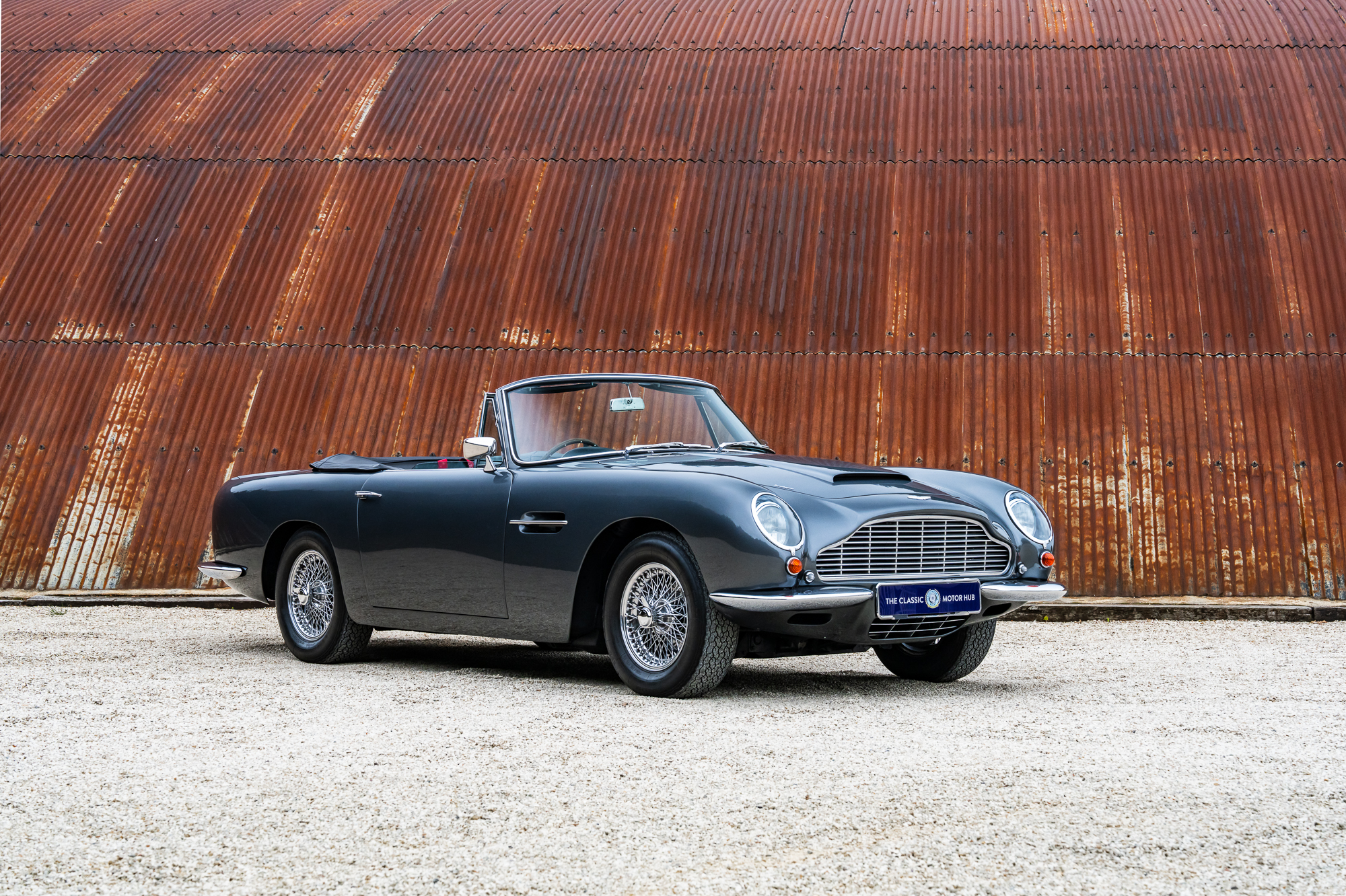
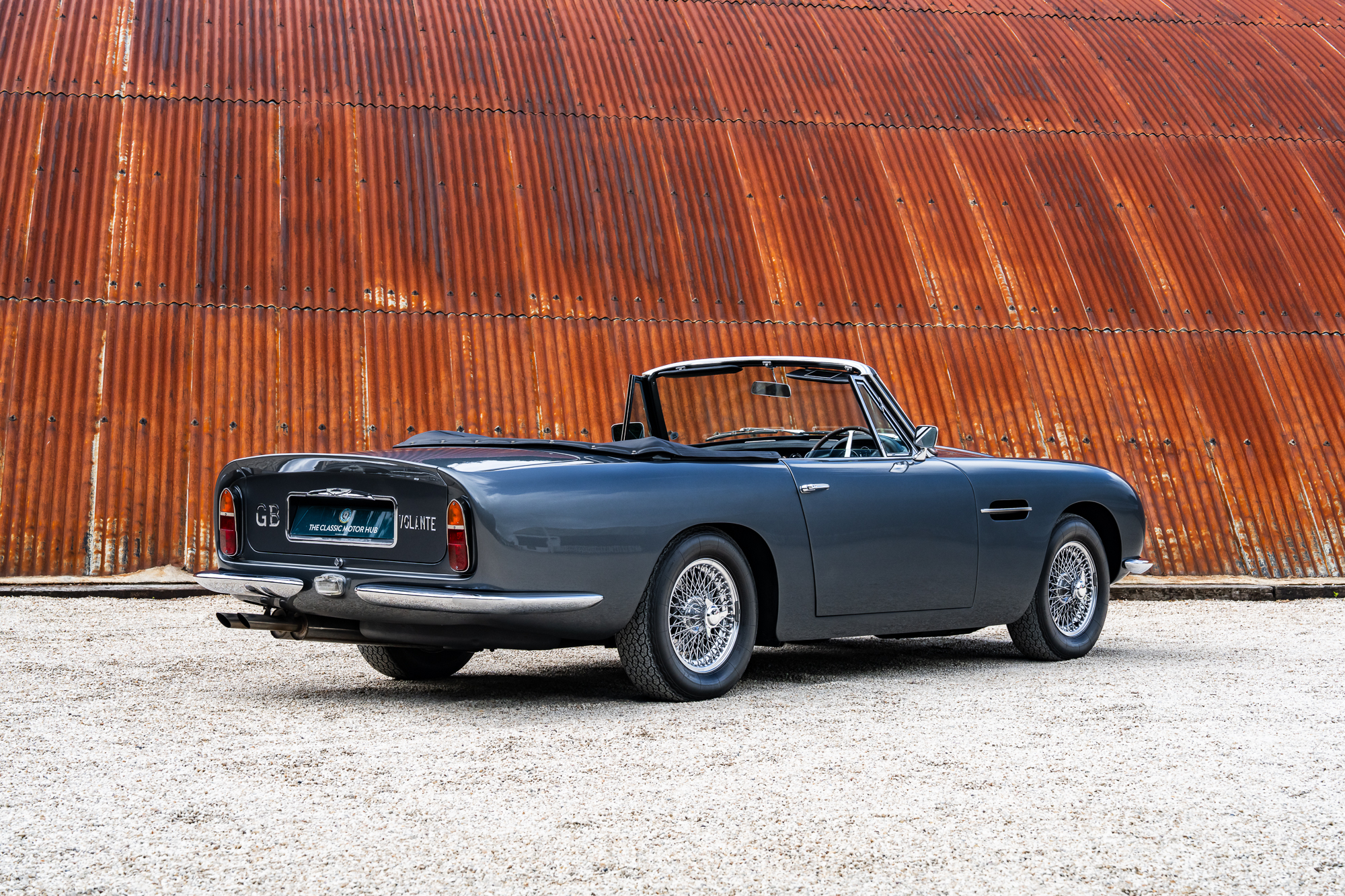
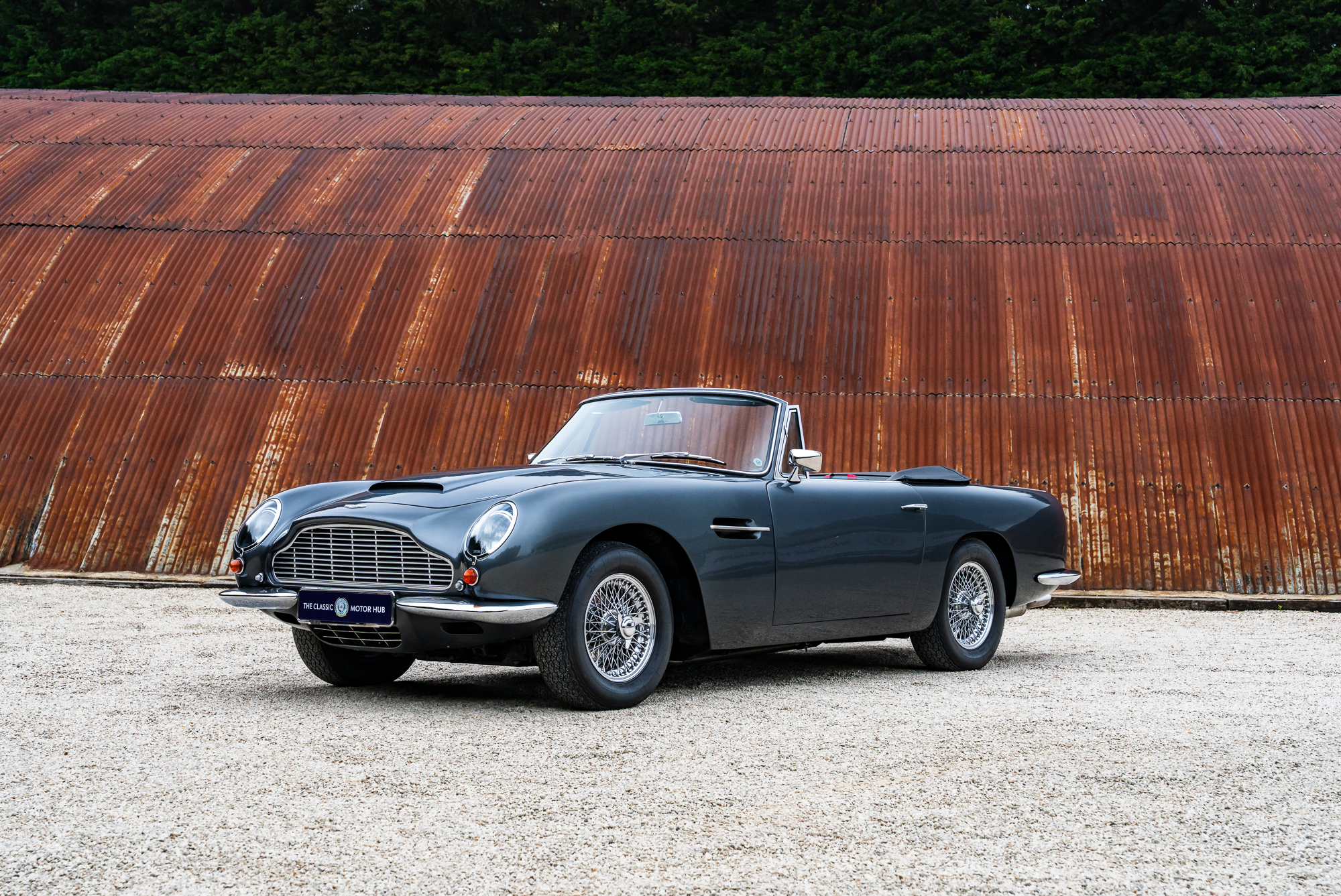
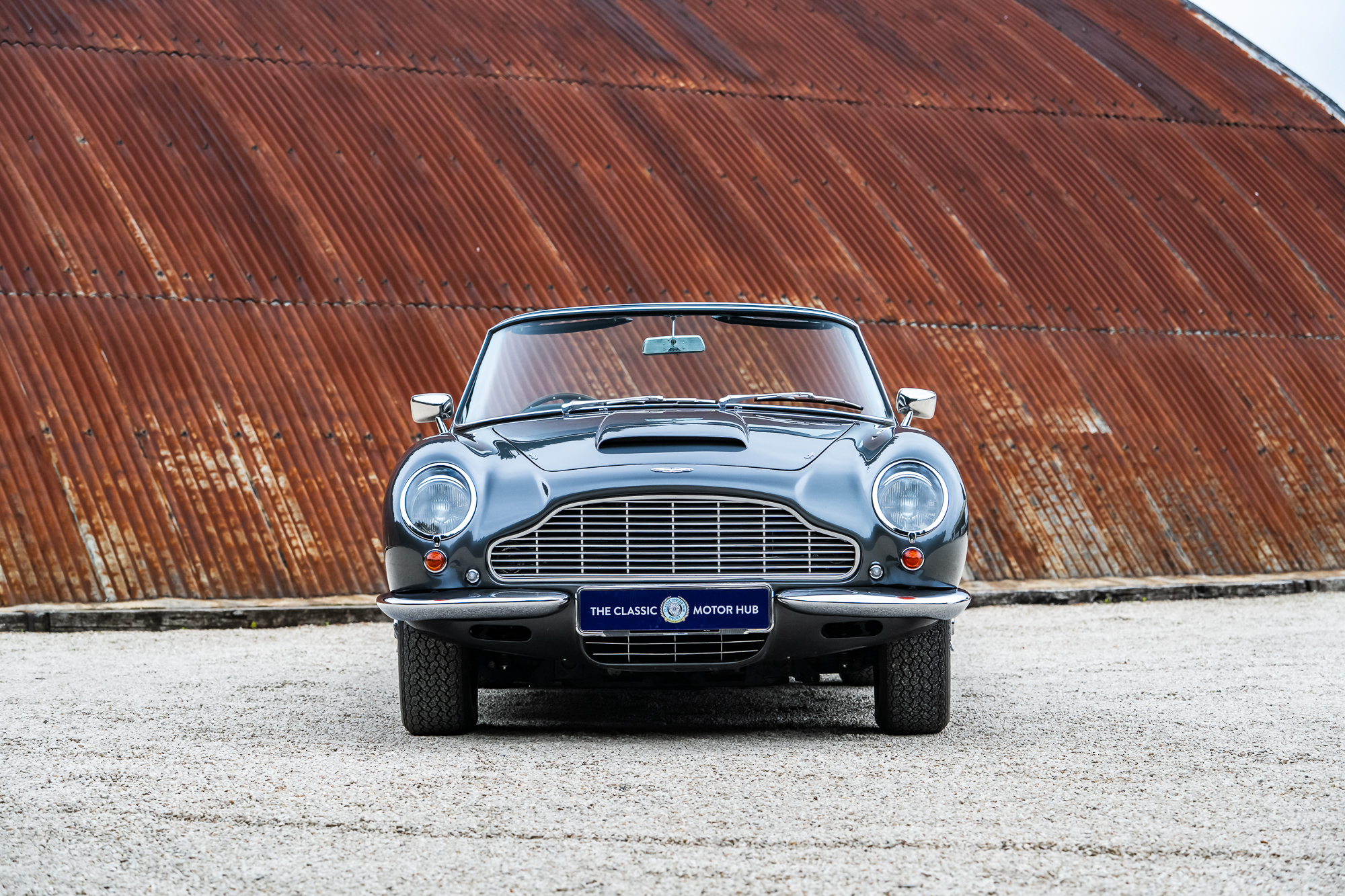
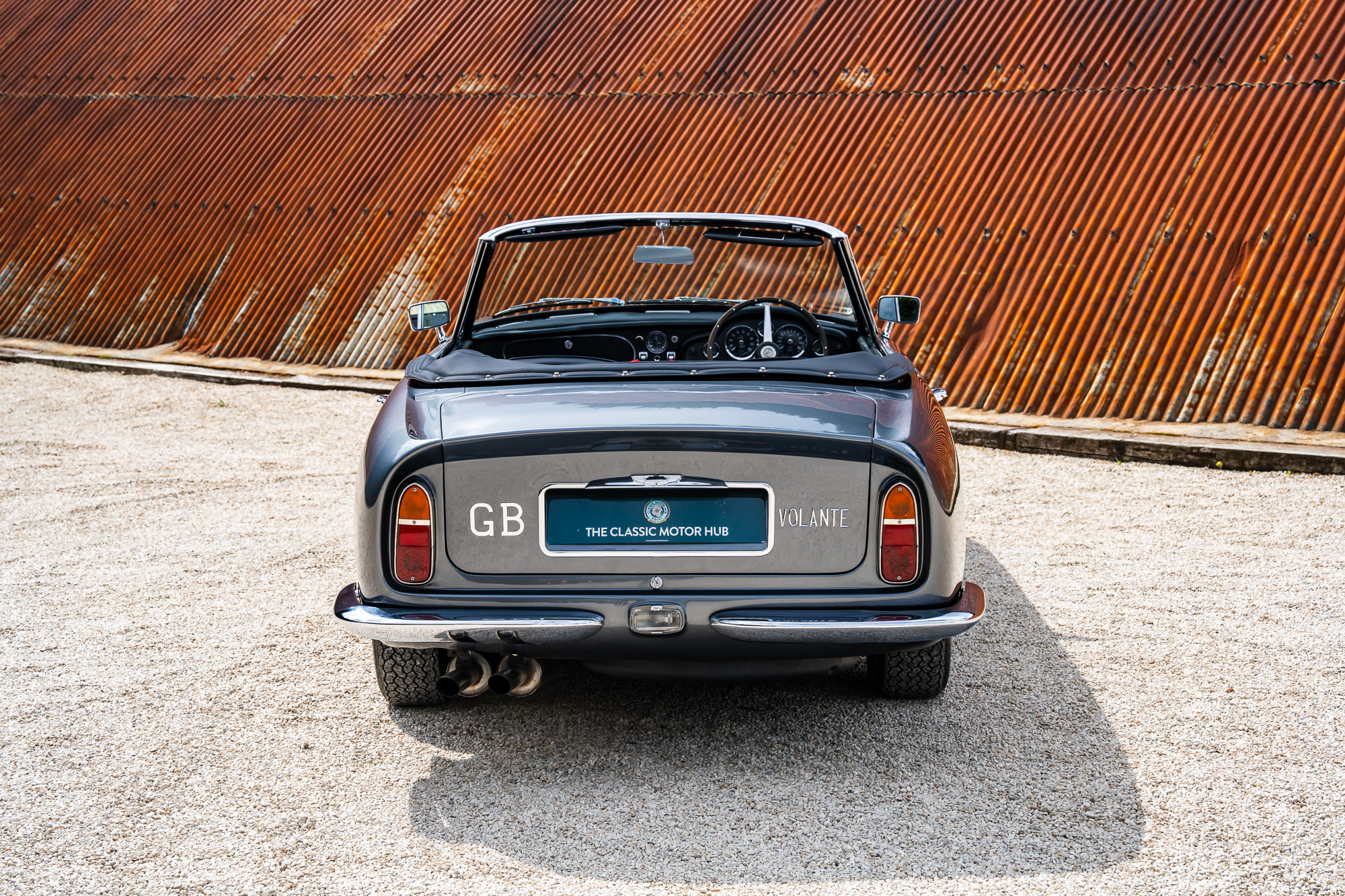
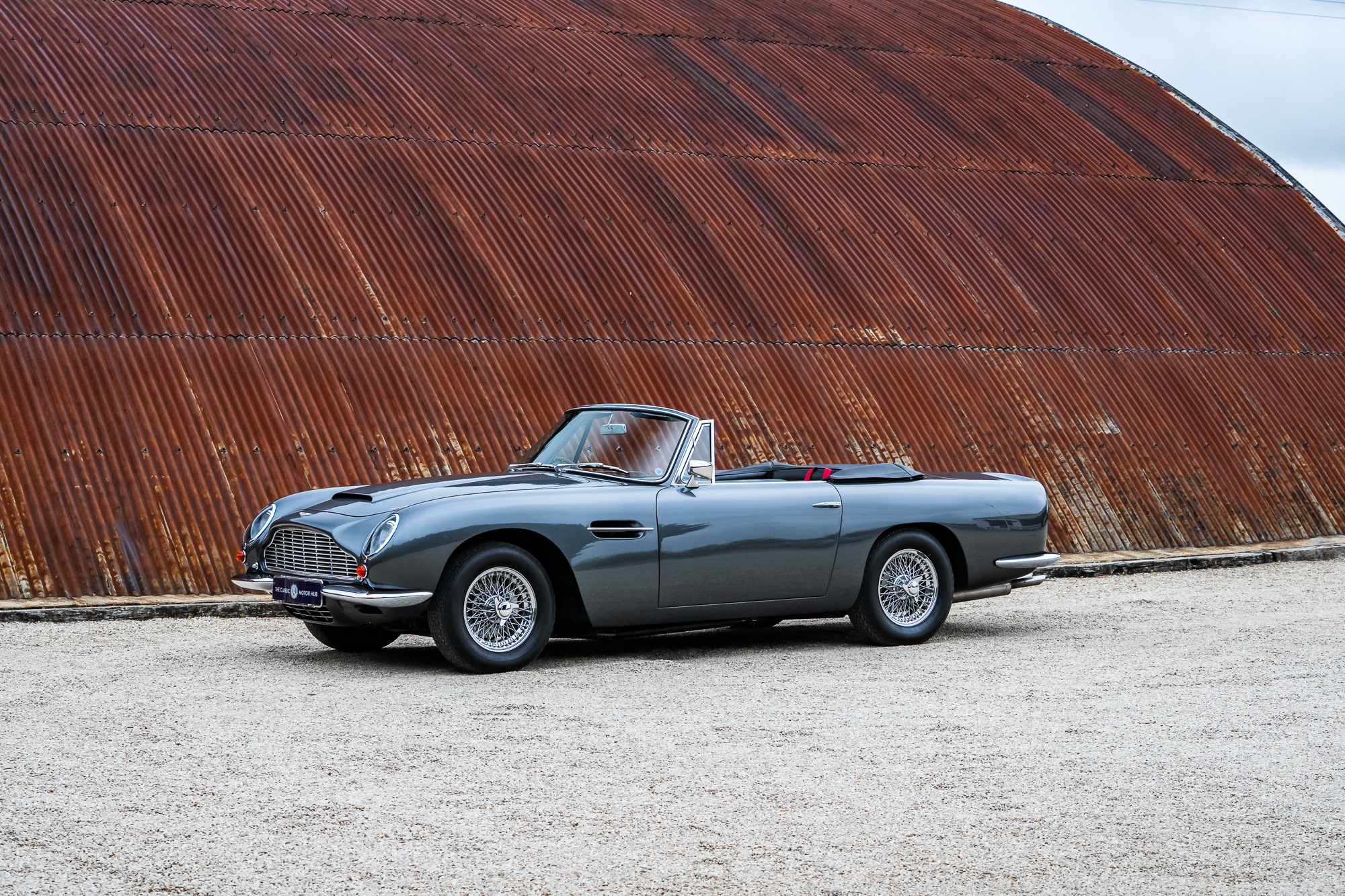
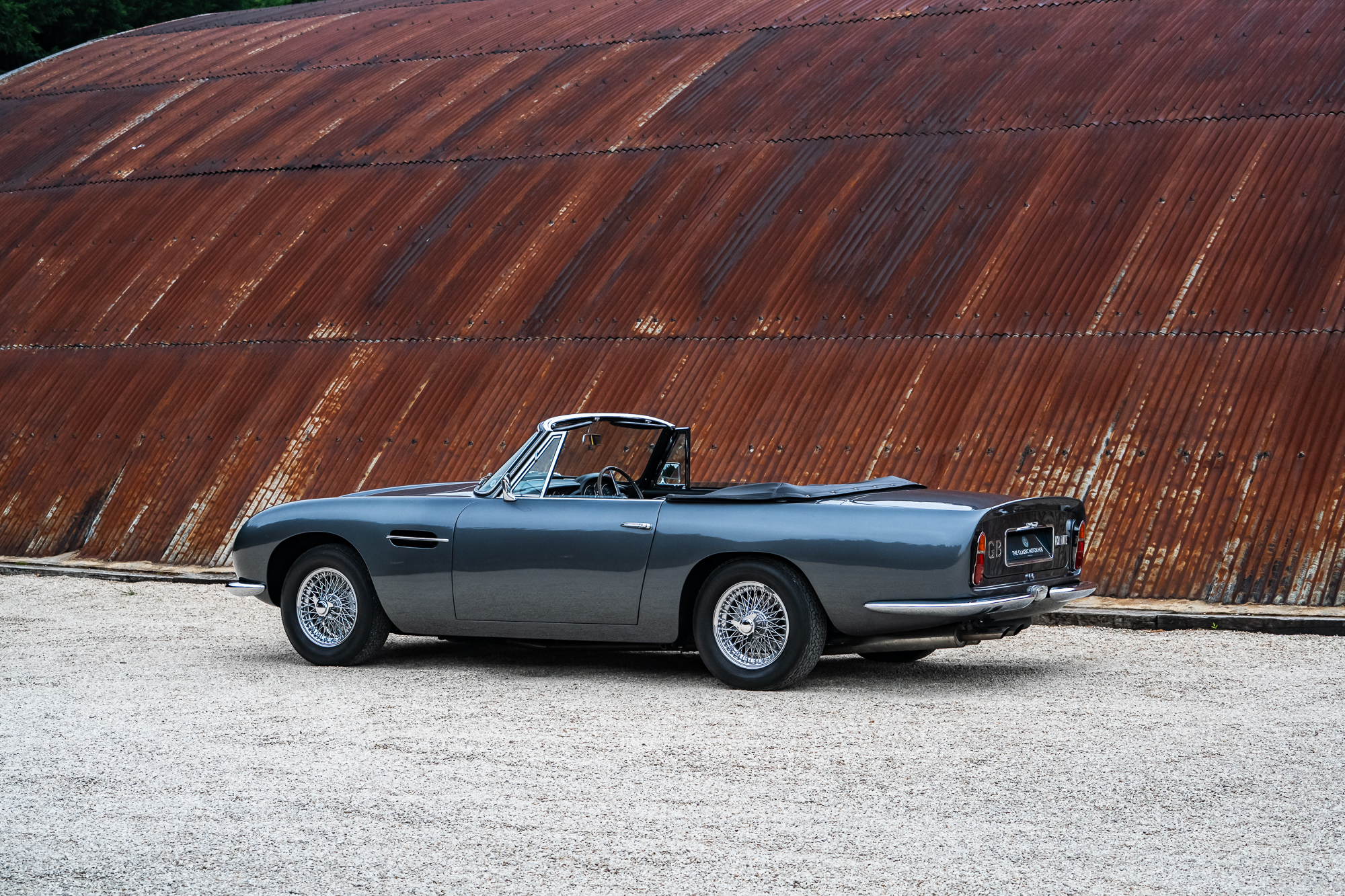
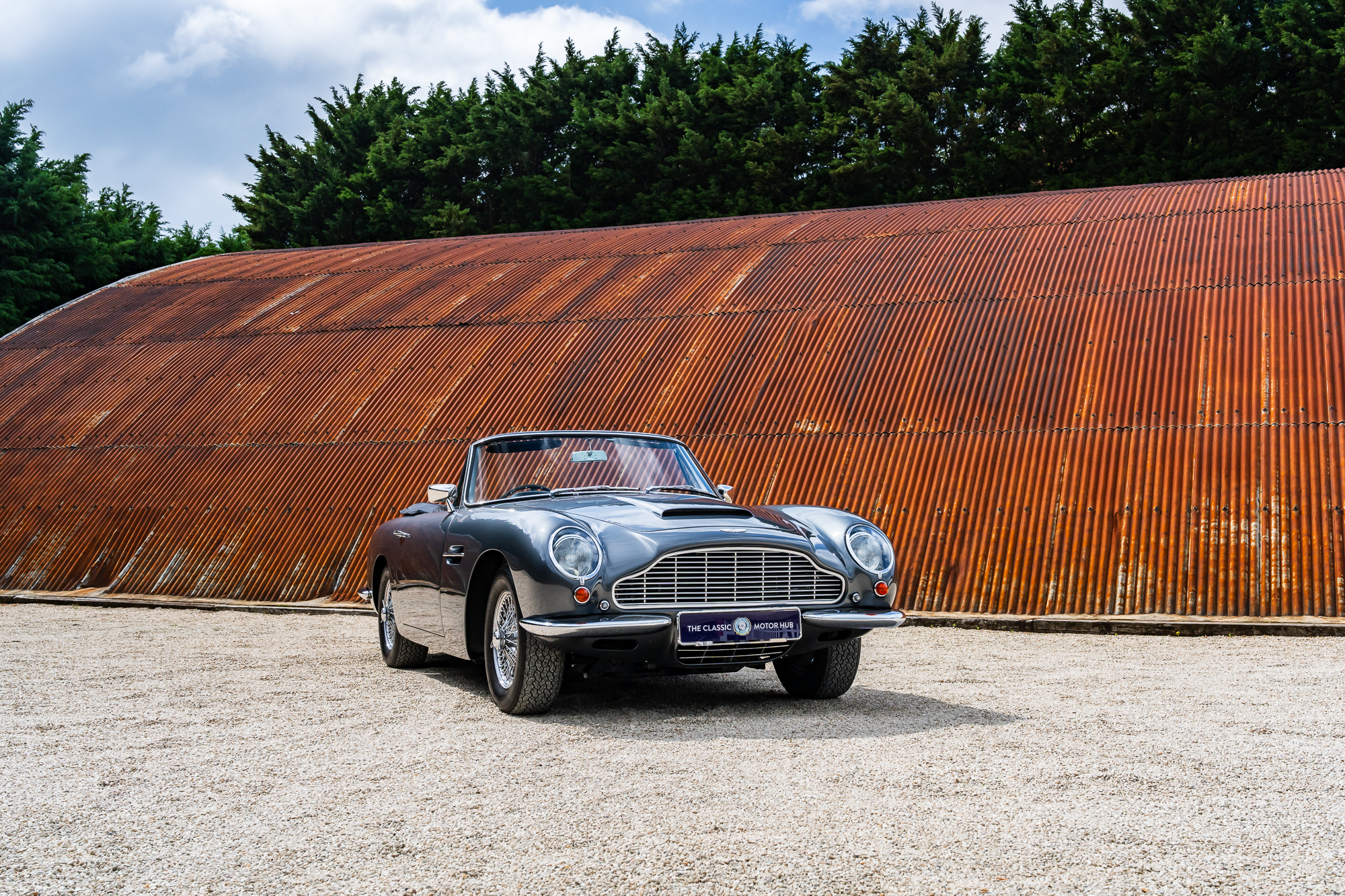
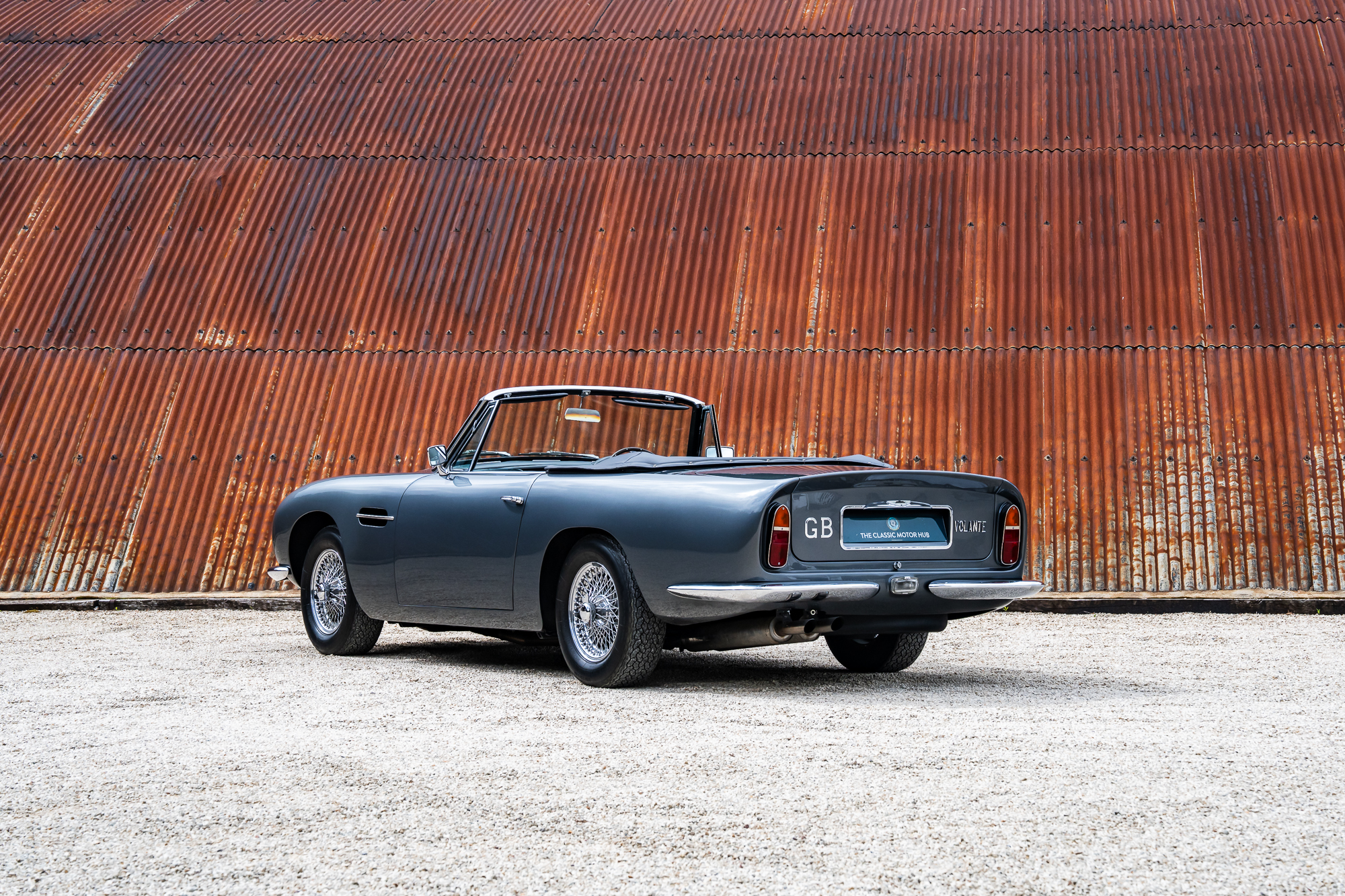
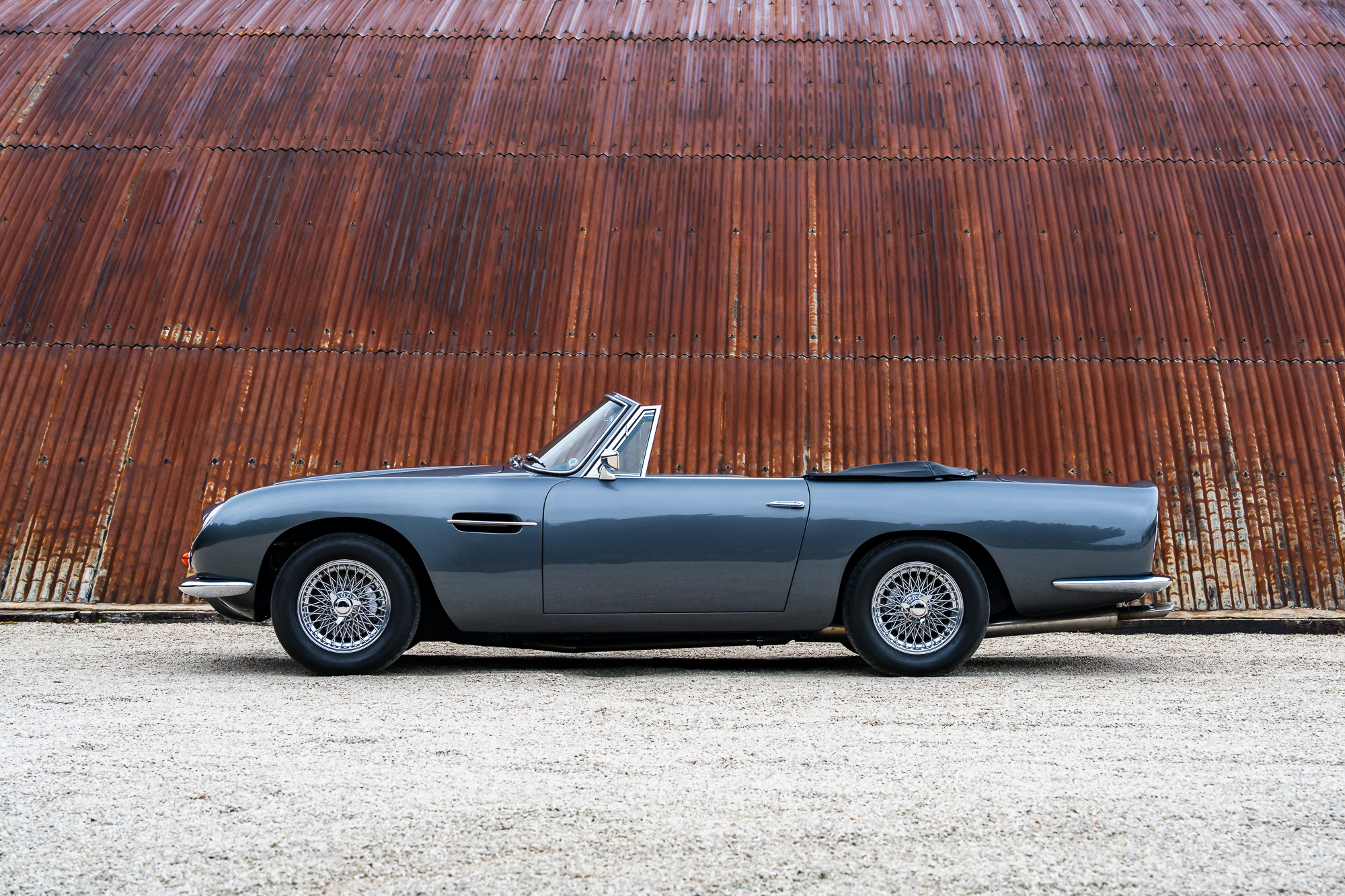
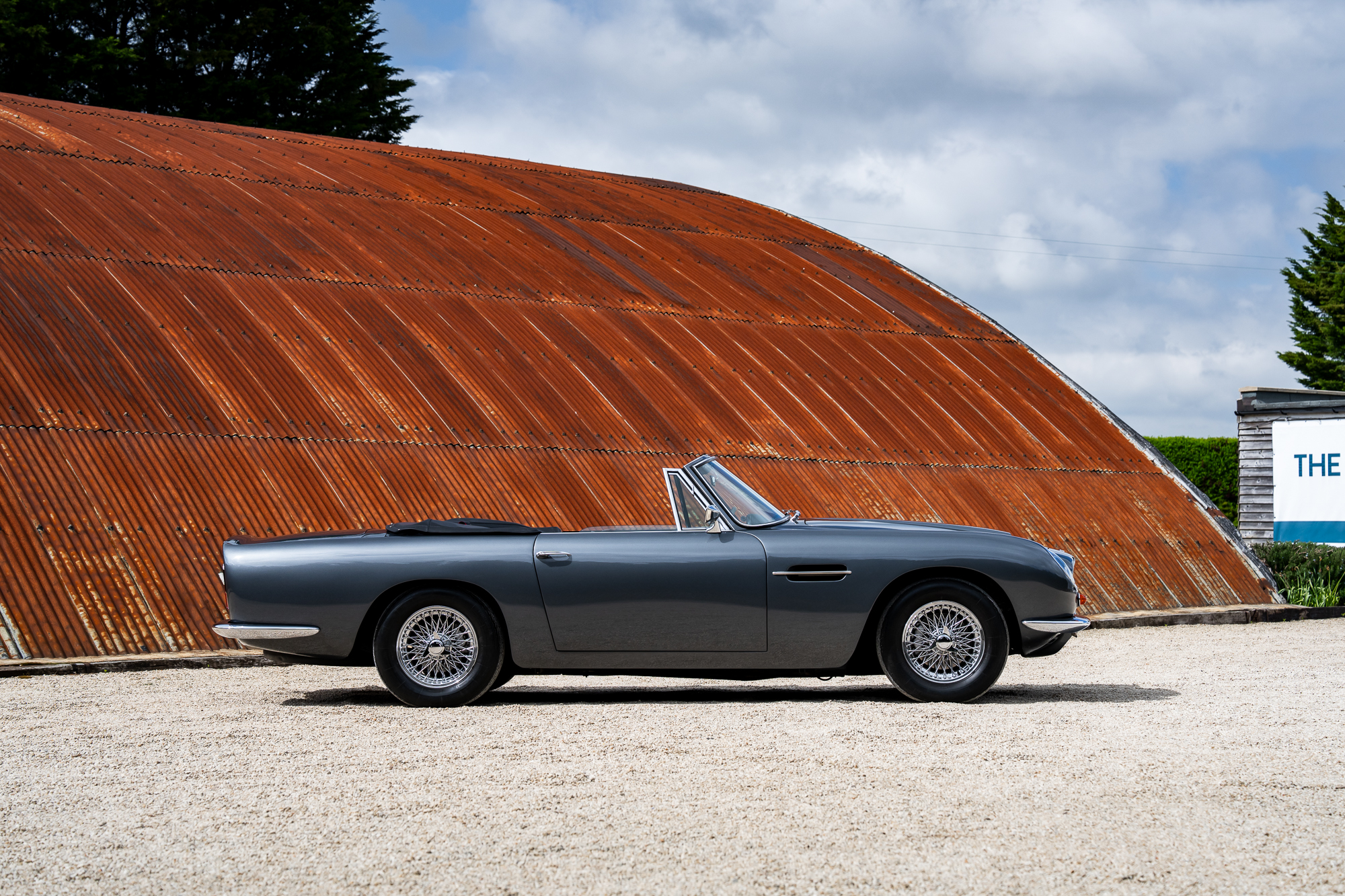
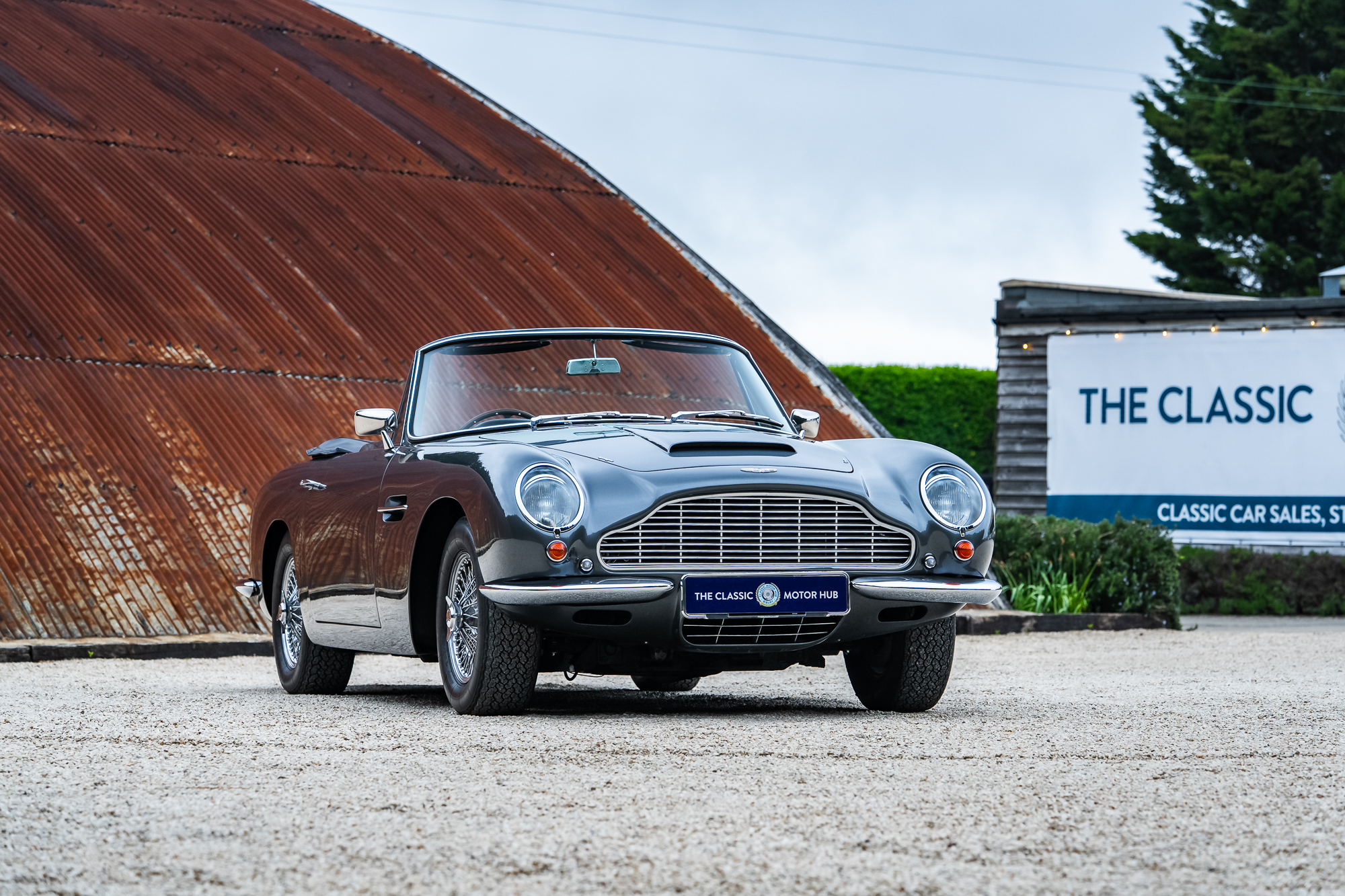
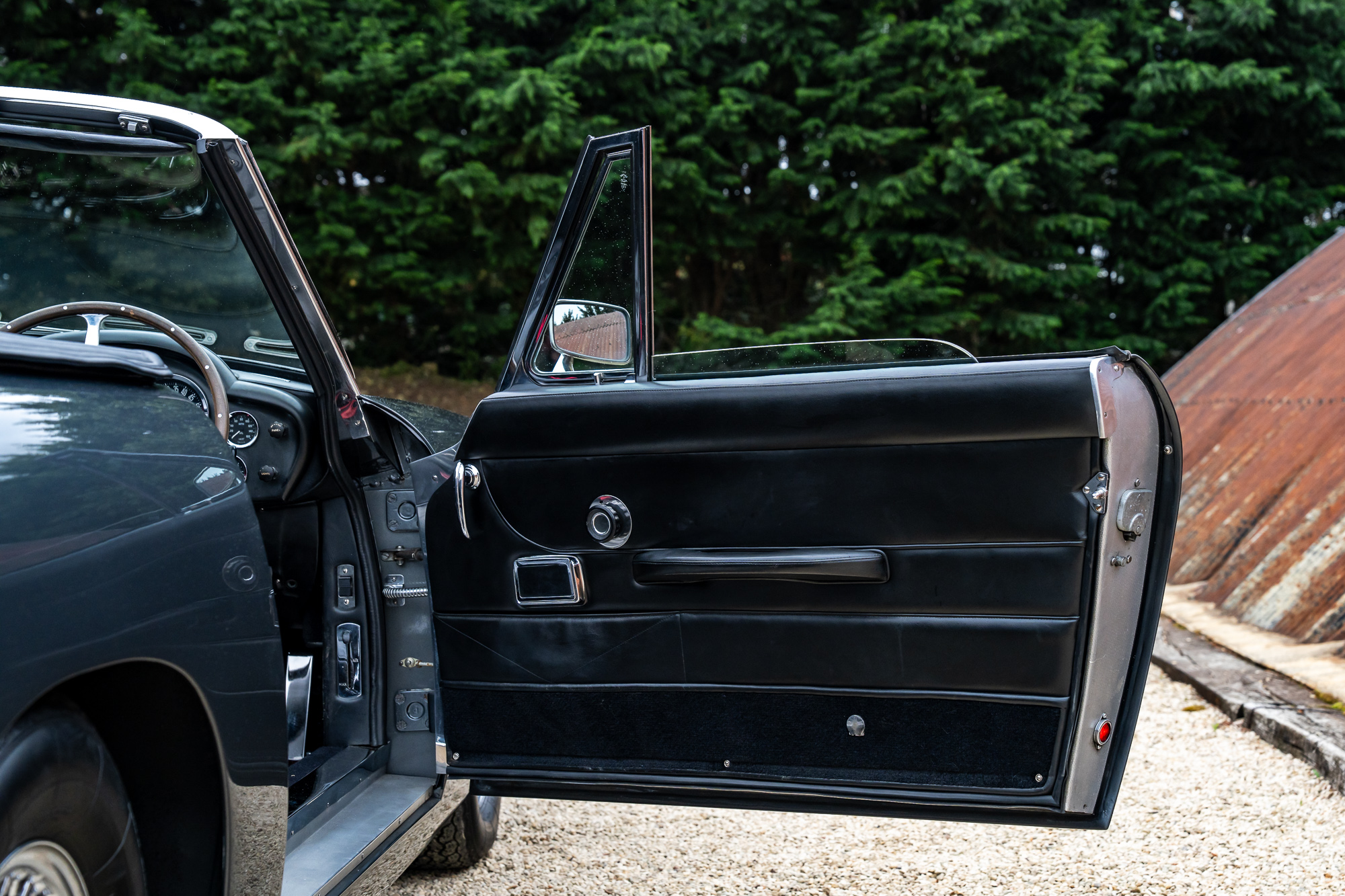
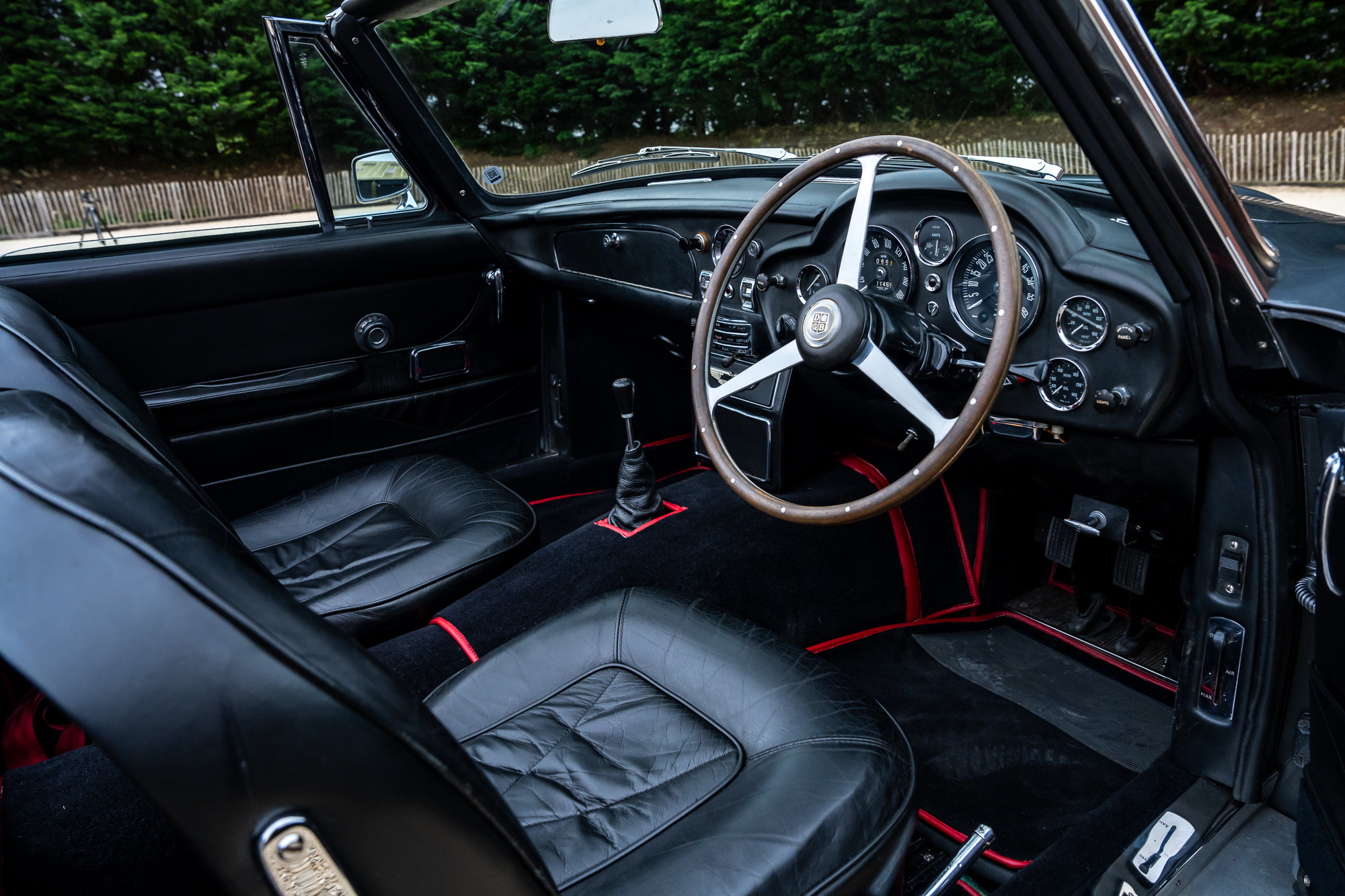
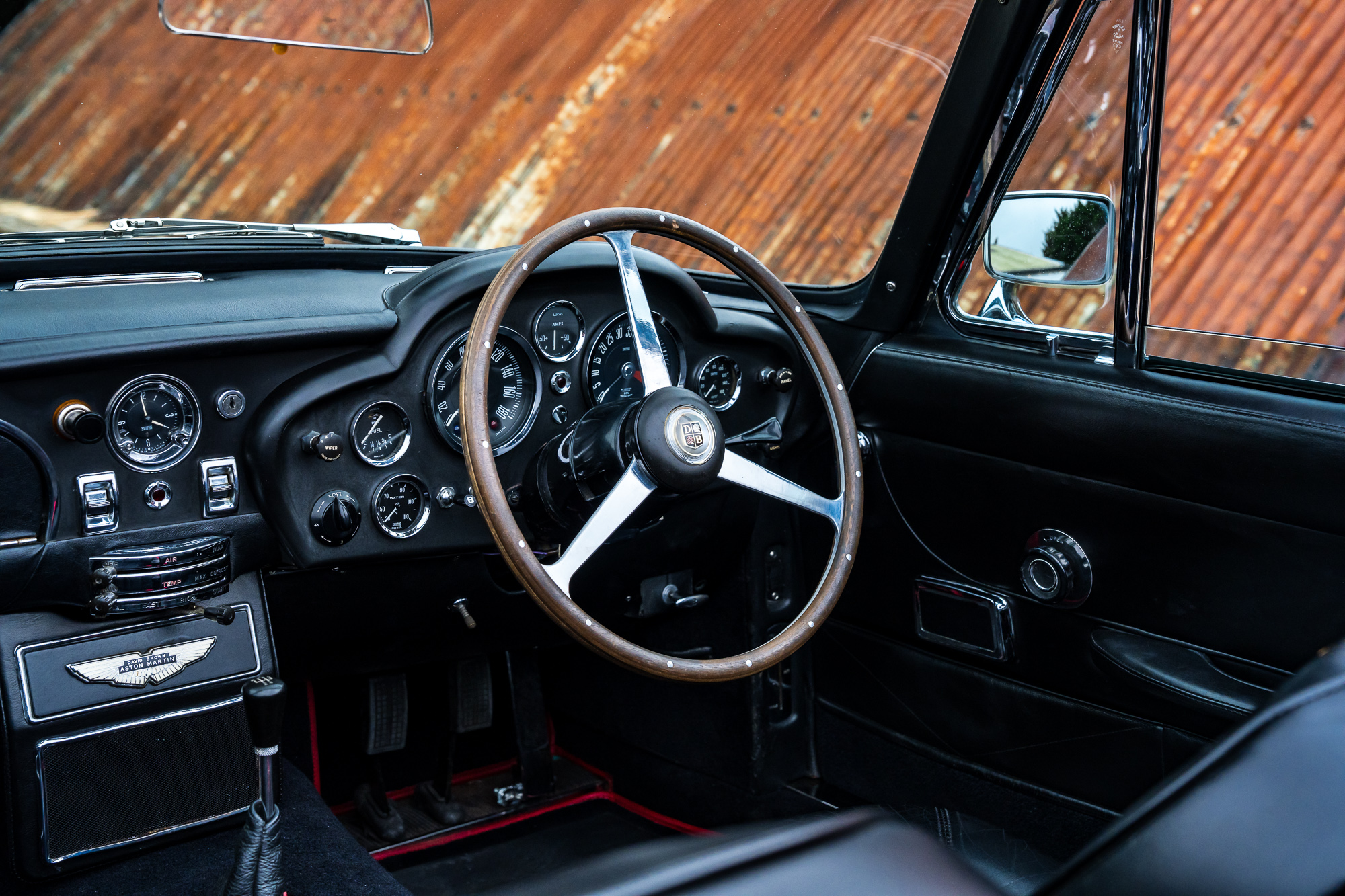
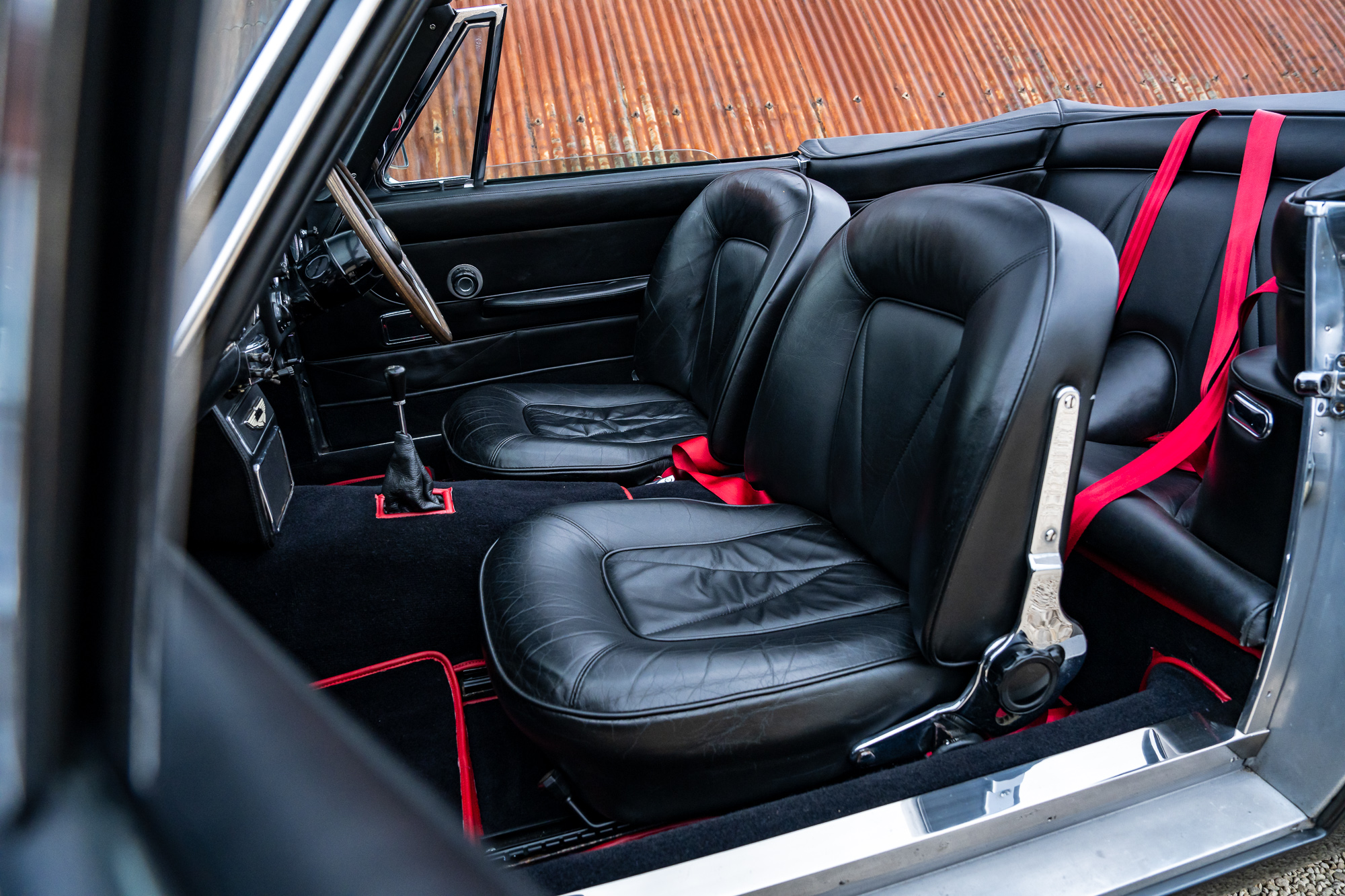
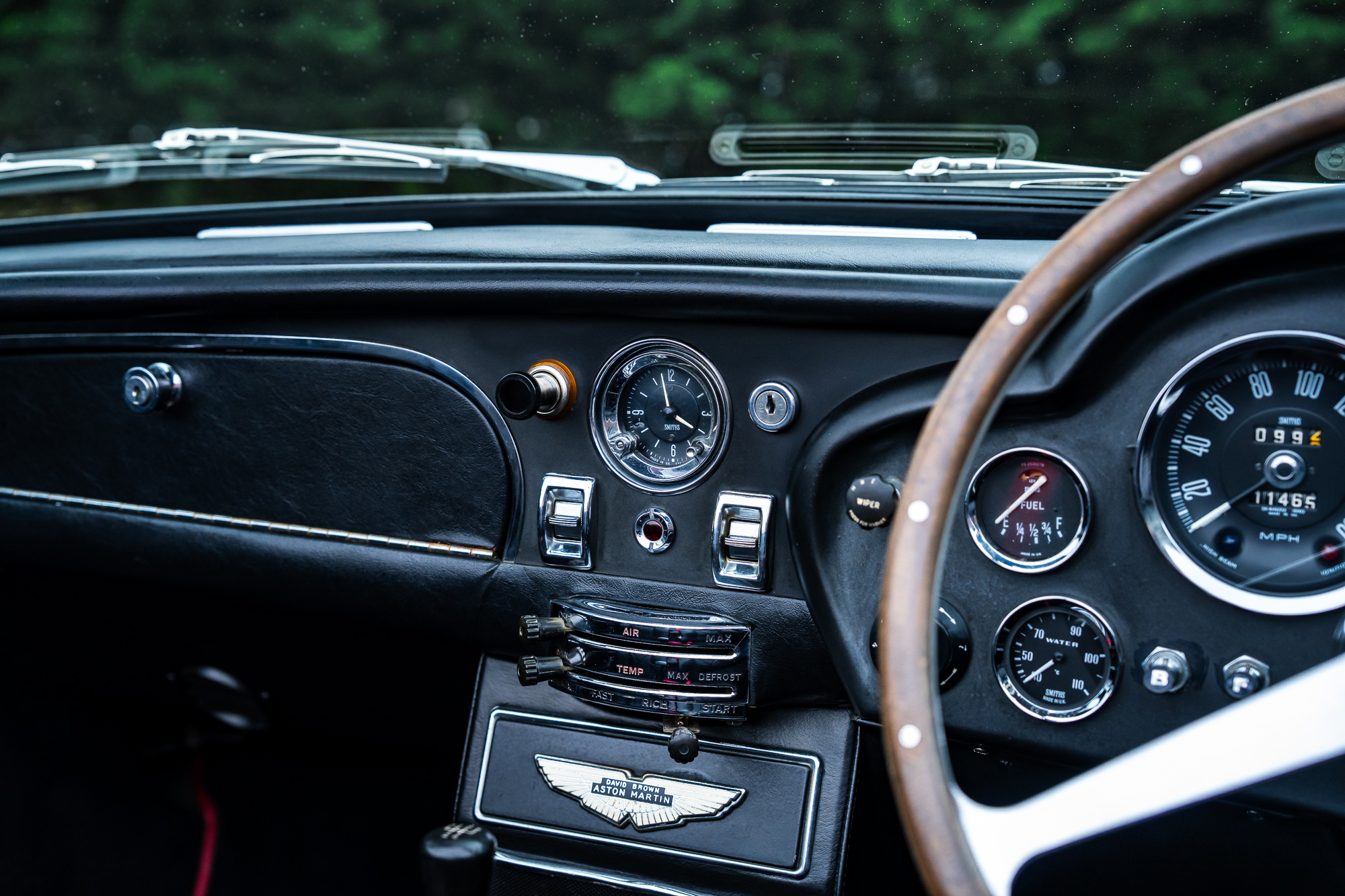
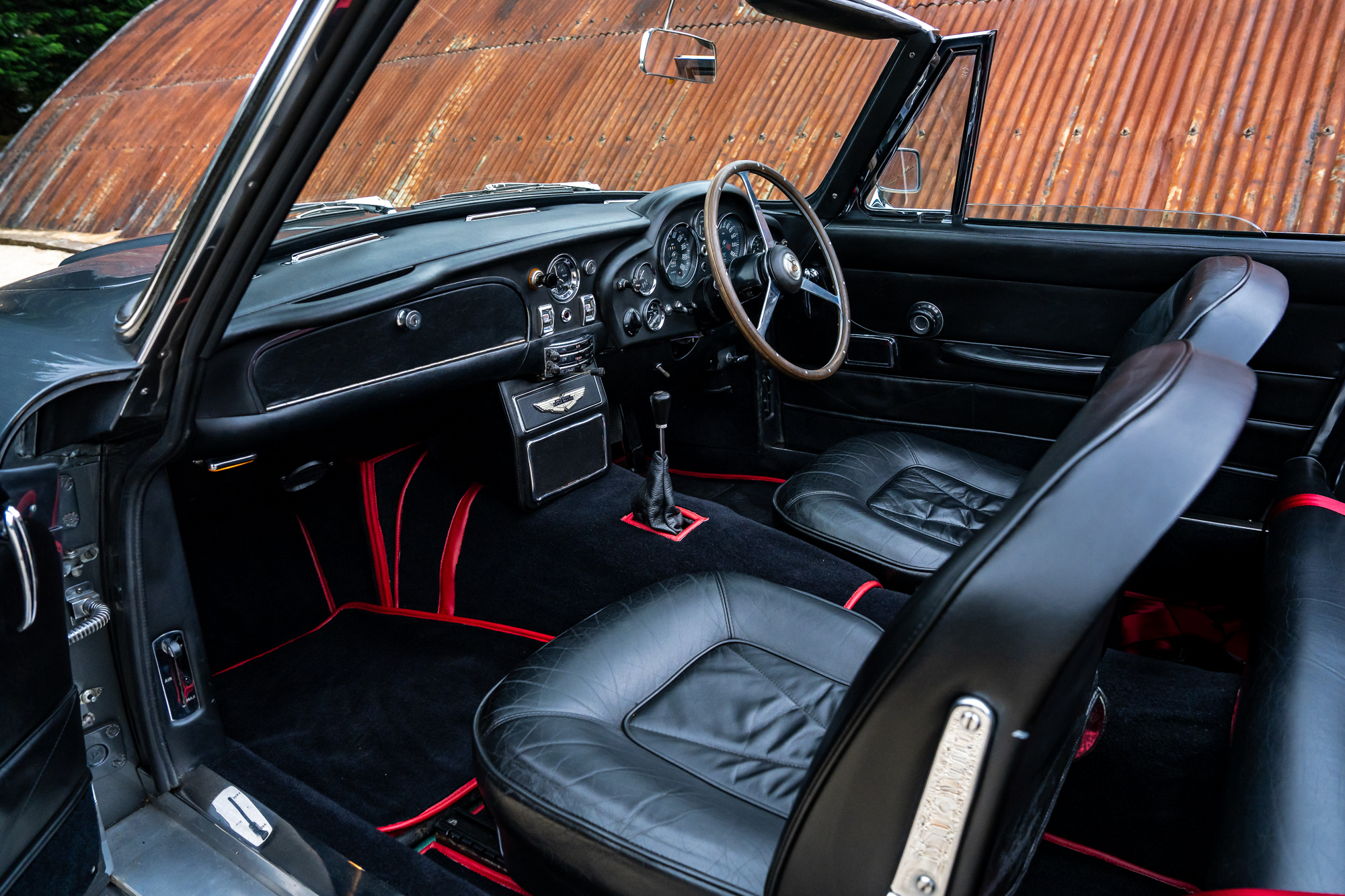
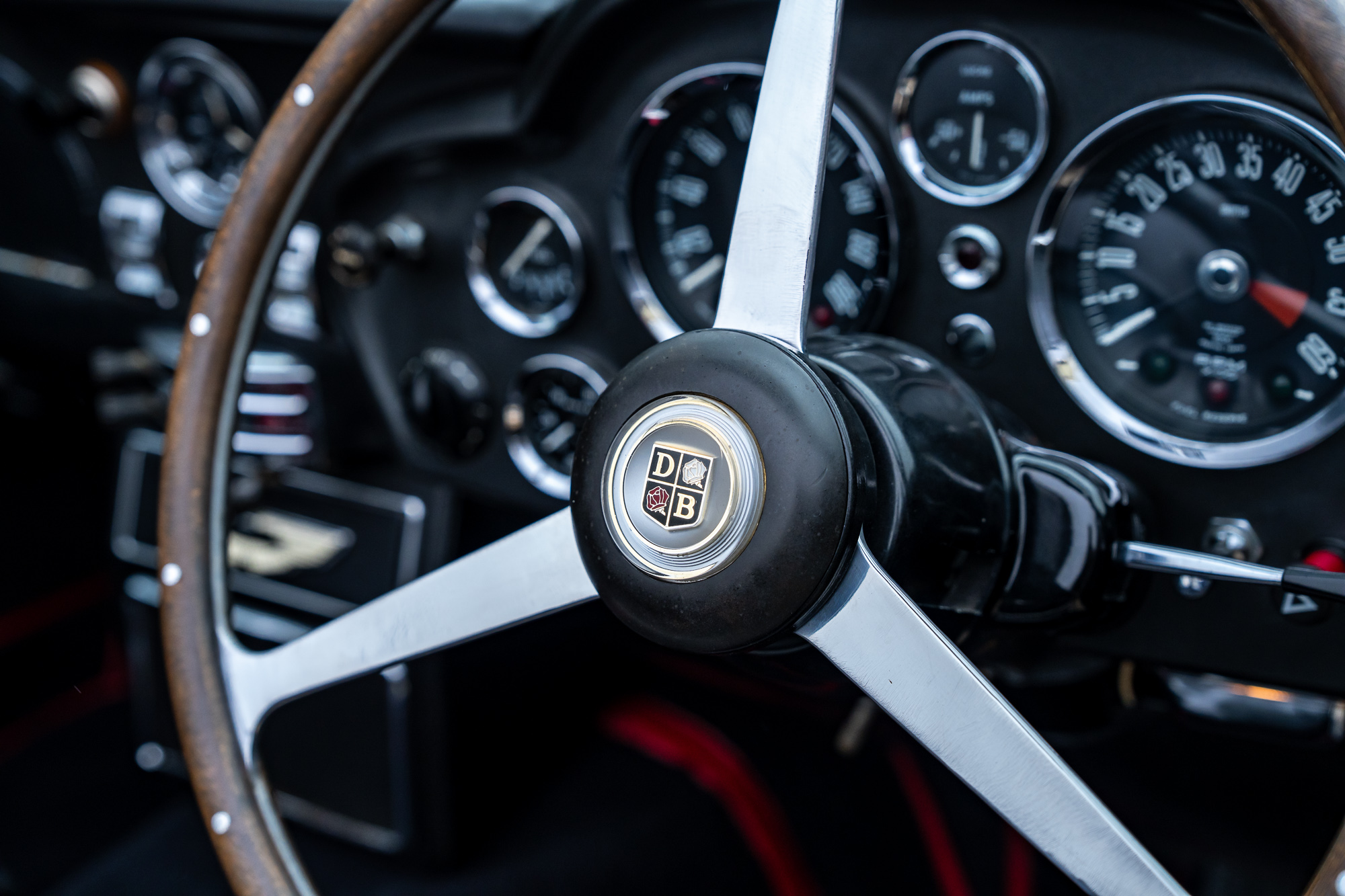
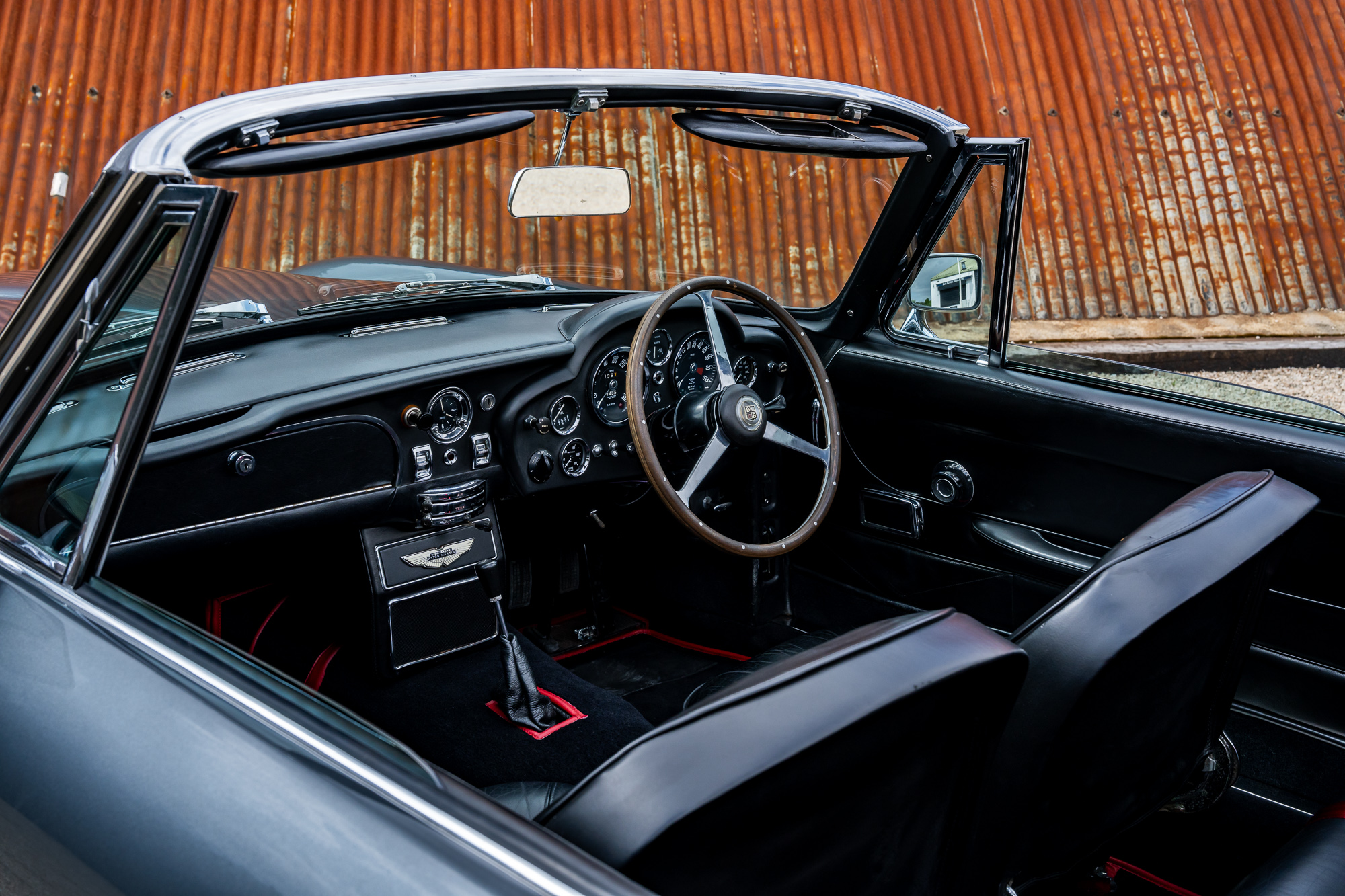
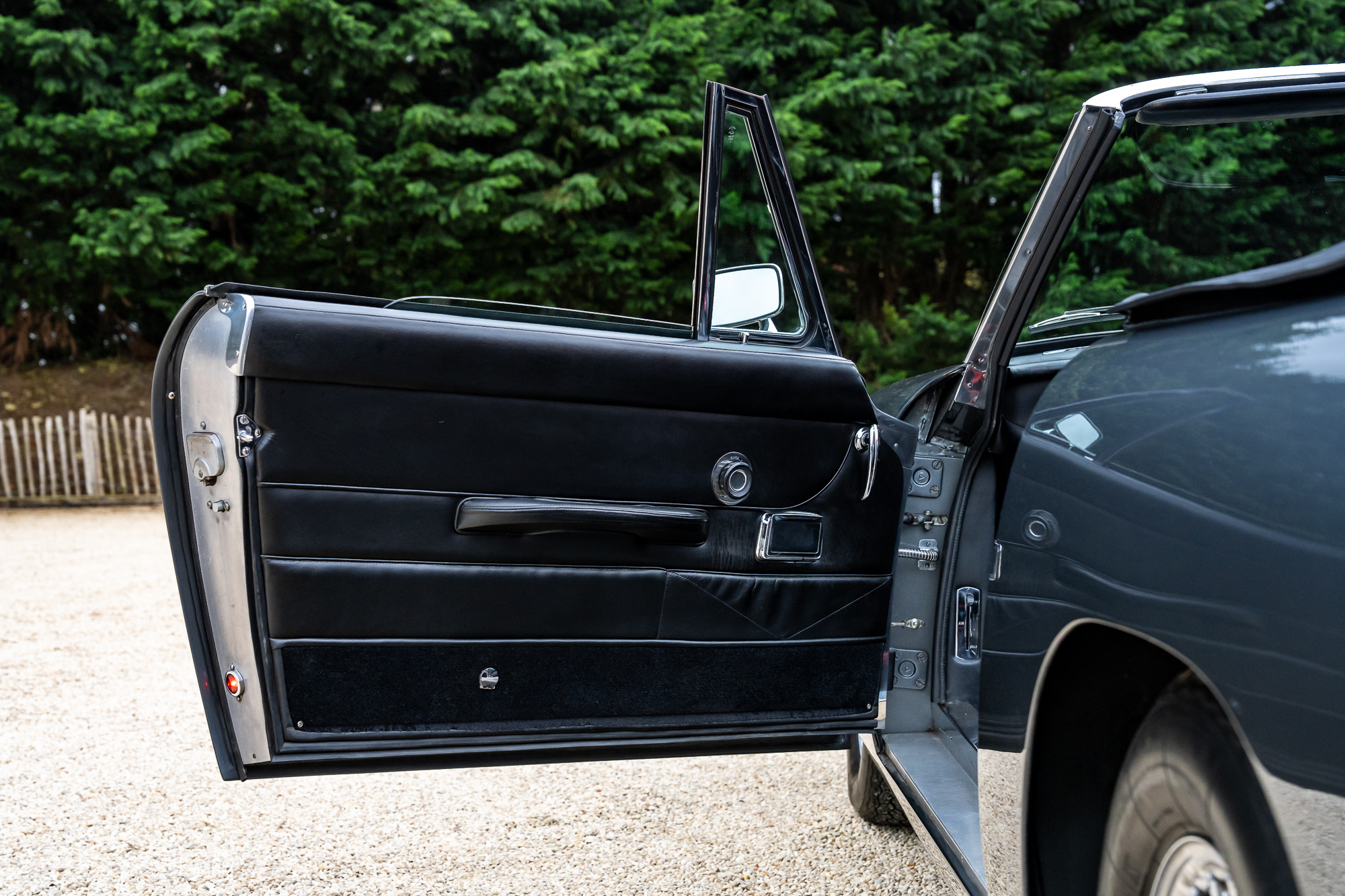
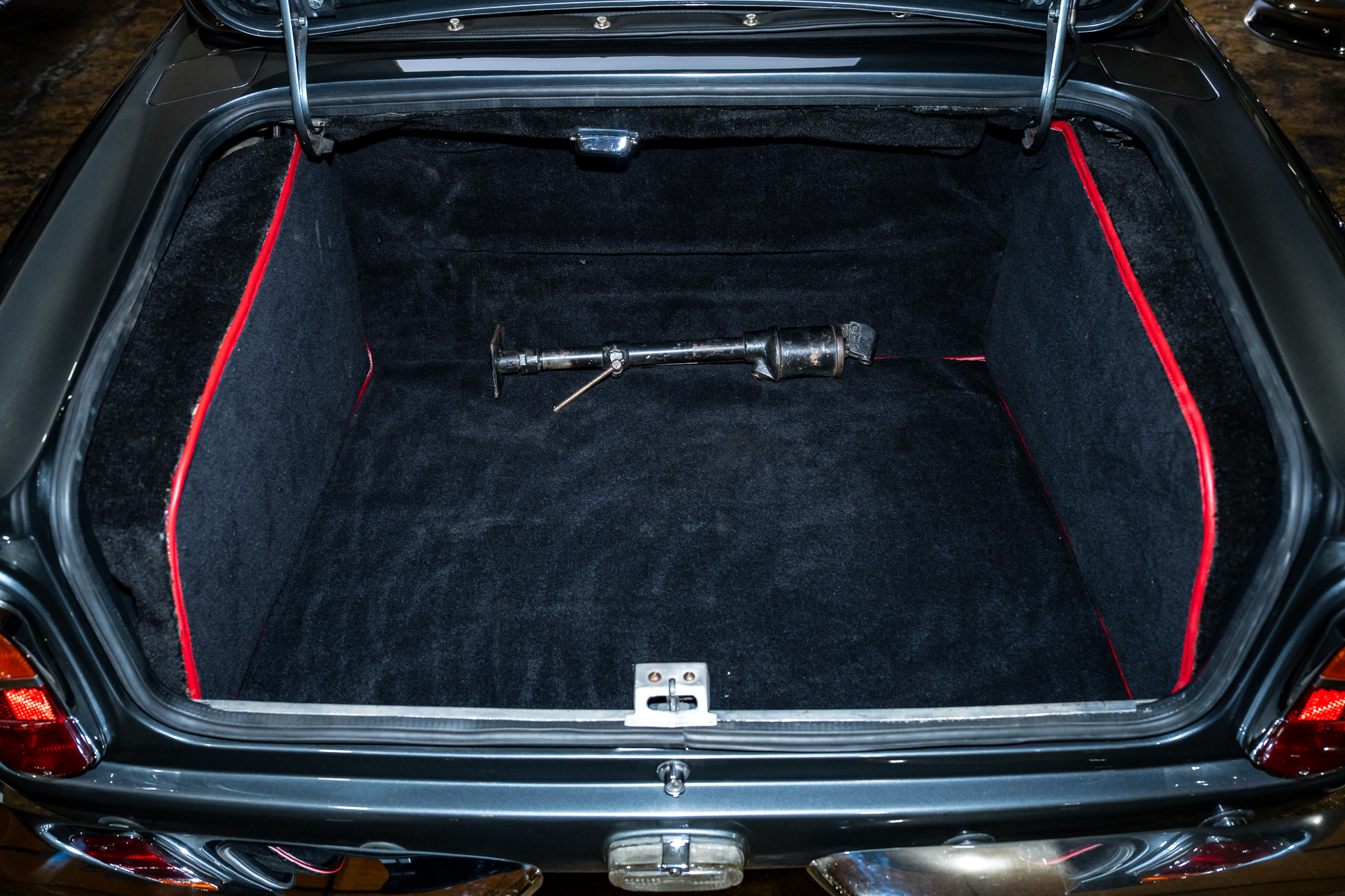
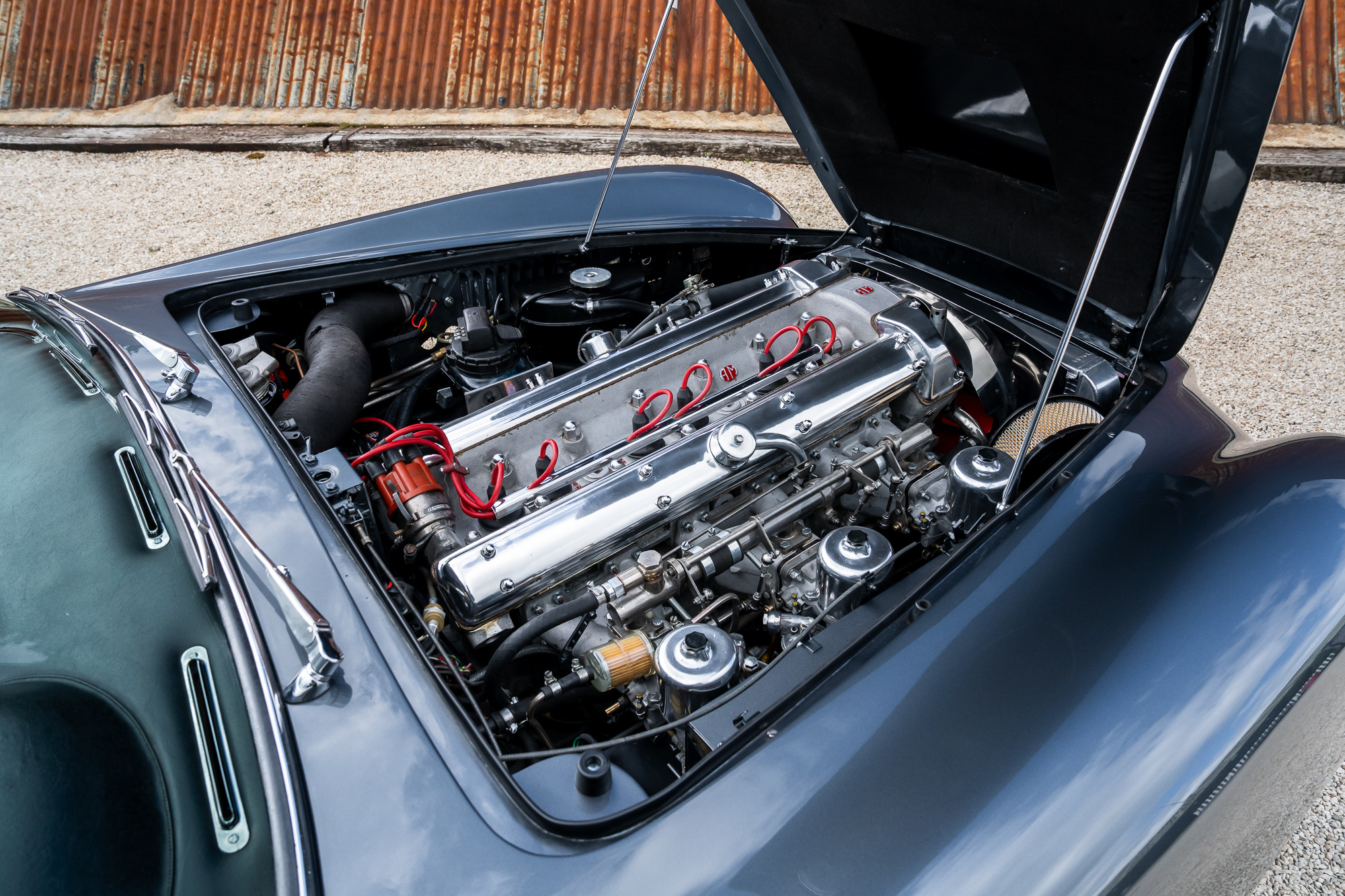
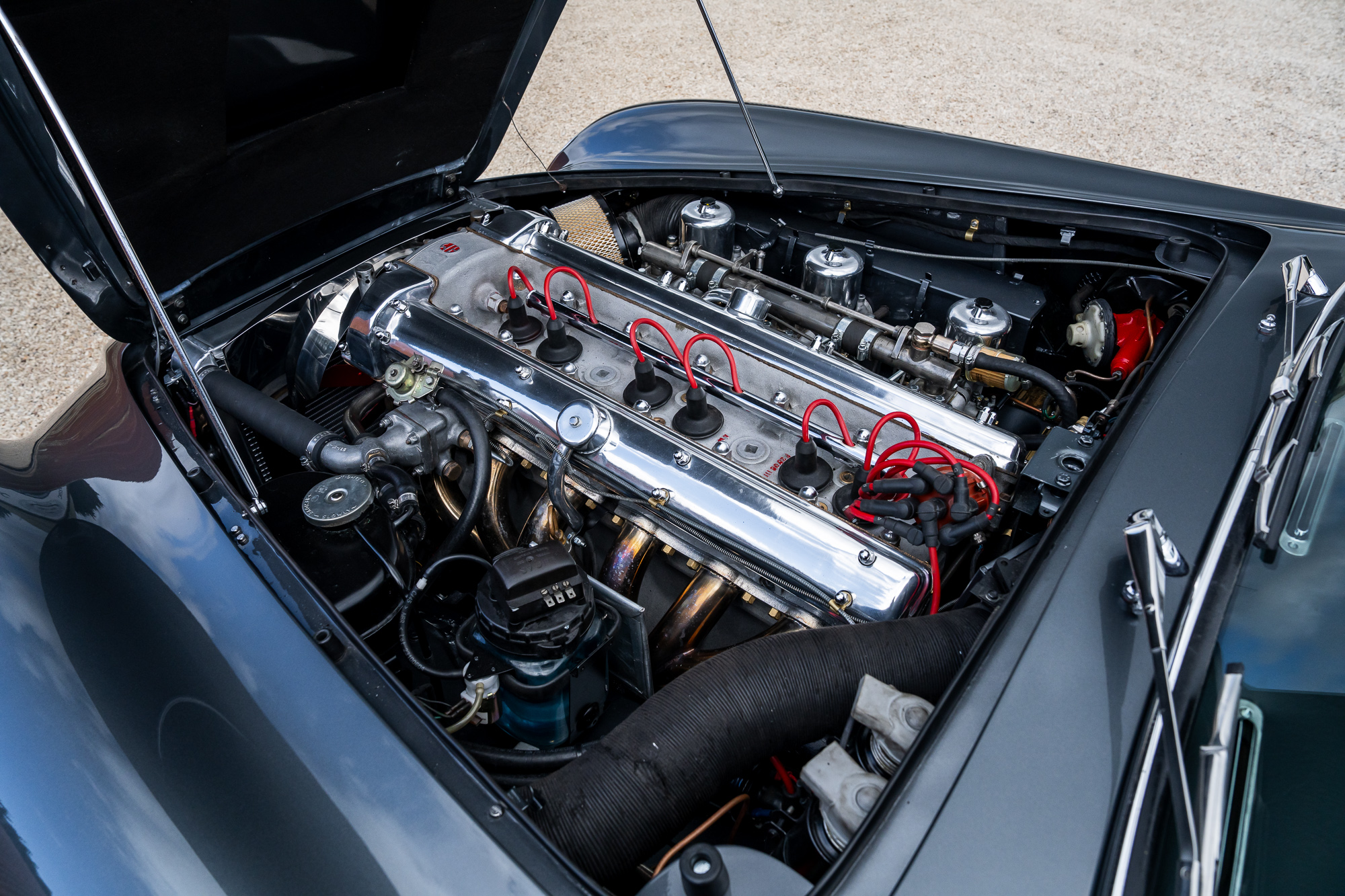
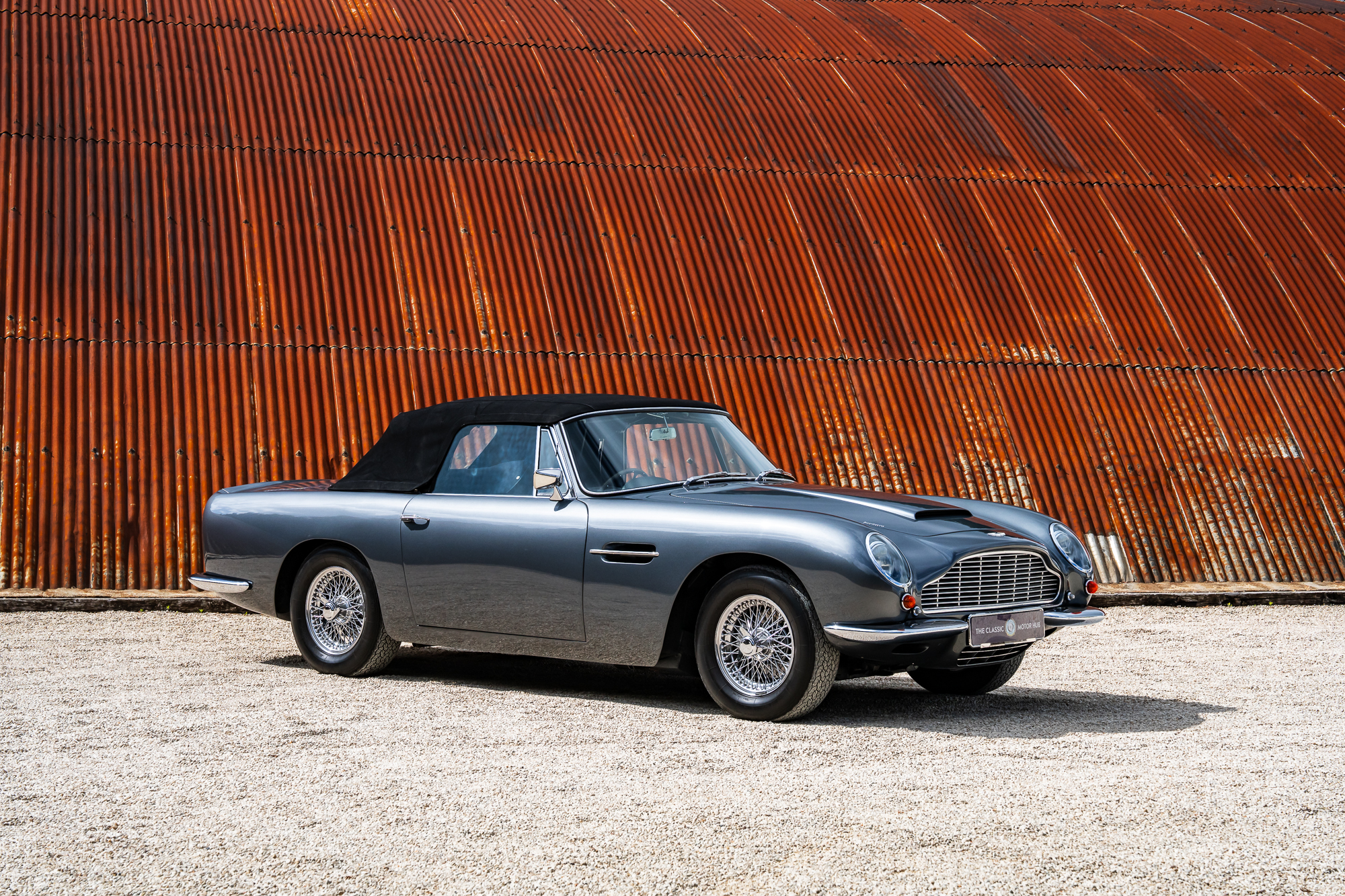
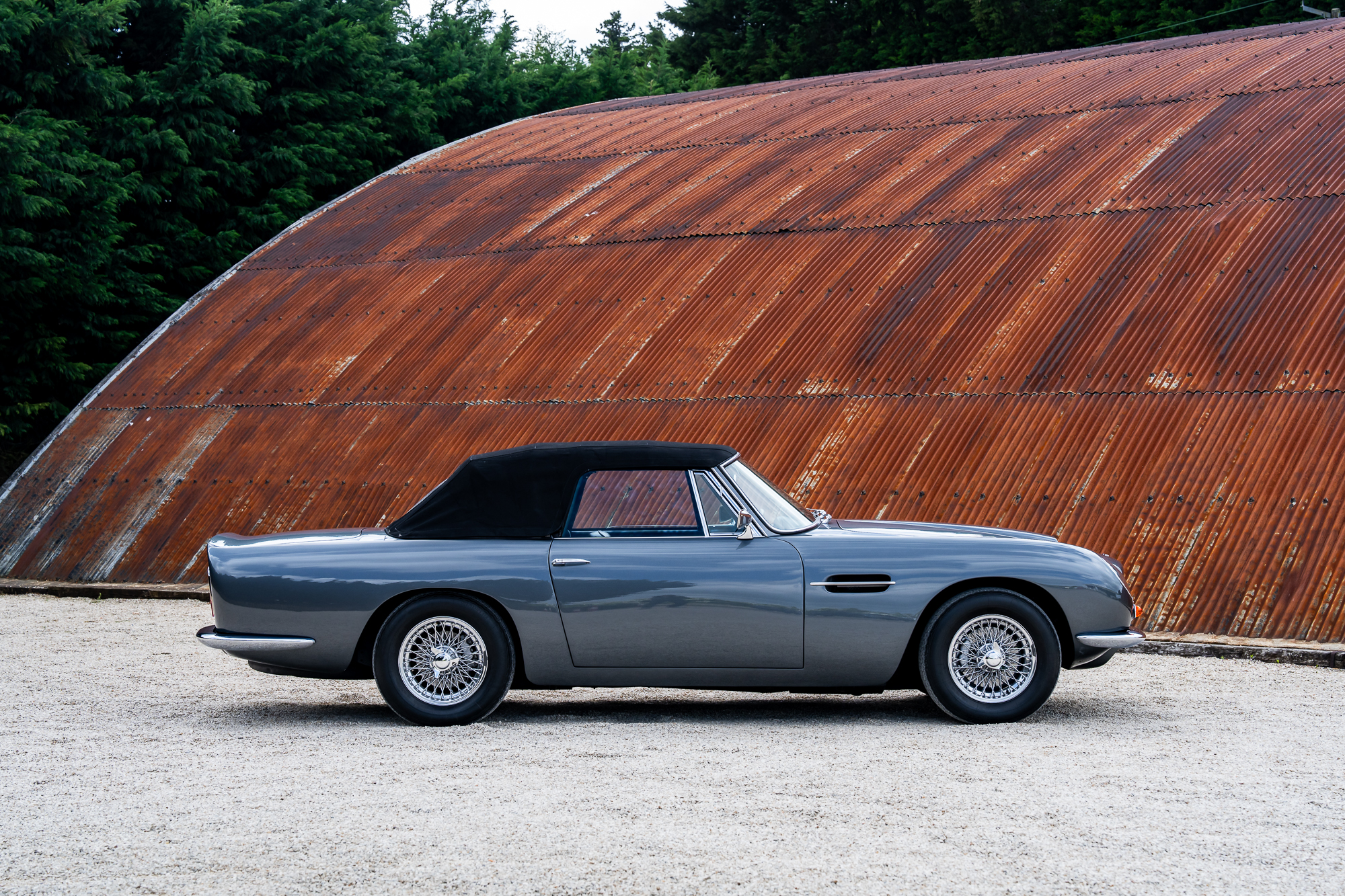
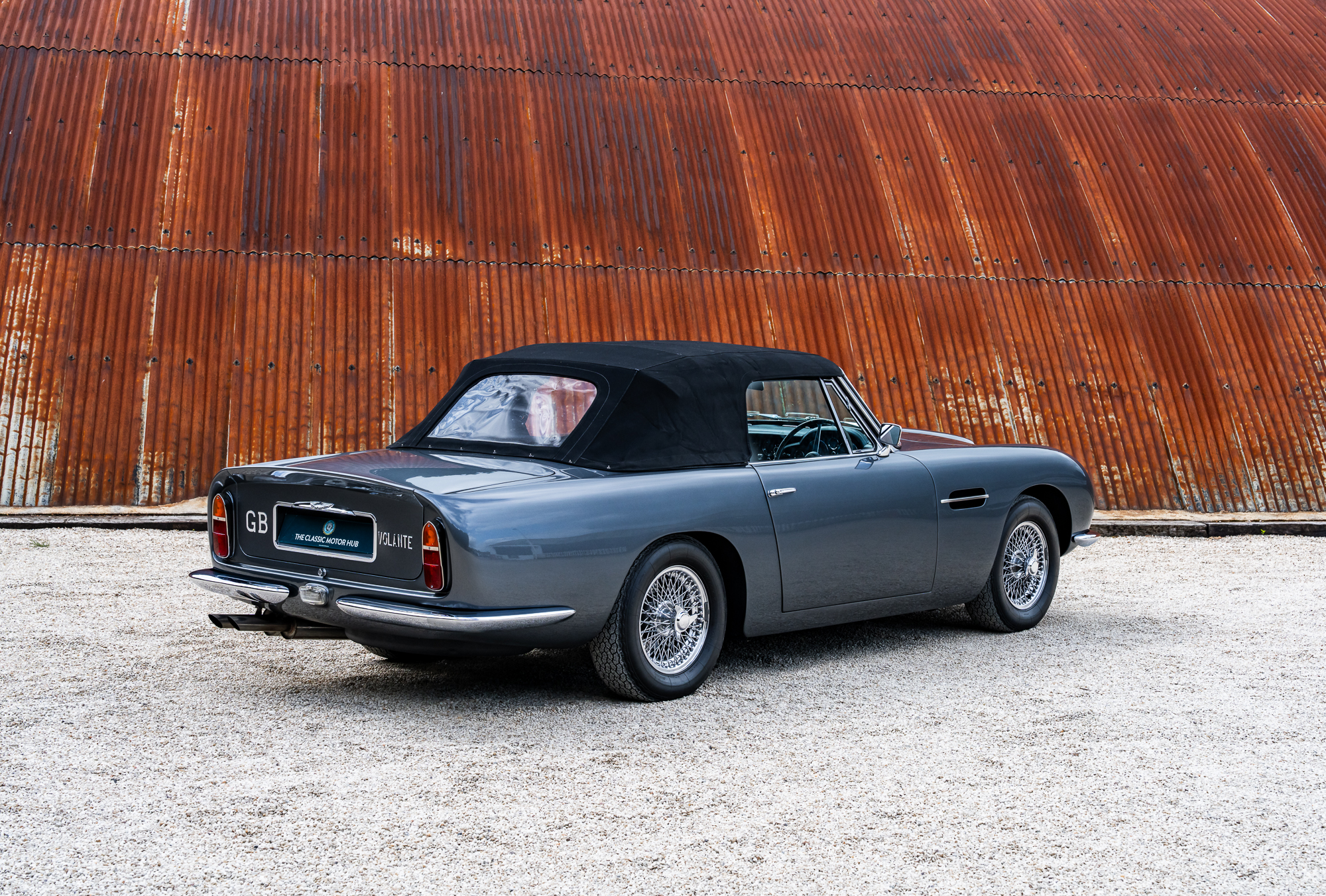
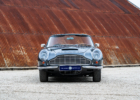
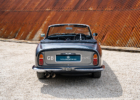
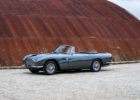
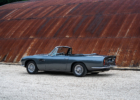
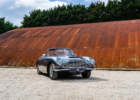
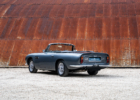
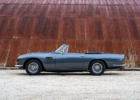
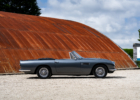
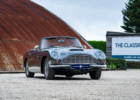
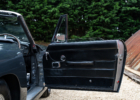
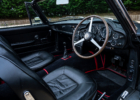
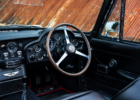
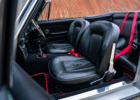
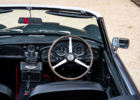
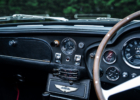
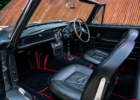
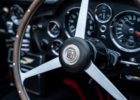
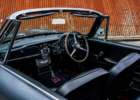
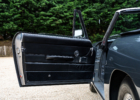
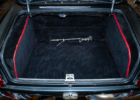
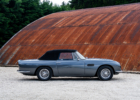
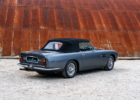
- One of only 140 Mark 1 DB6 Volantes built
- Delivered new to the UK in May 1967
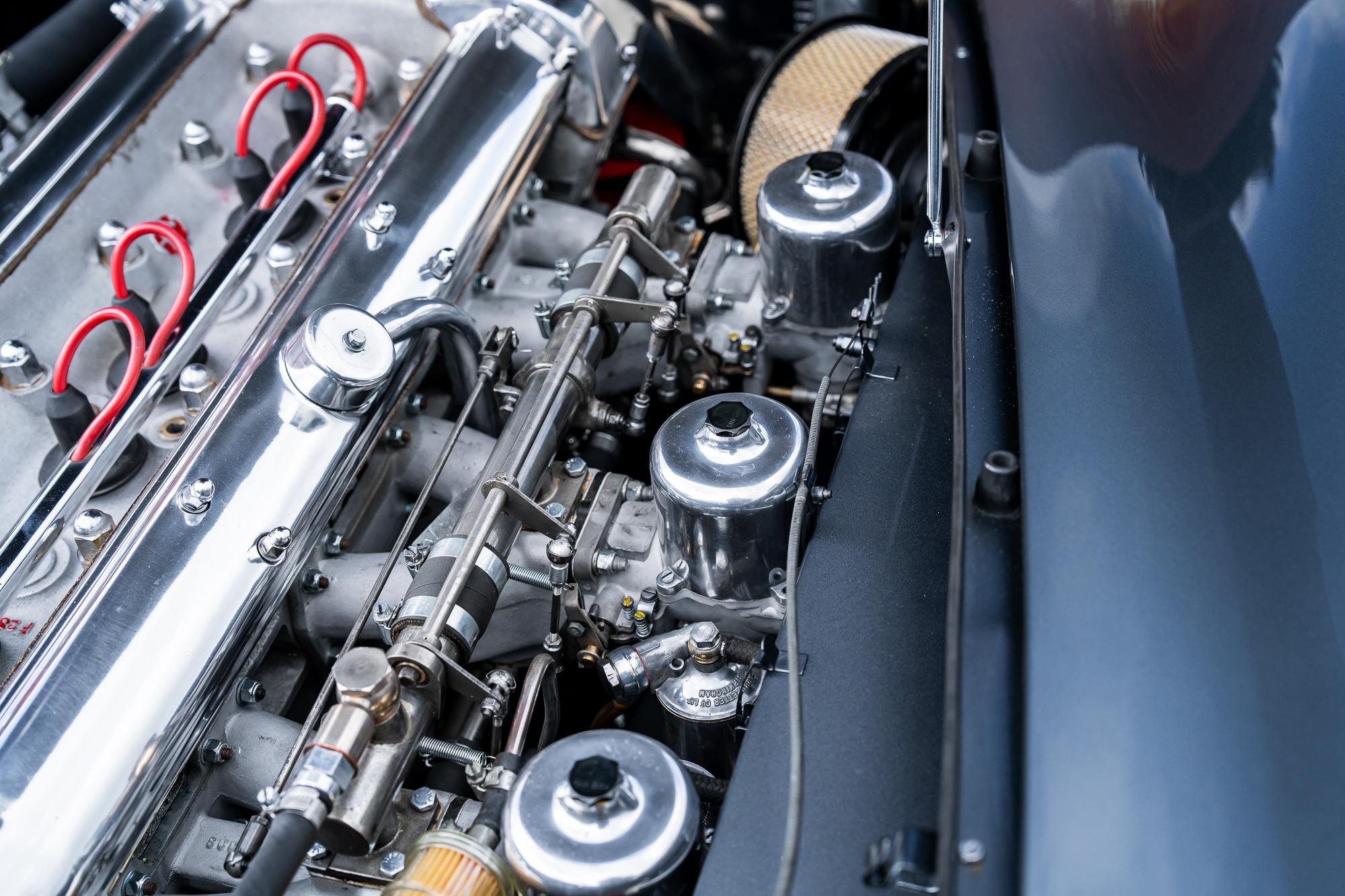
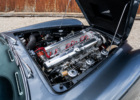
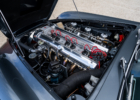
- Matching-numbers 3,995cc twin-cam engine
- Desirable period upgrade to ZF five-speed manual gearbox
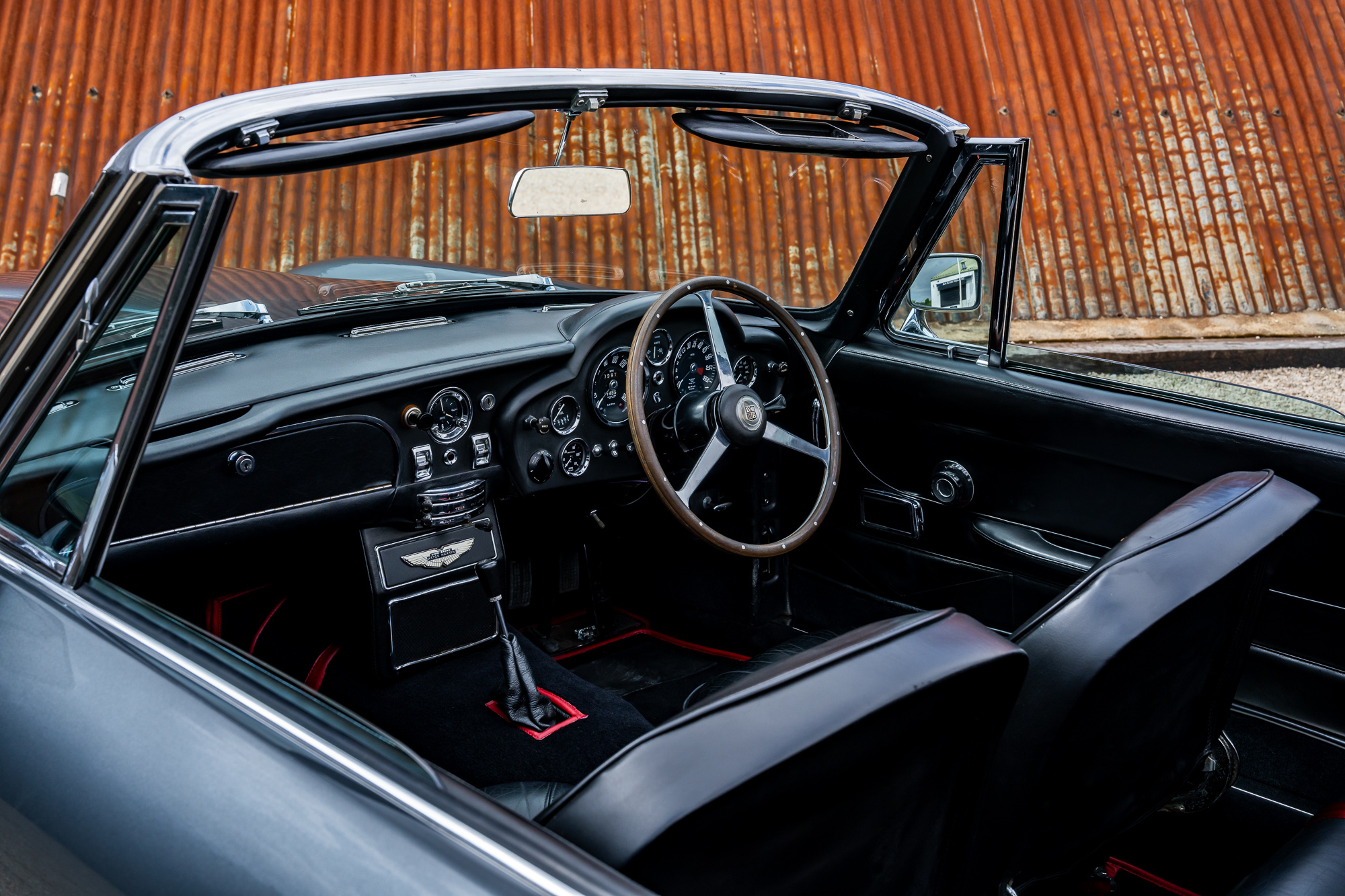
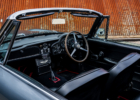
- Electrically operated roof and power windows
- Known ownership history with only five custodians
- Over £100,000 spent on major recommissioning in 2025/26
| YEAR | 1967 |
| MAKE | Aston Martin |
| PRICE | £ Please Ask |
VEHICLE DESCRIPTION
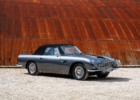
Among the small and distinguished group of David Brown-era Aston Martins that collectors most actively seek, the Mark 1 DB6 Volante occupies a position of particular rarity. With only 140 produced to this specification, each survivor carries genuine significance, and DBVC/3624/R — delivered new to H W Motors in England on 10th May 1967 — is one of the most thoroughly prepared examples available today.
The car passed through just five owners between its first delivery and the most recent custodianship of 17 years, among them the distinguished names of Alfred McAlpine, Paul Heywood, Anthony Joyce, and Ken Chisholm — a lineage that speaks to the calibre of individual this particular car has attracted throughout its life.
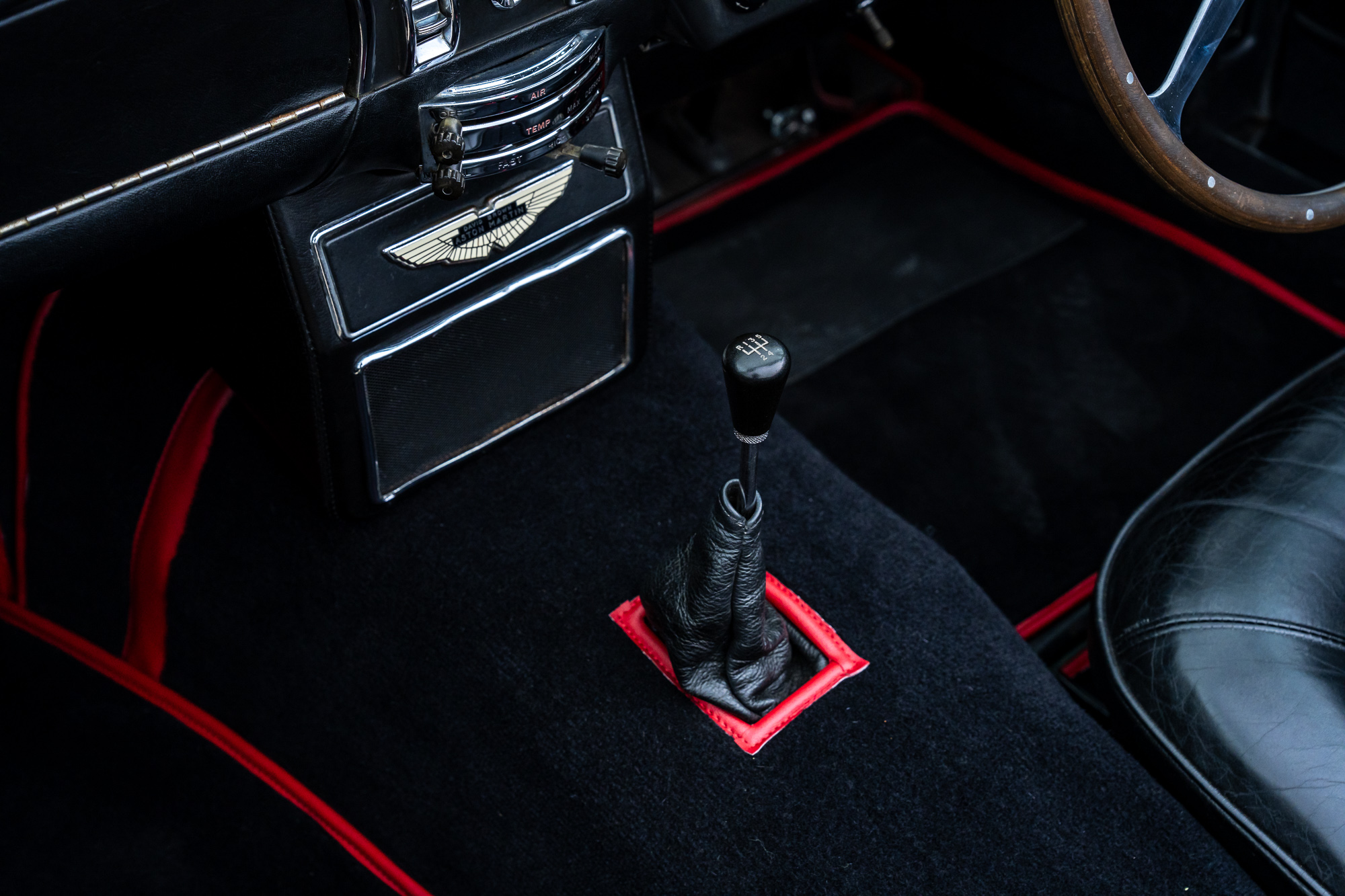
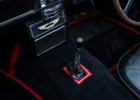
Early in the car’s life, the original Borg-Warner automatic transmission was exchanged for a ZF five-speed manual gearbox — the specification most collectors prefer today, and one that transforms the driving experience, placing the full 282bhp of the Tadek Marek-designed twin-cam six-cylinder engine squarely at the driver’s command.
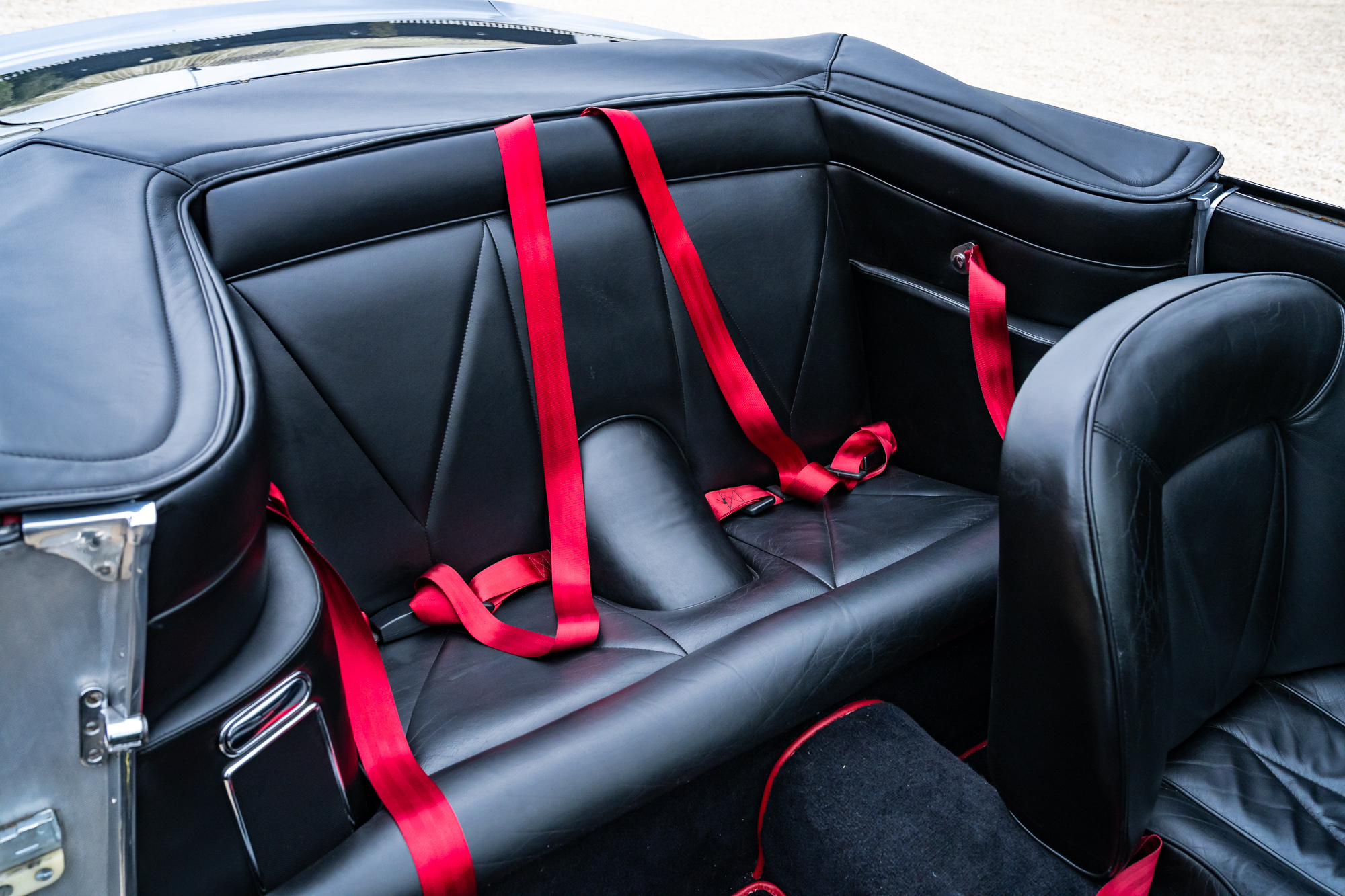
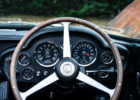
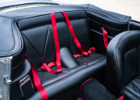
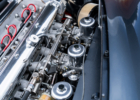
The matching-numbers 3,995cc engine — the same unit fitted at Newport Pagnell 58 years ago — remains in place and the electrically operated roof and power windows, defining features of the Volante specification and items that often require attention on cars of this age, are fully operational — a testament to the quality of the recent work. That work was carried out by Lonsdales Vintage Car Restorations between November 2025 and early April 2026, and its scope was considerable. Totalling over £100,000, the work encompassed an engine overhaul and full service, gearbox overhaul, front and rear suspension upgrade with uprated components, power steering overhaul with new seals, triple carburettor reconditioning, complete rewiring where necessary, new stainless-steel manifolds and upgraded stainless-steel radiator, new fuel lines and brake pipes, reconditioning of both petrol tanks, a full underbody inspection, power roof refurbishment, new soundproofing and carpets throughout, steering wheel refurbishment, new sump seals and engine gaskets, new seat belts, and various re-chroming. This is not a light service — it is a comprehensive recommissioning that leaves the next owner with a car ready to be driven and enjoyed with complete confidence.
MODEL HISTORY
“There can be little doubt that the DB6 is the best Aston yet and it is a credit to British engineering.” — John Bolster, Autosport, October 1966.
The DB6 is widely regarded as the last of the true David Brown Aston Martins — the final expression of a lineage that stretched back through the DB5, DB4, and beyond to the hand-built racing cars of the 1950s. Launched at the 1965 London Motor Show, it updated its celebrated predecessor with a longer wheelbase, more-raked windscreen, raised roofline, and the distinctive Kamm-tail spoiler that genuinely improved high-speed stability rather than merely suggesting it. Motor magazine, having tested one at length, was moved to call it one of the finest sports cars it had ever driven.
At its heart sat Tadek Marek’s twin-overhead-camshaft six-cylinder engine, enlarged to 3,995cc for the preceding DB5 and carried over unchanged — developing 282bhp on triple SU carburettors in standard form, rising to 325bhp in the Vantage specification. It was a unit of exceptional character, combining the mechanical drama of a racing pedigree with a refinement and tractability that made the DB6 genuinely usable as a long-distance touring car.
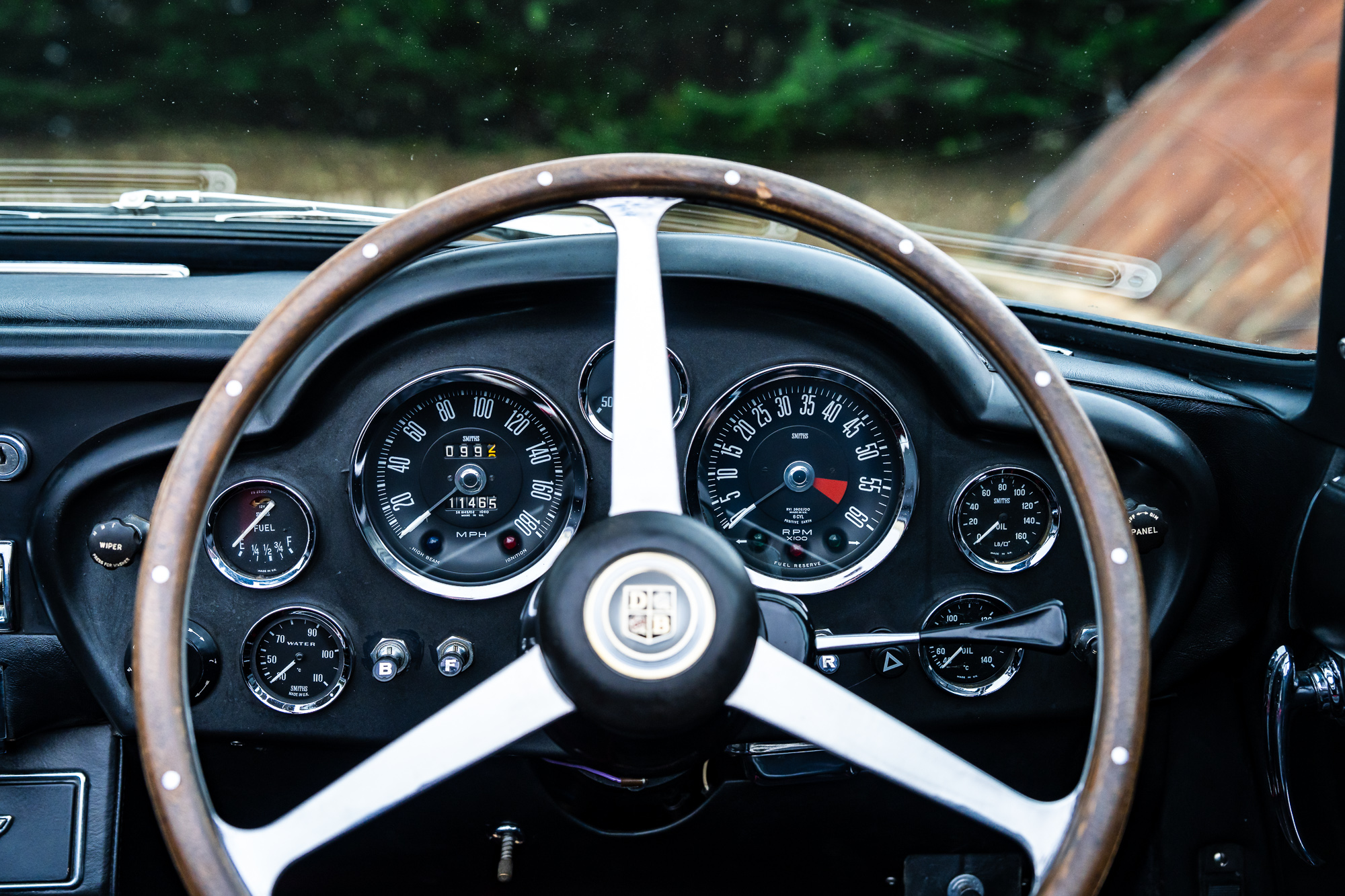
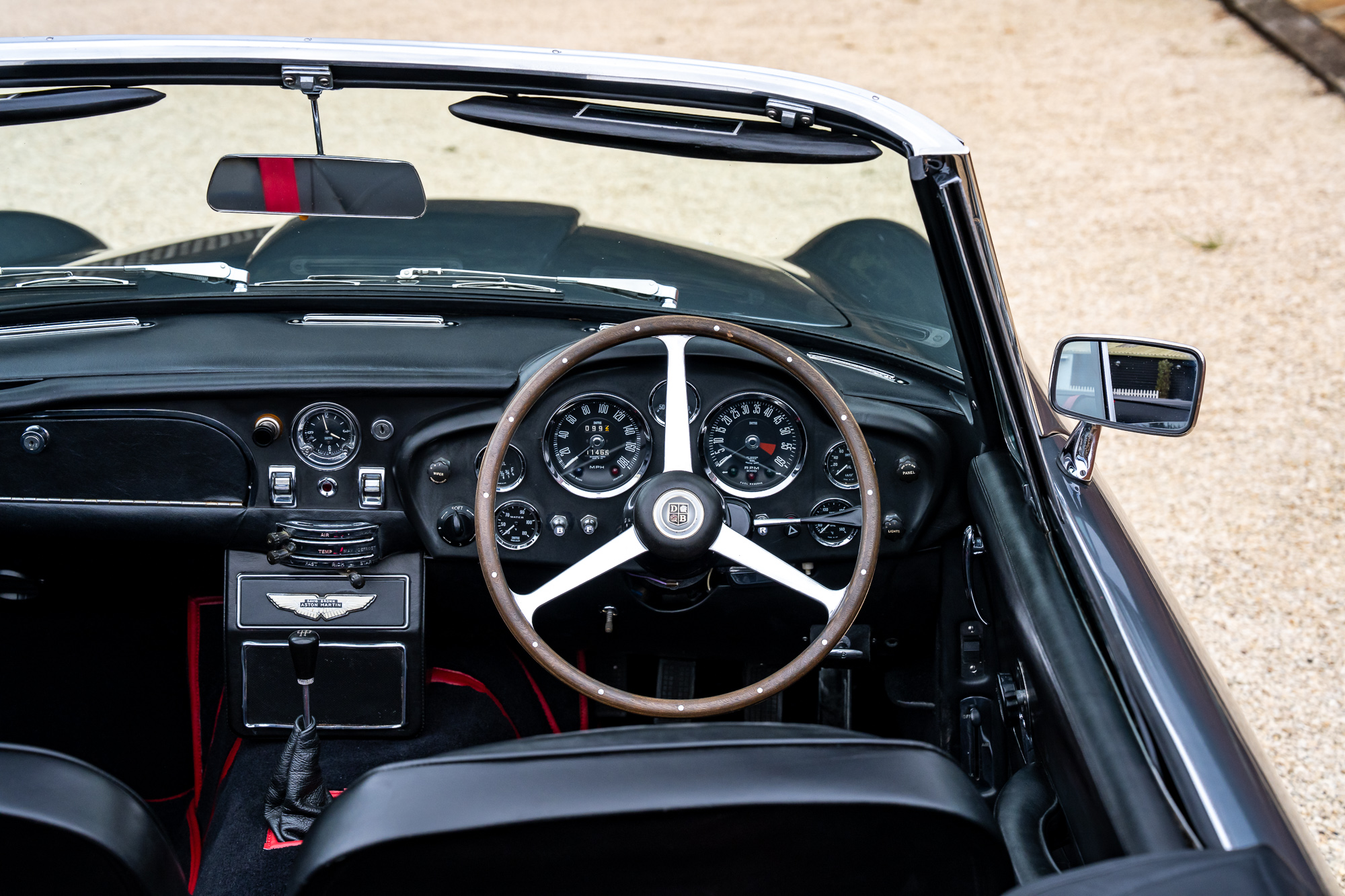
The Volante arrived in its definitive long-wheelbase DB6 form in October 1966, debuting properly at the London Motor Show of that year and marking the first use of the ‘Volante’ name that Aston Martin would return to repeatedly thereafter. With its electrically operated roof, power windows, Connolly hide upholstery, deep-pile carpets, and aircraft-style instrument cluster, it offered a standard of open-air luxury that almost nothing else on British roads could rival. Of the 1,575 DB6 saloons built between 1965 and 1970, only 178 long-wheelbase Volantes were produced, and just 140 of those were to the original Mark 1 specification. They are, without question, among the most beautiful and desirable of all post-war British motor cars.