
1963 Maserati 3500GT Spyder by Vignale


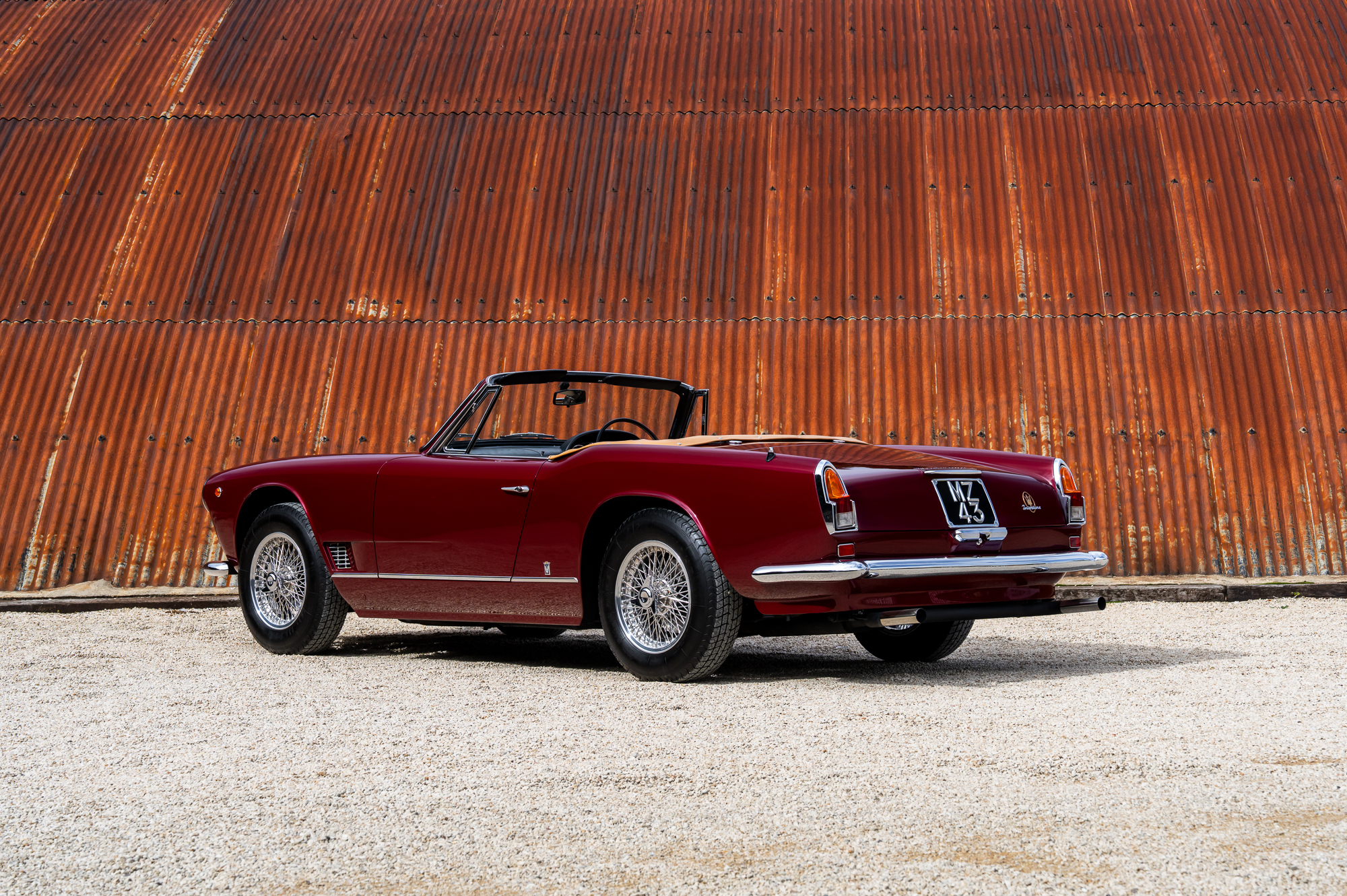
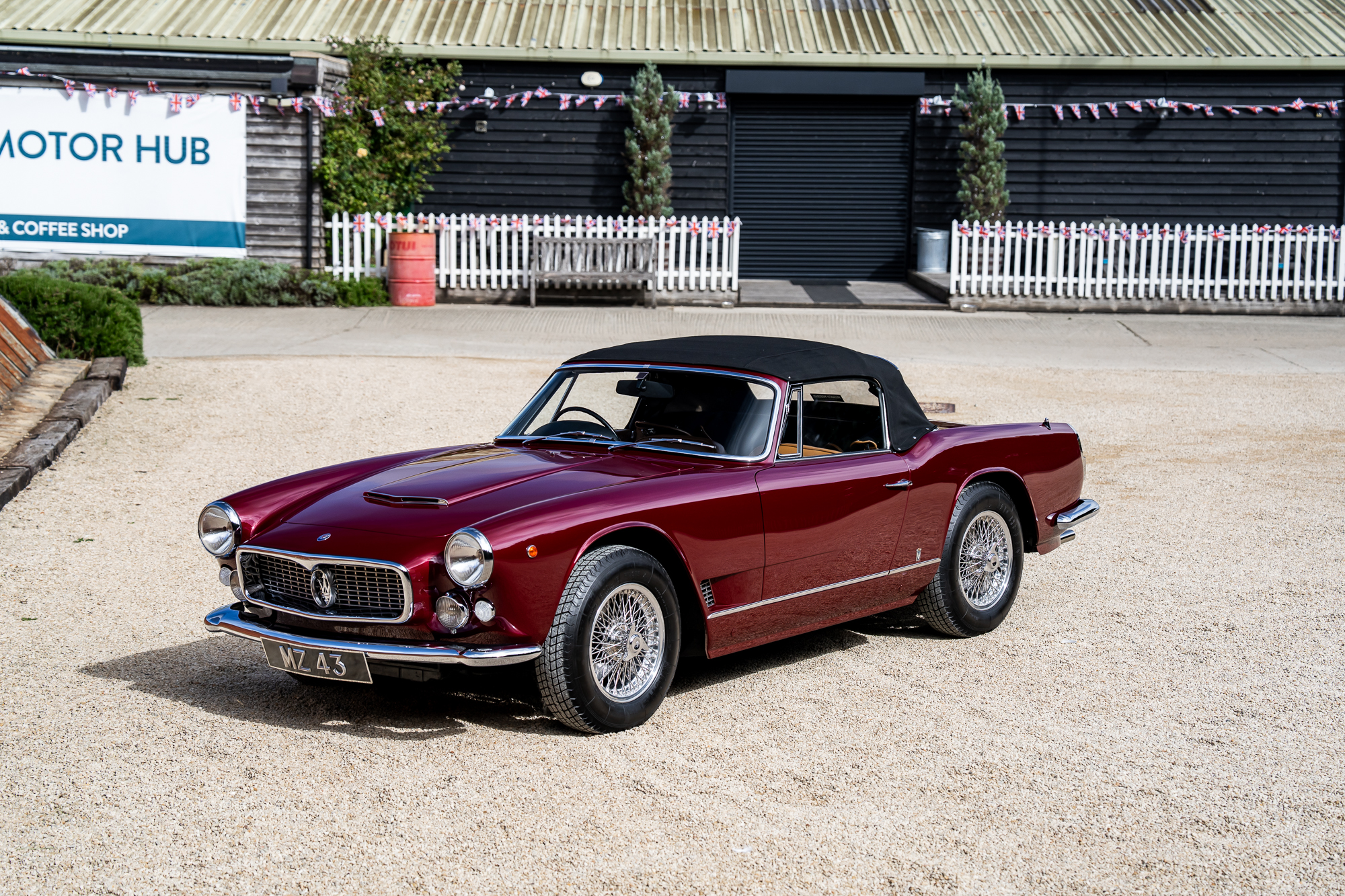
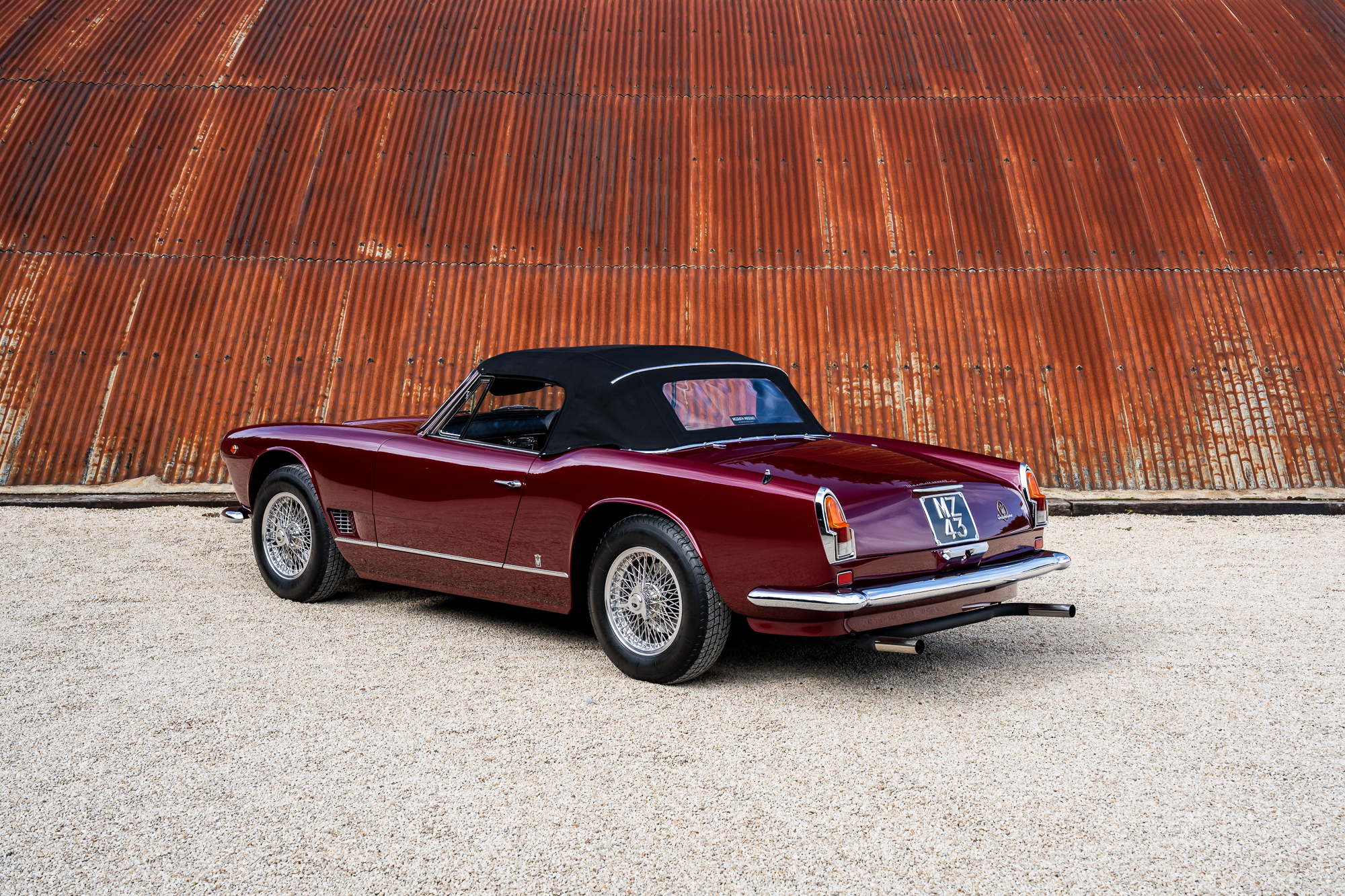
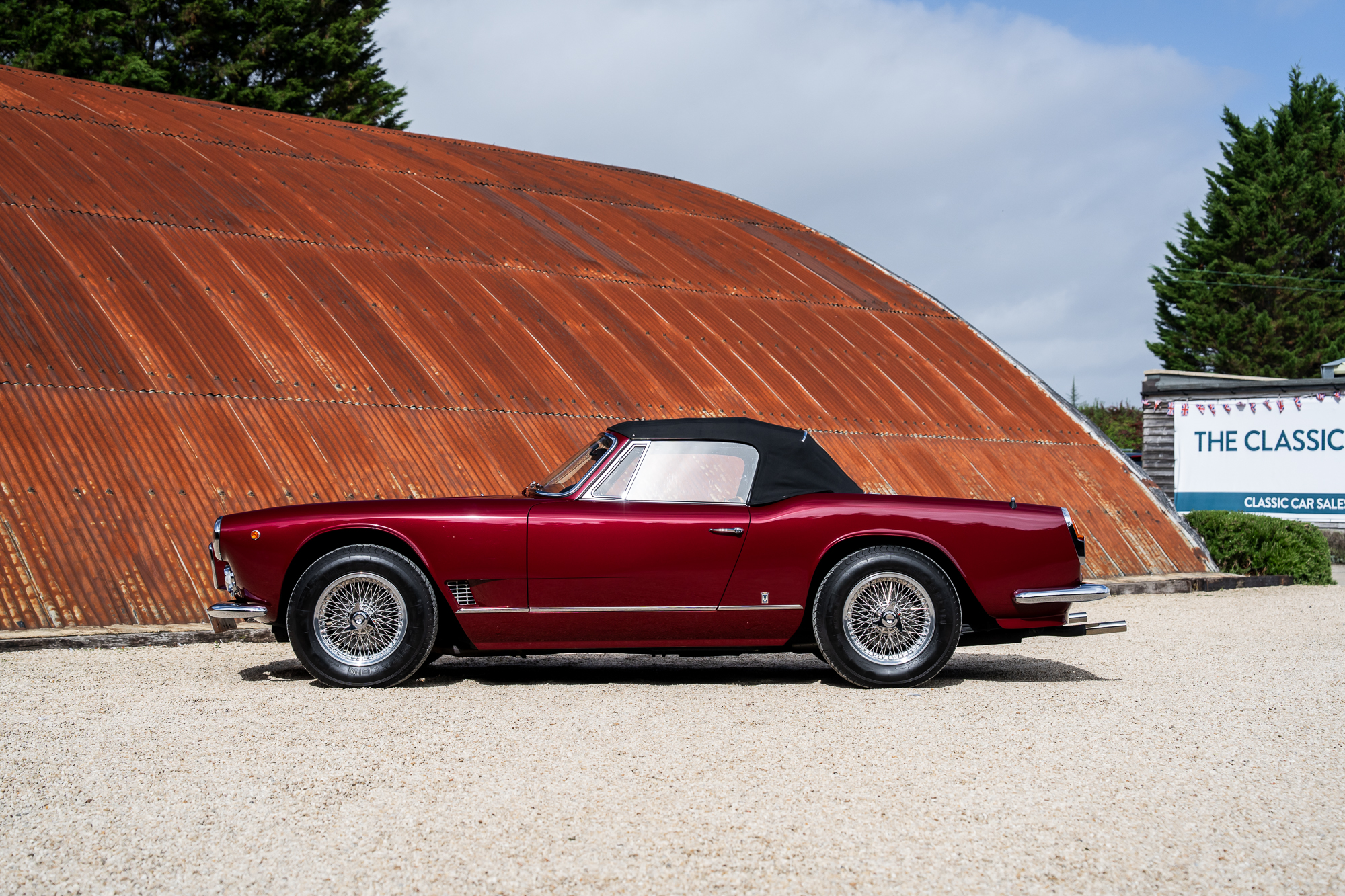
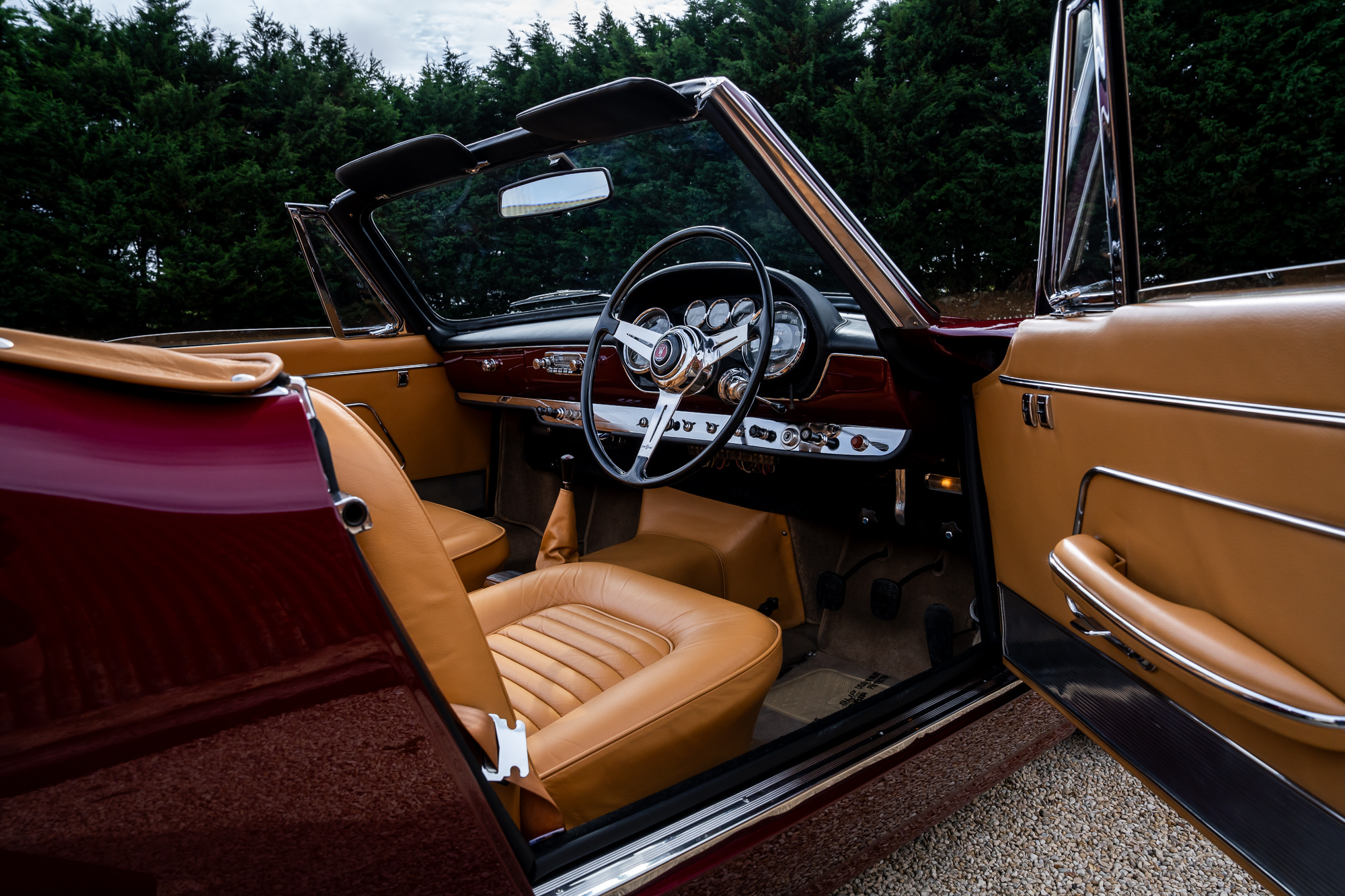
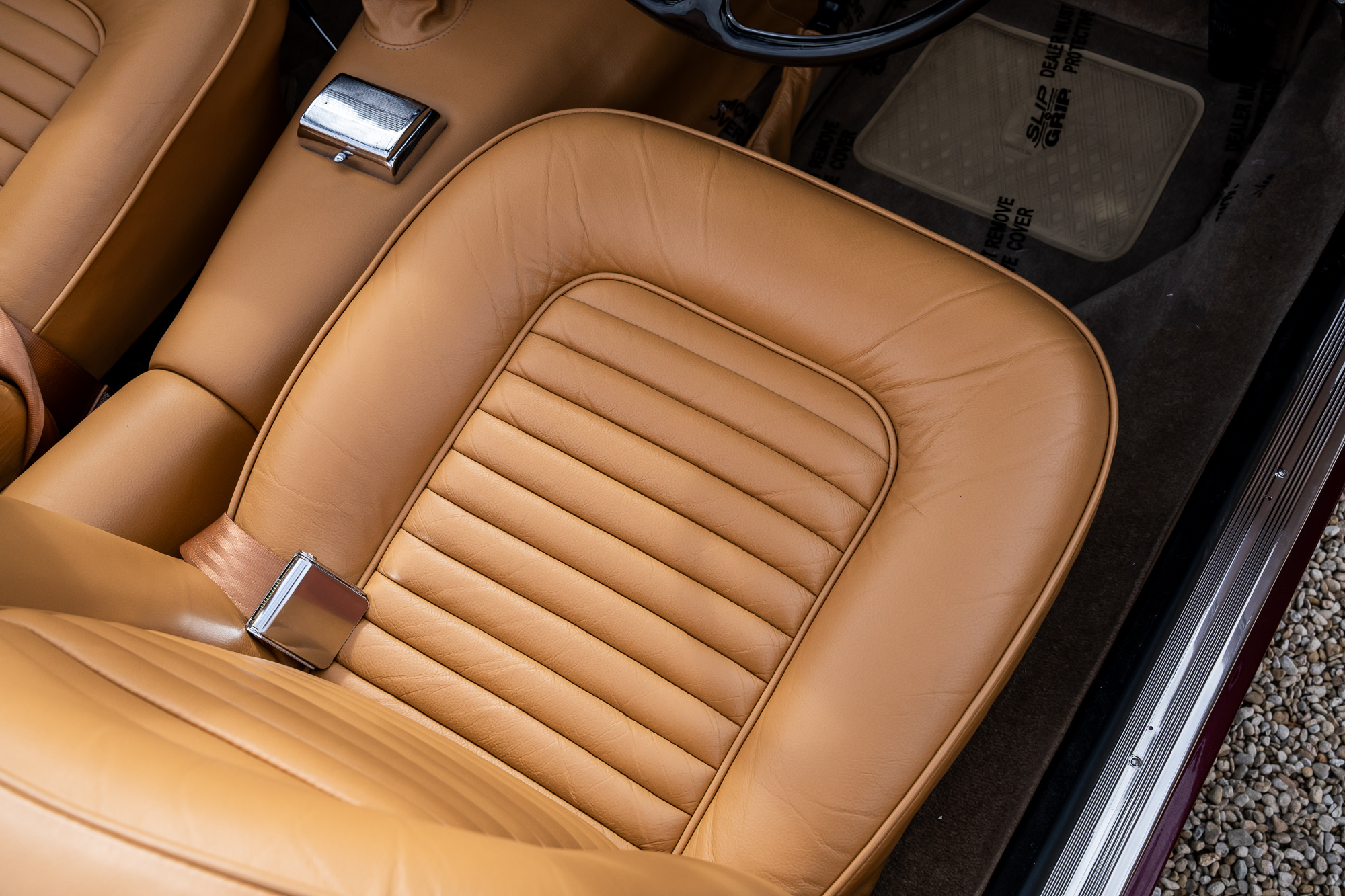
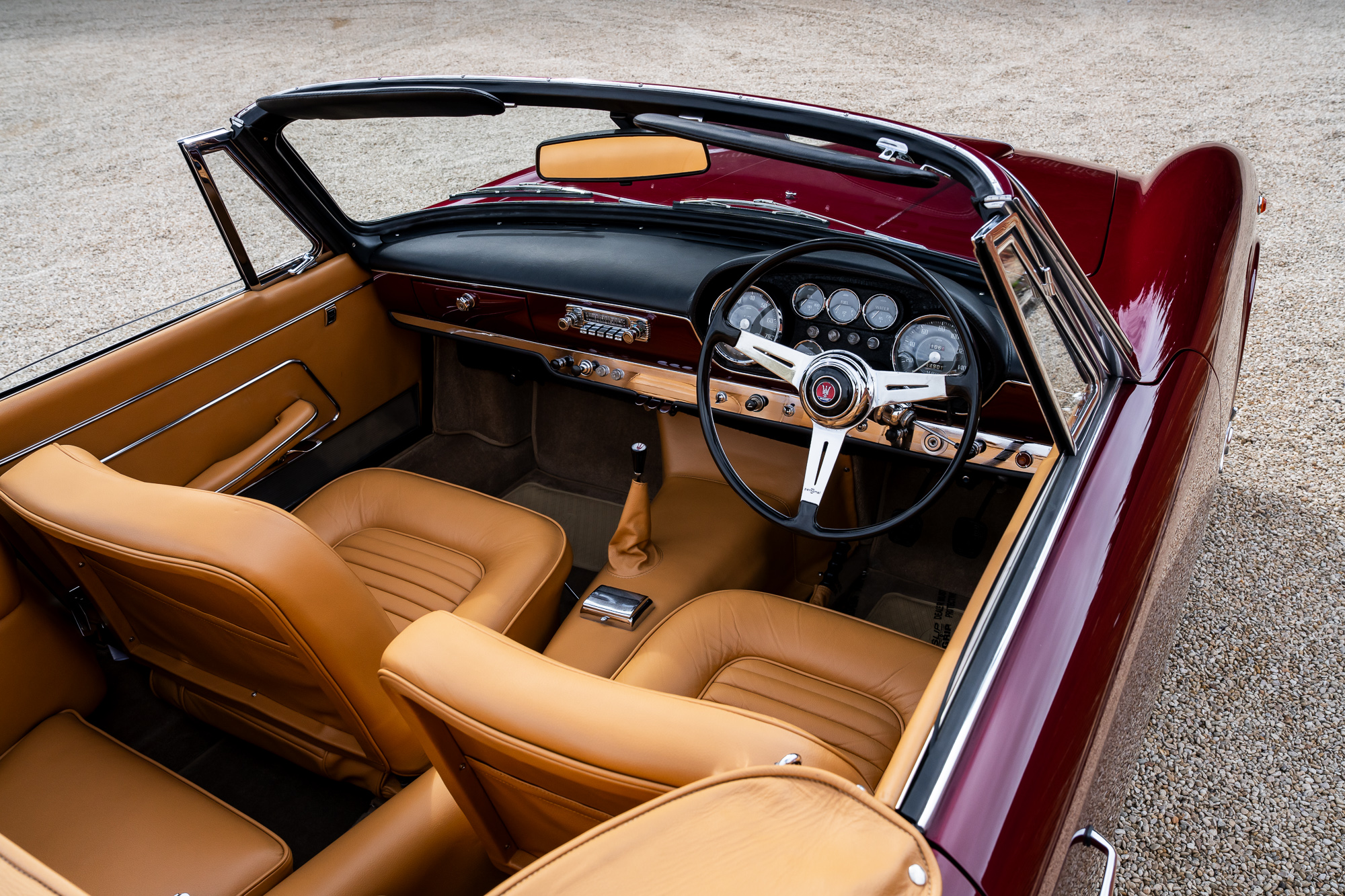
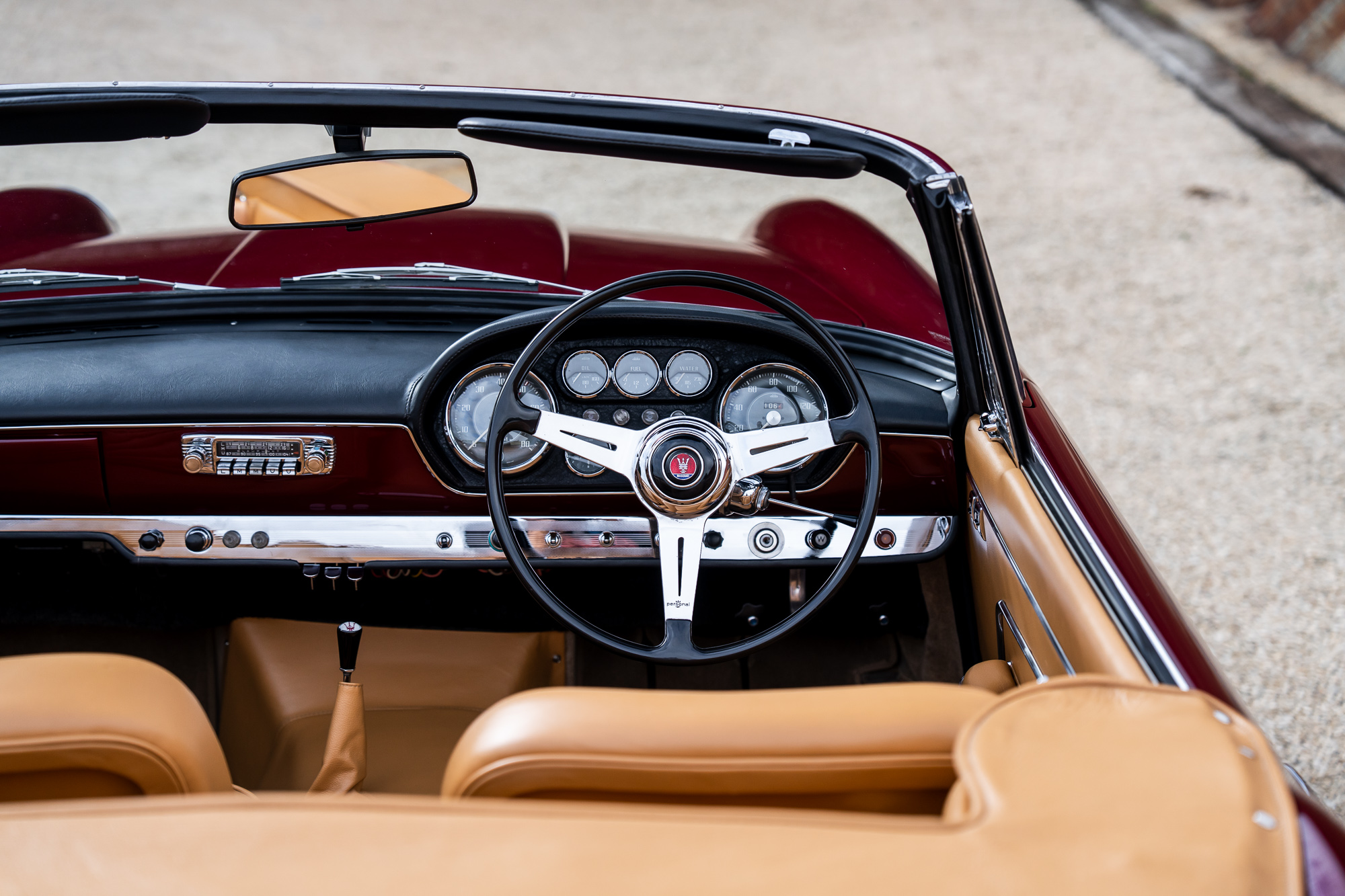
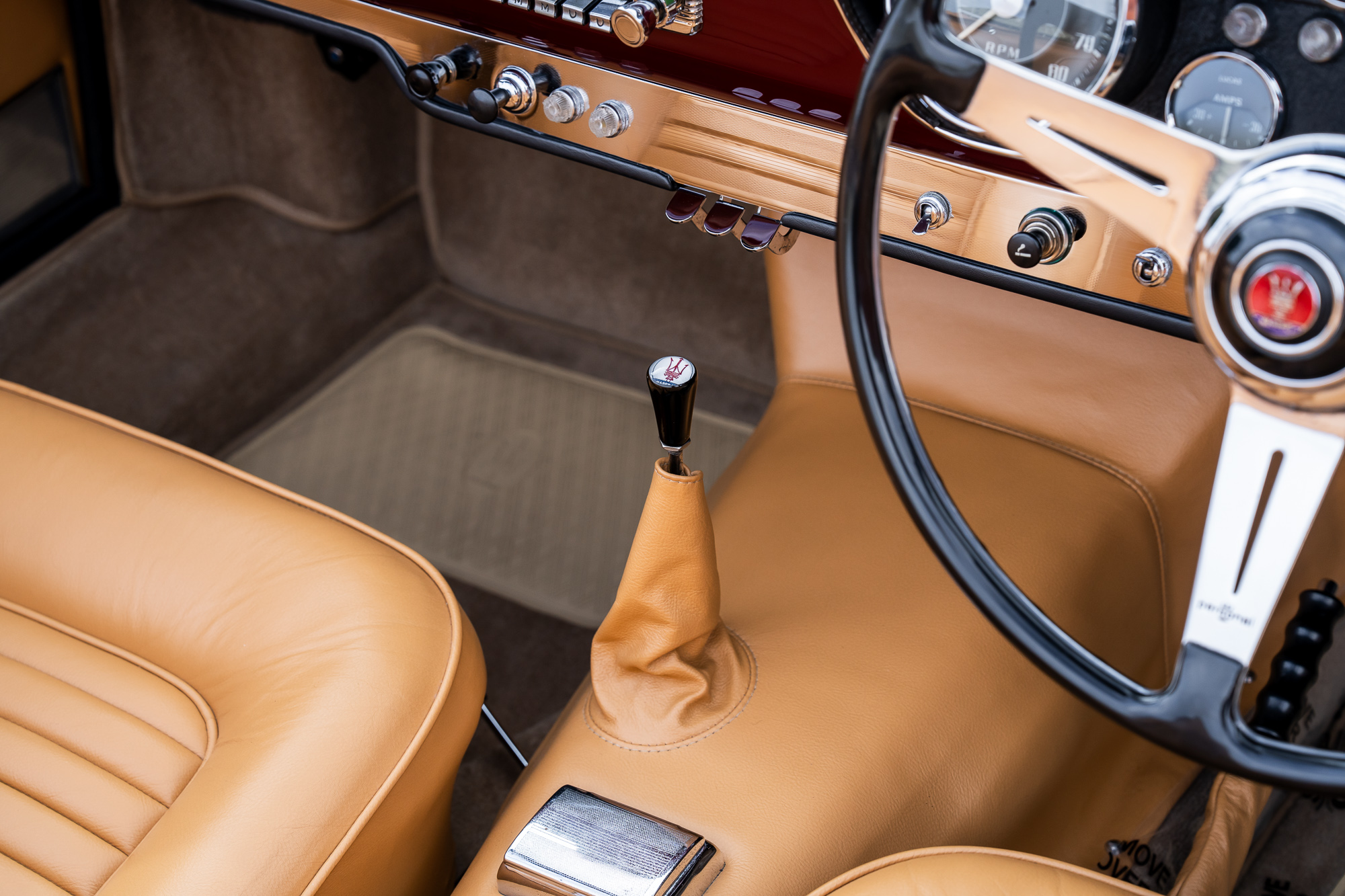
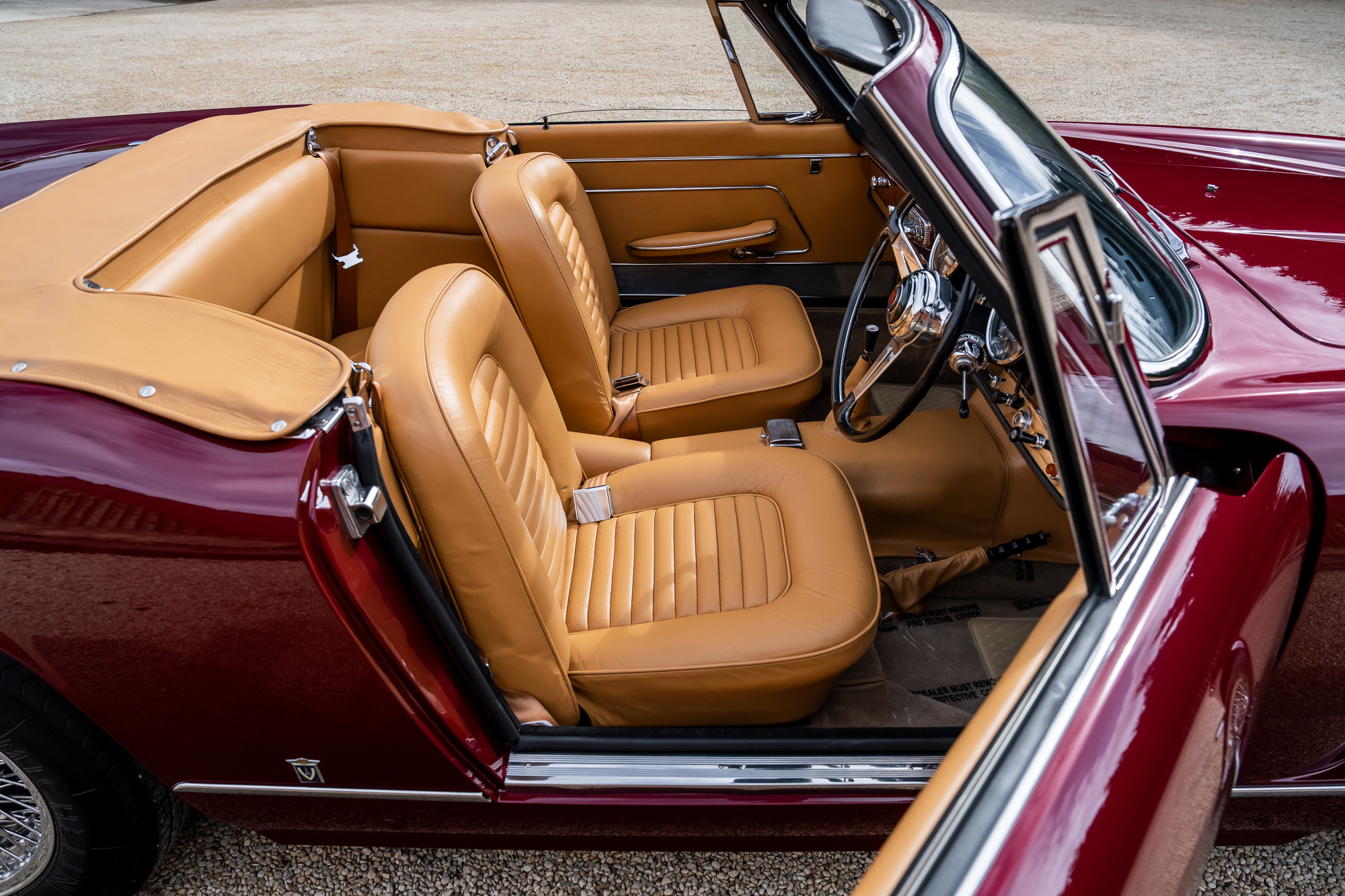
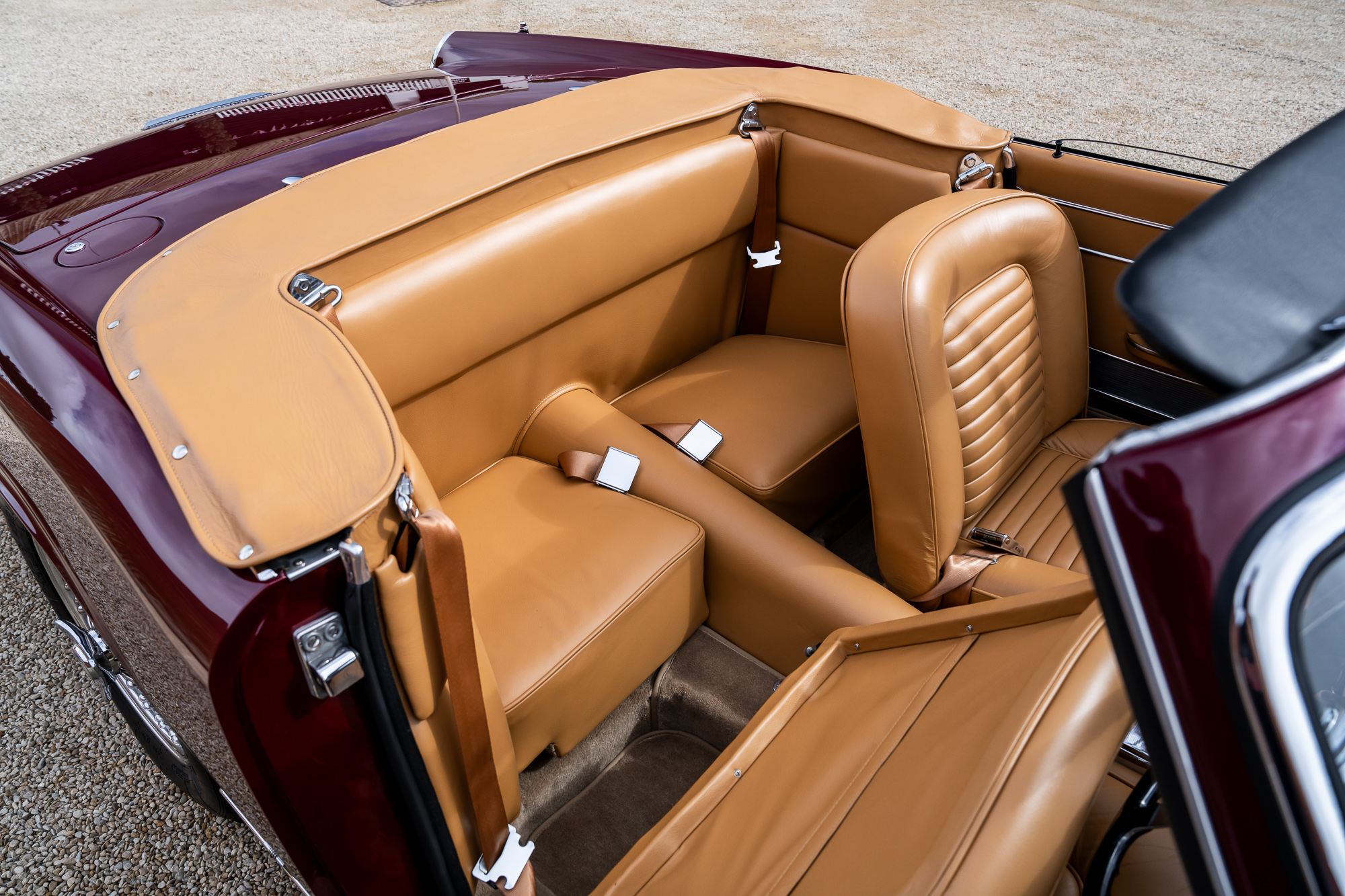
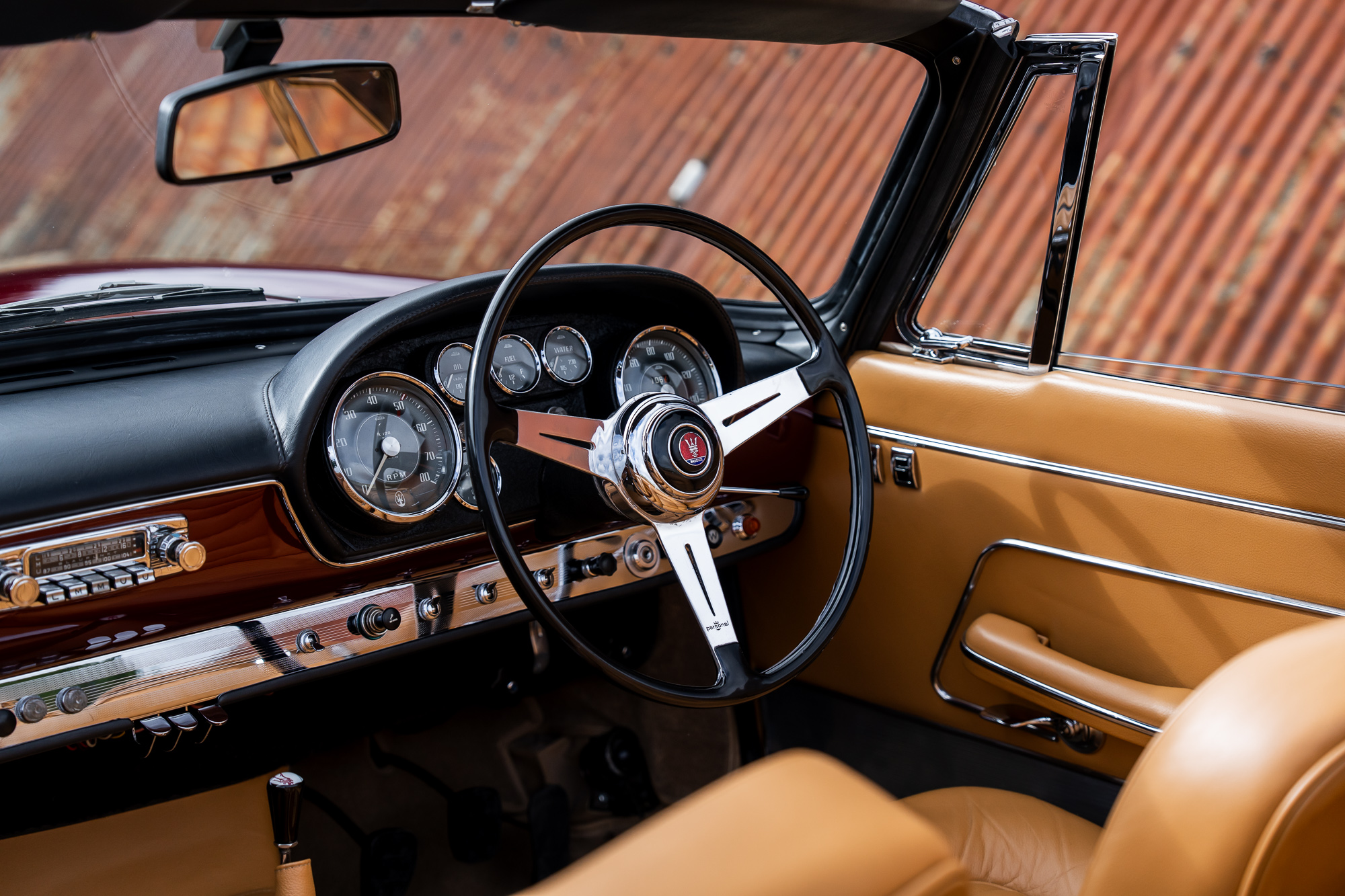
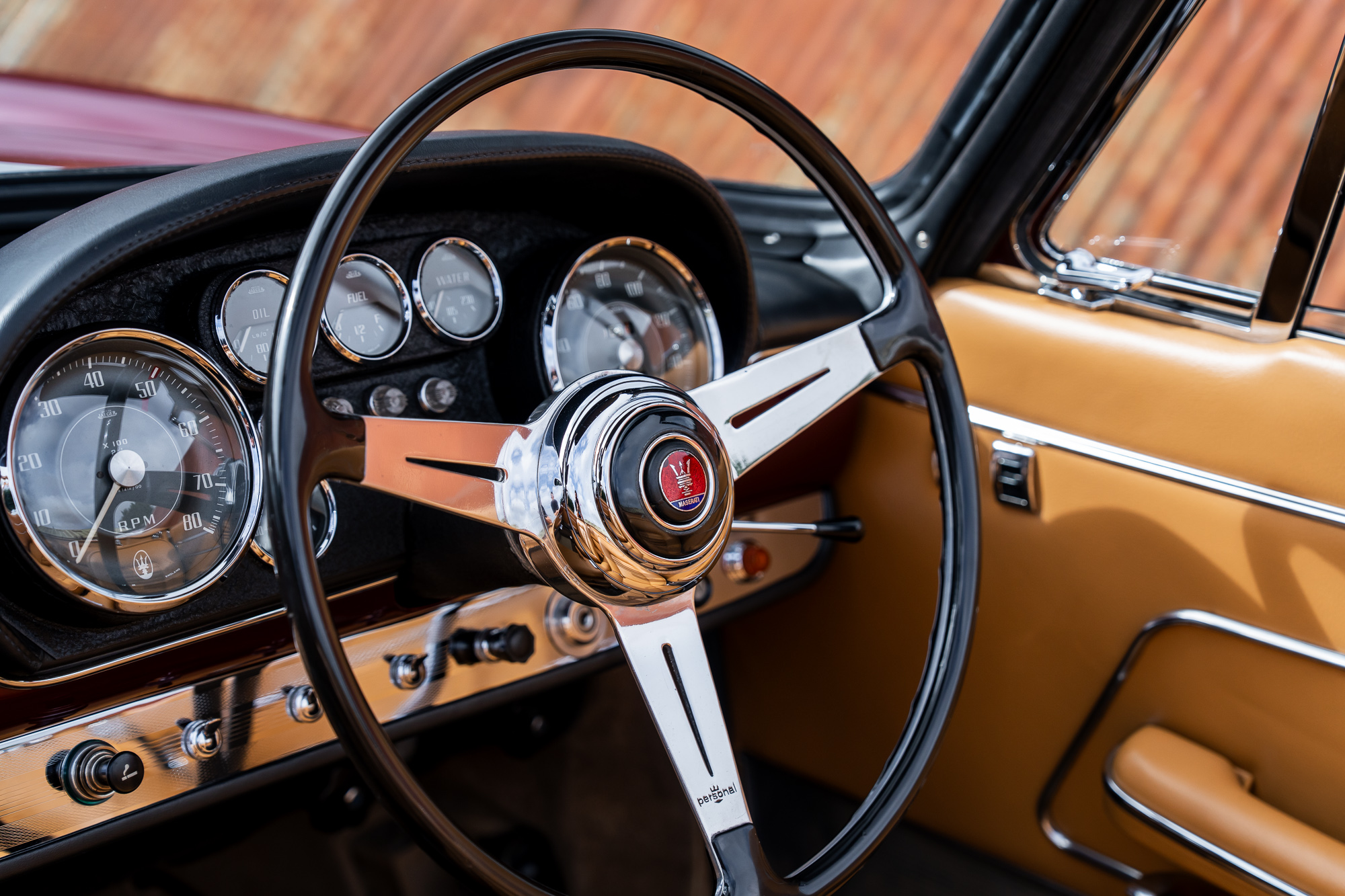
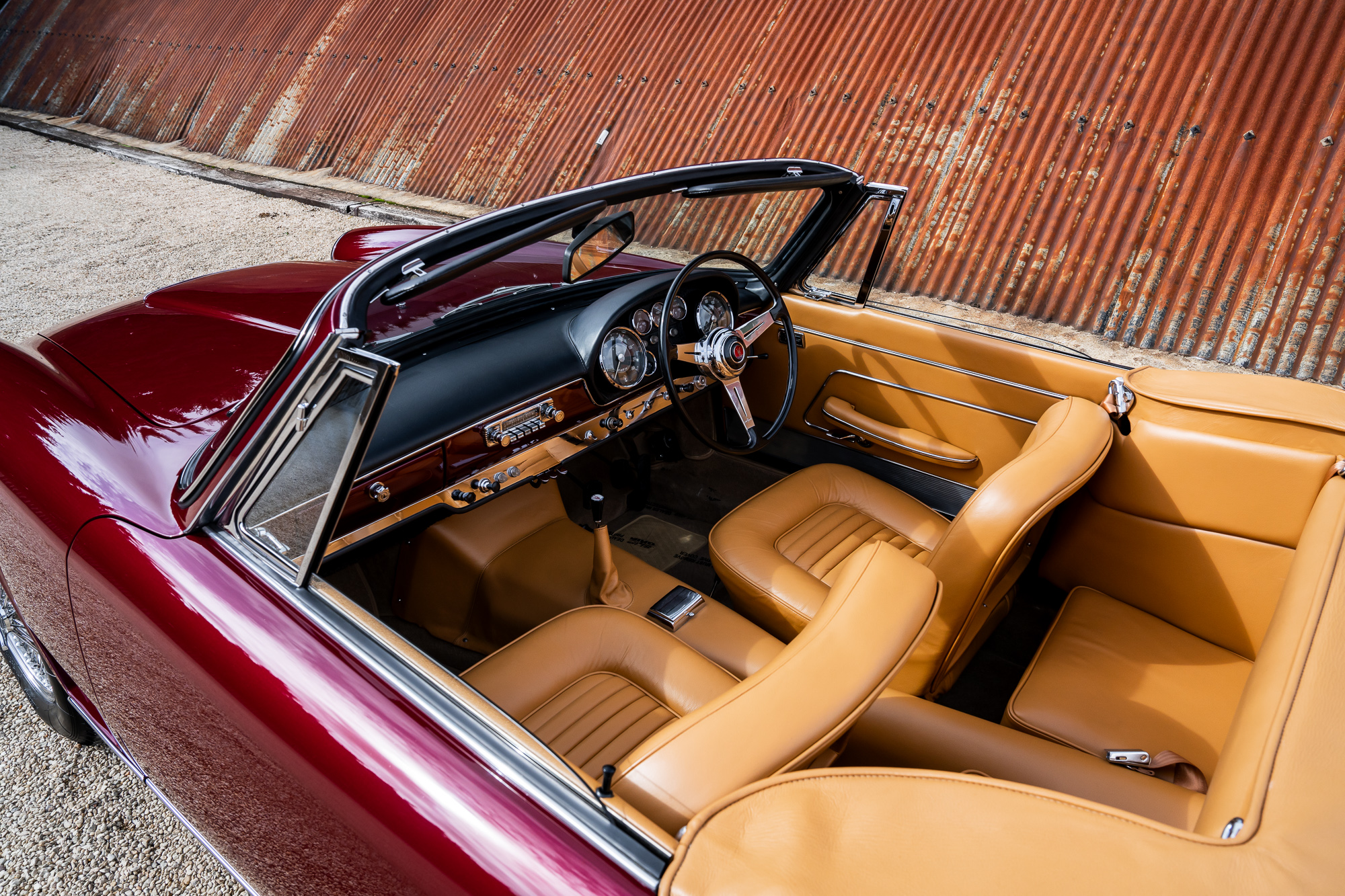
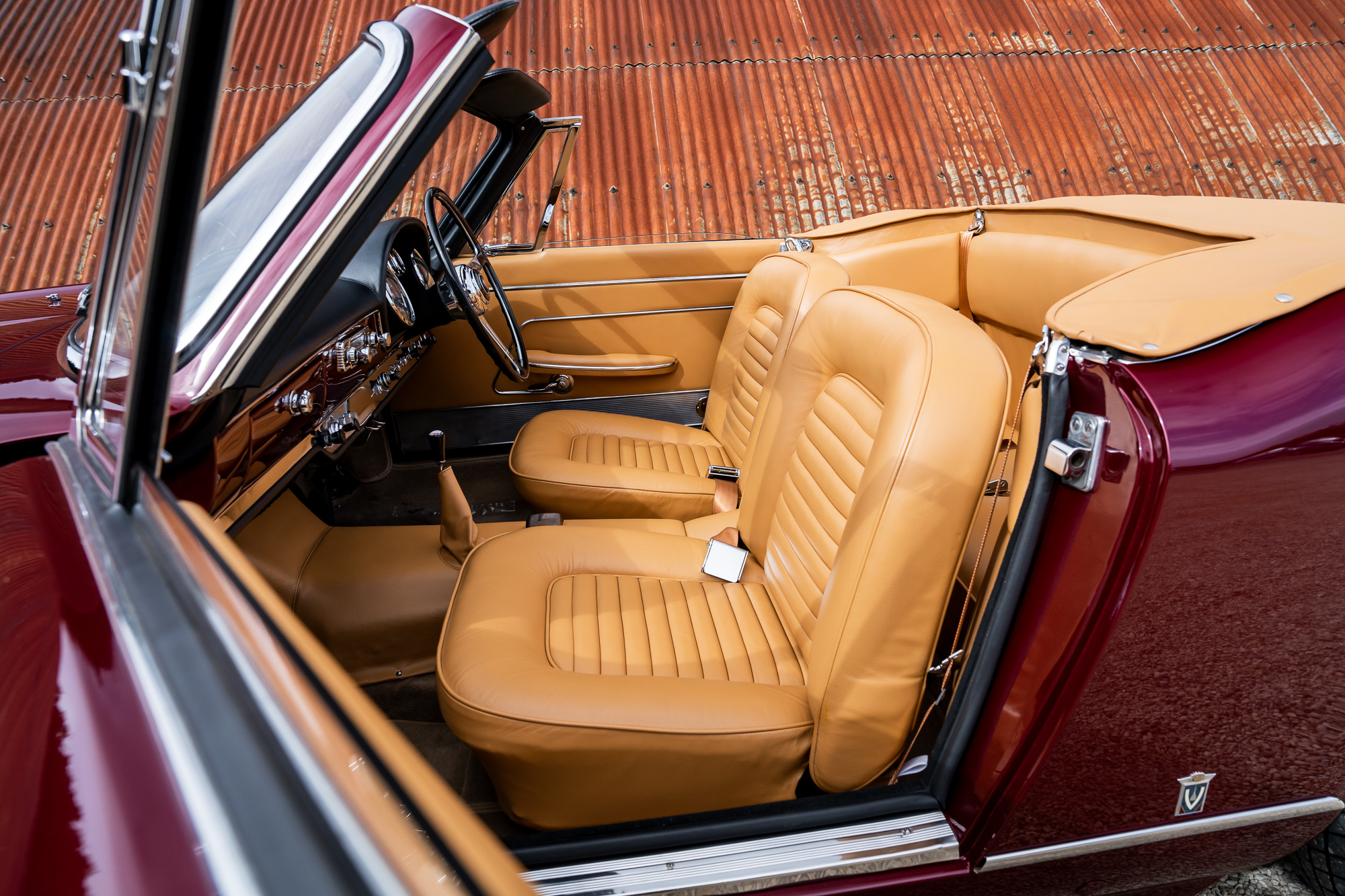
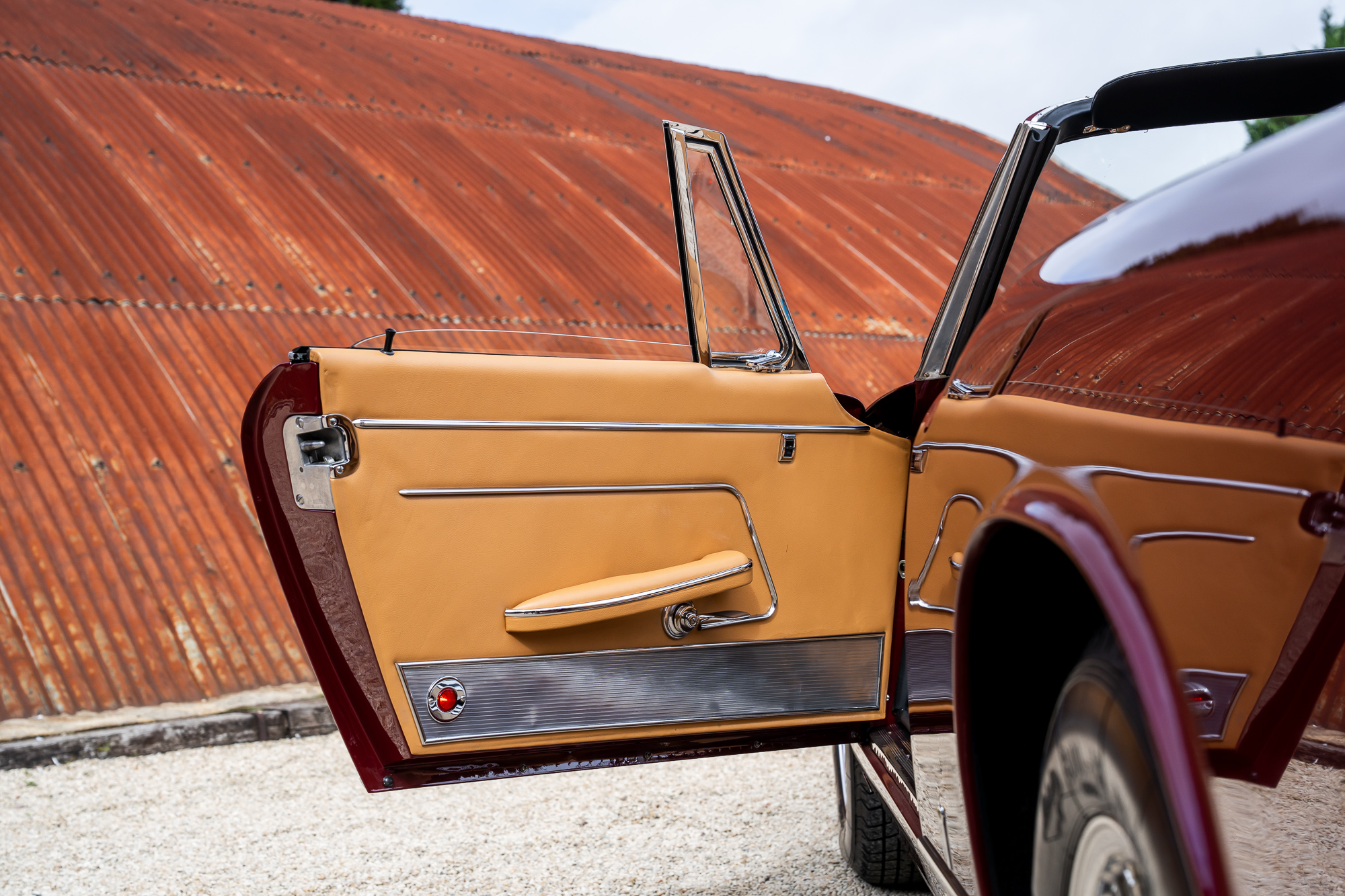
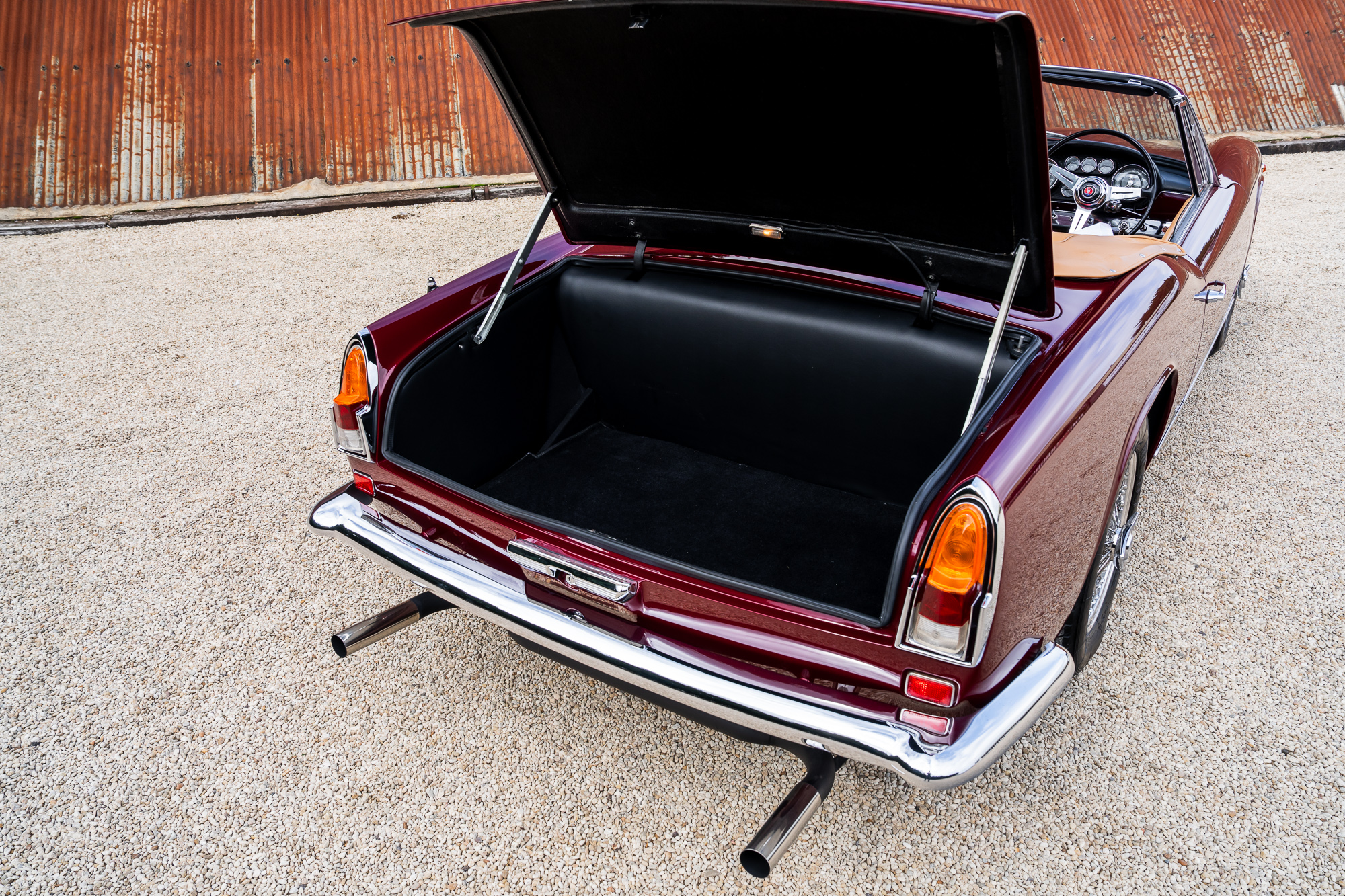
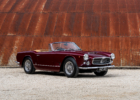
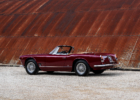
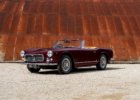
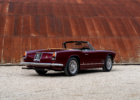
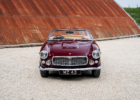
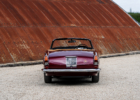
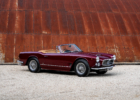
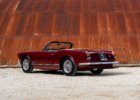
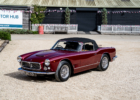
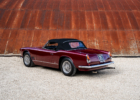
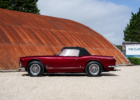
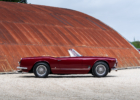
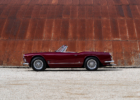

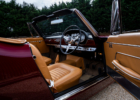
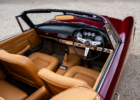
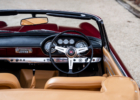
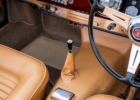
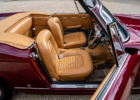
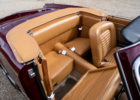
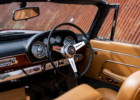
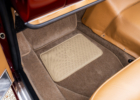
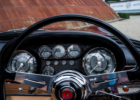
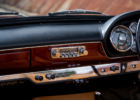
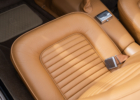
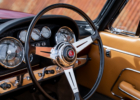
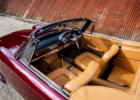
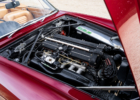
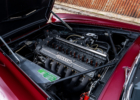
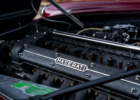
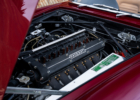

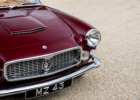
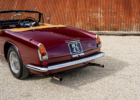
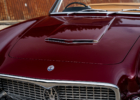

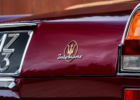
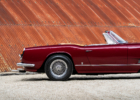

- One of only five Spyders produced with RHD steering
- Superbly restored in 2016 by marque specialist and recently repainted in its original colour
- Enormous history file
- Entrant in the Concours of Elegance at Hampton Court Palace in September 2026
| YEAR | 1963 |
| MAKE | Maserati |
| PRICE | £495,000 |
VEHICLE DESCRIPTION
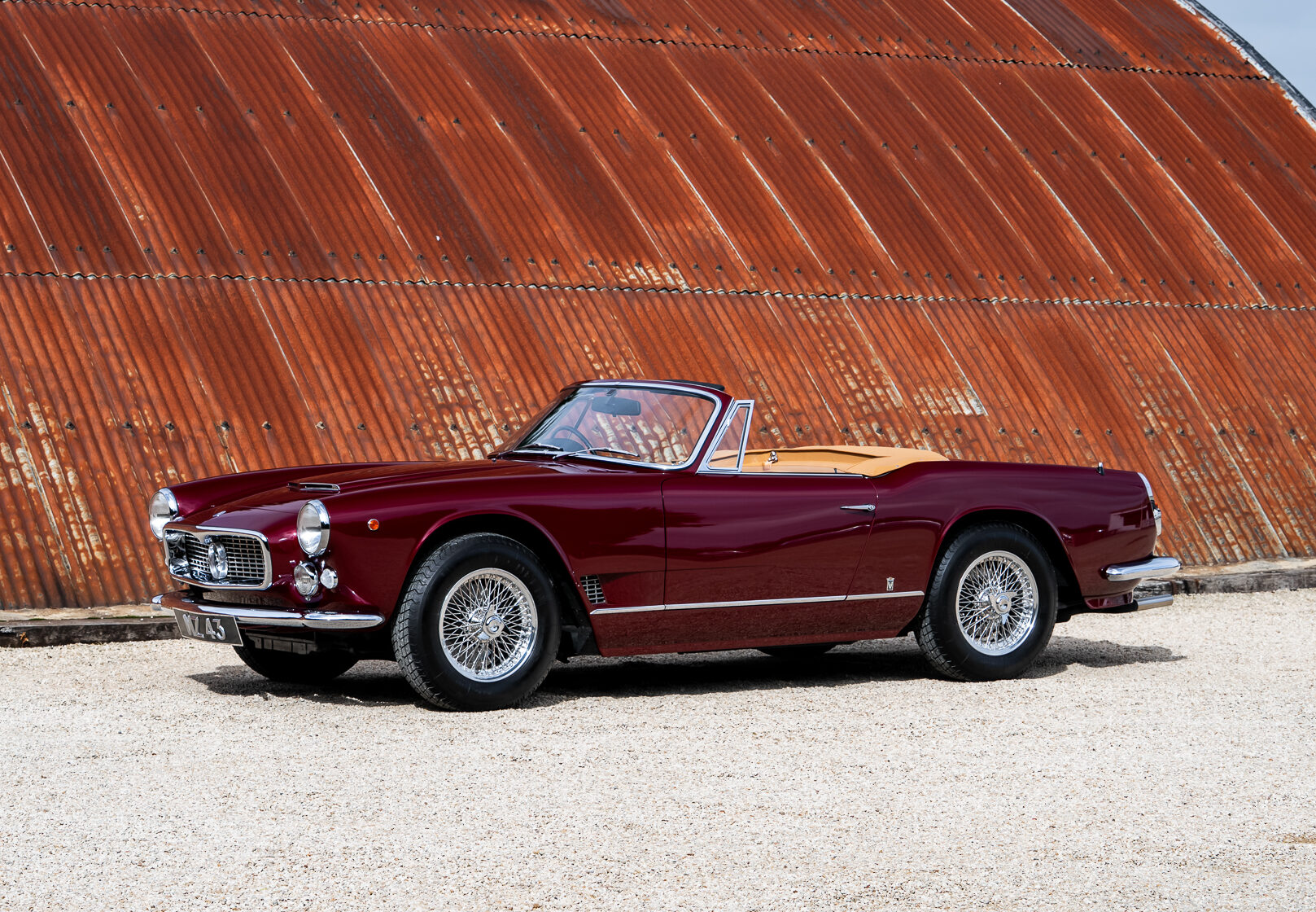
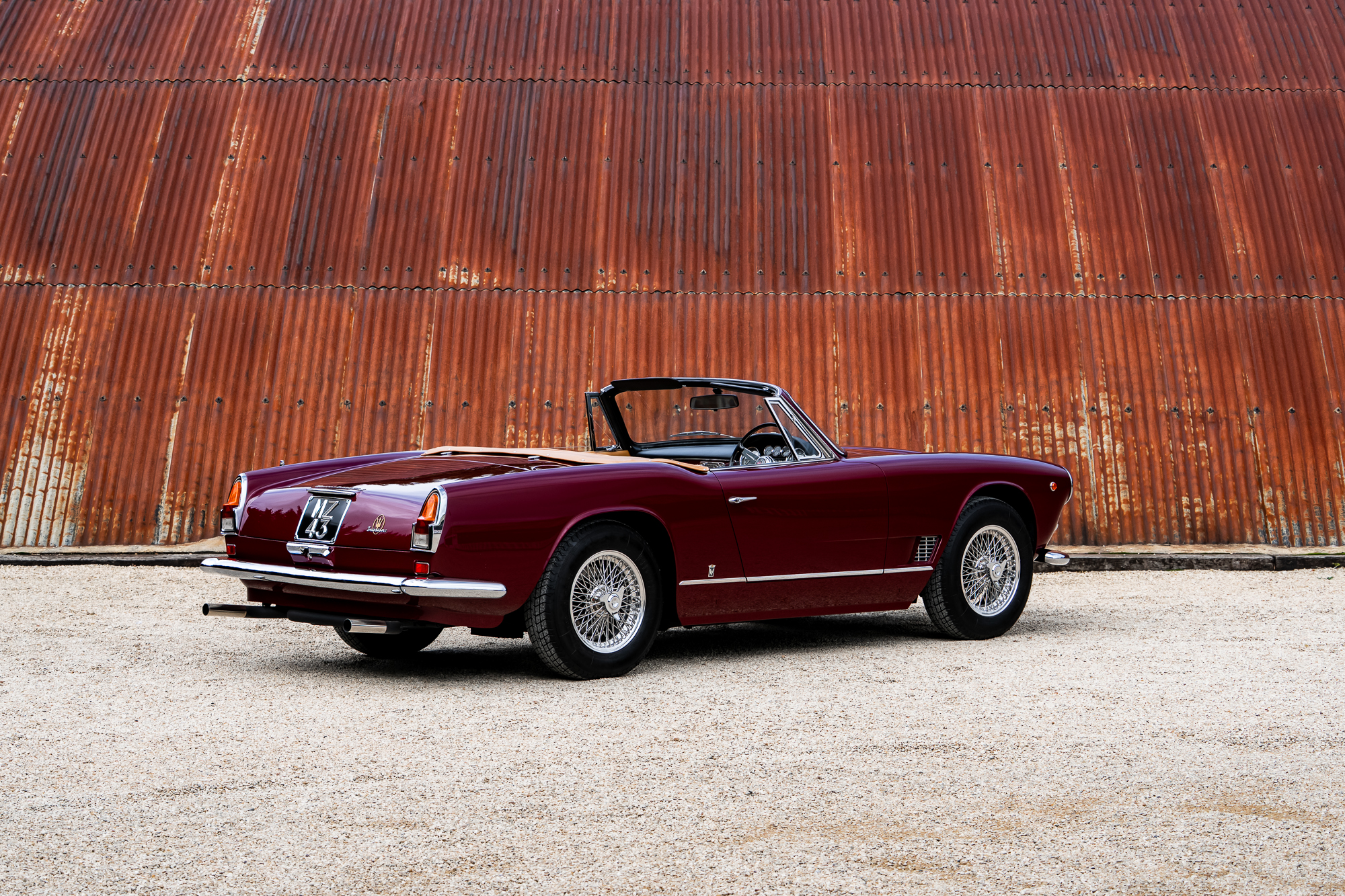
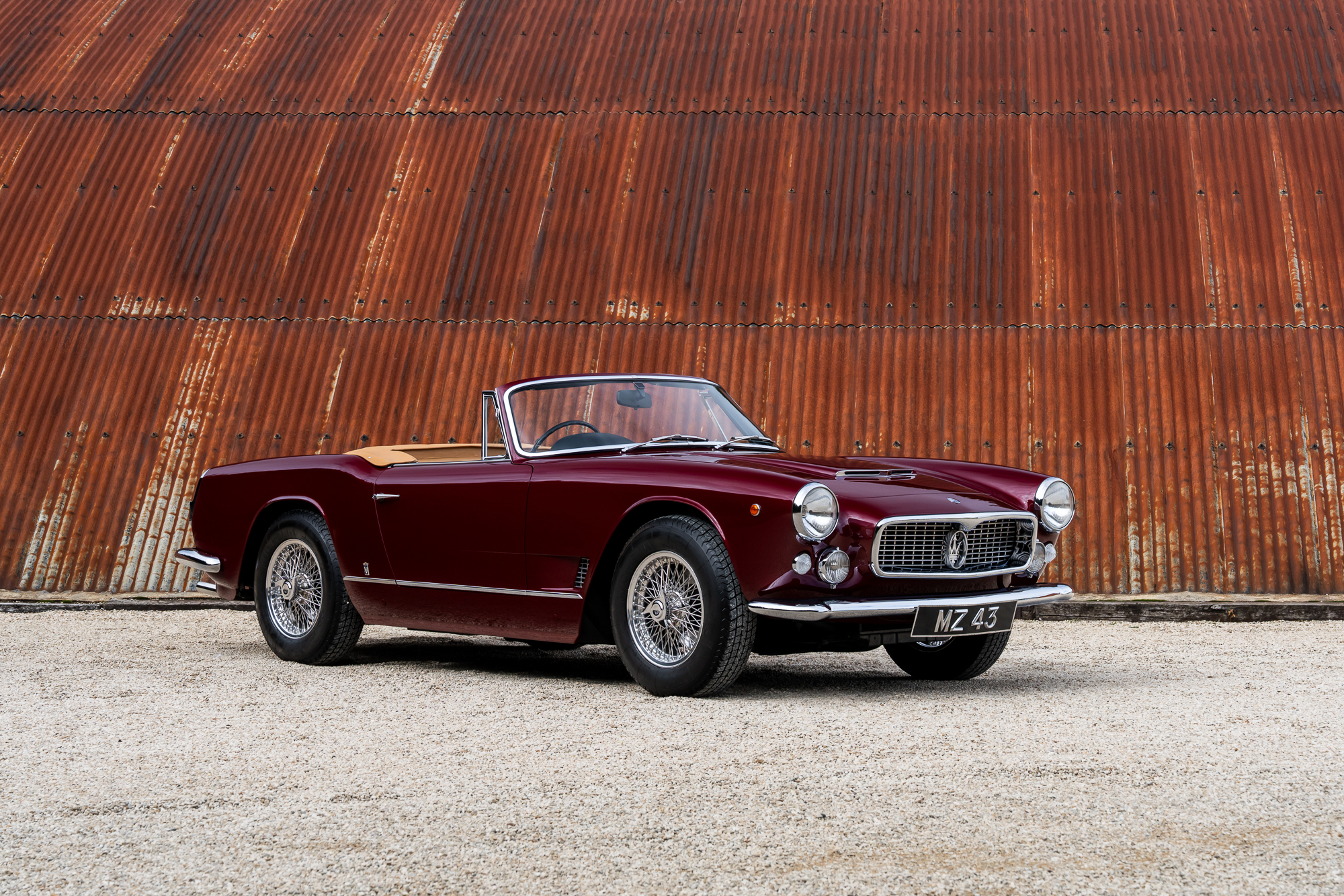
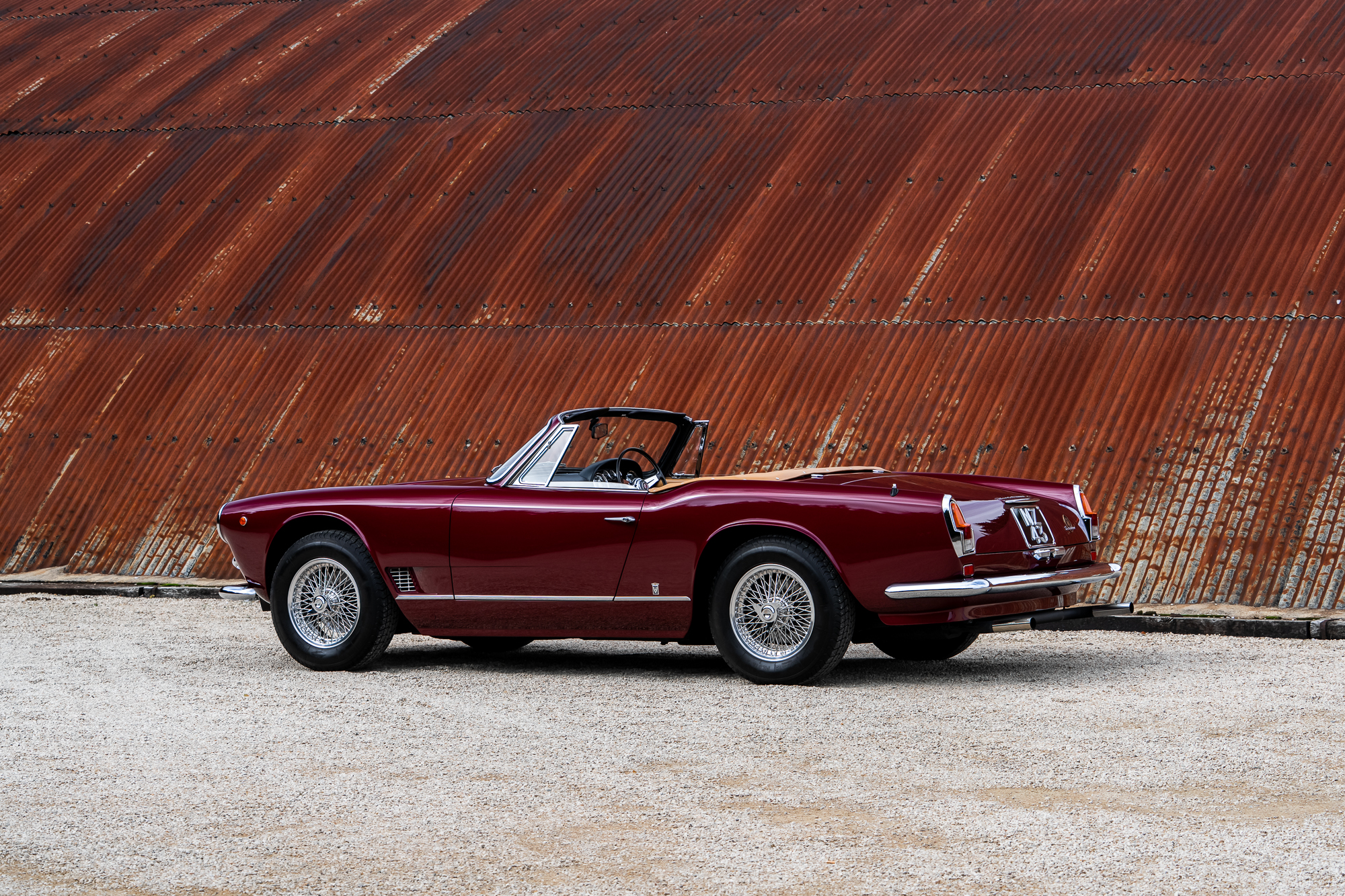
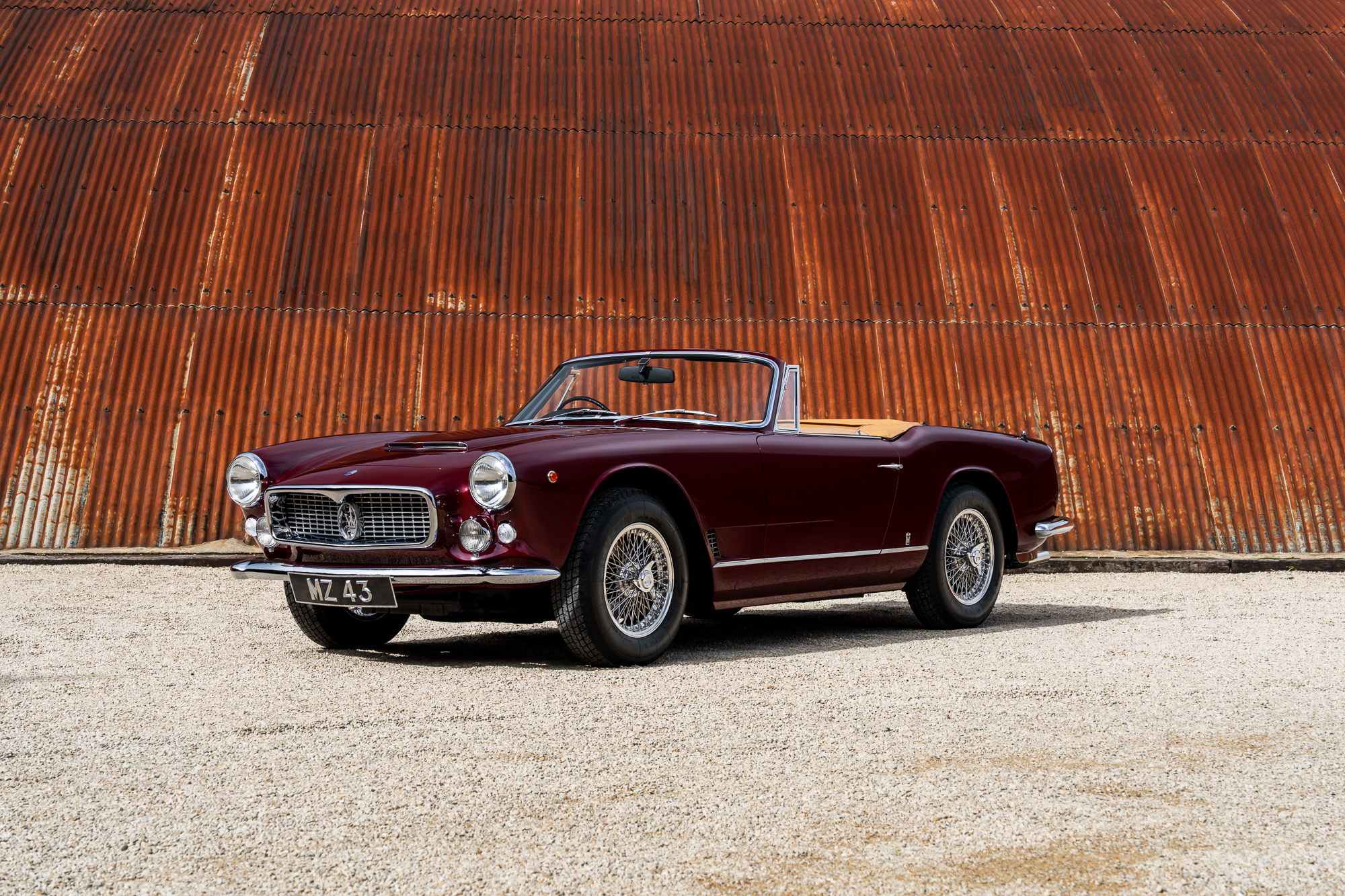
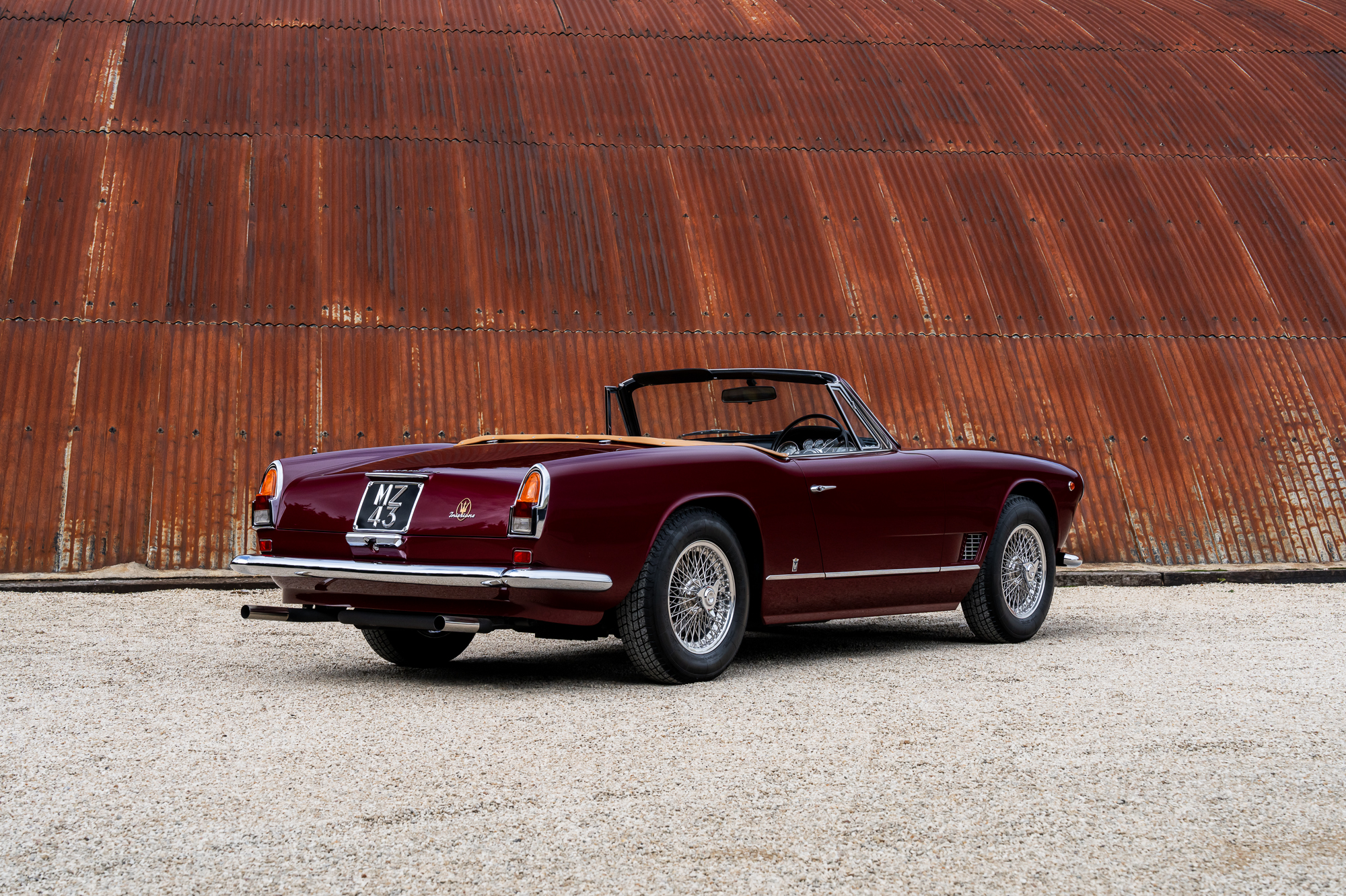
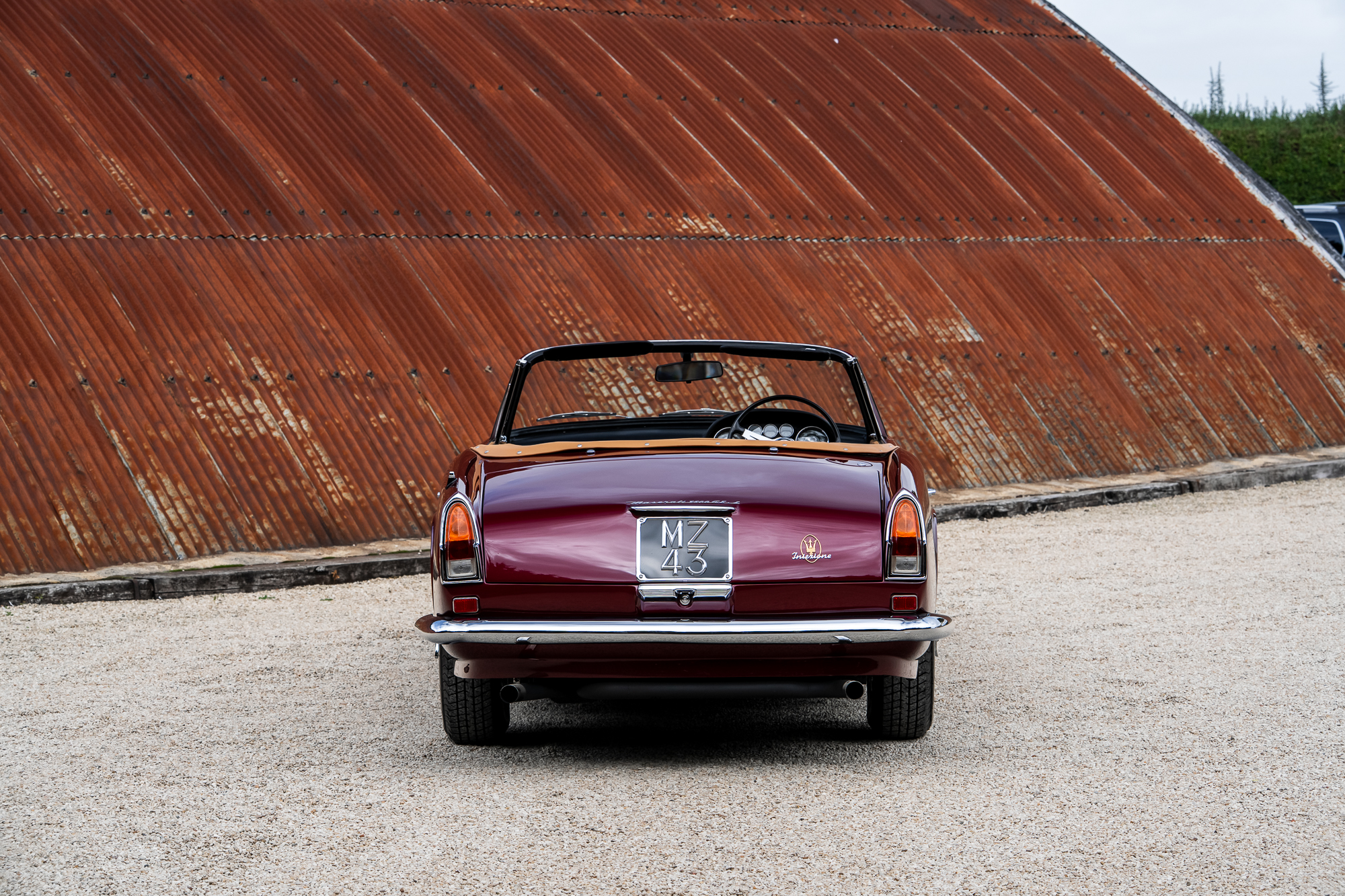
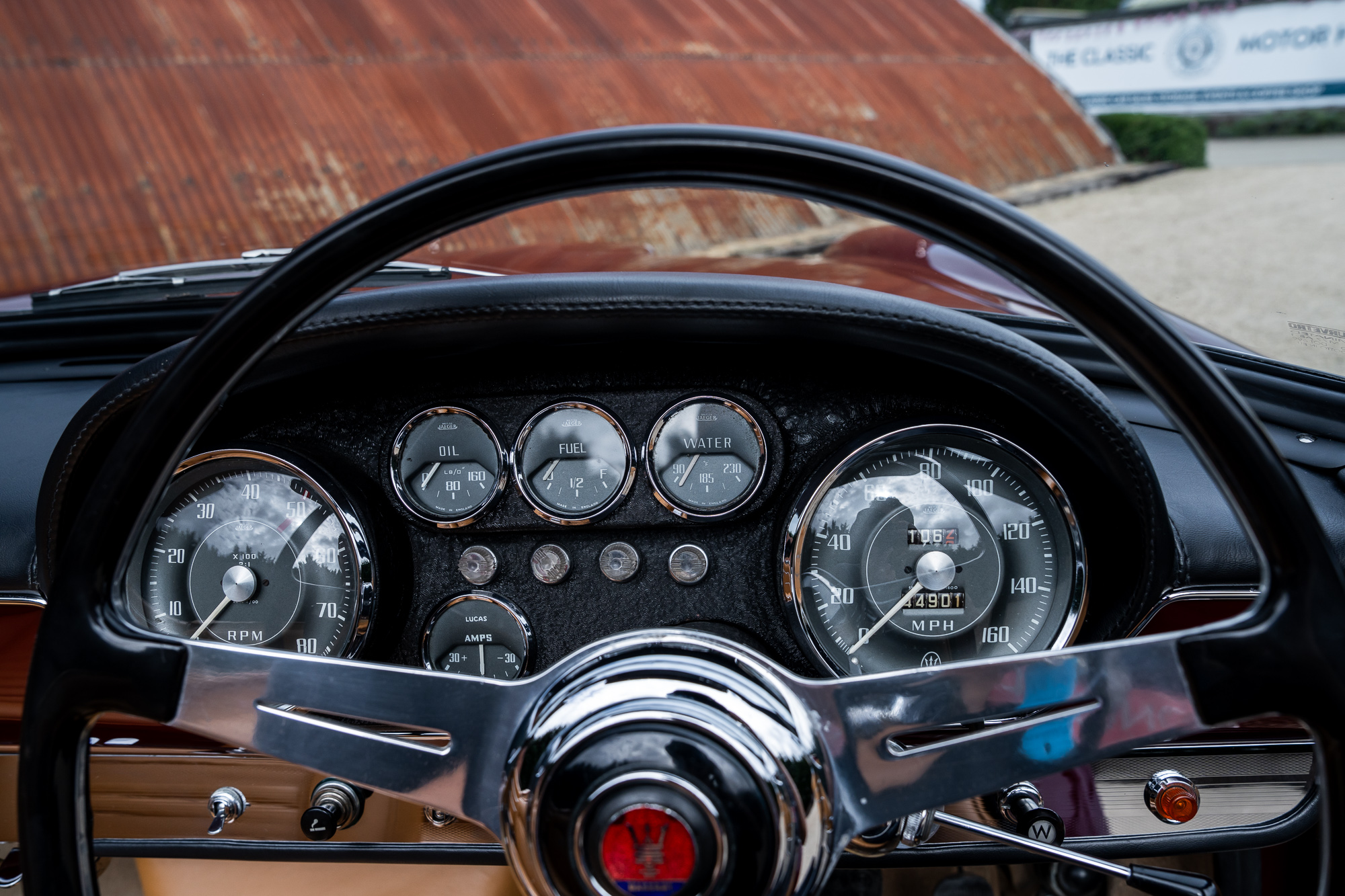
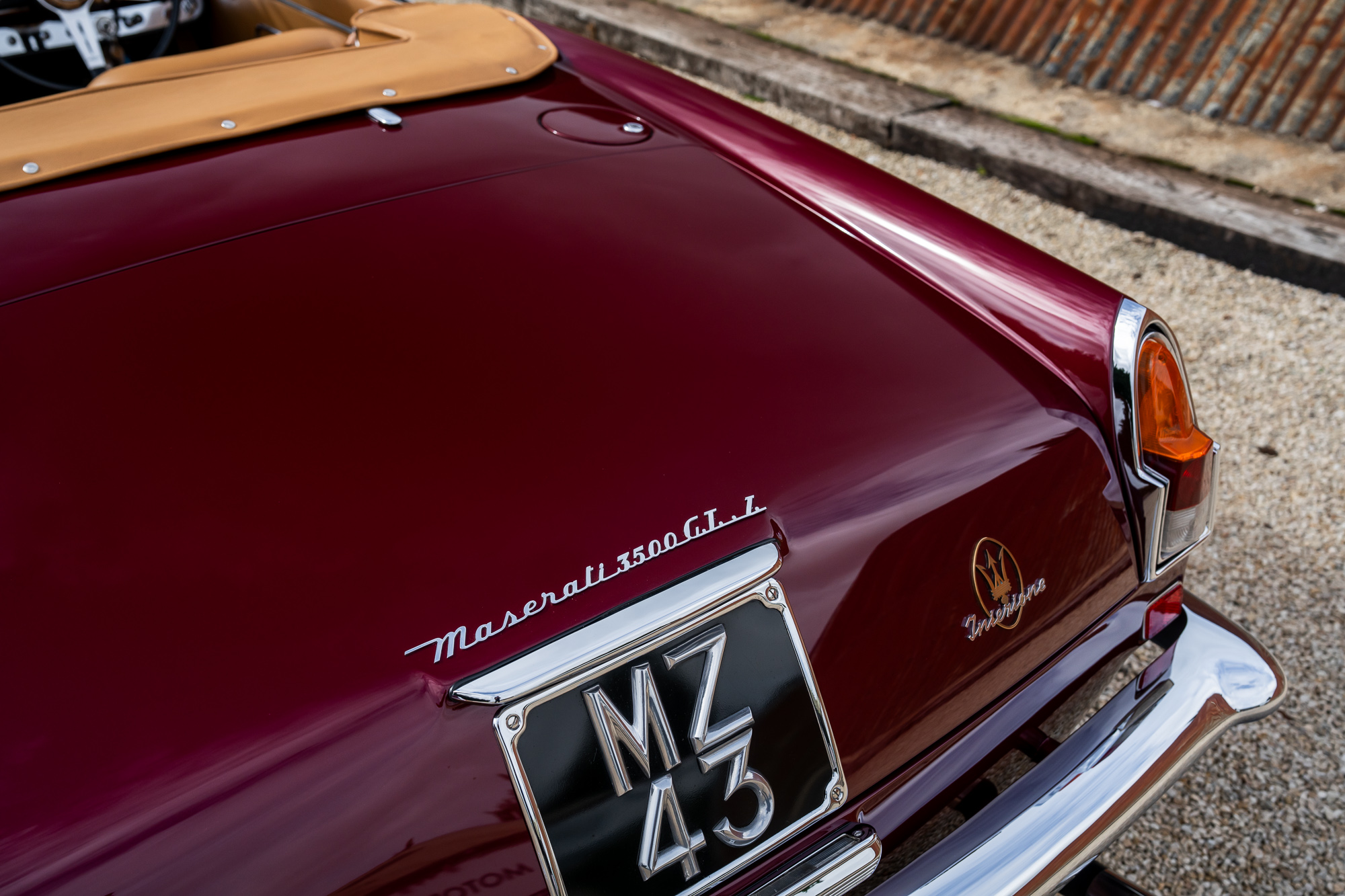
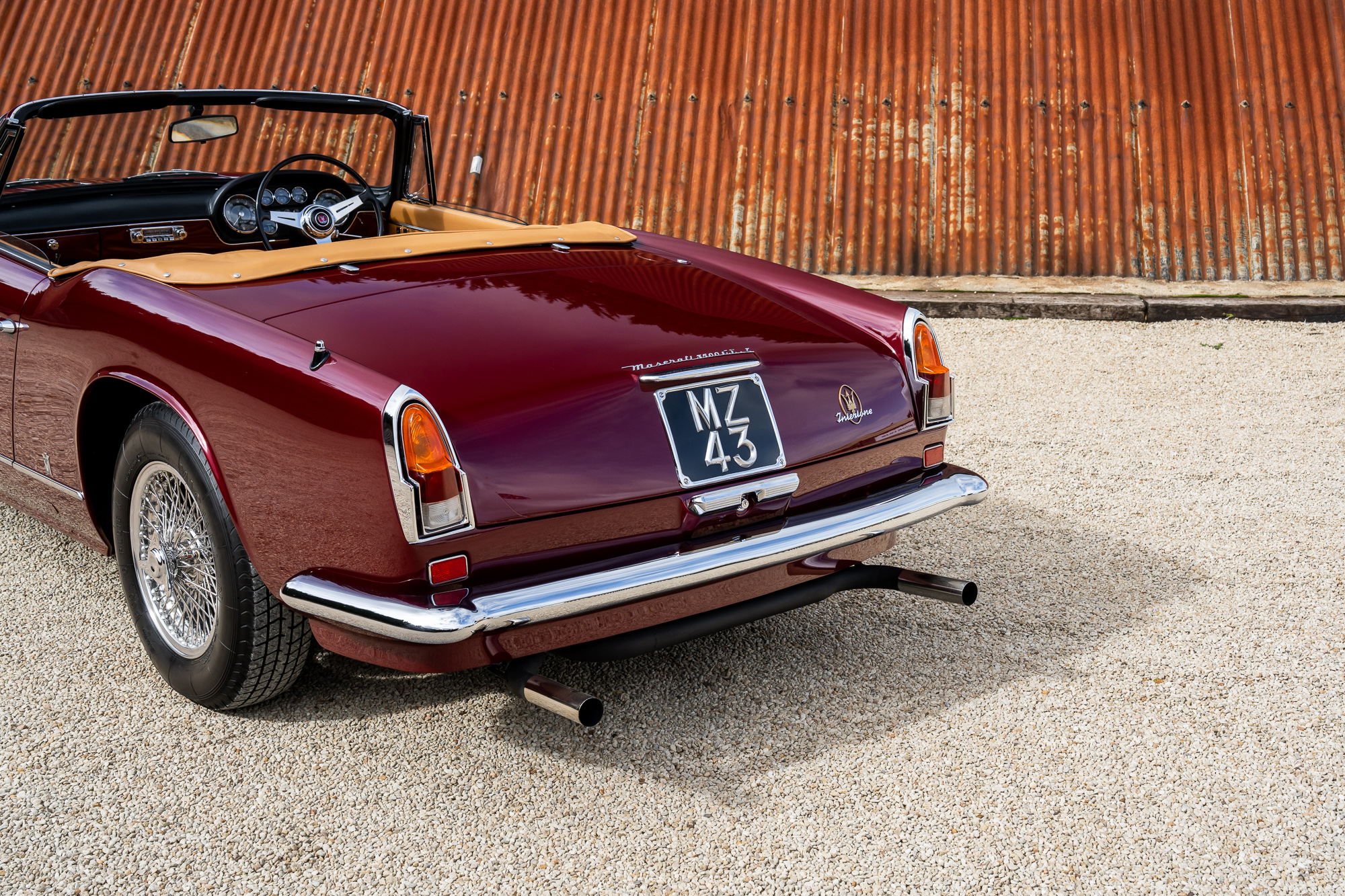
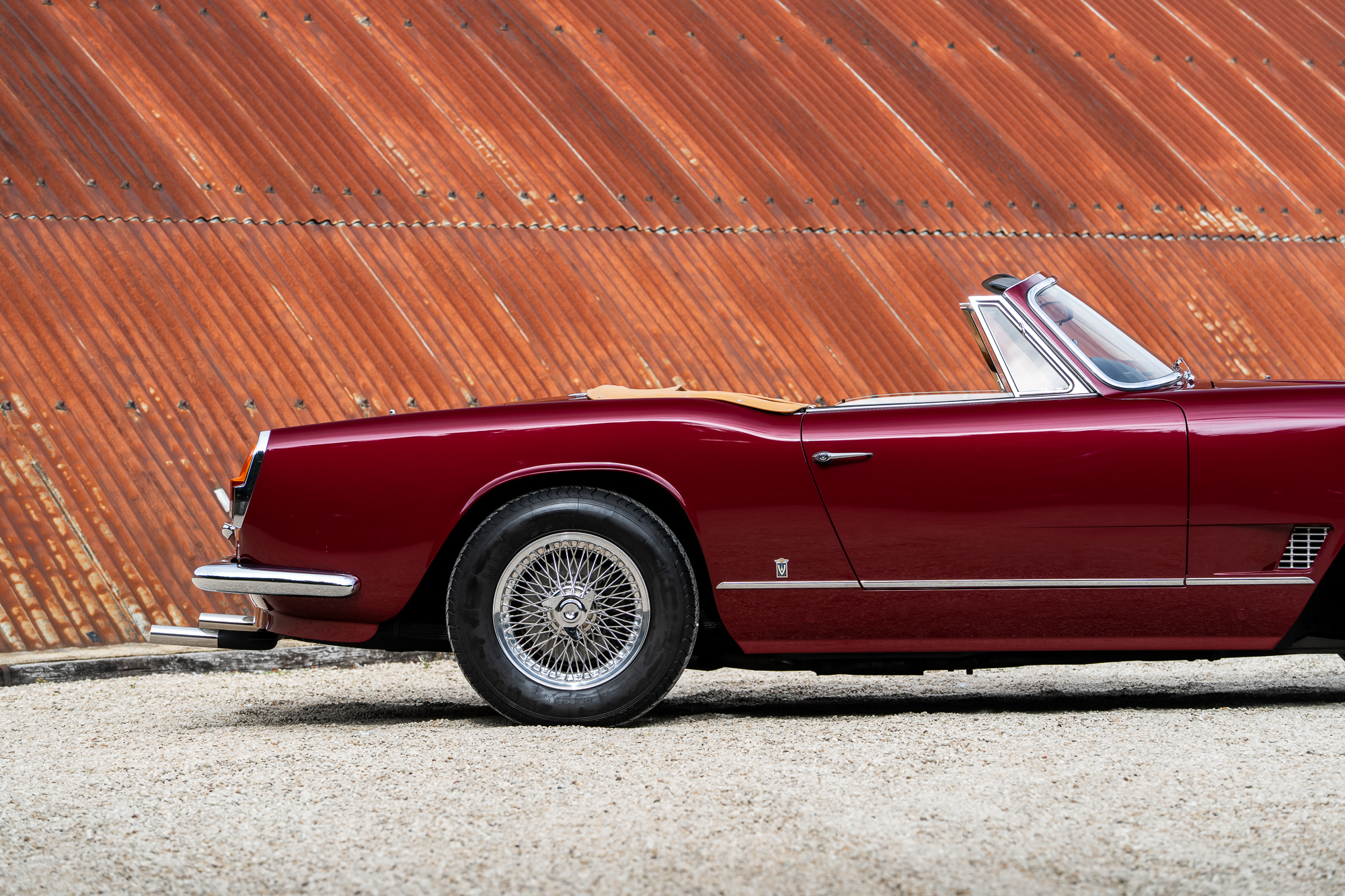
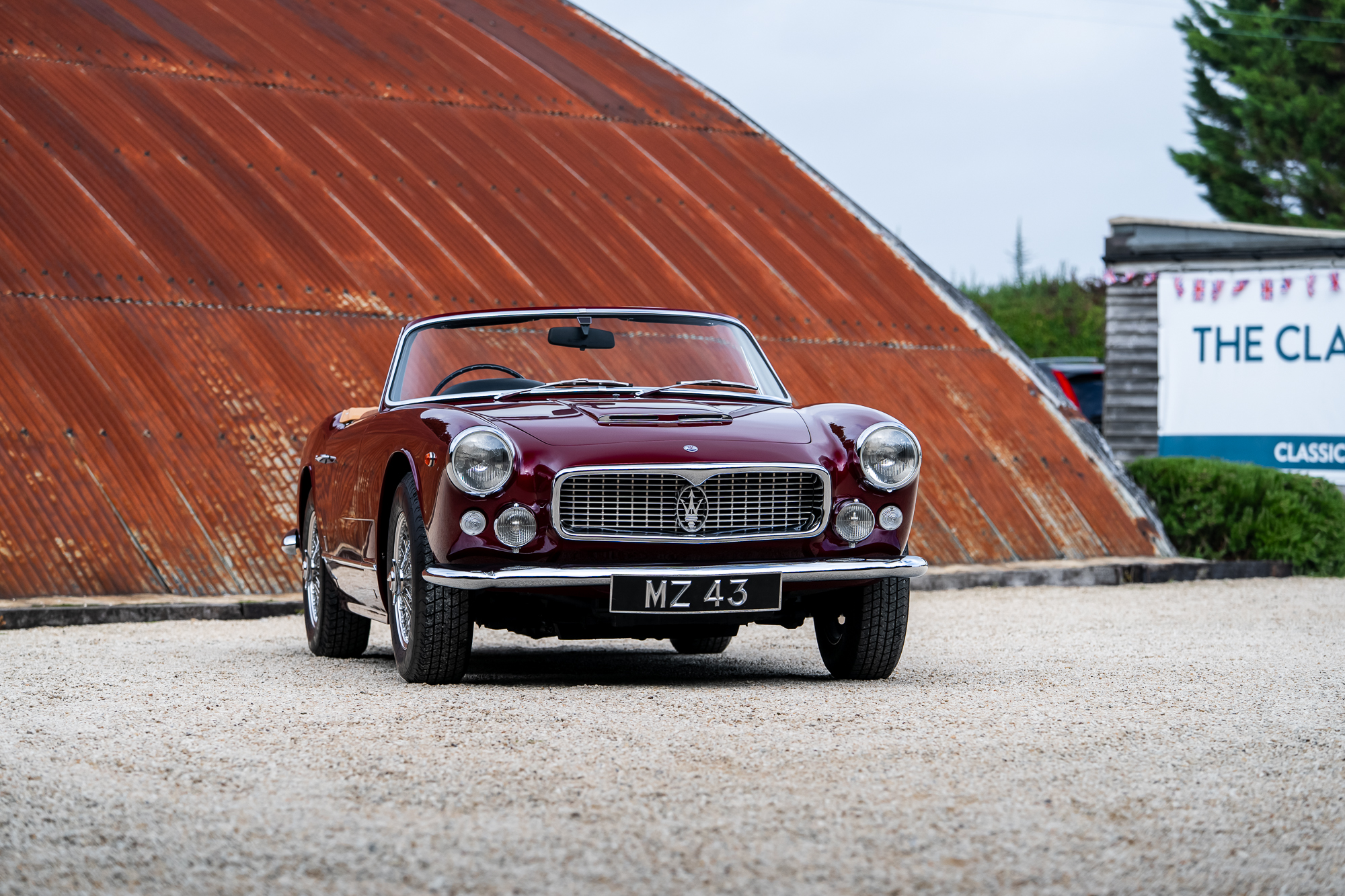
The car offered here is one of the rarest variants of the 3500 GT story. Chassis AM101 2757 was completed in August 1963 and is the second-to-last factory right-hand-drive 3500 Spyder produced, and the accompanying history records it as one of only five cars built to RHD specification.
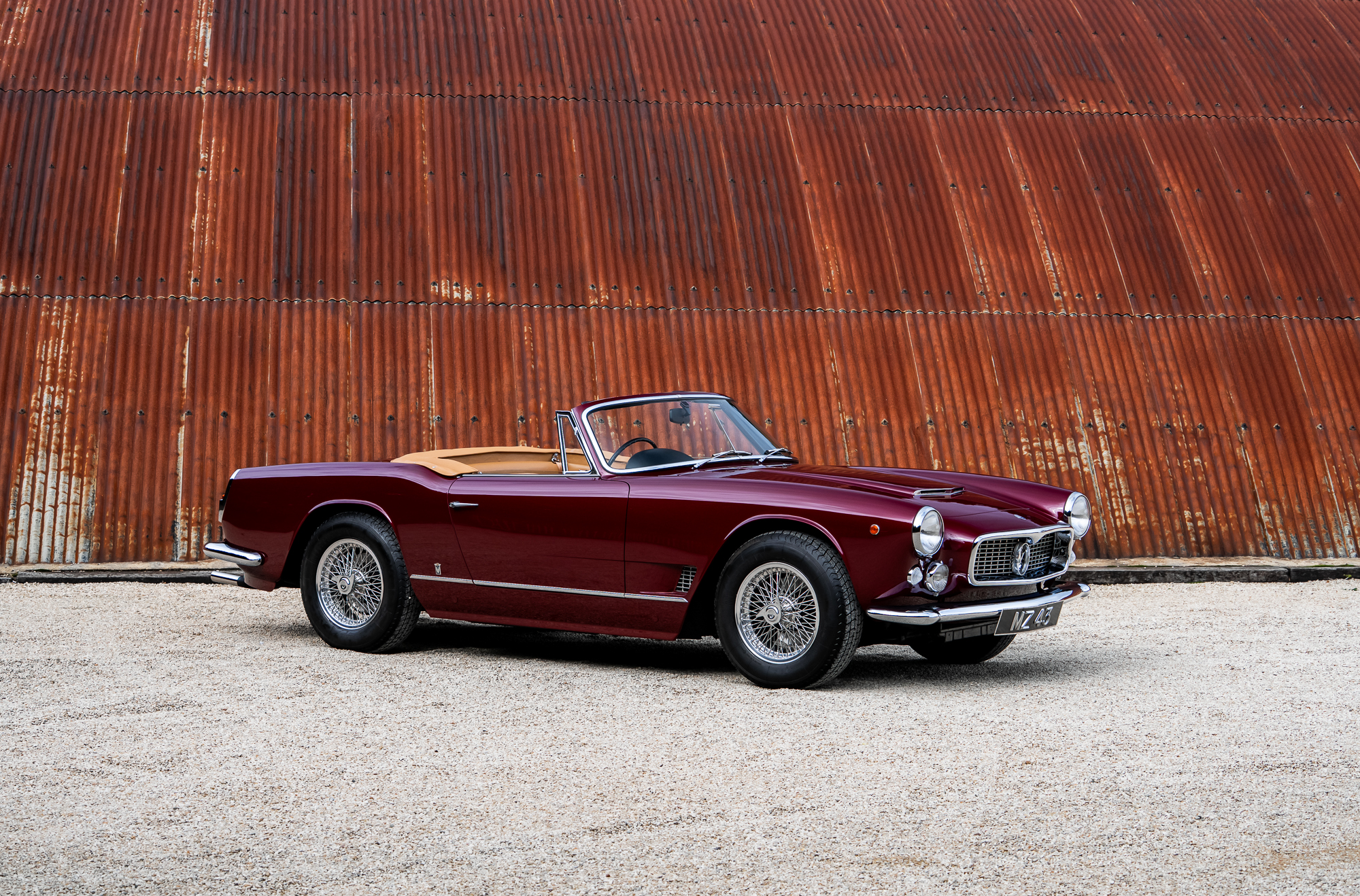
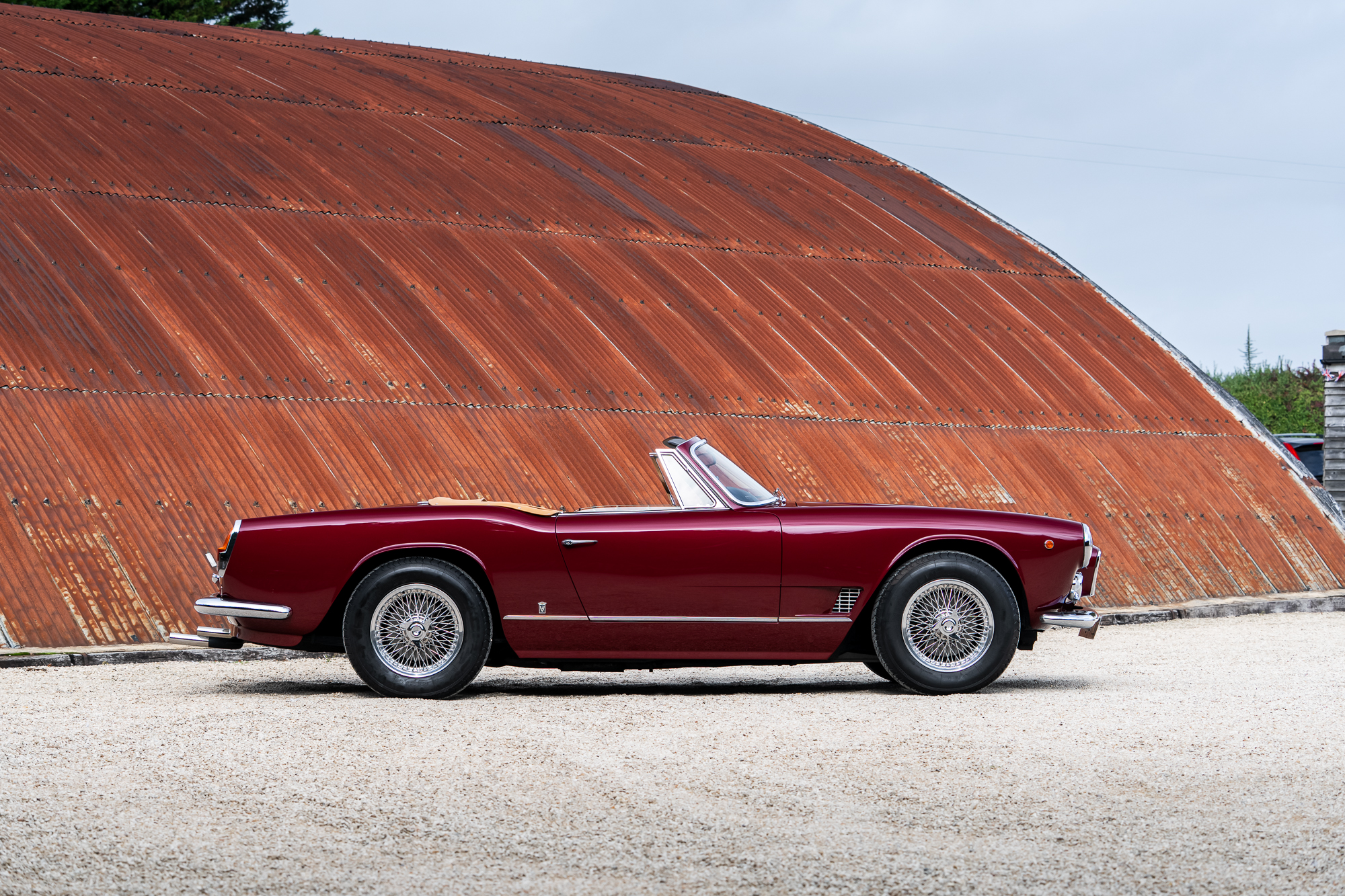
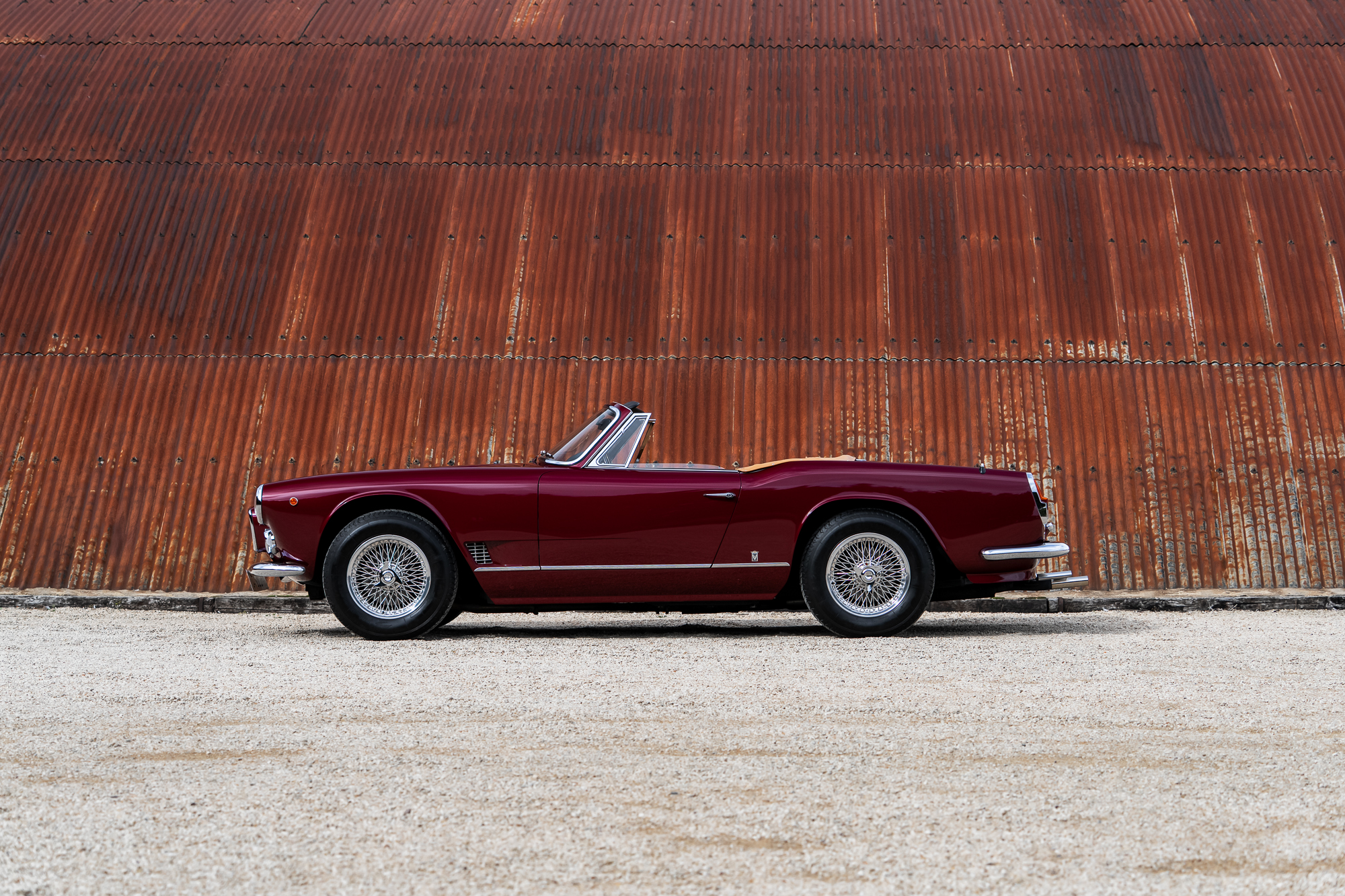
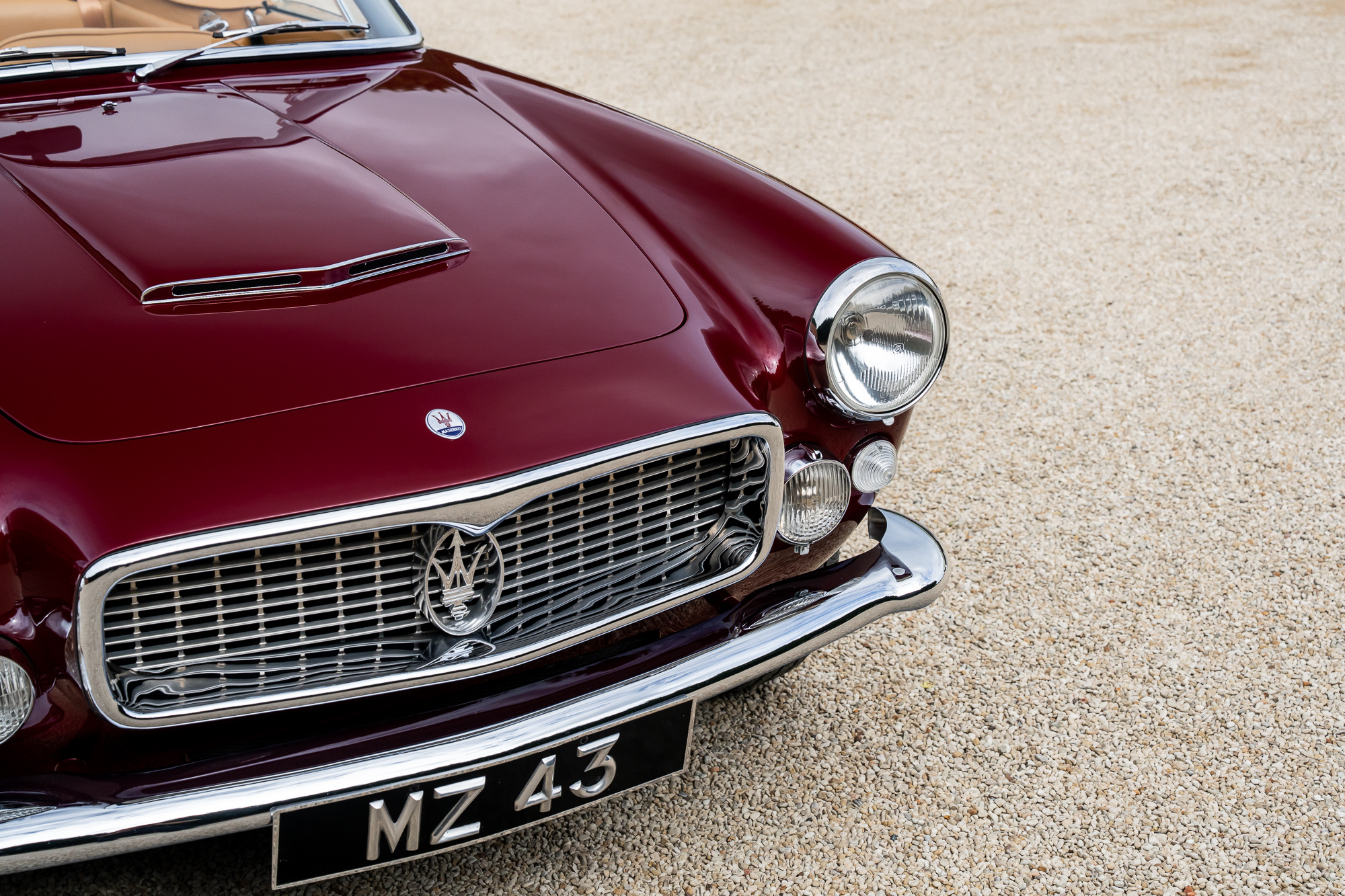
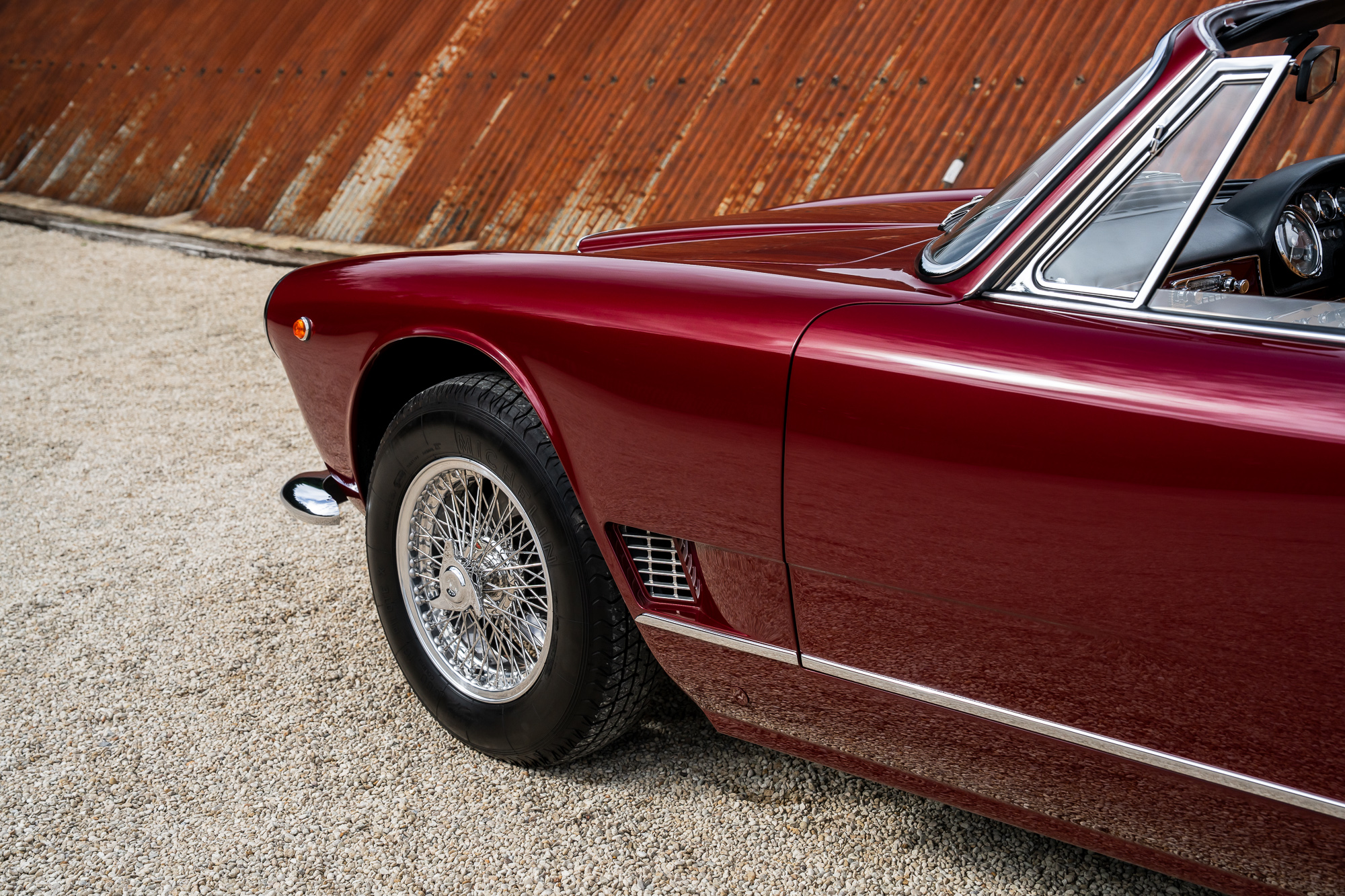
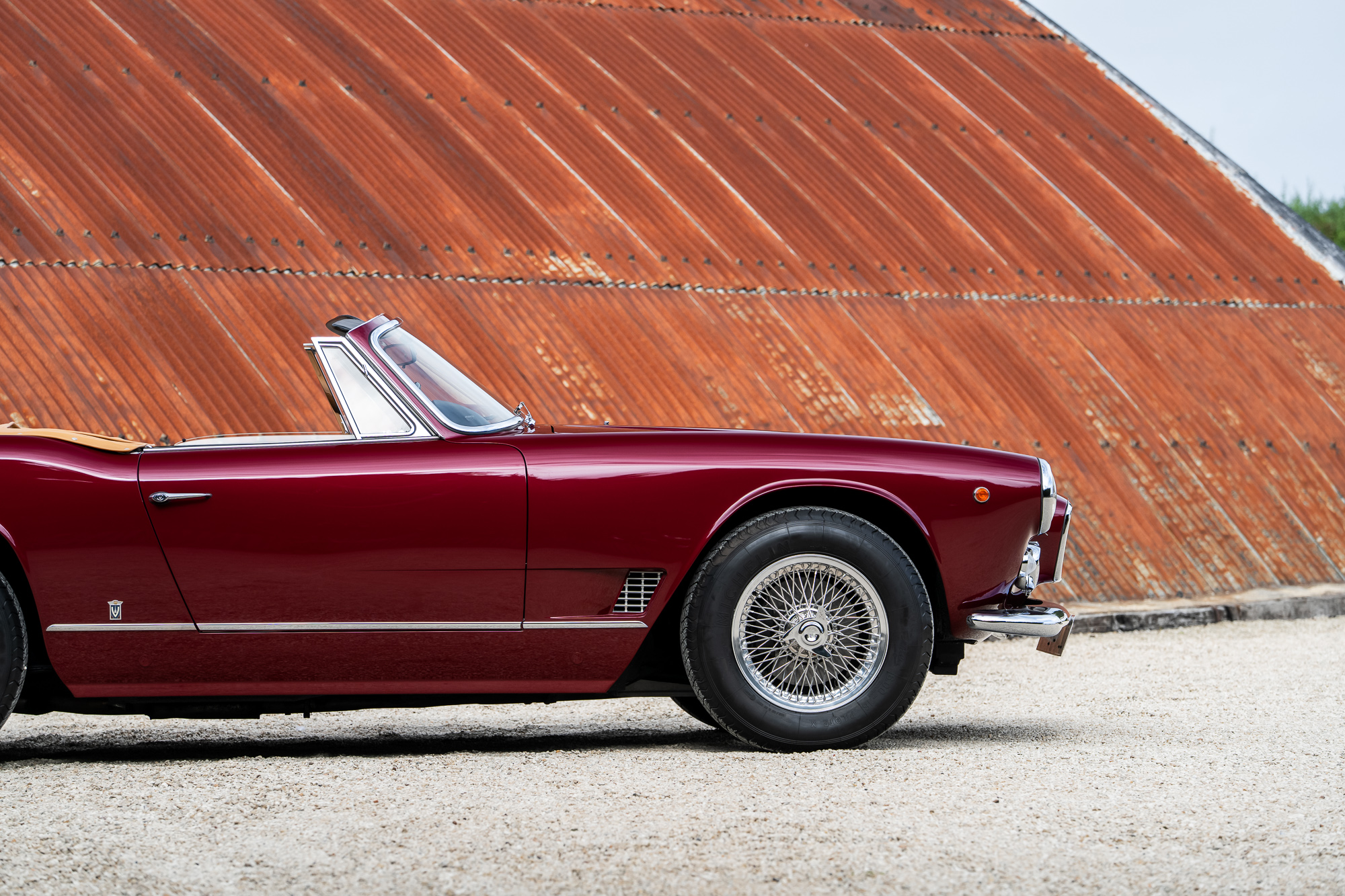
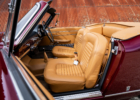
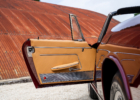
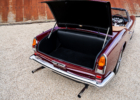
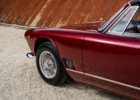
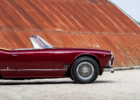
As one of the later cars, it benefits from the developments made throughout the model’s production life, including the desirable five-speed gearbox and four-wheel disc brakes. It was also specified with beautiful Borrani wire wheels. The car was originally completed in the particularly elegant Maserati shade of Amaranto Roma metallic, a colour to which it has subsequently been returned.
Its early life was suitably distinguished. The accompanying history records that it was delivered to Maserati Concession Ltd at Holland Park, London, on 27th August 1963 and subsequently acquired by private collector and Maserati enthusiast Mervyn Radley. The car was initially registered 540 MLW, with records indicating that it had passed through another keeper before the well-known British collector Tom Walduck acquired it in 1986. Walduck was a prominent hotelier and collector with a particular enthusiasm for important Ferrari and Maserati road cars, and AM101 2757 would remain in his ownership for some 17 years.
In 2003, it passed to its fourth owner, Mark Morris, who was to become another exceptionally long-term custodian. Shortly after acquiring the Maserati, Morris entrusted it to renowned marque specialist McGrath Maserati, who would service and maintain the car throughout his 21-year ownership.
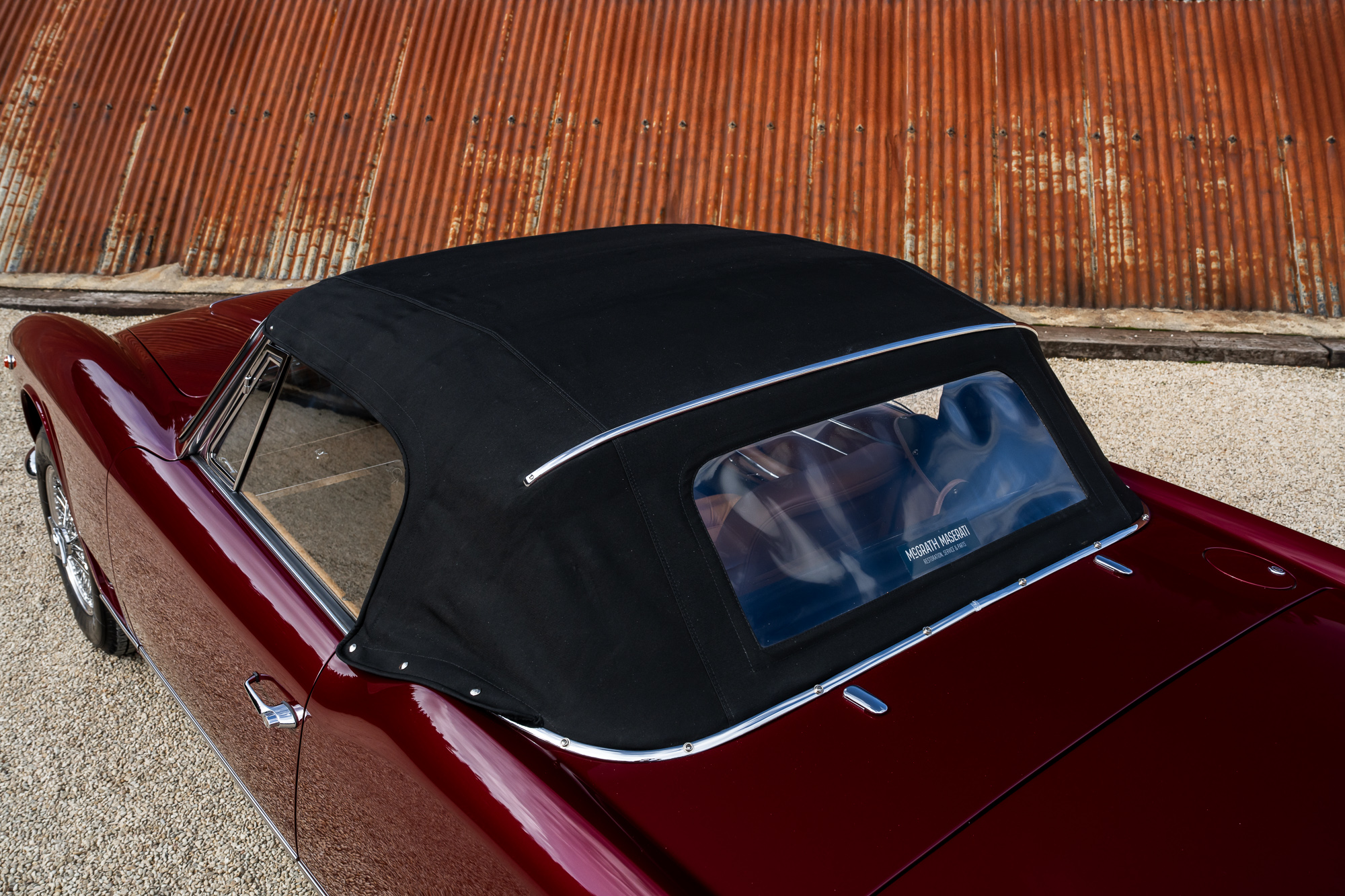
A major restoration was commissioned in 2018/19, with the body restoration undertaken by Prestige Restorations in Surrey, while McGrath Maserati was responsible for the mechanical and trim work.
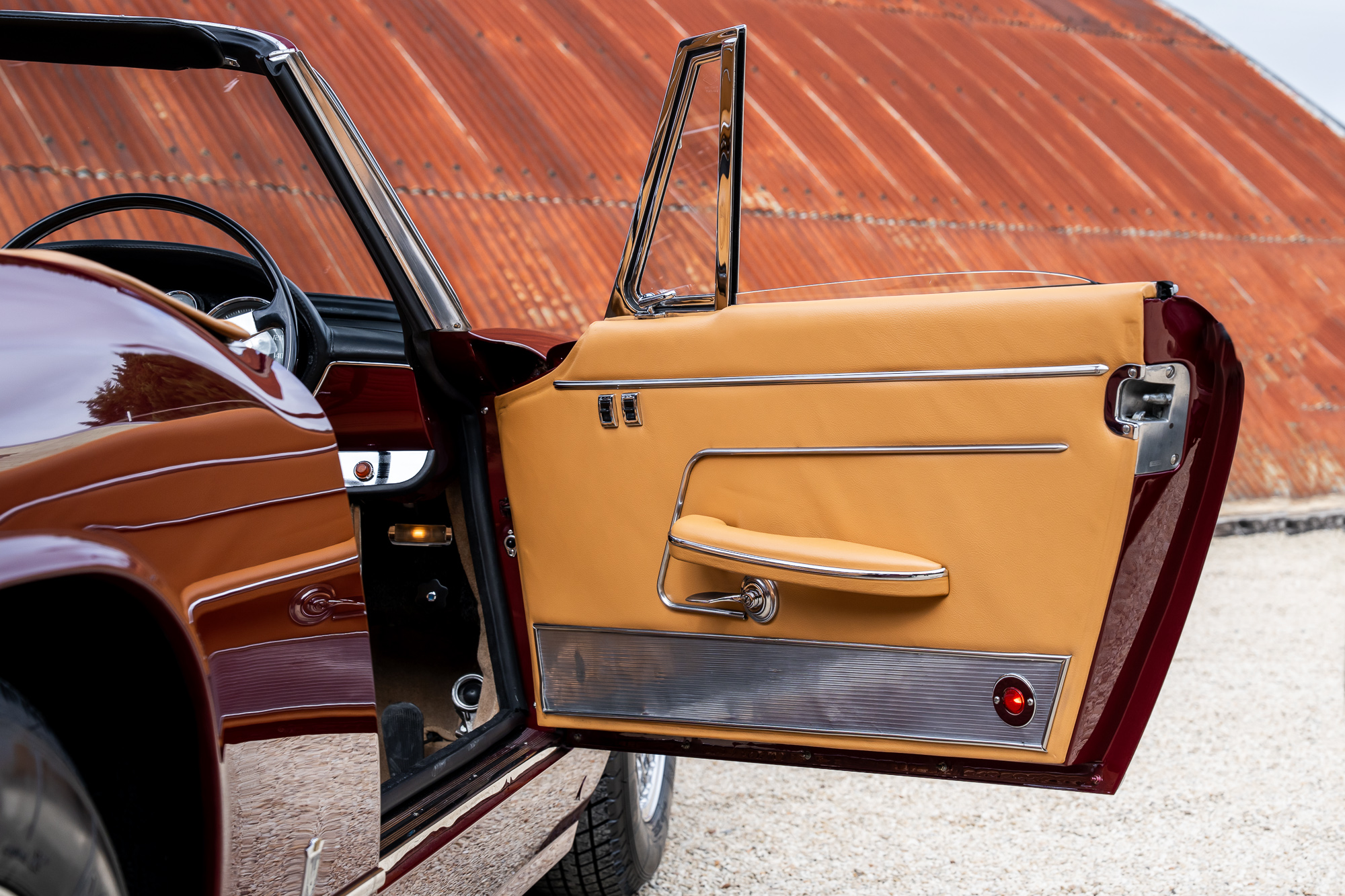
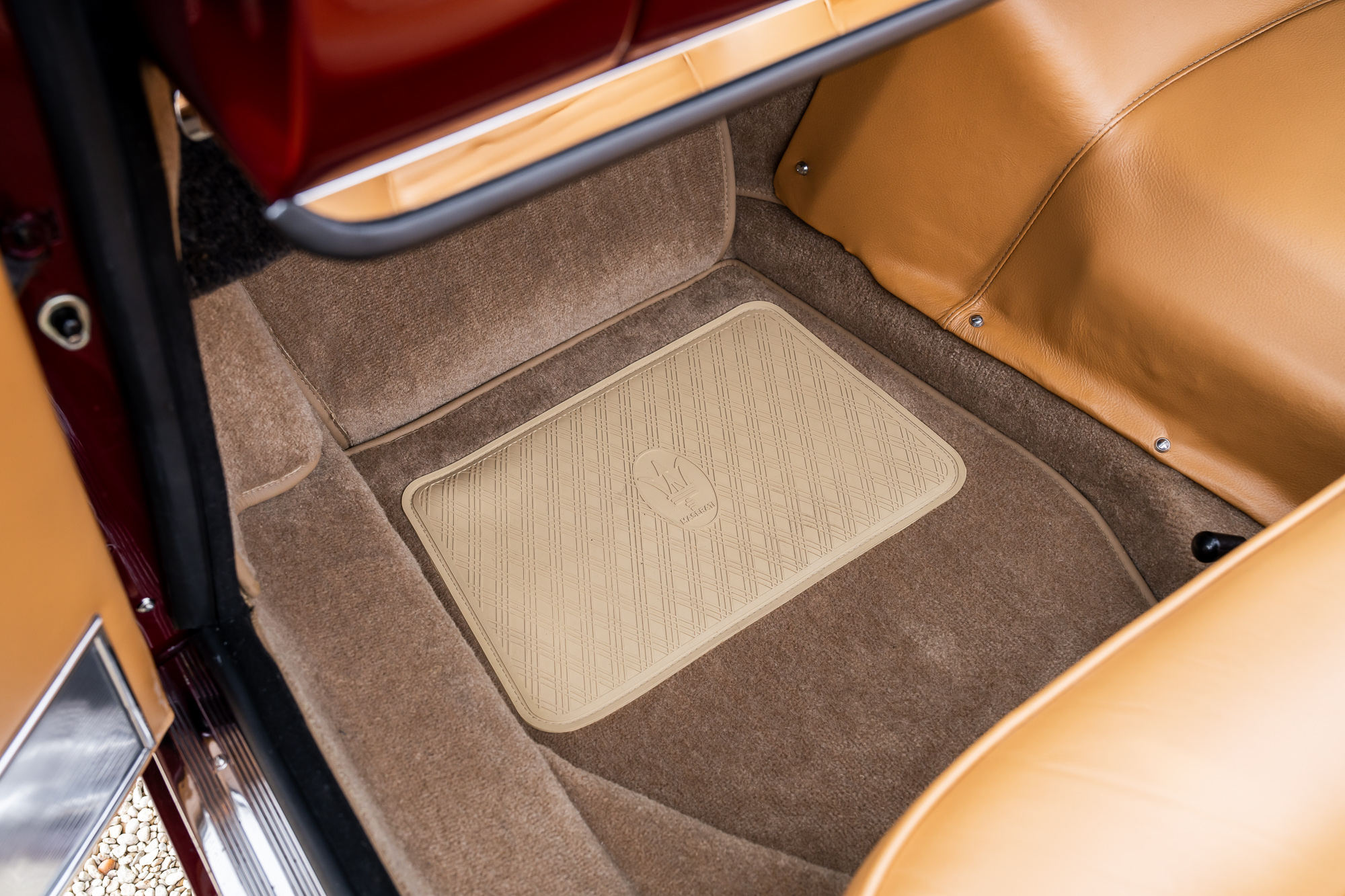
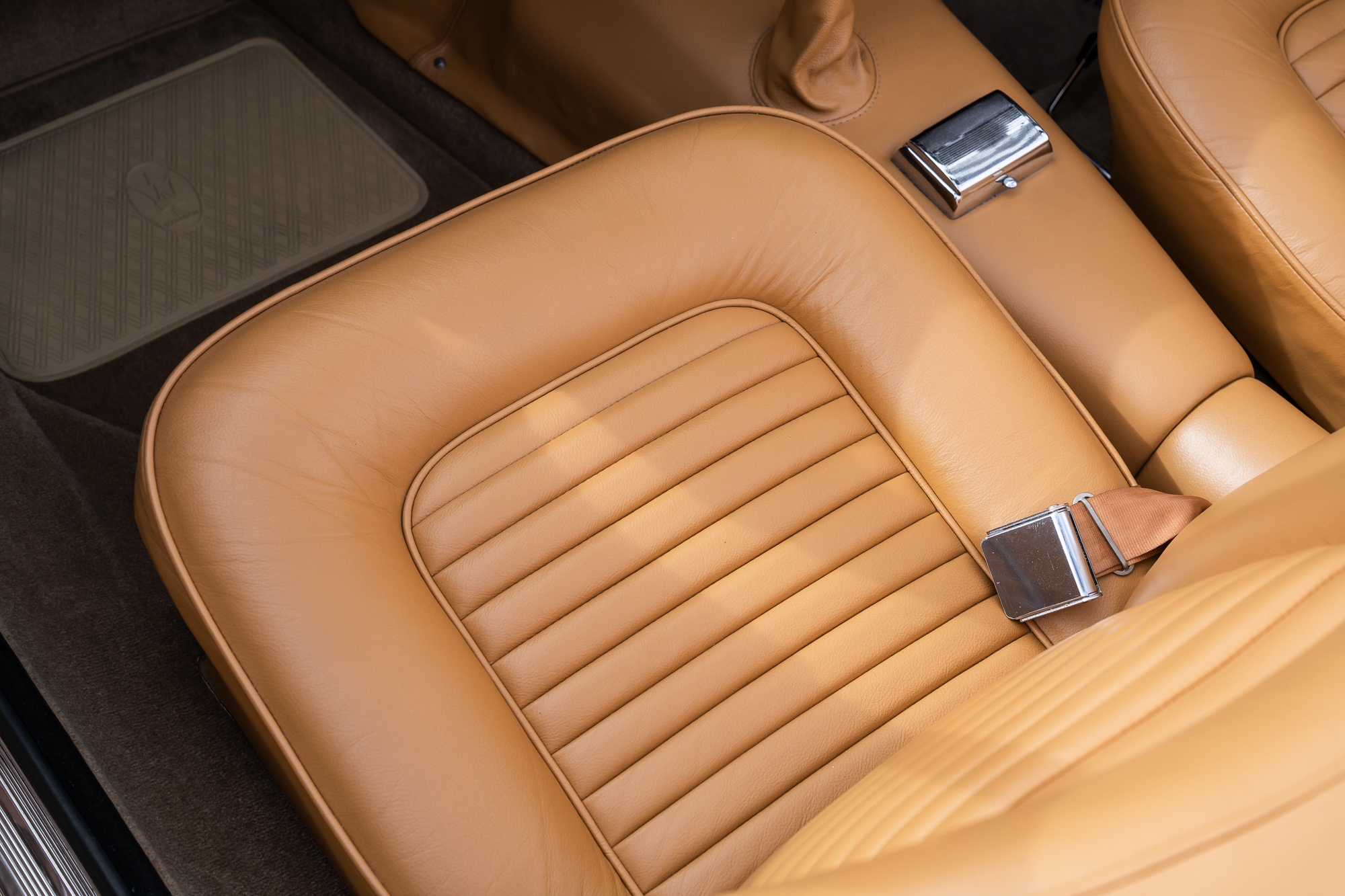
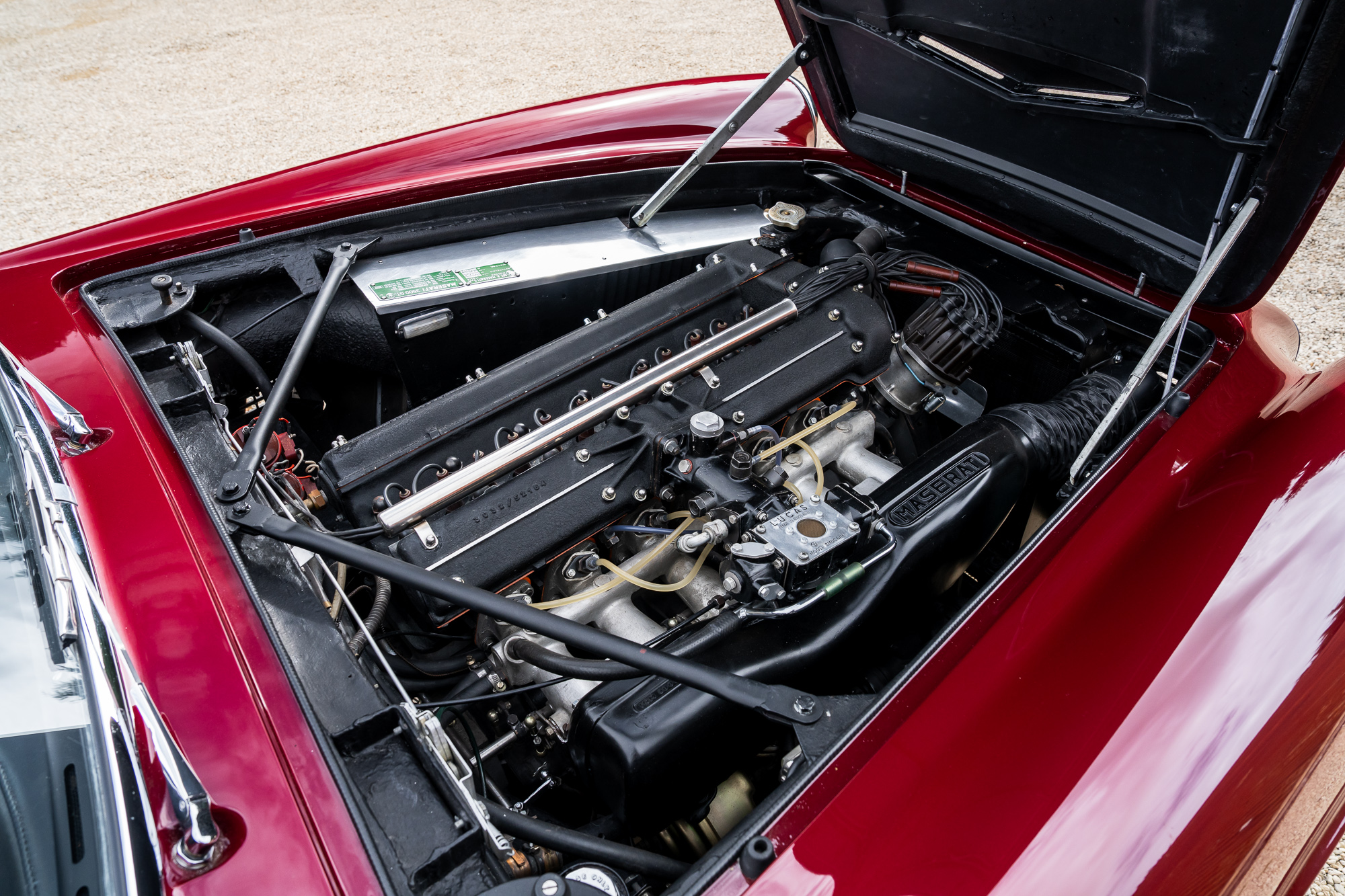
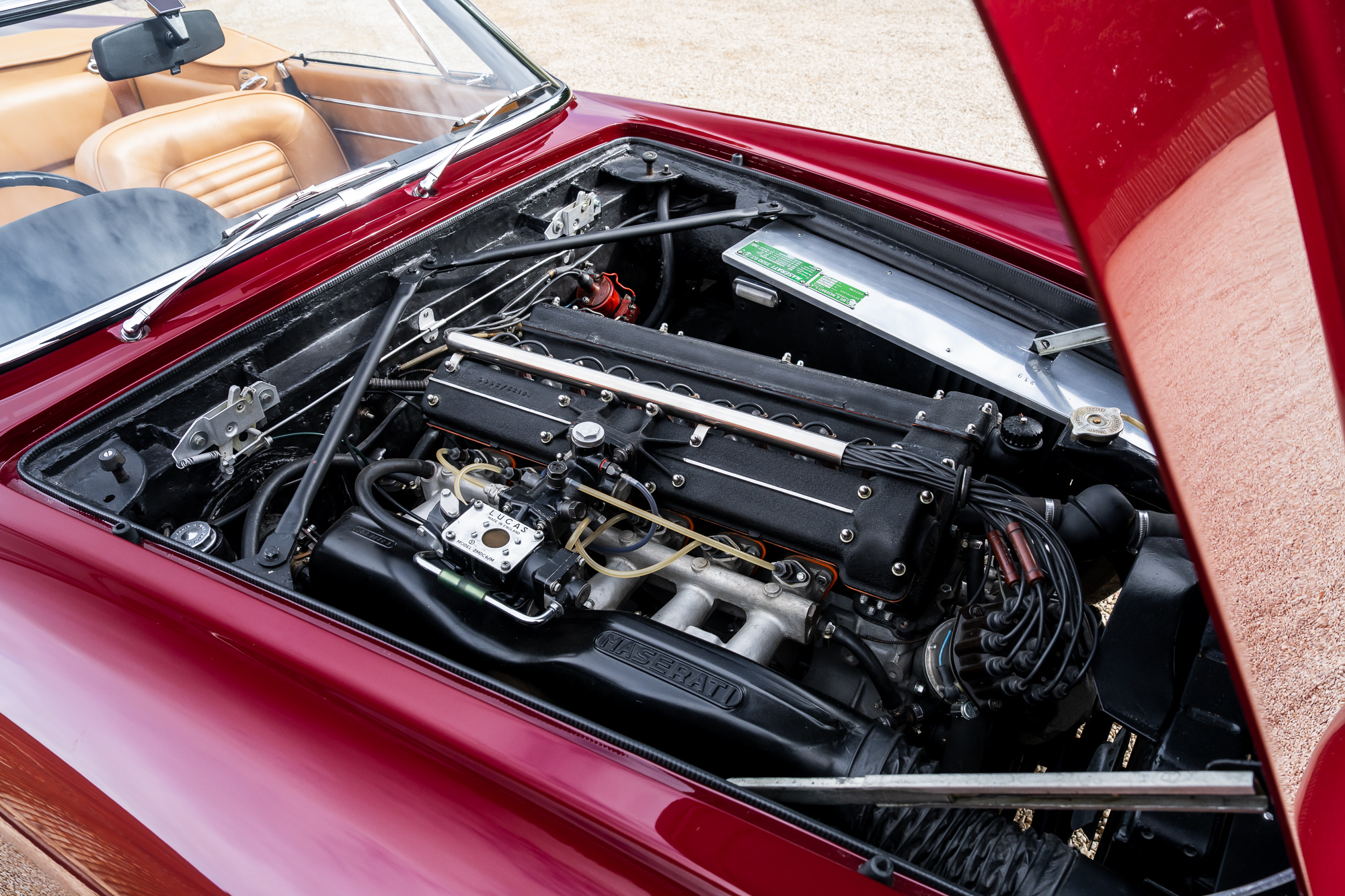
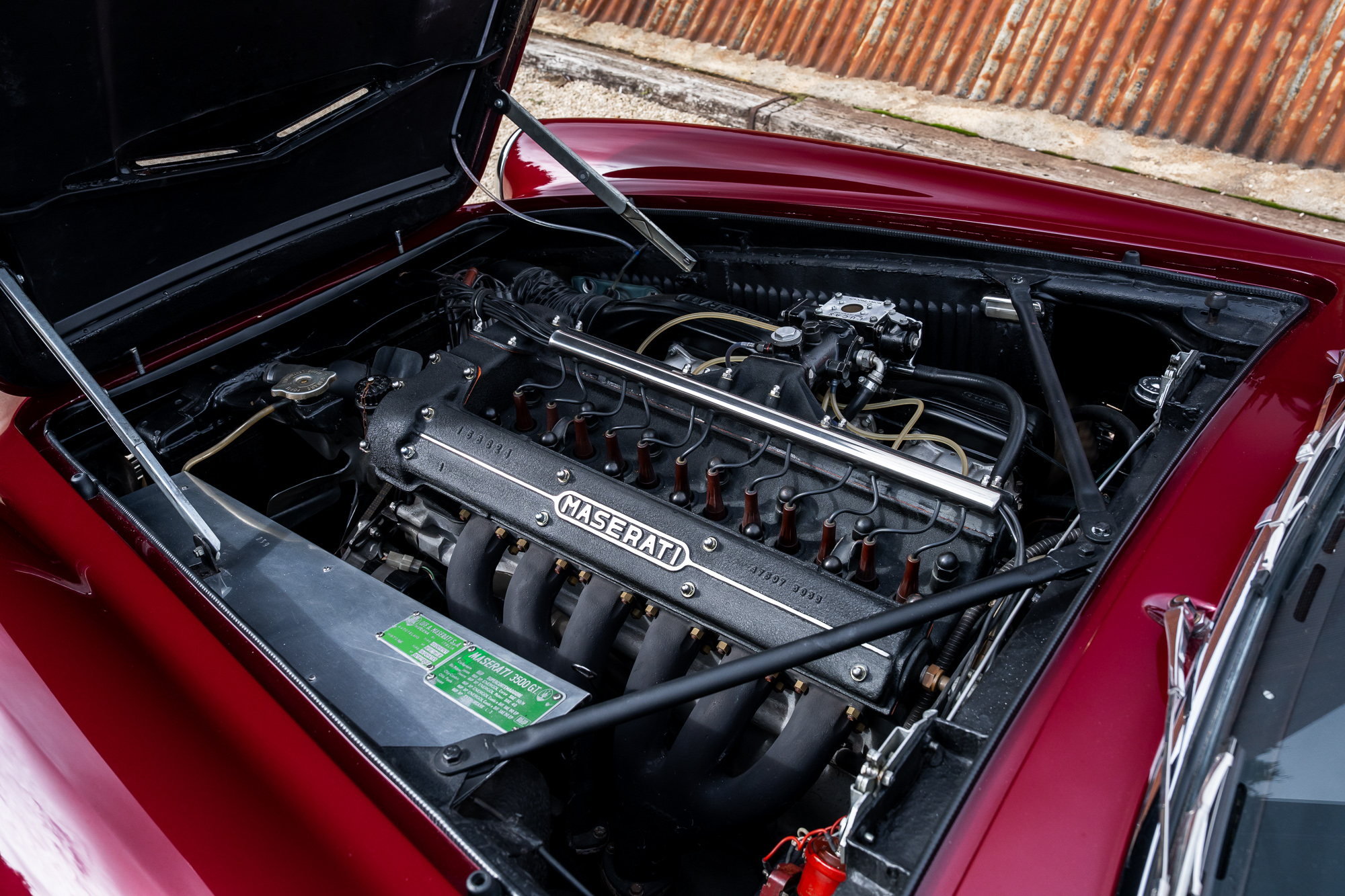
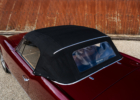
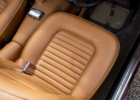
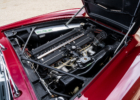
The programme was comprehensive. The body was stripped to bare metal and repainted, a new hood fitted and the interior completely retrimmed. Mechanically, the engine, gearbox and suspension were rebuilt, together with extensive attention to the braking system and associated components. The recorded cost of this phase of restoration was approximately £175,000.
Importantly, during the restoration it was decided to finish the car in another Maserati colour, Blu Scurro. In 2024, its fifth and current owner acquired the Spyder and embarked upon a further programme of improvement. Approximately another £75,000 was invested in returning the Maserati to its original colour and carrying out additional restoration work to bring the car to concours condition.
The result is an exceptionally impressive example of one of Maserati’s most beautiful post-war road cars, its quality recognised with an appearance at the prestigious Concours of Elegance at Hampton Court Palace in September 2026.
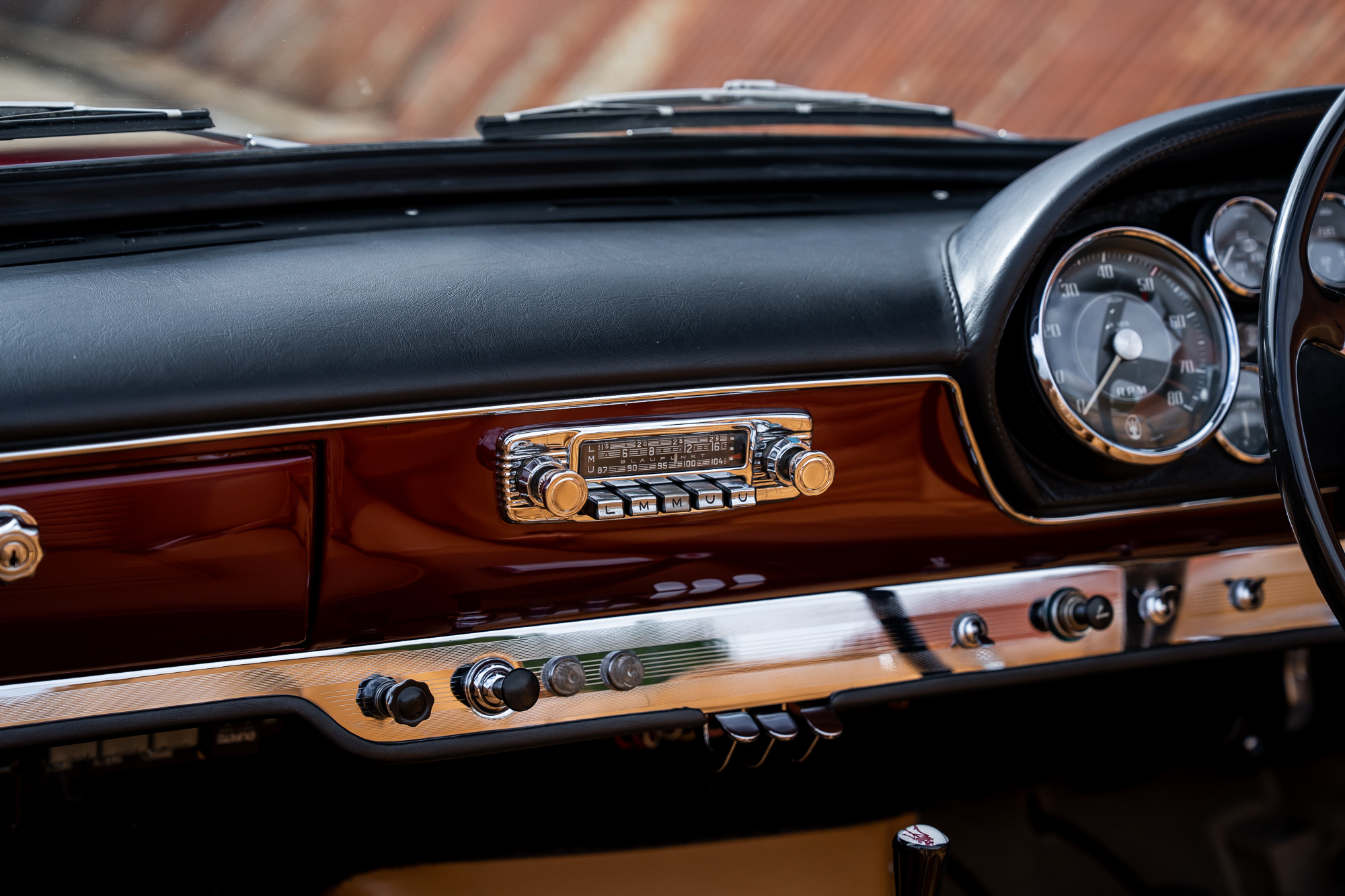
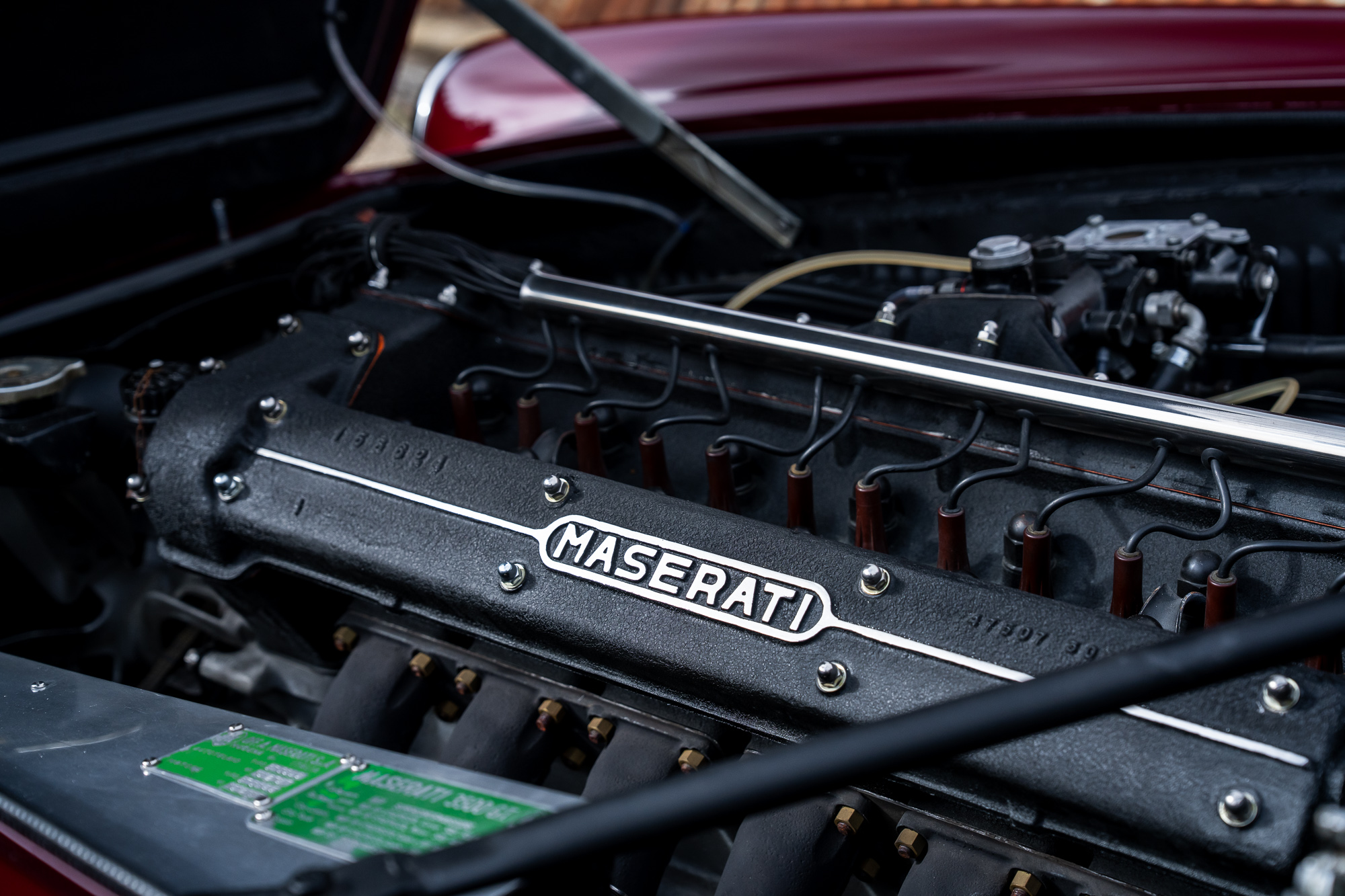
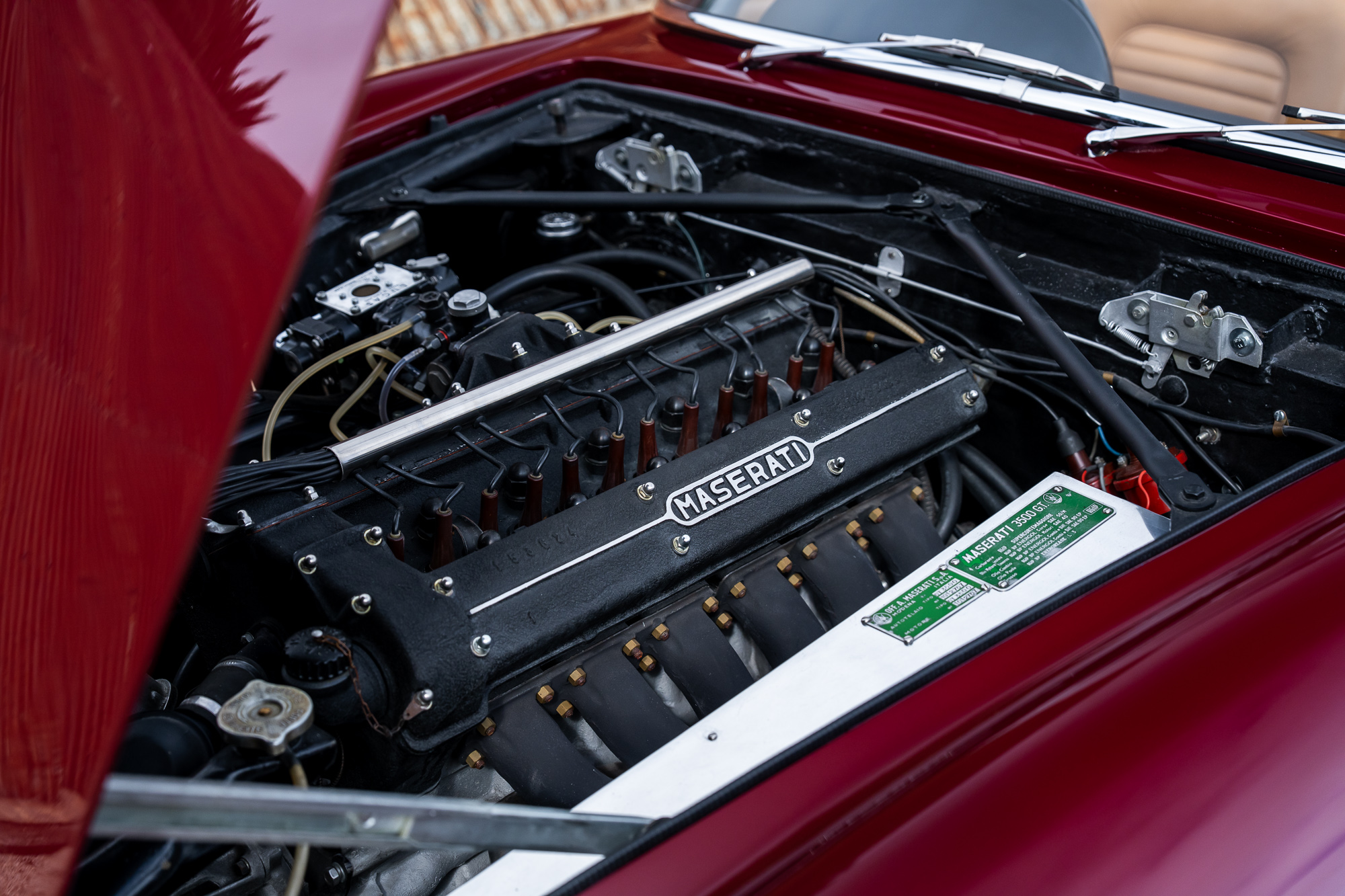
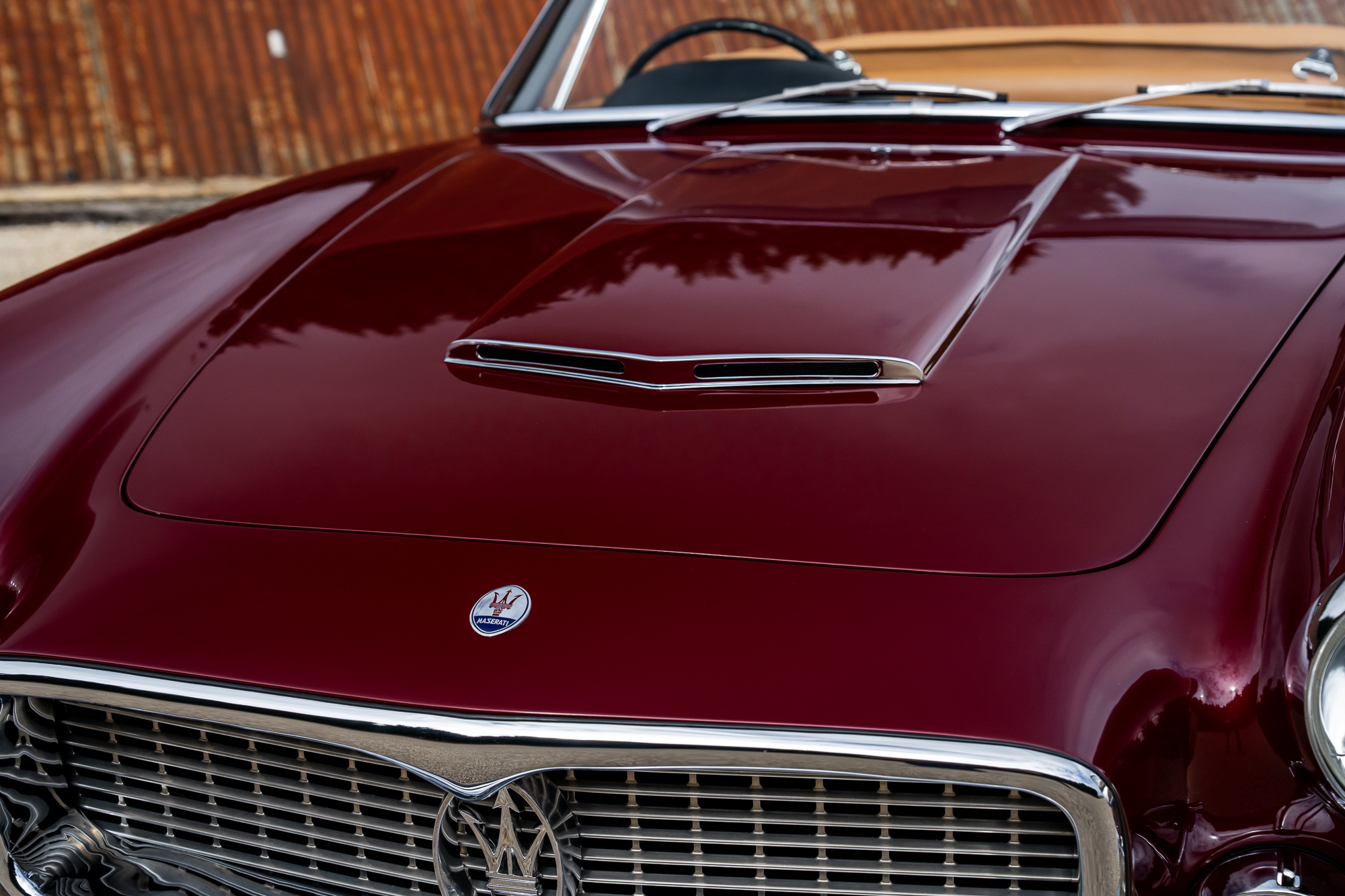
The Michelotti-designed Vignale body is particularly elegant in its original metallic colour, complemented by its beautifully trimmed cabin and Borrani wire wheels. Yet beneath that delicacy of line sits a genuine Maserati GT: a twin-cam straight-six, five-speed gearbox, four-wheel disc brakes and a chassis conceived for rapid continental touring.
With only a tiny number constructed in right-hand drive, locating another 3500 Spyder of comparable specification would be difficult enough, but finding one with AM101 2757’s combination of factory RHD configuration, exceptional long-term provenance, extensive specialist restoration and recent concours presentation makes this a particularly noteworthy example.
It represents the Maserati Grand Tourer at perhaps its most glamorous, rare, beautifully engineered and clothed in one of Giovanni Michelotti and Vignale’s finest open designs.
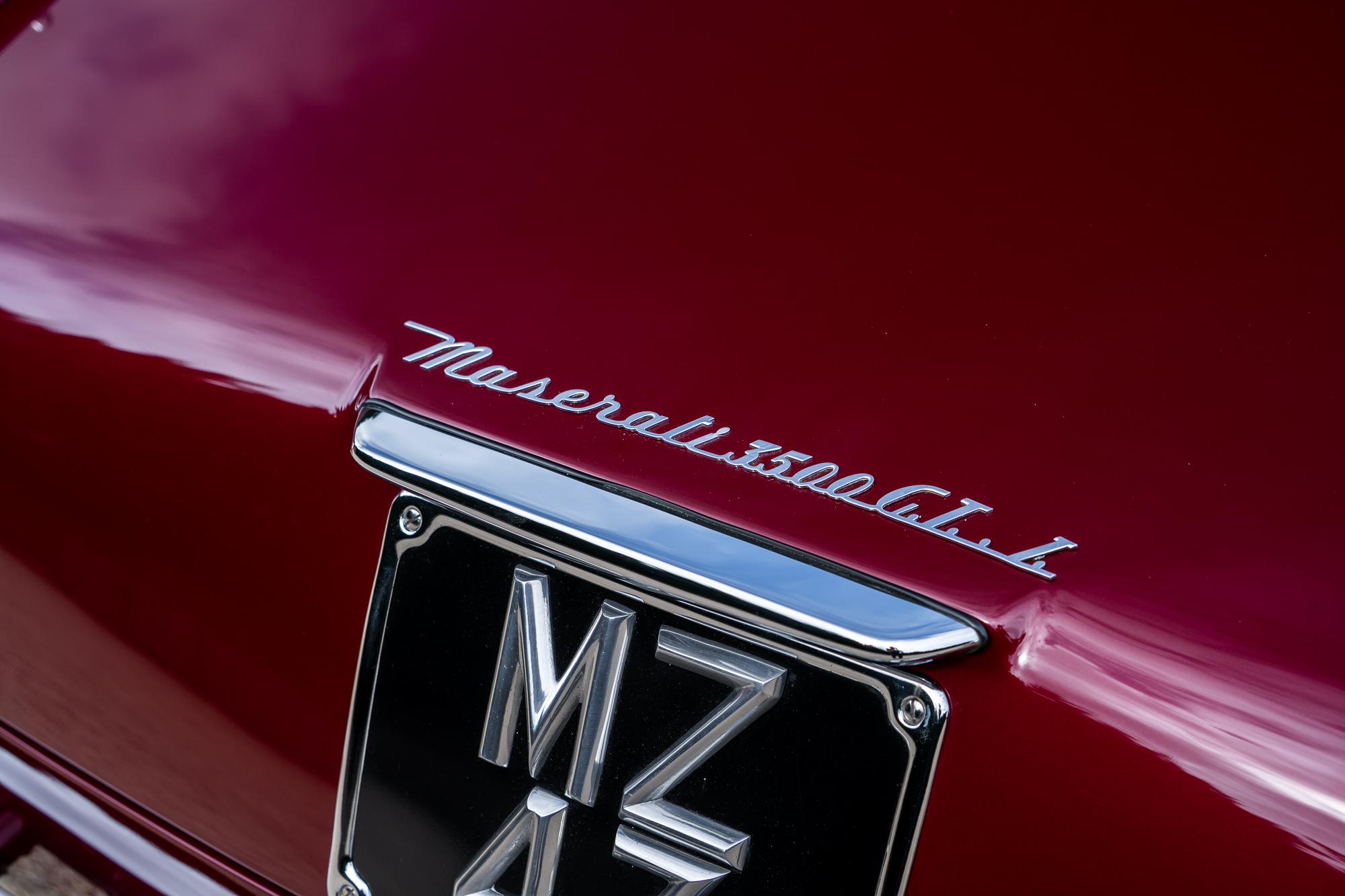
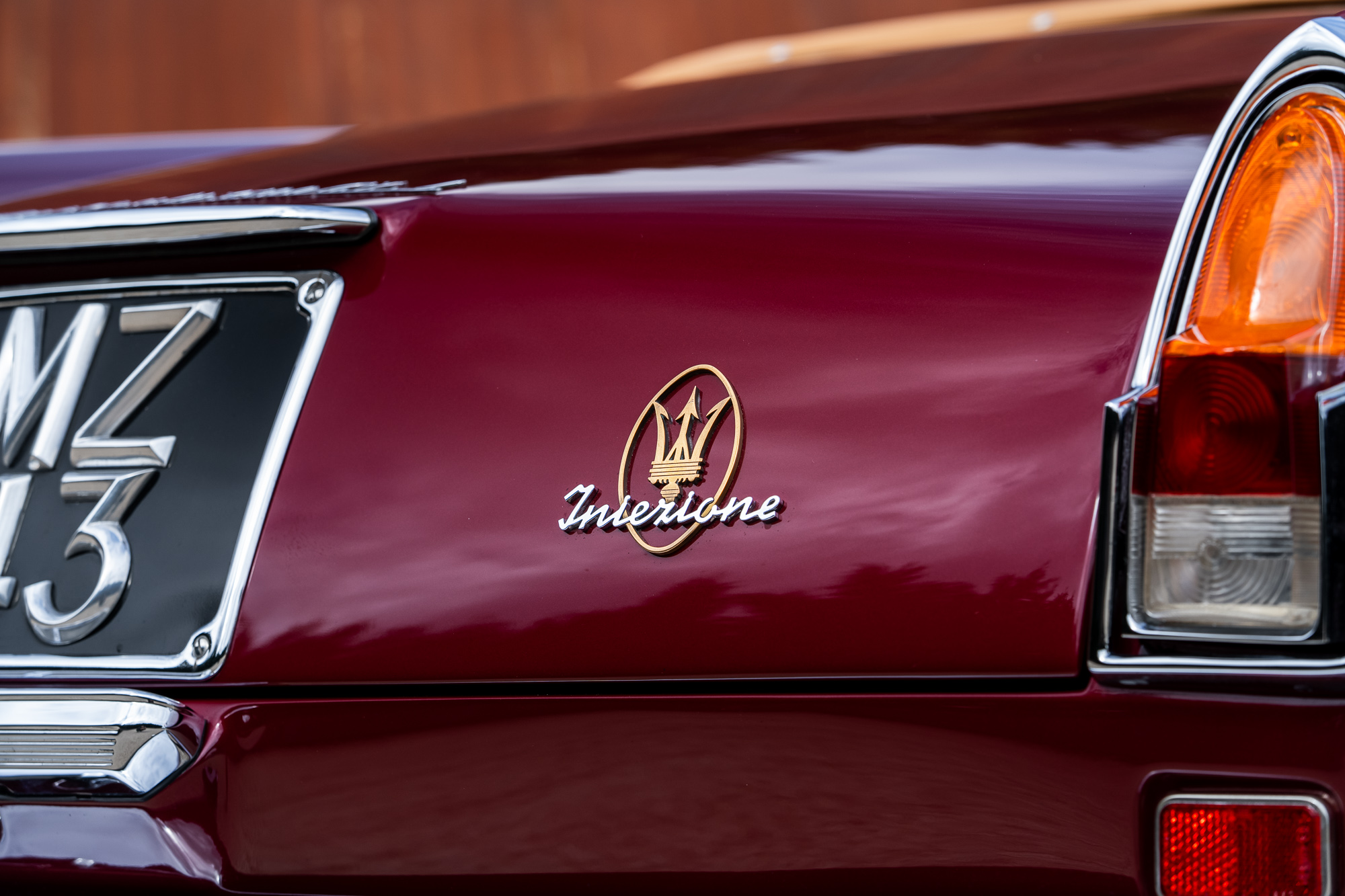
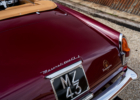
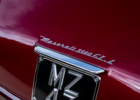
Please note: the registration MZ 43 displayed on the car is not included in the sale.
MODEL HISTORY
Maserati had achieved great motorsport success during the 1950s, but despite taking Juan Manuel Fangio to his fifth and final Formula 1 World Championship in 1957, it announced its withdrawal from racing that year.
The Italian company was in financial trouble and until that point it had built production road cars in only very small numbers. That changed in 1957 with the introduction of the 3500GT, which drew on Maserati’s racing experience but would be produced in far greater quantities than previous road cars.
Originally launched as a 2+2 coupé, the 3500GT featured bodywork by Touring that was mounted on a tubular chassis. Beneath the bonnet was a 3485cc straight-six that was closely related to the marque’s competition engines and featured twin overhead camshafts, twin-plug ignition and a trio of twin-choke Webers.
Following the success of the coupé, Touring and Frua both built prototypes for a keenly anticipated Spyder variant, but in the end Maserati commissioned a design of timeless elegance that had been created by Giovanni Michelotti for Vignale.
When it was introduced in 1959, the 3500GT Spyder by Vignale featured drum brakes all round – those at the front were soon replaced by discs – while suspension was via wishbones and coil springs at the front, with semi-elliptic leaf springs at the rear. The wheelbase was slightly shorter than on the coupé, at 2500mm rather than 2600mm.
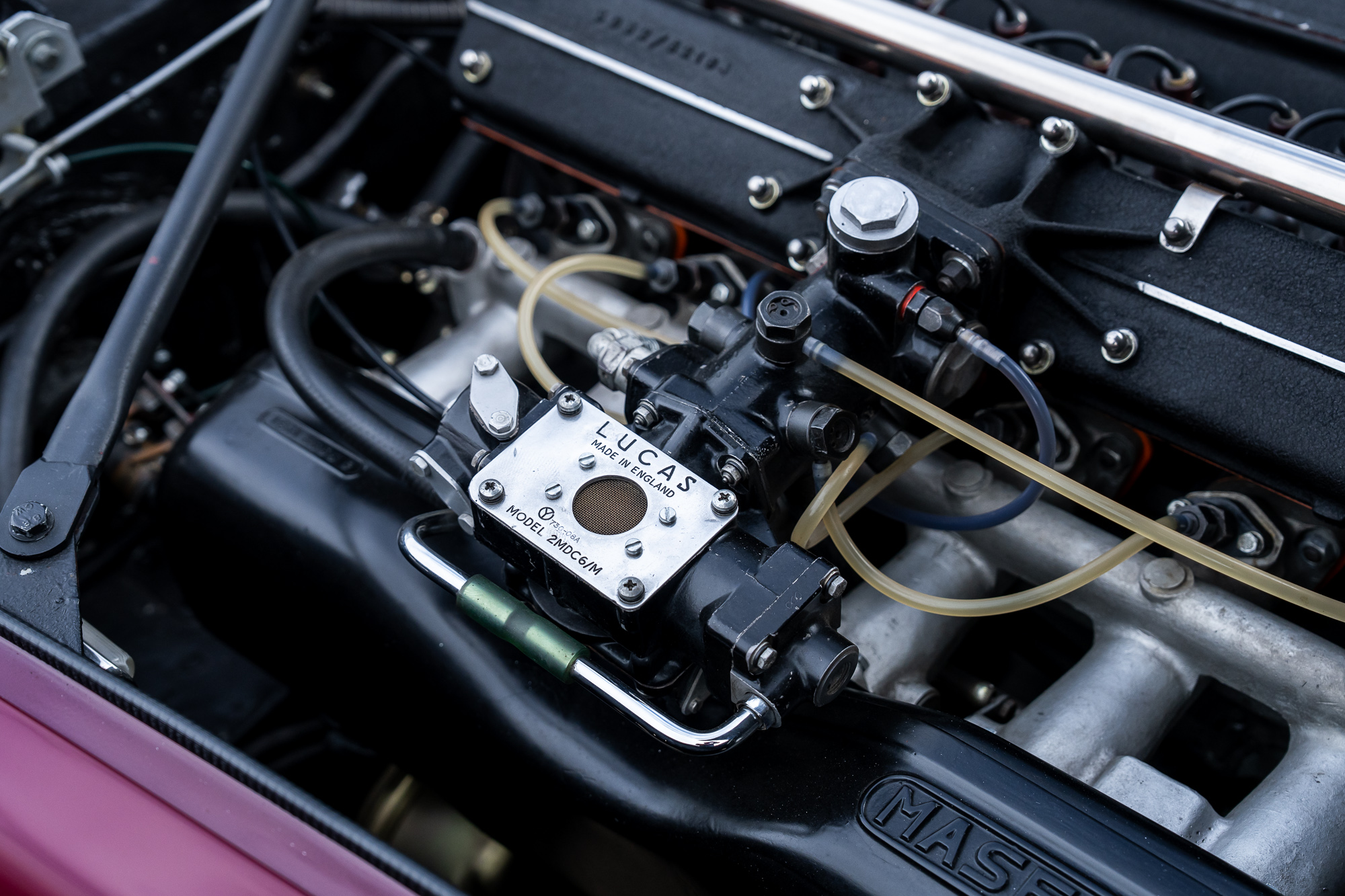
Upgrades applied during its production run included a five-speed gearbox in place of the previous four-speeder, all-round disc brakes from 1962, and the development of the 3500GTI. Having been fitted with Lucas fuel-injection, the power output for this model was boosted to 235bhp – the carburettor-fed model gave in the region of 220bhp. In total, 245 Vignale Spyders were built between 1959 and 1964.
When Road & Track magazine tested a 3500GT Spyder, it compared it favourably to the Ferrari 250 GT. With a top speed approaching 140mph, it certainly had the performance to go with its good looks, and it was little wonder that the Maserati became the Grand Tourer of choice for captains of industry and glamorous socialites alike.