
1928 Austin Seven Swallow Tourer

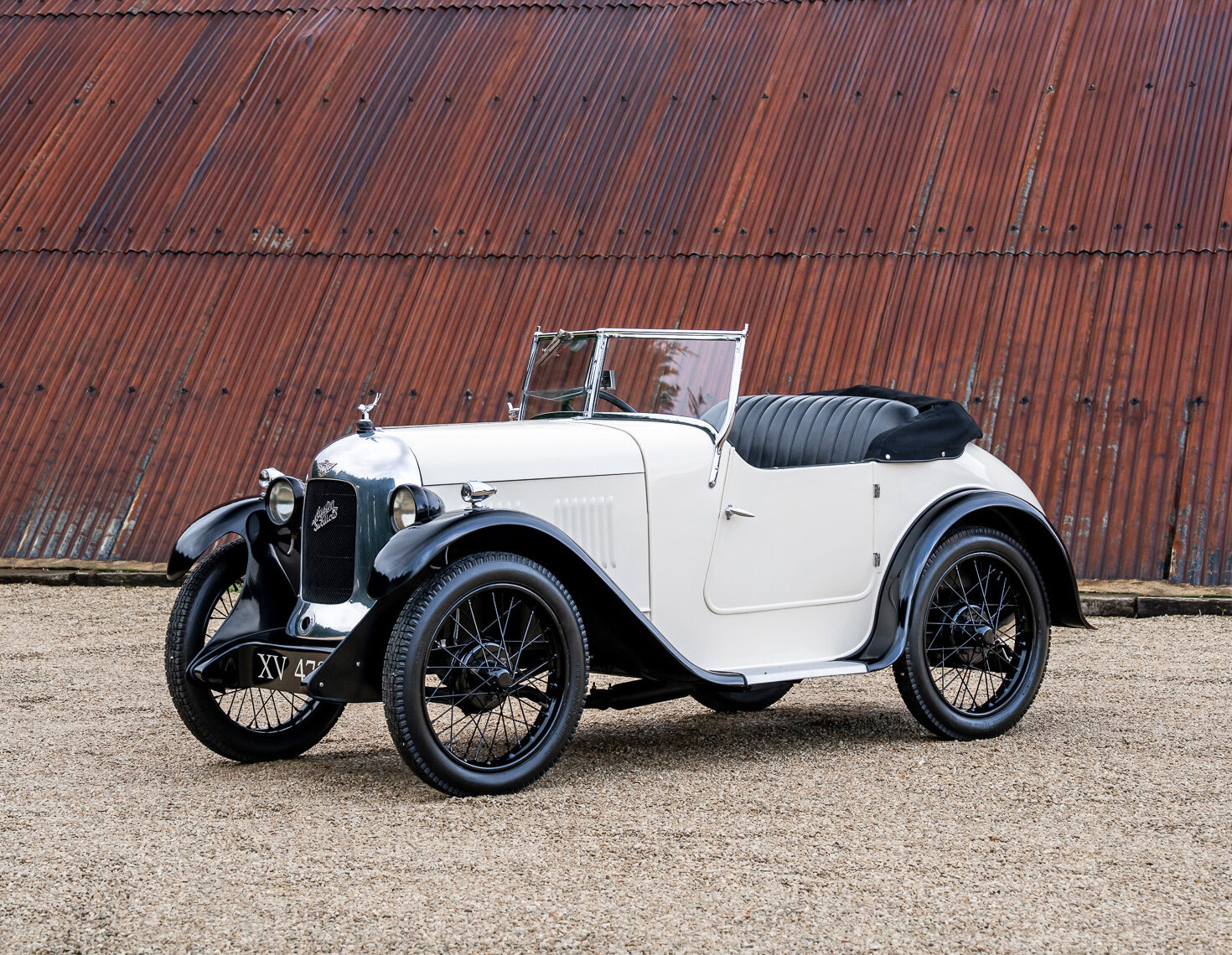
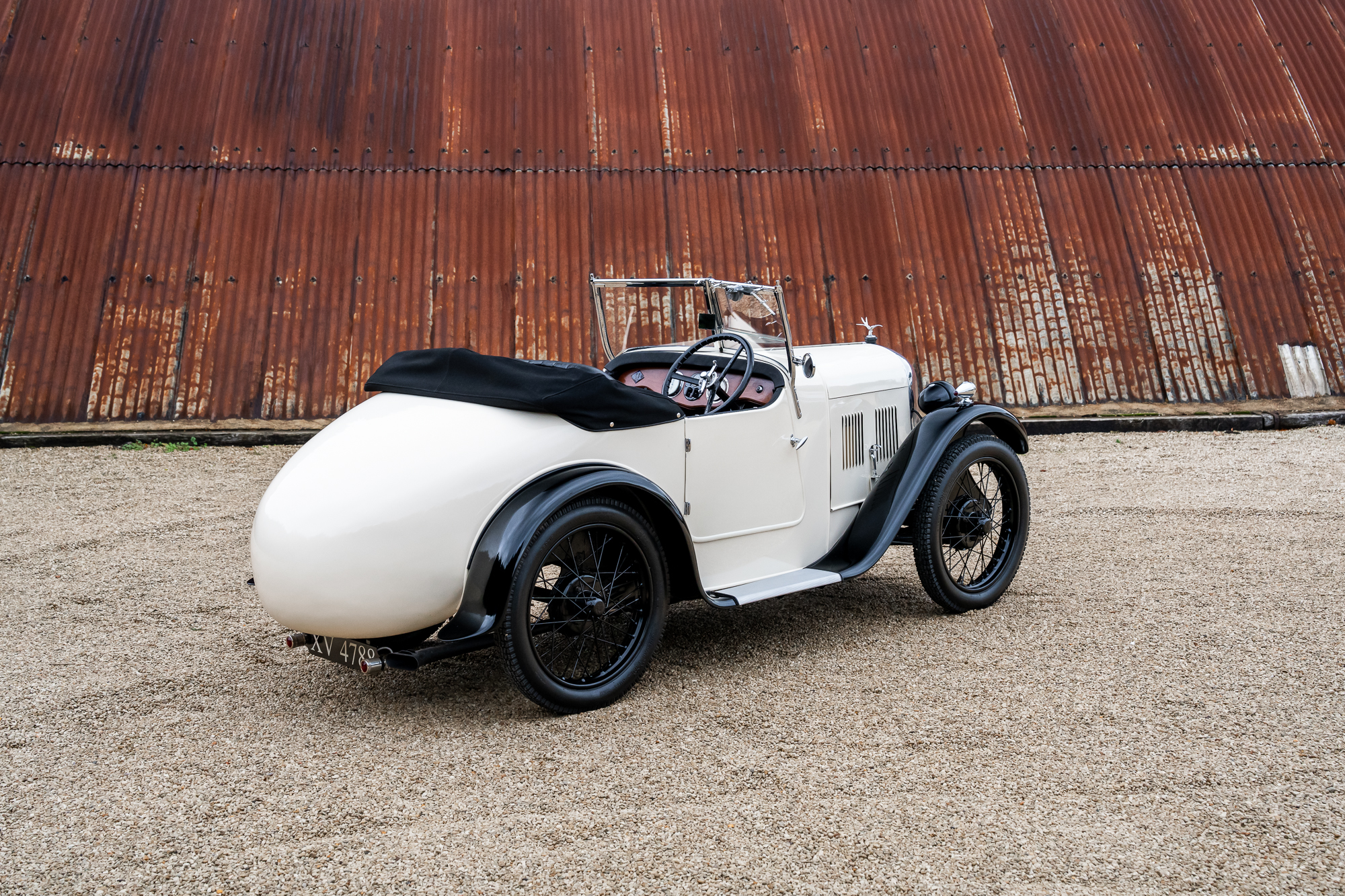


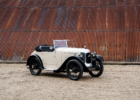
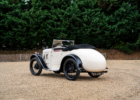
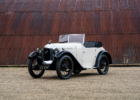
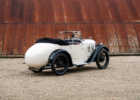
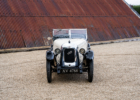
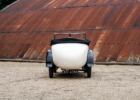
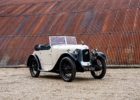
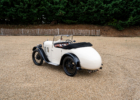

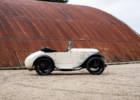

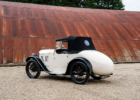
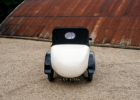
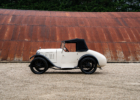
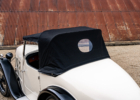
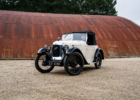
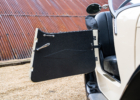
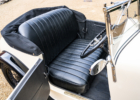
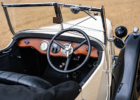
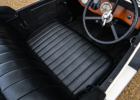
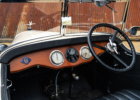
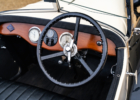

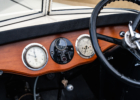
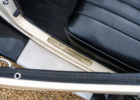
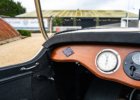
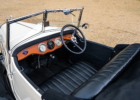

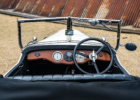
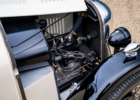
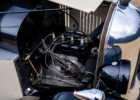
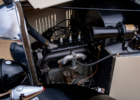
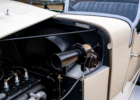
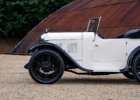
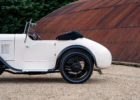
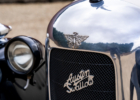
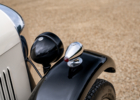
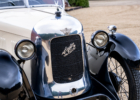
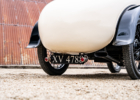
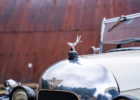

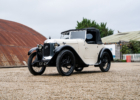
- Understood to be the fifth oldest Swallow-bodied Austin Seven known to exist
- Recently restored (mechanically and bodily) with fantastic attention to detail
- Believed to extremely correct and featuring numerous early features
- Arguably one of the finest Swallow bodied Austin Sevens
| YEAR | 1928 |
| MAKE | Austin |
| PRICE | £25,000 |
VEHICLE DESCRIPTION
This is an exceptionally early example of the car that launched William Lyons into coachbuilding. Chassis 70802 was built in 1928 and registered on 31 December 1928. It is recognised as a 1929 model. That makes it the fifth-oldest surviving Swallow and the second-oldest 1929 car. Only 851 Austin Seven Swallow two-seaters were produced, and around 60 are recorded in the Swallow Register. Just 17 of those are 1929 models, and only three 1928 two-seaters are known to survive. The oldest Swallow of all is in the care of the Jaguar Daimler Heritage Trust.
The car was known to the Swallow Register for some years. It had been off the road since 1965, when the previous owner put it aside for restoration, and progress was minimal. The current owner bought it in 2024 and restored it over some 1,000 hours. The original wings and tail section were badly damaged and corroded, so four new wings and a new tail were fitted. Period photographs were studied to ensure accuracy. Much of the internal woodwork, including the floors and inner wheel arches, was saved and reused.
The engine had been renovated in 1985 but never ran afterwards, so it was stripped again and rebuilt. The gearbox was also attended to. Paint, wiring and trimming were completed during 2025. Gary Hugh Wright Coach Trimming invoiced £4,800 for a new hood, hood bag and side screens in black mohair, together with foam front seat squabs and sprung front seat cushions. The restoration cost around £40,000.
The owner is a competitive VSCC driver and considers the car too good to use himself. It is ready to be enjoyed among Austin Seven enthusiasts and in the wider vintage car movement.
The history file includes the current V5C, the 2013 Austin Swallow Register car list, photographs taken before and during the restoration, invoices, and the January 2025 issue of Swallow Ramblings.
MODEL HISTORY
The introduction of the horsepower tax in 1921 spurred Sir Herbert Austin to design a small family car, despite opposition from a board that was then in receivership. He engaged eighteen-year-old Longbridge draughtsman Stanley Edge, and the plans were drawn up in the billiard room of his home, Lickey Grange. Austin invested a large amount of his own money and was responsible for much of the car’s styling, which earned him a royalty of two guineas on every car built. The first Austin Seven had a 696cc sidevalve four-cylinder engine with a detachable head, rated at 7.2hp. It was almost immediately enlarged to 747cc and 7.8hp. Some 2,500 cars were built in 1923, and the little Austin transformed the company’s fortunes. By the end of production in 1939, around 290,000 cars and vans had been made.
The Swallow-bodied Seven begins with William Lyons. In 1922, just after his 21st birthday, he formed the Swallow Sidecar Company in Blackpool with William Walmsley, producing stylish motorcycle sidecars. By 1926 the business had become the Swallow Sidecar and Coachbuilding Company. The Austin Seven offered Lyons an ideal opportunity. It was inexpensive, dependable and economical, but its standard bodywork was utilitarian. Working with the coachbuilder Cyril Holland, Lyons created a two-seater with flowing lines, a rounded rear end, bright two-tone paintwork and a luxurious interior. The Austin Seven Swallow was introduced in 1927 at £175.
It was an immediate success. Later in 1927, Lyons drove an example to London and met Frank Hough and Bertie Henly of Henlys, one of the capital’s leading dealerships. Henlys ordered 500 Swallows, including the new saloon. The Blackpool premises could build only around 14 cars a week against the 25 the contract required, so in November 1928 Swallow moved to Foleshill, Coventry. Production rose rapidly there, with a target of around 50 cars a week. The move established the West Midlands as the home of the business that became Jaguar.
The Austin Seven Swallow was Lyons’ first major step into automobile coachbuilding. It combined simple engineering, distinctive styling and commercial instinct, and it led to the SS range and ultimately to Jaguar.