
1960 Ferrari 250 GT SWB Semi-Competition

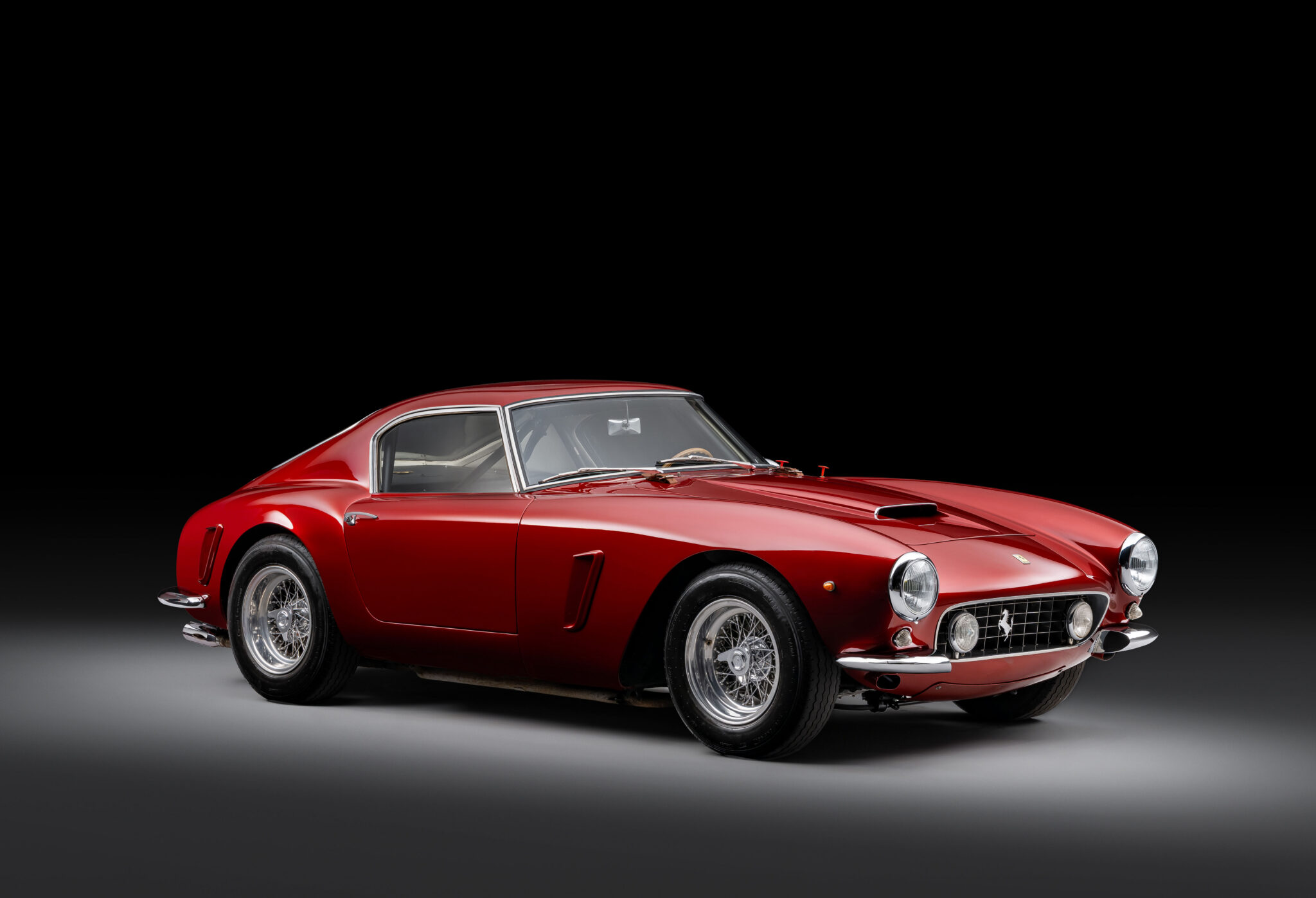
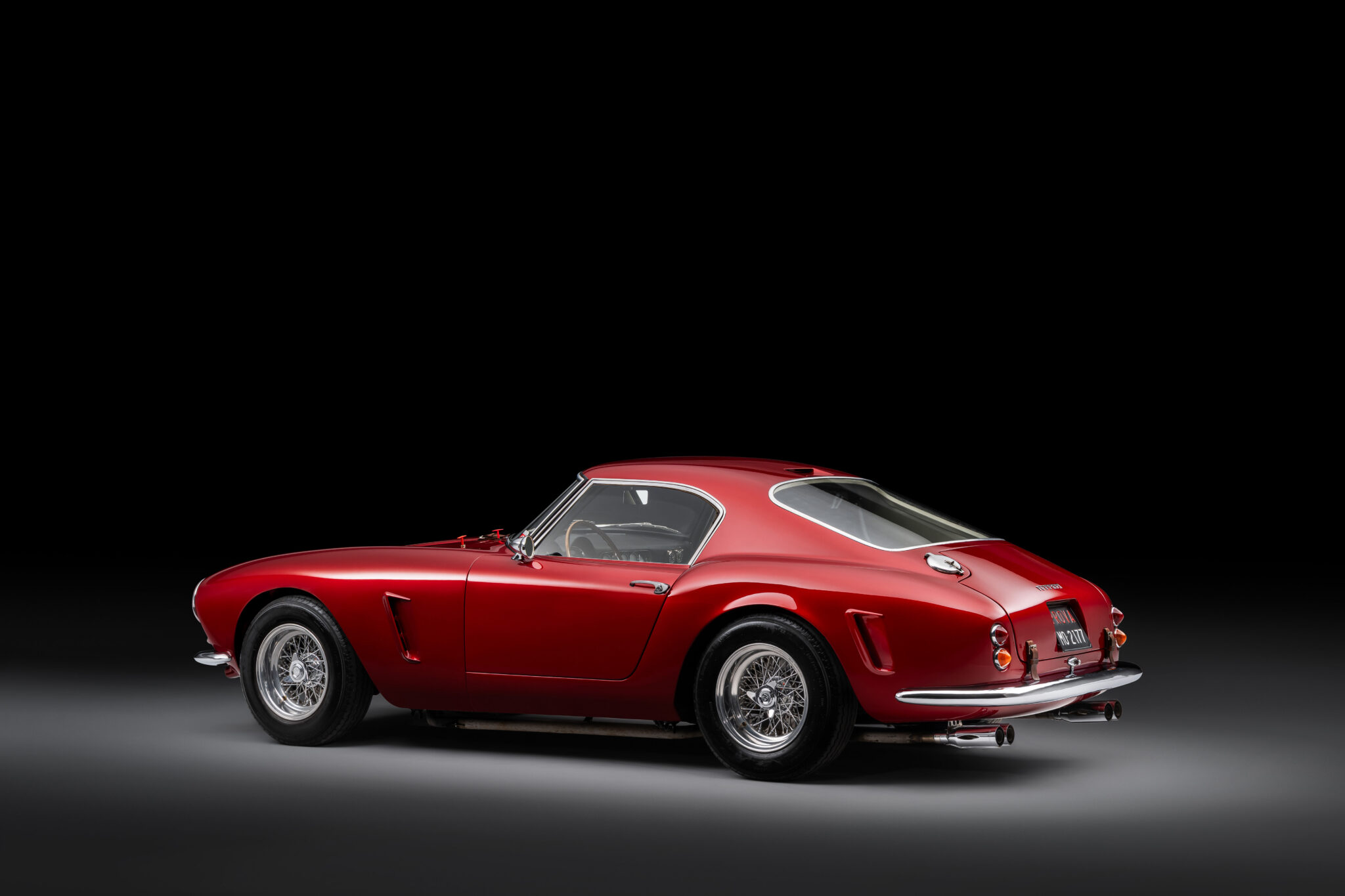
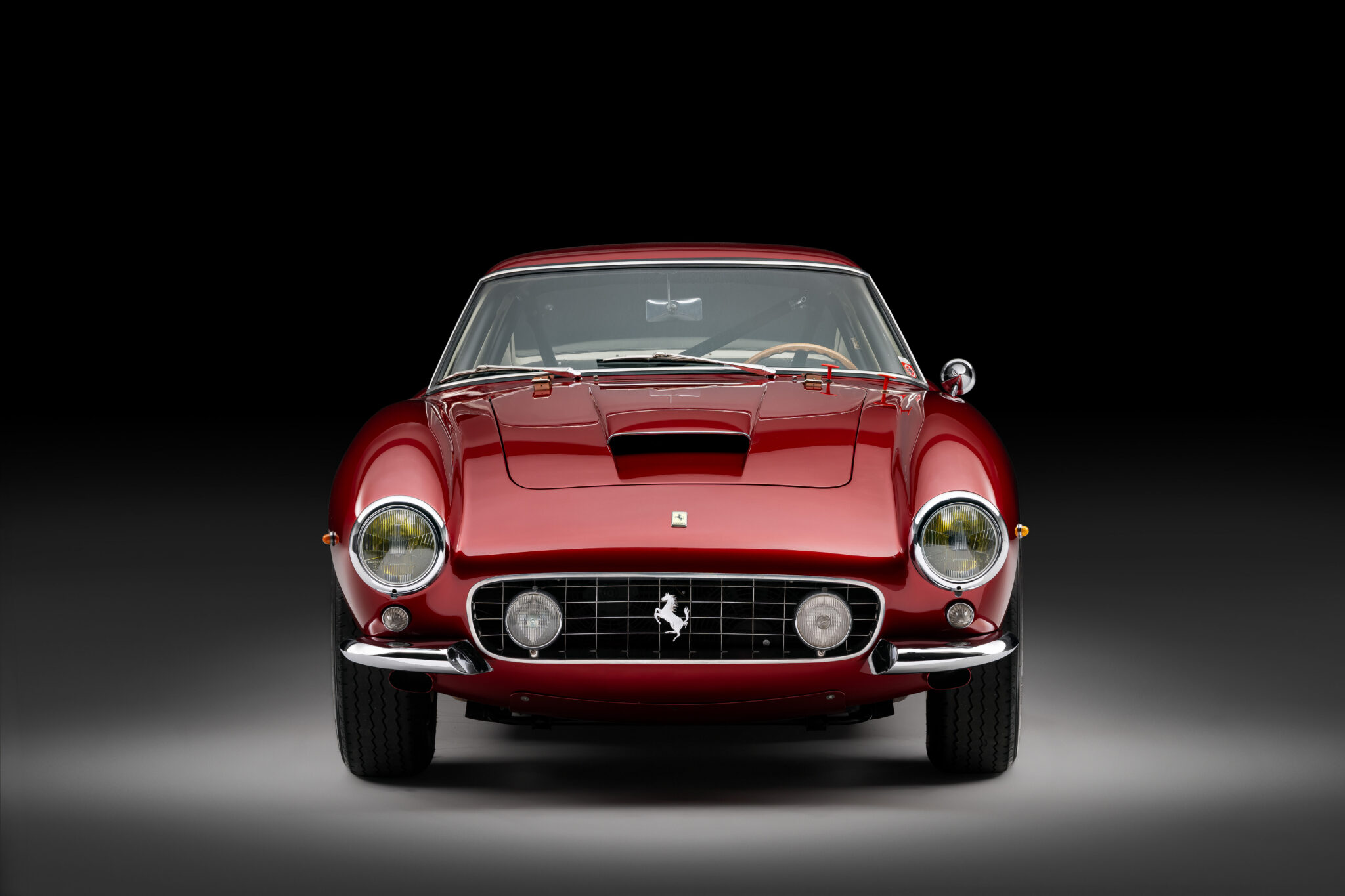
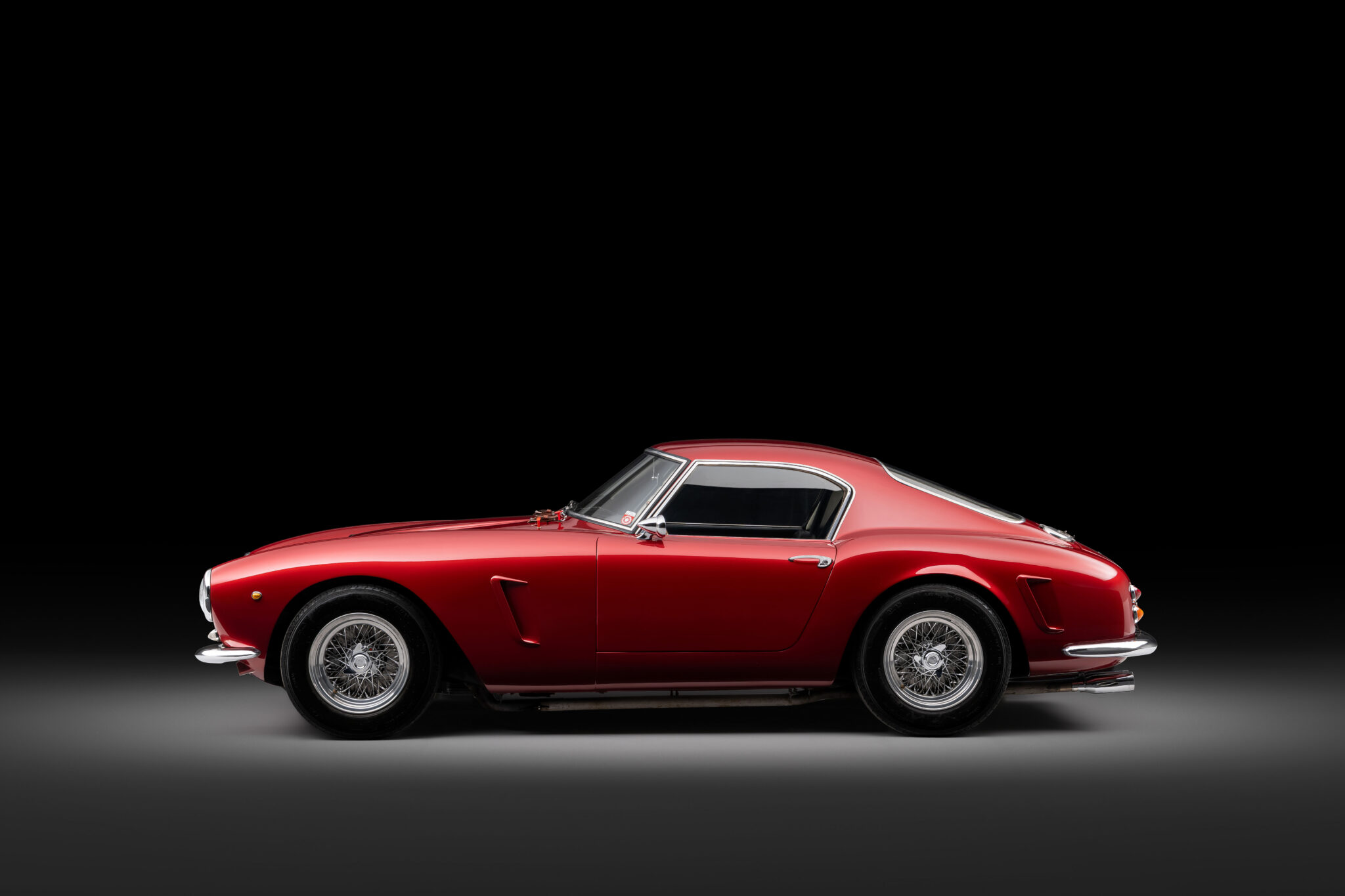
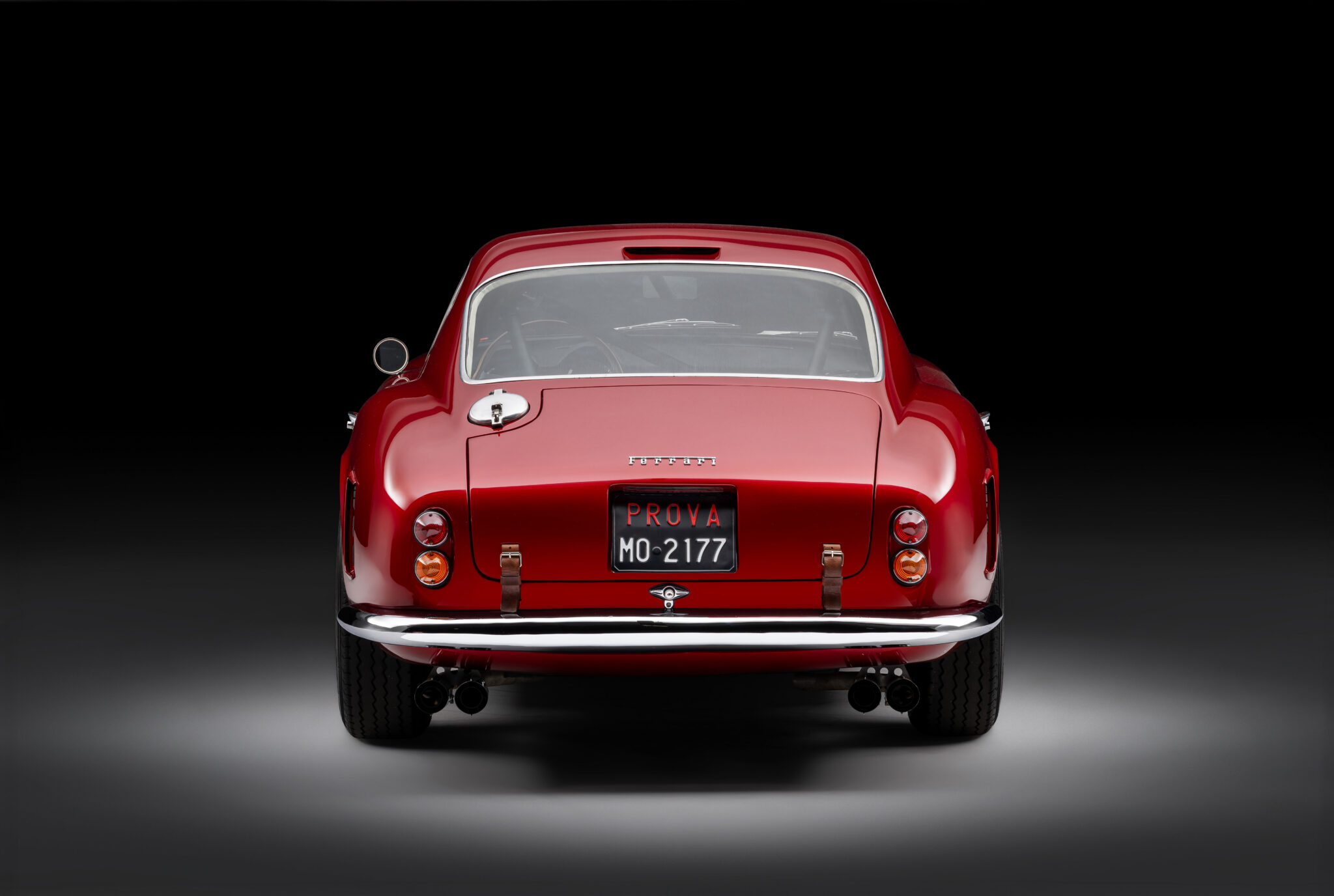
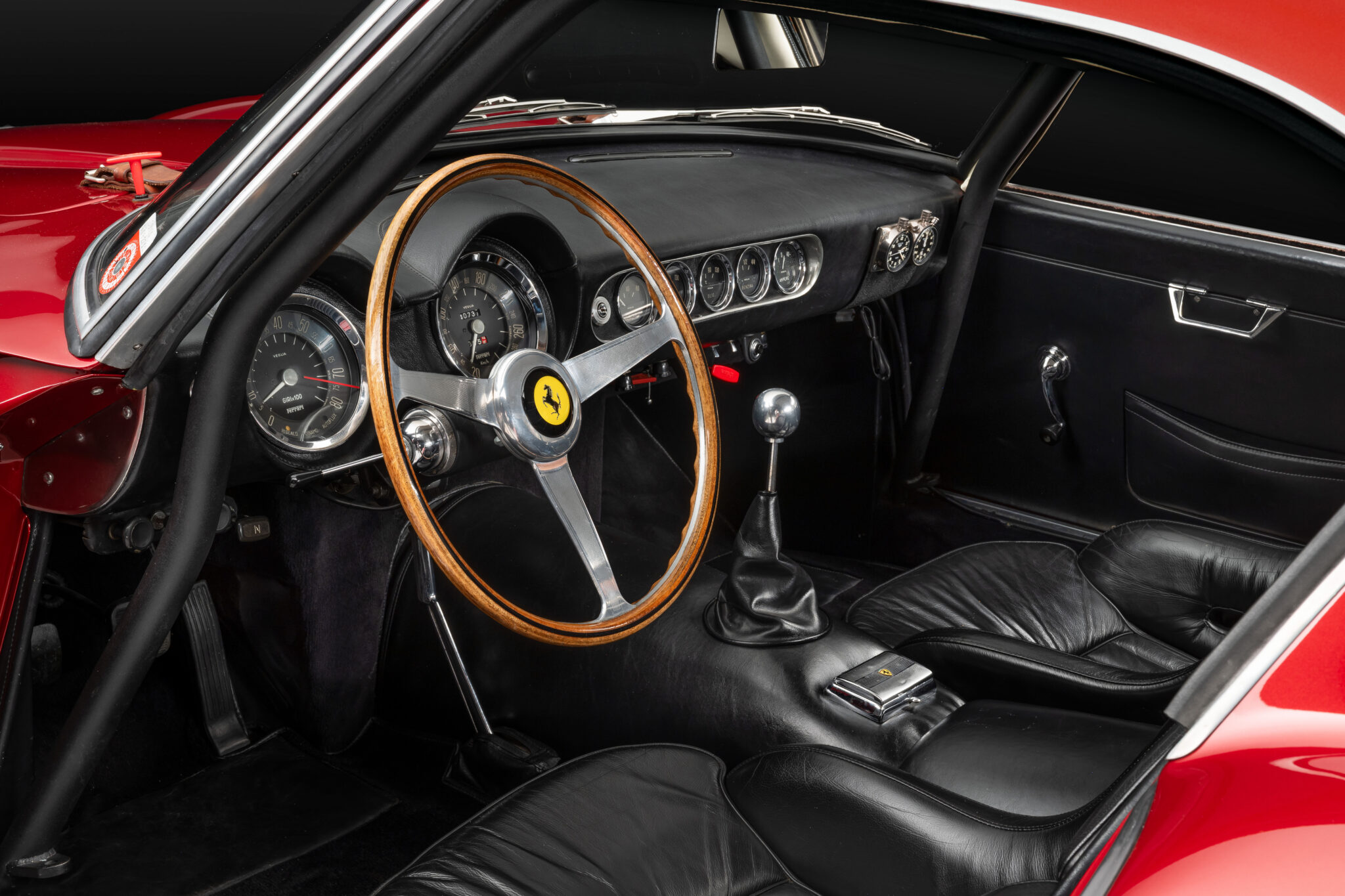
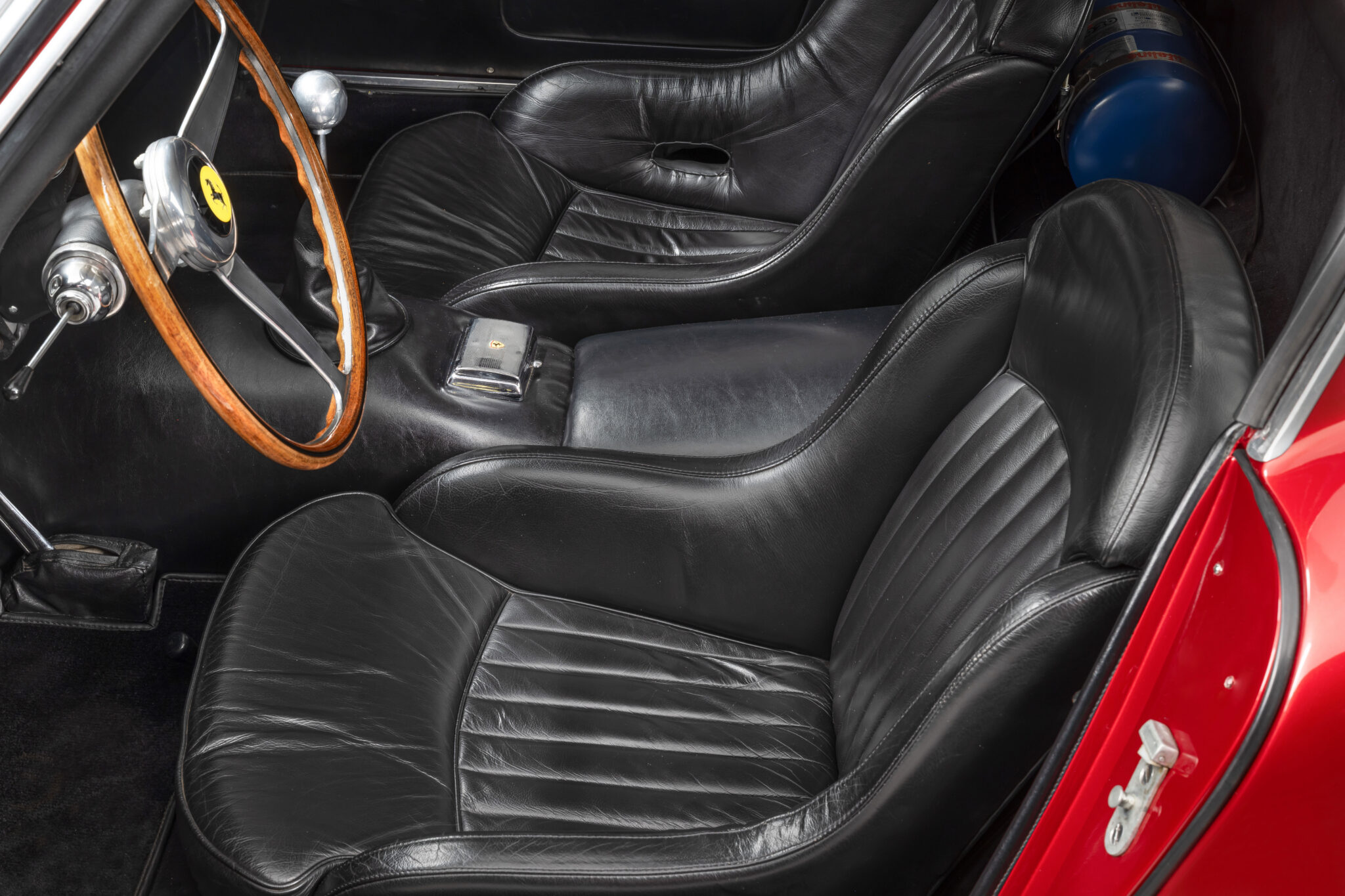
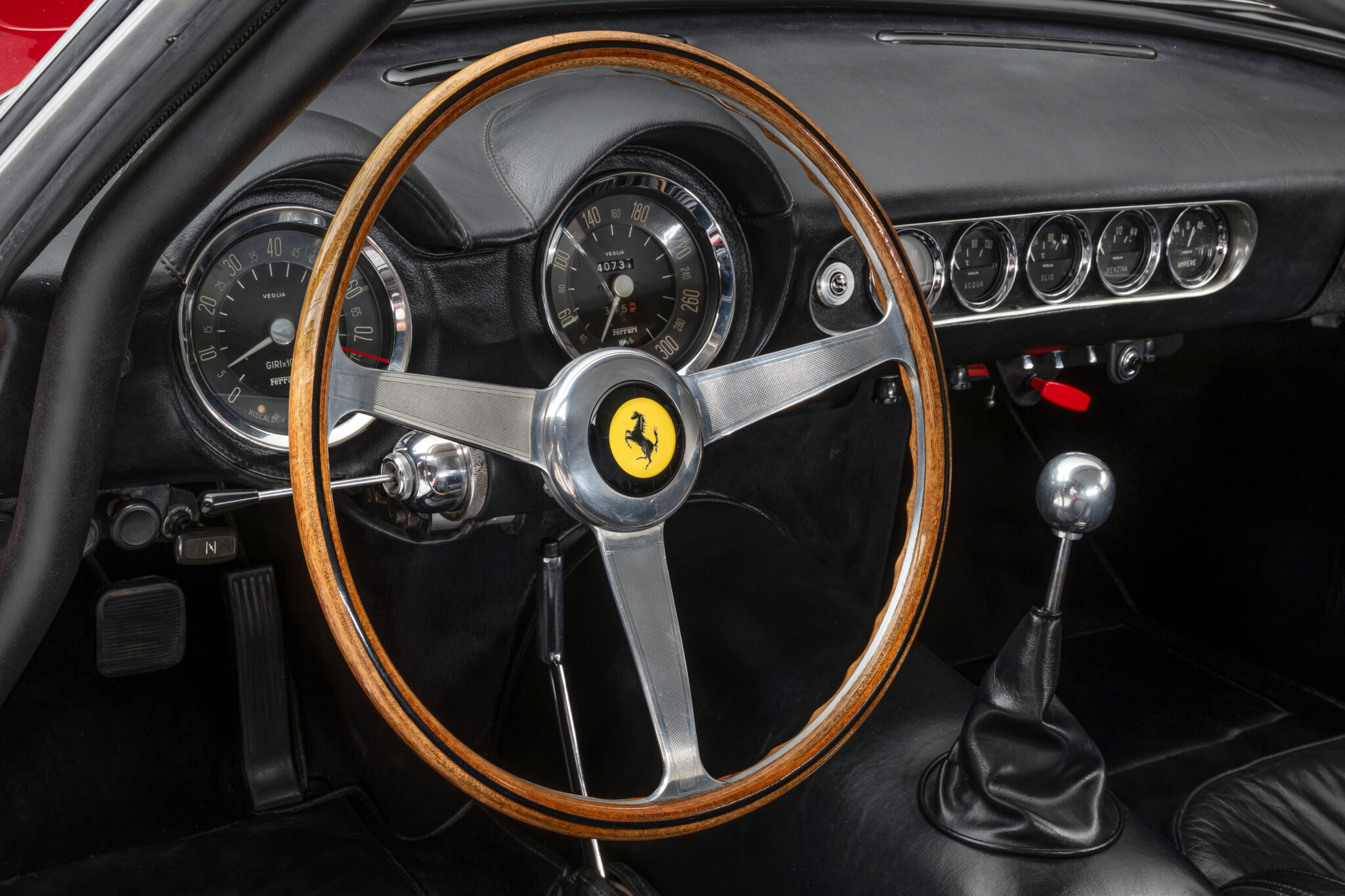
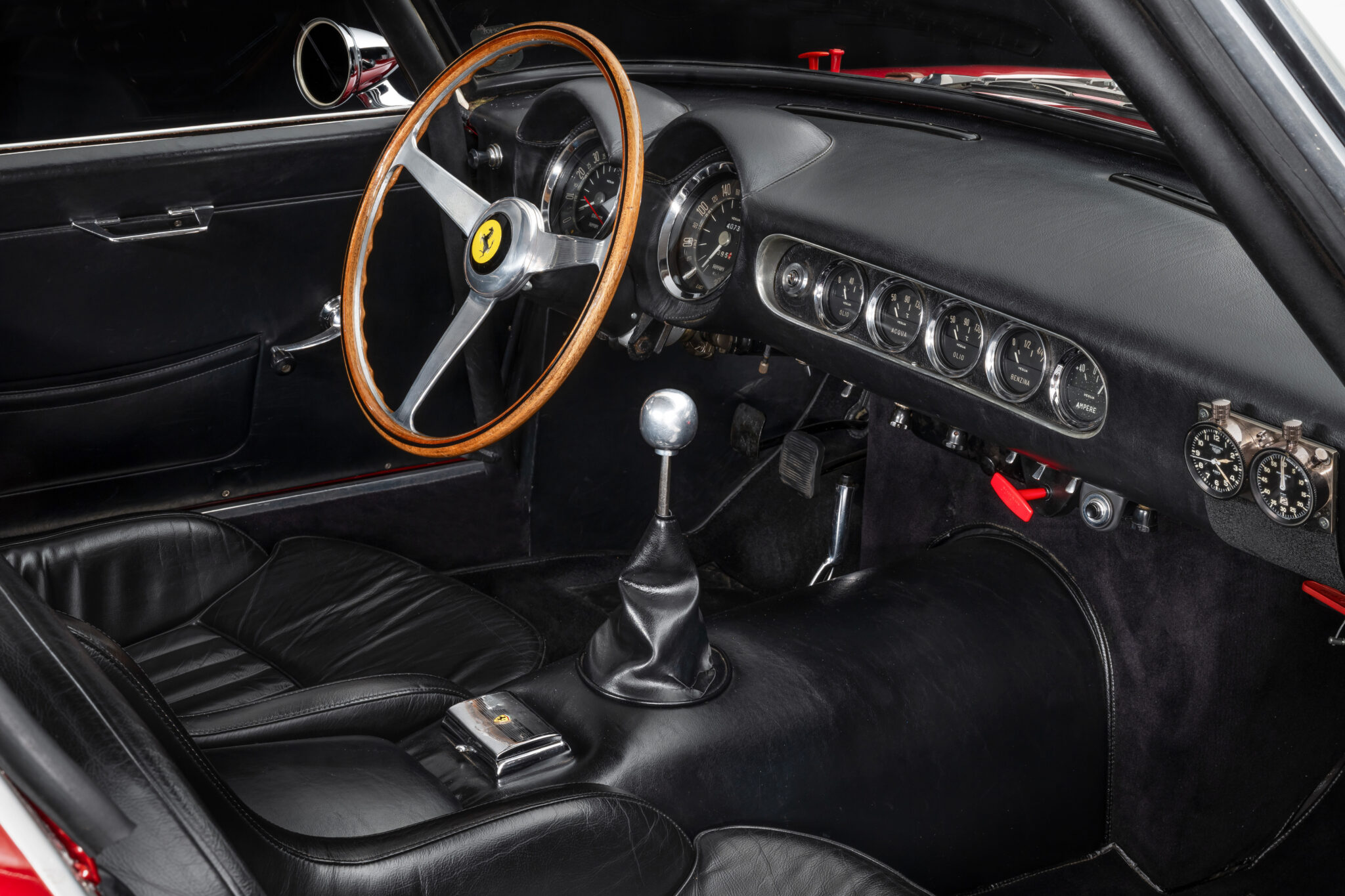
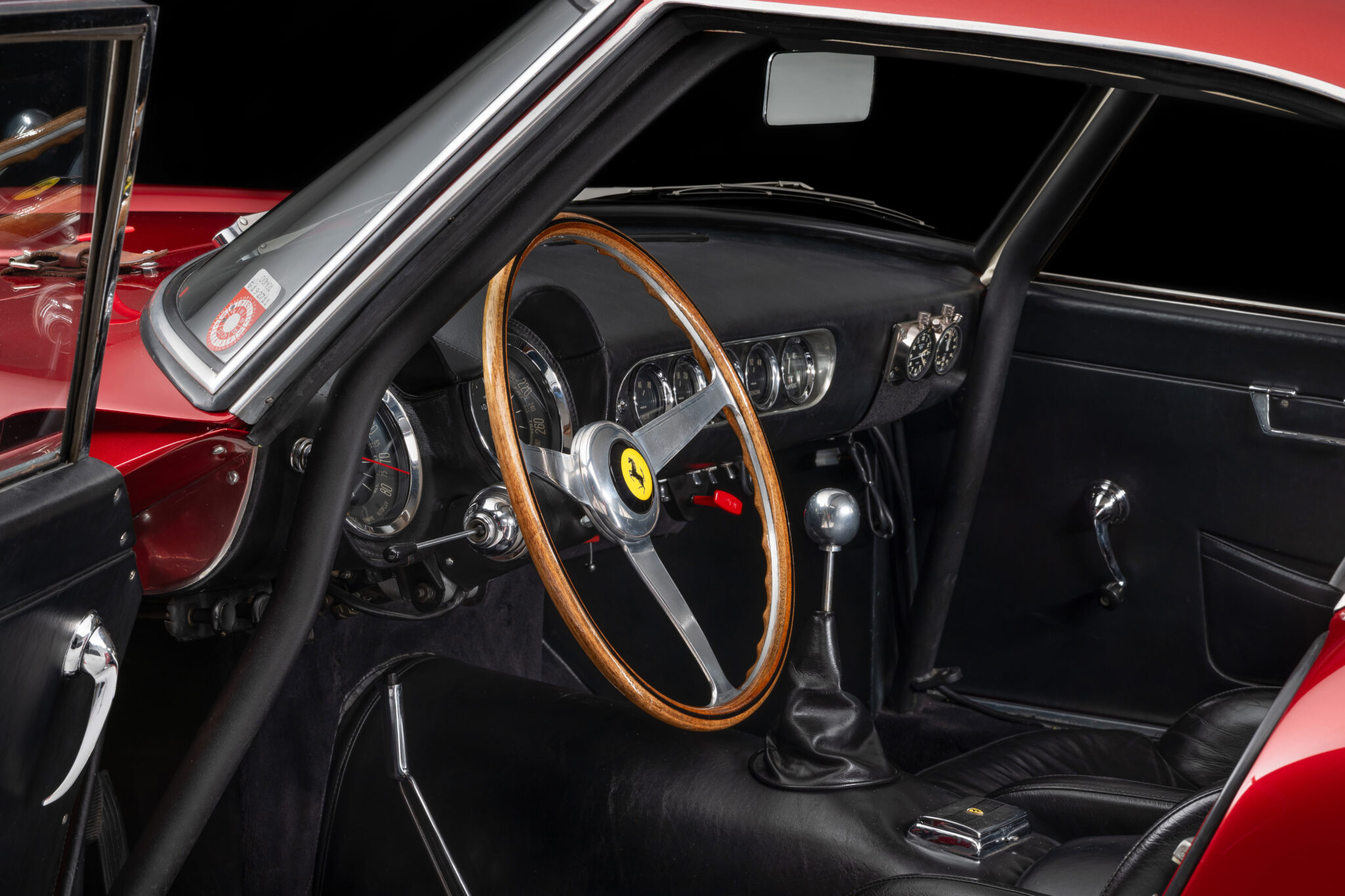
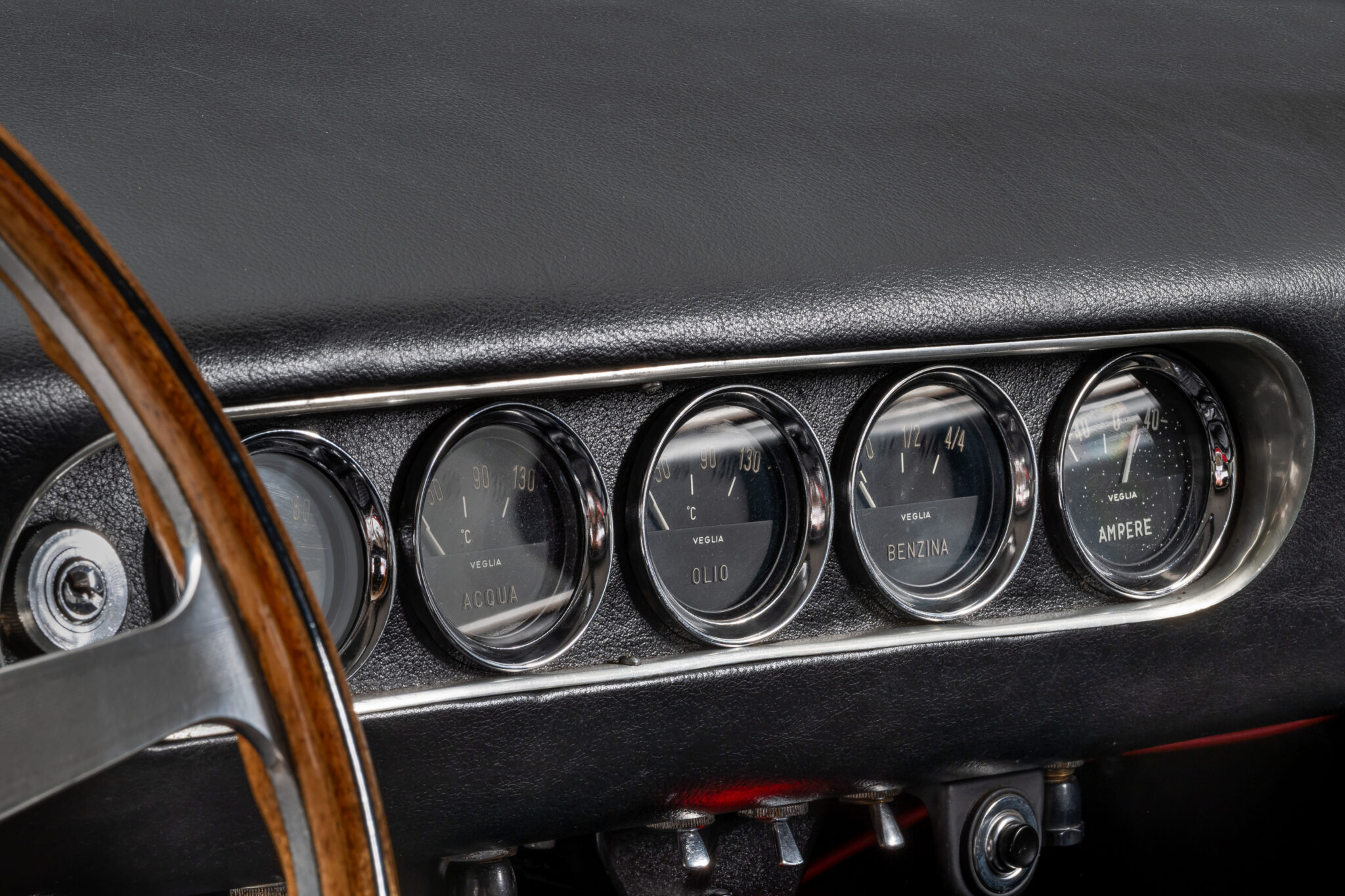
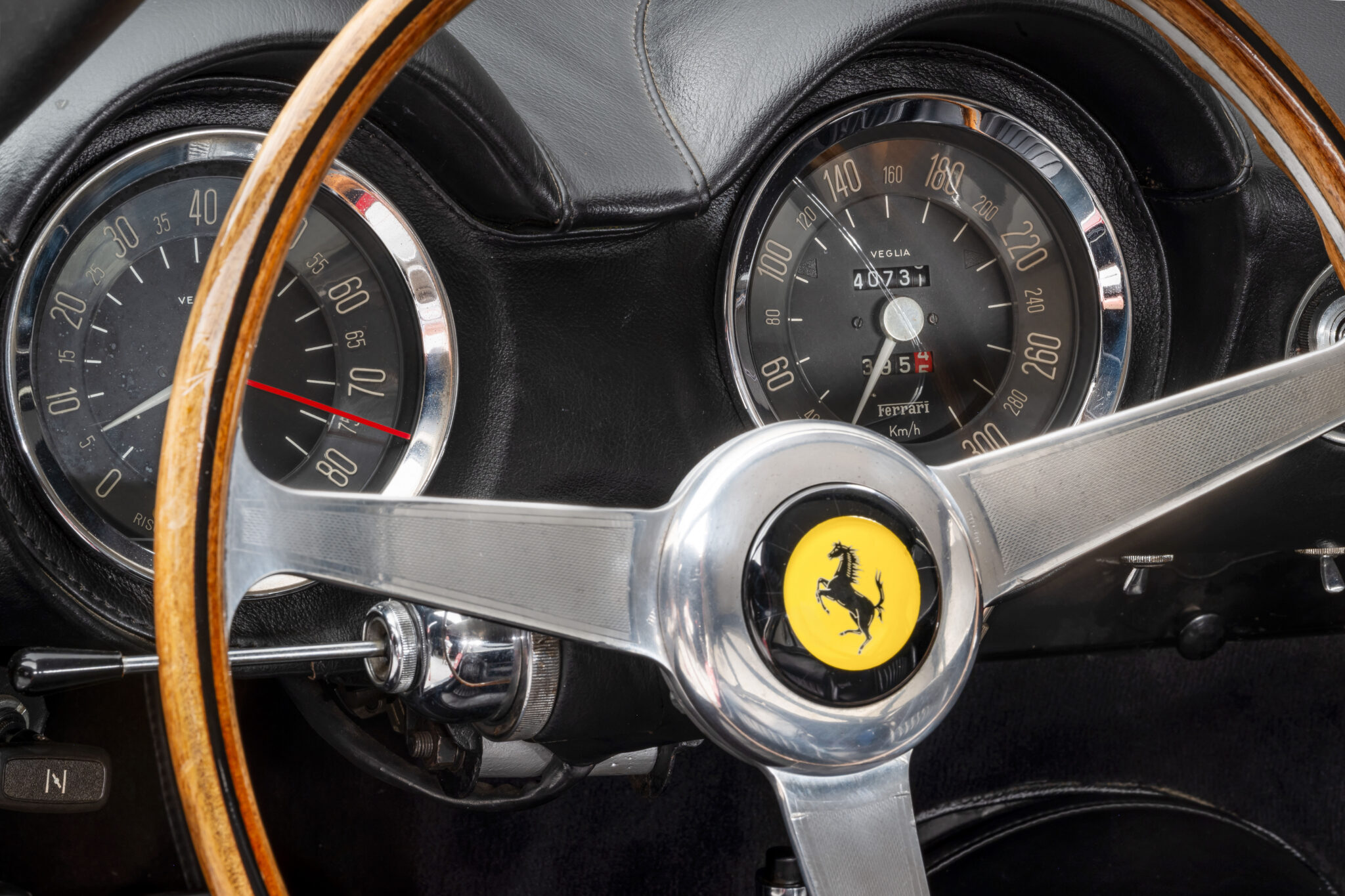
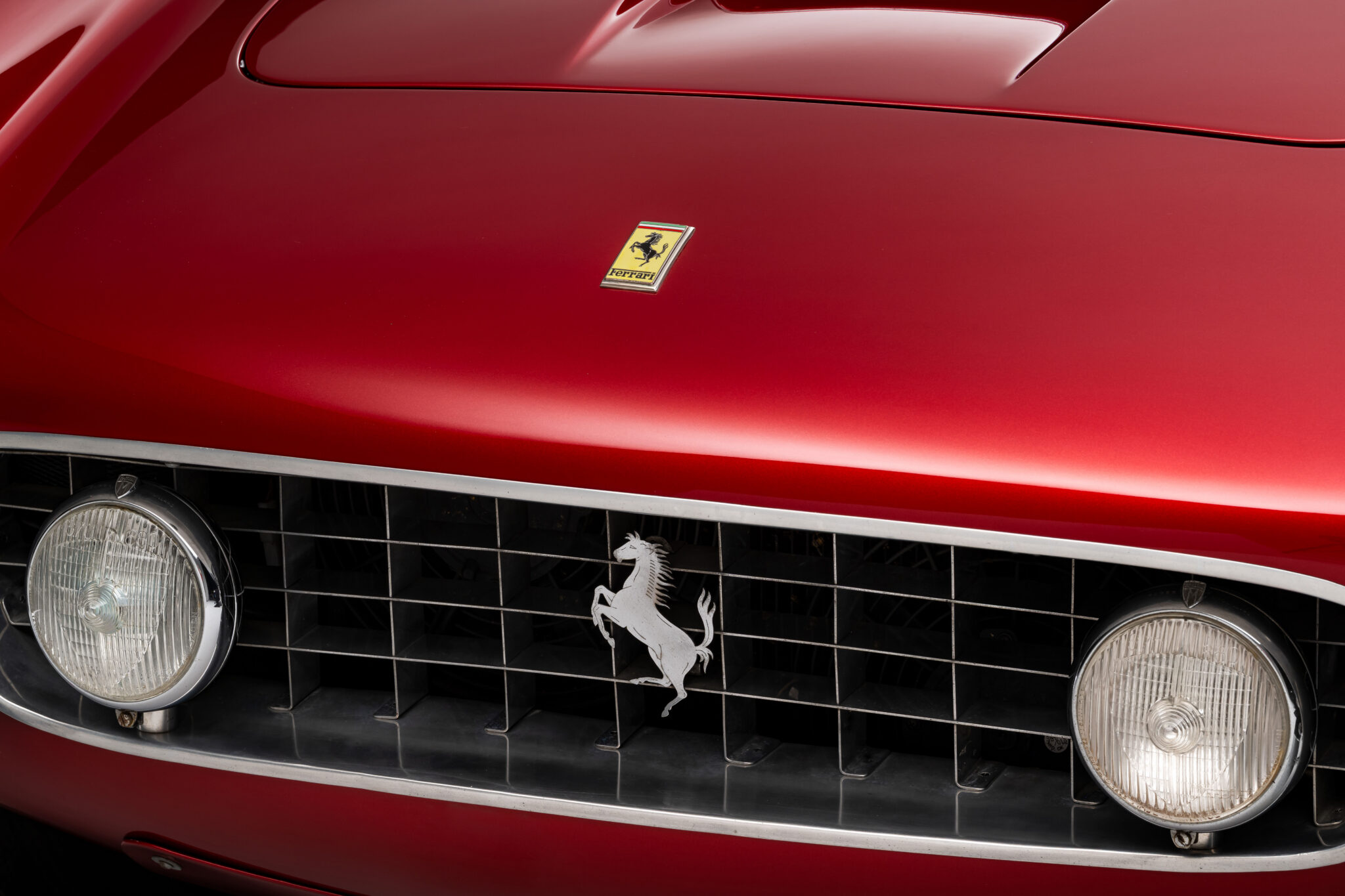
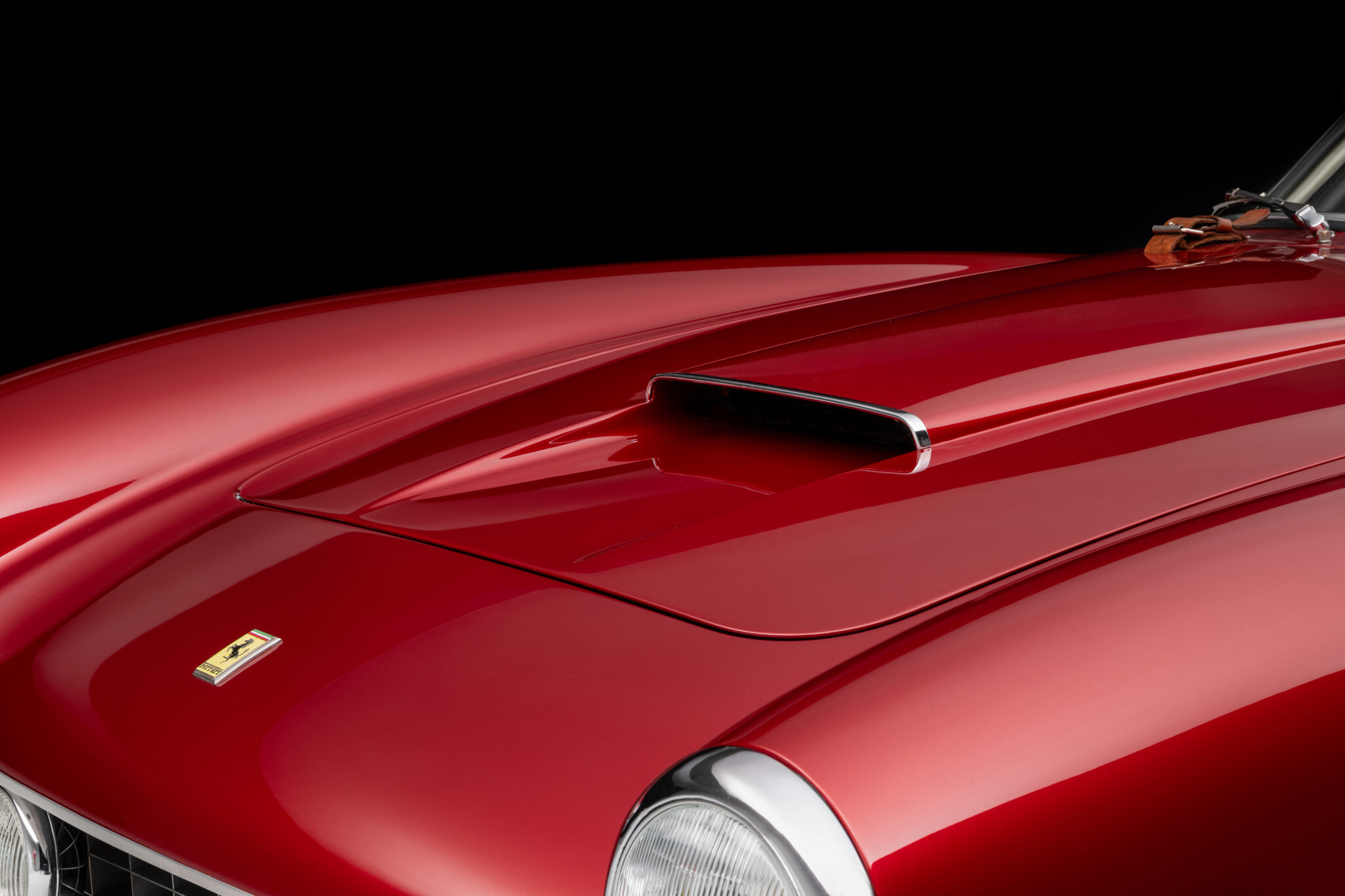
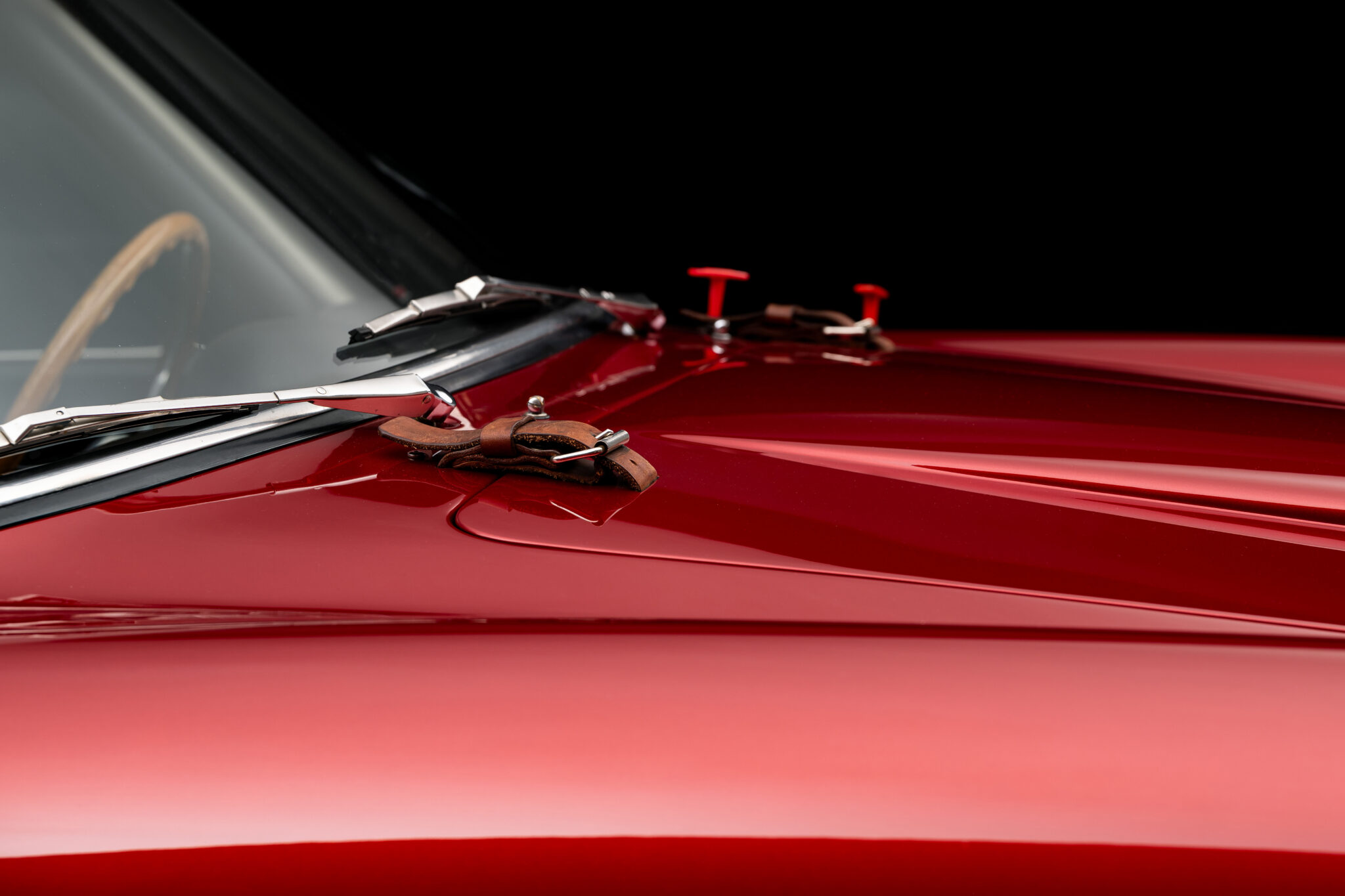
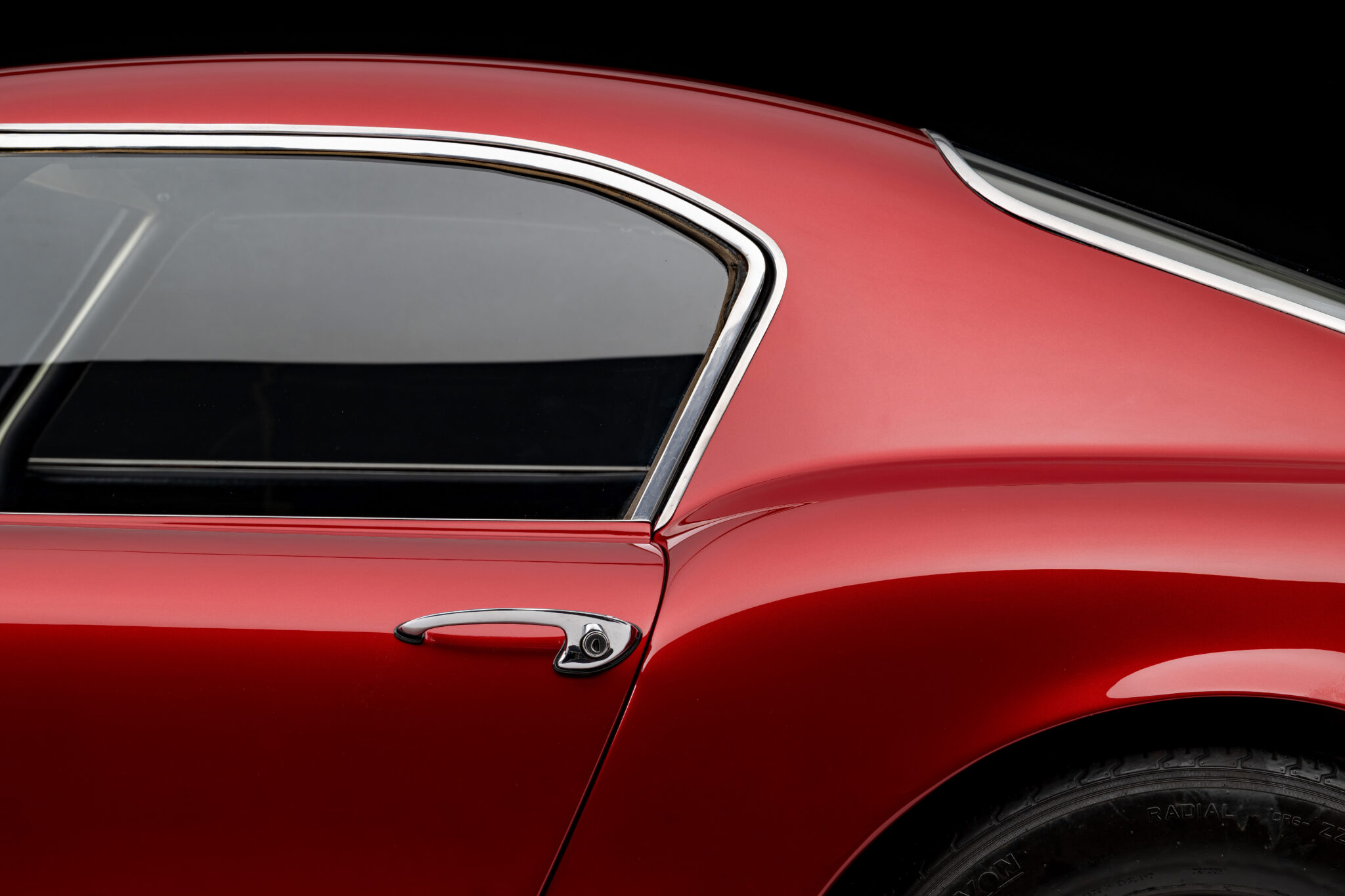
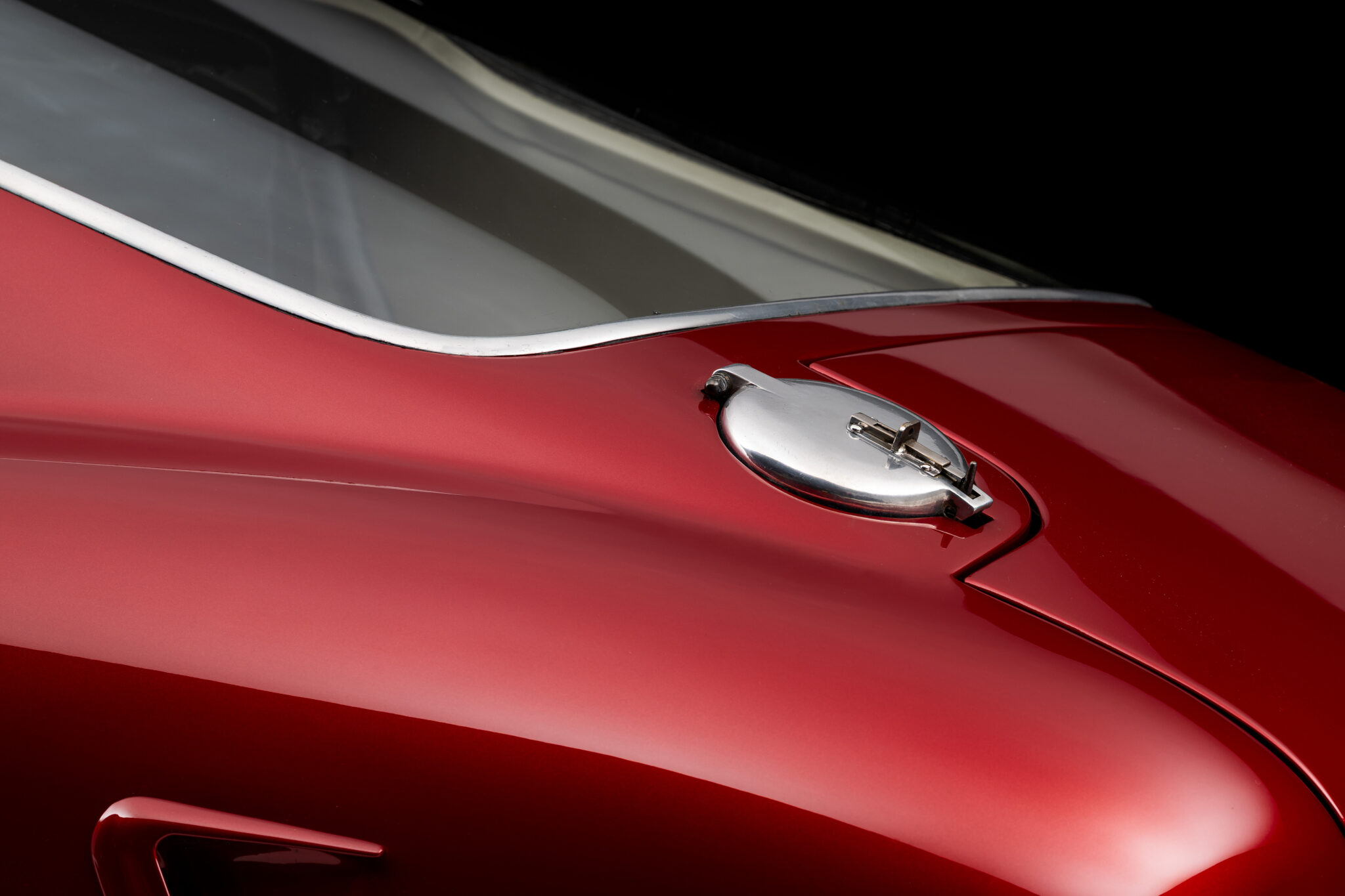
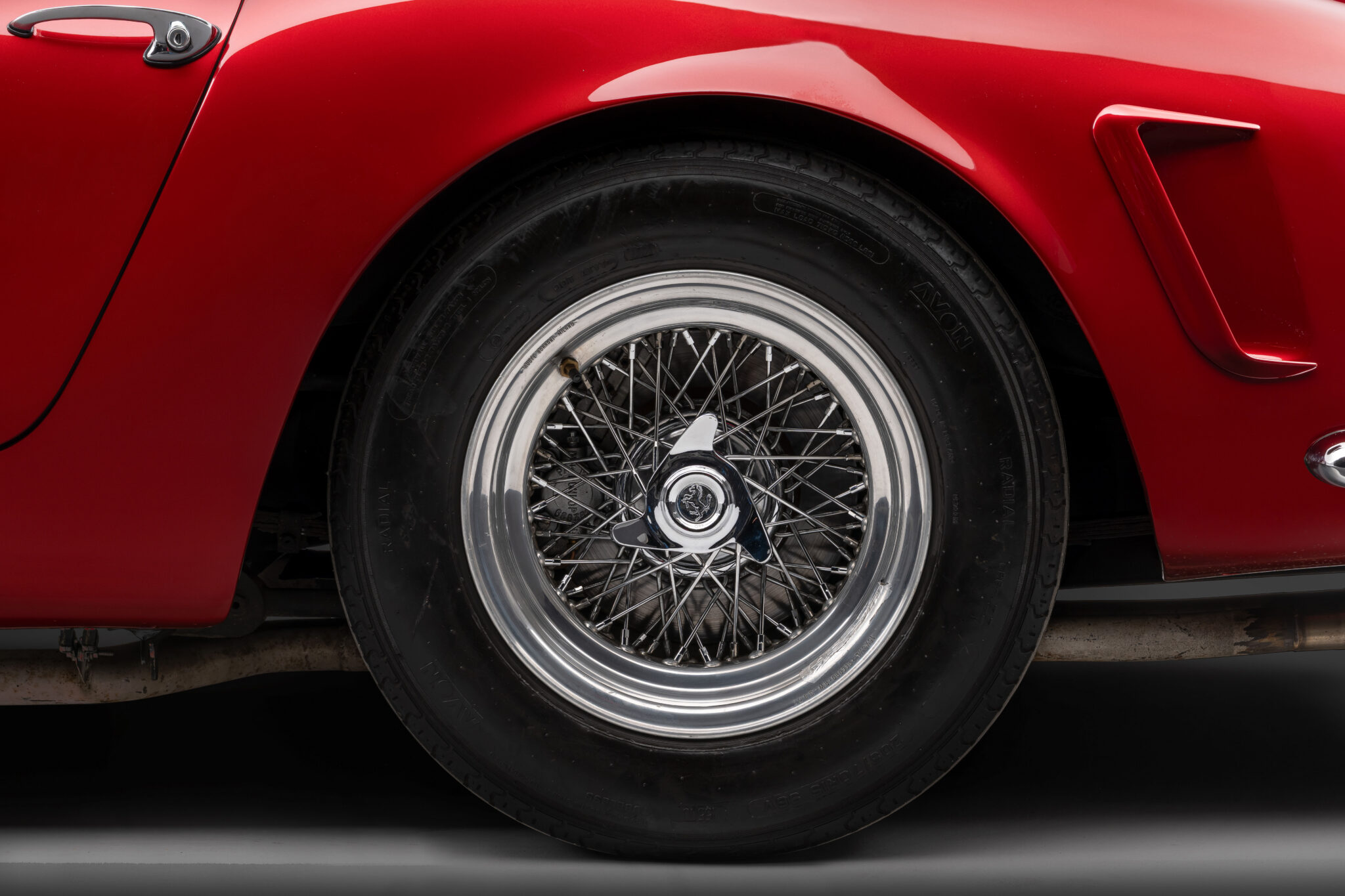
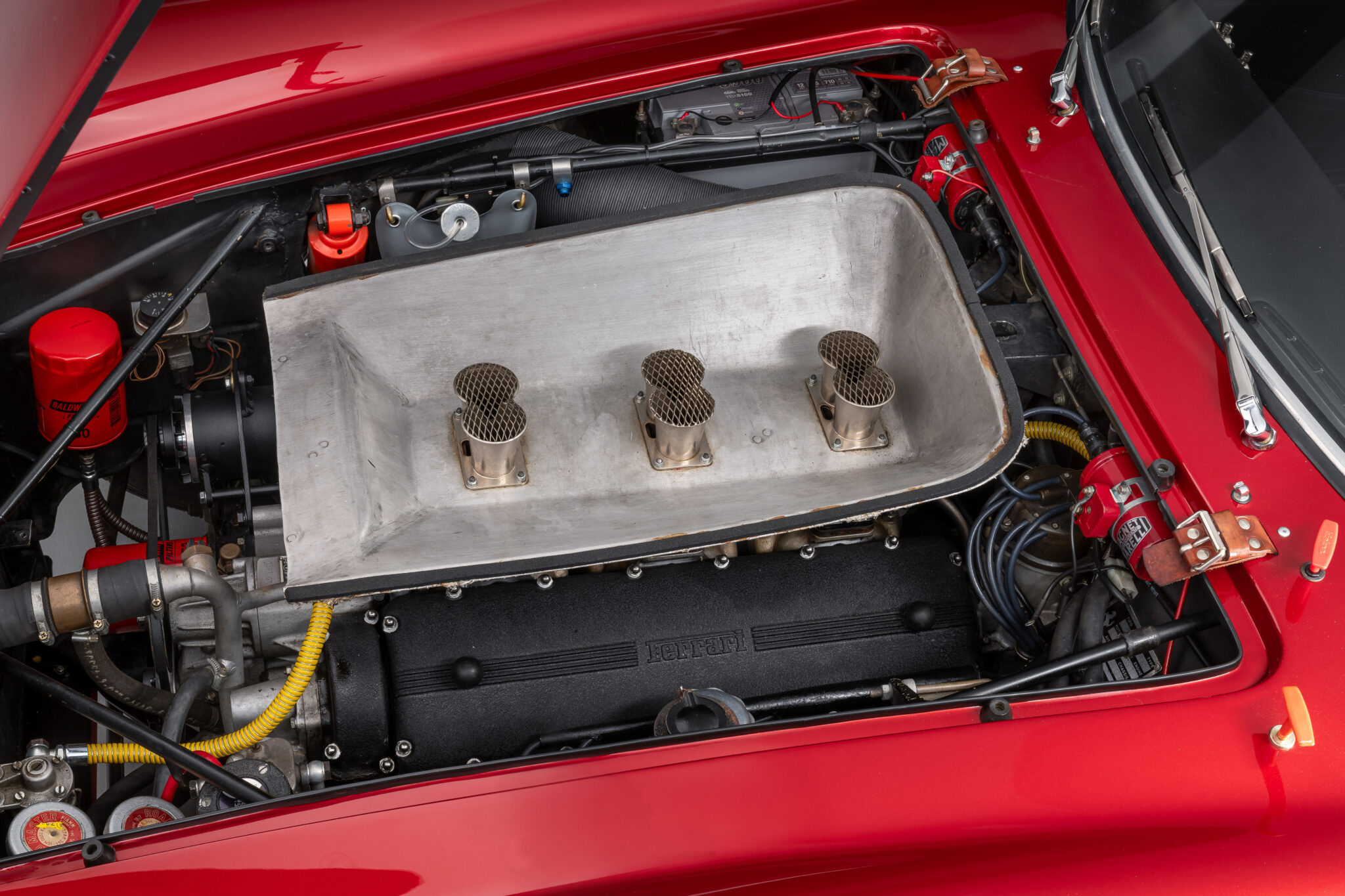
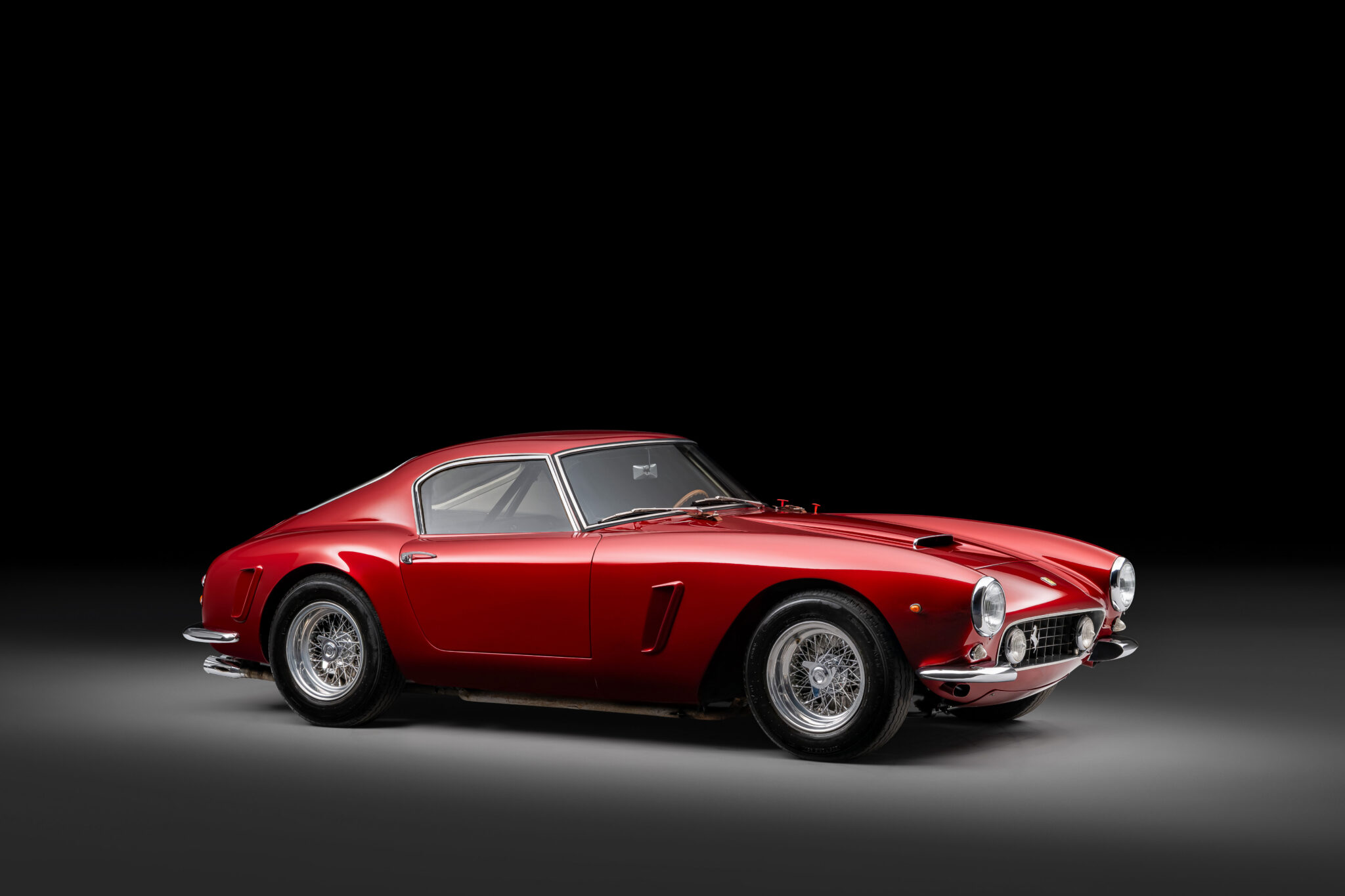
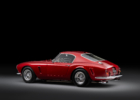
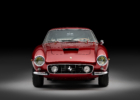
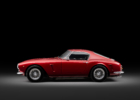
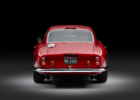
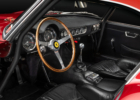
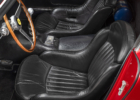
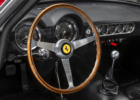
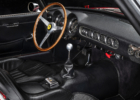
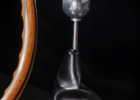
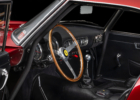
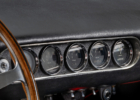
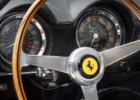
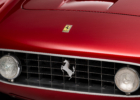
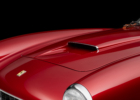
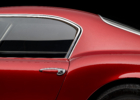
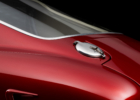
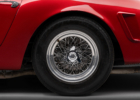
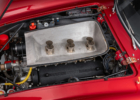
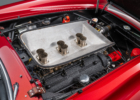
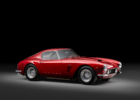
- One of the most original 250 SWBs in existence: matching-numbers engine, gearbox and body
- Period competition history in Switzerland and the USA
- Sold to current owner by The Classic Motor Hub and successfully completed the Tour Auto in 2022
- Continuous known history and comes with a report by Ferrari historian Marcel Massini
| YEAR | 1960 |
| MAKE | Ferrari |
| PRICE | £ Please Ask |
VEHICLE DESCRIPTION
A Factory-Built Dual-Purpose Berlinetta
Part One – From Maranello to the Mountains
Ferrari has never been a company that was easily constrained by convention. During the late 1950s and early 1960s, Maranello did not think in terms of rigid model ranges or carefully defined specification levels. It built motor cars for individual customers. Experienced owners could request features drawn from both the road and competition programmes, and Ferrari was perfectly willing to combine proven racing components with grand touring refinement if it believed that such a specification best suited the intended purpose of the car.
It is this wonderfully pragmatic philosophy that lies at the heart of Ferrari 250 GT Short Wheelbase 2177 GT.
More than sixty-five years after leaving Maranello, the car remains one of the clearest surviving examples of Ferrari’s willingness to build precisely the right Berlinetta for precisely the right customer. Neither a conventional Lusso nor a full Competizione, 2177 GT occupies a fascinating middle ground, combining many of the mechanical virtues of the Competition models with the flexibility, refinement and reliability expected of a road-going Gran Turismo. That carefully judged balance would define its entire life, from the Swiss mountain roads on which it first earned its reputation to the concours lawns and historic events where it continues to be admired today.
The Ferrari 250 GT Short Wheelbase needs little introduction. Unveiled at the Paris Salon in October 1959, it represented the culmination of almost a decade of continuous development of the Colombo-engined Berlinetta. Its shorter 2,400 mm wheelbase, revised suspension geometry and beautifully balanced Scaglietti coachwork transformed the already accomplished Tour de France into a machine of extraordinary versatility. Few motor cars have proved equally capable of winning international races while carrying their owners across Europe in comfort. Victories at Le Mans, Sebring, Goodwood and the Tour de France Automobile quickly established the Short Wheelbase as one of Ferrari’s greatest achievements and the direct precursor to the immortal 250 GTO.
Yet, despite their outward similarity, no two Short Wheelbases were ever entirely alike.
During this period Ferrari’s production remained remarkably flexible. Cars were assembled individually, often reflecting the wishes of knowledgeable clients or the recommendations of the factory itself. As a consequence, the distinction between Lusso and Competizione was sometimes less defined than modern classifications suggest. Rather than building to rigid specifications, Ferrari selected components according to the intended use of each car, creating a fascinating group of Berlinettas that continue to intrigue historians more than six decades later.
Among the finest of those is 2177 GT.
The chassis was dispatched from Maranello to Carrozzeria Scaglietti on 6 September 1960, where it received its beautifully crafted steel coachwork before returning to the factory for final assembly. Its Tipo 168 Colombo V12, factory internal number 612F, was completed on 25 October 1960 and tested on Ferrari’s dynamometer two days later. The original factory records show an output of 243.3 bhp at 7,000 rpm, reflecting an engine that retained its standard camshaft profile rather than the high-lift Tipo 130 camshafts fitted to the full Competizione models.
The dyno sheet, however, tells only part of the story.
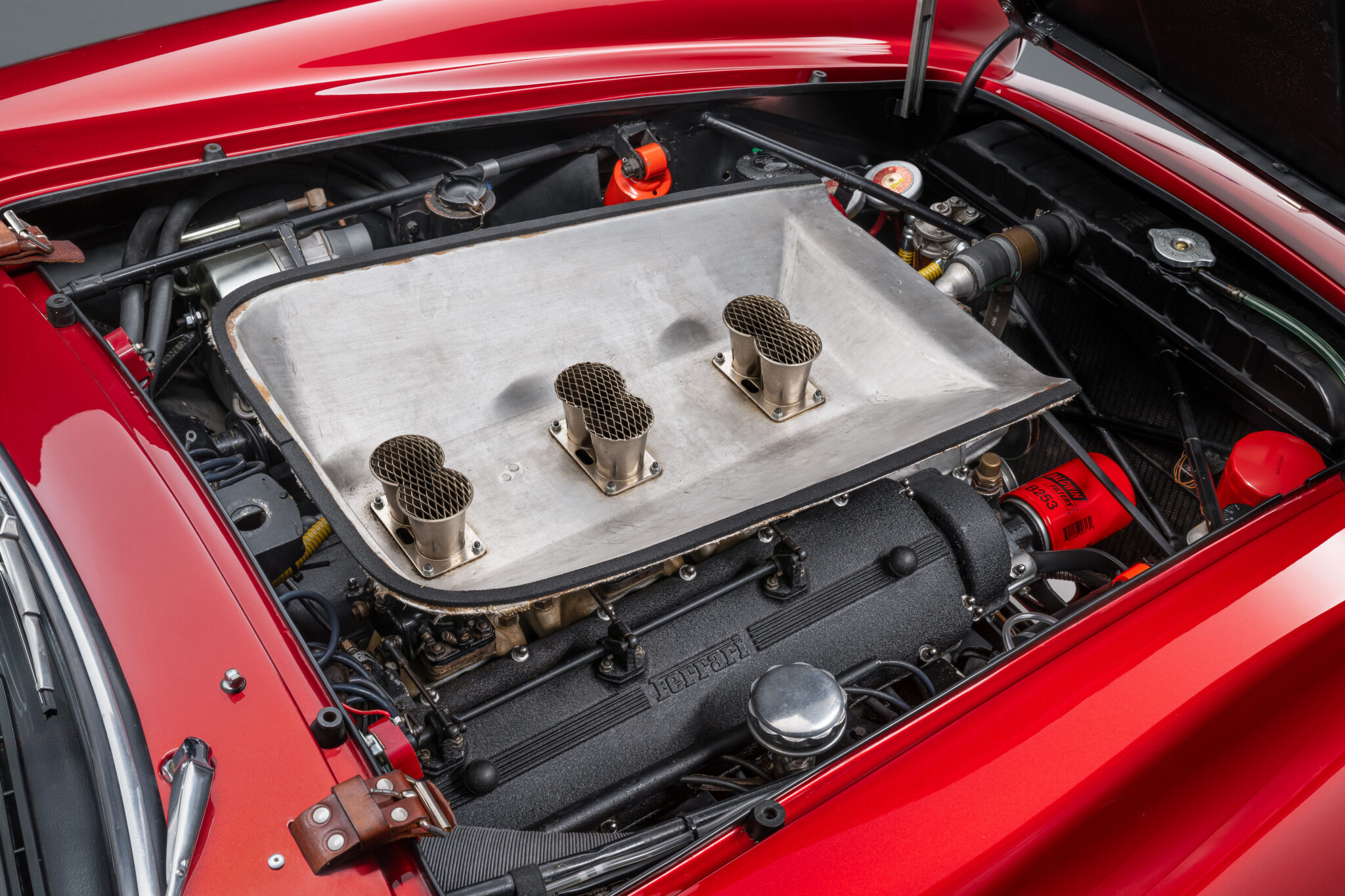
Perhaps the clearest indication of Ferrari’s intentions lay beneath the bonnet. Although the engine retained its standard camshaft profile, 2177 GT was nevertheless equipped from new with lightweight Weber 40 DCL carburettors fitted with 32 mm chokes. Their presence, together with the car’s remarkable collection of factory Competition equipment, demonstrates that Ferrari selected its specification with considerable care.
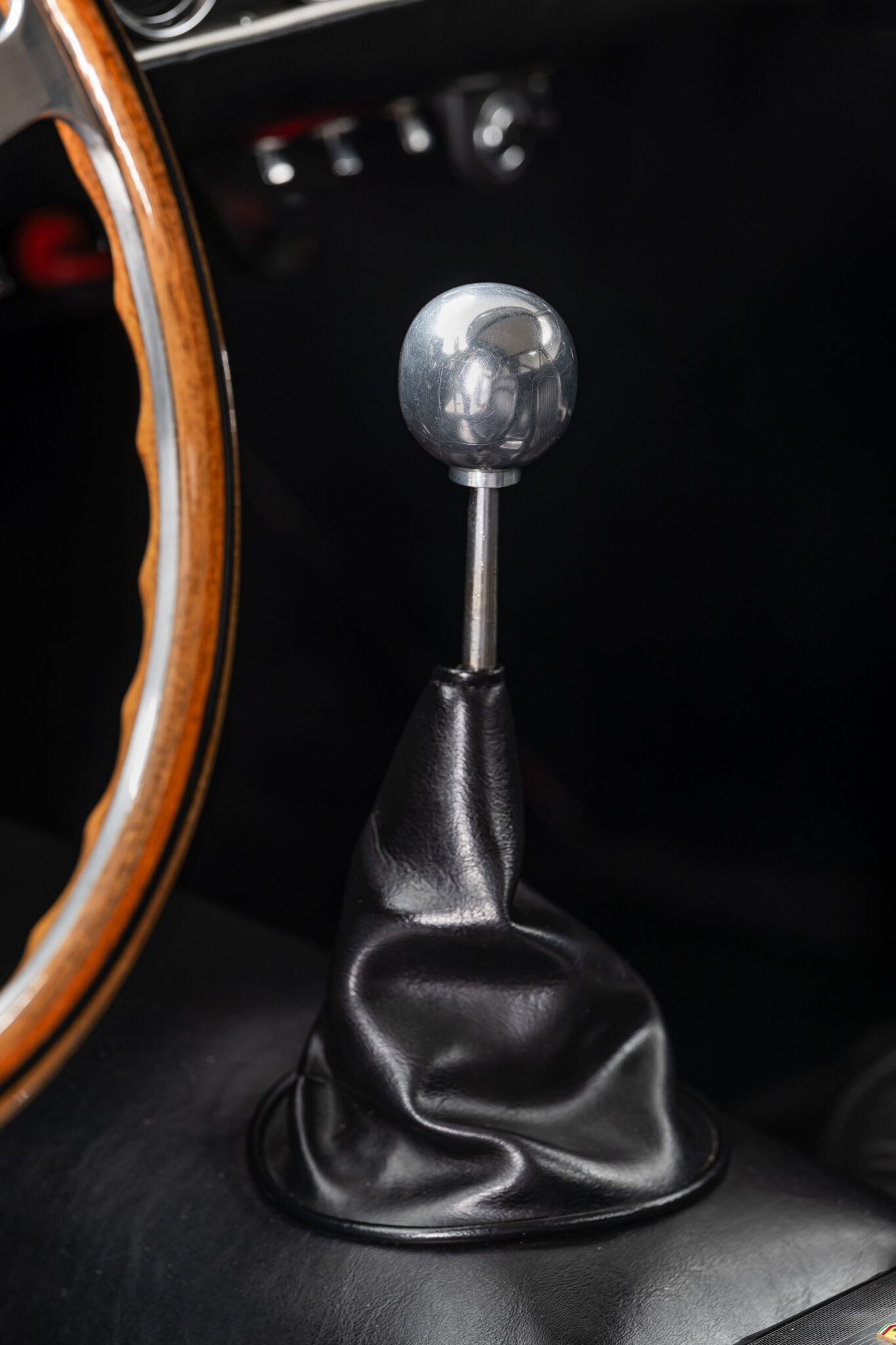
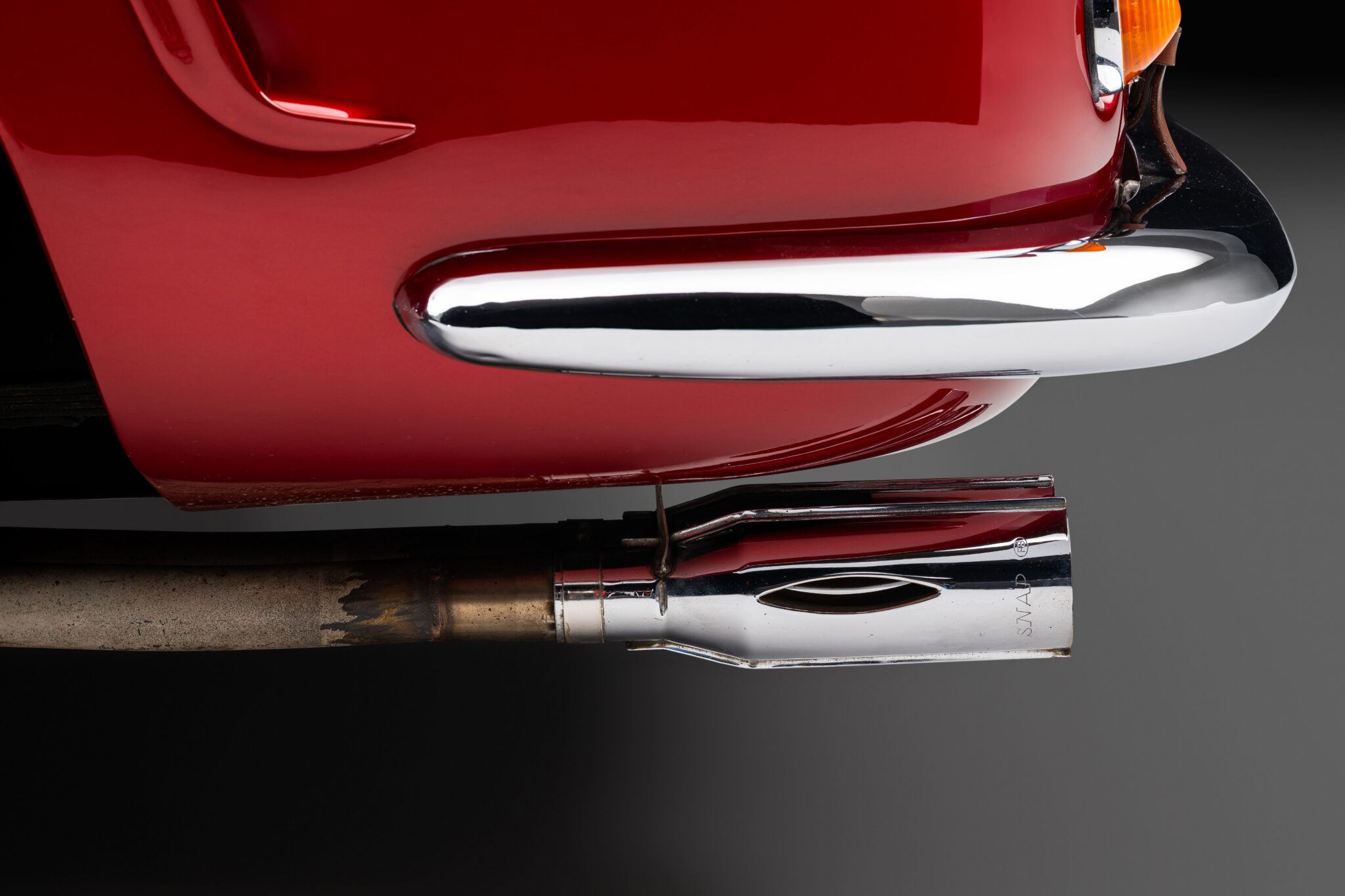
Those carburettors were accompanied by the desirable ribbed alloy competition gearbox, competition exhaust system, stiffer front and rear suspension, lightweight alloy window surrounds, sleeved front brake ducts, quick-lift jack brackets, aluminium competition fuel tank with its external quick-release filler cap, competition bucket seats and an 8/32 rear axle ratio, selected specifically for hillclimb competition. Individually these components were highly desirable; collectively they created one of the most unusual factory specifications to be found on any Ferrari 250 GT Short Wheelbase.
Rather than representing a compromise between Lusso and Competizione, 2177 GT emerged as something altogether more interesting—a carefully conceived dual-purpose Berlinetta possessing much of the engineering sophistication developed through Ferrari’s competition programme while retaining the flexibility and usability demanded of a road car.
In many respects, it occupies the same intriguing territory as the celebrated British-delivered Short Wheelbases 1993 GT and 1995 GT. The late Richard Colton, whose understanding of the steel-bodied Short Wheelbases was second to none, consistently resisted attempts to dismiss his own 1995 GT as simply a Lusso. His correspondence concerning 2177 GT demonstrates that he immediately recognised the same philosophy at work. These were not standard road cars, nor were they pure Competizione models. Instead, they represented Ferrari’s wonderfully pragmatic approach to building Berlinettas around the requirements of individual customers.
The first owner of 2177 GT was Mr Zimmerman of Switzerland, to whom the Ferrari was delivered on 29 October 1960 through Italauto SA in Lausanne. The concessionaire was owned by former Grand Prix driver Emmanuel “Toulo” de Graffenried, winner of the 1949 British Grand Prix and one of Switzerland’s most respected racing personalities. It was a fitting introduction for a Berlinetta that would soon establish its reputation on the country’s famous mountain roads.
To understand why 2177 GT was specified as it was, one must first understand Swiss motor sport during the early 1960s.
Following the tragic events at Le Mans in 1955, circuit racing had effectively disappeared from Switzerland, but hillclimbing flourished. Events such as Ollon-Villars, Mitholz-Kandersteg, Sierre-Crans-Montana and Eigental attracted many of Europe’s leading drivers together with some of the finest GT machinery of the period. Unlike circuit racing, success in the mountains depended upon far more than maximum horsepower. Steep gradients, changing surfaces and countless tight corners demanded immediate throttle response, flexibility, impeccable chassis balance and mechanical reliability.
Against that background, the specification of 2177 GT begins to make perfect sense.
Its steel body offered greater rigidity and durability than aluminium while proving easier to repair after the inevitable knocks of competition. The ribbed gearbox and shorter axle ratio sharpened acceleration out of slow corners. The lightweight Weber carburettors delivered crisp throttle response across a broad range of engine speeds, while the standard camshaft profile ensured smooth, flexible power delivery and excellent reliability. This was a Ferrari capable of being driven to a hillclimb, competing all weekend and returning home under its own power without complaint.
Rather than ordering the most extreme Berlinetta Ferrari could build, Zimmerman’s specification appears to have been guided by practical experience and a clear understanding of the environment in which the car would compete. More than six decades later, it remains one of the most intelligently conceived factory specifications to emerge from Maranello during the golden era of the Colombo V12.
Zimmerman retained the Ferrari until 1962, when it passed into the hands of Geneva banker and gentleman driver Armand Boller. Under Boller’s ownership, 2177 GT would begin to demonstrate exactly why Ferrari had built it in this remarkable way.
On 25 August 1962, Boller entered the Ferrari in the celebrated Ollon-Villars Hillclimb, then a round of the European Mountain Championship. Against an exceptionally competitive field, he guided the Short Wheelbase to an impressive fifth in class, immediately validating the philosophy behind its unusual specification. The result was more significant than the finishing position alone suggests. Ollon-Villars attracted many of Europe’s finest hillclimb specialists, and success required precision, consistency and mechanical sympathy as much as outright speed.
Boller’s enthusiasm for Ferrari continued to grow and, early in 1963, he acquired a new 250 GTO before joining the celebrated Scuderia Filipinetti organisation. Through this close-knit Swiss Ferrari community he became associated with Herbert Müller and the future Formula One star Jo Siffert. It has long been suggested that Siffert himself may have driven 2177 GT during this period. Although definitive proof has yet to emerge, his name appears on a Ferrari factory service record relating to the car, lending intriguing support to a story that has become part of the Berlinetta’s enduring folklore.
When Boller moved on to the GTO, 2177 GT passed into the hands of another distinguished Swiss competitor whose career would become inseparable from the history of the car.
There could scarcely have been a more appropriate custodian than Walter Ringgenberg.
By the time Ringgenberg acquired 2177 GT, he had already established himself as one of Switzerland’s most accomplished sports car drivers. A successful hotelier and restaurateur from Bern, he had progressed from Porsche 356 competition to the formidable Porsche 550 Spyder, establishing six international 1500 cc class records at Montlhéry alongside works driver Richard von Frankenberg before competing at the 24 Hours of Le Mans with Hans-Jörg Gilomen. A close personal friend of Ferry Porsche and an enthusiastic Ferrari collector, Ringgenberg immediately appreciated the qualities that made 2177 GT different.
If Armand Boller had demonstrated the potential of the Berlinetta, Walter Ringgenberg would confirm it beyond question.
During 1964 he entered 2177 GT in three of Switzerland’s leading hillclimbs. Third in class at Mitholz-Kandersteg in May was followed by an even finer performance at the prestigious Sierre-Crans-Montana Hillclimb in August.
Few events better illustrated the environment for which 2177 GT had been conceived. Sierre-Crans-Montana formed part of the International Championship for GT Manufacturers at a time when Ferrari’s mighty 250 GTO was engaged in an intense battle with Shelby’s Cobra for international honours. The quality of the entry was exceptional.
Against such formidable opposition, Ringgenberg guided 2177 GT to an outstanding second in class, beaten only by Pierre Sudan’s Ferrari 250 GTO. It was a remarkable achievement and one that perfectly justified Ferrari’s original thinking. Rather than relying upon outright horsepower alone, the Berlinetta demonstrated that intelligence of design, balance and flexibility could often compensate for absolute performance.
Ringgenberg concluded the season with an appearance at Eigental, bringing to a close one of the most successful periods in the car’s competition history. Four years after leaving Maranello, Ferrari’s carefully conceived dual-purpose Berlinetta had proved itself exactly where it had been intended to excel.
Its next chapter, however, would take it far beyond the Swiss Alps.
In 1966, 2177 GT crossed the Atlantic to begin a new life in the hands of one of America’s most respected Ferrari racers.
Part Two – Across the Atlantic
It says much about the reputation 2177 GT had already established that its next custodian should be Bob Grossman, one of America’s most respected Ferrari racers and dealers.
By the mid-1960s Grossman had become one of the best-known figures in American sports car racing. Having first established himself behind the wheel of Jaguar competition cars, he forged close relationships with both Briggs Cunningham and Luigi Chinetti before becoming one of Ferrari’s foremost private entrants in the United States. His racing career encompassed everything from Jaguar XK120s and Lister-Jaguars to Ferrari California Spyders, Short Wheelbases and 250 GTOs, while his election as President of the Road Racing Drivers Club reflected the esteem in which he was held by his contemporaries.
Few enthusiasts were better qualified to recognise an exceptional Ferrari.
Grossman acquired 2177 GT through the Swiss dealership operated by Paul Blancpain and Jo Siffert, bringing the Berlinetta to the United States during 1966. According to Ferrari historian Marcel Massini, he entered the car in the Mount Equinox Hillclimb, ensuring that, even after crossing the Atlantic, it continued to compete in the sort of event for which its original specification was so admirably suited.
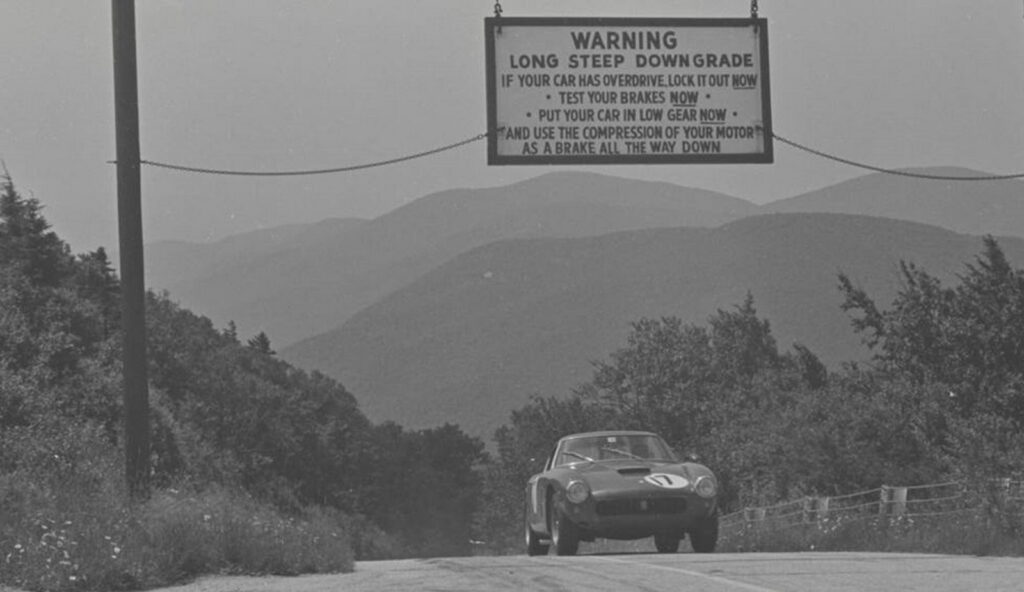
2177 GT, Bob Grossman, Mount Equinox Hill Climb in 1966
Although Grossman’s ownership proved relatively brief, it represented an important continuation of the car’s story. Rather than passing into the hands of a collector interested solely in preservation, 2177 GT was entrusted to another accomplished driver who appreciated its qualities not as an artefact but as a competition machine.
In 1967 Grossman sold the Berlinetta to Massachusetts racing driver Dudley Cunningham, whose collection also included the ex-works Ferrari 340 MM, chassis 0322 AM, in which the Marzotto brothers had finished fifth overall at the 1953 24 Hours of Le Mans.
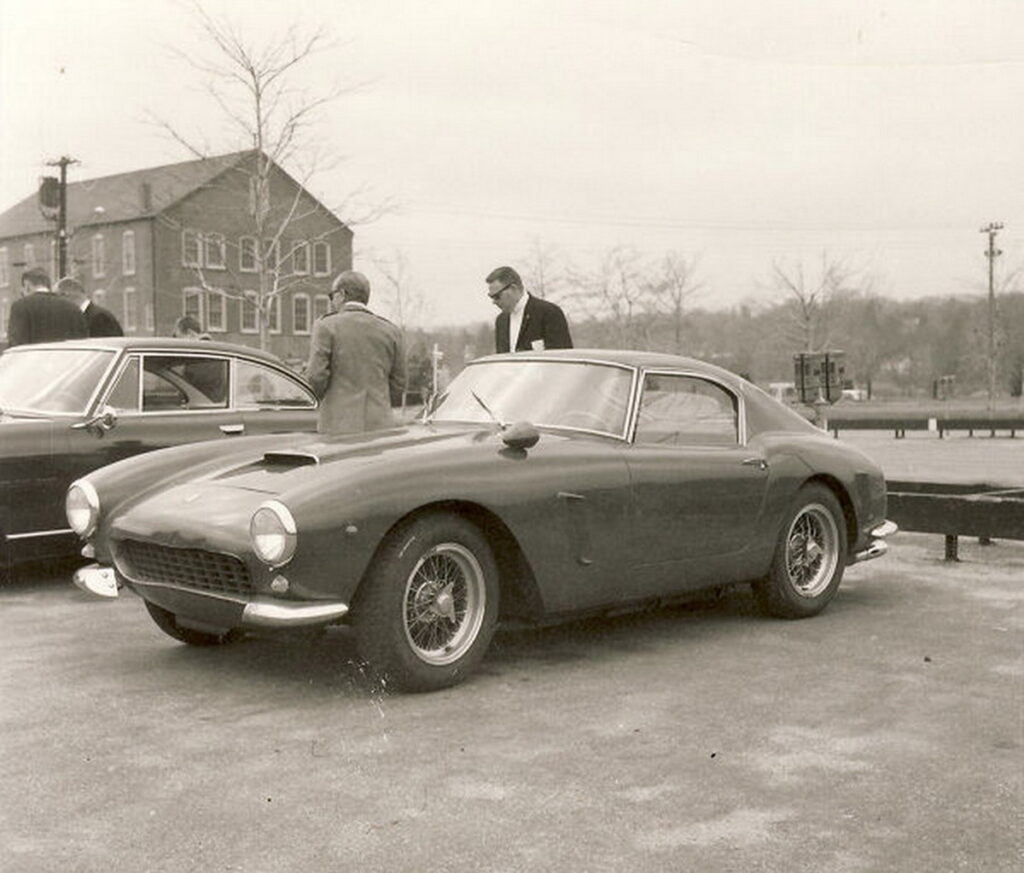
2177 GT, FCA Annual Greenwich concours in 1968
Cunningham retained 2177 GT for almost a decade, campaigning it in Sports Car Club of America events during the early years of his ownership before increasingly recognising its growing historical significance. Like so many knowledgeable Ferrari custodians of the period, he understood that originality would one day become every bit as important as competition success.
When Cunningham decided to part with the car in 1975, it passed to one of the most respected Ferrari historians in America.

2177 GT, Chicago in 1975
If Walter Ringgenberg had demonstrated the capabilities of 2177 GT in period competition, Jim Riff would ensure that its history was preserved for future generations.
Already recognised as an author, historian and authority on early Ferraris, Riff immediately appreciated that 2177 GT represented something rather special. His restoration was undertaken with sympathy and restraint, concentrating upon preservation rather than unnecessary replacement. When the body was stripped to bare metal, it revealed remarkably little accident damage despite years of hillclimb competition, testimony both to the quality of Scaglietti’s craftsmanship and to the mechanical sympathy with which successive owners had treated the car.
That discovery perhaps tells us more about the character of 2177 GT than any competition result.
It had never been regarded as an expendable racing car.
Instead, from the beginning, it had been valued as a beautifully engineered Berlinetta capable of competing successfully while remaining worthy of careful preservation.

2177 GT at Joe Marchetti’s famous Como Inn, Chicago, 1977
Following completion of the restoration, Riff drove the Ferrari from Chicago to the Ferrari Club of America Concours at St Louis through torrential rain, where it was awarded Second in Class. It was an entirely fitting result for a motor car whose history had always been defined by use rather than static display.
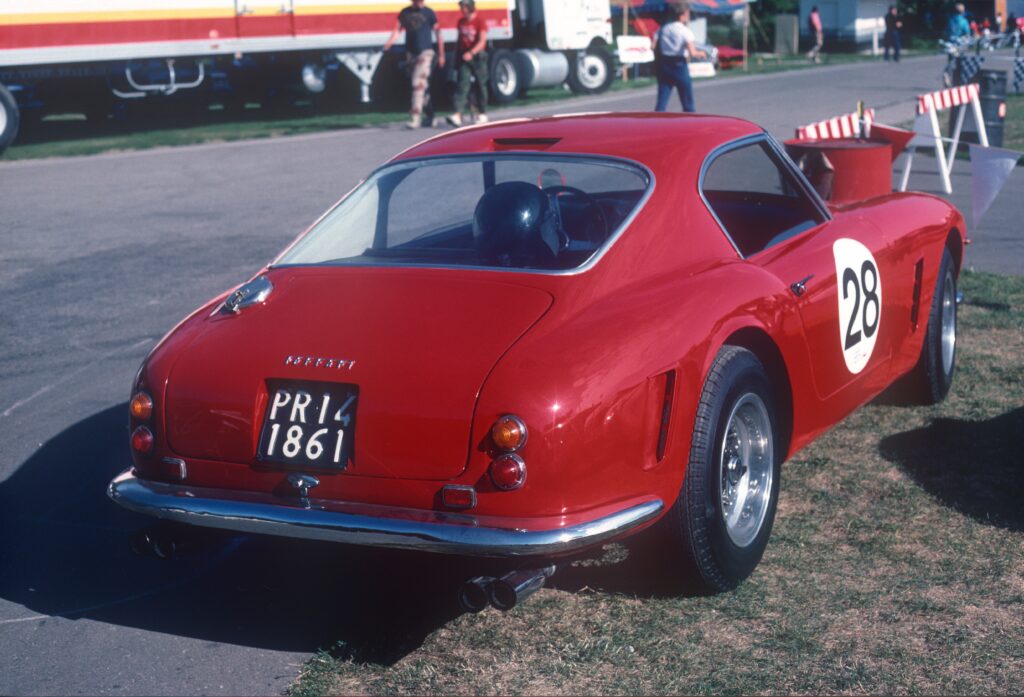
2177 GT, Elkhart Lake early the 1980’s
Throughout his ownership, 2177 GT became a familiar sight at concours events and historic competitions, culminating in an appearance at Elkhart Lake during 1985.
That same year the Berlinetta achieved another distinction when it appeared on the cover of Ken Gross’s authoritative volume Ferrari 250 GT SWB.
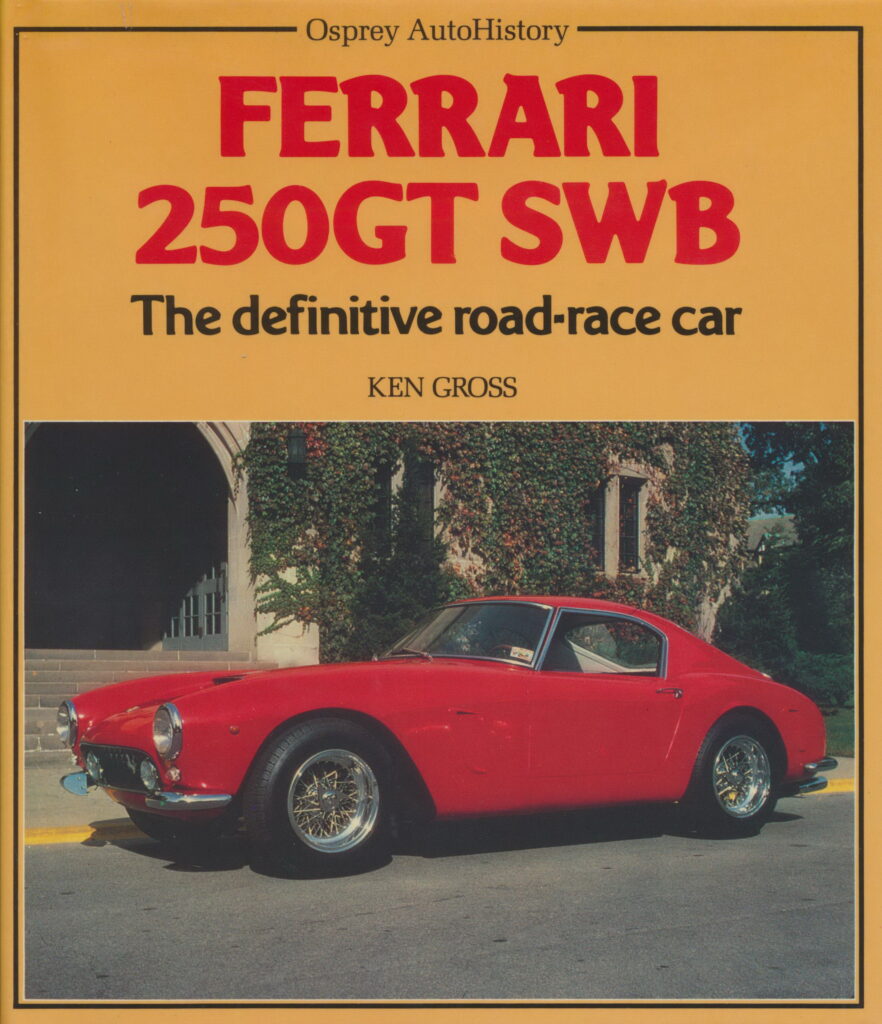
2177 GT, Osprey SWB Book Cover
Few individual Ferraris have been illustrated, documented and discussed by so many respected historians.
When Riff eventually sold the car in 1986, it passed to Californian enthusiast Tom Byrnes, who continued the tradition established by every previous custodian.
Rather than consigning the Berlinetta to private storage, Byrnes entered it in the prestigious Monterey Historics during both 1987 and 1989, allowing a new generation of enthusiasts to experience one of the most individual Ferrari Short Wheelbases ever constructed in exactly the environment for which it had been created.
Subsequent custodians Philippe Brecht and Martin Van Doorne commissioned a comprehensive restoration during 1994–95 before Van Doorne presented the car at Ferrari’s fiftieth anniversary celebrations in Rome and Maranello.
Its next owner, Geneva watchmaker and Swiss Ferrari Club co-founder Dr Peter Baumberger, represented another chapter in the remarkable continuity of knowledgeable custodians that has characterised the history of 2177 GT from new. Ownership then passed in 1999 to Austrian enthusiast Jean-Robert Grellet, under whose stewardship the Berlinetta once again returned to the roads for which it had originally been intended.
Events such as the Ennstal Classic, the Giro di Sicilia Revival Targa Florio and the Grand Prix Montreux demonstrated that, almost forty years after leaving Maranello, the qualities engineered into 2177 GT remained every bit as relevant as they had been on the Swiss hillclimbs of the early 1960s.
Its versatility had endured.
Recognition from Ferrari itself soon followed.
As part of the company’s 70th Anniversary celebrations, 2177 GT was invited to participate in events at Fiorano, a fitting acknowledgement of a Berlinetta that has always occupied a distinctive position within the history of the marque.
Today, more than six decades after its completion, it is tempting to attempt to classify 2177 GT neatly as either a Lusso or a Competizione.
In truth, it is neither.
Like many Ferraris of the period, it quietly resists modern attempts at categorisation.
Its engine retained the standard camshaft profile, yet Ferrari equipped it with lightweight Weber 40 DCL carburettors fitted with 32 mm chokes, the desirable ribbed competition gearbox, competition exhaust system, stiffer suspension, lightweight fuel tank, competition axle ratio and a remarkable array of factory Competition-derived components.
Taken together, they reveal a company responding not to marketing categories but to the requirements of an experienced customer.
That philosophy explains almost everything that followed.
It explains why the car excelled in Swiss hillclimbs.
It explains why accomplished drivers such as Walter Ringgenberg appreciated its balance.
It explains why knowledgeable Ferrari racers such as Bob Grossman recognised its qualities immediately.
And it explains why generations of sympathetic custodians have preserved it with such care.
In the final analysis, 2177 GT is significant not because it fits comfortably within Ferrari’s traditional classifications, but because it quietly refuses to do so.
Conceived for a knowledgeable first owner, developed around the specific demands of Swiss hillclimb competition and preserved throughout its life by enthusiasts who understood exactly what Maranello had created, it stands today as one of the clearest surviving expressions of Ferrari’s wonderfully pragmatic approach to building motor cars during the golden age of the Colombo V12.
Its documented competition history, distinguished chain of ownership and exceptional originality would alone make it one of the more desirable Ferrari 250 GT Short Wheelbases.
Combined with its remarkable factory specification, they elevate it into altogether rarer company.
More than sixty-five years after leaving Maranello, 2177 GT remains exactly what Ferrari intended it to be—a beautifully balanced Gran Turismo capable of travelling across Europe in comfort, climbing the mountains in competition and returning home under its own power.
It is not simply another Ferrari 250 GT Short Wheelbase.
It is one of the finest surviving examples of Ferrari’s willingness to build exactly the right Berlinetta for exactly the right customer.
MODEL HISTORY
During the 1950s and early 1960s, Ferrari developed its line of 250 GT Berlinettas to the extent that the model came to dominate the Gran Turismo class of international motor racing. From the first 250 GT through to the fabled GTO, the marque undertook a near-constant process of evolution that was well suited to the demands of top-level competition, and included in that period are some of the most coveted cars ever to roll out of the Maranello factory.
The first Ferrari to use the ‘250’ designation was the 250 Sport, the model in which Giovanni Bracco won the 1952 Mille Miglia, but it was the 1954 250 Europa GT that really laid the foundations for the subsequent 250 GT.
Beneath the bonnet was a 2953cc development of the V12 engine that Gioachino Colombo had originally designed for Enzo Ferrari during the summer of 1945. It was mounted in the Tipo 508 chassis, which had a wheelbase of 2600mm and would form the basis of all 250 GT Berlinettas until 1959.
The next major development came in 1959 with the appearance at Le Mans of a model that retained the Tipo 508 chassis but which introduced a new Pinin Farina body style that would be carried over to the 1960 250 GT. It was, in effect, a hybrid – new body on old chassis – and would therefore become known as the ‘Interim’ model. Only seven were built before the definitive 1960 250 GT was introduced at the Paris Salon in October 1959.
This latest model formed another major step in that it used the new Tipo 539 chassis. Although it was outwardly similar to the Tipo 508, it was stronger and stiffer than before – and most importantly the wheelbase had been reduced from 2600mm to 2400mm. That led to it being unofficially dubbed Passo Corto: the Short Wheelbase.
Unlike earlier Berlinettas, the 250 GT Short Wheelbase was available in right- or left-hand drive and owners had the choice of either a race-ready Competizione variant – features of which included an aluminium body, sparsely trimmed interior and more highly tuned engine– or the Lusso, with its steel body, fully trimmed cockpit and a less powerful V12.
The engine itself was a further development of the outside-plug Tipo 128DF that had been used in three of the ‘Interim’ 250 GTs. The block and many of the internals were carried over, but new cylinder heads were used with larger coil-sprung valves. Called the Tipo 168B, it produced up to 275bhp; Lusso models had a lower compression ratio and about 240bhp.
In late 1960, the engine was updated into Tipo 168 form and during the following year came its ultimate development: the Tipo 168 Comp/61. This had Testa Rossa-style cylinder heads with larger valves, the manifolds lengths were altered and larger-bore exhaust pipes used. A trio of Weber 46DCF3 carburettors was employed and the sump was made of Elektron.
The Short Wheelbase continued the heady run of motorsport success that had been enjoyed by the 250 GT series since 1956. In 1960 and ’61, Stirling Moss won the Tourist Trophy at Goodwood aboard Short Wheelbases entered by his great friend Rob Walker and described it as a ‘beautiful handling car’.
Willy Mairesse and Georges Berger won the Tour de France in both of those years, while the Short Wheelbase enjoyed further success in events such as the Nürburgring 1000km, Paris 1000km and the Le Mans 24 Hours.
By 1961, the Prancing Horse was dominant in each of the top-line international disciplines. Phil Hill became Formula 1 World Champion, Ferrari won four of the five rounds of the World Sports Car Championship, and the Short Wheelbase had firmly established itself as the benchmark in GT racing – despite the best efforts of Aston Martin and Jaguar.
With its beautiful Pinin Farina styling, robust and sonorous Colombo V12, and a level of versatility that allowed it to be driven to a circuit, raced hard to victory, and then driven home again, it’s little wonder that the Short Wheelbase has become one of the most revered and sought-after Ferraris of all time.
ENQUIRE NOW
Car Storage In The Cotswolds
OXFORDSHIRE • GLOUCESTERSHIRE • COTSWOLDS