1968 Jaguar 240 MkII Saloon

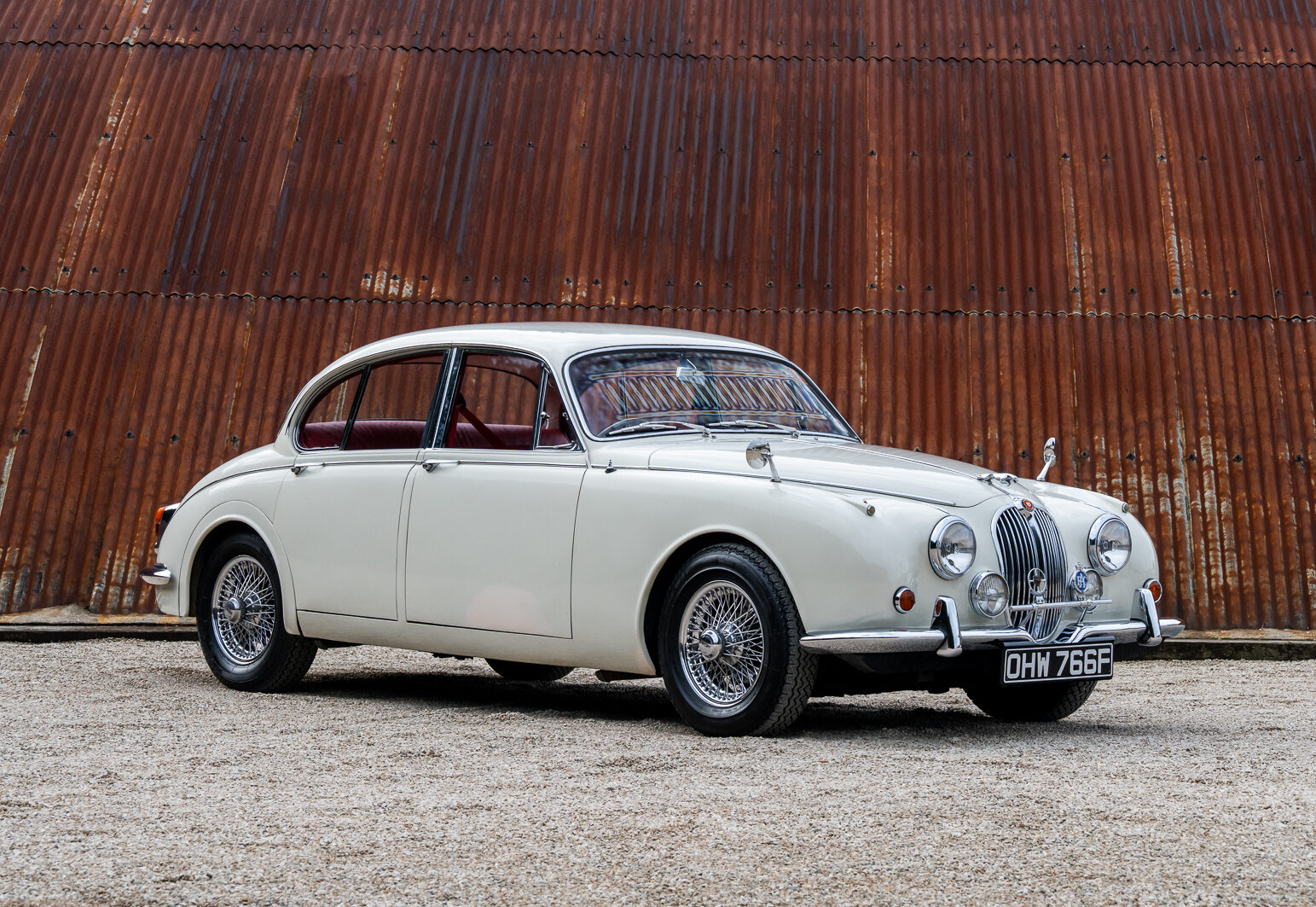
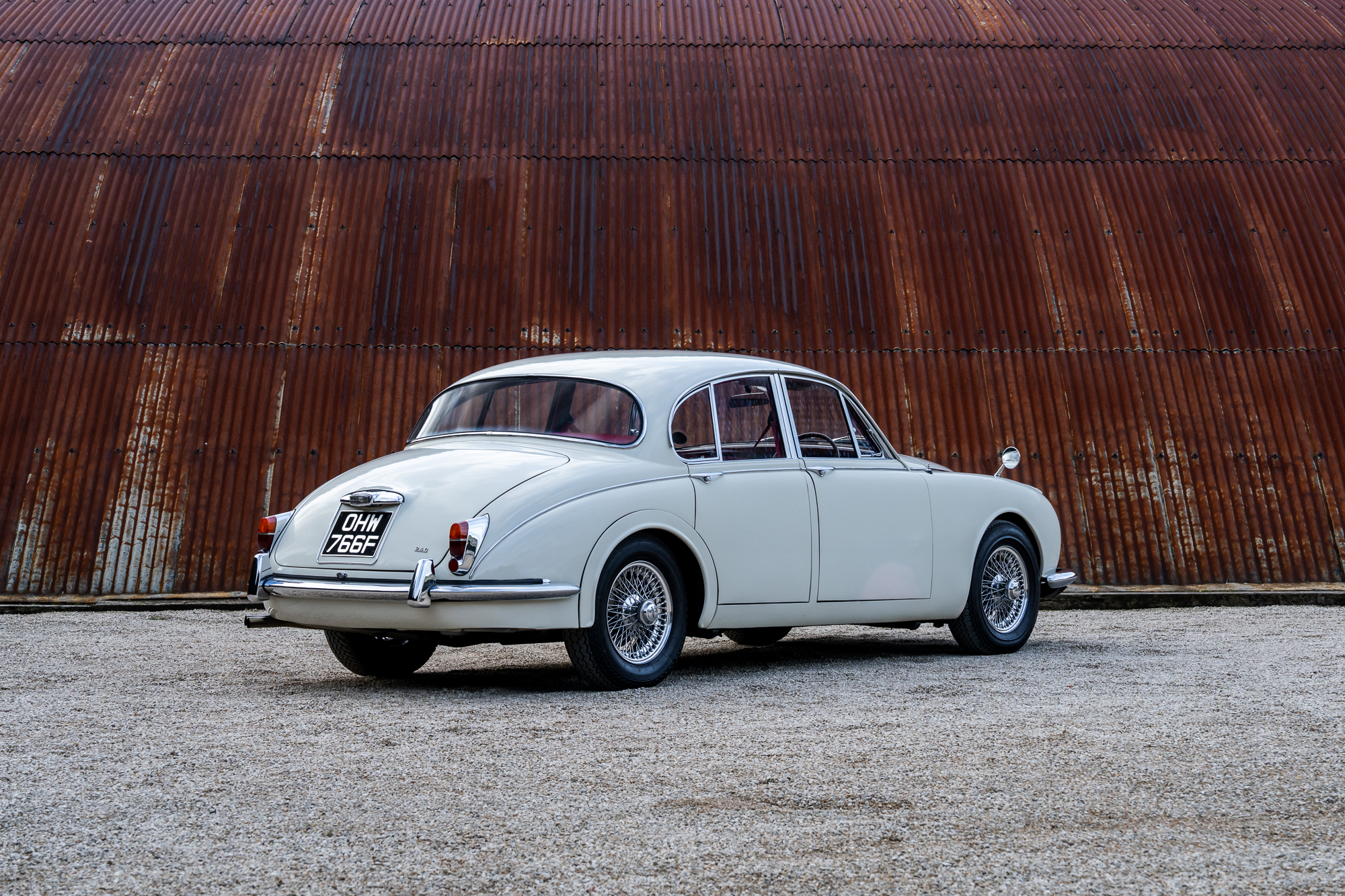
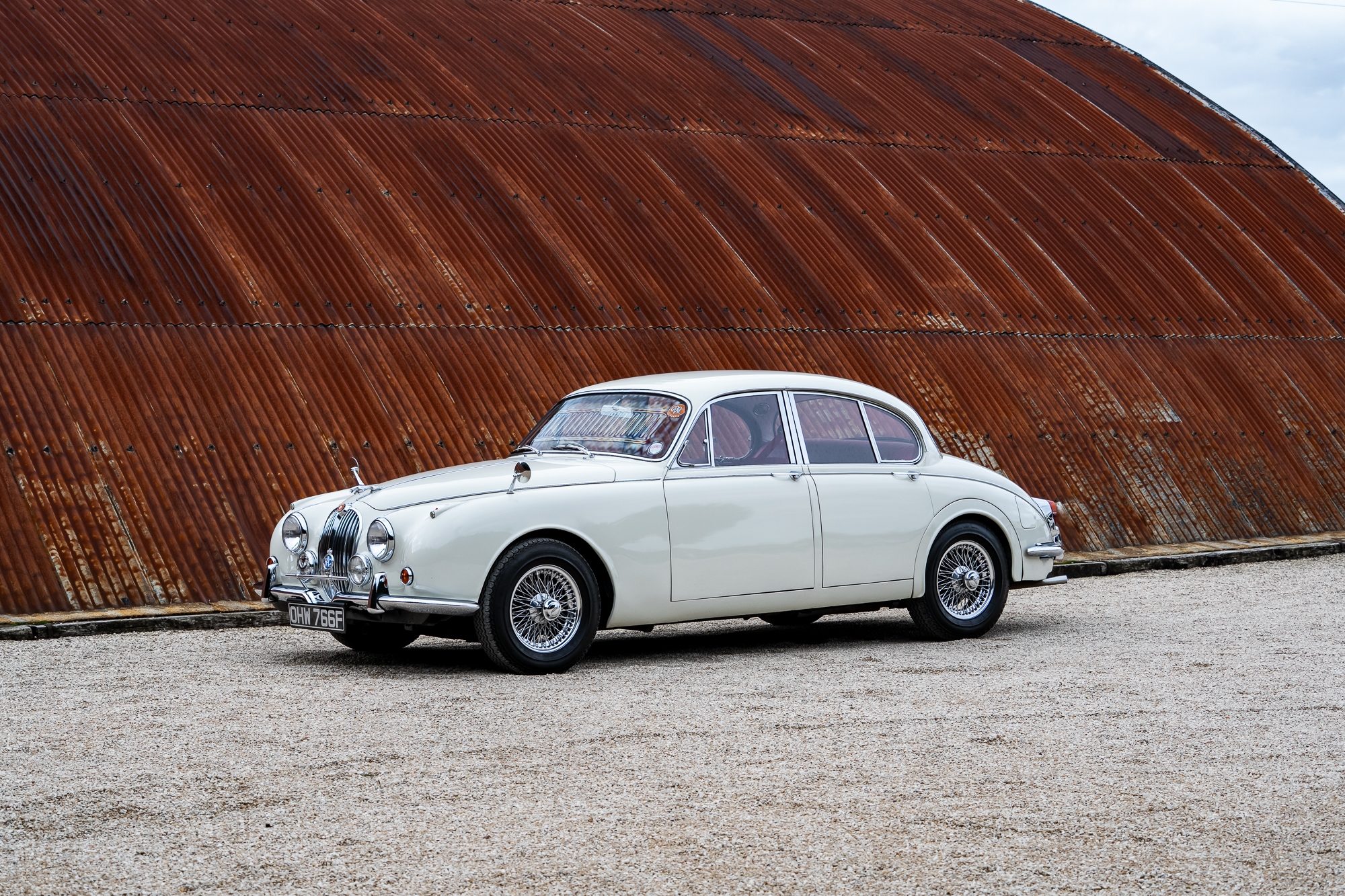
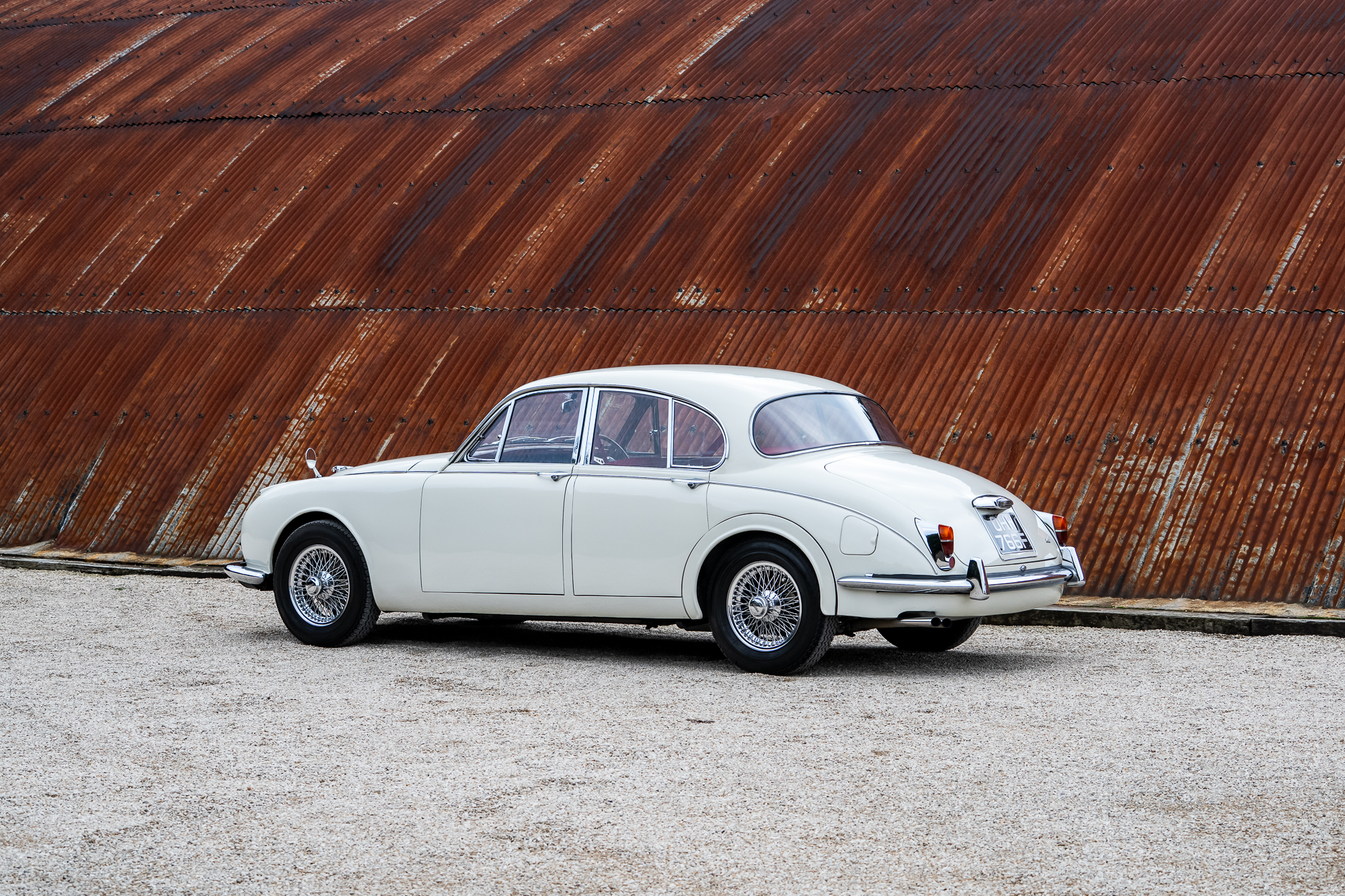
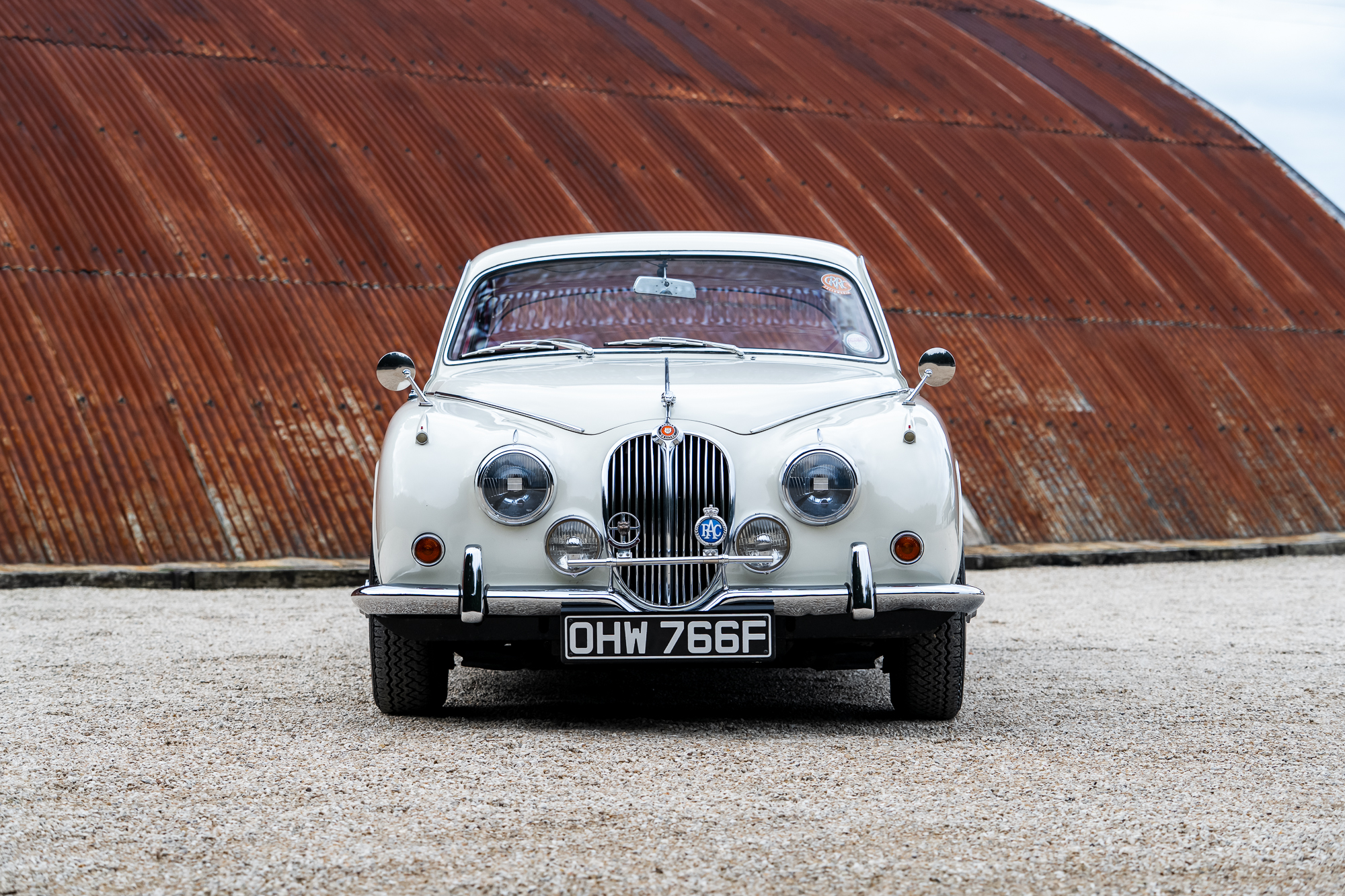
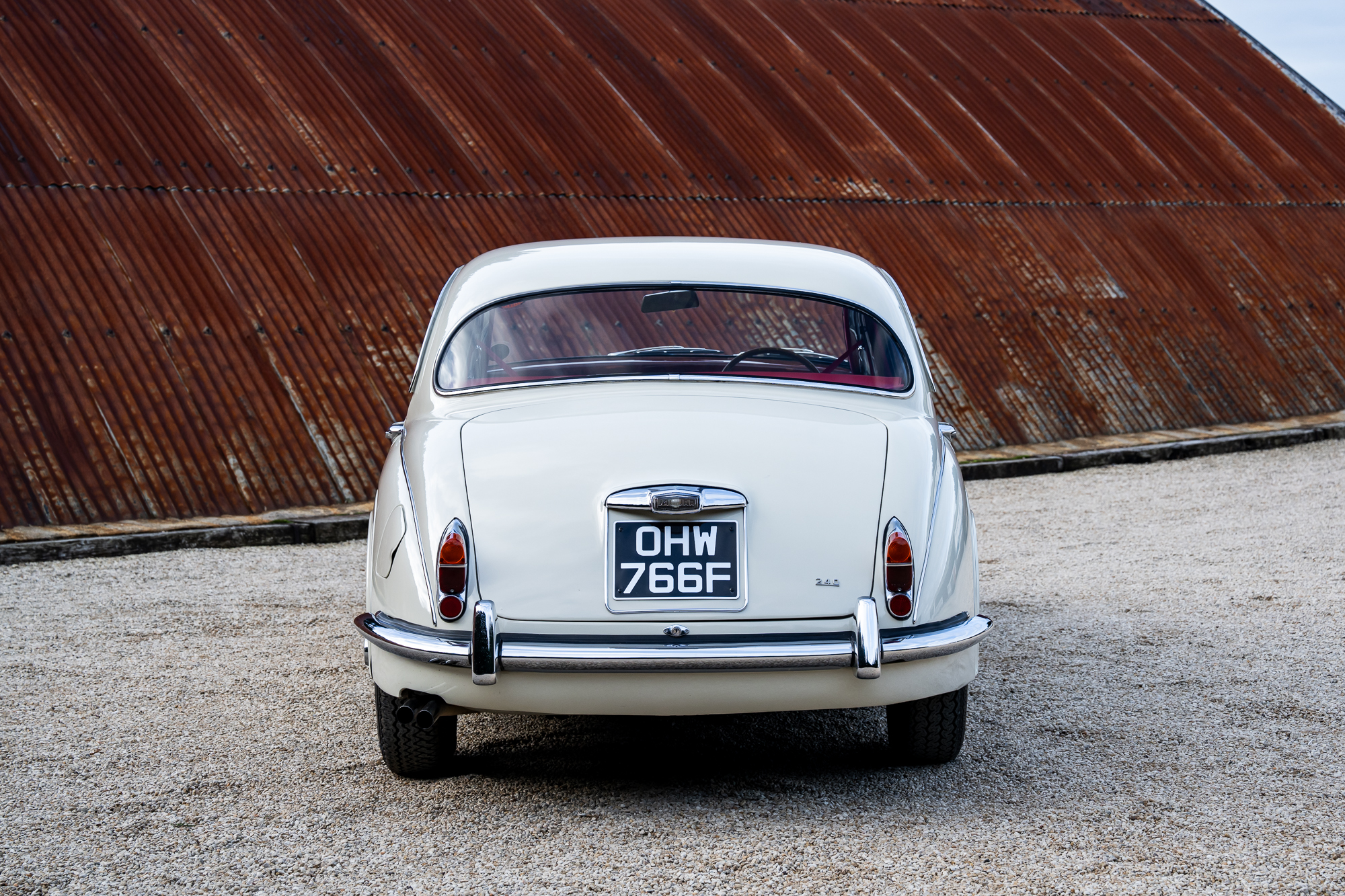
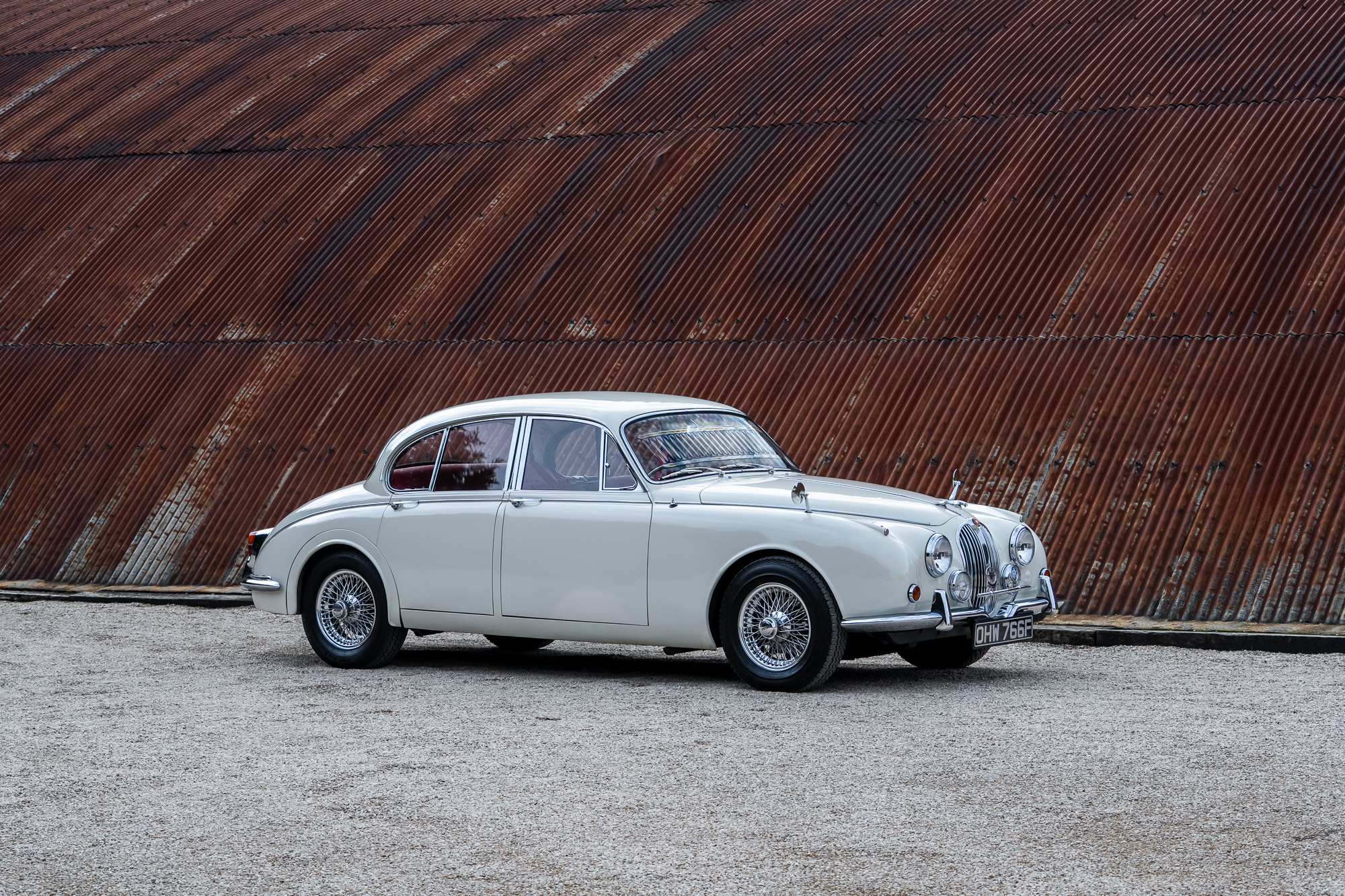
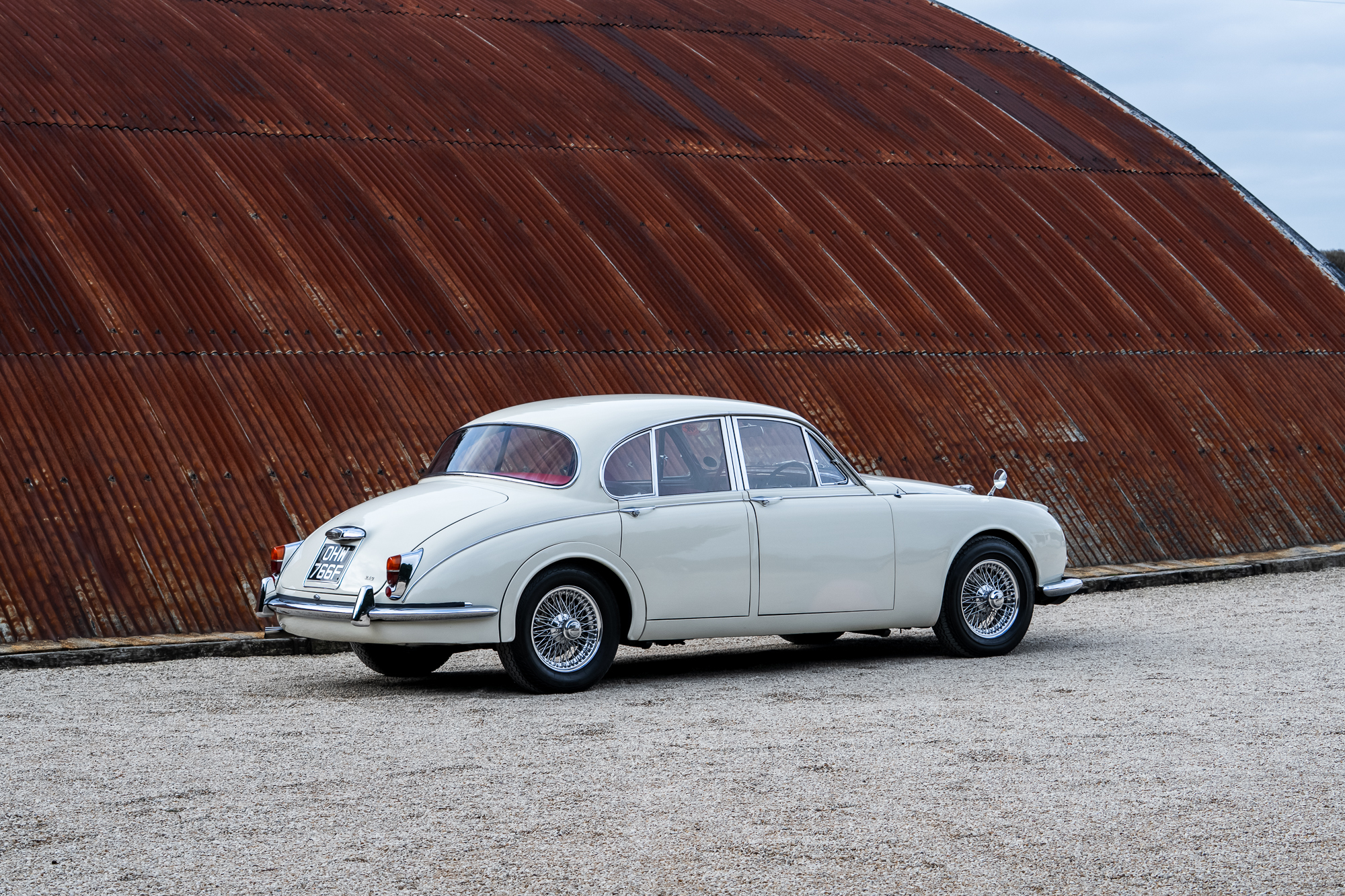
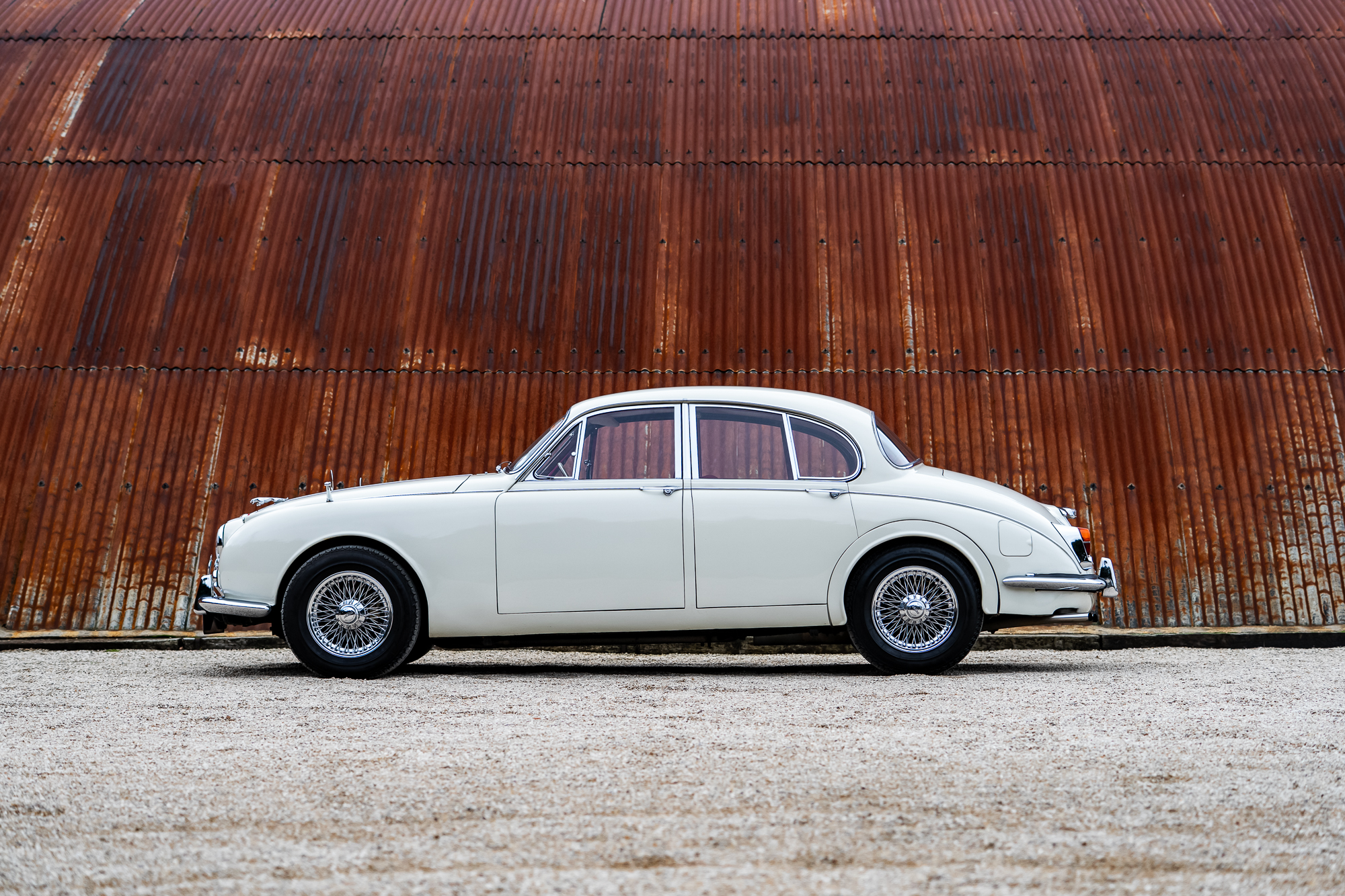
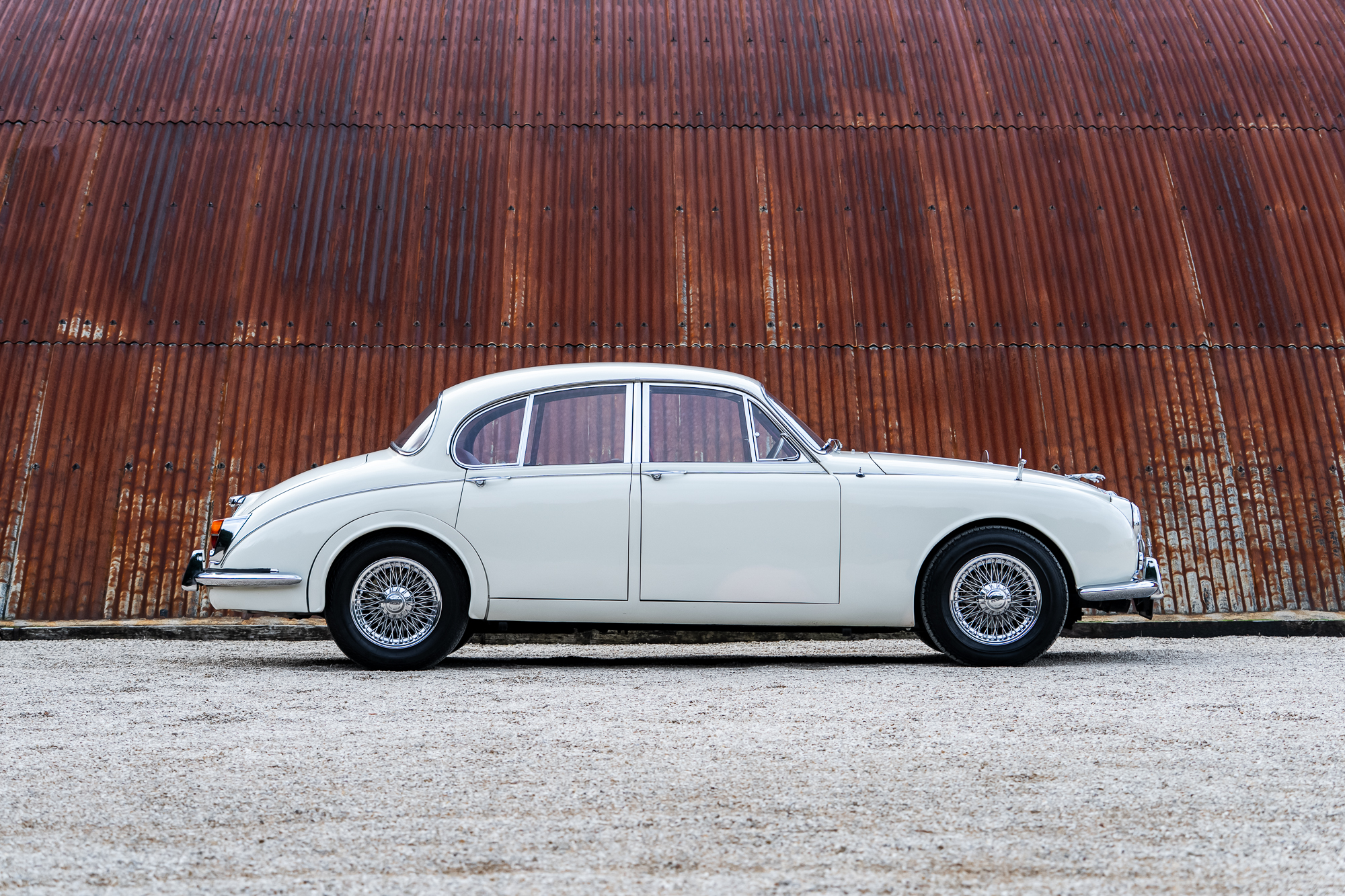


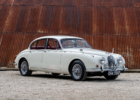
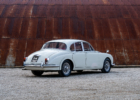
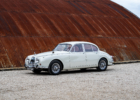
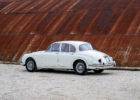
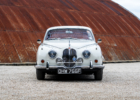
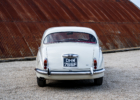
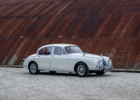
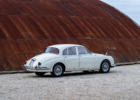
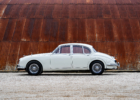
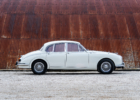
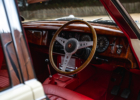
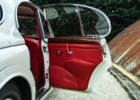
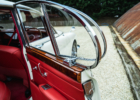
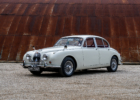
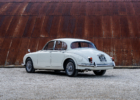
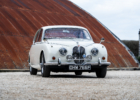
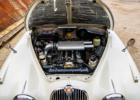
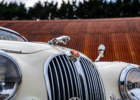
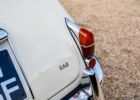
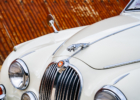
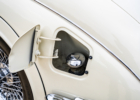
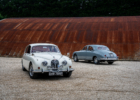
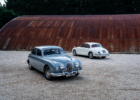
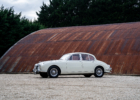
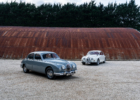
- Late 2.4 litre version of Jaguar’s acclaimed MkII Saloon
- 4-Speed manual transmission with Overdrive
- Power steering
- Recent sympathetic restoration
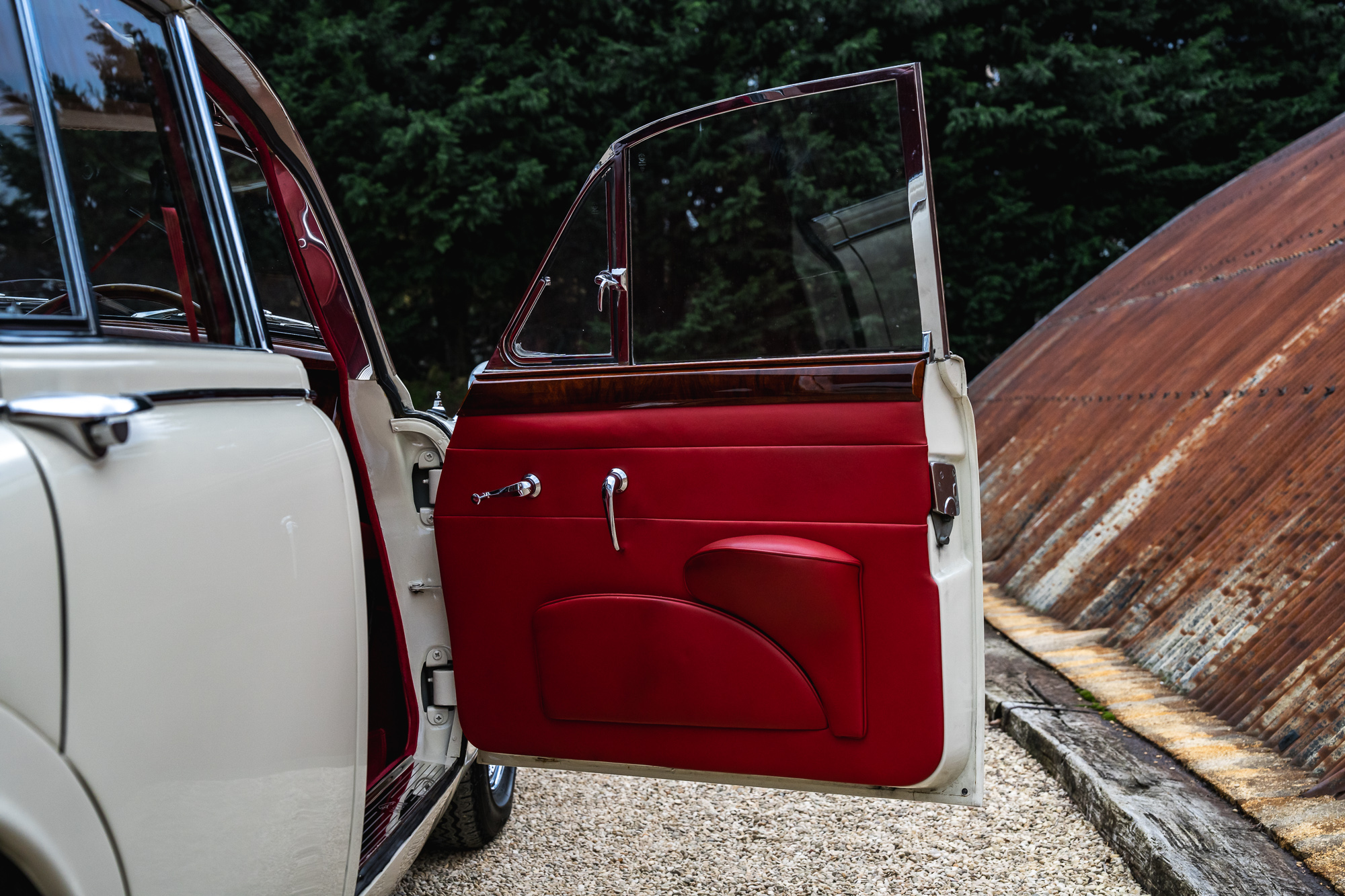
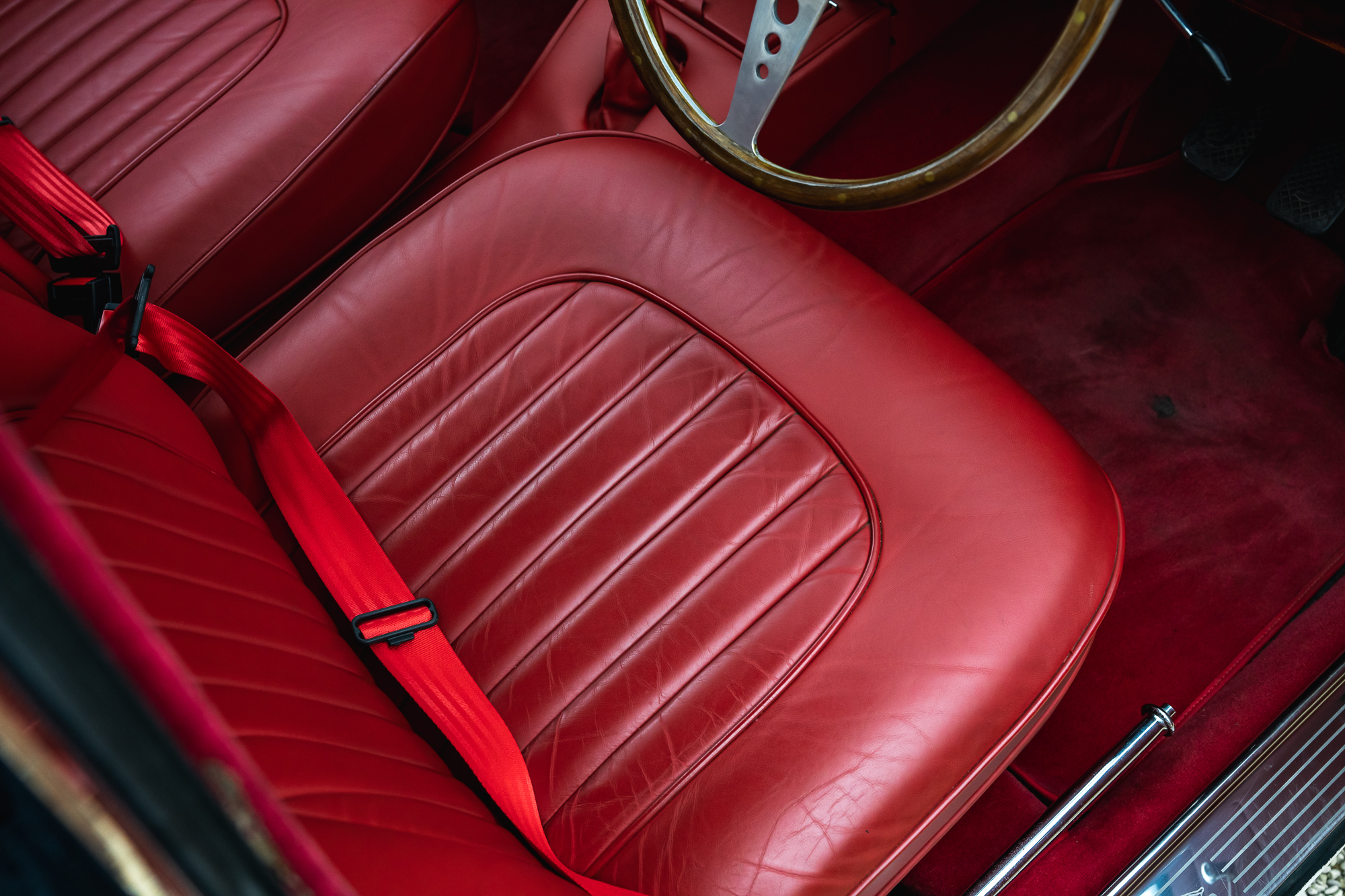
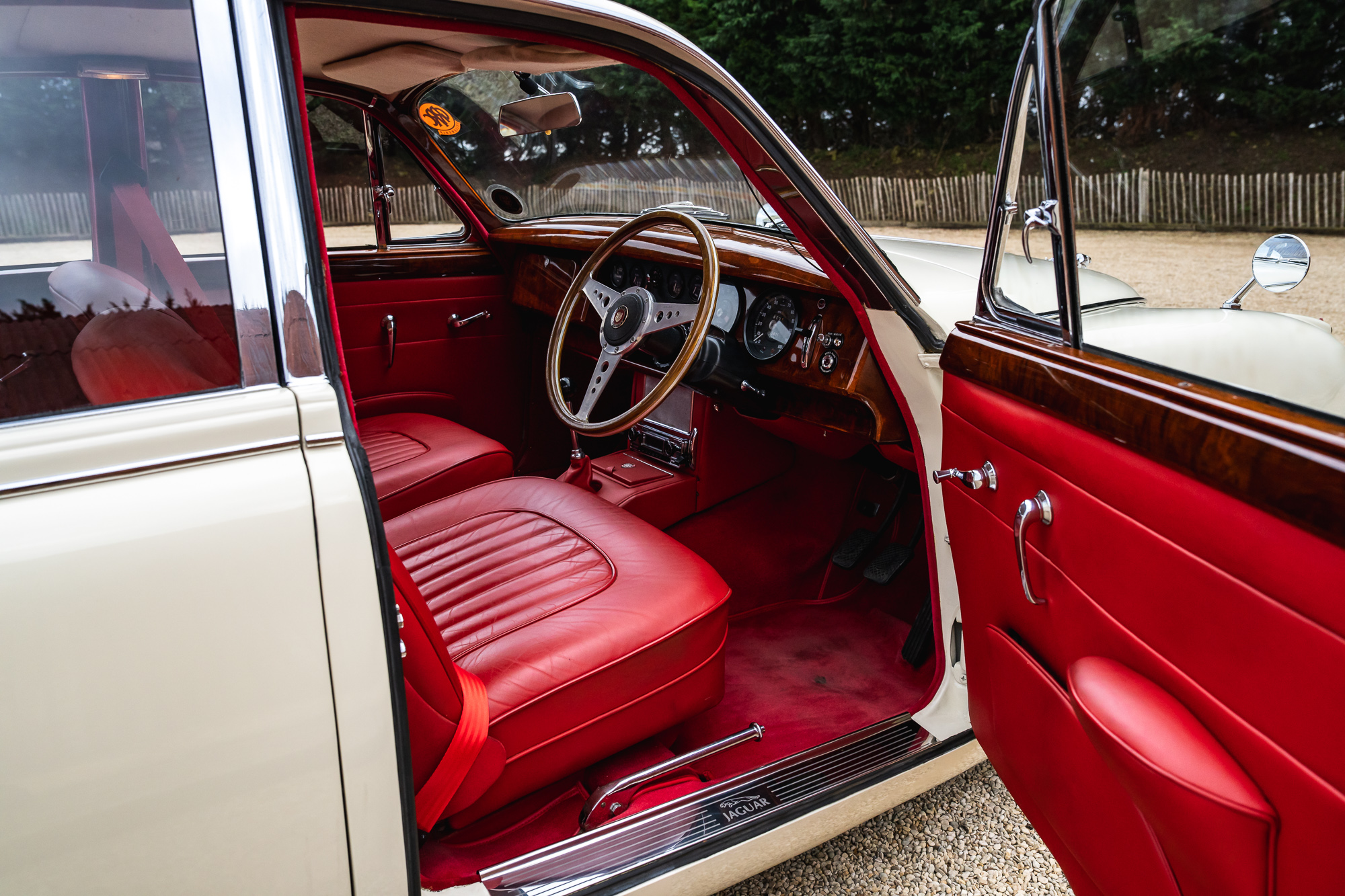
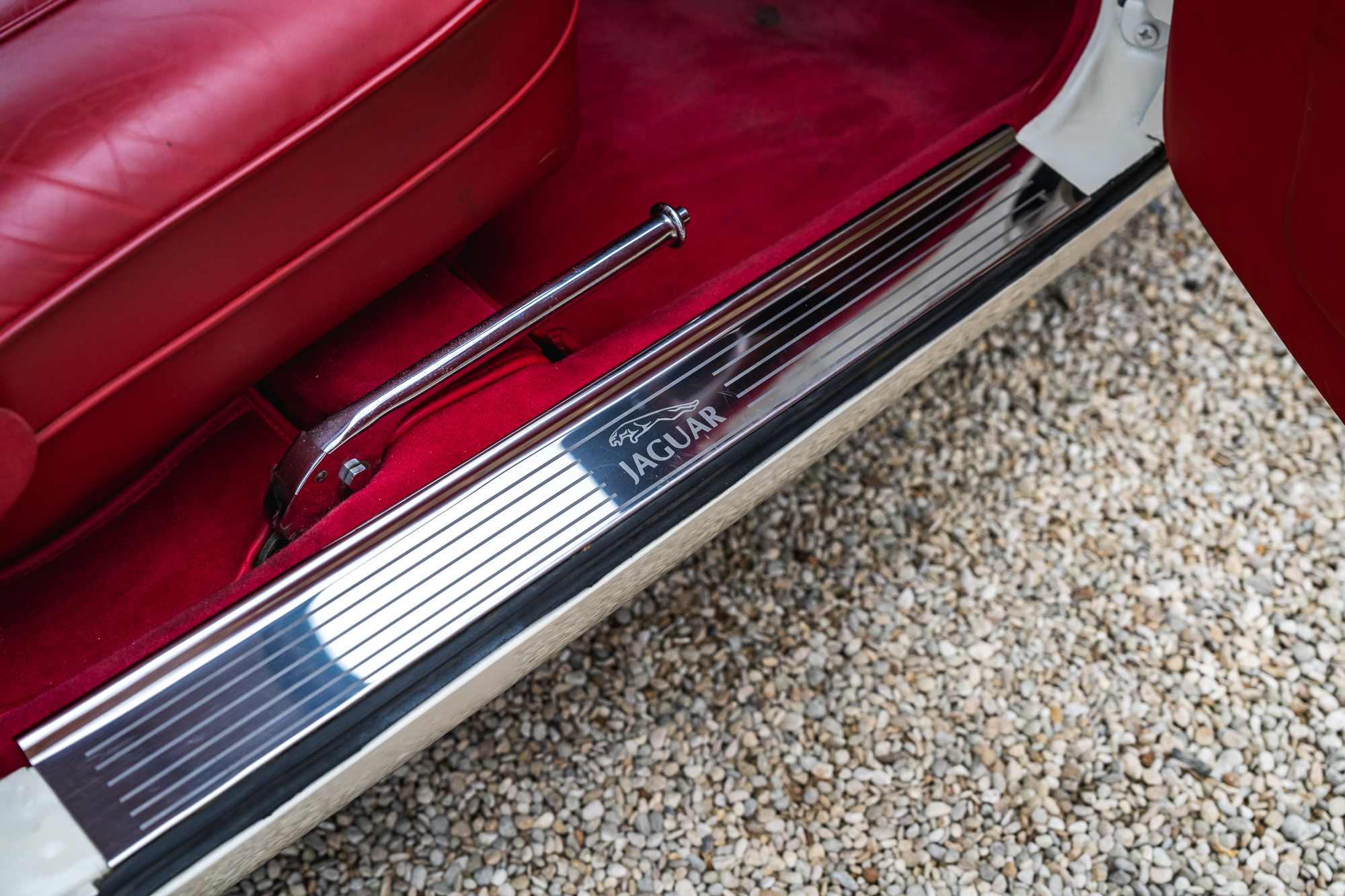
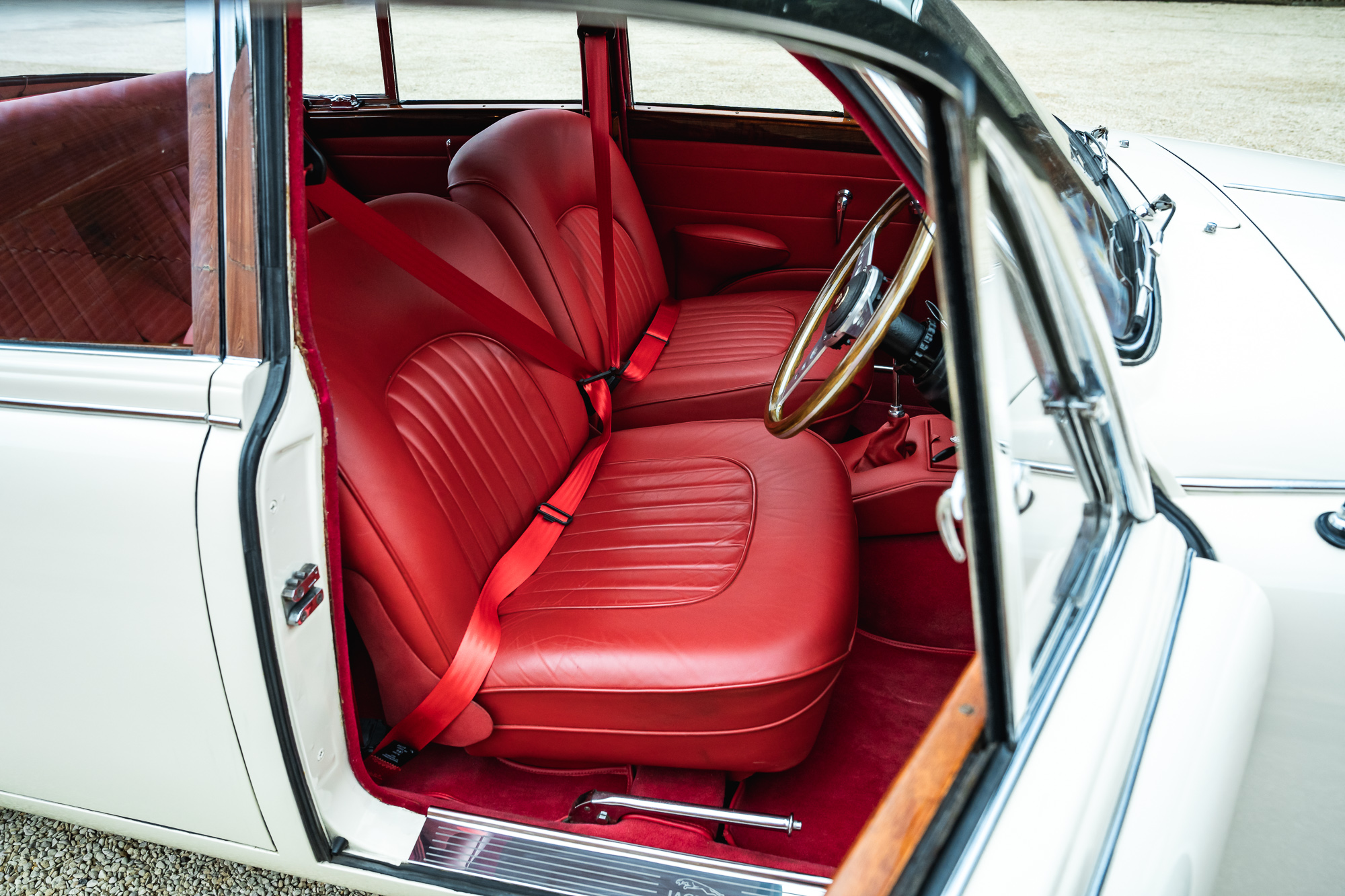
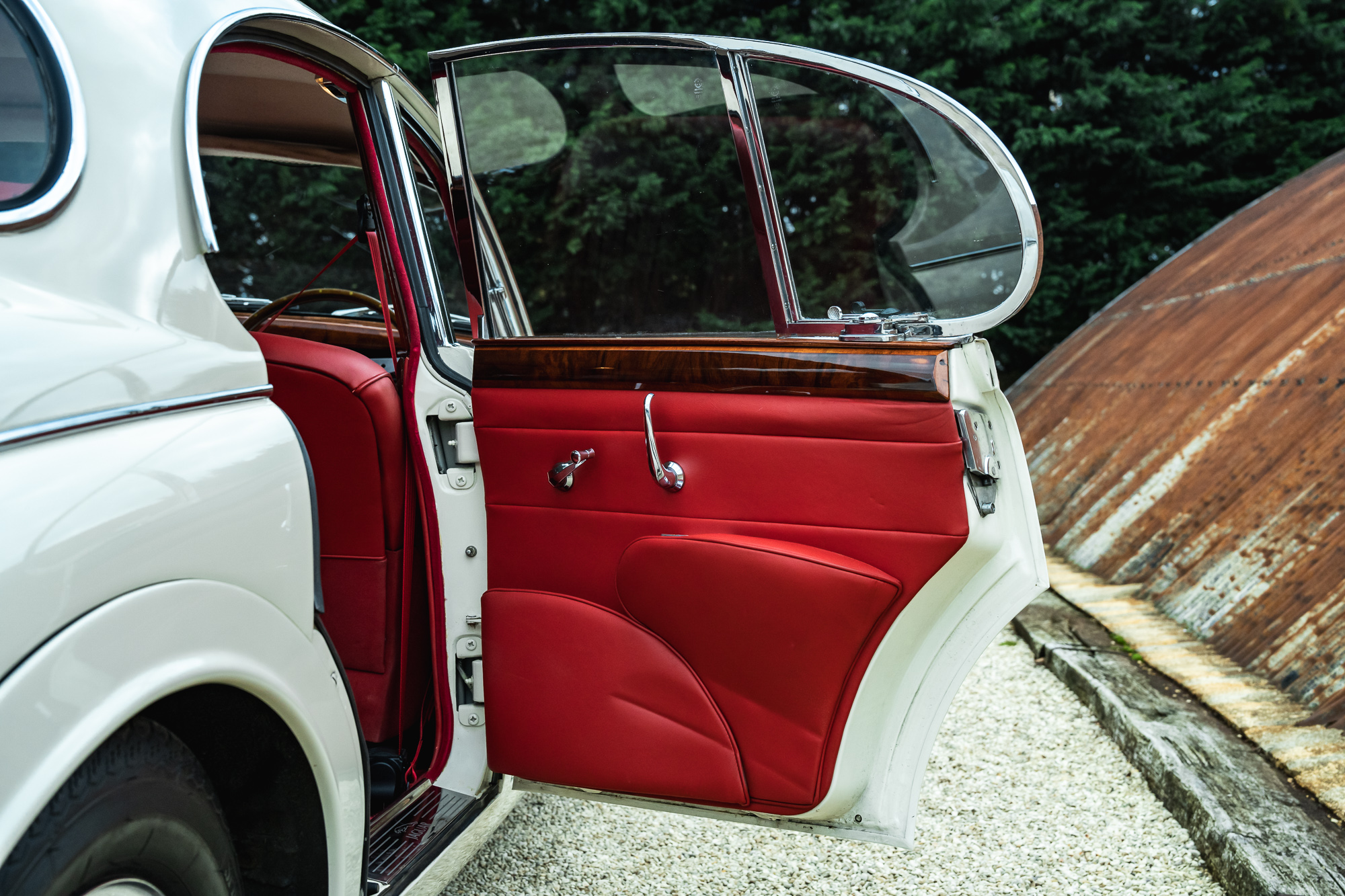
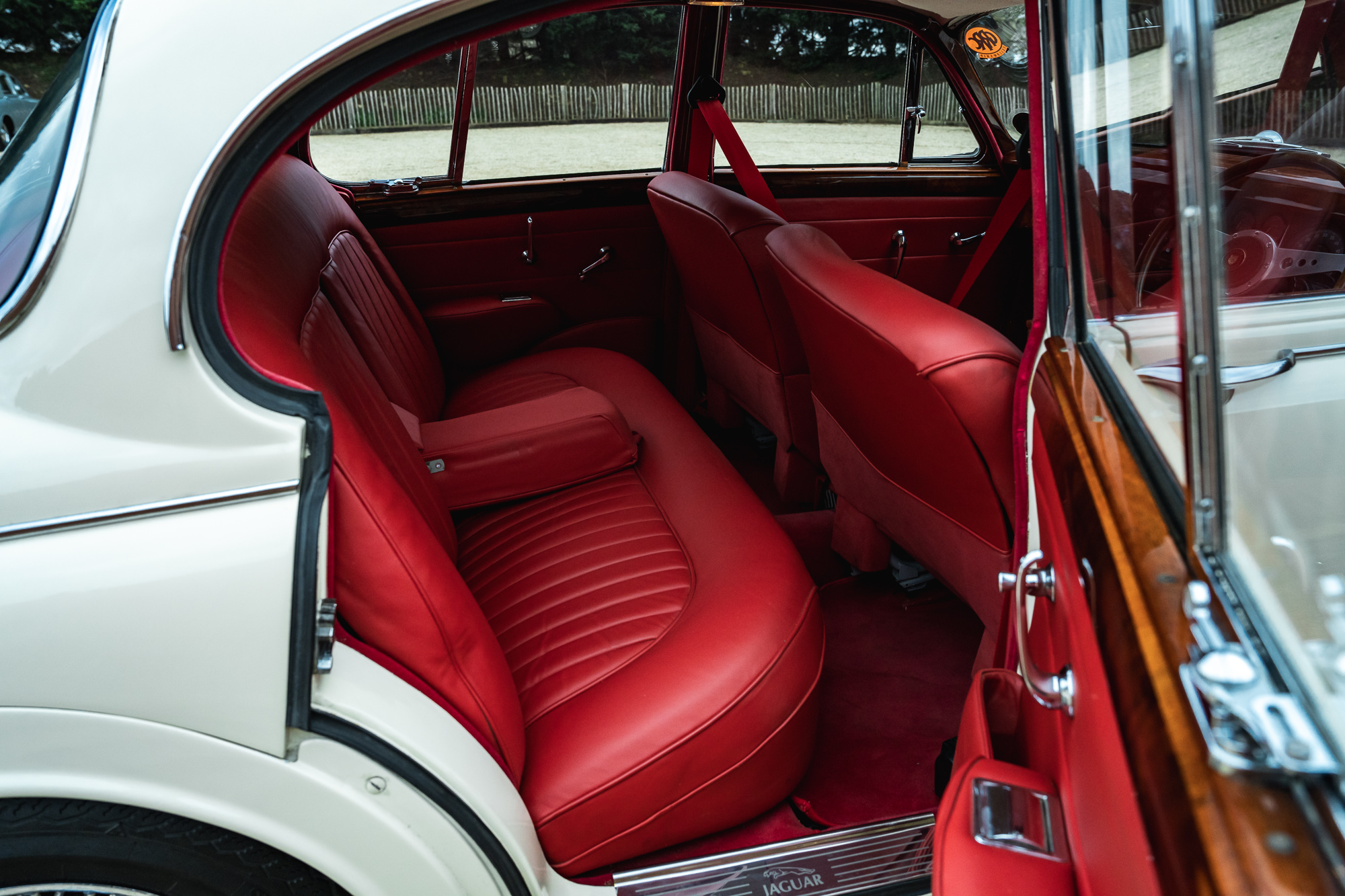
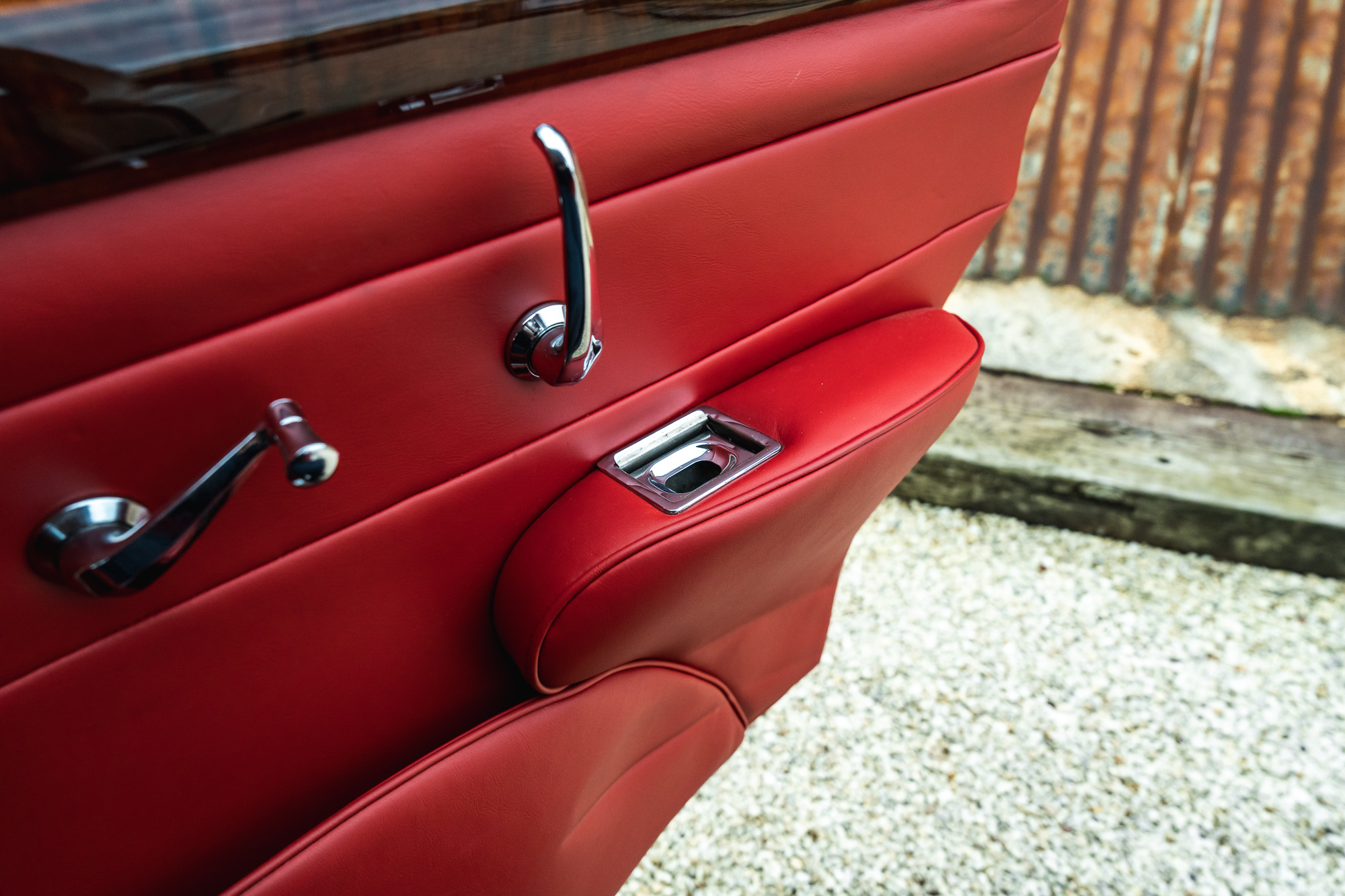
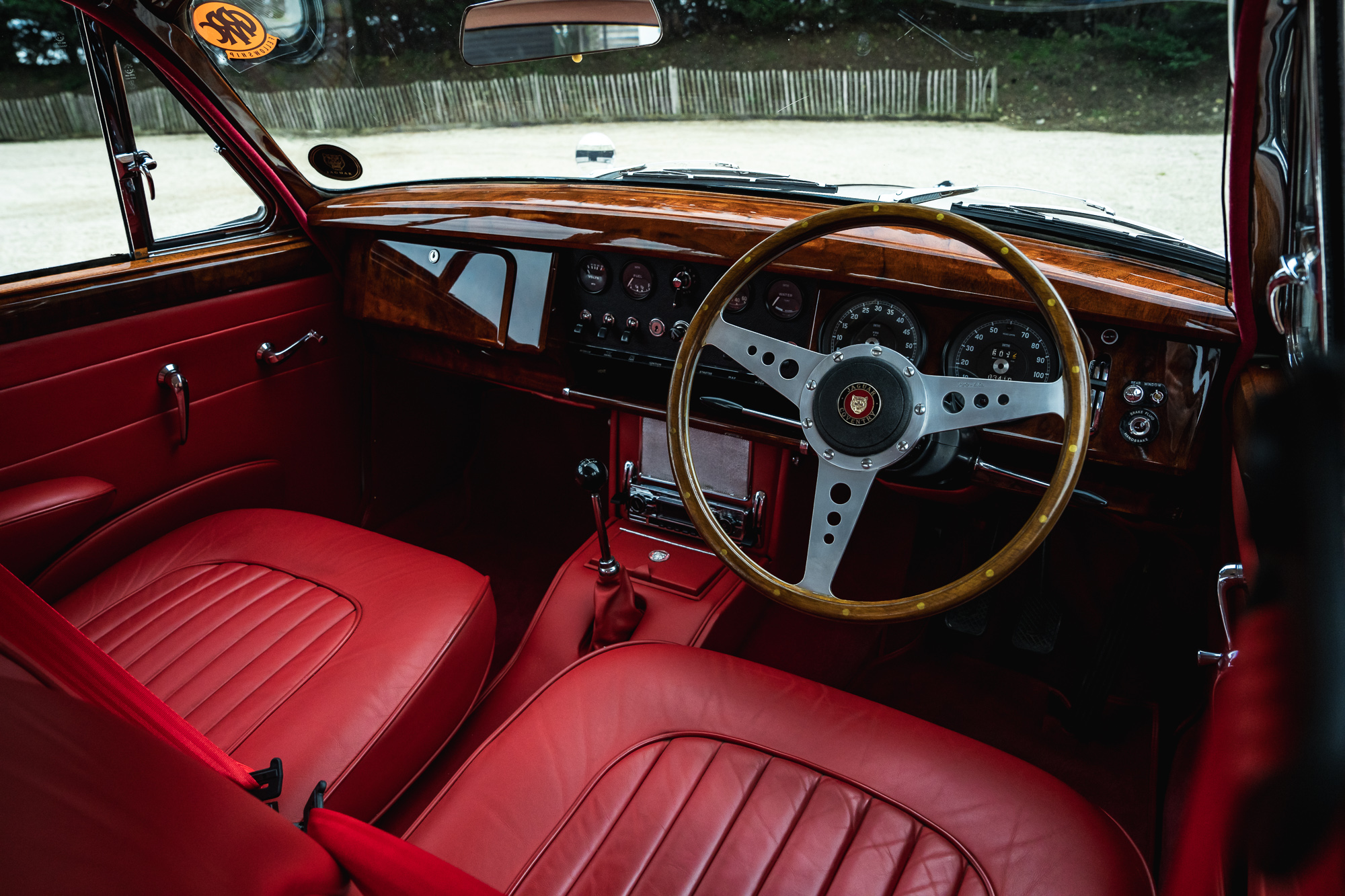
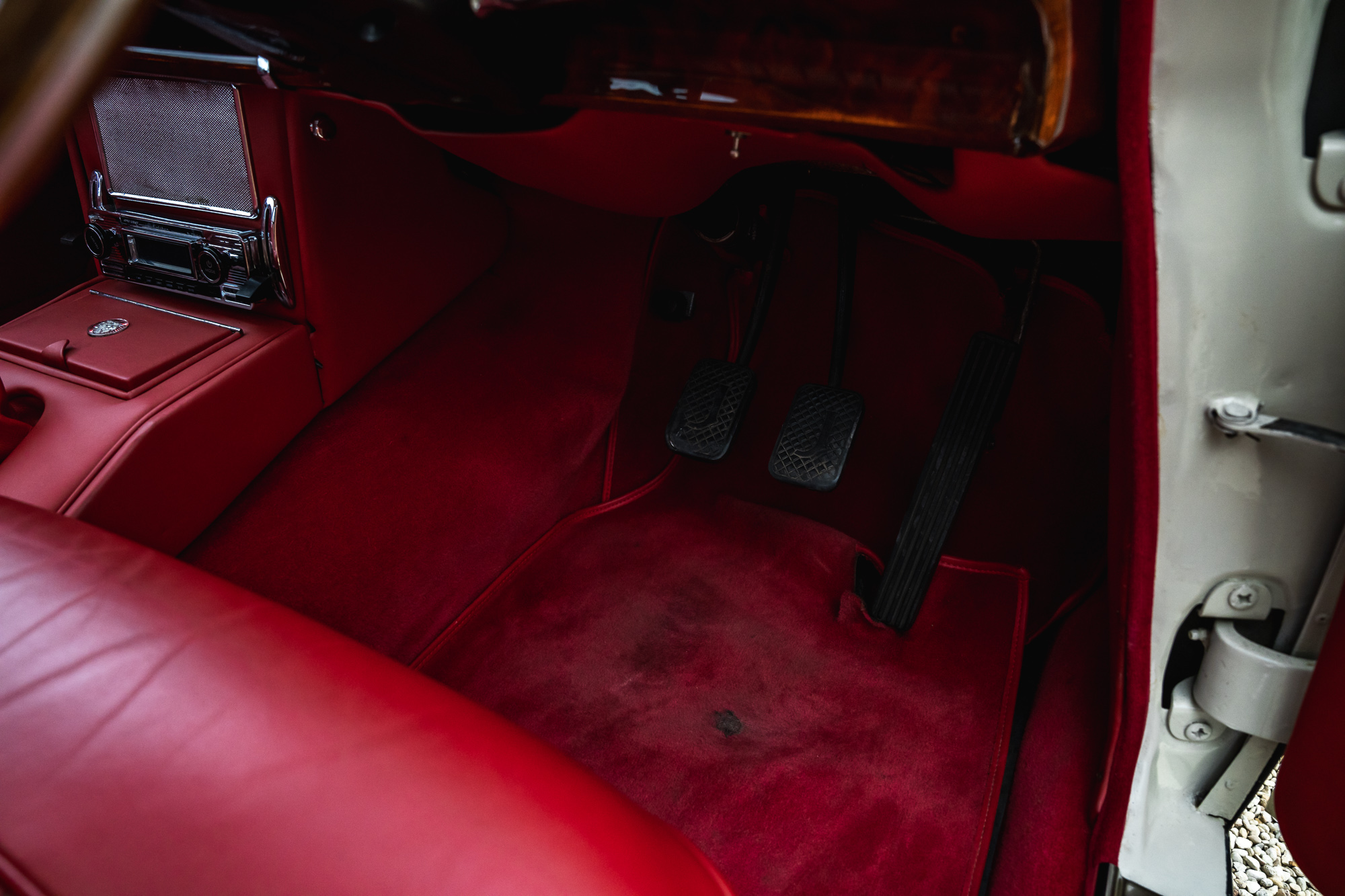
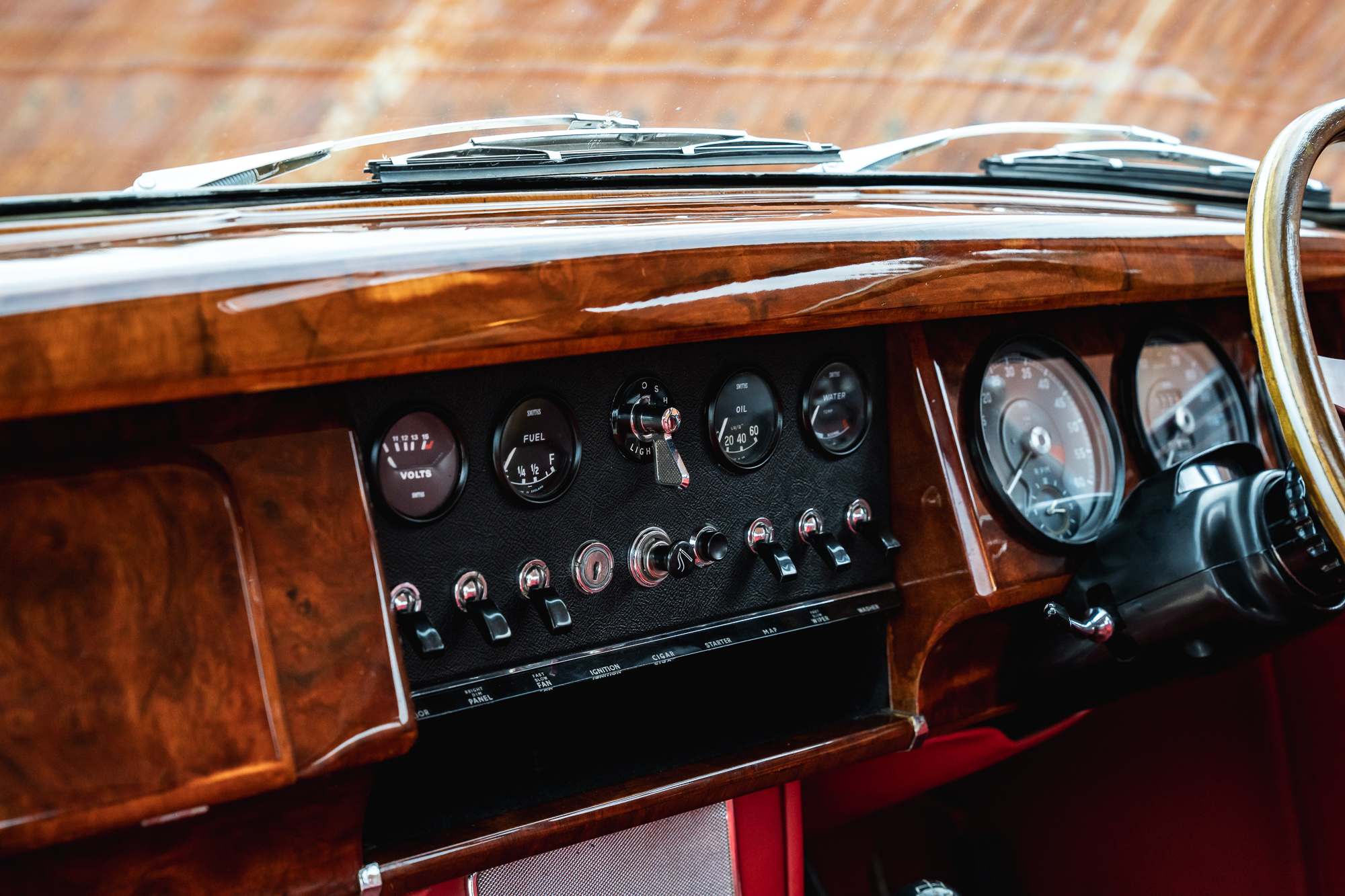
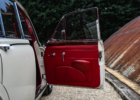
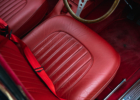
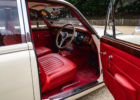
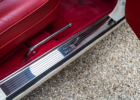
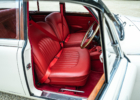
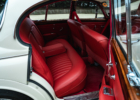
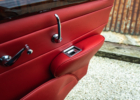
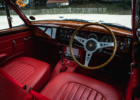
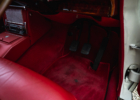
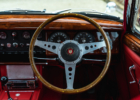
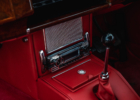
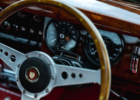
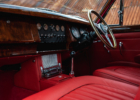
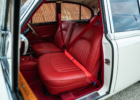
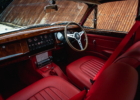
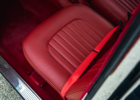
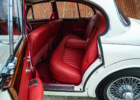
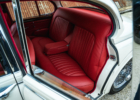
- Interior beautifully trimmed in red leather
- Sale includes a set of black wire wheels
| YEAR | 1968 |
| MAKE | Jaguar |
| PRICE | £28,000 |
VEHICLE DESCRIPTION
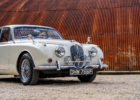
Jaguar’s saloon-car range of the 1960s perfectly epitomised the marque’s famous advertising slogan of ‘Grace, Space, Pace’, and thanks to a recent restoration, this particular 240 is now superbly presented throughout.
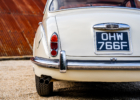
Built as a UK-market, right-hand-drive car, it was first registered on 6 May 1968 and spent much of its early life in the south-west of England. By 1970, it had been acquired by Jeffrey Napper of Shepton Mallet in Somerset, and the logbook shows that subsequent owners included Ian Tovey, then Kingswood Motors in Bristol, and finally Derek Fry of nearby Portishead.
The 240’s paperwork – which is neatly kept in an original Jaguar briefcase – traces its ownership history from the 1990s up to the present day, and also includes photographs of its comprehensive restoration. The process included a full respray and a retrim in beautiful red leather.
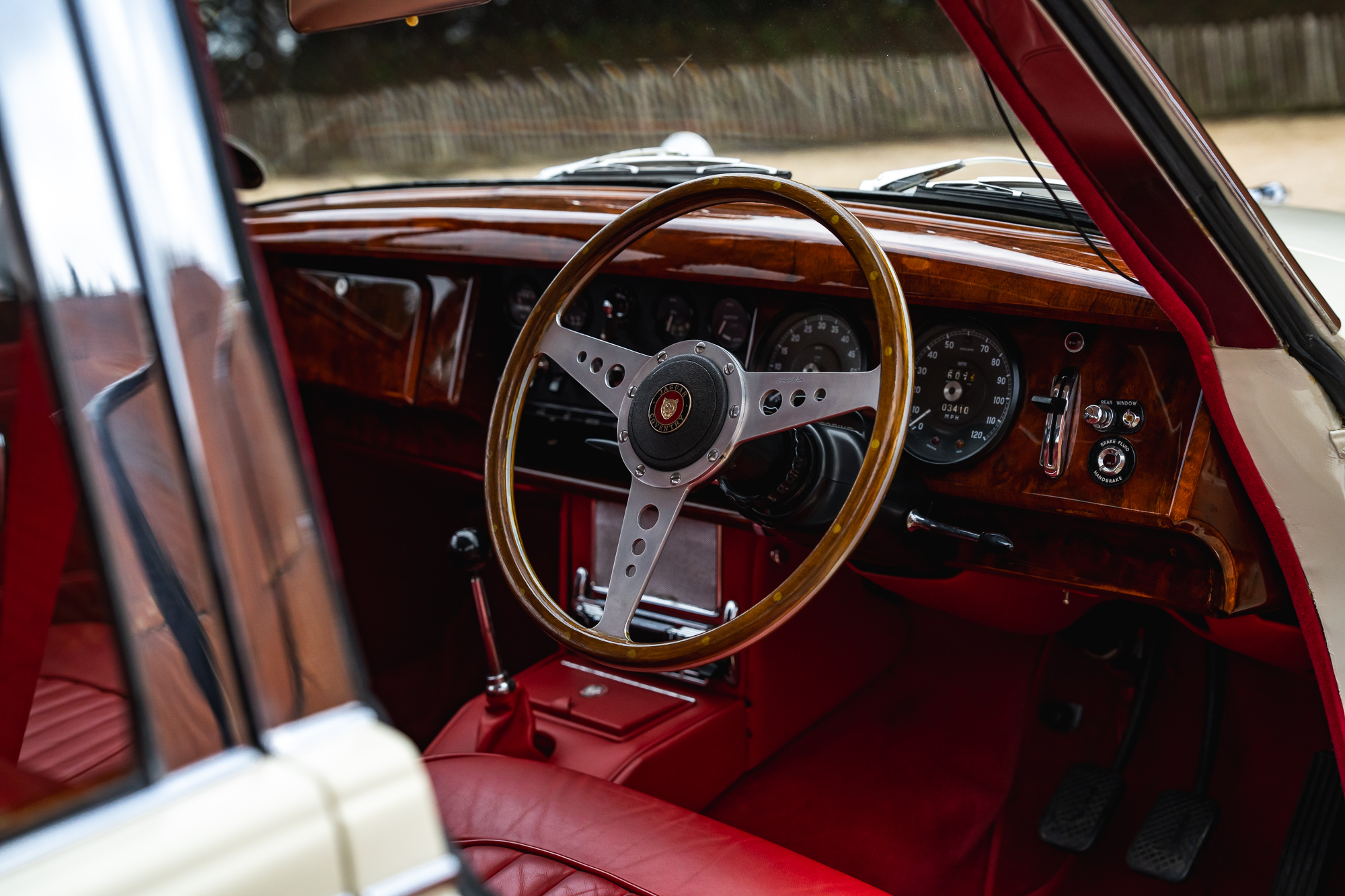
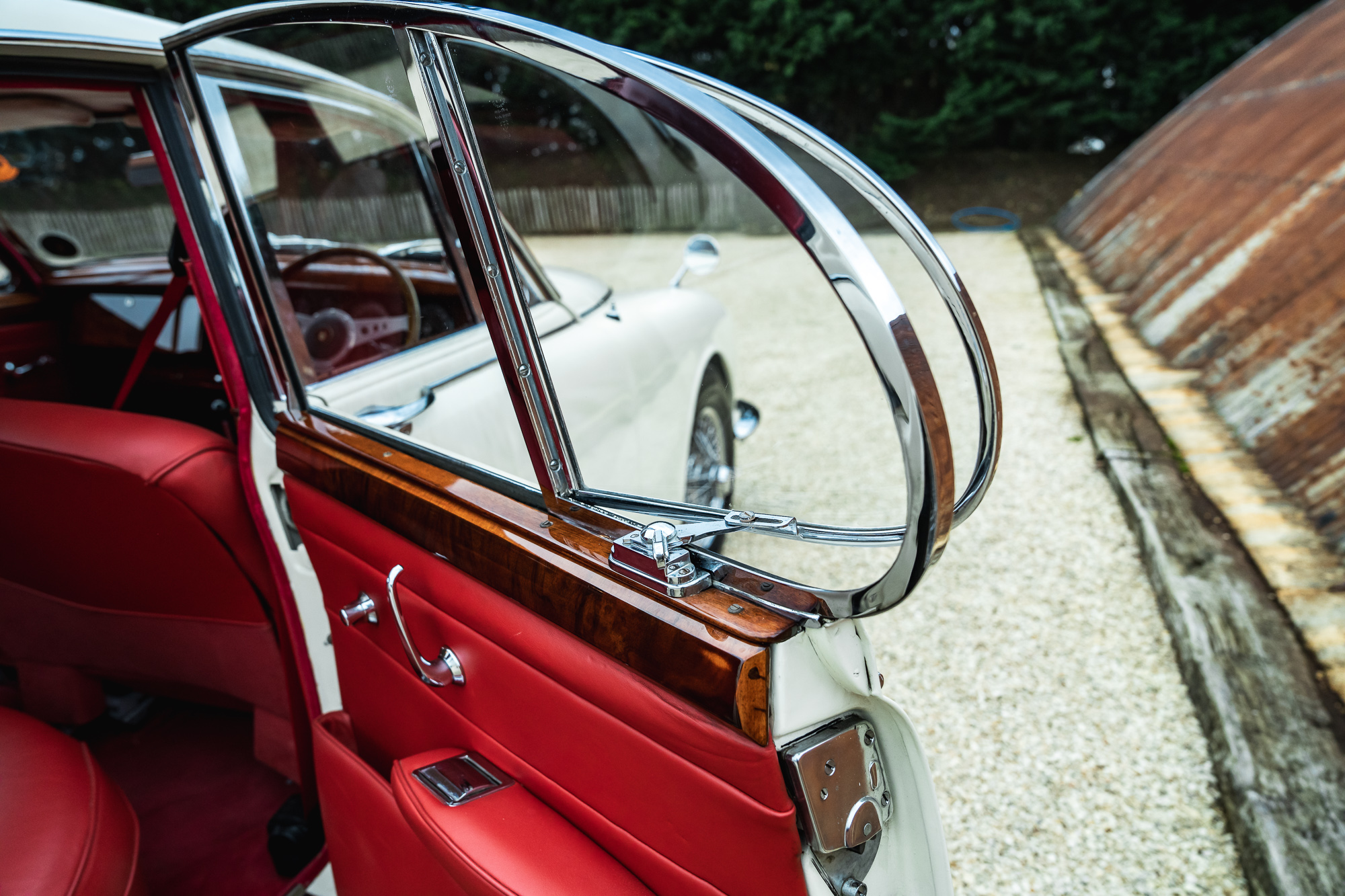
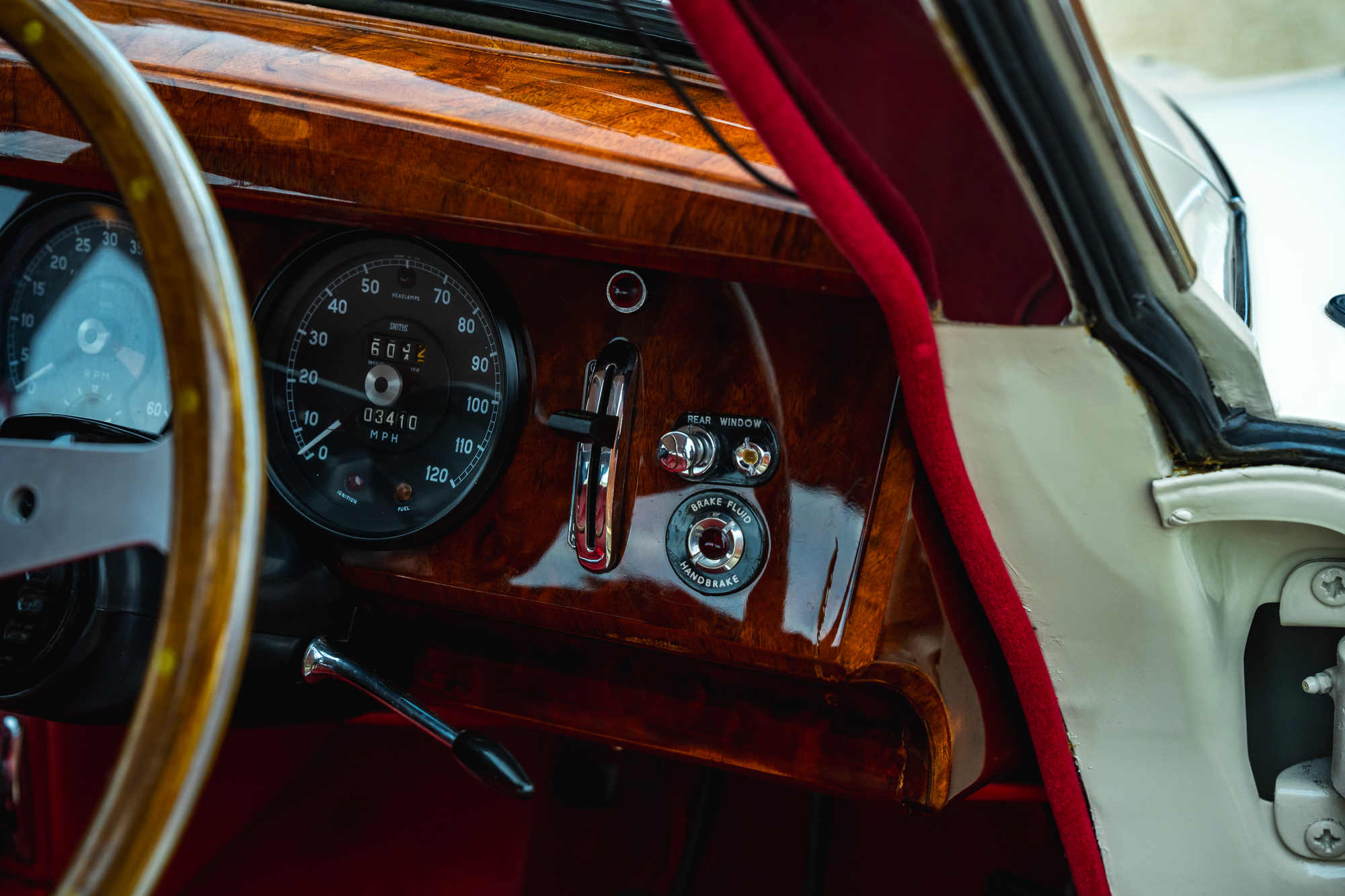
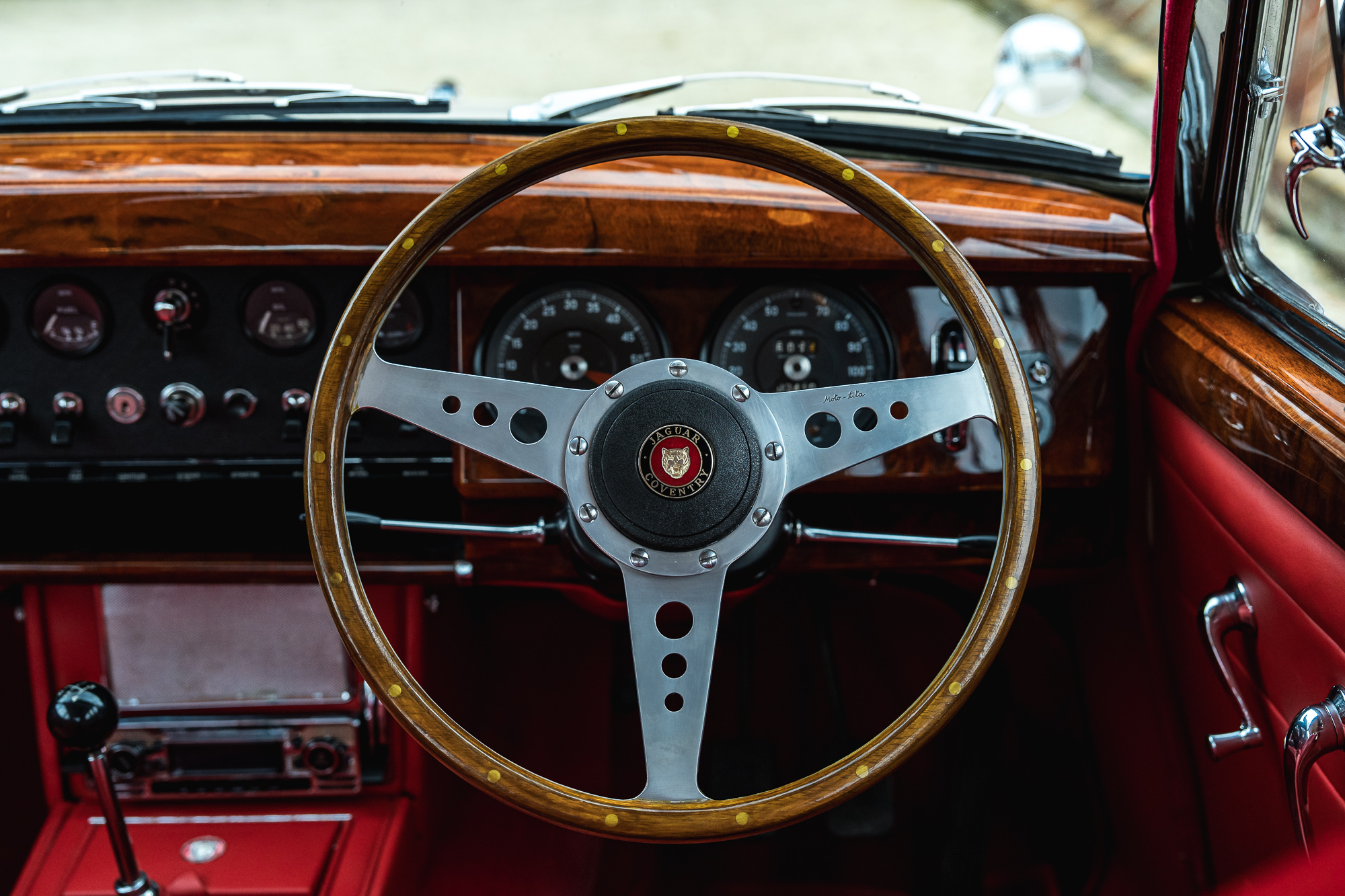
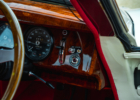
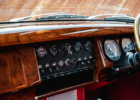
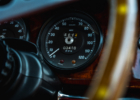
The interior woodwork is pristine, and as Jaguar stated in the period brochure, the cabin provides ‘the greatest comfort in surroundings of complete luxury’. In front of the driver is a wood-rimmed Moto-Lita steering wheel, and the 240 benefits from the fitment of a power-steering system – a popular upgrade for these cars that makes low-speed manoeuvring much easier.
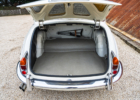
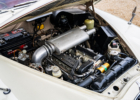
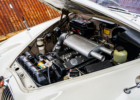
The 2483cc straight-six engine is renowned for its smooth, sweet-revving nature, and in this case is paired with an all-synchromesh four-speed gearbox that’s fitted with the optional overdrive. The end result is a stylish and incredibly practical Jaguar saloon that is now being offered for sale with a full set of books and the original brochure, plus a set of black wire wheels.
MODEL HISTORY
The Jaguar 240 was the final development of the Mk2 family, which had been launched in late 1959 and became one of the marque’s most popular models.
Based on the 2.4 and 3.4 saloons – which retrospectively, and unofficially, became known as the Mk1 – the Mk2 was externally similar to its predecessor but gained a larger glass area all round, a wider rear track to improve handling, and a new interior layout.
Jaguar had pioneered the use of disc brakes in motor racing, so it was no surprise that the Mk2 featured them all round, complete with servo assistance. It also had independent front suspension featuring wishbones, coil springs and telescopic dampers, while at the rear there was a live axle with semi-elliptic springs and radius arms.
As well as the 2.4 and 3.4, there was also the option of a 3.8-litre Mk2, which produced 220bhp. When The Autocar tested one in February 1960, it said that nothing could match the Mk2 in terms of value for money: ‘In one compact car, an owner has Gran Turismo performance, town carriage manners and luxurious family appointments.’
Production continued until 1967, when the 3.8-litre model was dropped and the smaller-engined Mk2s morphed into the 240 and 340. The former came with a 2483cc, 133bhp variant of the celebrated XK engine, complete with a straight-port cylinder head – as seen on the E-type – and twin SU carburettors.
Buyers had the choice of a four-speed all-synchromesh manual gearbox, with or without overdrive, or a Borg Warner automatic. As the marque itself said: ‘The 240 model upholds the Jaguar tradition for unrivalled value in high-performance, high-quality motoring.’
More than 80,000 Mk2s left the factory in total, and they were commonly seen not only being raced by leading drivers such as Graham Hill, but also on the big screen being driven by police and gangsters alike, making the Mk2 one of the most recognisable British cars of the 1960s.