
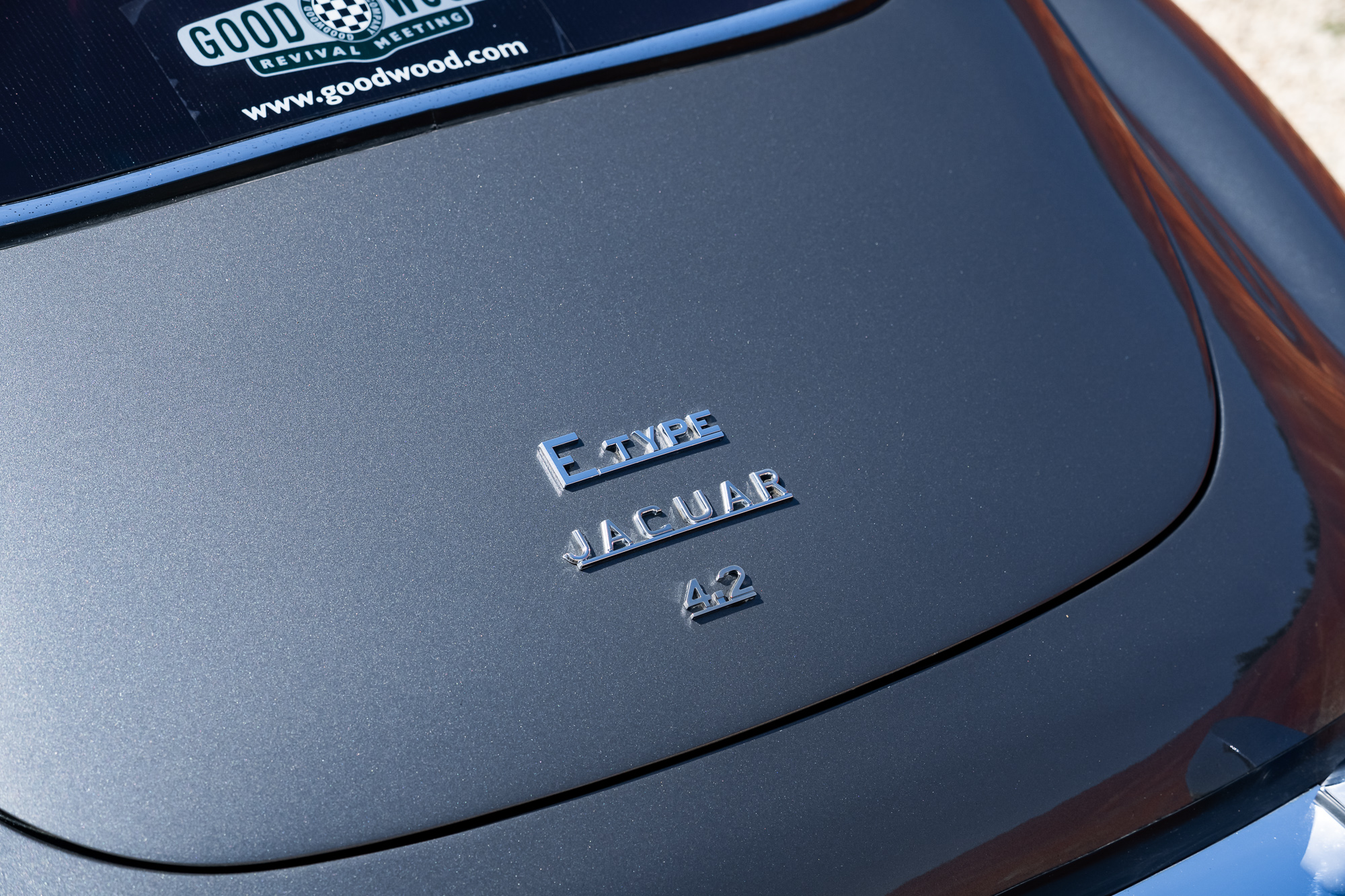
1971 Jaguar E-Type 4.2 FHC Series II



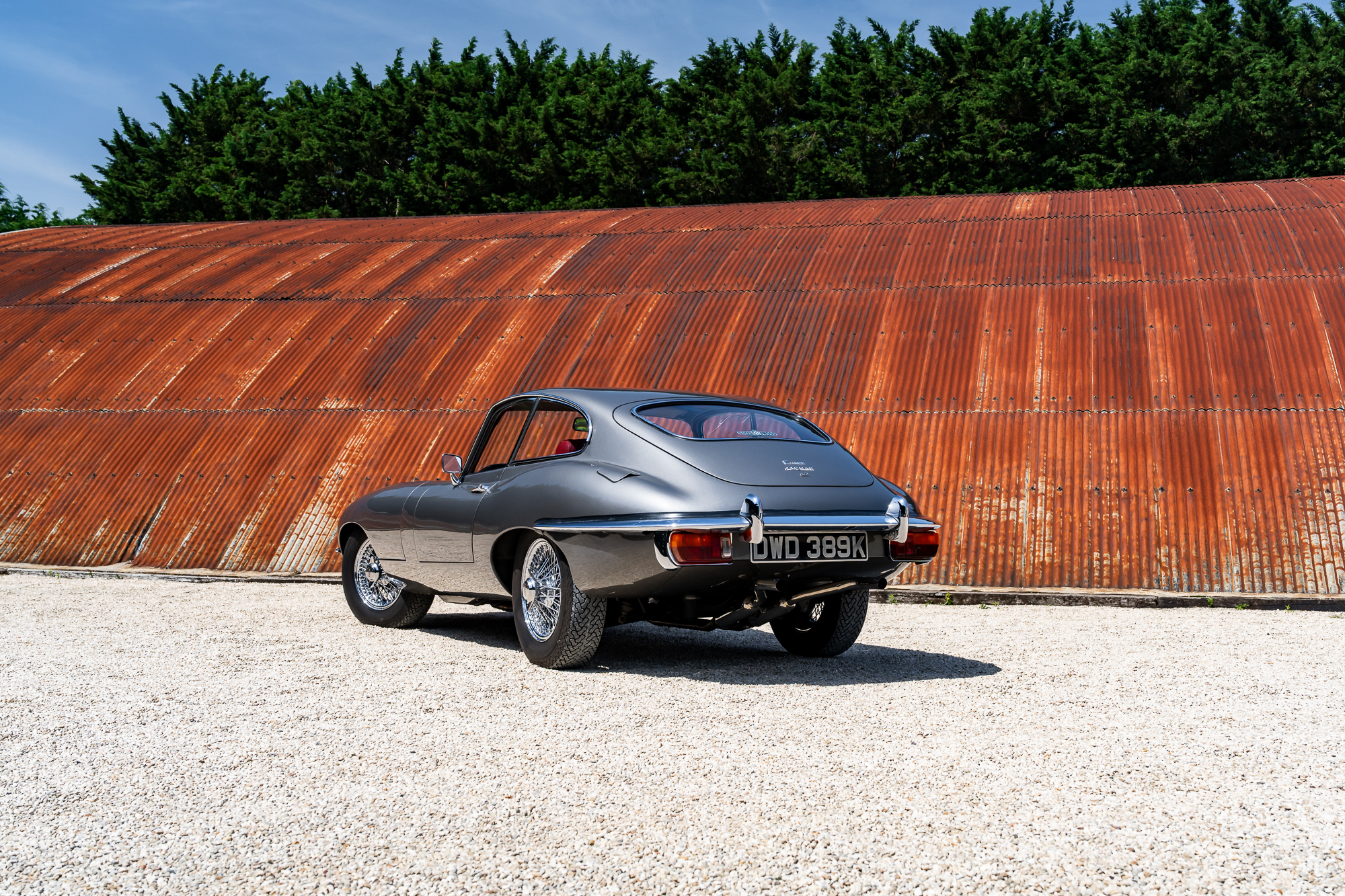
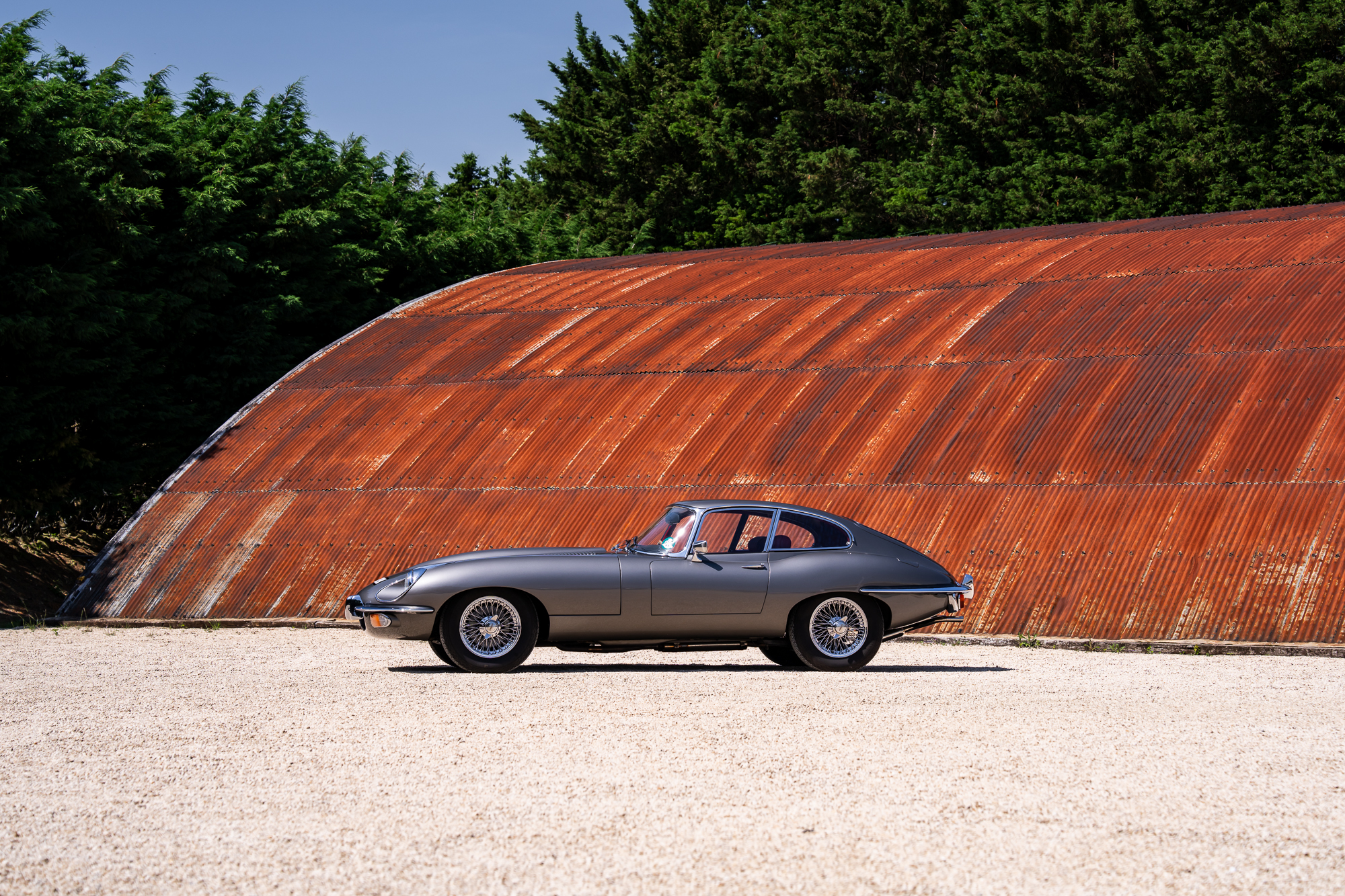
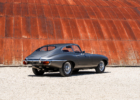
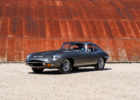
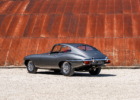
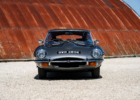
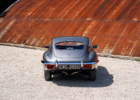
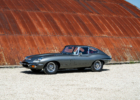
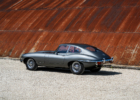
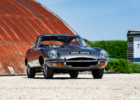
- Full ground-up restoration
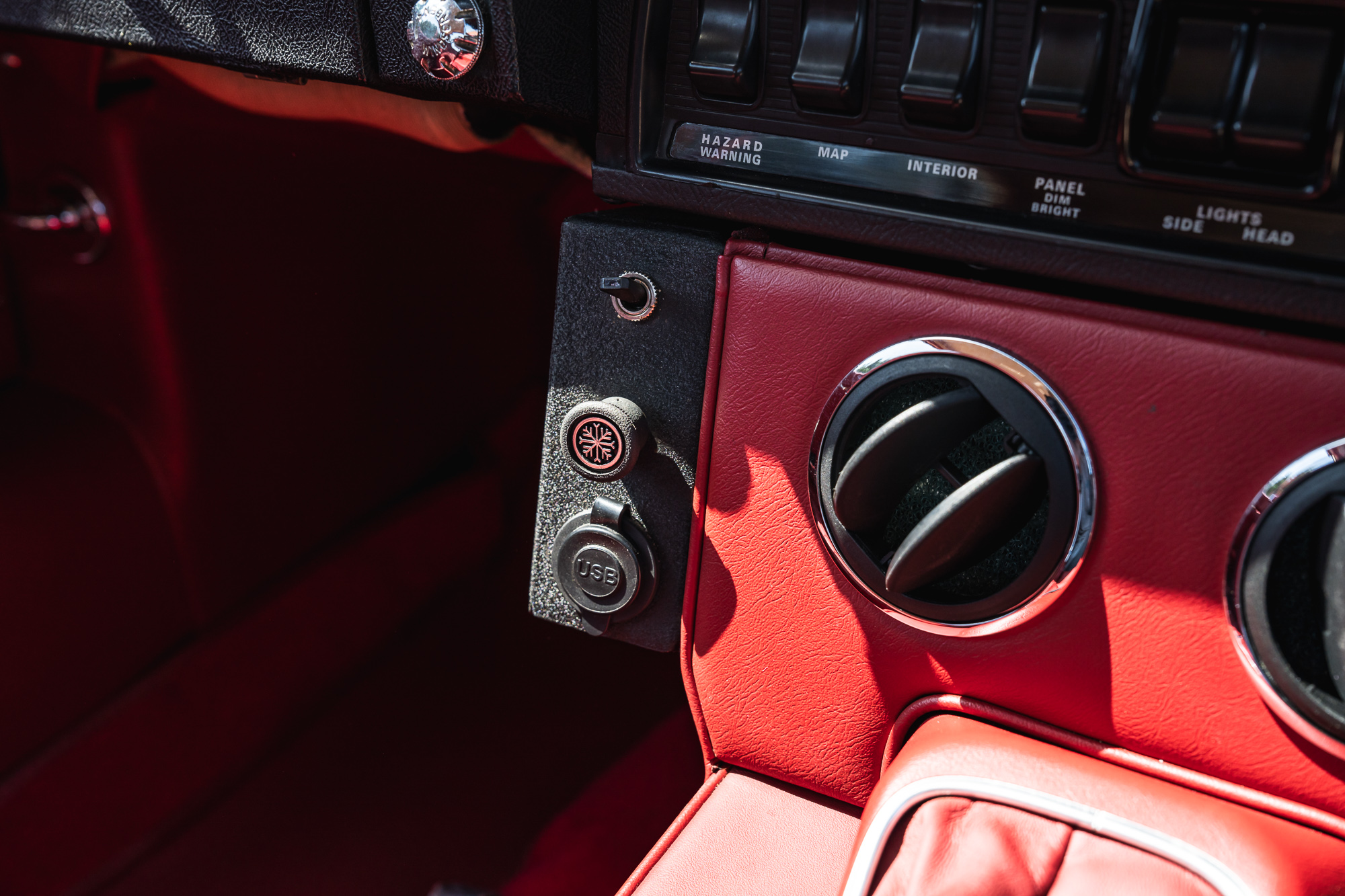
- Modern air conditioning system
- Original UK car with matching numbers
- Extensive history file
- Heritage Certificate
| YEAR | 1971 |
| MAKE | Jaguar |
| PRICE | £ SOLD |
VEHICLE DESCRIPTION
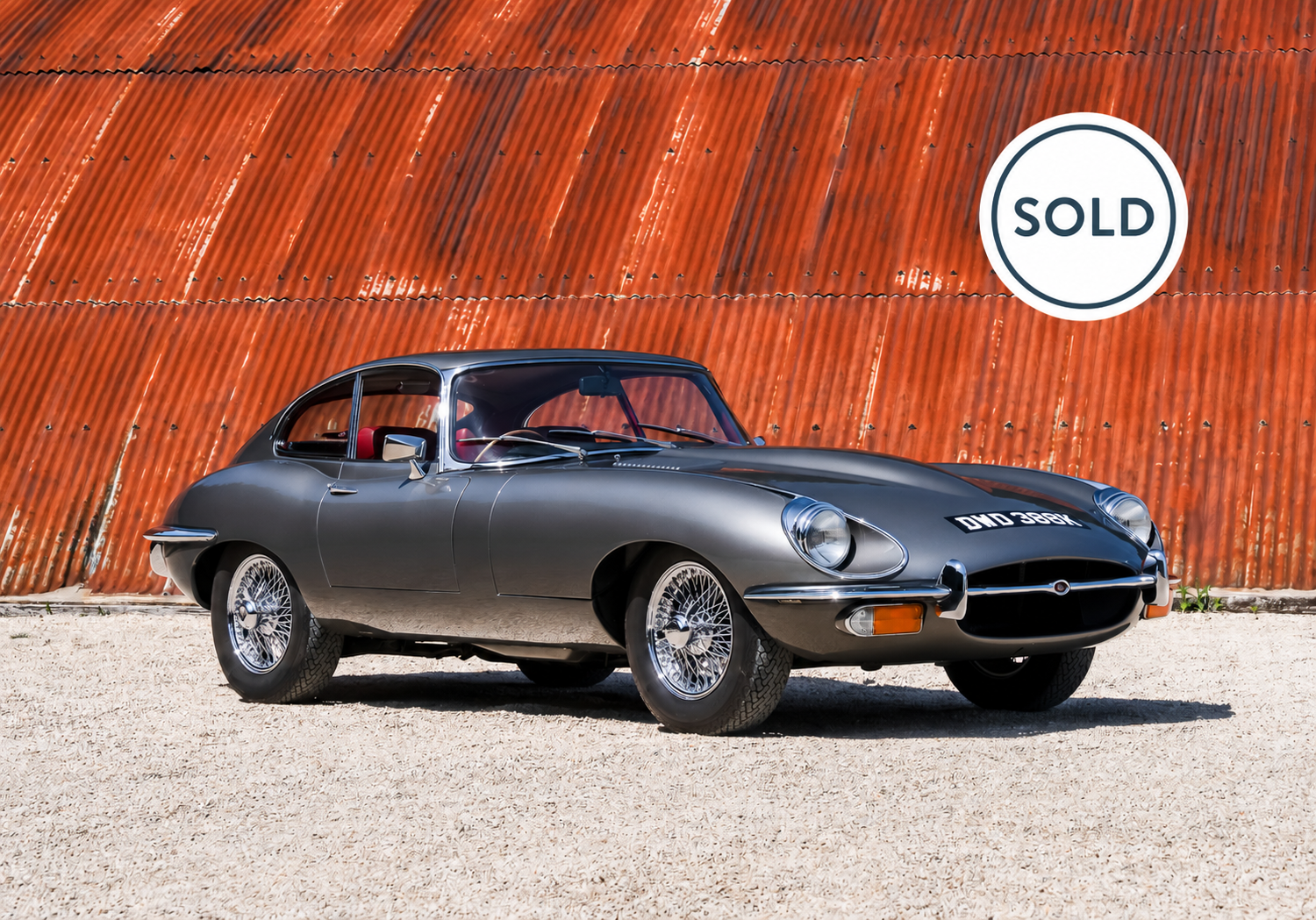
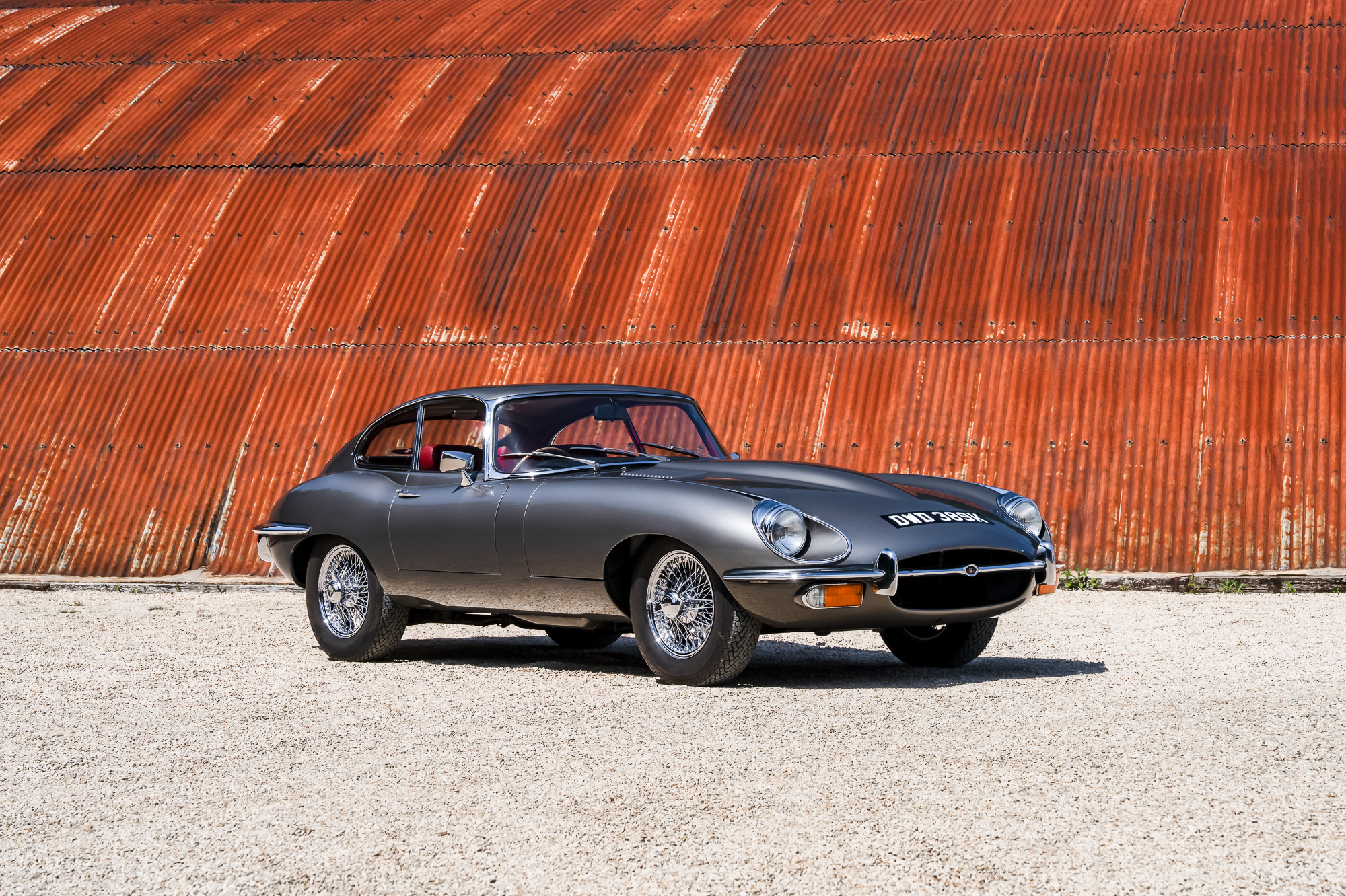
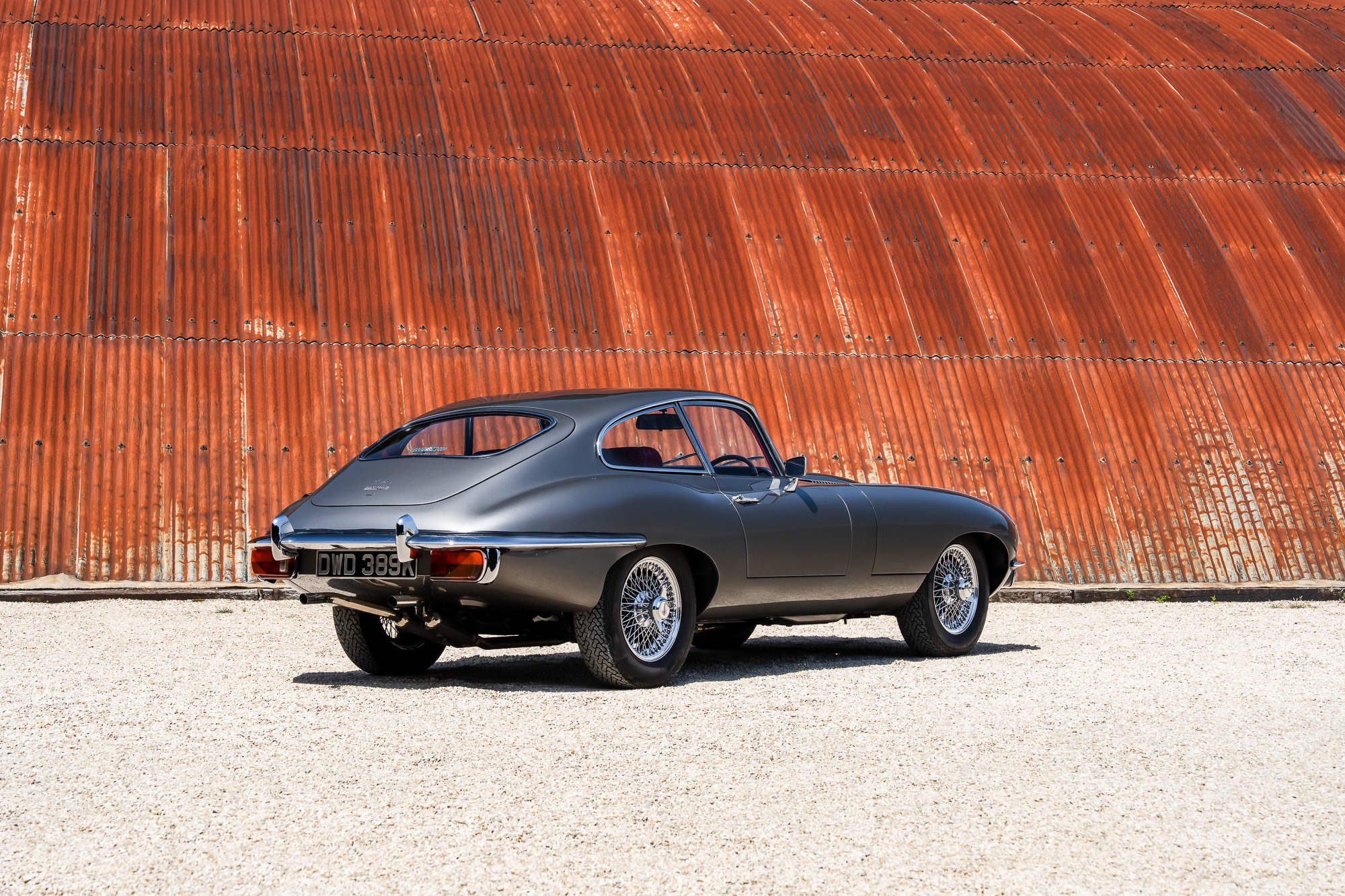
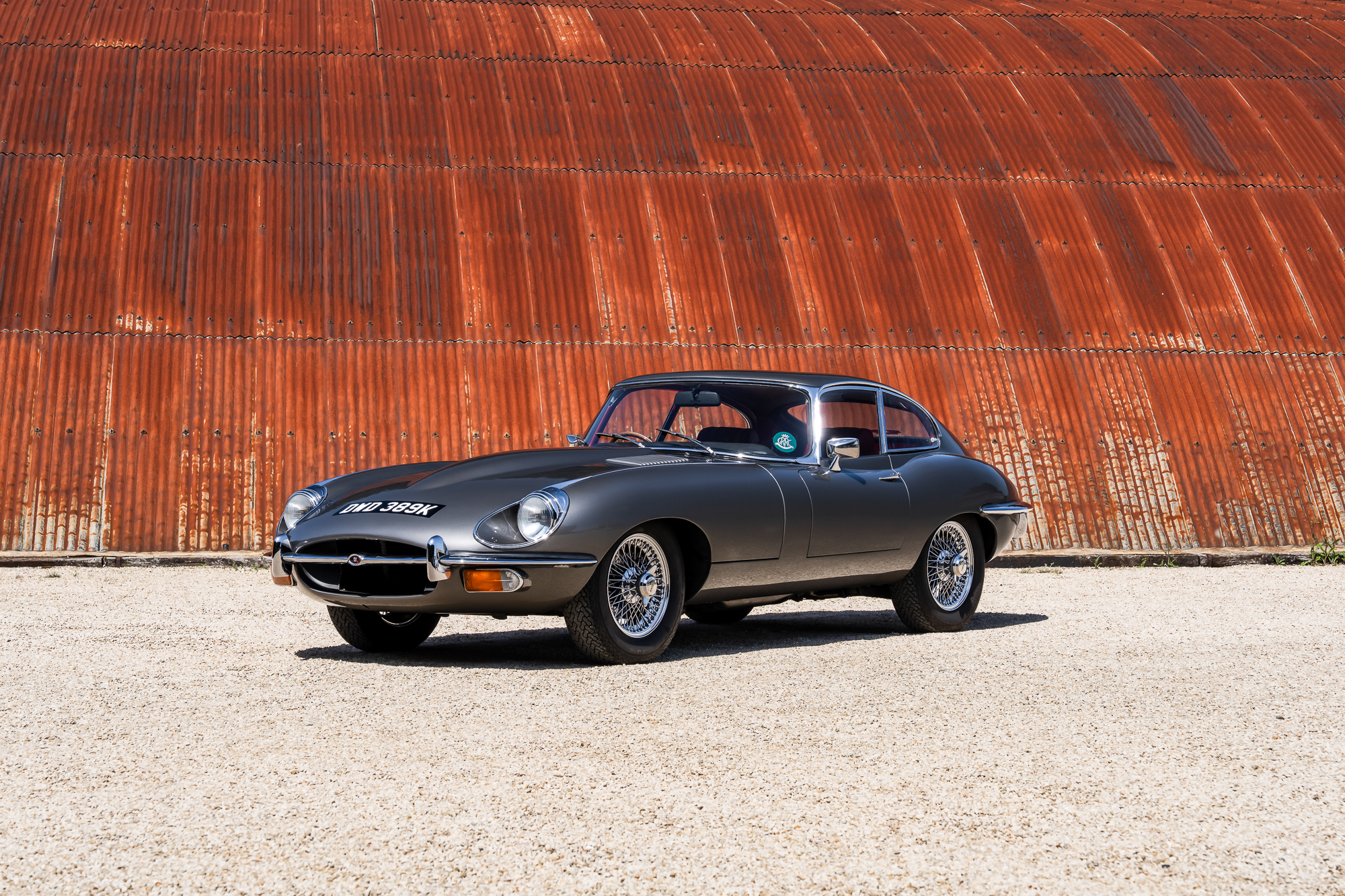
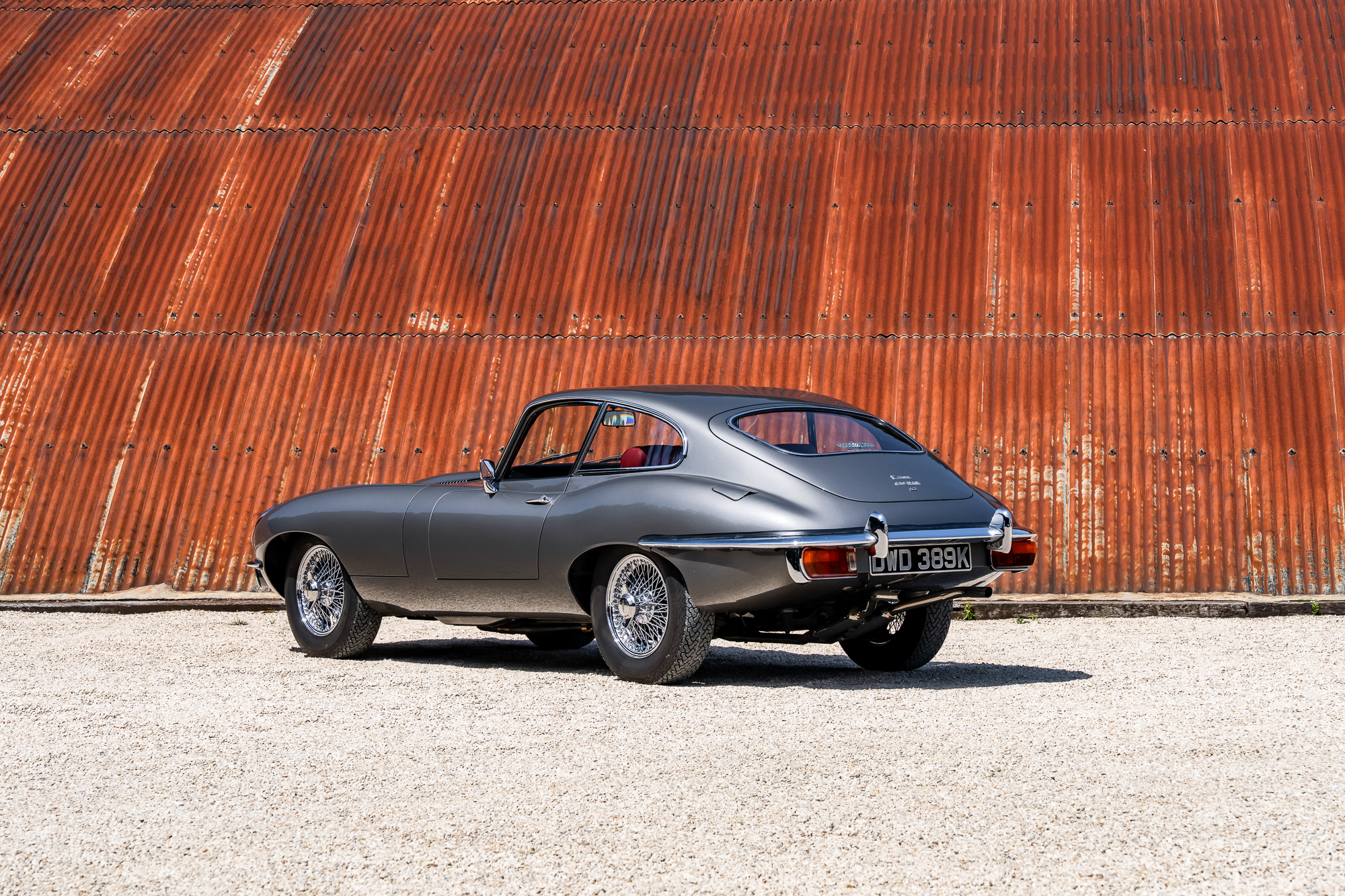
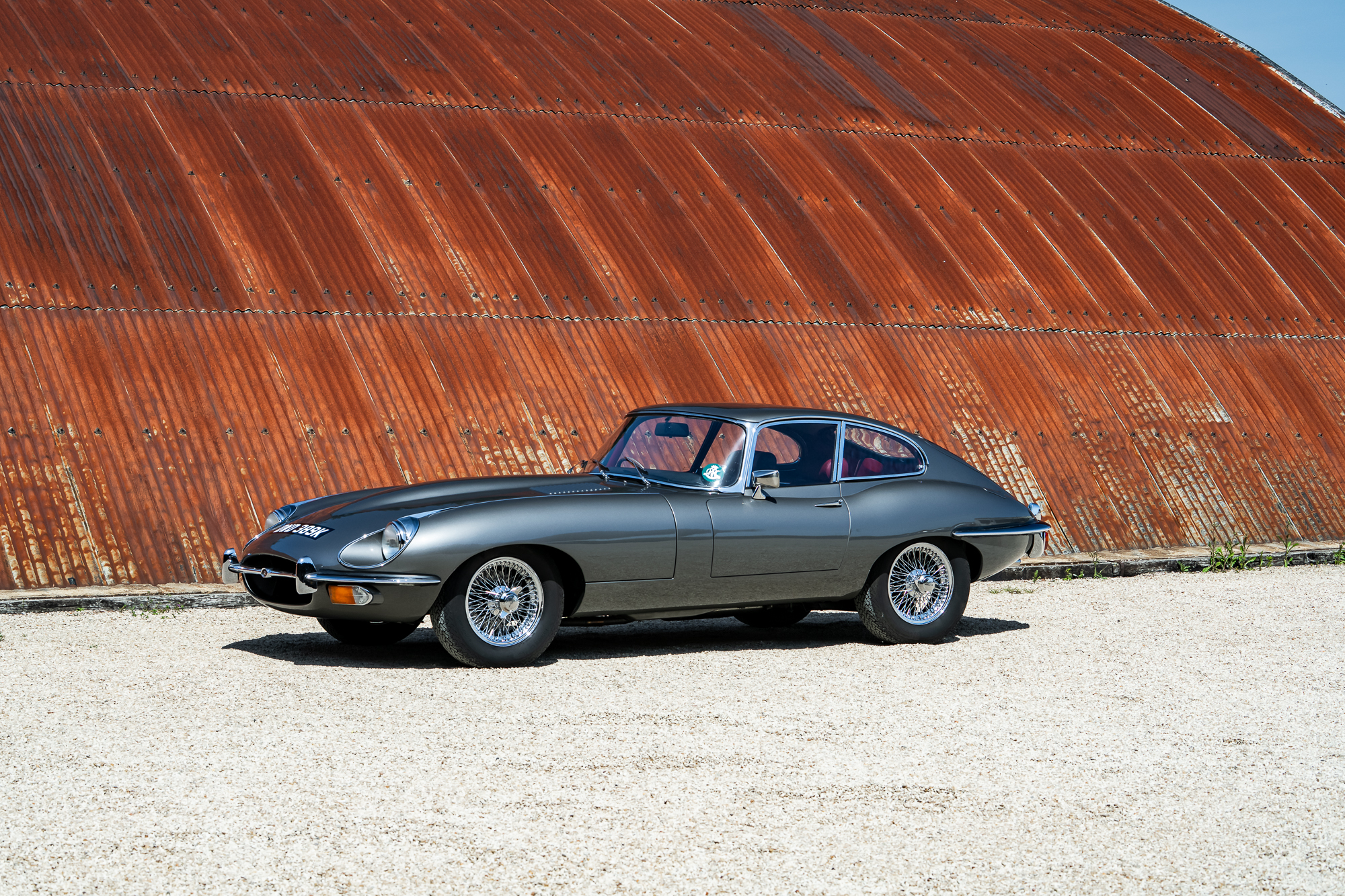
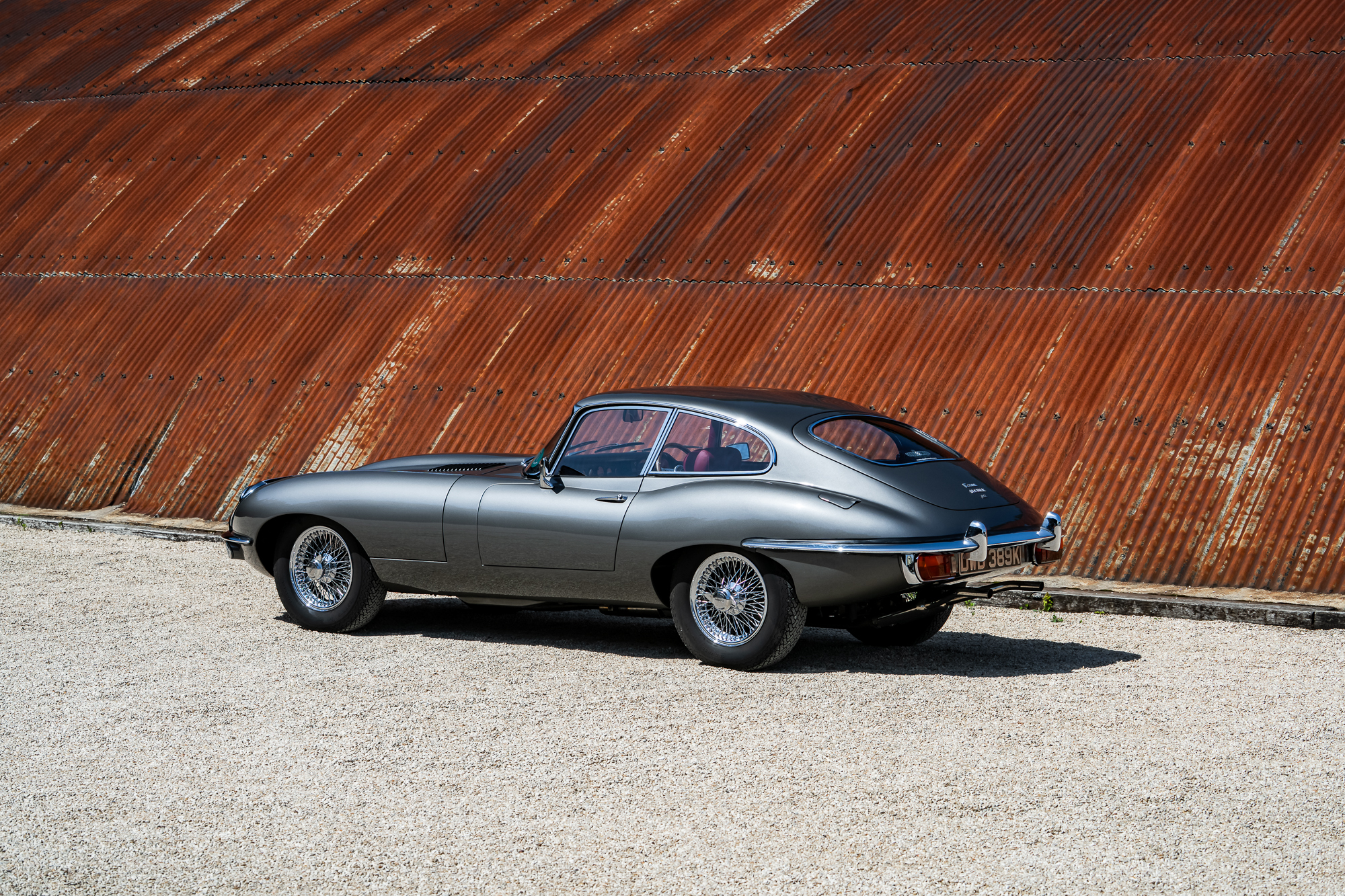
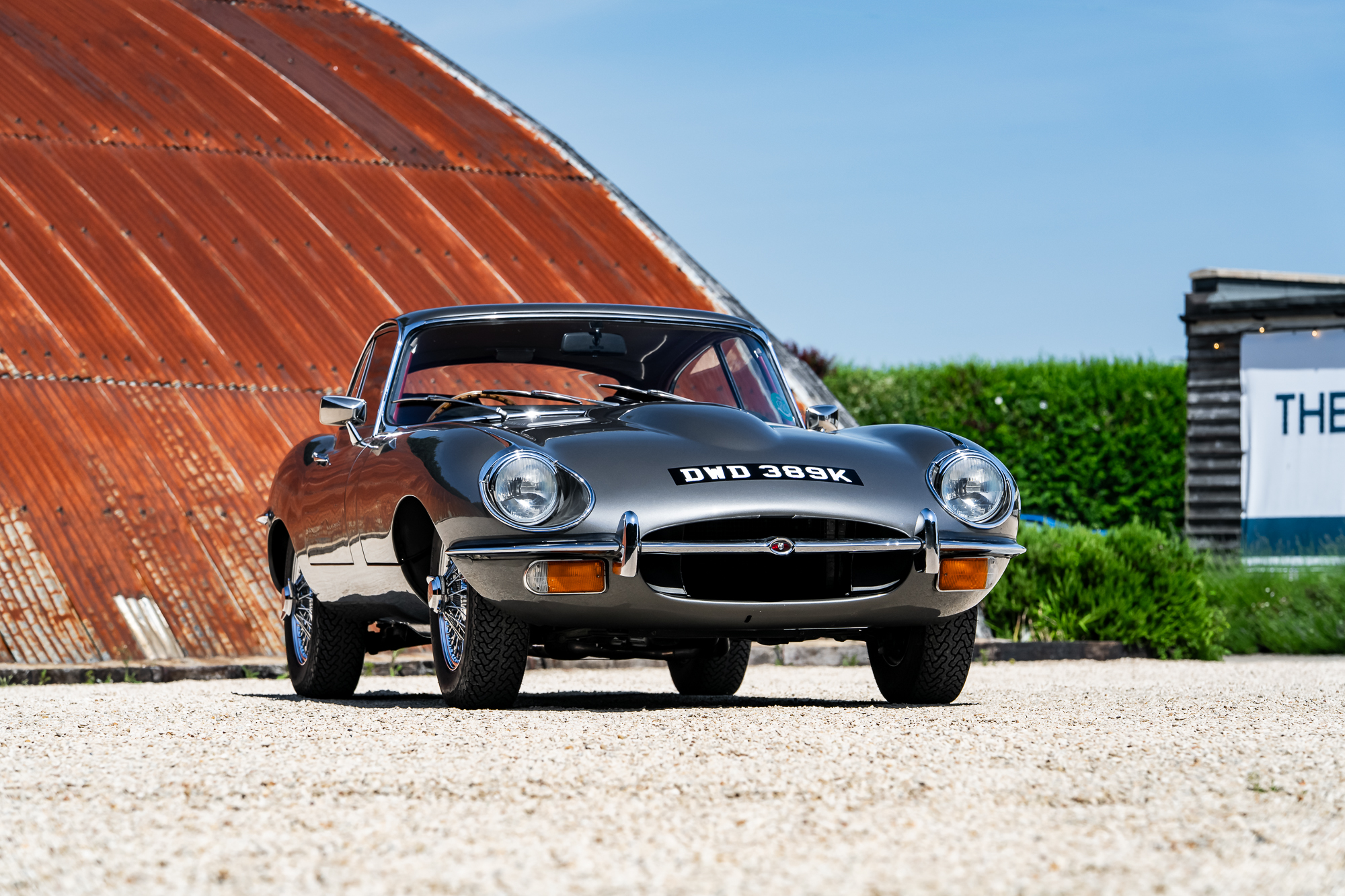
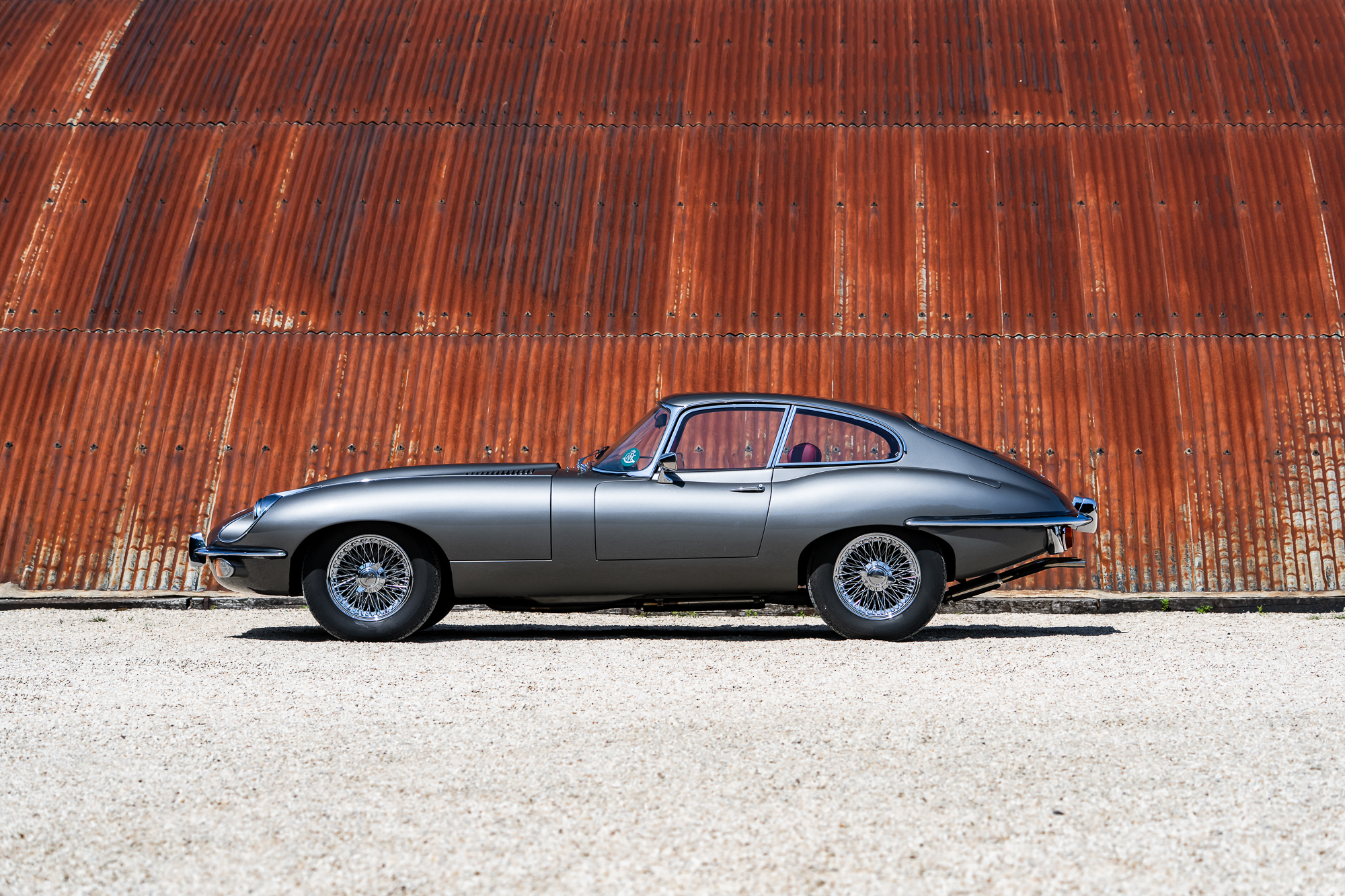
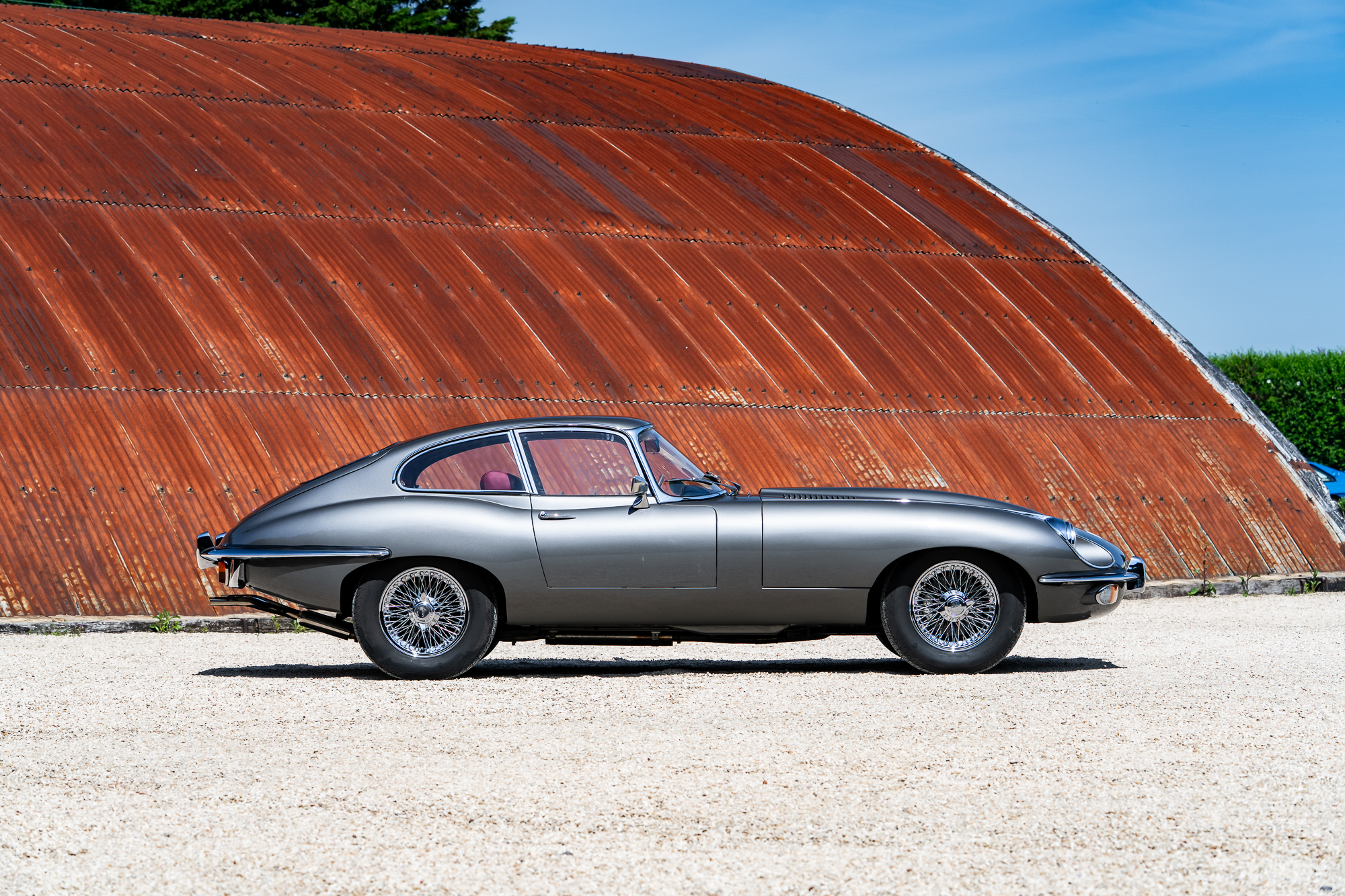
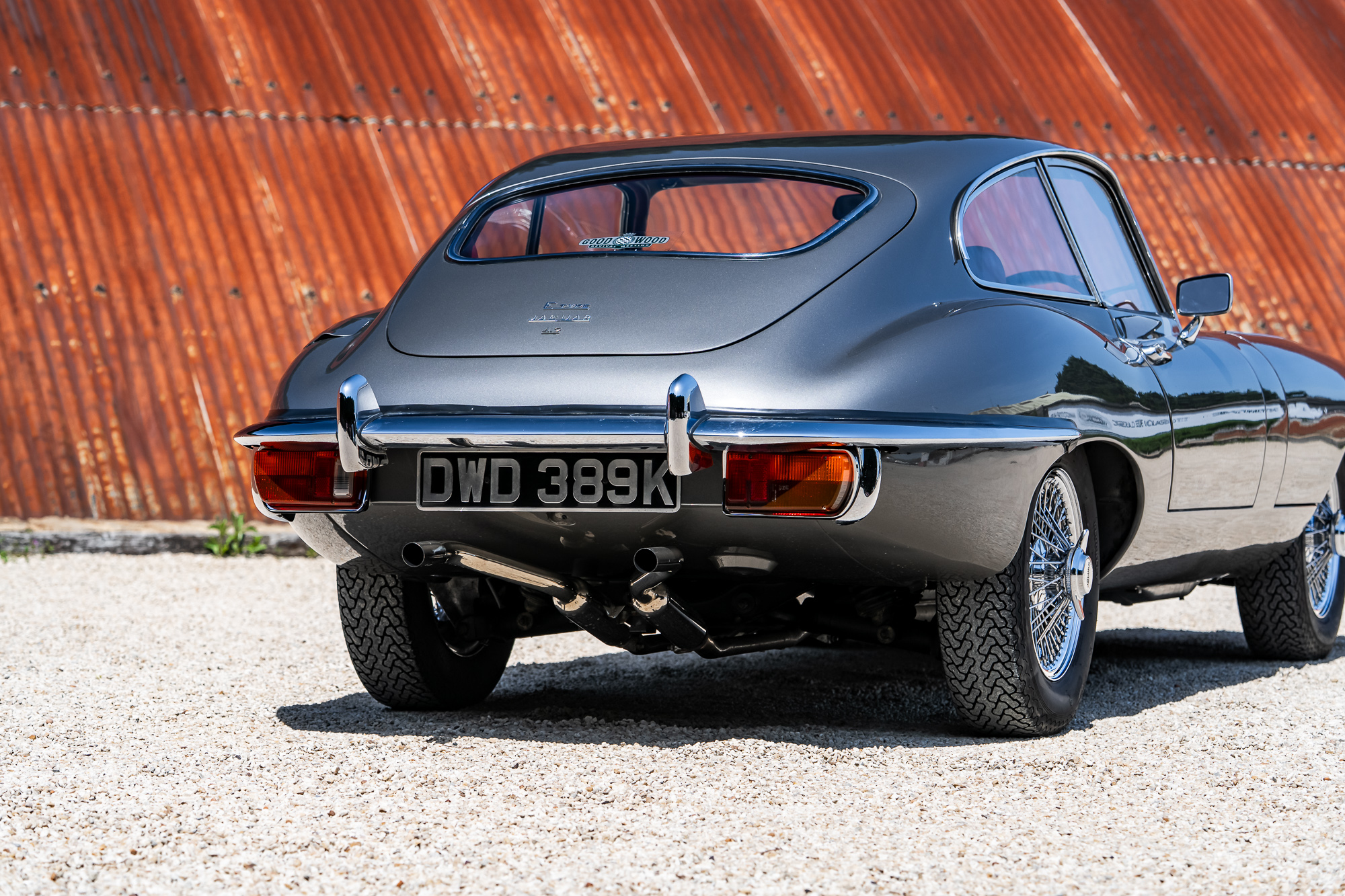
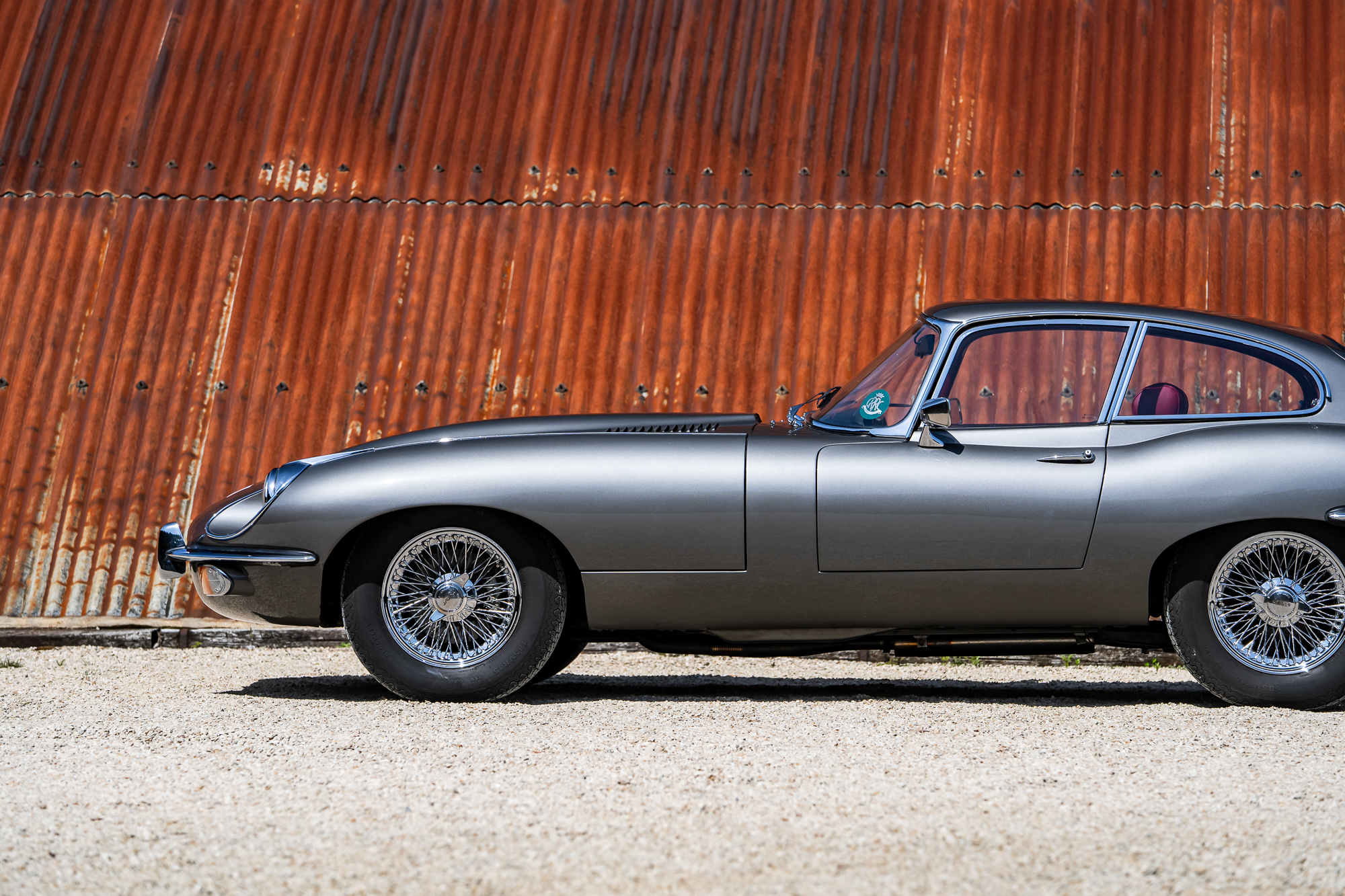
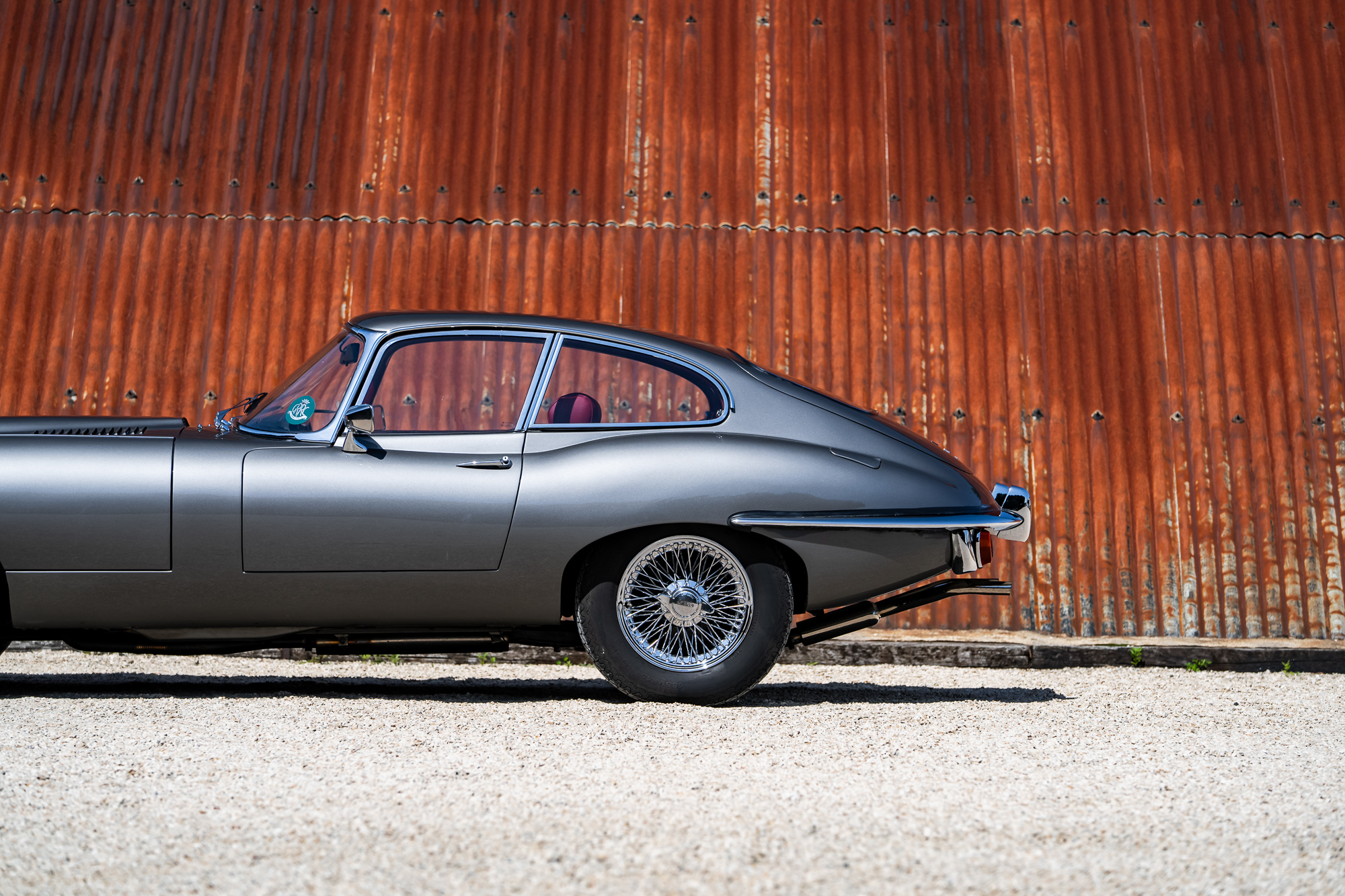
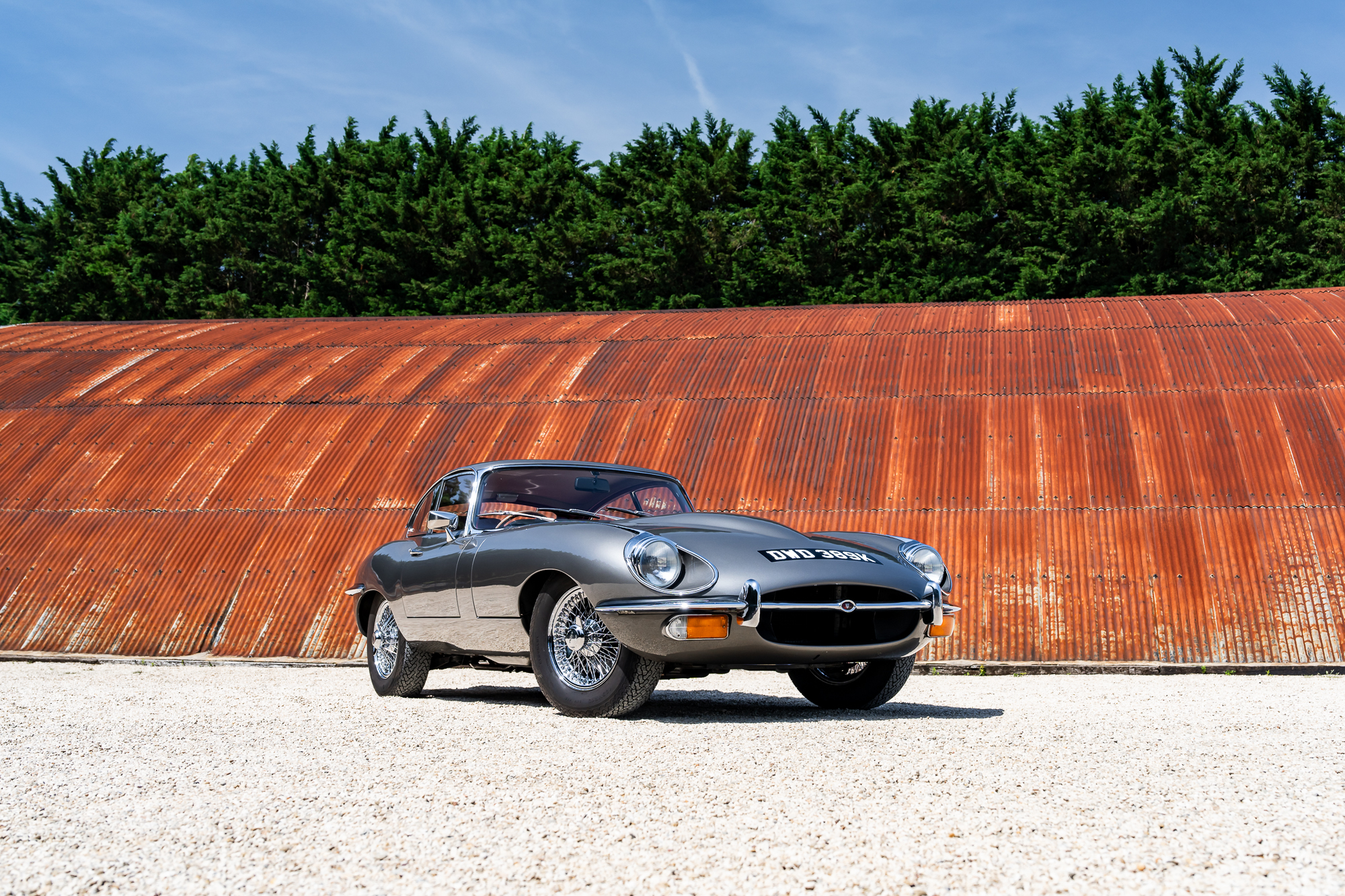
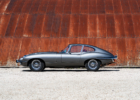
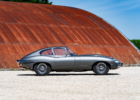
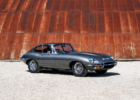
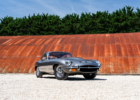
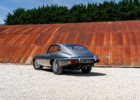
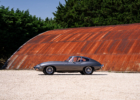
There are certain cars that perfectly capture the spirit of the Classic Motor Hub. Beautifully engineered, impeccably restored and a genuine pleasure to drive, they are cars that can be admired as much for their provenance as for the experience they deliver from behind the wheel. This outstanding 1970 Jaguar E-Type Series 2 Fixed Head Coupé is one such example.
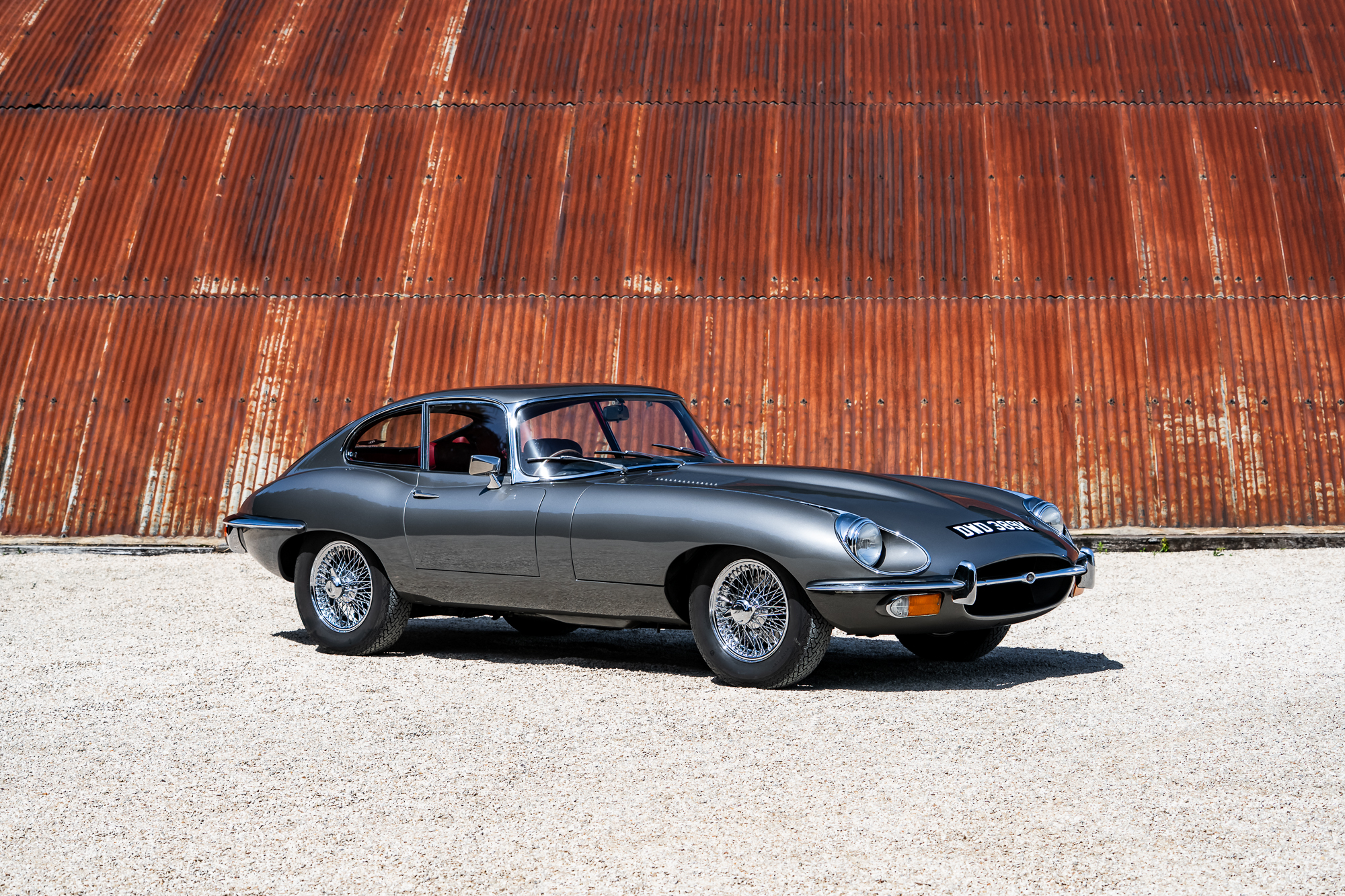
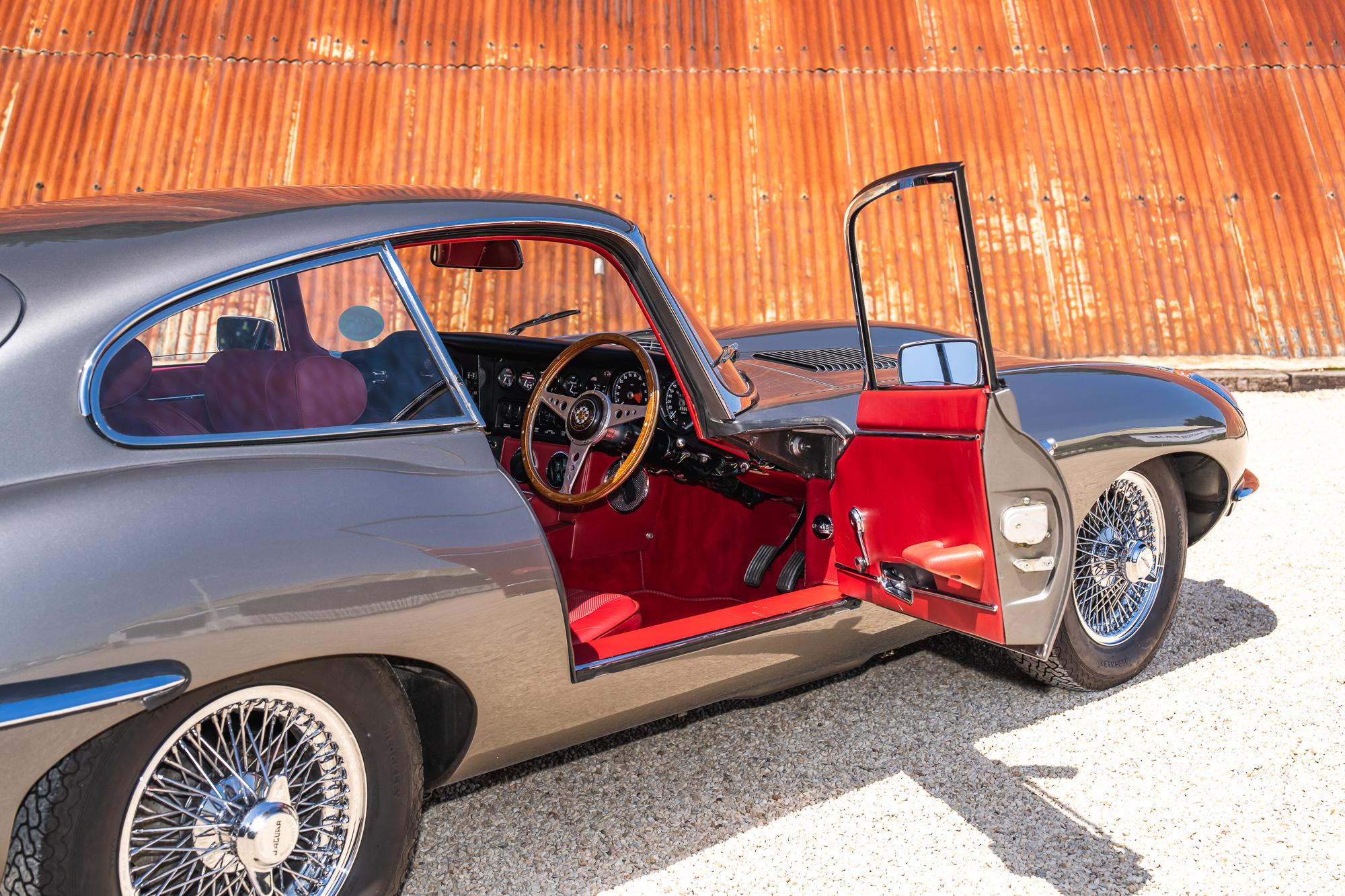
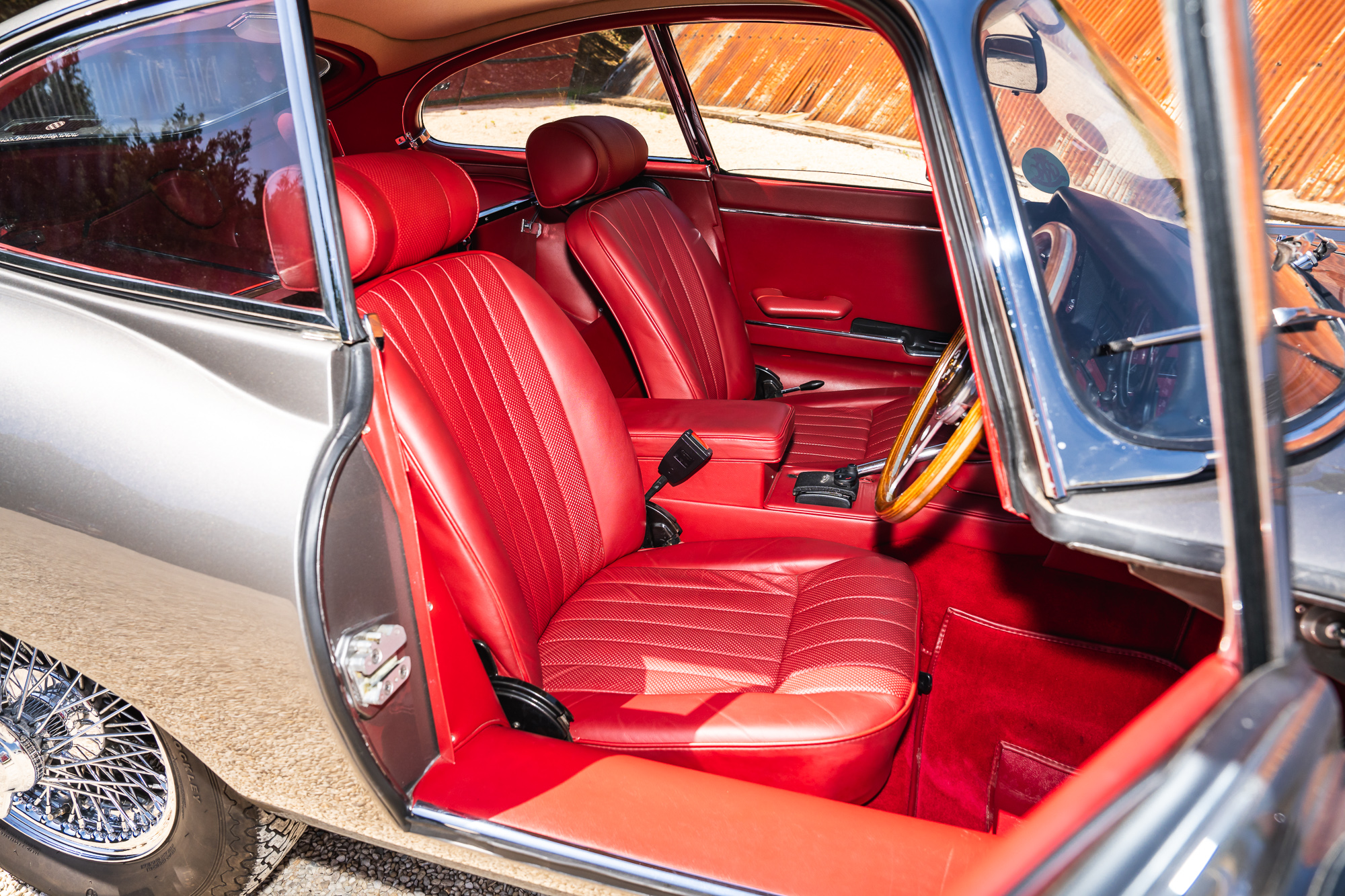
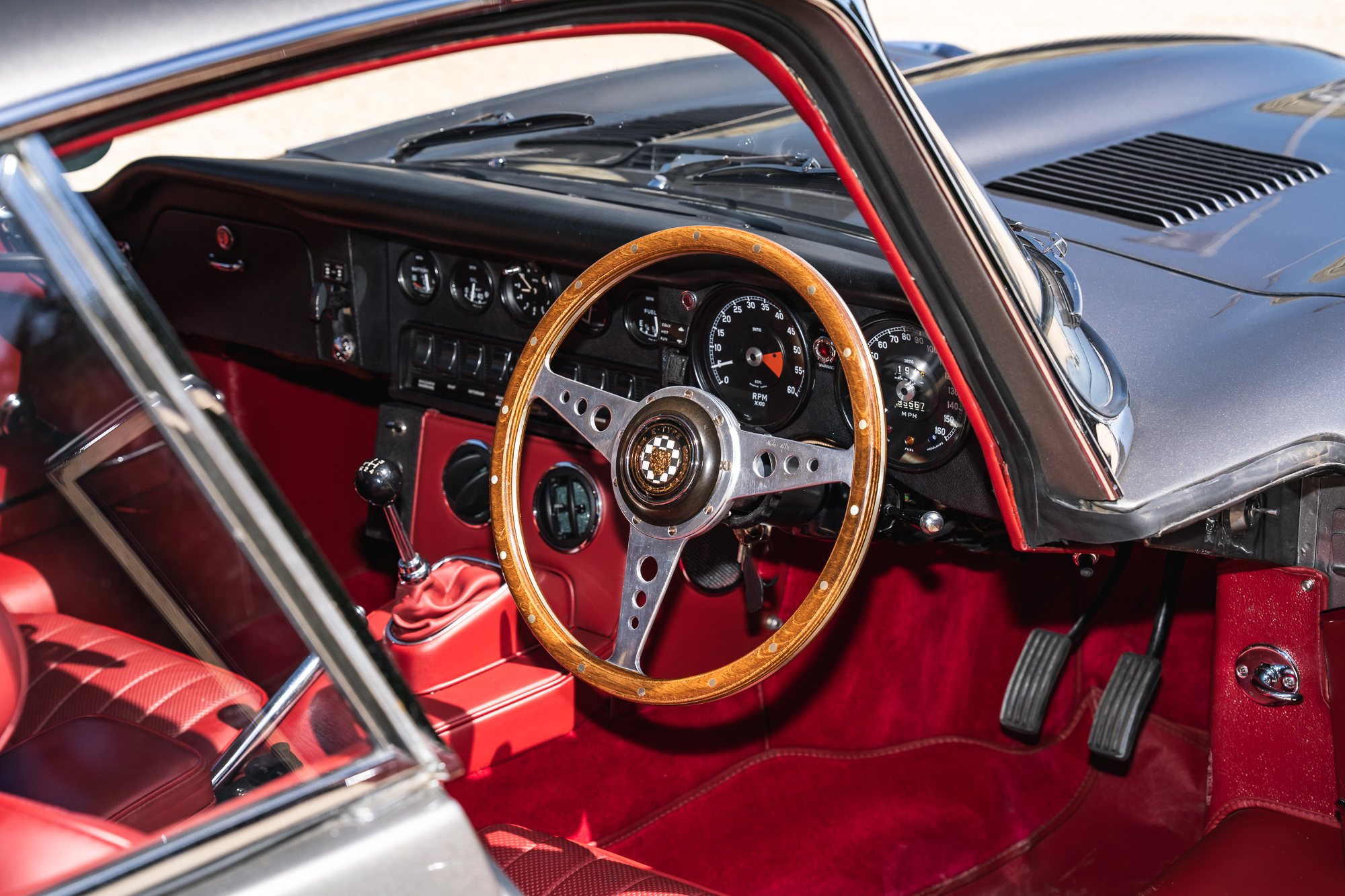
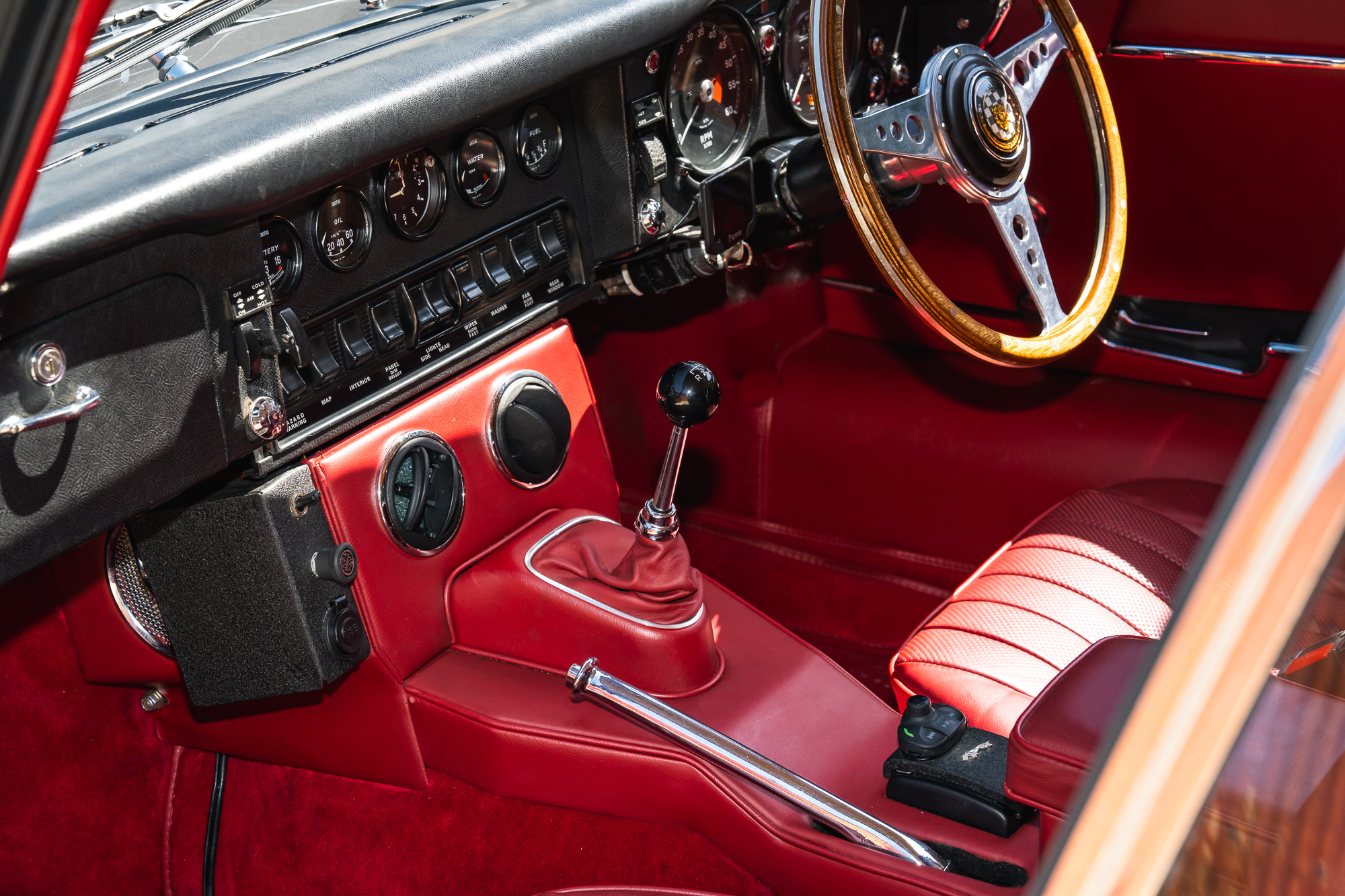
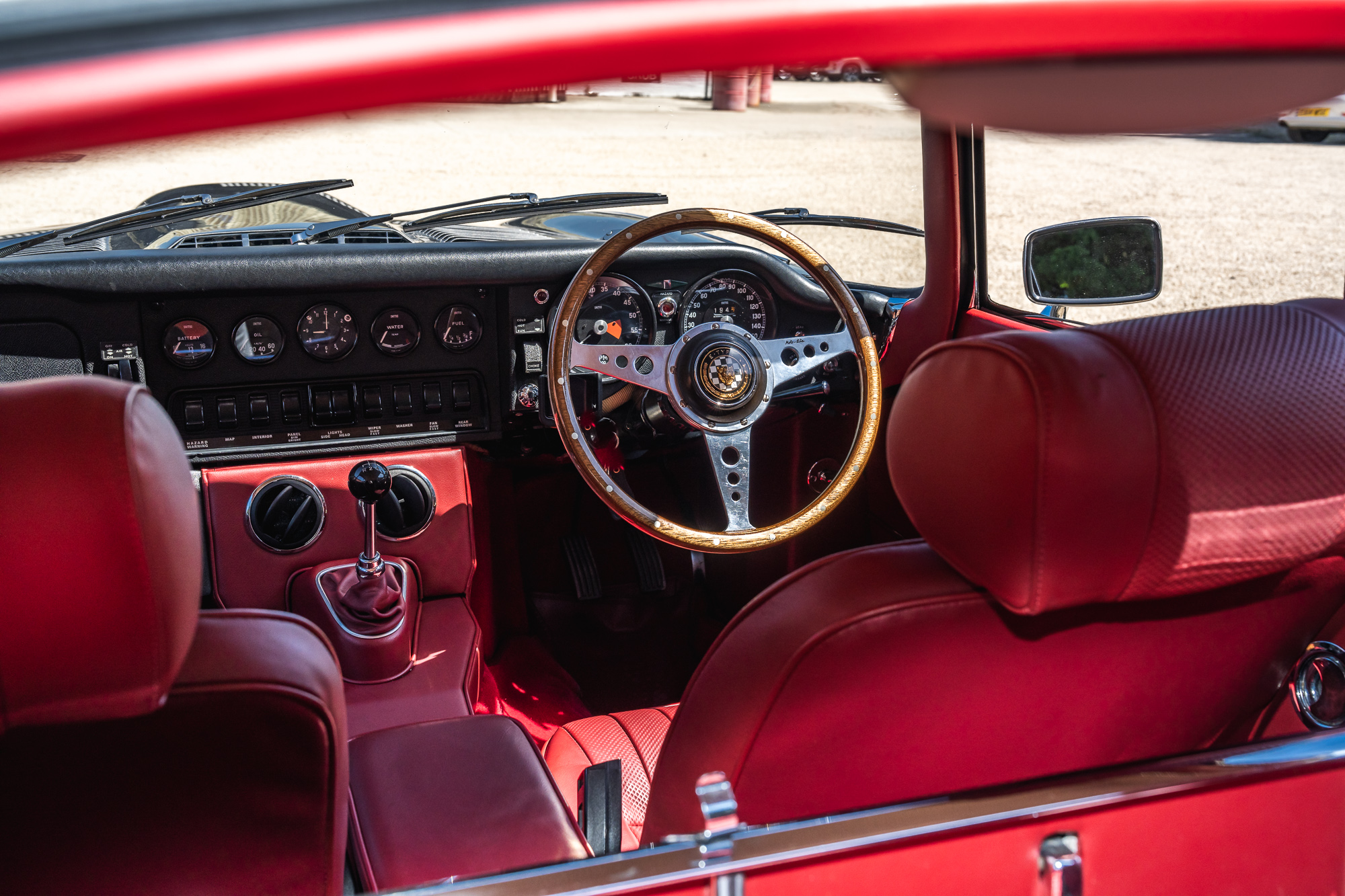
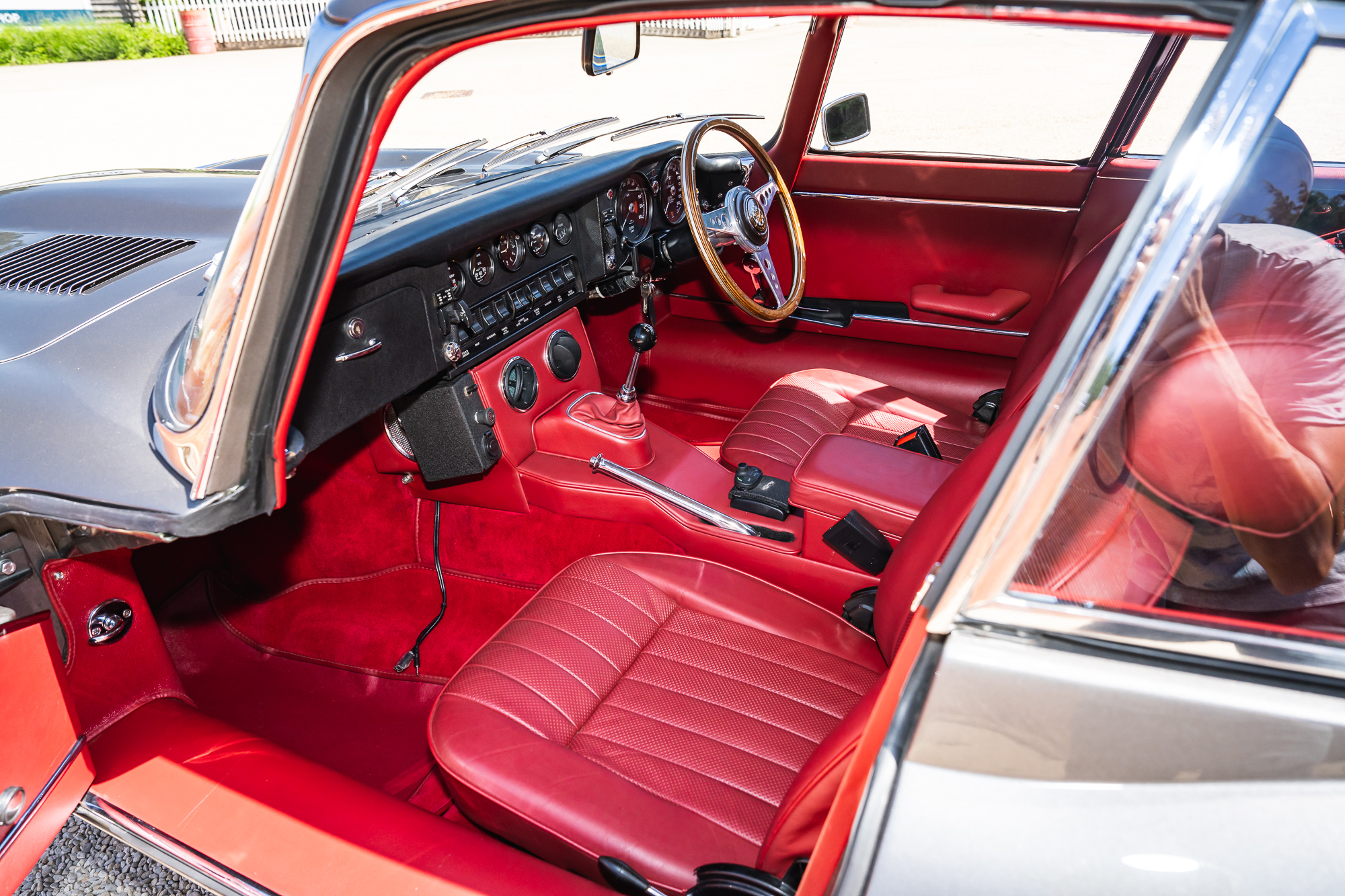
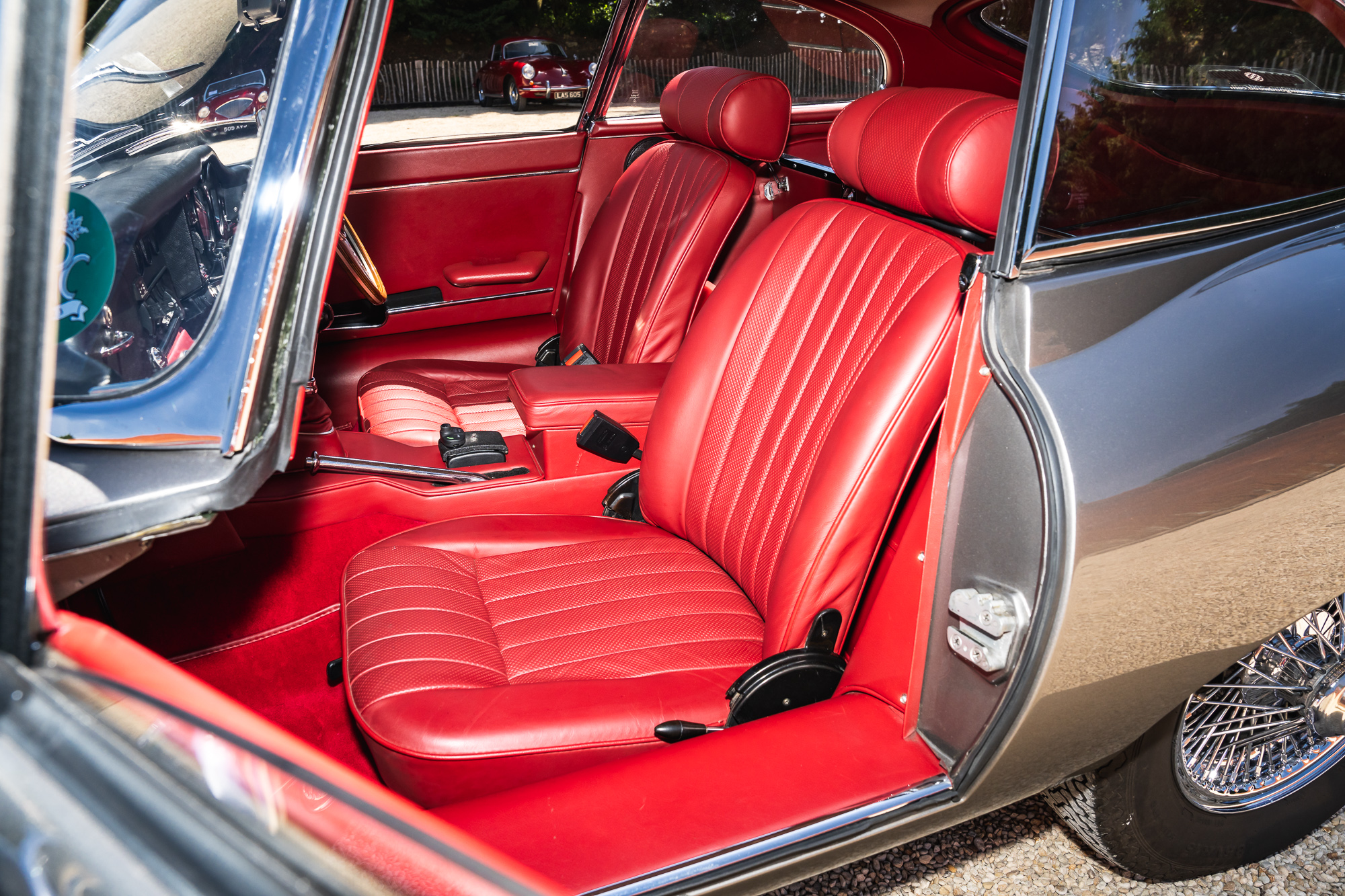
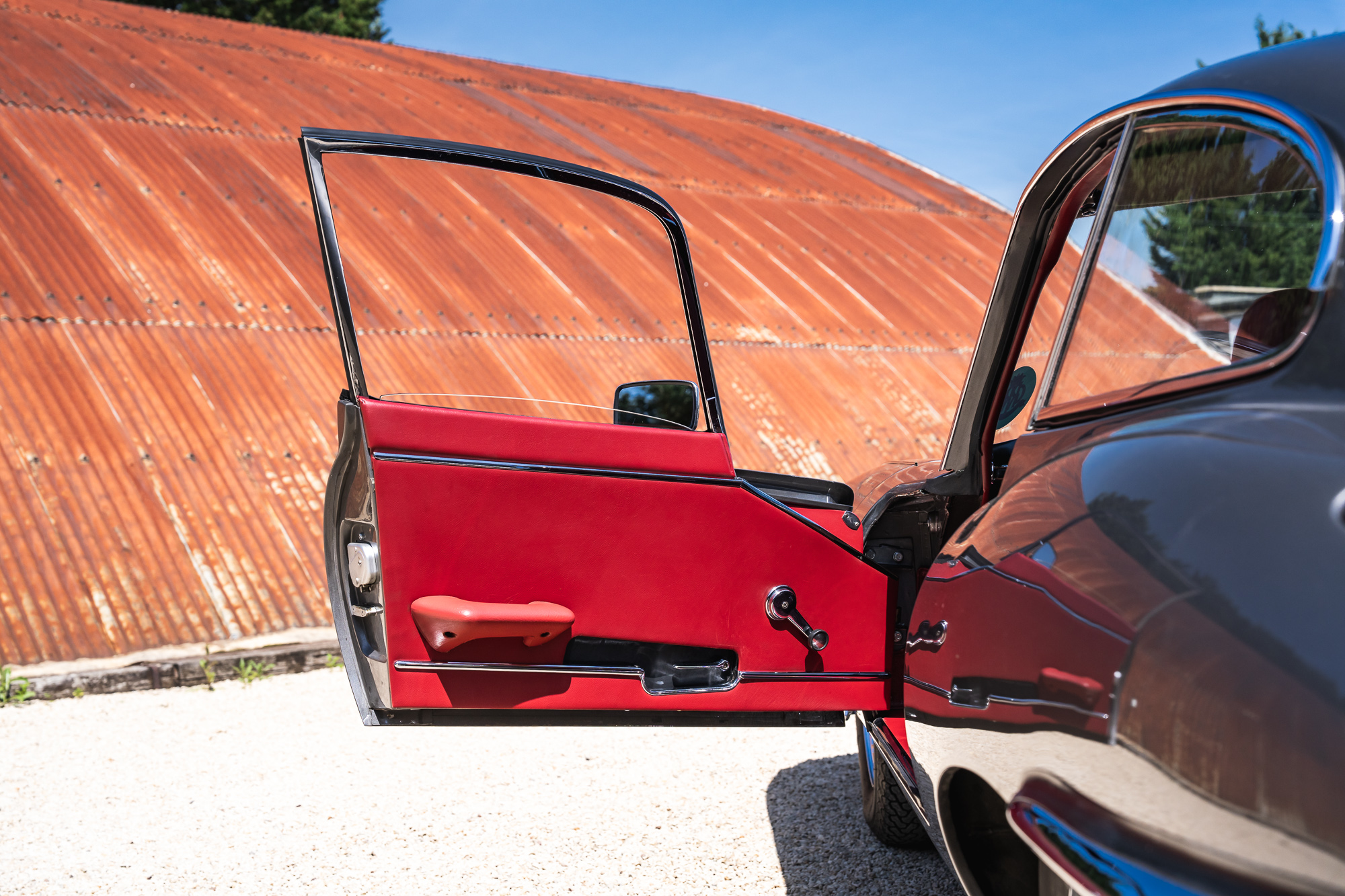
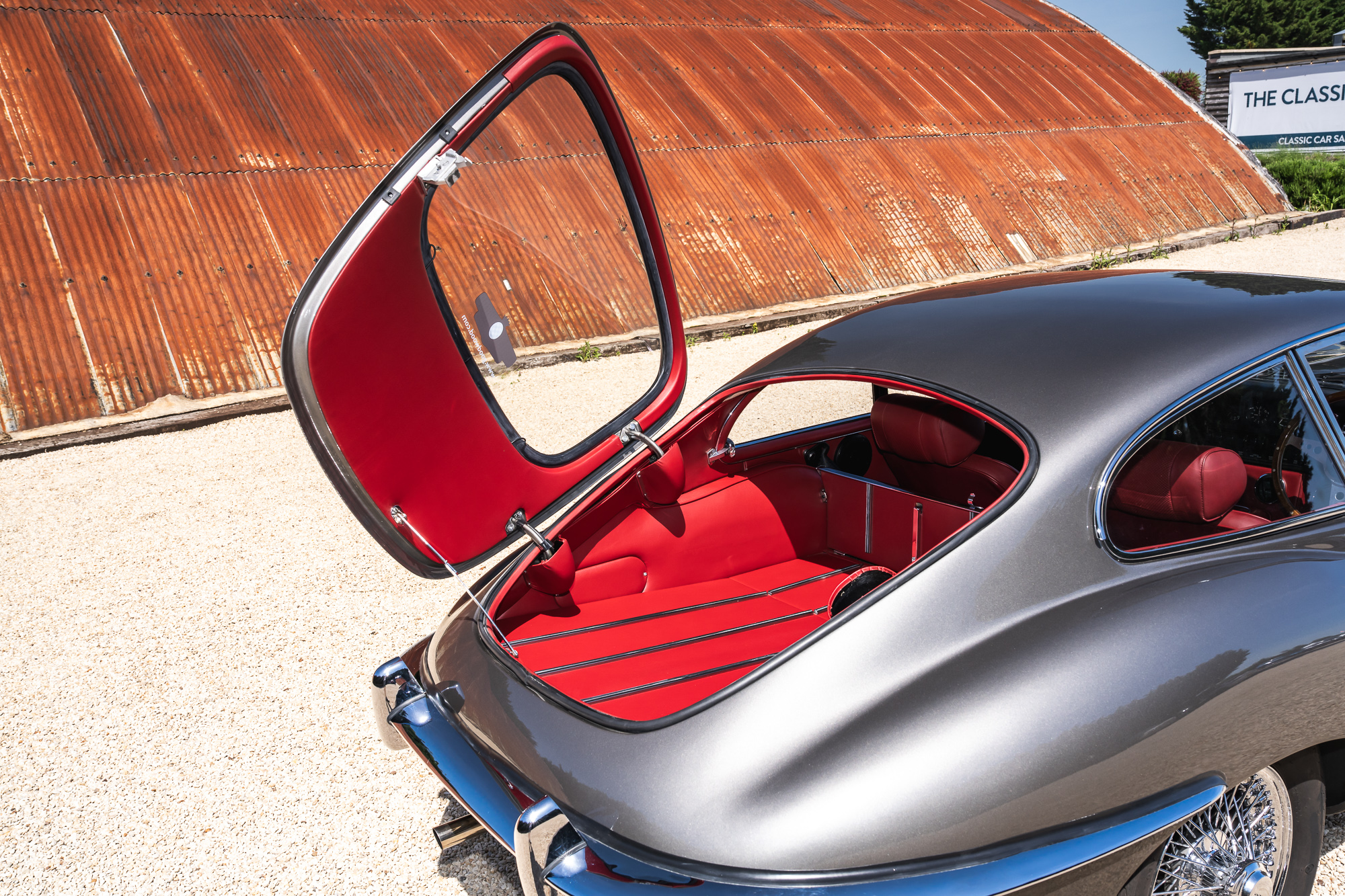
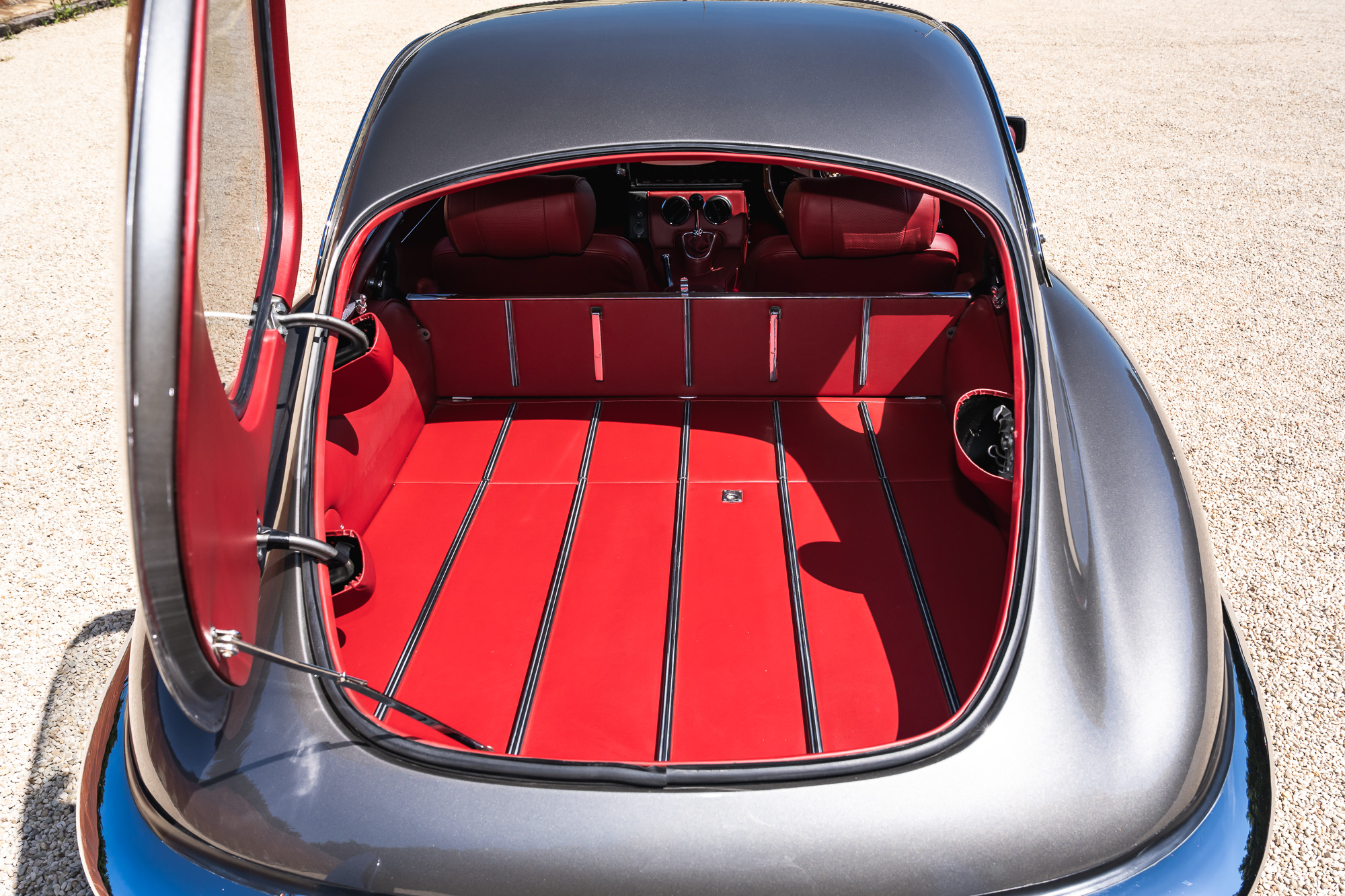
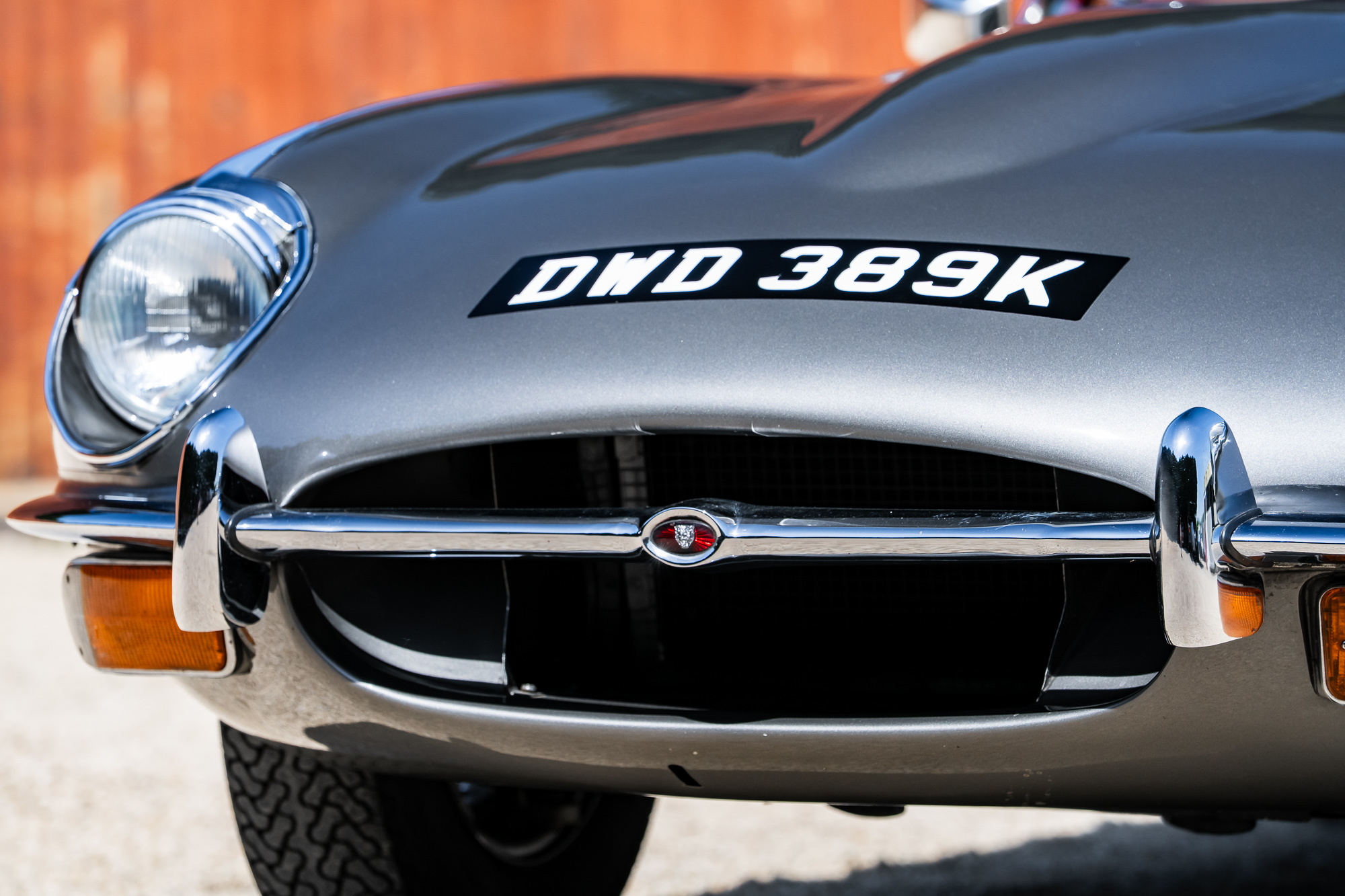
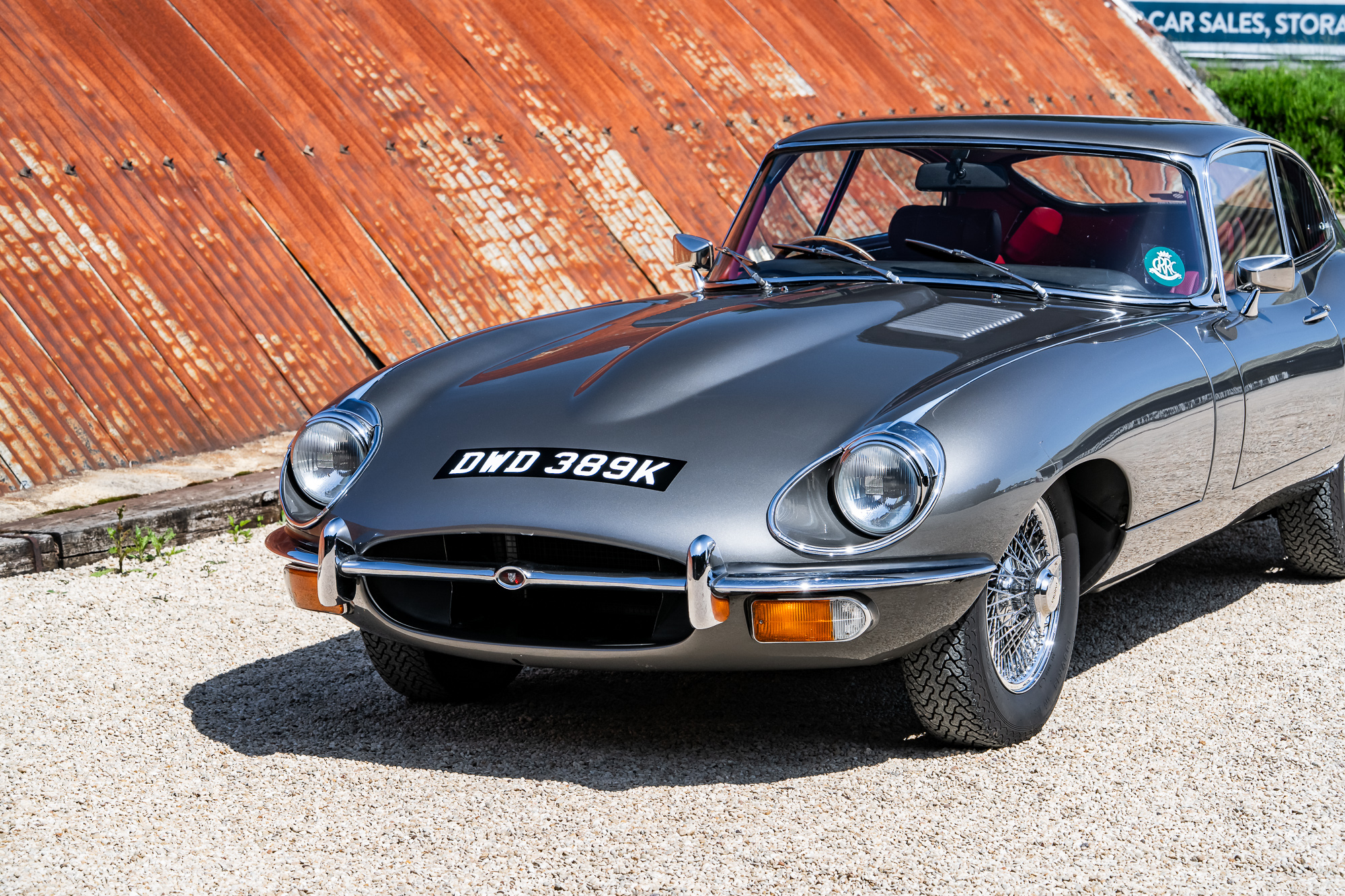
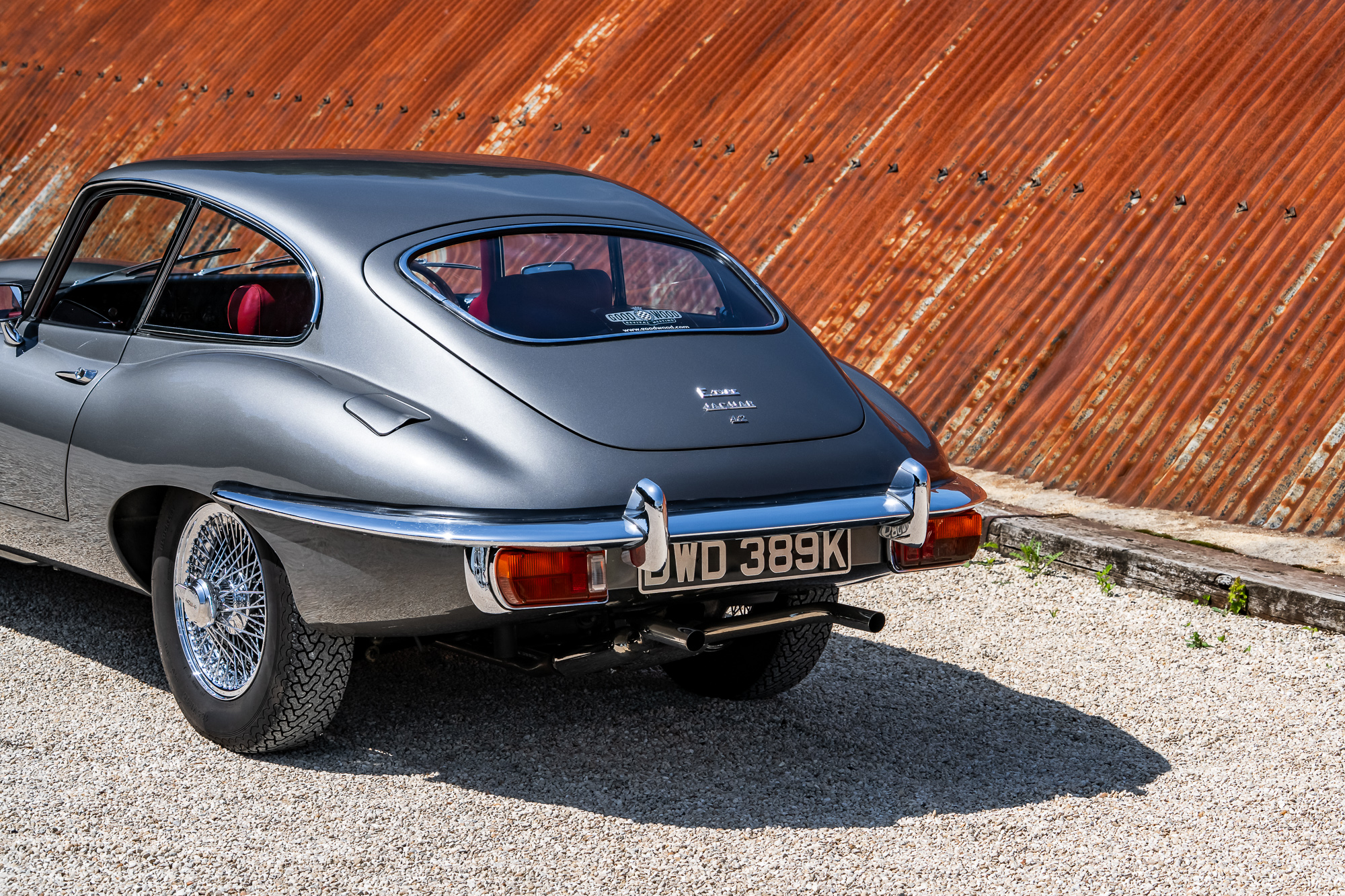
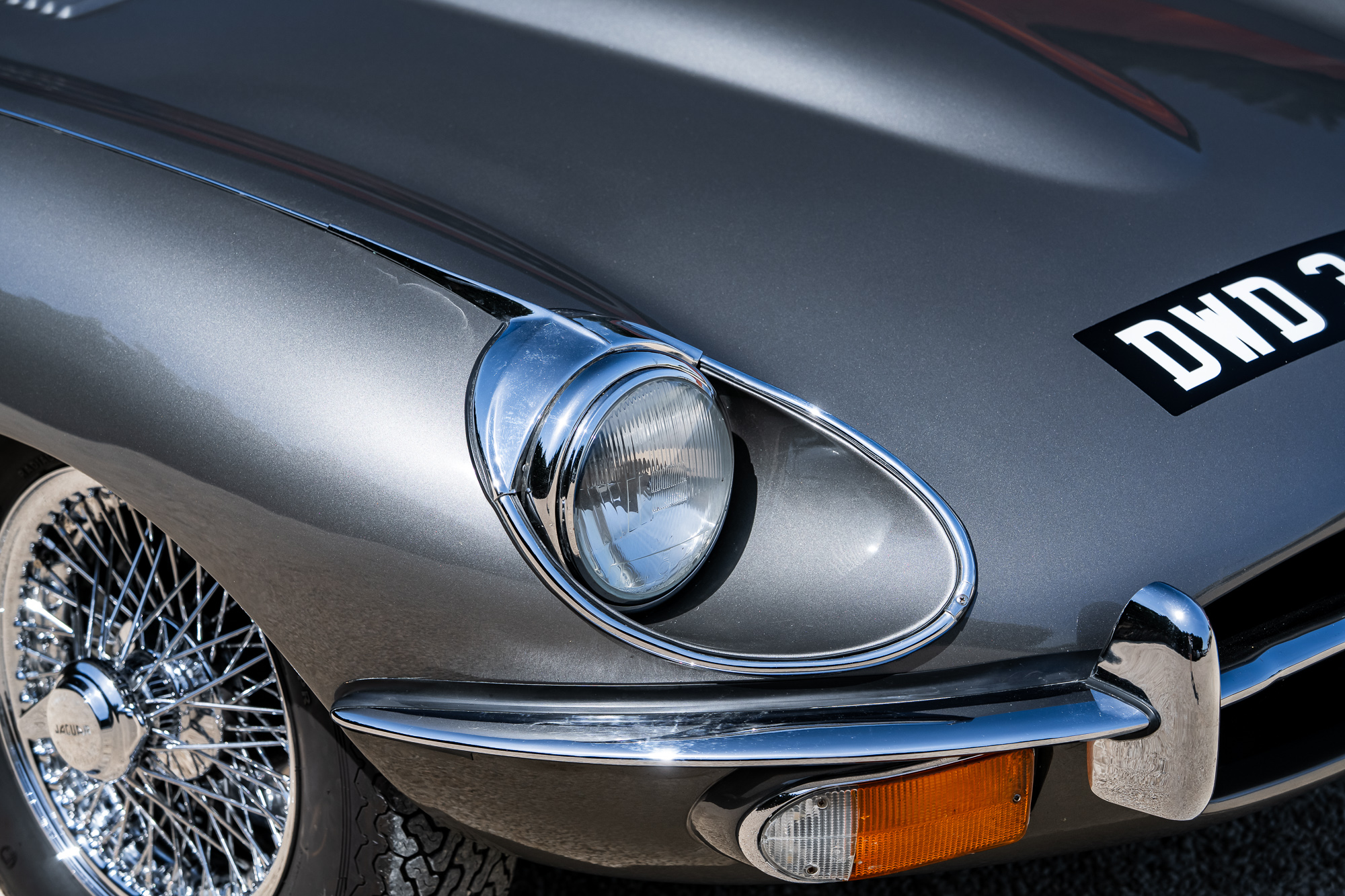
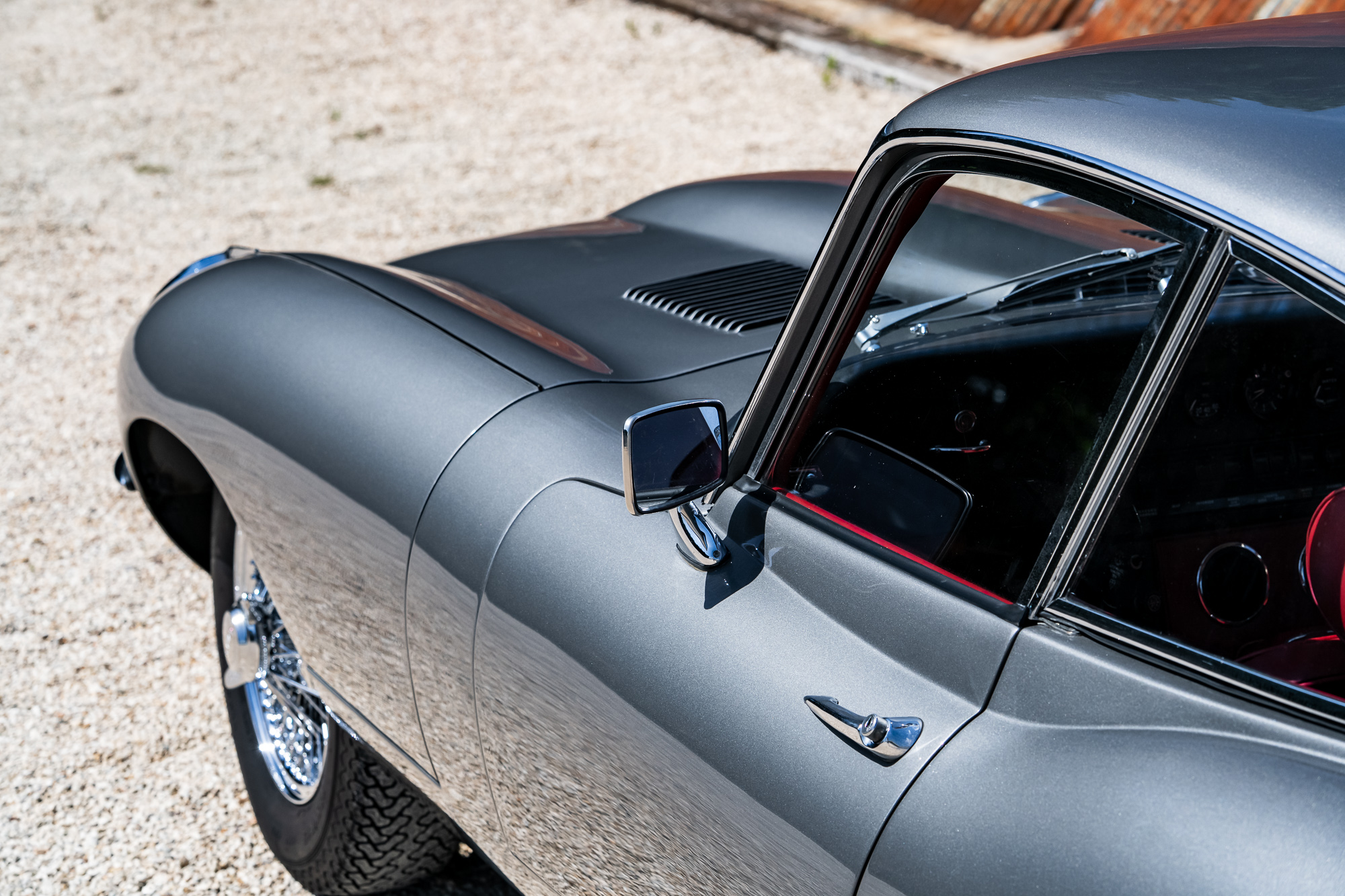
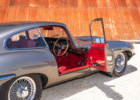
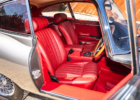
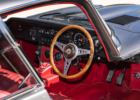
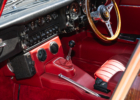
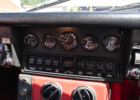
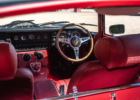
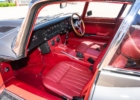
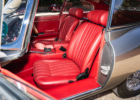
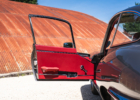
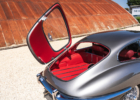
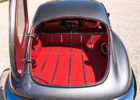
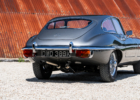
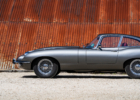
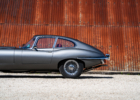
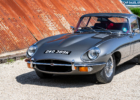
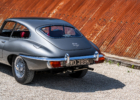
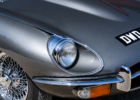
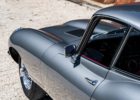
A genuine matching-numbers, right-hand-drive manual transmission car, it is accompanied by its Jaguar Heritage Certificate confirming its factory specification and is one of the very last six-cylinder Series 2 E-Types to leave the Browns Lane factory before production gave way to the V12-powered Series 3. Originally finished in and elegant Ascot Fawn with Black trim, it is now presented in the timeless combination of Opalescent Gunmetal Grey with beautifully trimmed red BAS leather, a colour scheme that perfectly complements Malcolm Sayer’s iconic design.
Manufactured on 6 August 1970 and dispatched on 24 August 1970, this E-Type was originally supplied through P.J. Evans of Birmingham, before being delivered by J.T. Thorpe of Wellesbourne to its first owner, Botlows Properties Ltd. Its accompanying history records known ownership dating back to the early 1980s, including ownership by Hampshire illustrator Chris Wardman-Bradbury, before later passing to Ian Holly, who acquired the car after a lengthy period in storage and embarked upon the comprehensive restoration from which it still benefits today.
Completed in 2019, the restoration was undertaken with an admirable philosophy: preserve as much originality as possible while creating an E-Type capable of being driven and enjoyed with confidence. The bodyshell was stripped to a bare tub before extensive metalwork was carried out, including replacement floors, sills, rear quarter sections, bonnet understructure, doors and fuel tank. Importantly, traditional lead-loading techniques were employed during the rebuild, preserving the craftsmanship expected of a car of this calibre. Every stage of the restoration is documented by an extensive photographic record and accompanying invoices.
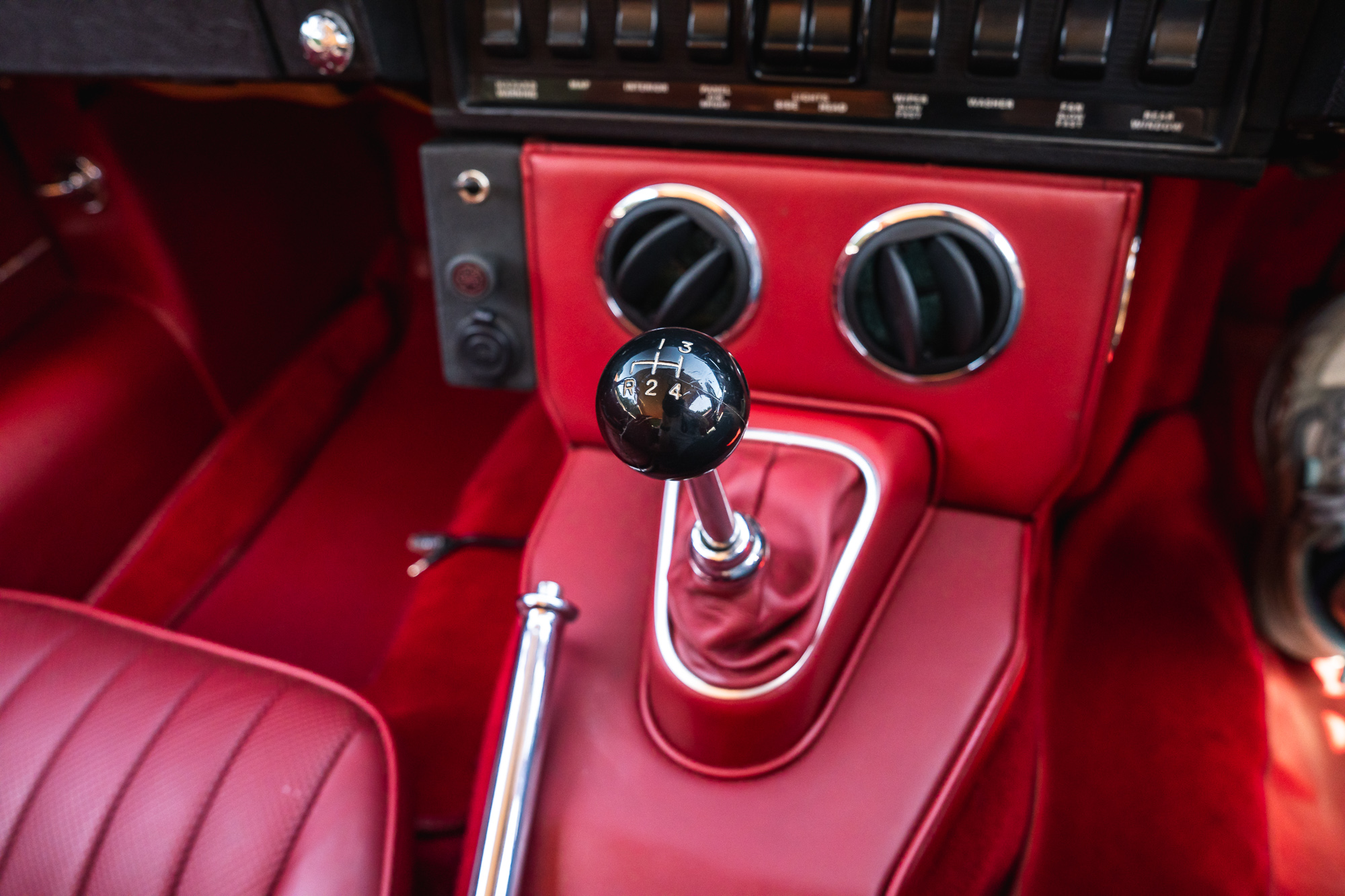
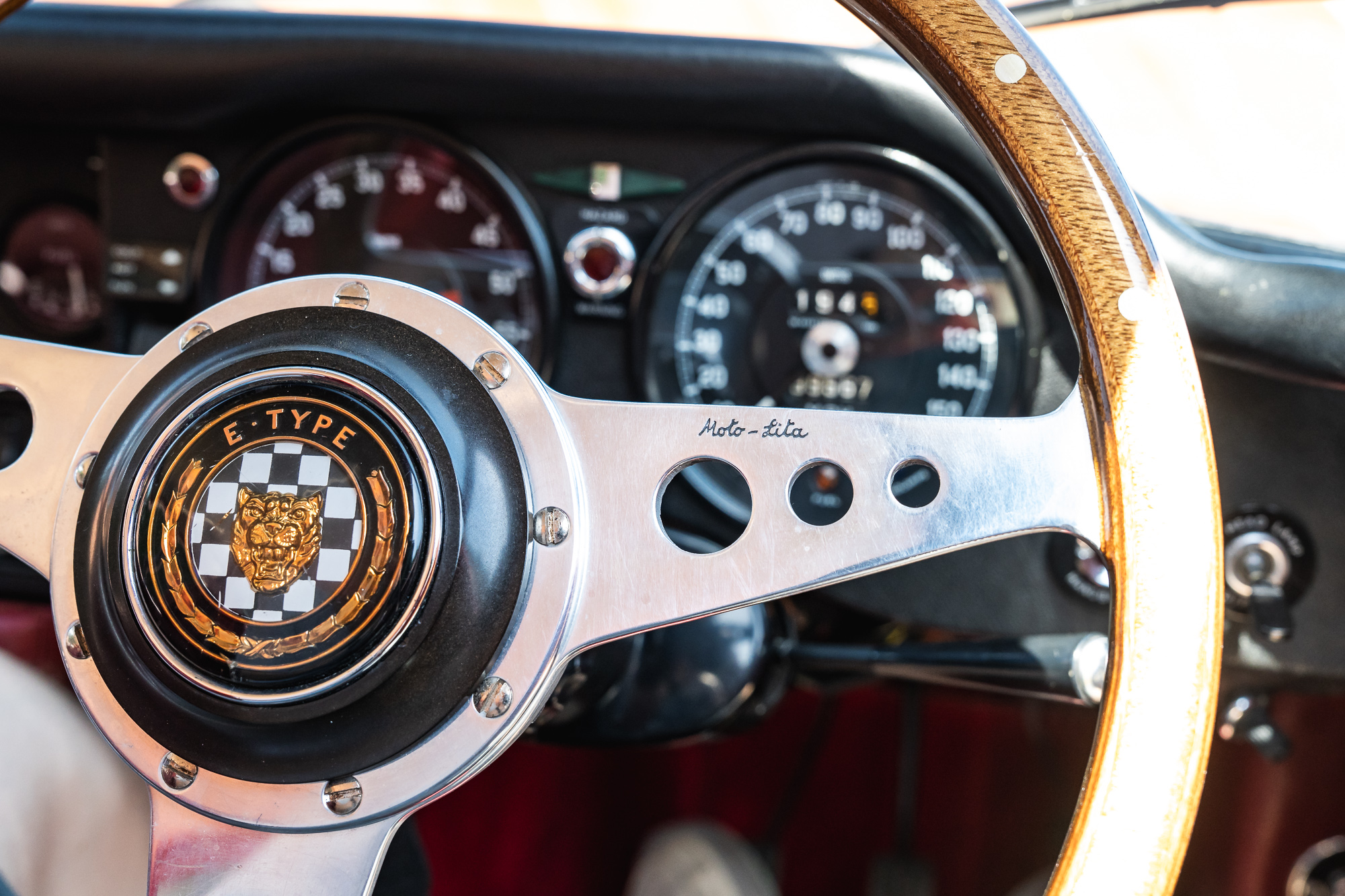
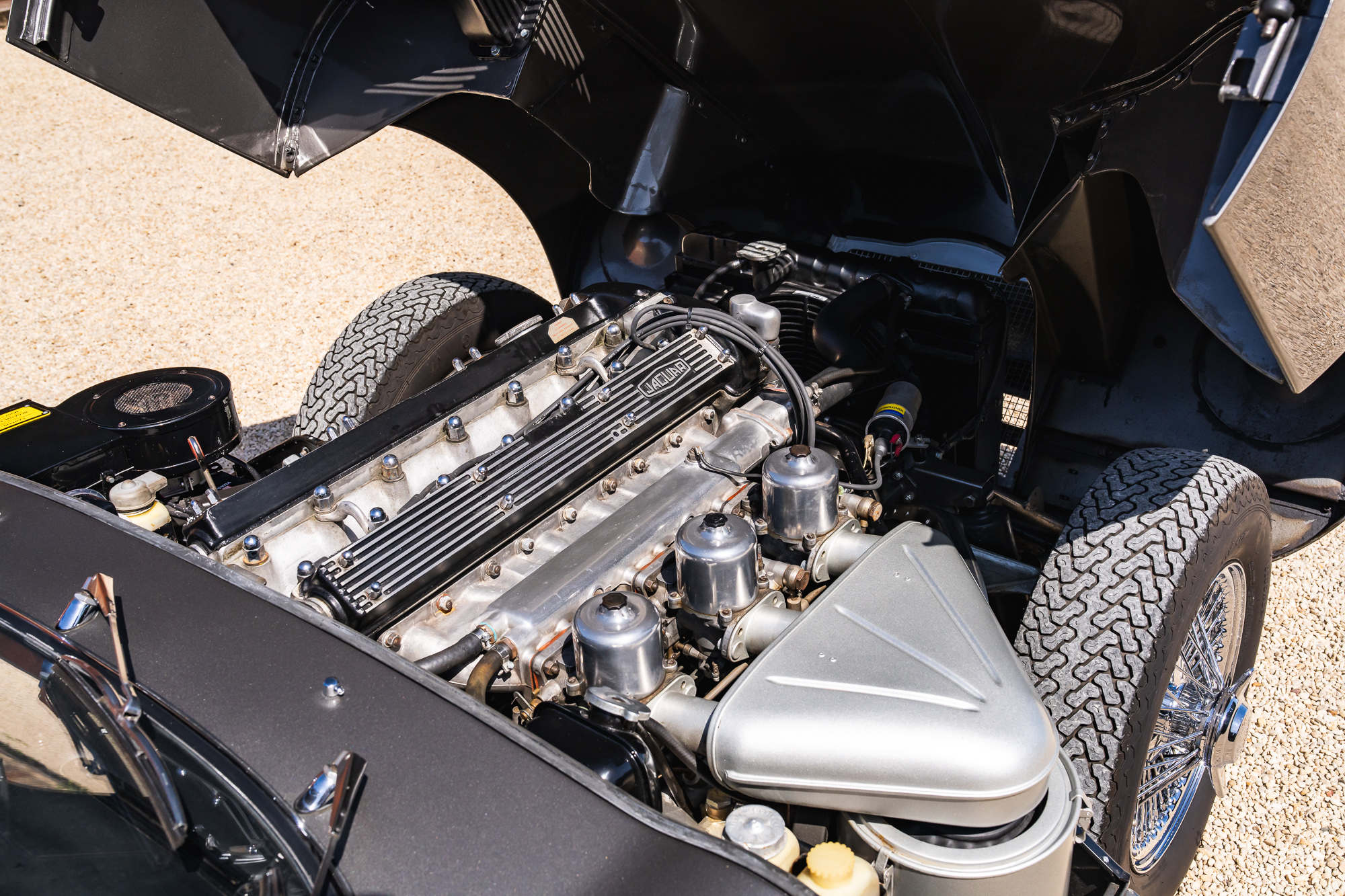
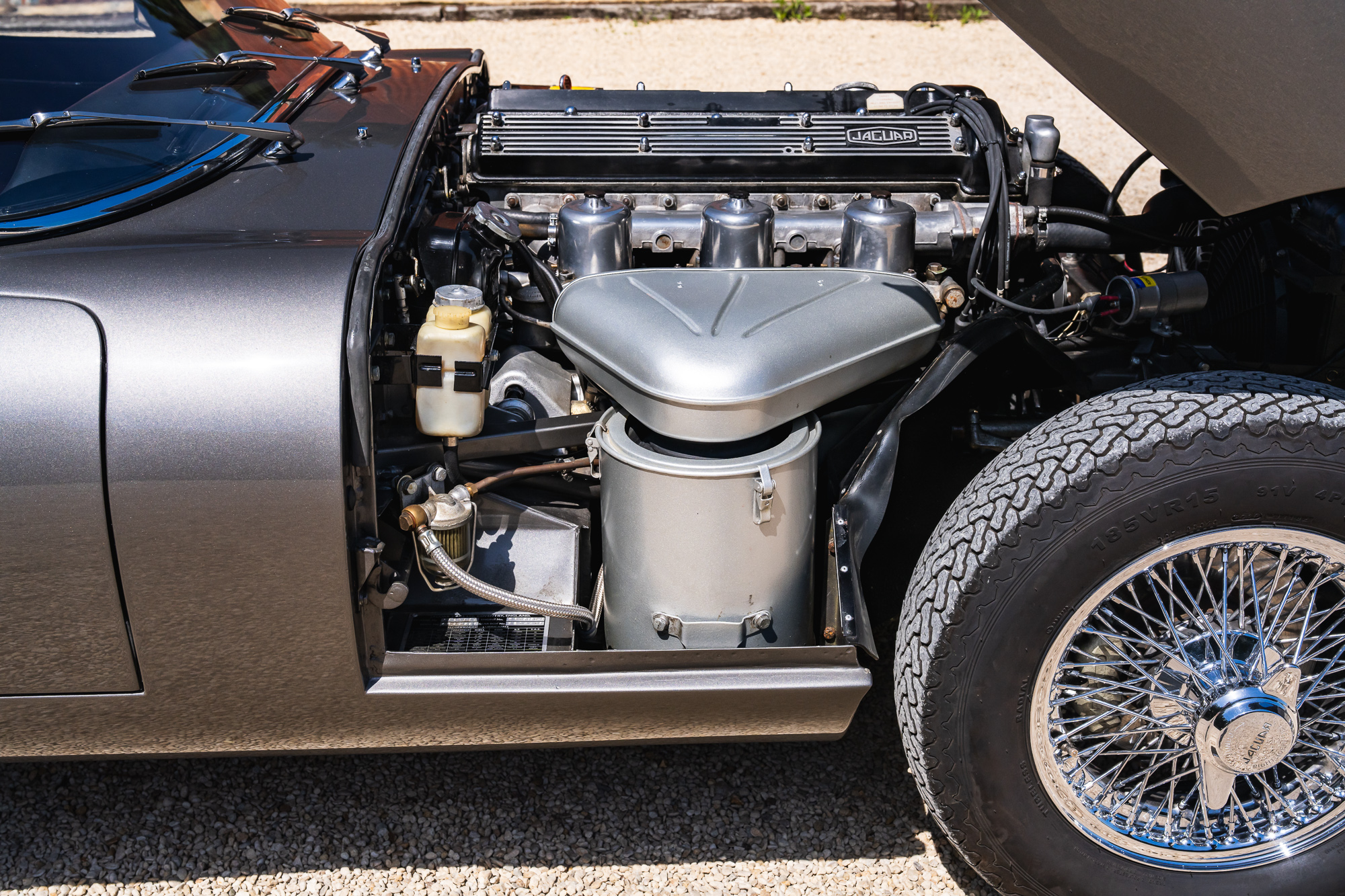
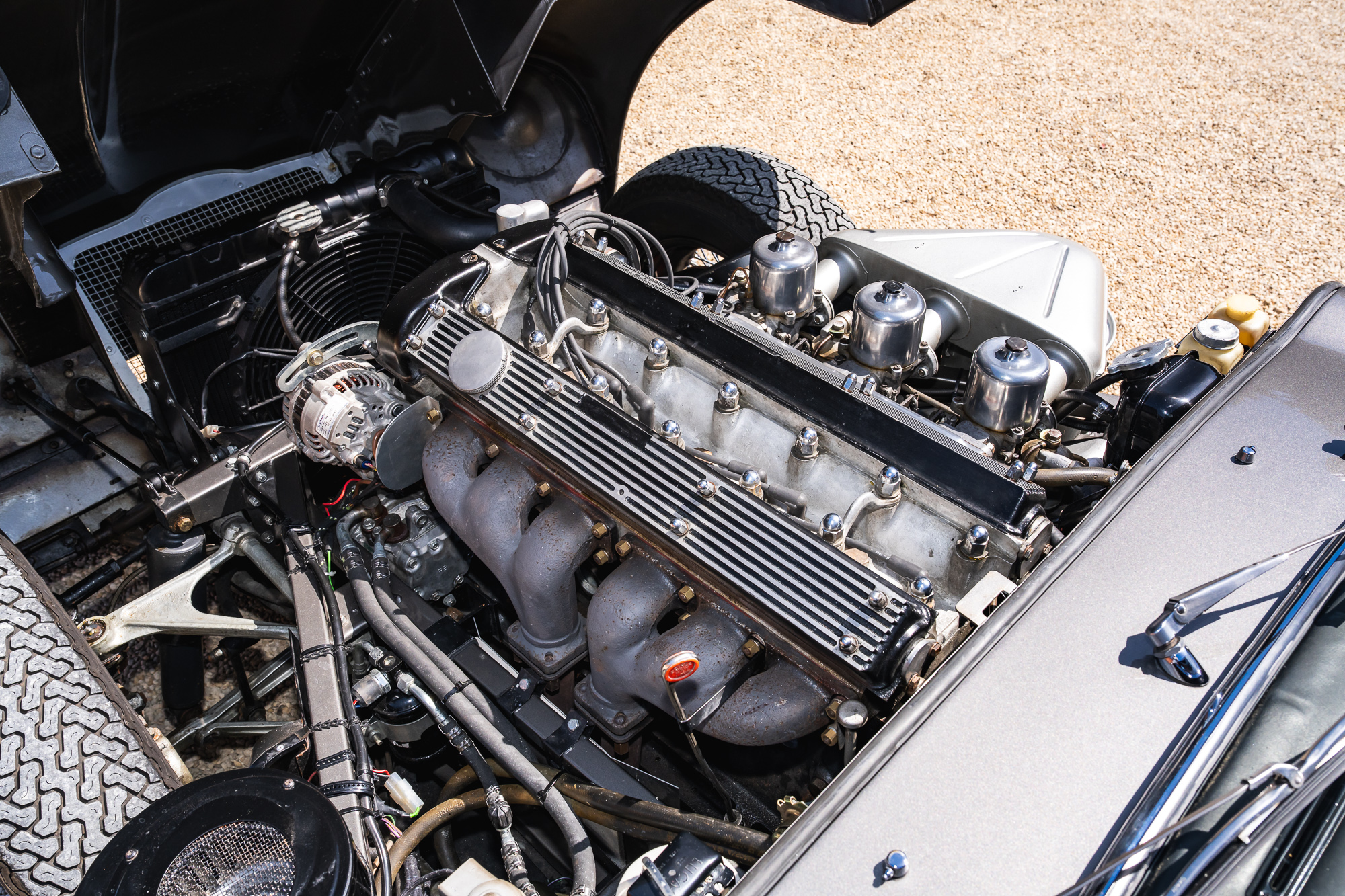
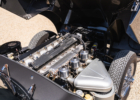
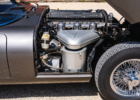
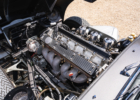
Mechanically, the work was just as comprehensive. The matching numbers 4.2-litre XK engine, manual gearbox, independent rear suspension and differential were all professionally rebuilt, while the suspension was renewed with fresh bushes and dampers throughout. A new wiring loom, and numerous ancillary components ensure the car is every bit as dependable as it is attractive. Having covered only limited mileage since completion of the restoration, it remains beautifully presented and ready to be enjoyed immediately.
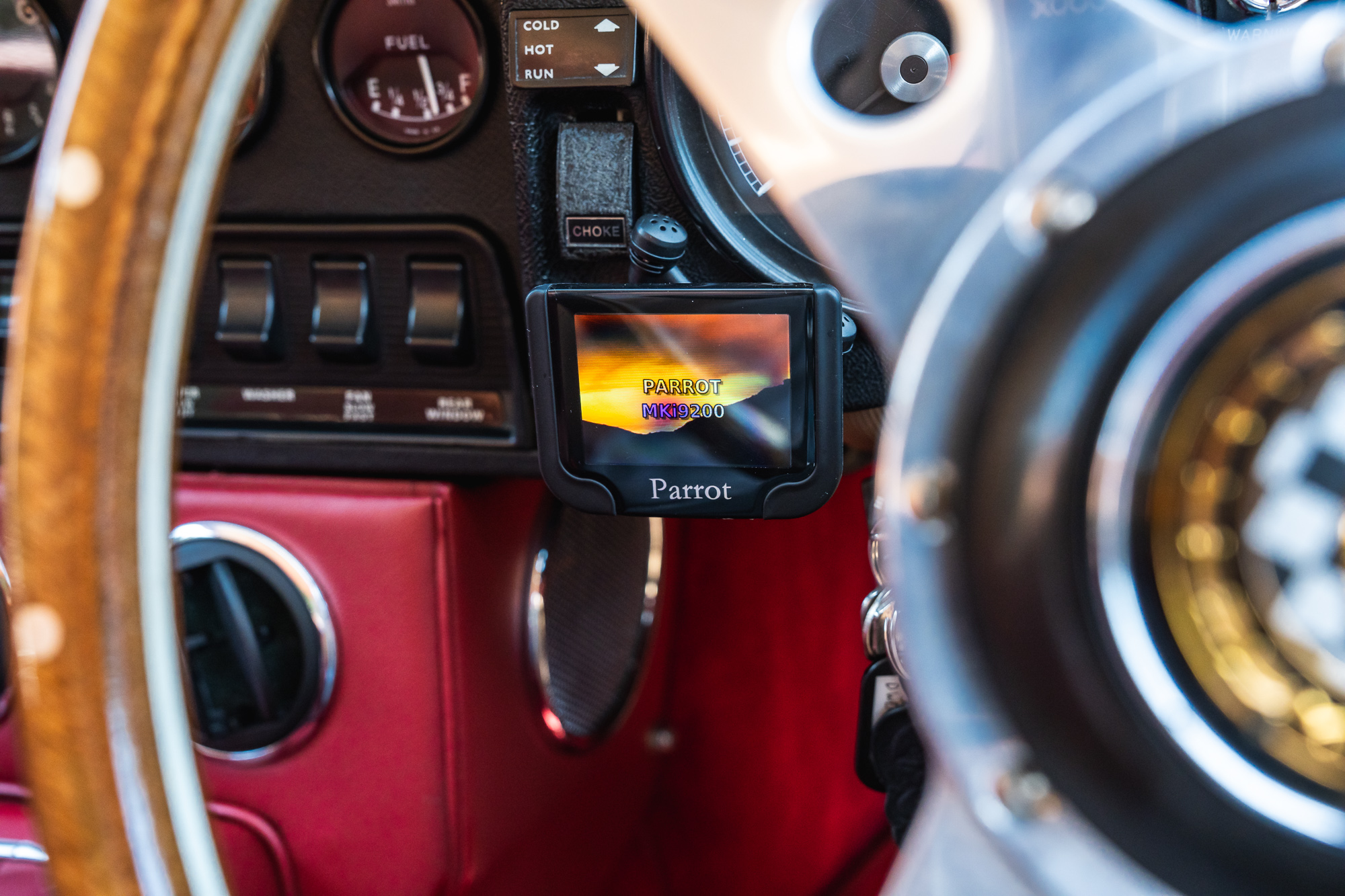
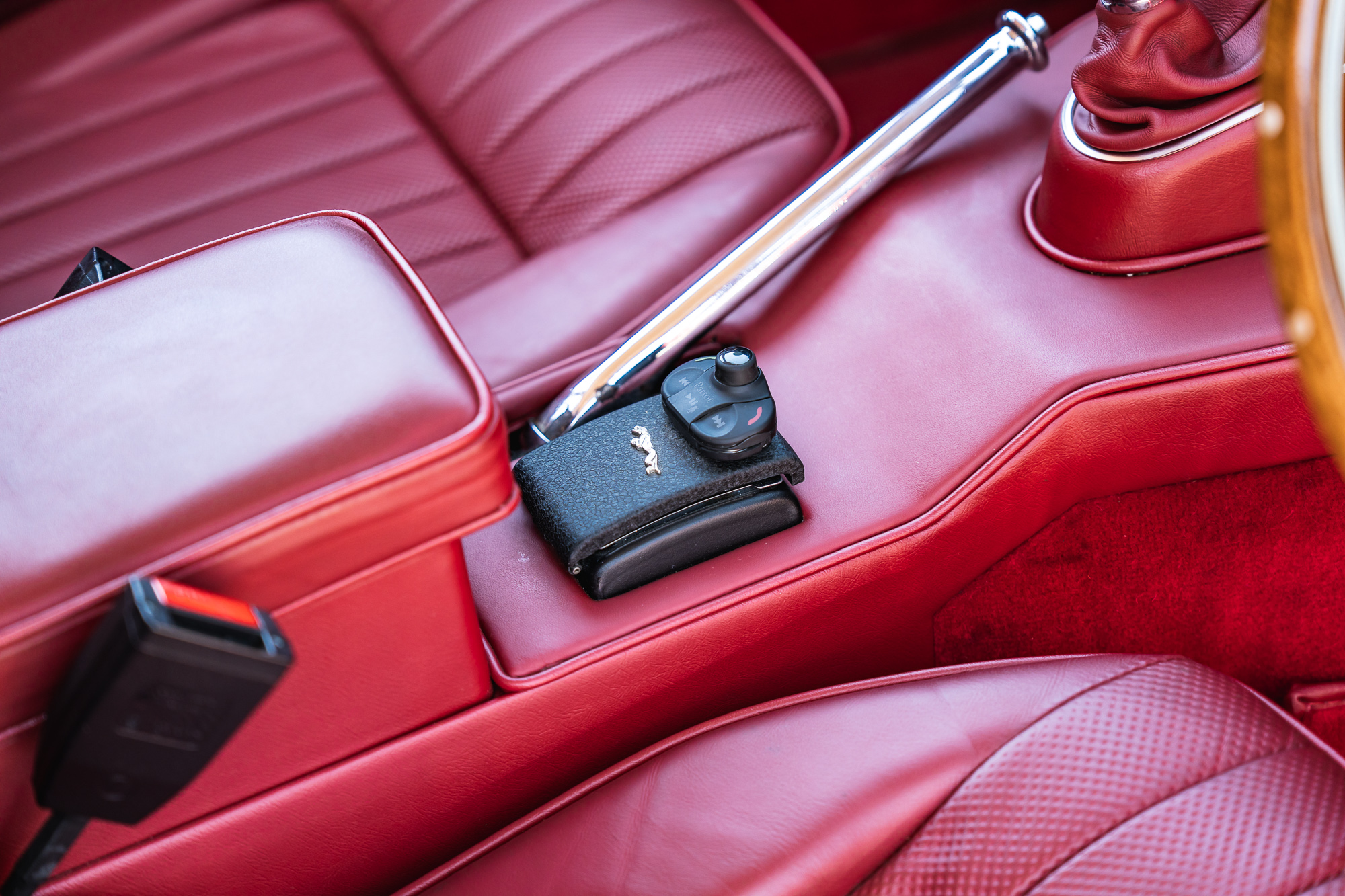
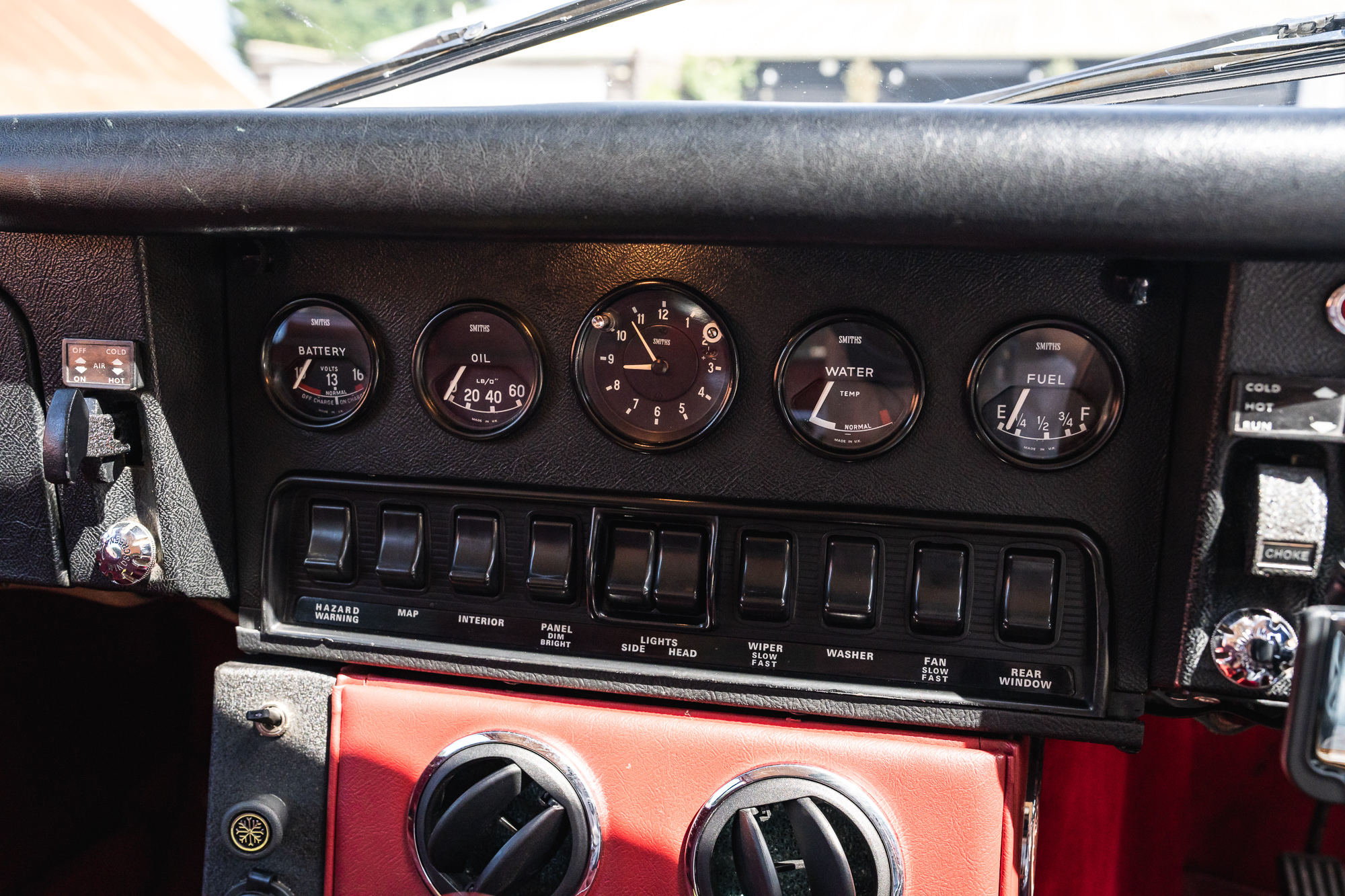
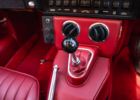
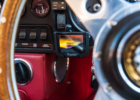
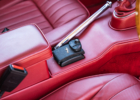
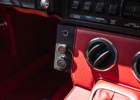
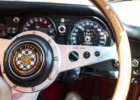
Recognising that the very best classic cars are those that are regularly driven, a number of discreet enhancements have been incorporated to improve comfort and reliability without compromising the E-Type’s character. A Clayton Classics air conditioning system transforms warm-weather touring, while 123 Electronic Ignition, halogen headlamps, hidden Bluetooth audio, comprehensive thermal and acoustic insulation, stainless steel exhaust and new wire wheels make this a particularly rewarding grand tourer. Pleasingly, the original radio and centre console accompany the car, allowing any future owner to return the interior to factory specification if desired.
The accompanying history file is exactly what one hopes to find with an E-Type of this quality, comprising the Jaguar Heritage Certificate, restoration invoices, an extensive photographic record and historical ownership information. It is a file that inspires confidence and reflects the care and investment lavished upon the car throughout its life.
Beautifully restored, highly specified and exceptionally well documented, this is a late-production Series 2 E-Type that offers the best of both worlds: the purity and character of Jaguar’s legendary XK-engined sports car, combined with carefully considered upgrades that make it an effortless companion on modern roads. Whether destined for touring across Europe, local concours events or simply Sunday morning drives, it is an E-Type that is ready to be enjoyed exactly as Jaguar intended.
MODEL HISTORY
When the Jaguar E-Type was unveiled at the Geneva Motor Show in 1961, Enzo Ferrari famously described it as “the most beautiful car ever made.” By the time the Series 2 arrived in 1968, Jaguar had carefully evolved the original concept to meet changing legislation while enhancing refinement, reliability and everyday usability.
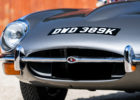
The most obvious visual revisions included a larger front air intake for improved cooling, repositioned front indicators beneath the bumpers and enlarged wraparound rear lights. Beneath the bonnet remained Jaguar’s legendary 4.2-litre XK straight-six, an engine renowned for its effortless torque, smooth power delivery and unmistakable exhaust note. Combined with four-wheel independent suspension and disc brakes all round, it remained one of the finest grand touring cars of its era.
The Series 2 also introduced improved seating, better ventilation, upgraded braking and revised cooling, making it a more comfortable and dependable companion for long-distance touring. These refinements have helped establish the model as one of the most enjoyable E-Types to own today, offering much of the purity of the original Series 1 while benefiting from worthwhile engineering improvements.
Production of the six-cylinder E-Type concluded during 1970 ahead of the arrival of the V12-powered Series 3. Consequently, late-production cars such as this occupy a particularly desirable place in the model’s history, representing the final chapter of Jaguar’s iconic XK-powered E-Type. Combining timeless styling, exceptional engineering and enduring collectability, the Series 2 remains one of the defining British sports cars of the twentieth century and a benchmark against which many of its contemporaries continue to be judged.