
1969 Lamborghini Miura P400 S

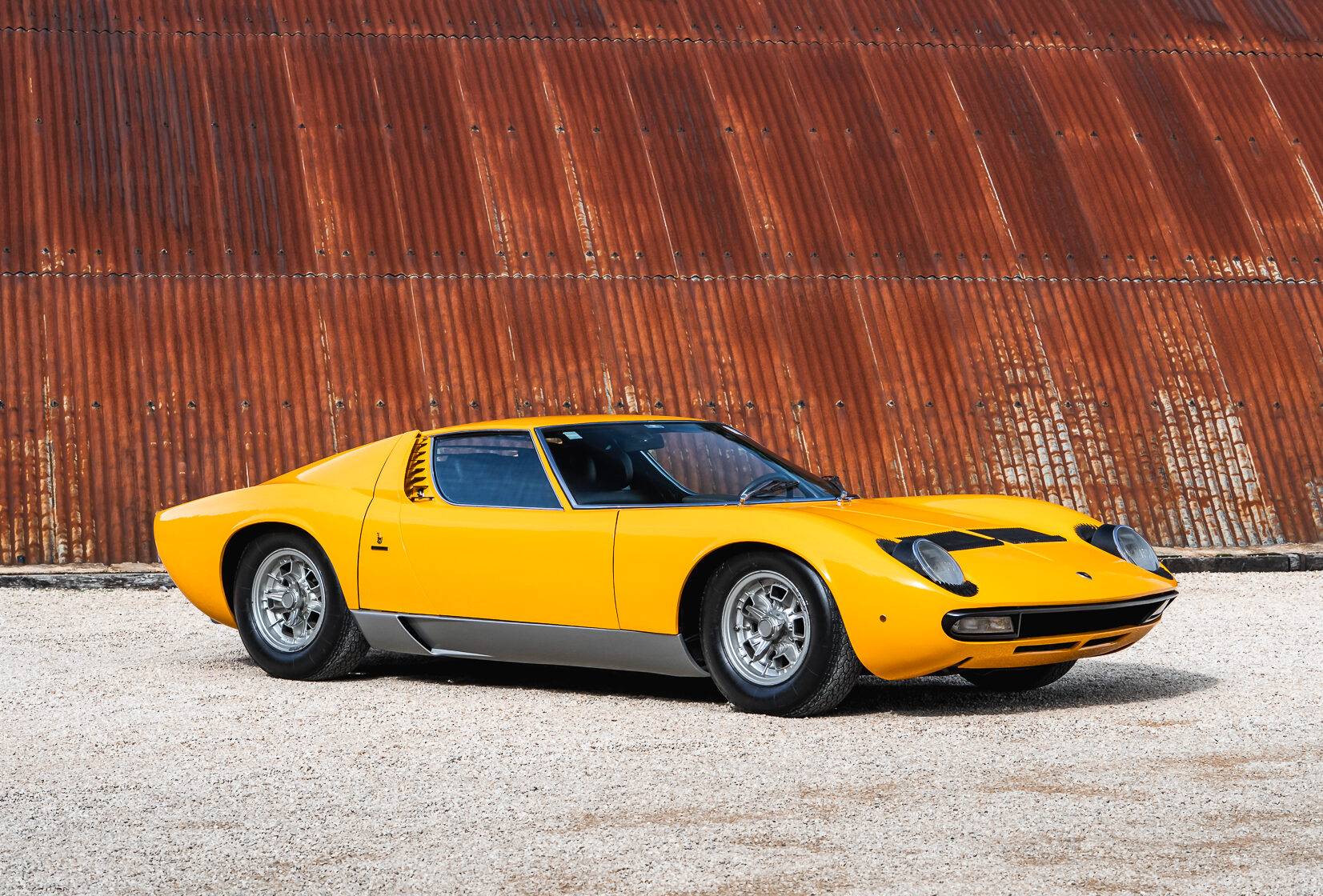


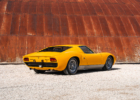
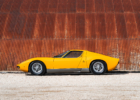
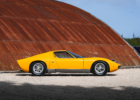
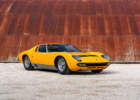
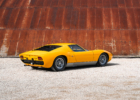
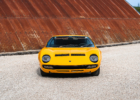
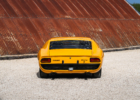
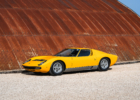
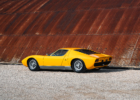
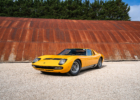
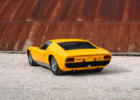
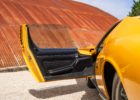
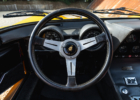
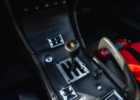
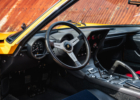
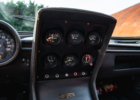
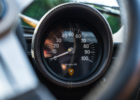
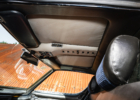
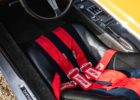
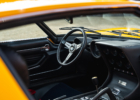
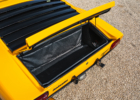
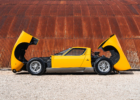
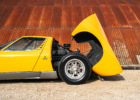

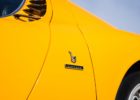
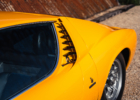
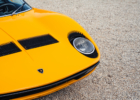
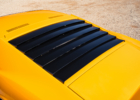
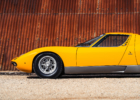
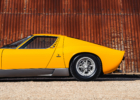
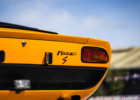
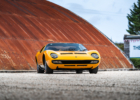
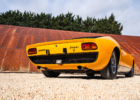
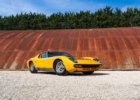
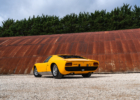
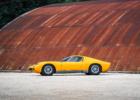
- Early example of the highly coveted P400 S
- Beautifully presented in its original colour scheme
- Highly original throughout, with matching-numbers engine
- A superb example of the world’s first supercar
| YEAR | 1969 |
| MAKE | Lamborghini |
| PRICE | £ Please Ask |
VEHICLE DESCRIPTION
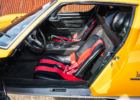
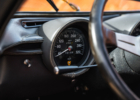
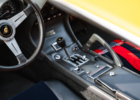
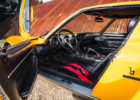
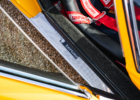
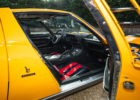
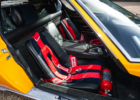
Only 338 examples of the P400 S left the factory between December 1968 and May 1971, and the early car being offered here was dispatched on 28 March 1969. Chassis number 4012 – production number 352 – was finished in Giallo Miura, with seats in black leatherette (fintapelle nero) and blue cloth (panno bleu).
It was sold via Milan-based dealer Lamborcar to first owner Gerardo Sanella, who’d previously owned a P400 (chassis number 3543). Since the mid-1990s, it has formed part of a private collection and is now coming to market for the first time in more than 30 years.
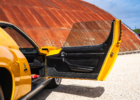
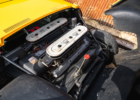
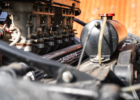
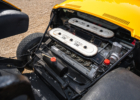
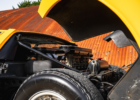
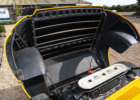
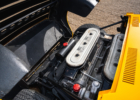
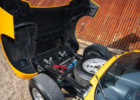
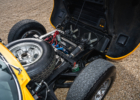
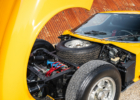
Marque aficionados recognise the importance of colour to the Miura, and ‘4012’ has recently been repainted in its vivid factory shade of Giallo Miura. Extremely original throughout, it retains its matching-numbers 4-litre V12 engine (number 2964) and is a beautiful example of this highly coveted model.
MODEL HISTORY
The Lamborghini Miura is a landmark design in automotive history. Not only is it one of the most beautiful cars ever built, it also made the fledgling marque internationally famous and heralded the arrival of an entirely new motoring genre: the supercar.
Wealthy Italian businessman Ferruccio Lamborghini had founded his car company in 1963, building a new factory in Sant’Agata Bolognese – halfway between Modena and Bologna in northern Italy. His original intention was to produce the world’s best GT cars, but his brilliant young team – led by engineers Giampaolo Dallara and Paolo Stanzani, plus test-driver Bob Wallace – wanted to explore other avenues.
Although Ferruccio had no interest in going racing, Dallara and Stanzani kept a close eye on the motorsport scene and the latest mid-engined sports-racing cars such as the Ferrari 250 LM and Ford GT40. Lamborghini’s first model – the front-engined 350 GT – was a traditional design and hadn’t set the motoring world alight, so they resolved to follow a more ambitious path and build a groundbreaking ‘racing car for the road’.
Initially conceived by Giotto Bizzarrini and subsequently refined in-house, Lamborghini’s V12 engine – which had recently been enlarged from 3646cc to 3929cc for the 400 GT – was further developed for use in this new model. To keep the entire package as compact as possible, it was mounted transversely – the block, crankcase and transmission casing being made in a single casting.
A new semi-monocoque folded-steel chassis was designed, and the car – yet to be christened ‘Miura’ – was introduced in unclothed ‘rolling chassis’ form at the 1965 Turin Motor Show. Five months later, Lamborghini caused a sensation at the 1966 Geneva Motor Show when it displayed it again, but this time with fabulous bodywork designed by a young Marcello Gandini at Bertone.
Author Pete Lyons called the shape ‘daring, spirited, lithe, energetic and sexy’, and while Ferruccio estimated that it would sell only in small numbers, the Miura had put Lamborghini firmly on the map and immediately made Ferrari’s designs look decidedly old-fashioned. Owners ranged from wealthy playboys to racing drivers and rock stars, and in the end, 762 Miuras were built between 1966 and 1973.
It was almost constantly refined and upgraded along the way. The P400S was announced in November 1968 as a replacement for the original P400 and gained lower-profile Pirelli Cinturato tyres, plus detail changes inside and out. Hot air from the bonnet vents was directed into the wheelarches rather than onto the windscreen, which reduced cockpit temperatures, and Lamborghini quoted an increased power output of 370bhp thanks to a raised compression ratio and higher-lift camshafts.
Air-conditioning was added during the S’s production run, as were ventilated disc brakes, and the body tub was strengthened. Autocar magazine recorded a top speed of 172mph when it tested a Miura P400S in 1970, making it the fastest road car it had ever tested.
Not many cars can claim to have started a whole new class of motoring, but the revolutionary Miura is undoubtedly one of them. Equally at home covering long distances at high speed as it is turning heads on the Riviera, it’s rightly revered for being the first supercar – a game-changing design from the young, enthusiastic and hugely talented team at Sant’Agata.