
1935 MG PA Airline Coupe

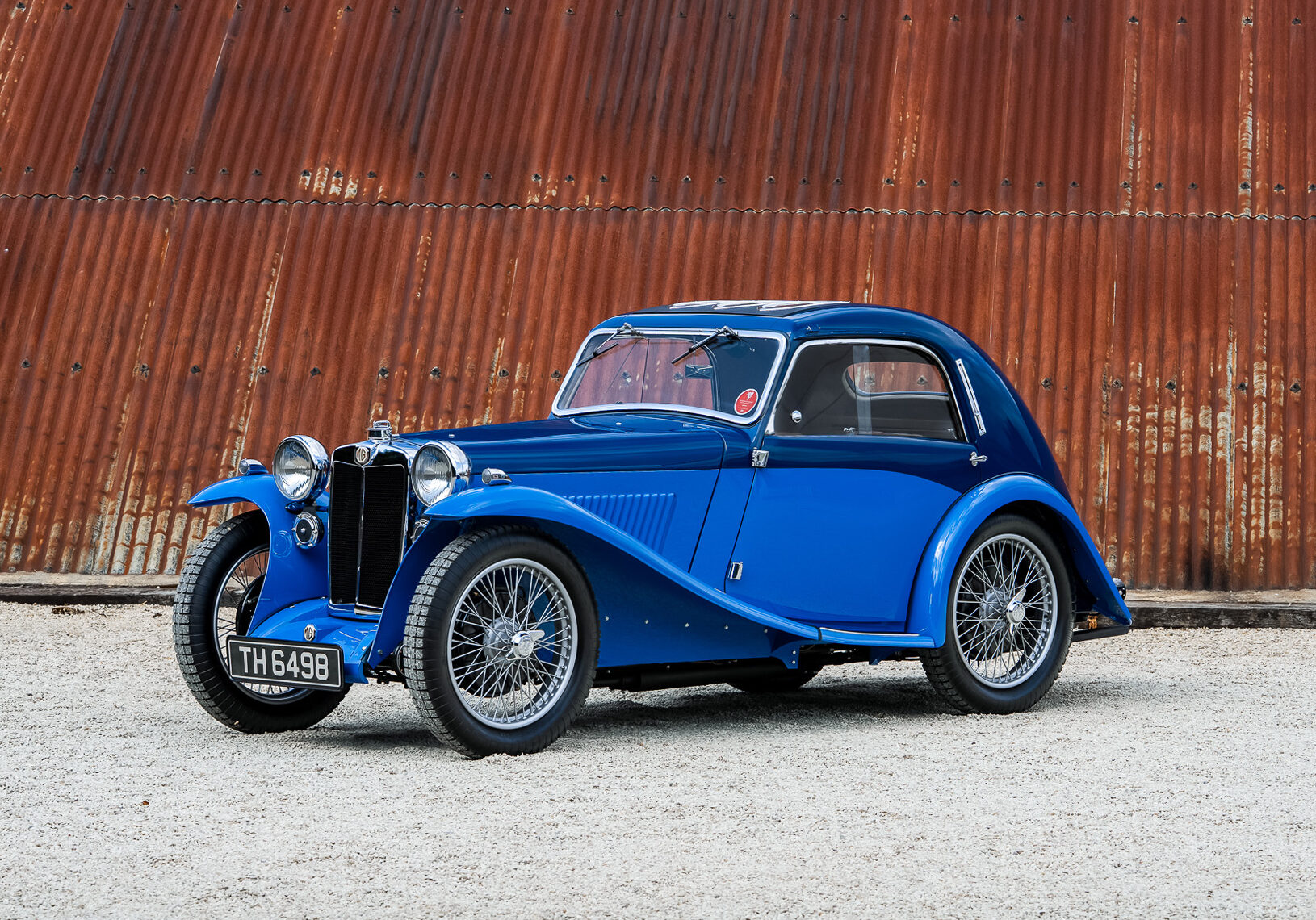
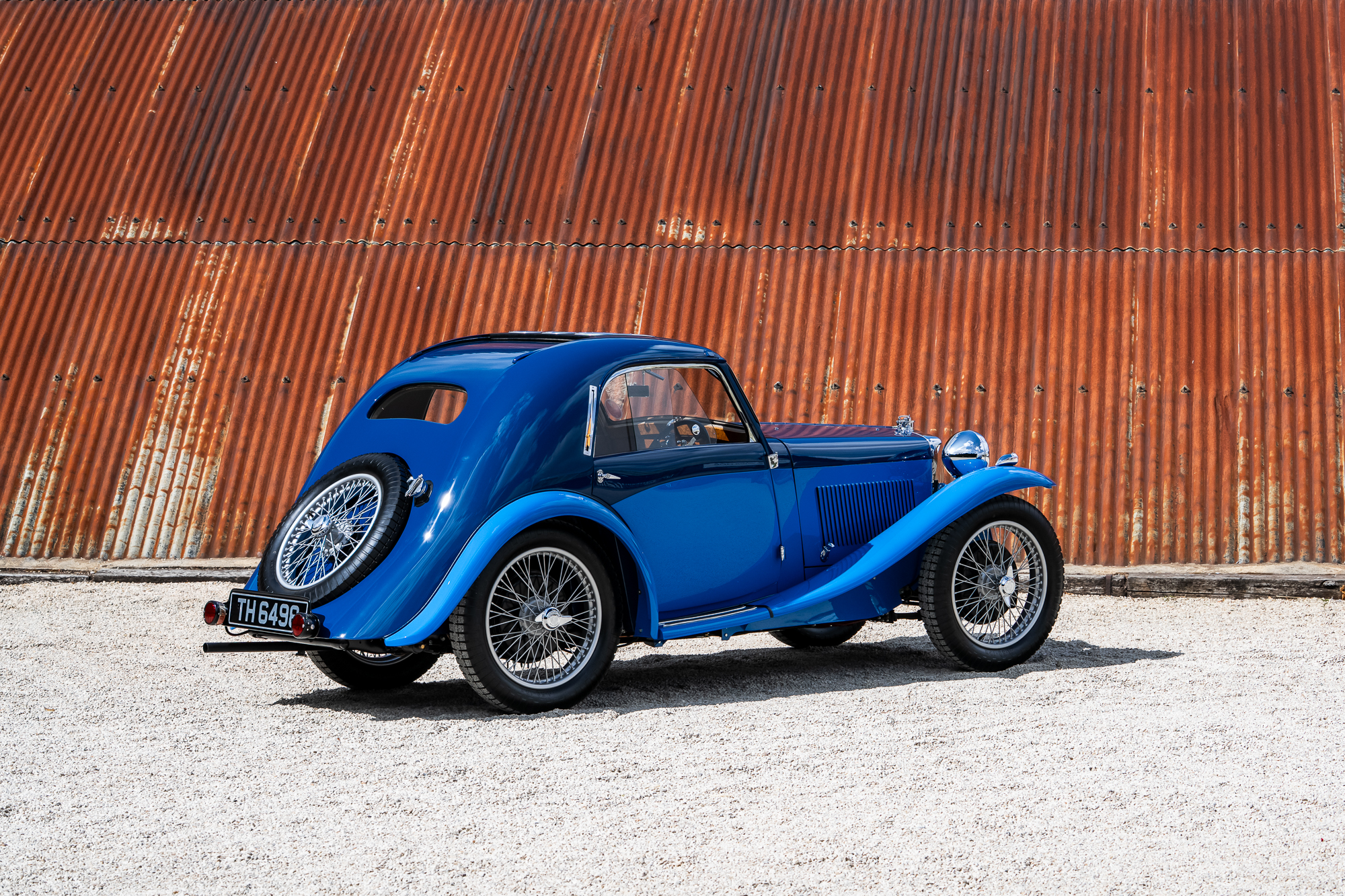
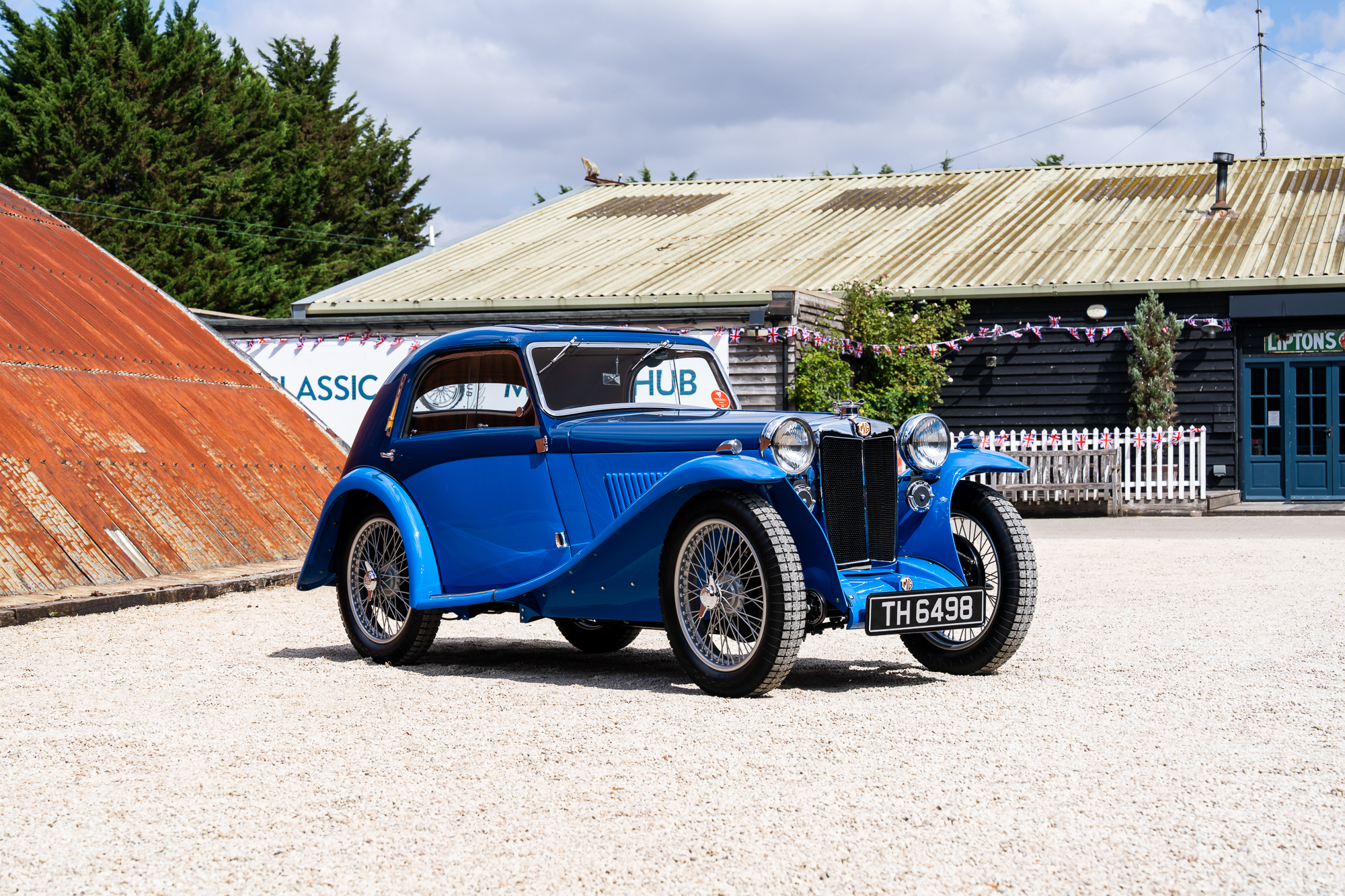
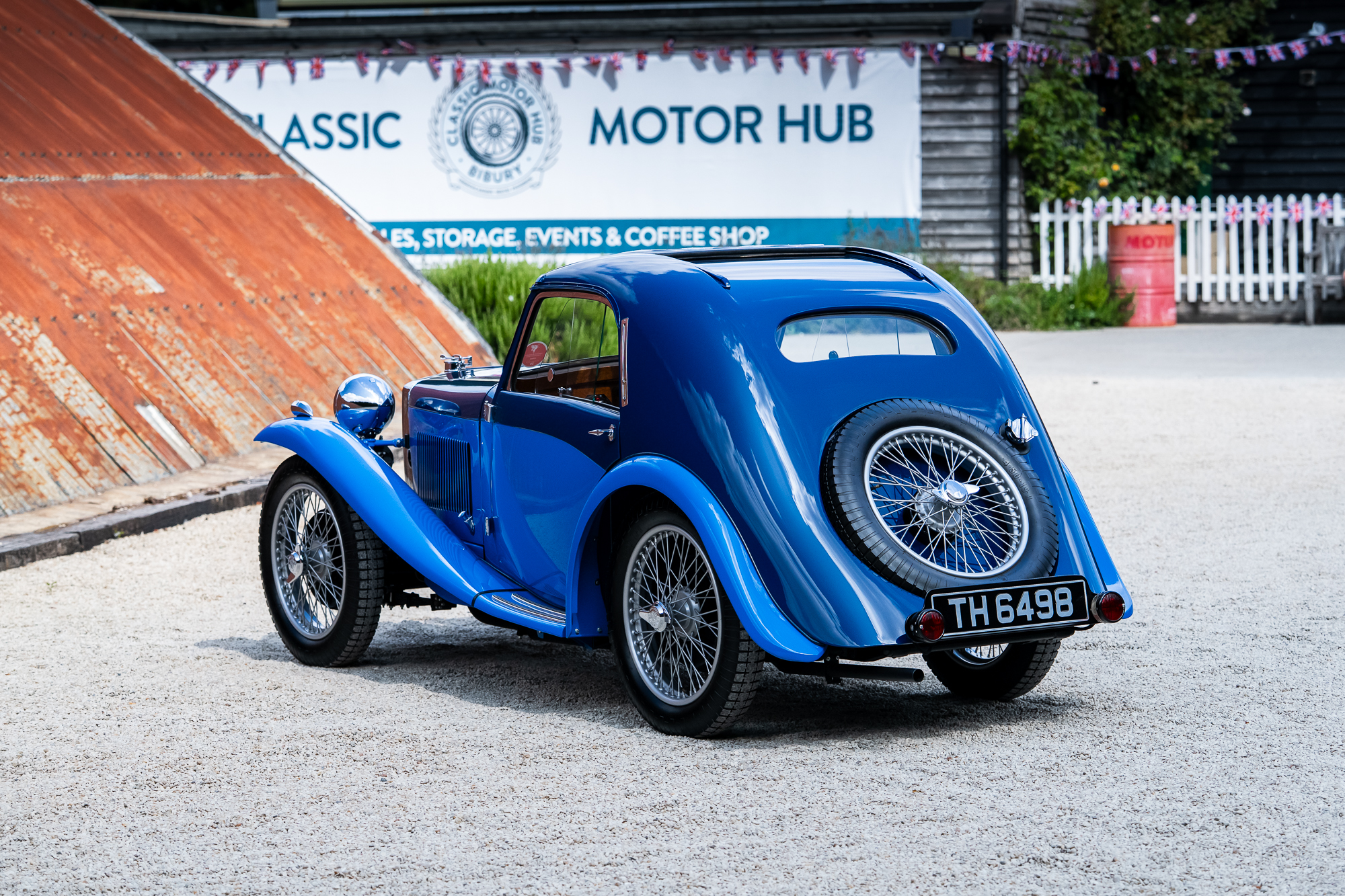
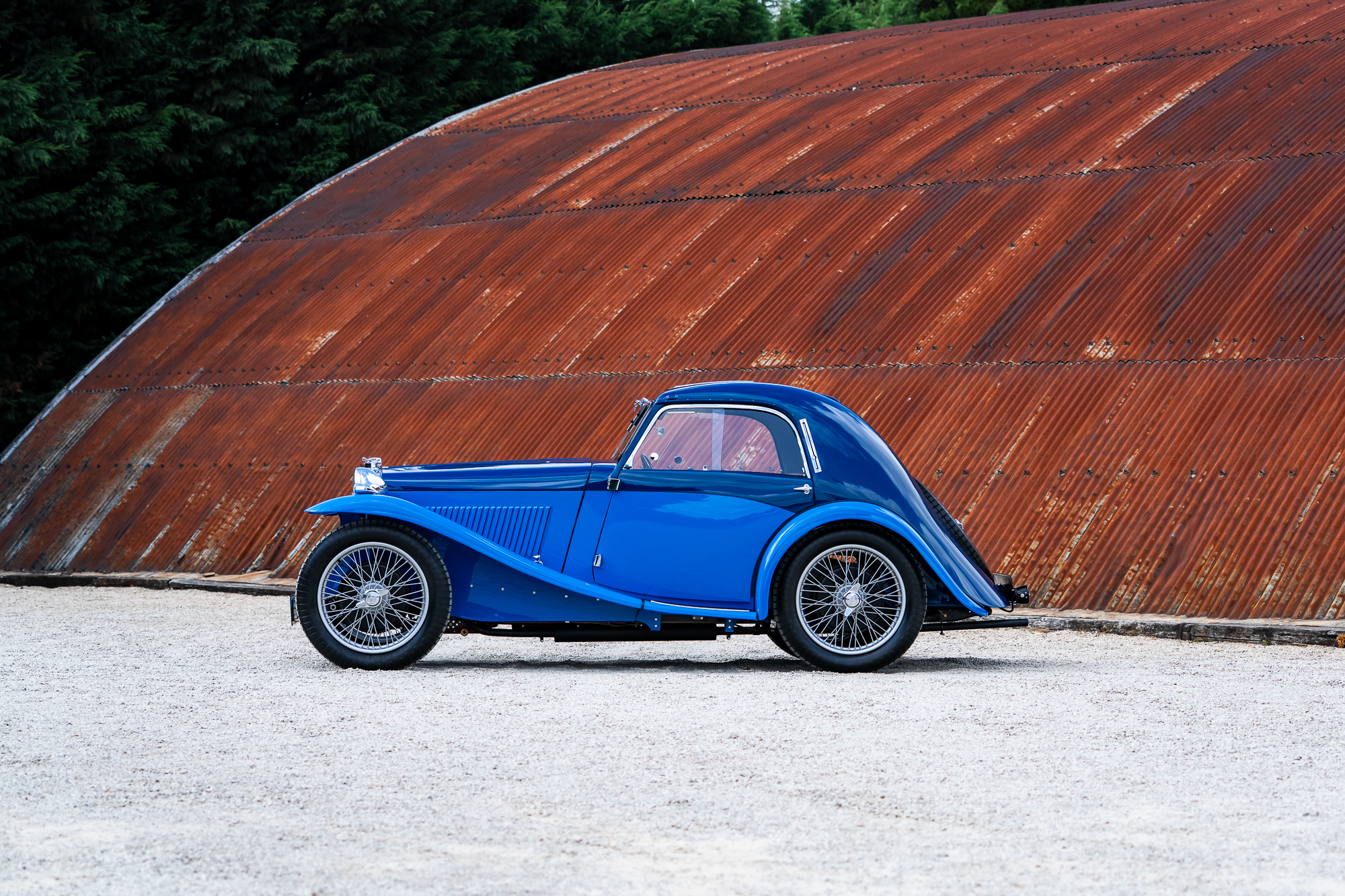
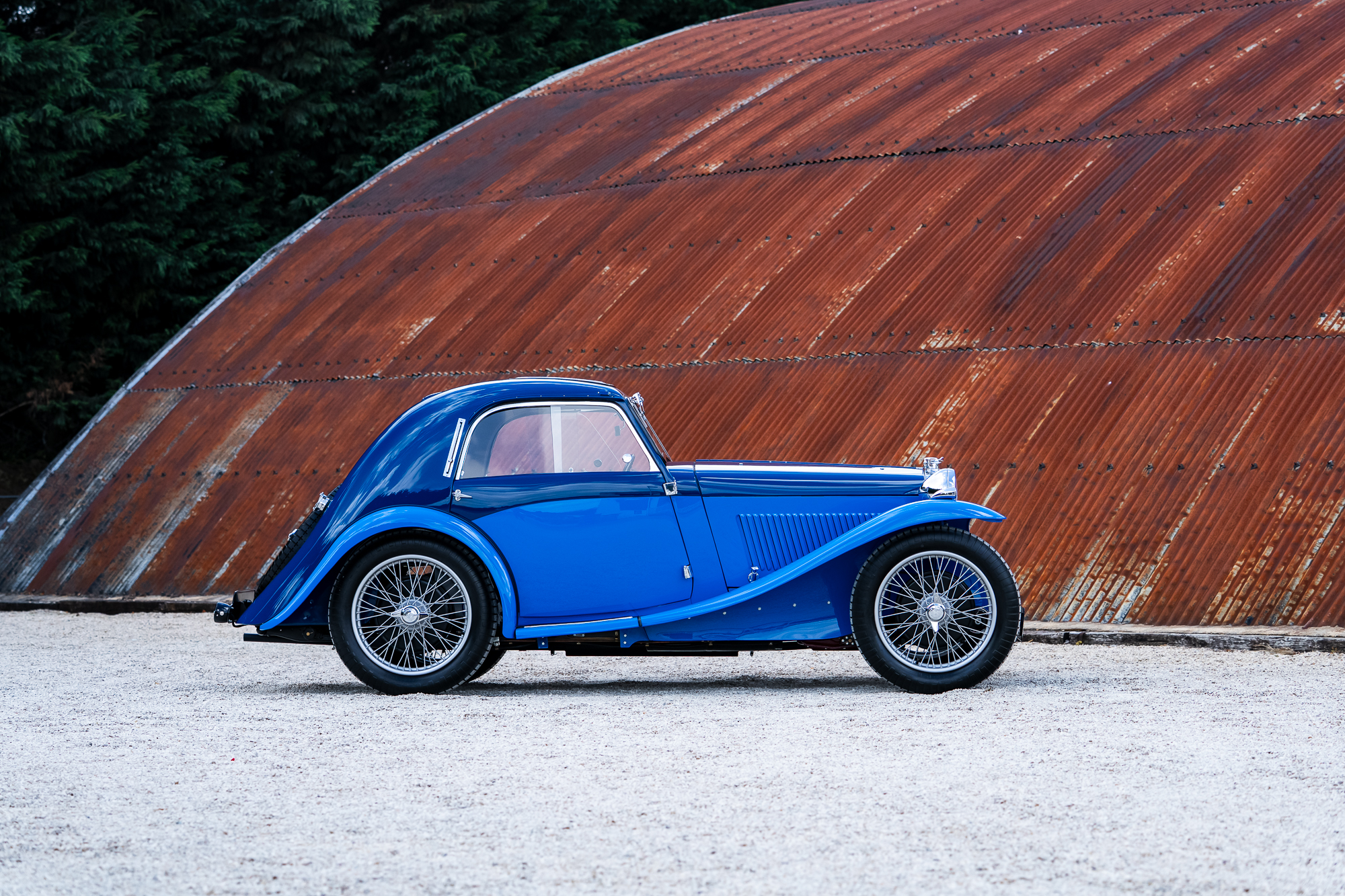
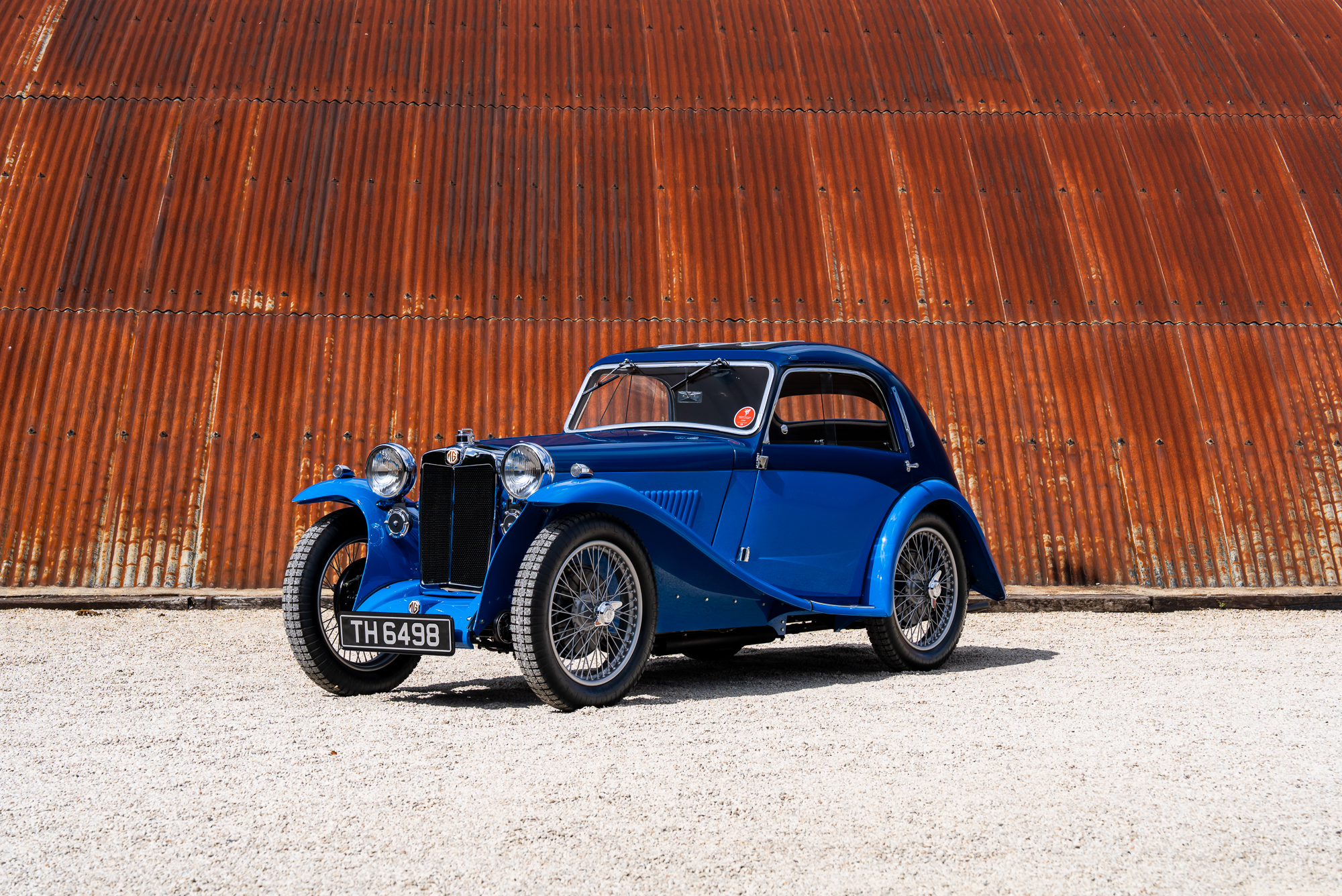
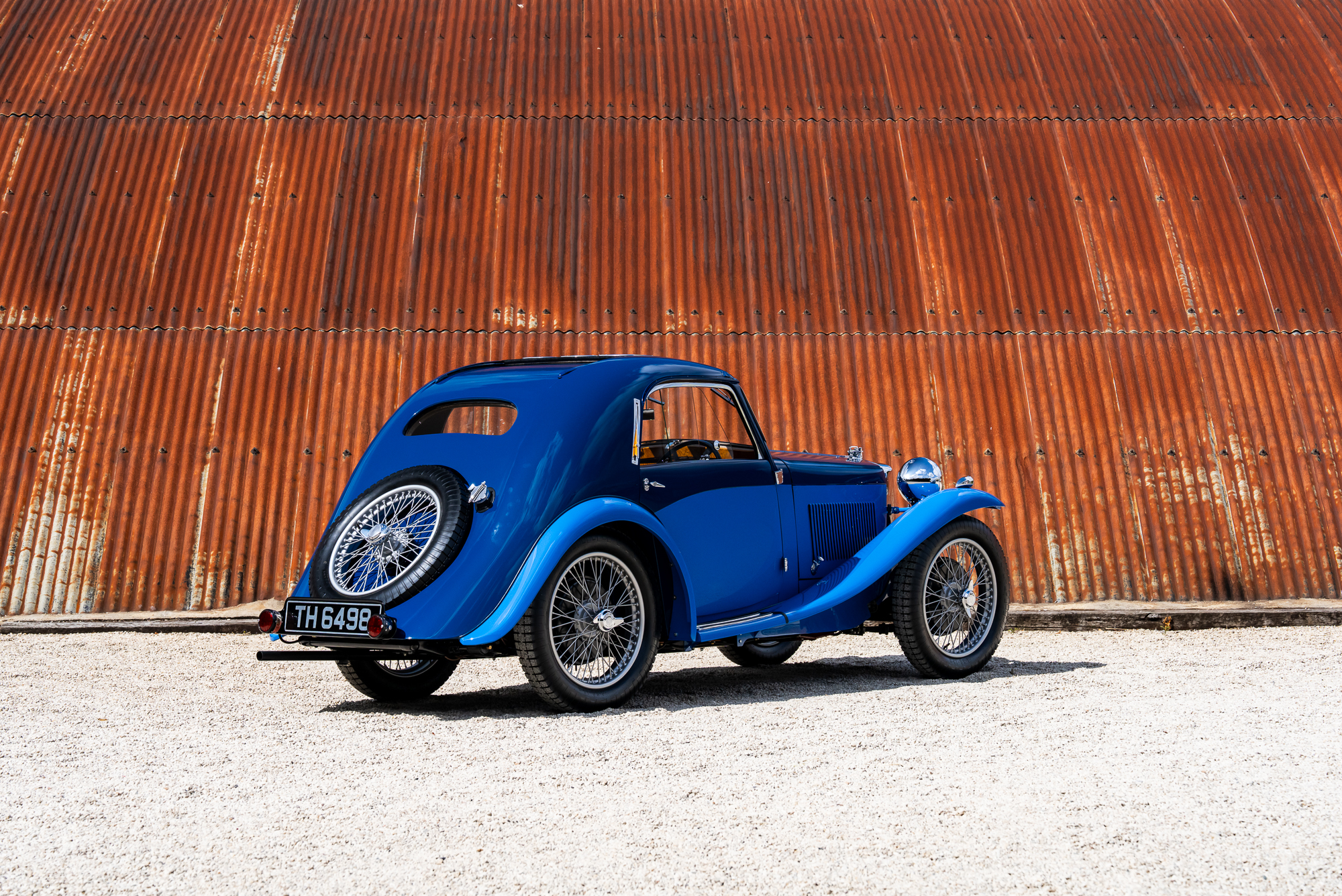
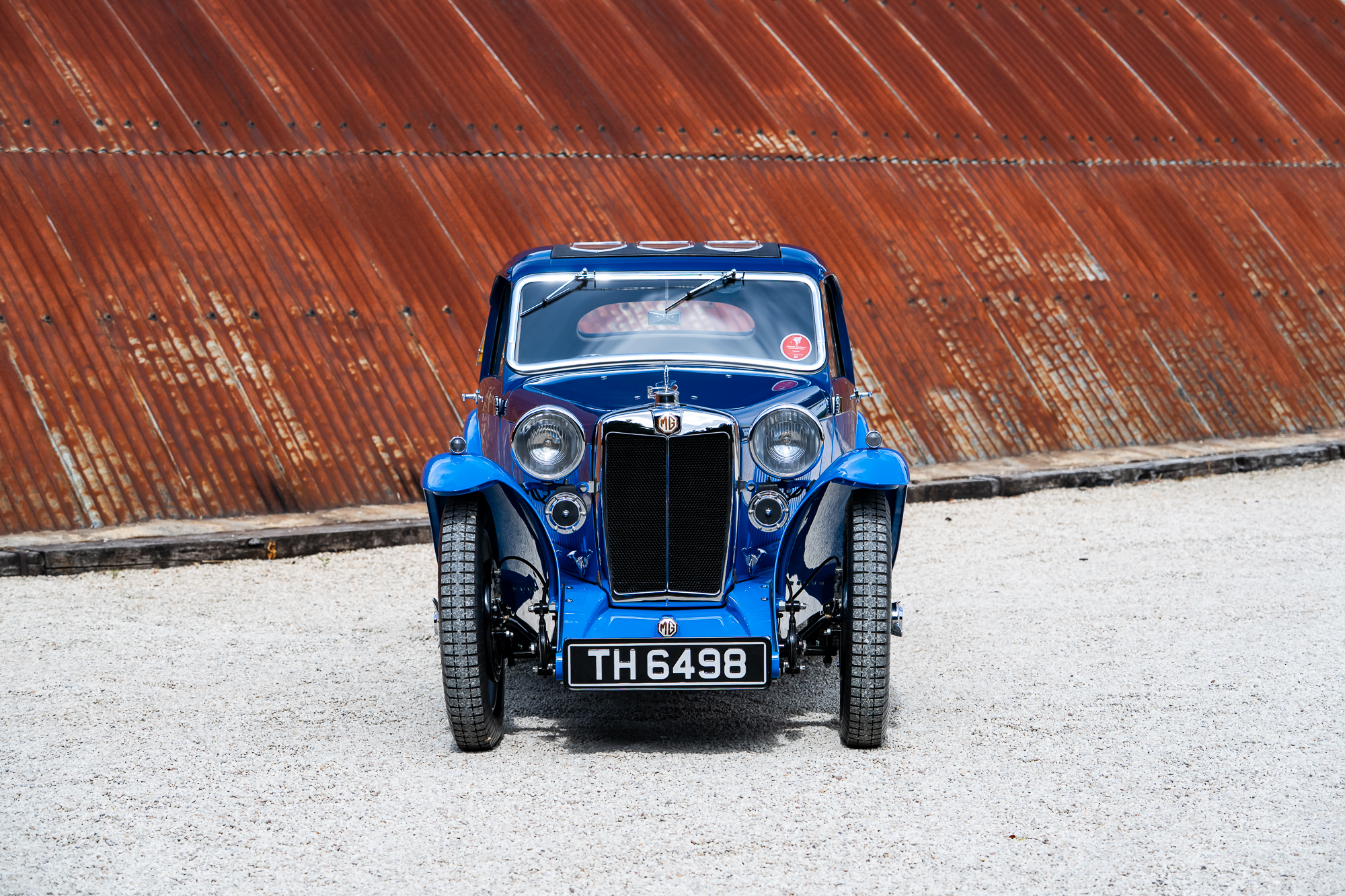
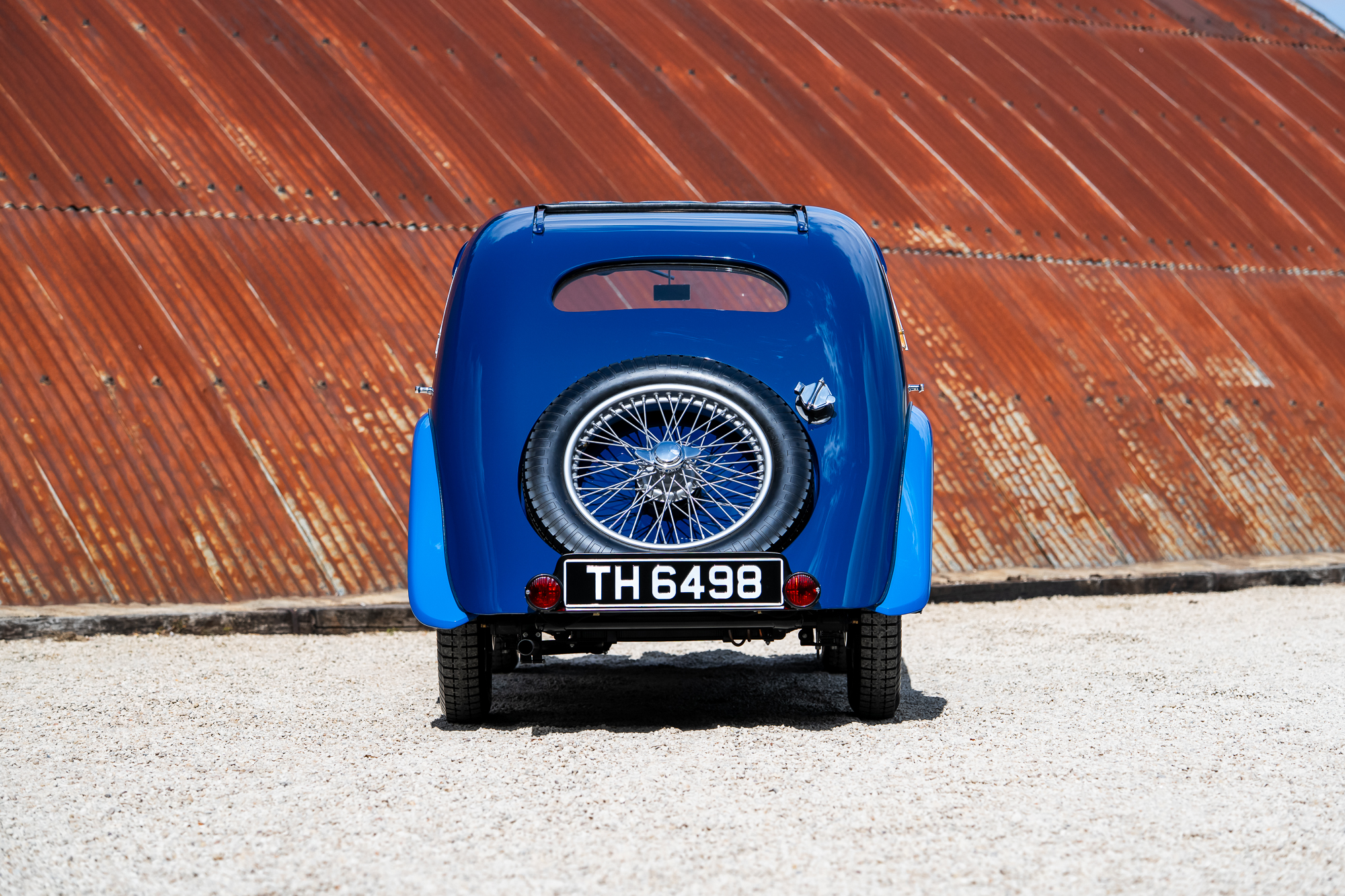
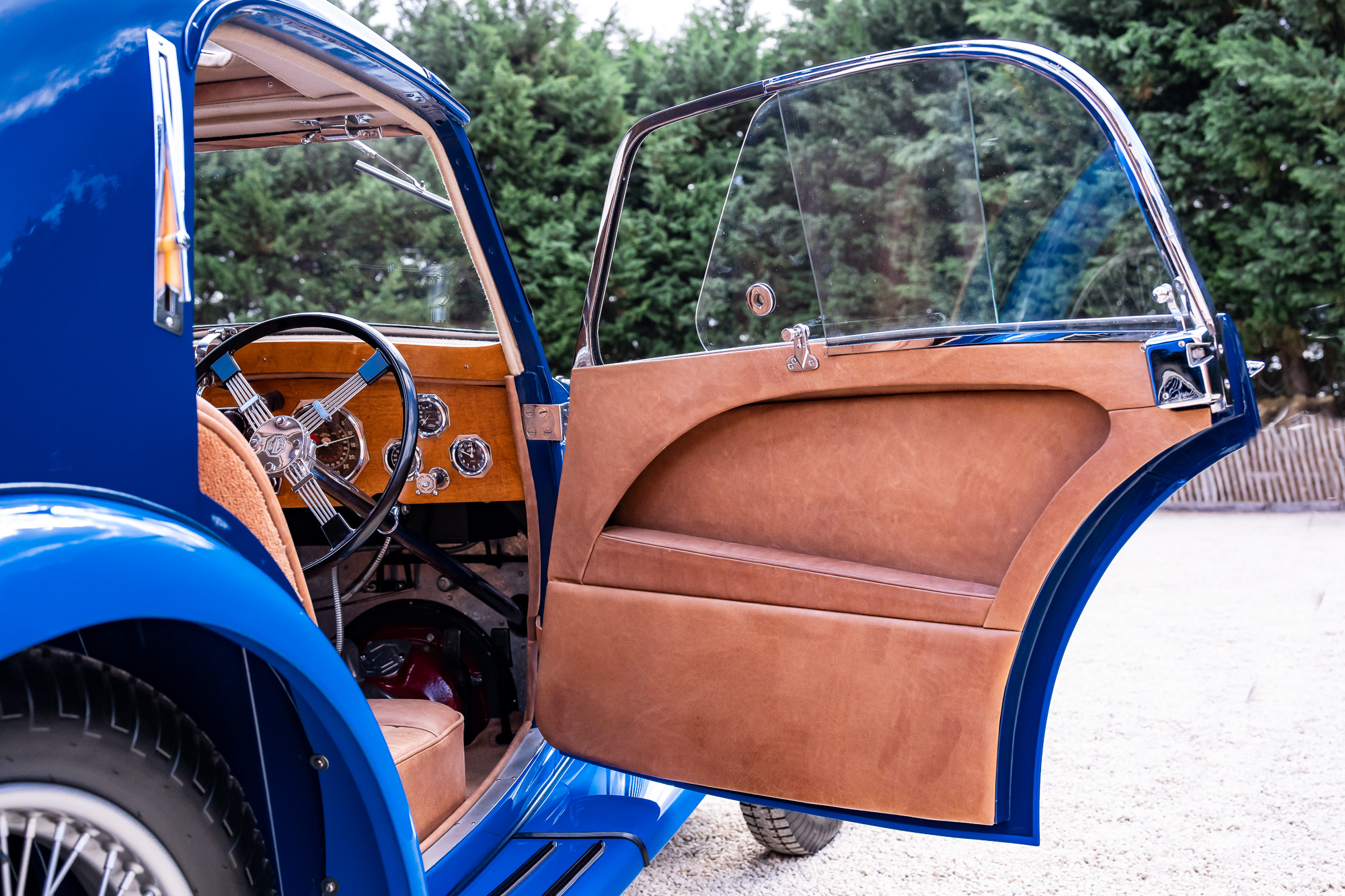
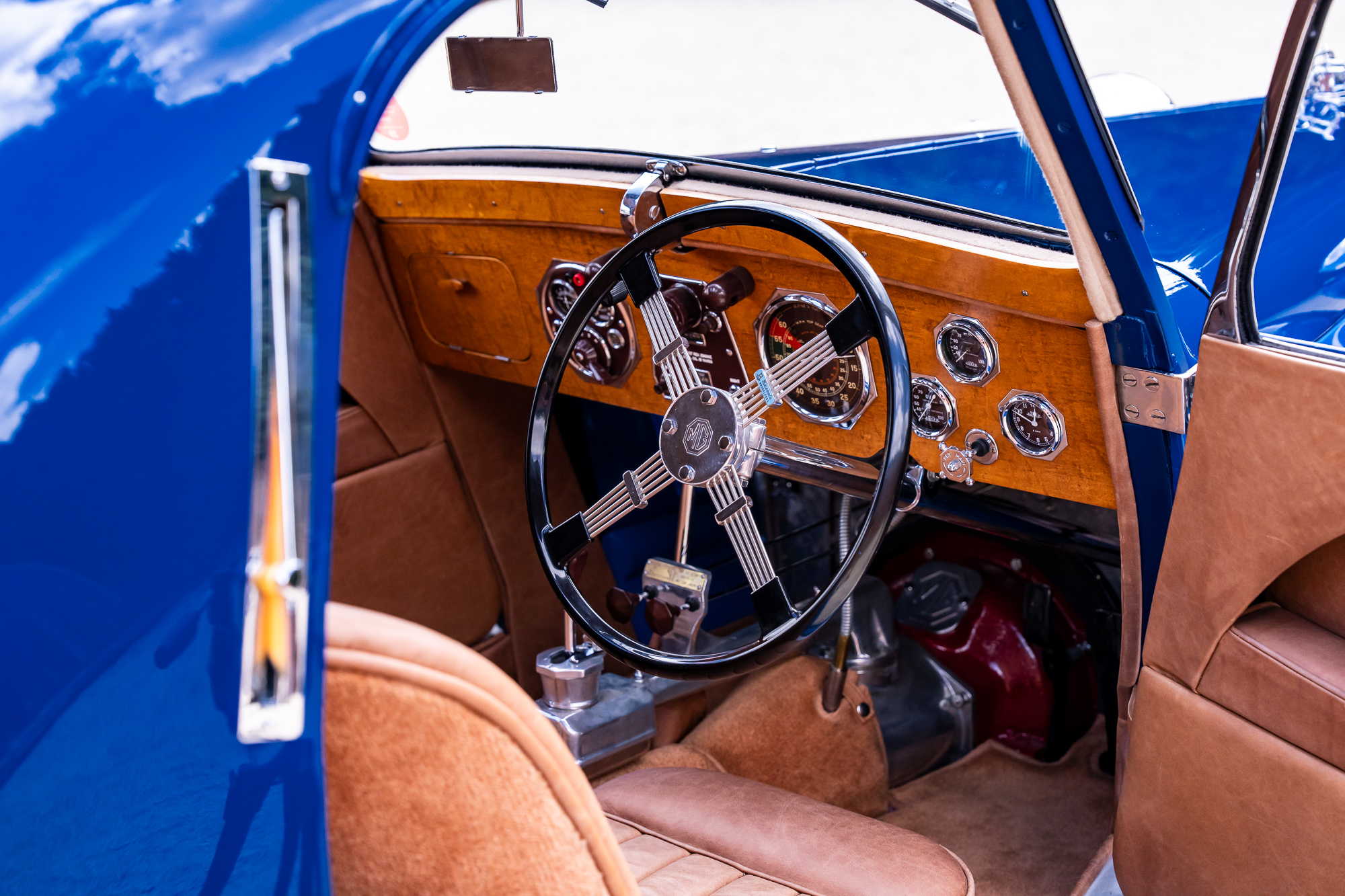
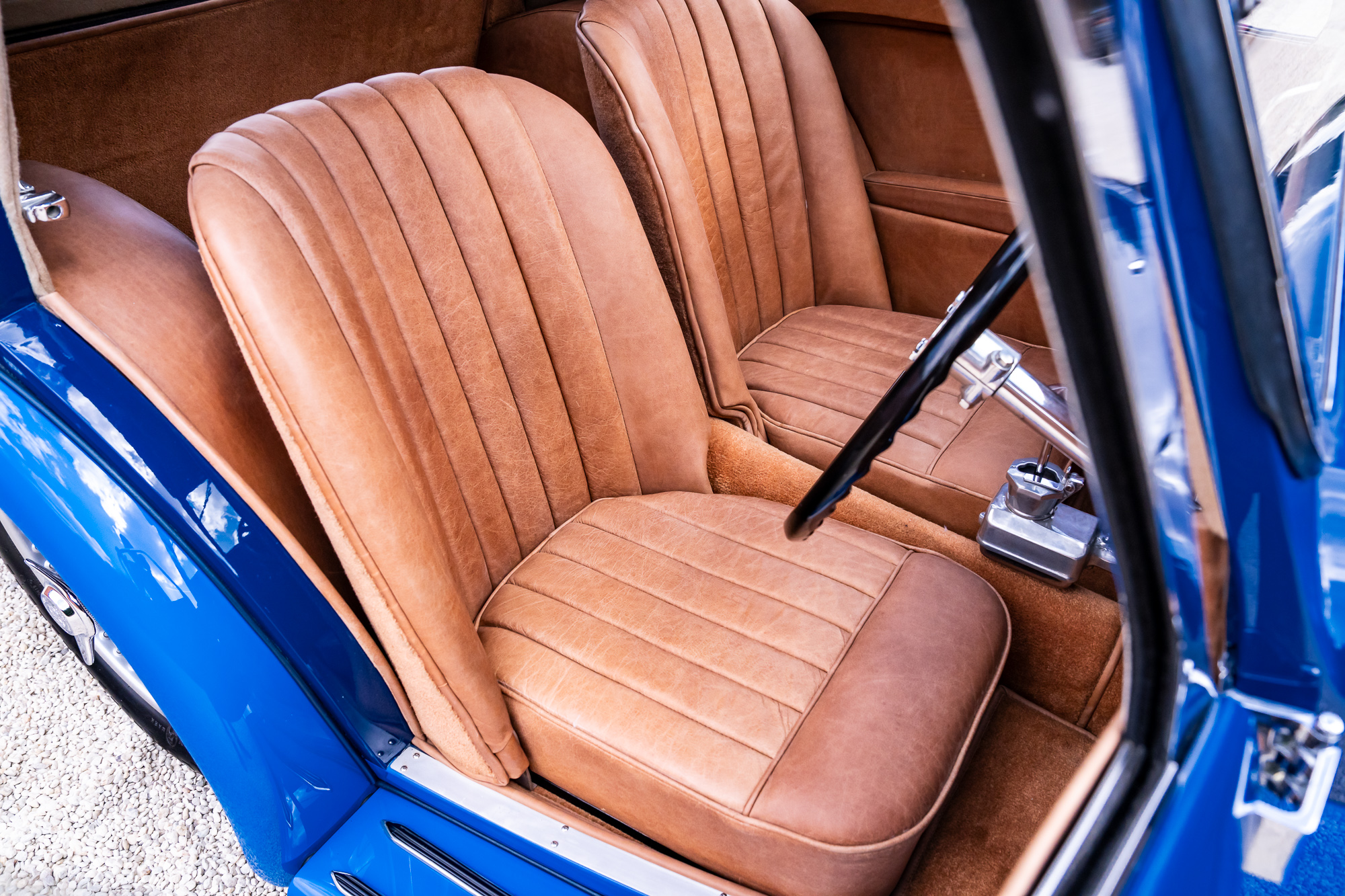
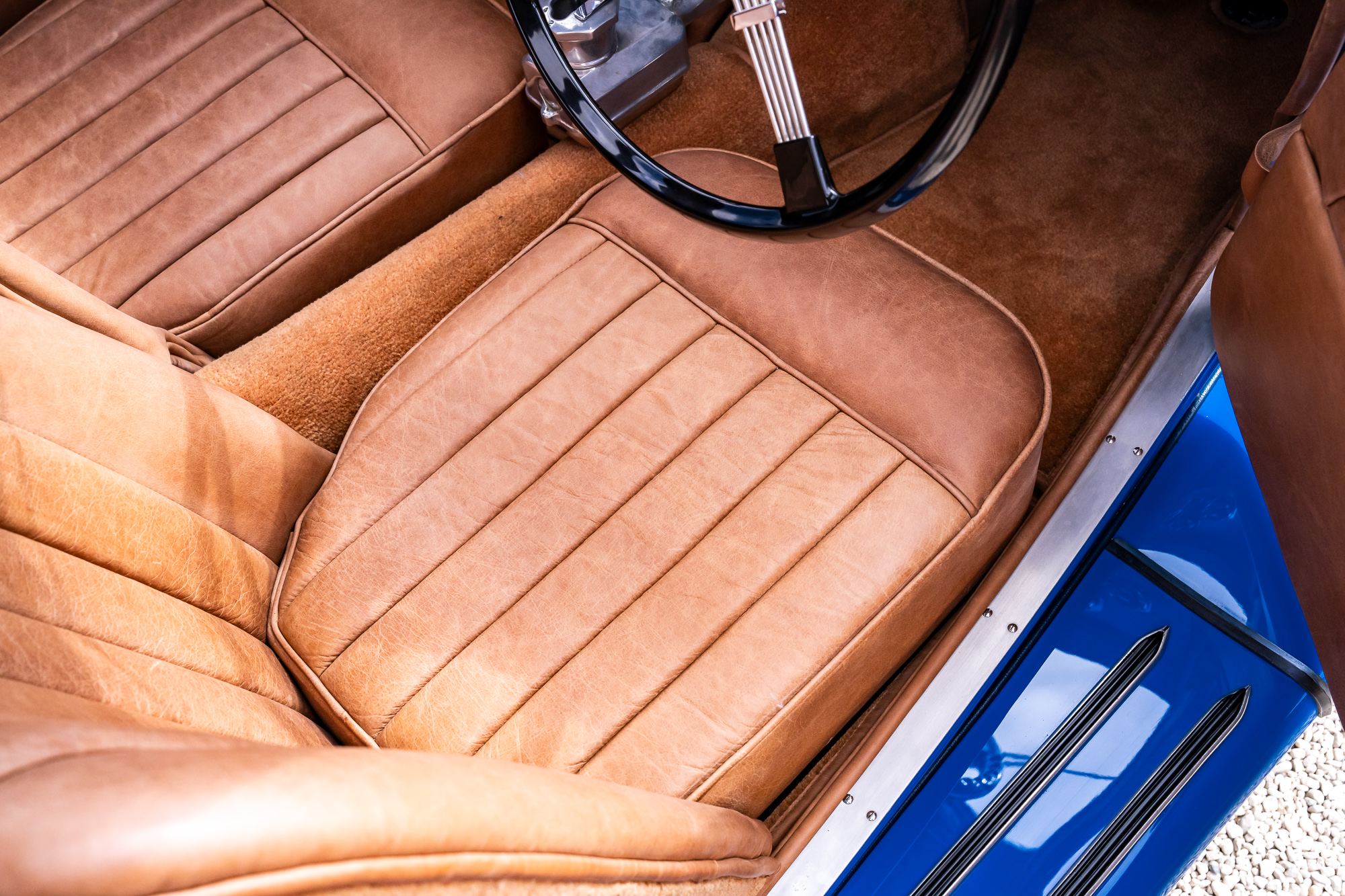
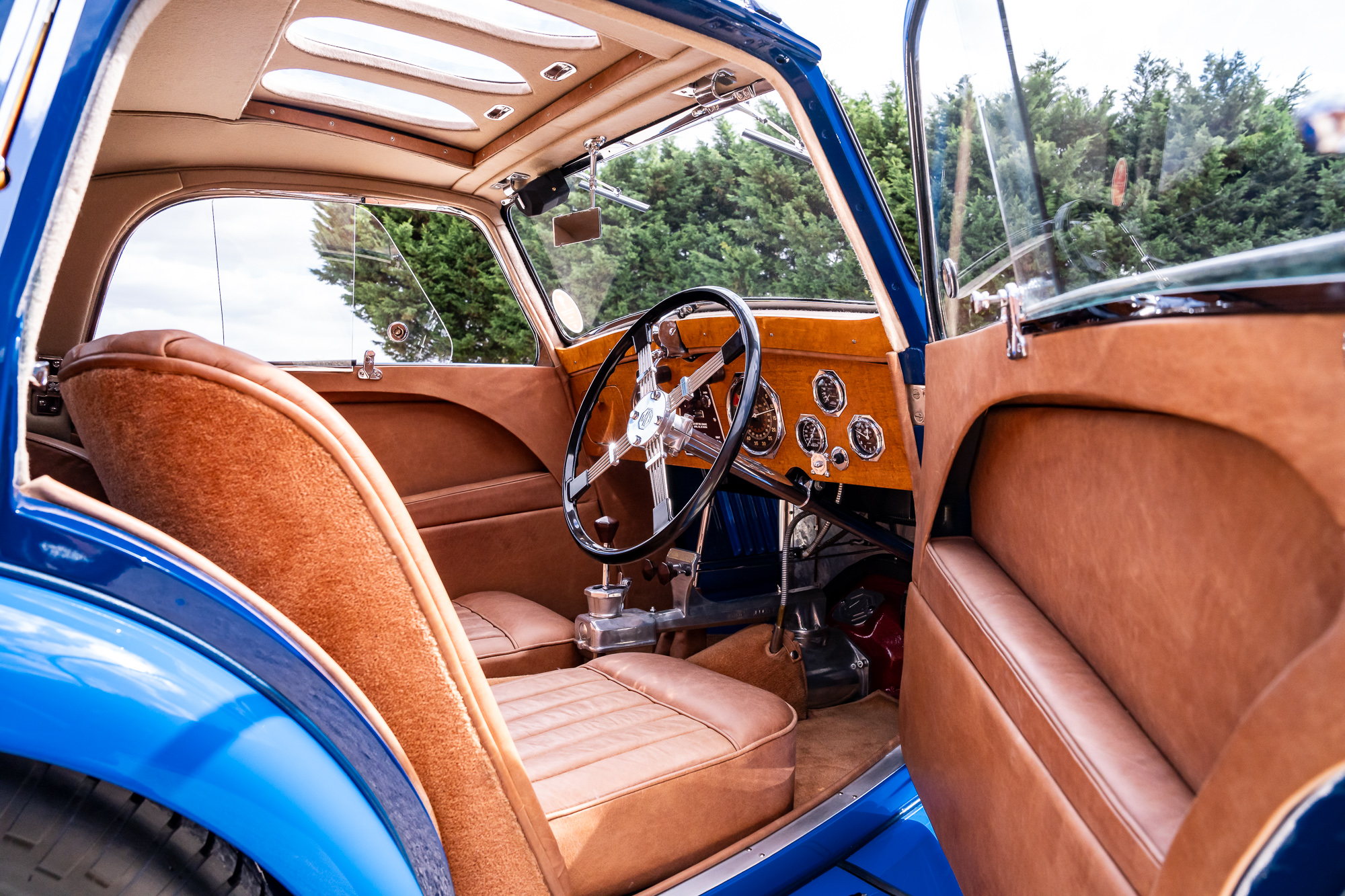
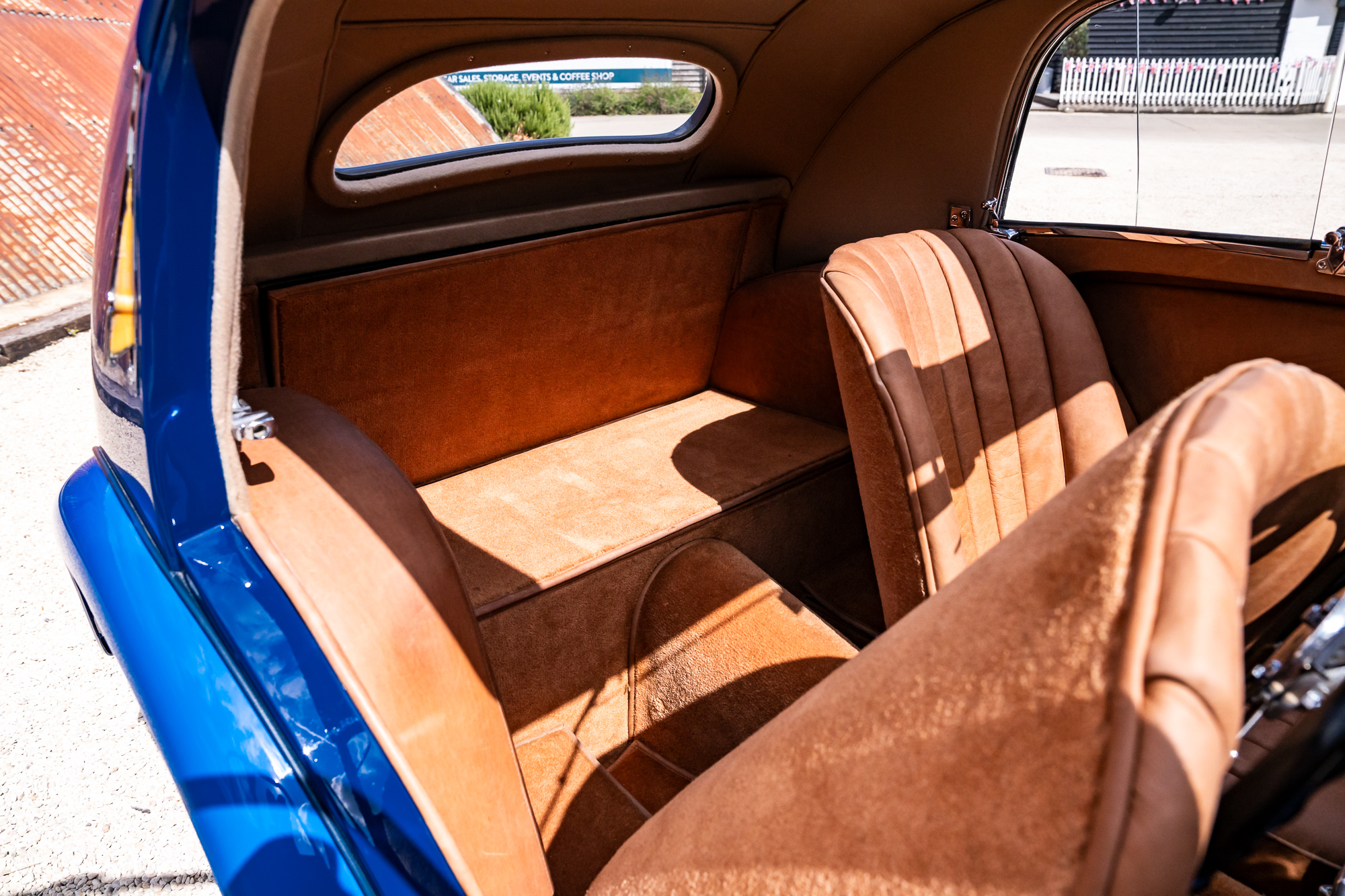
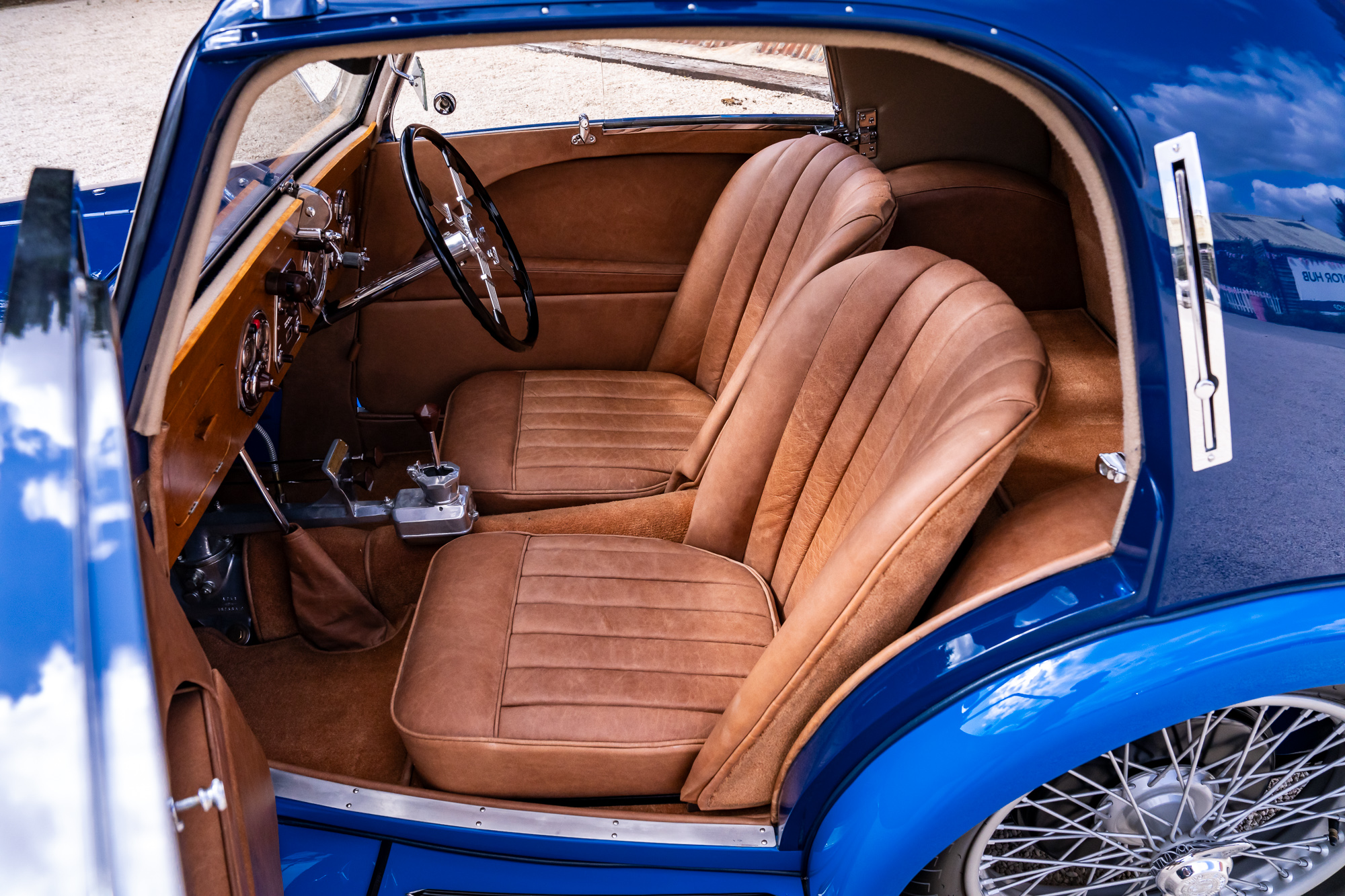
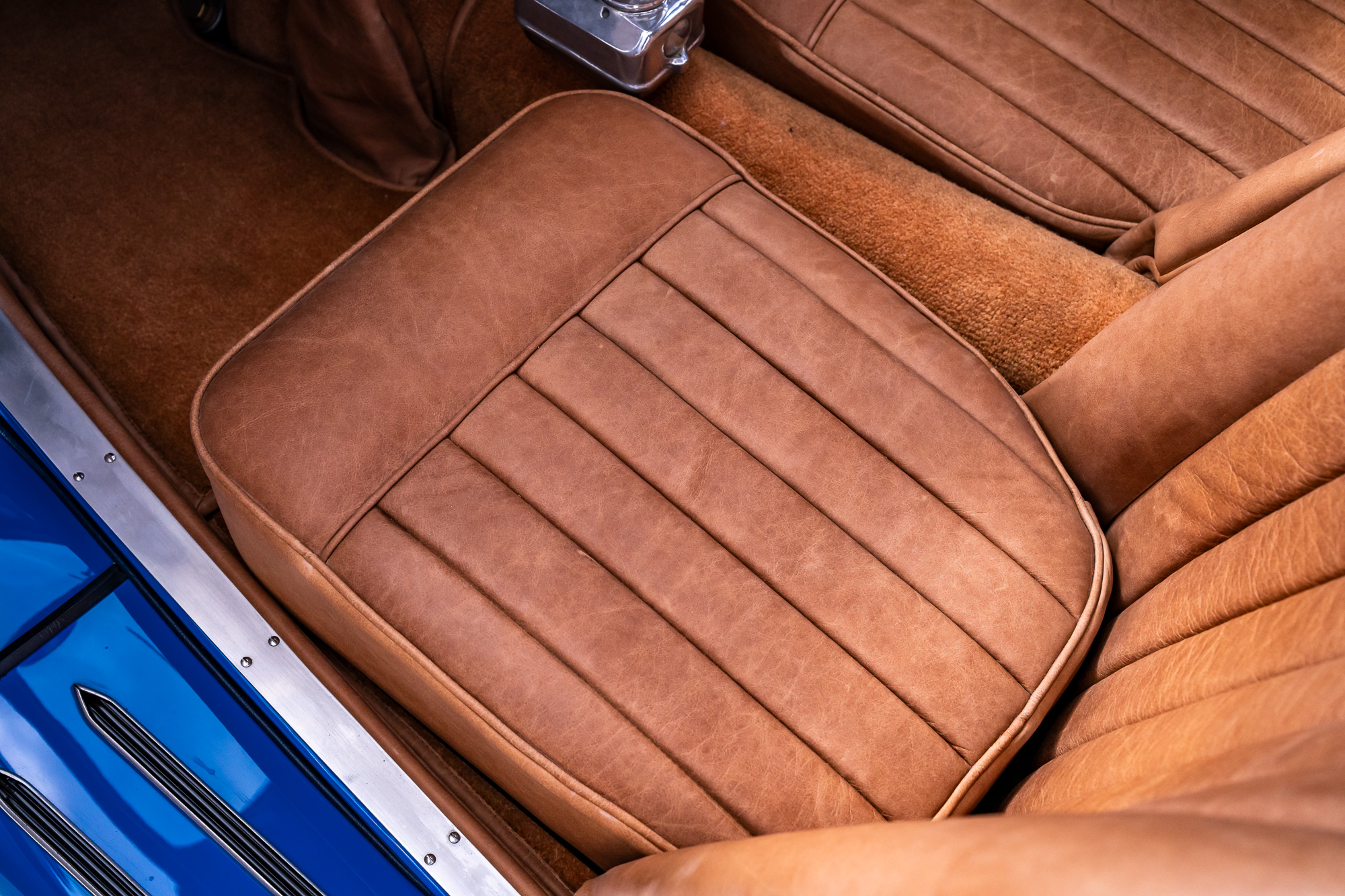
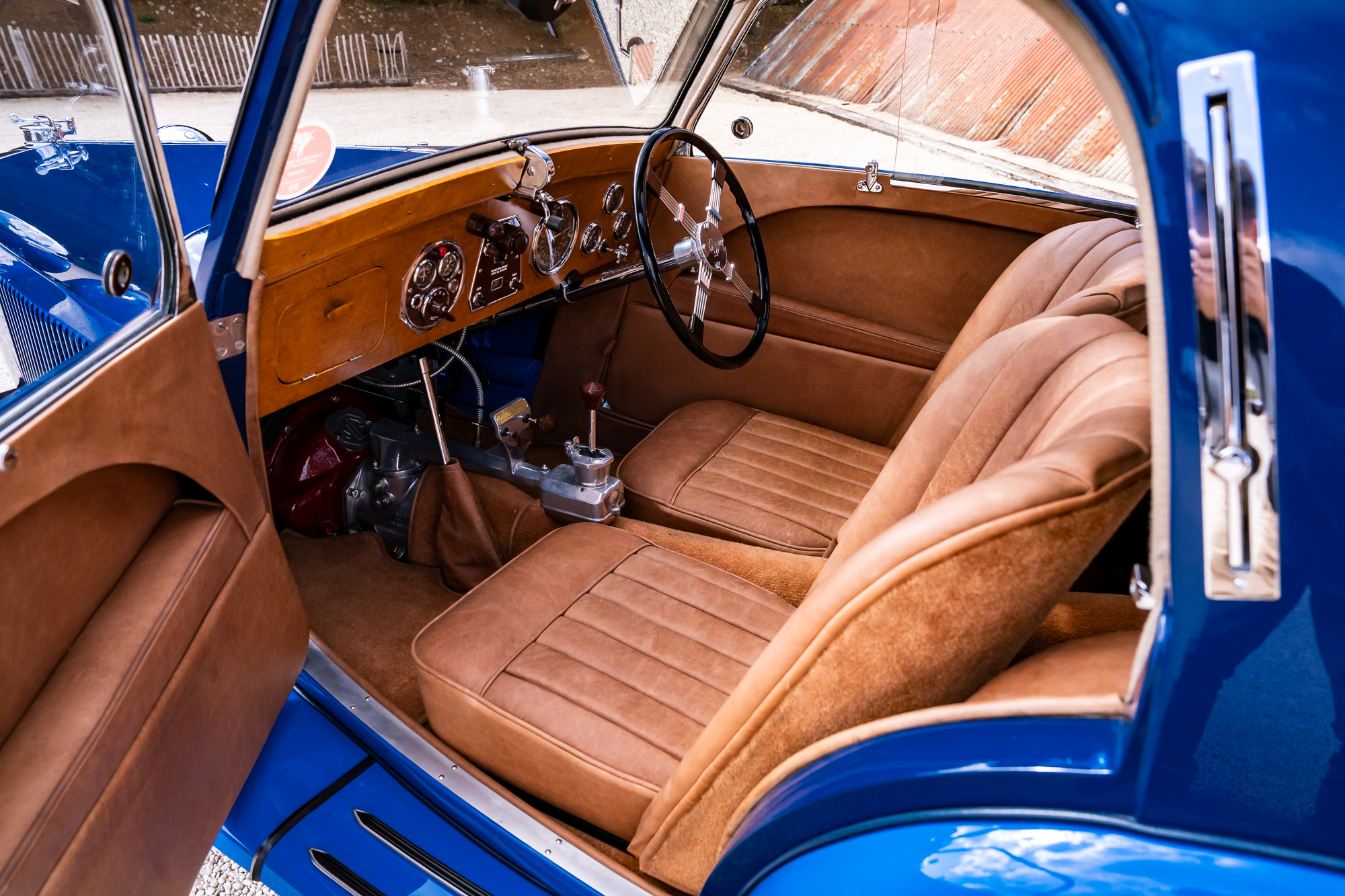
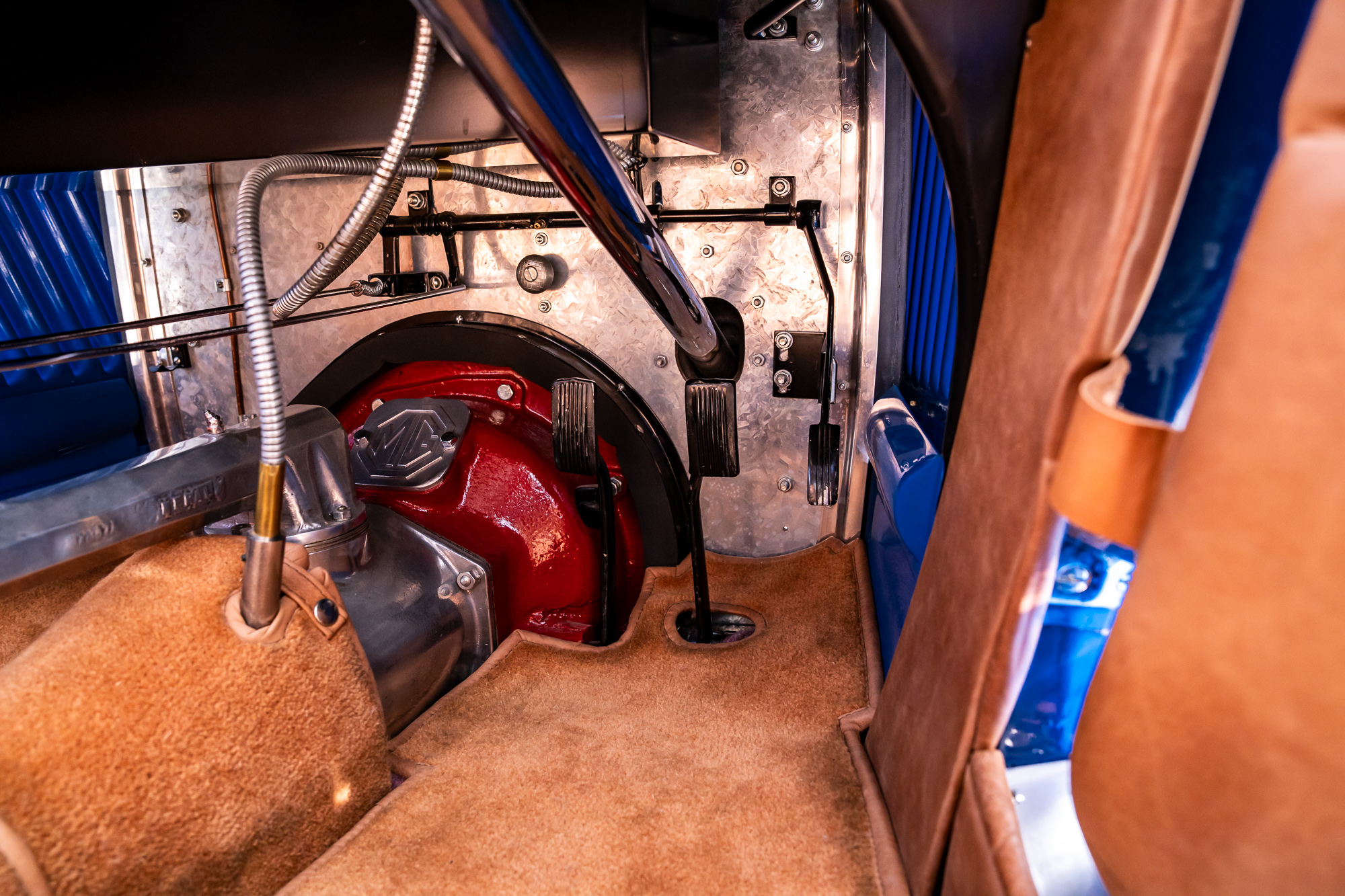
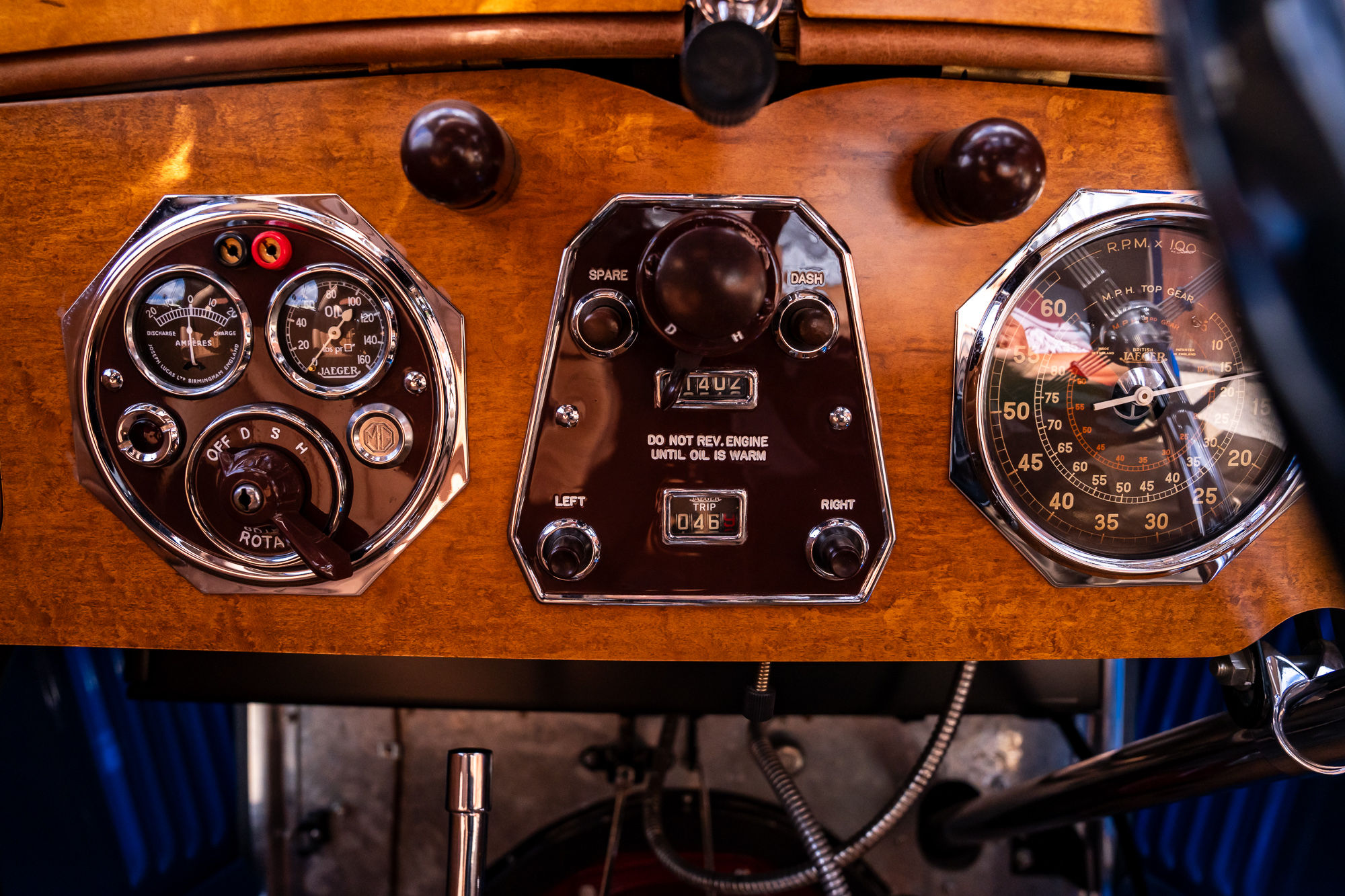
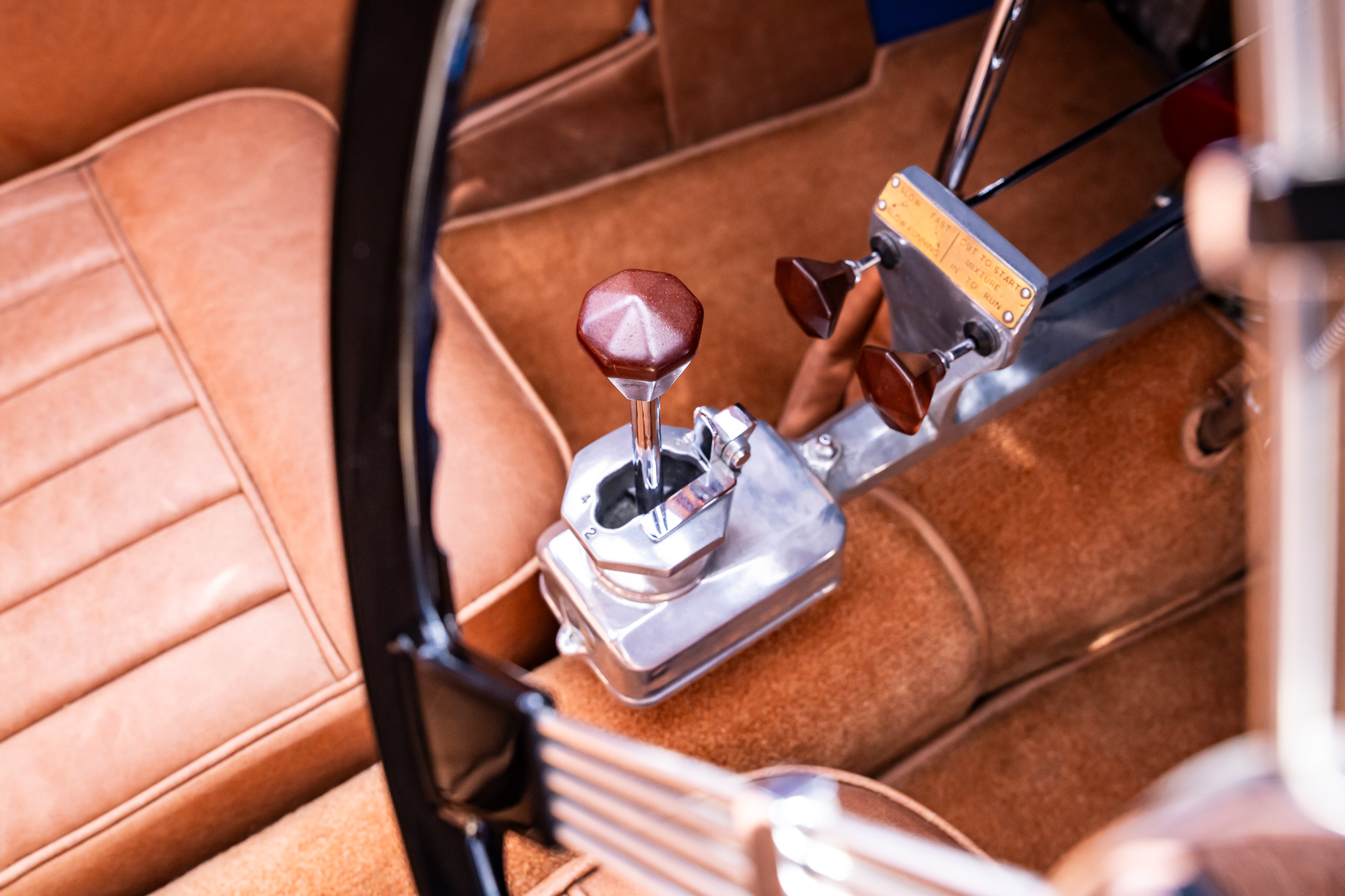
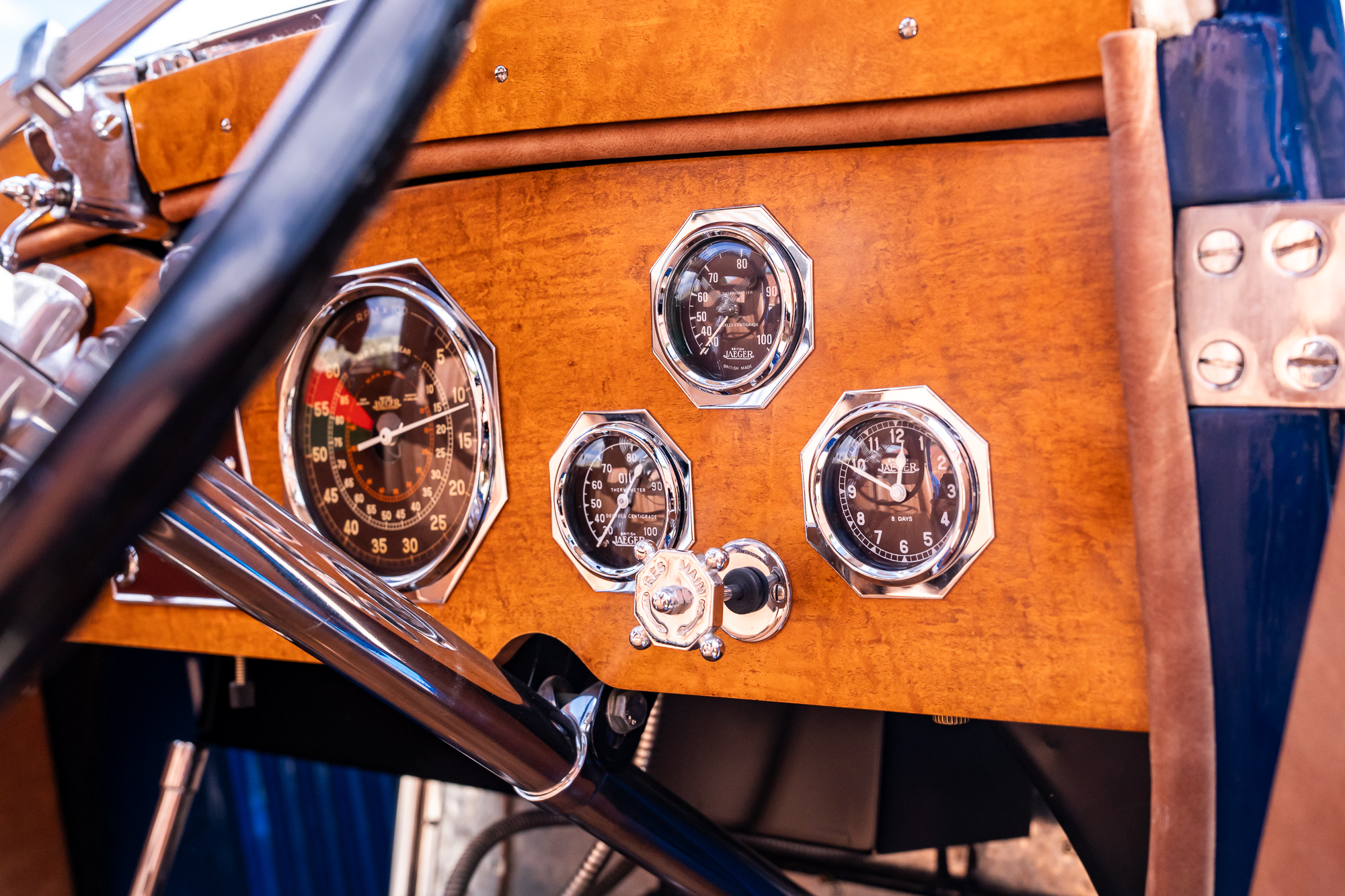
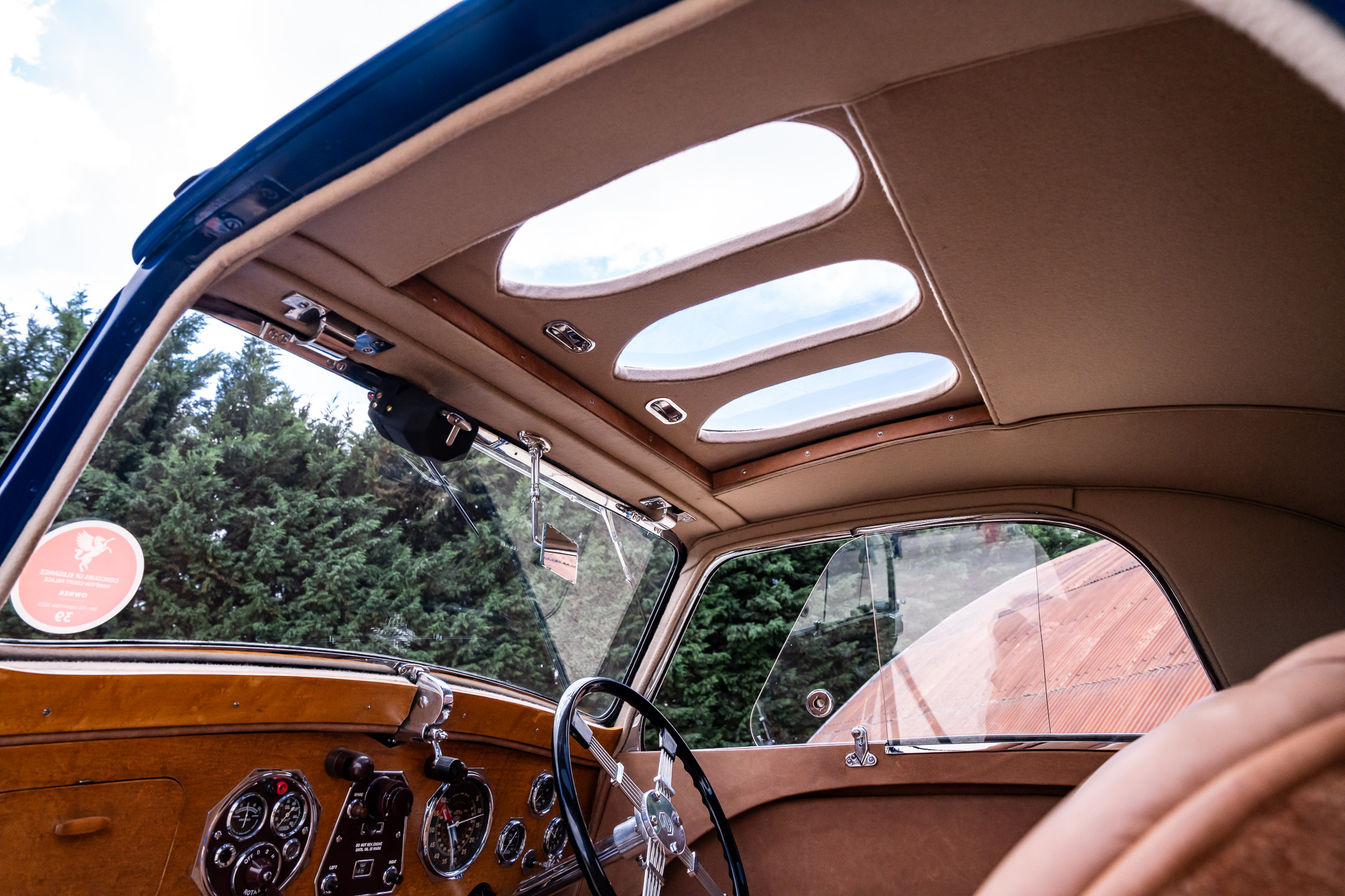
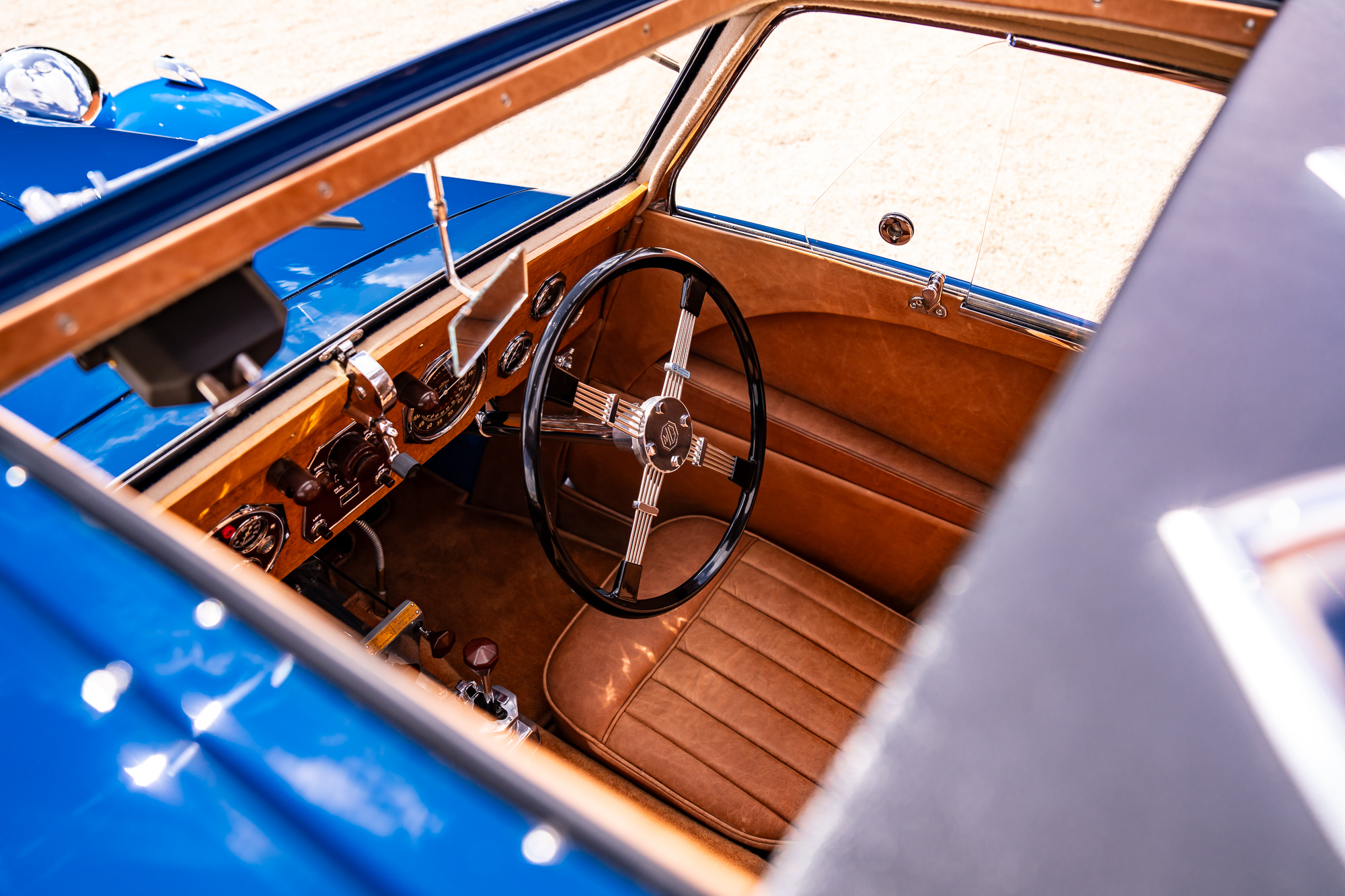
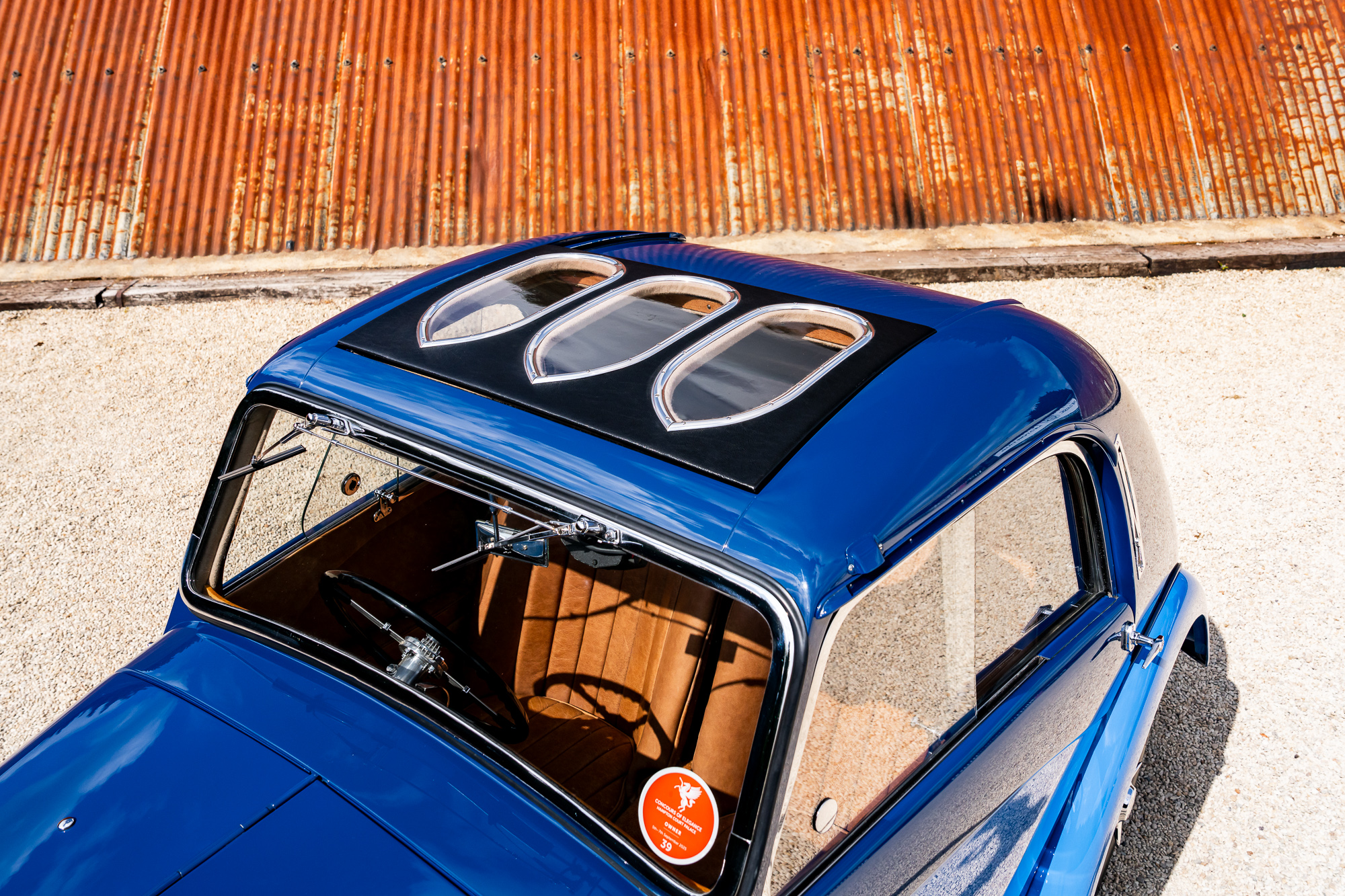
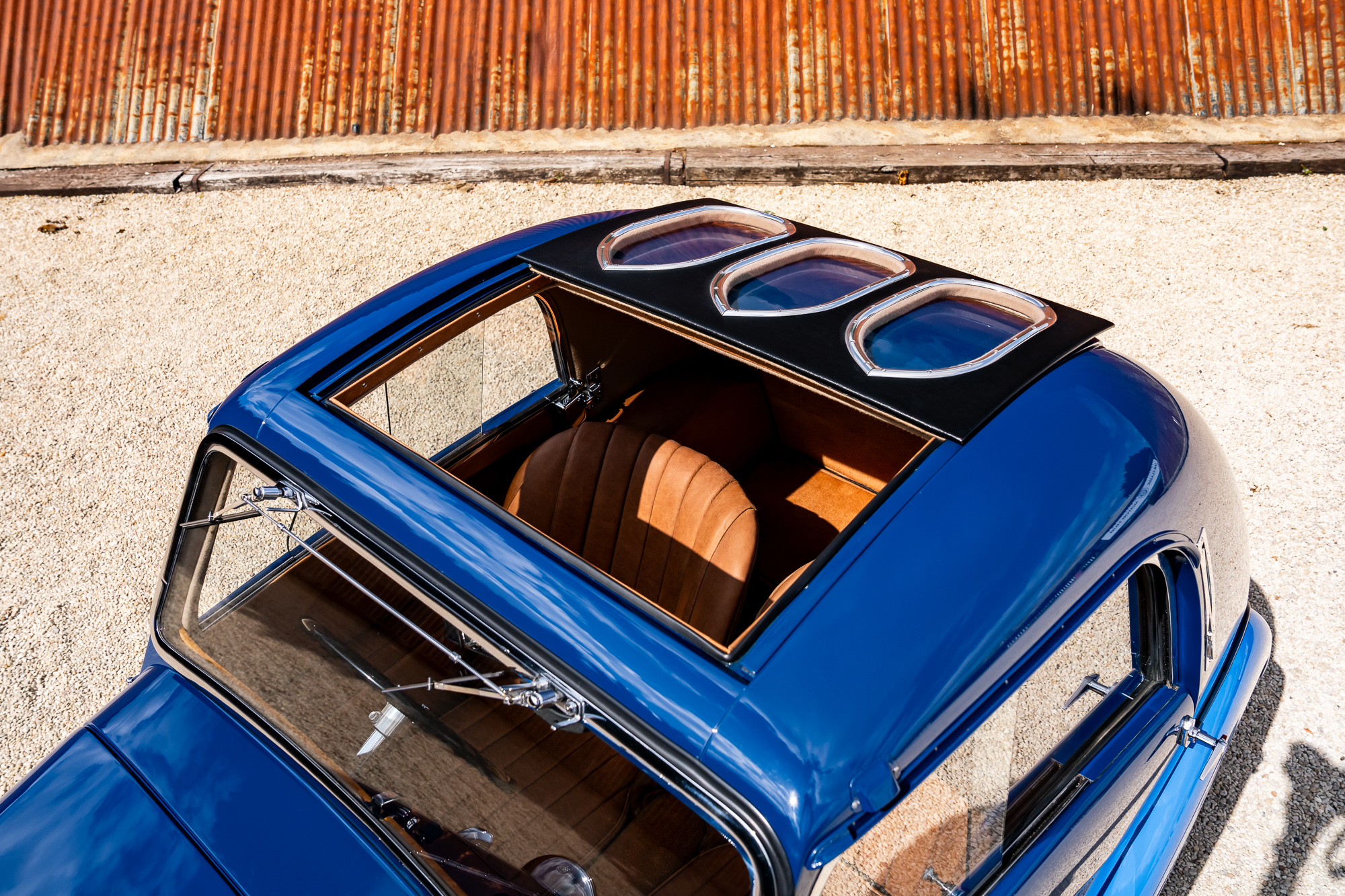
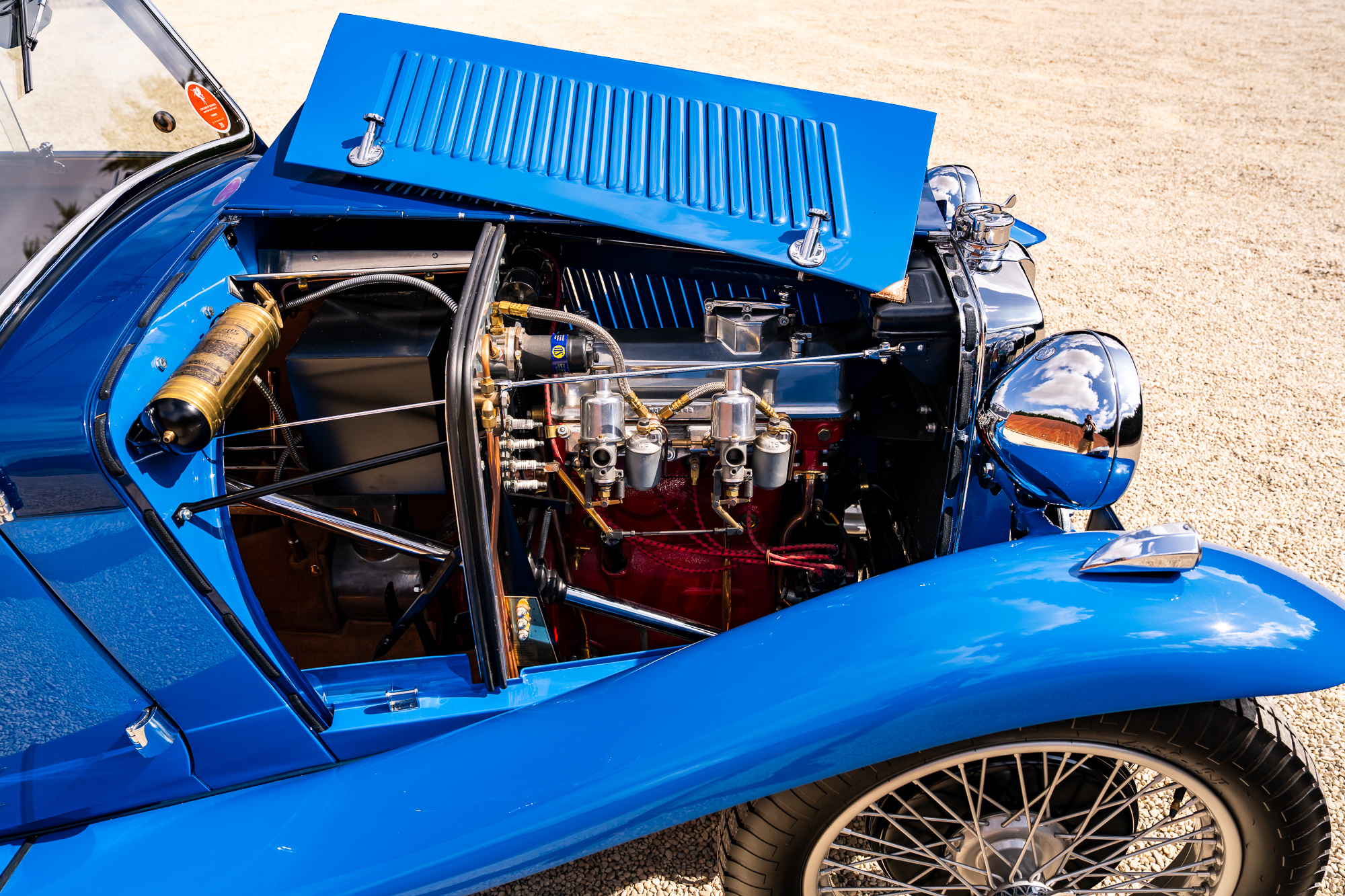
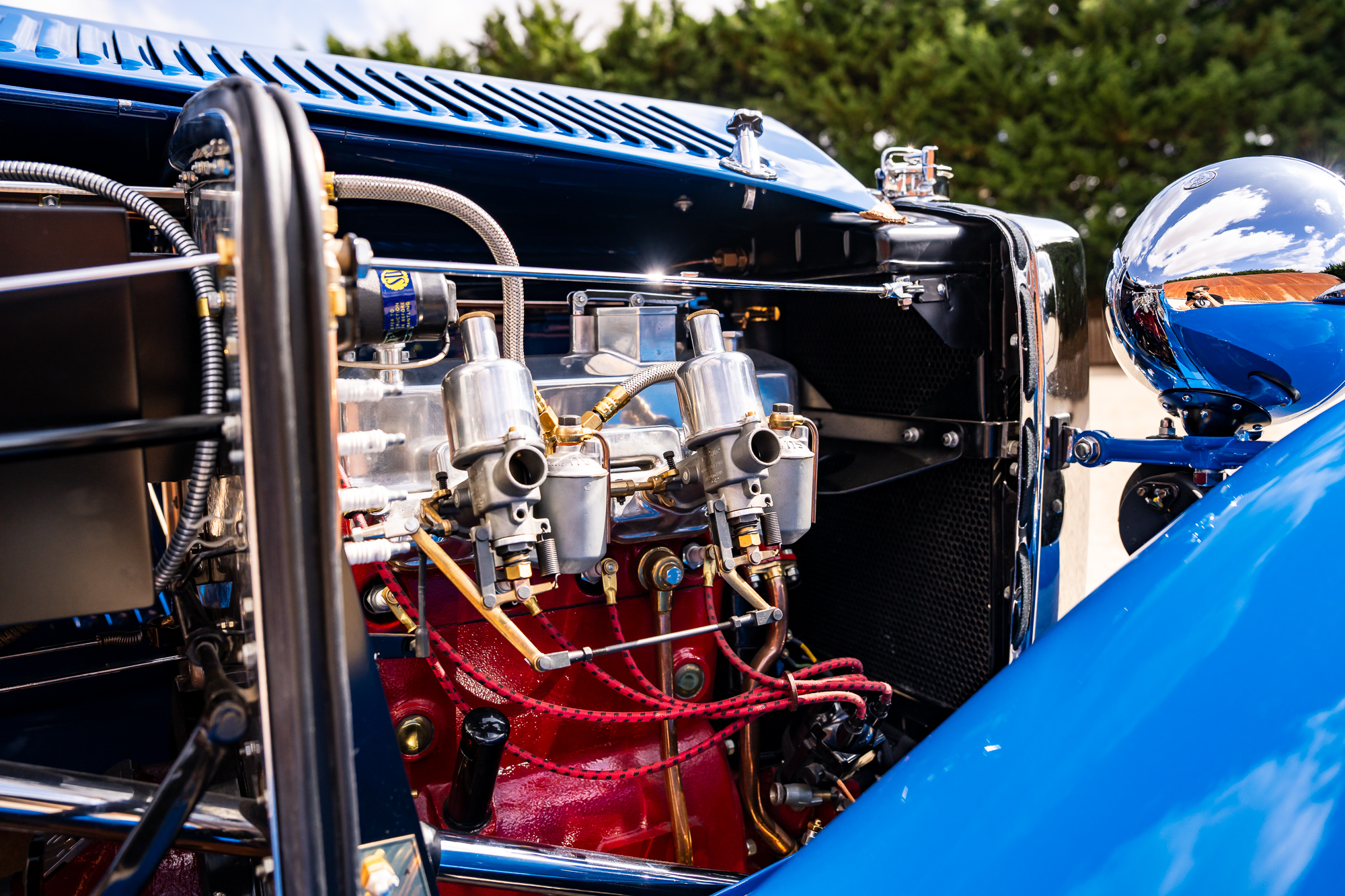
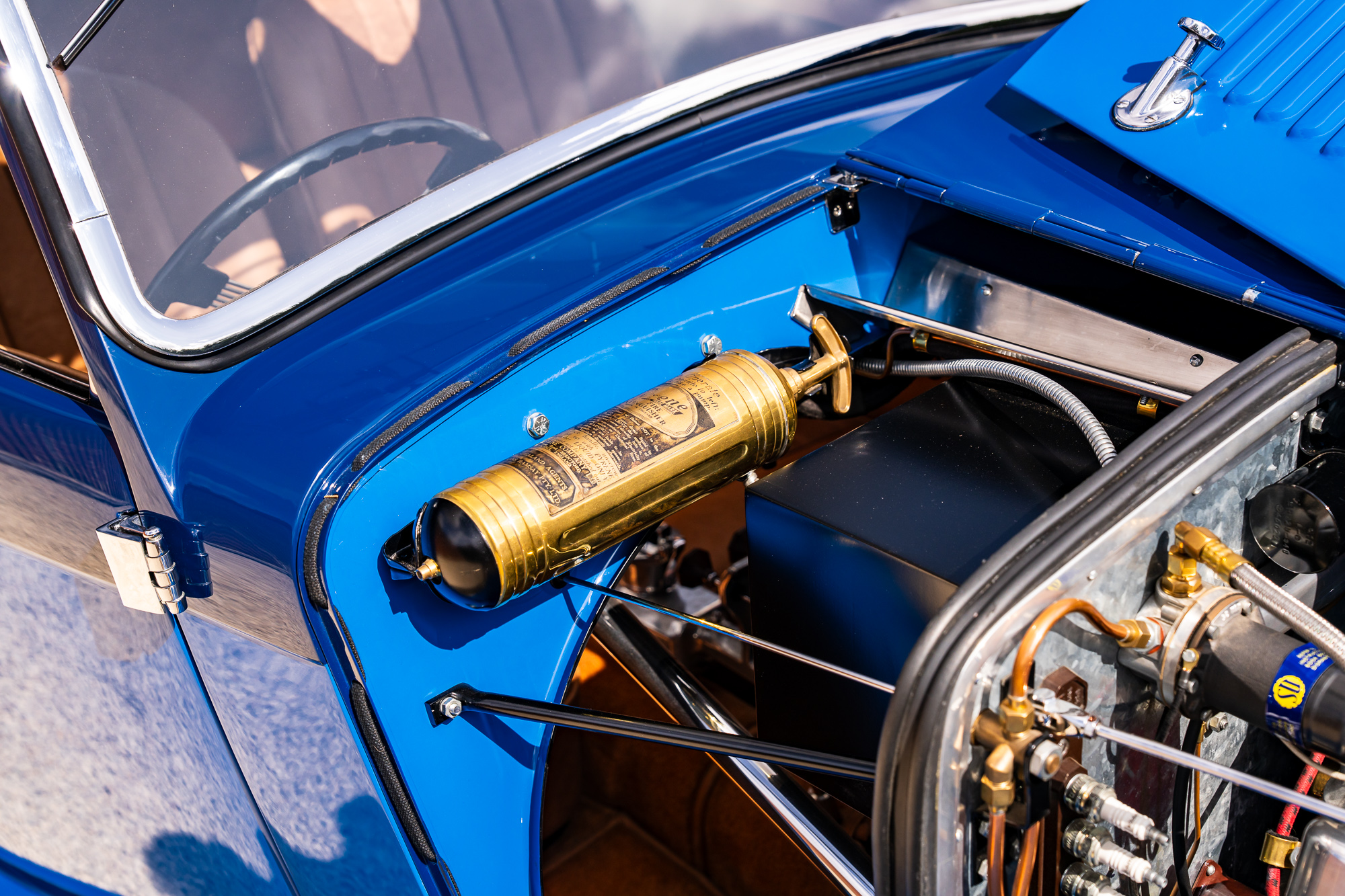
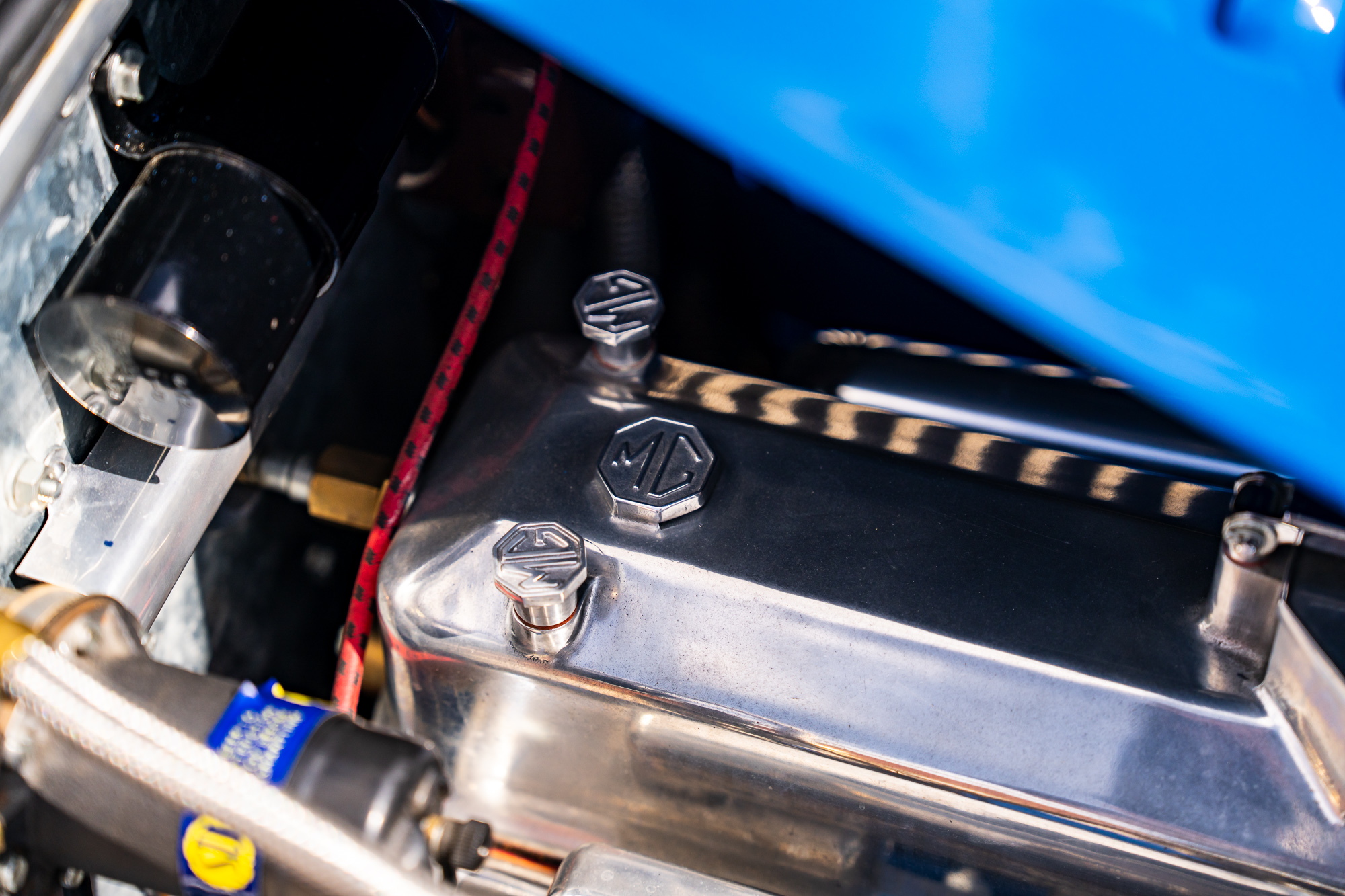
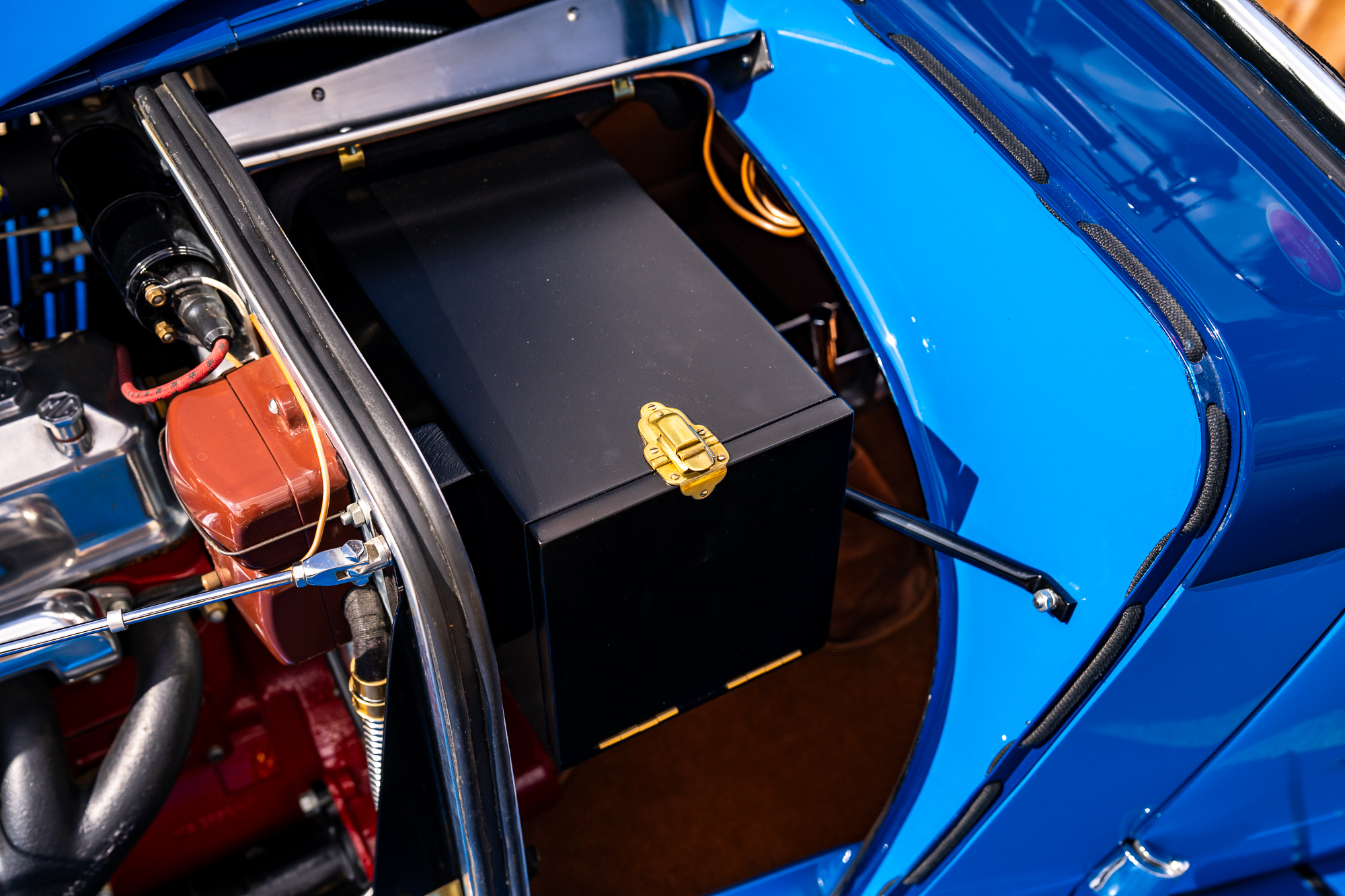
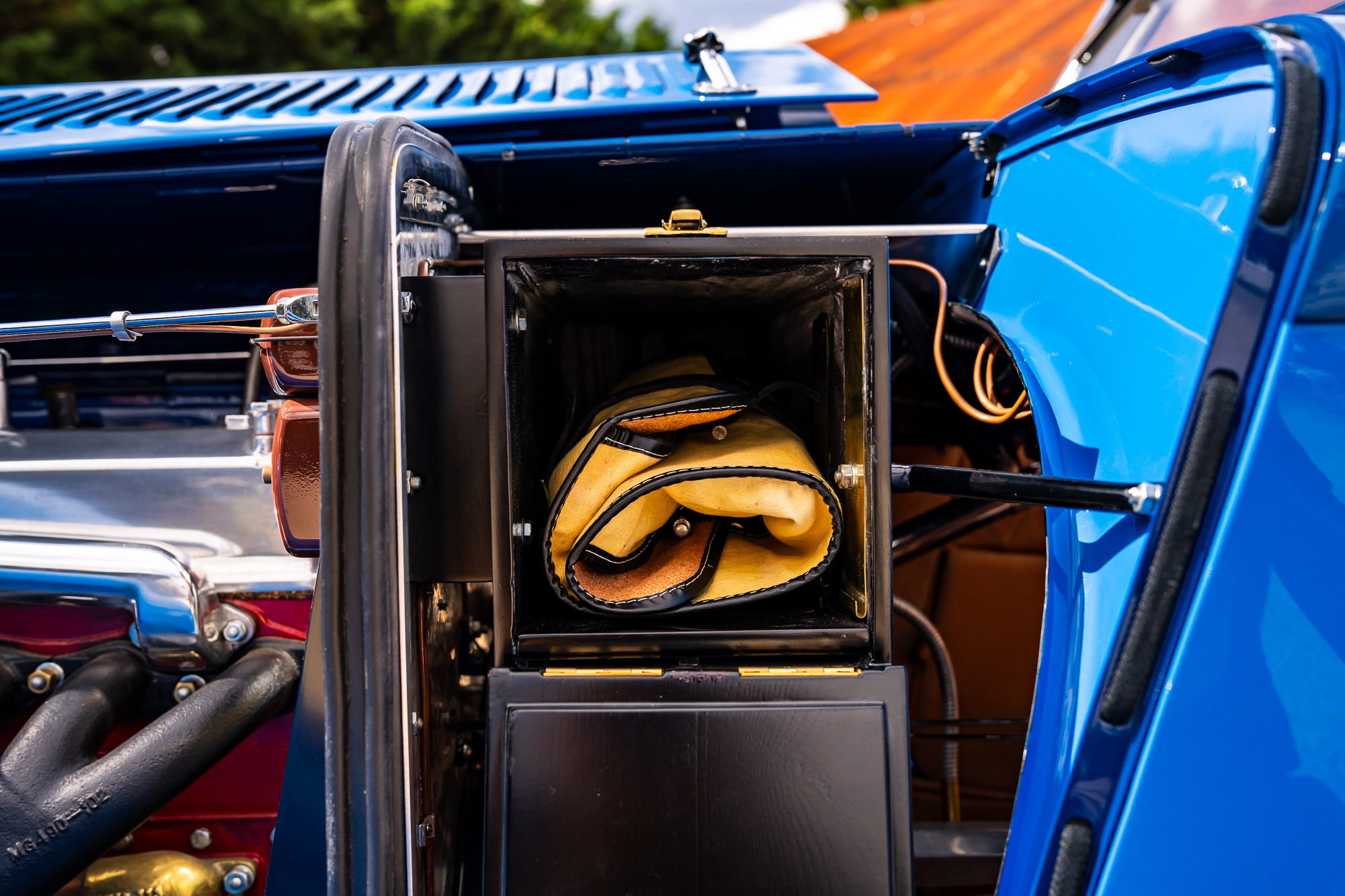
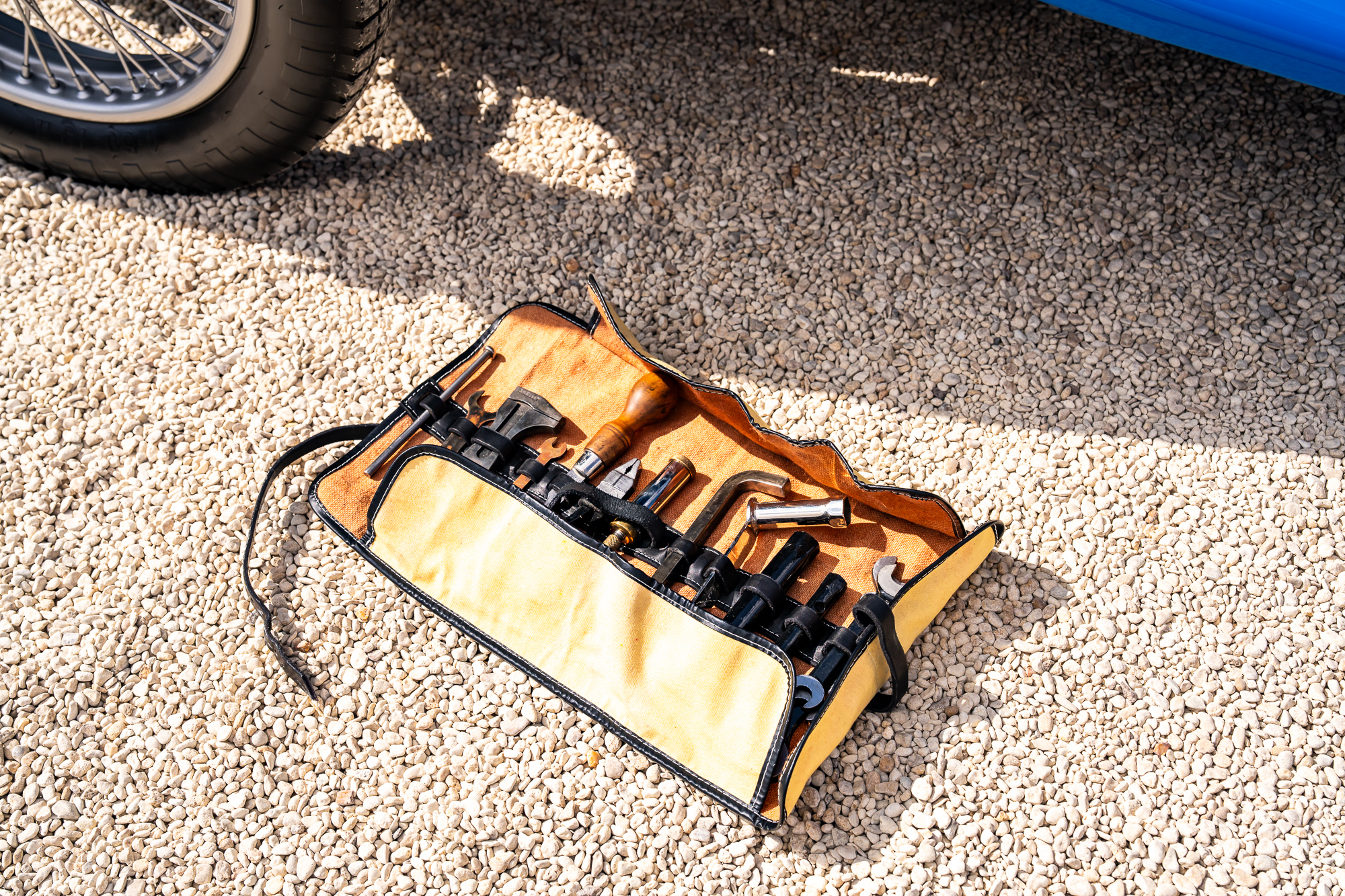
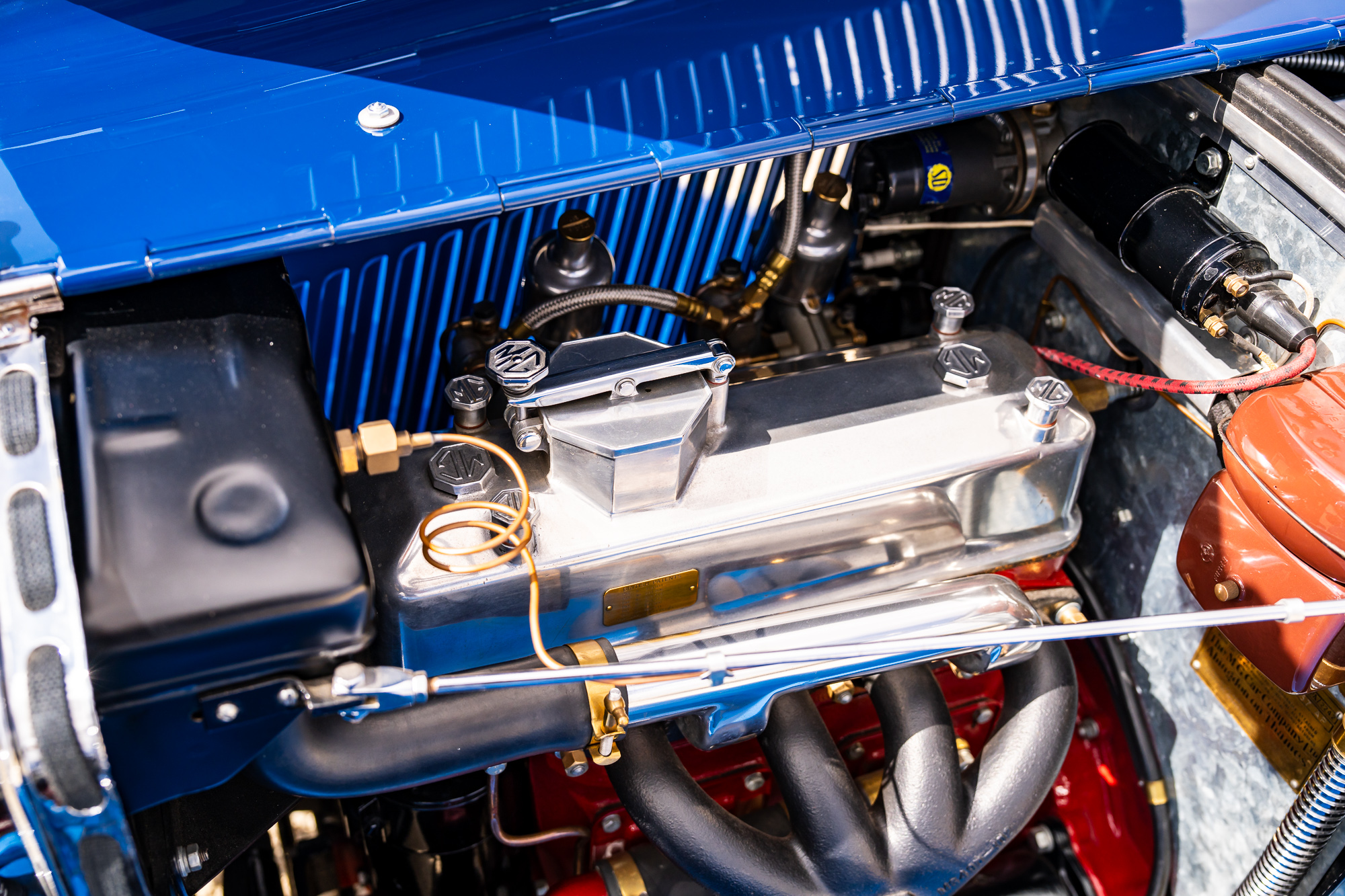
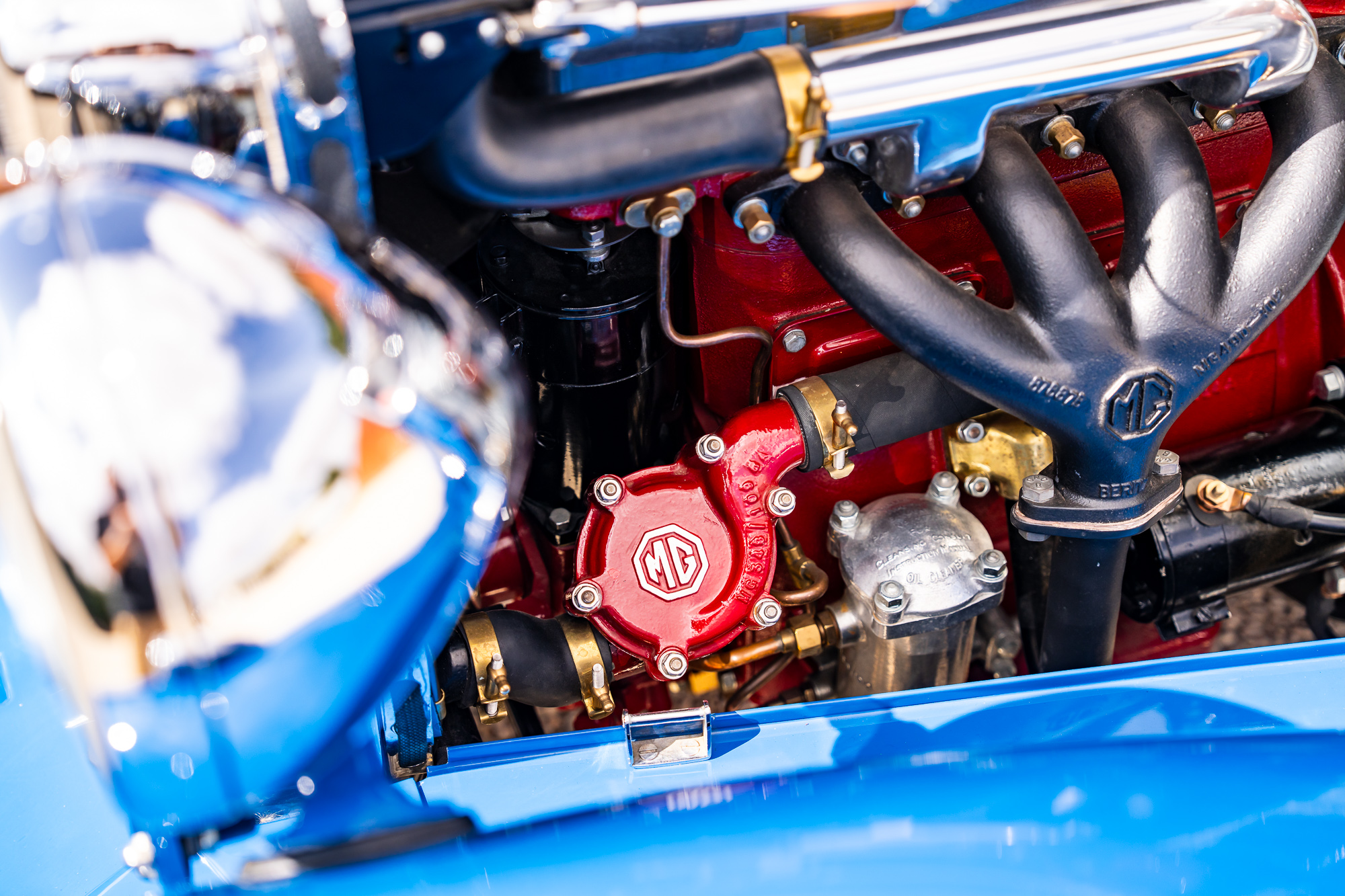
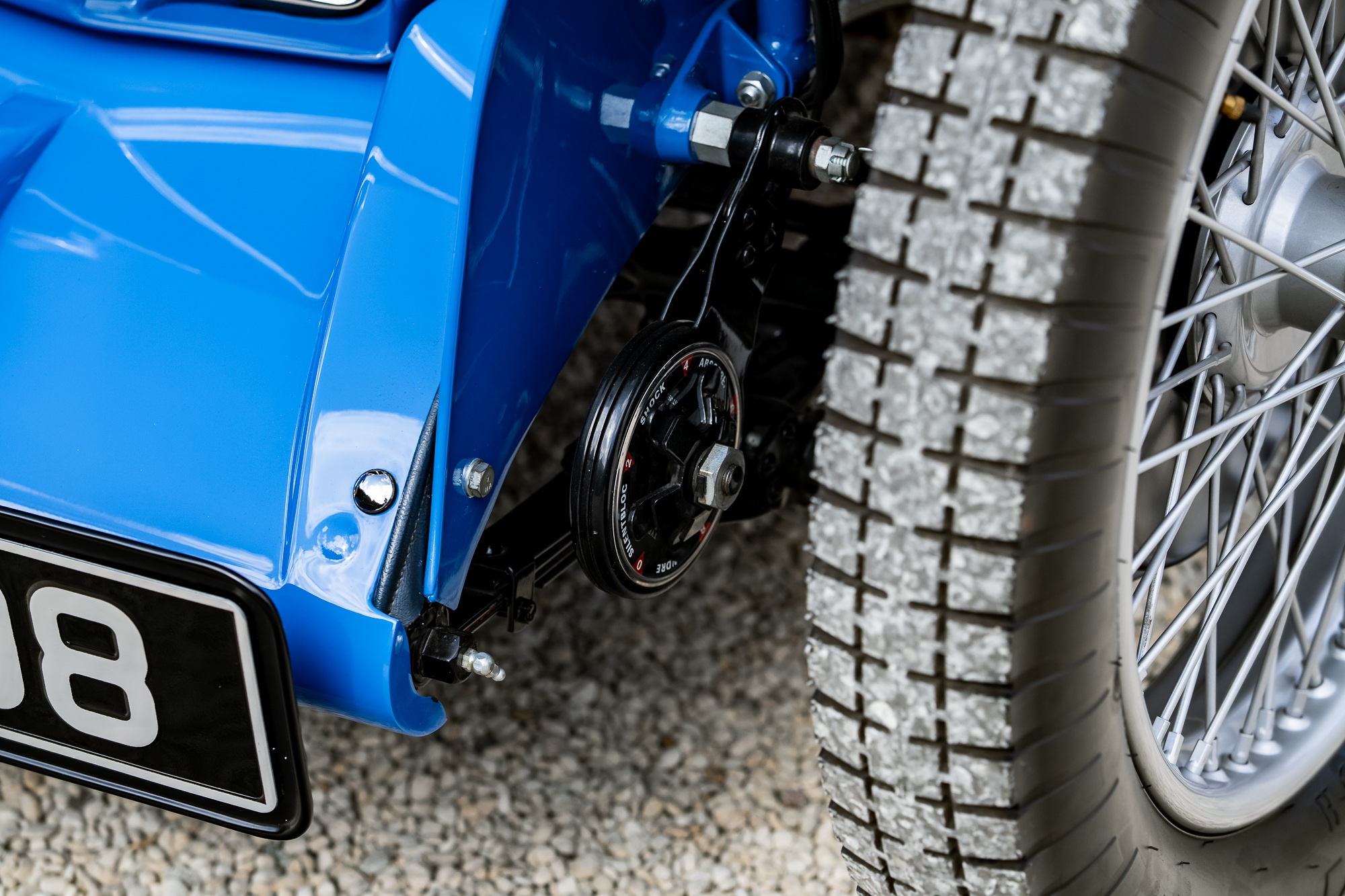
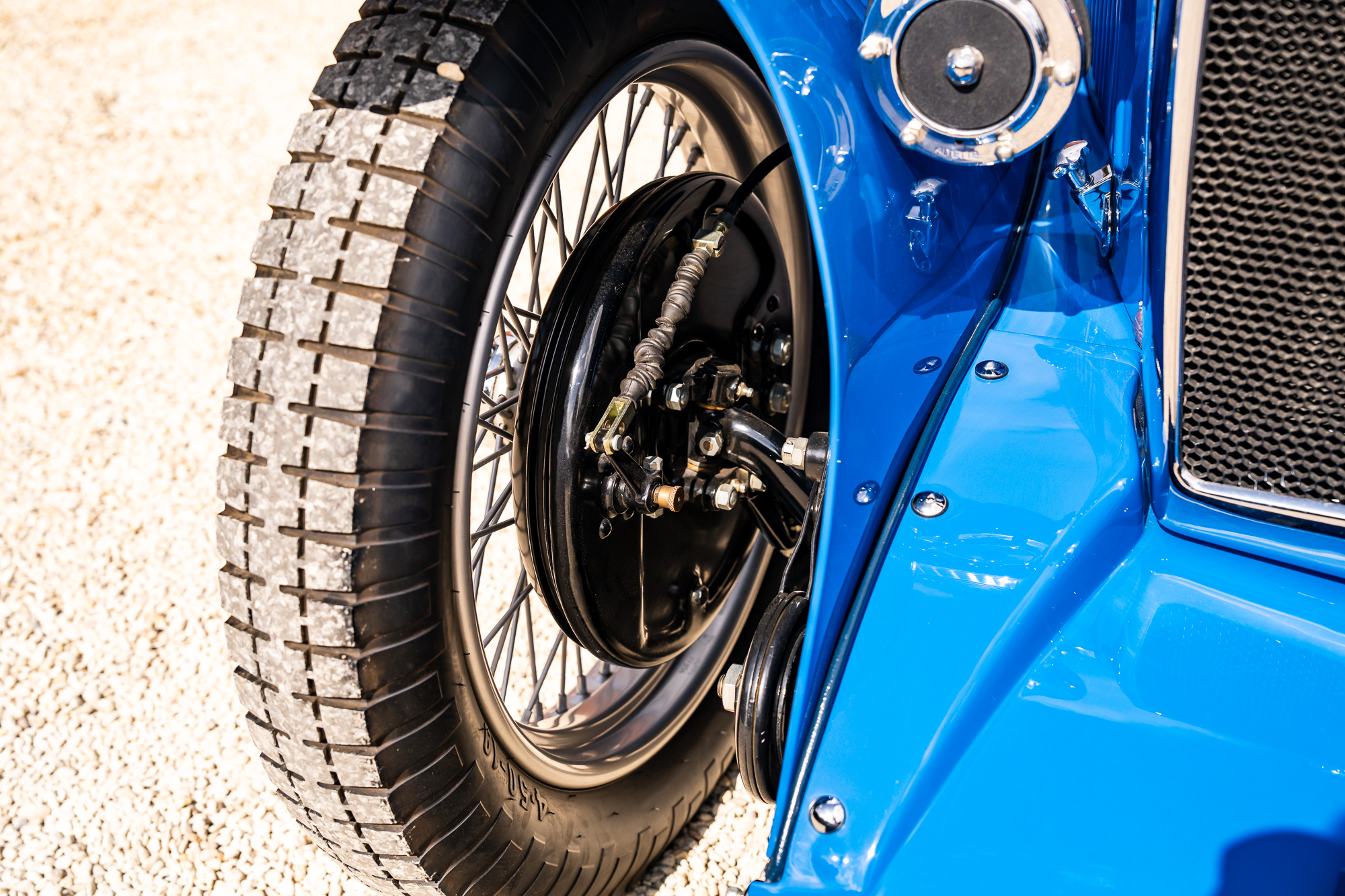
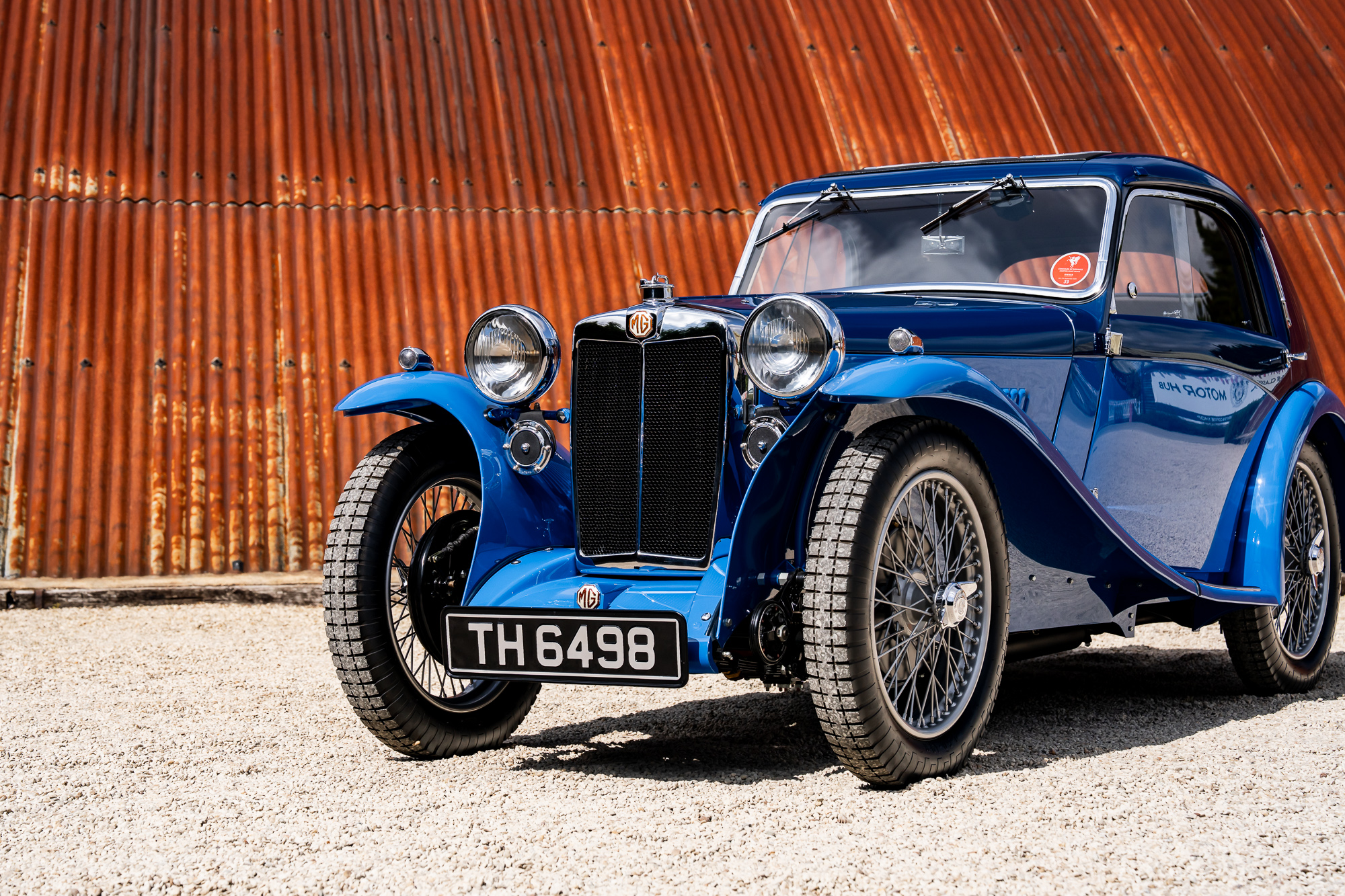
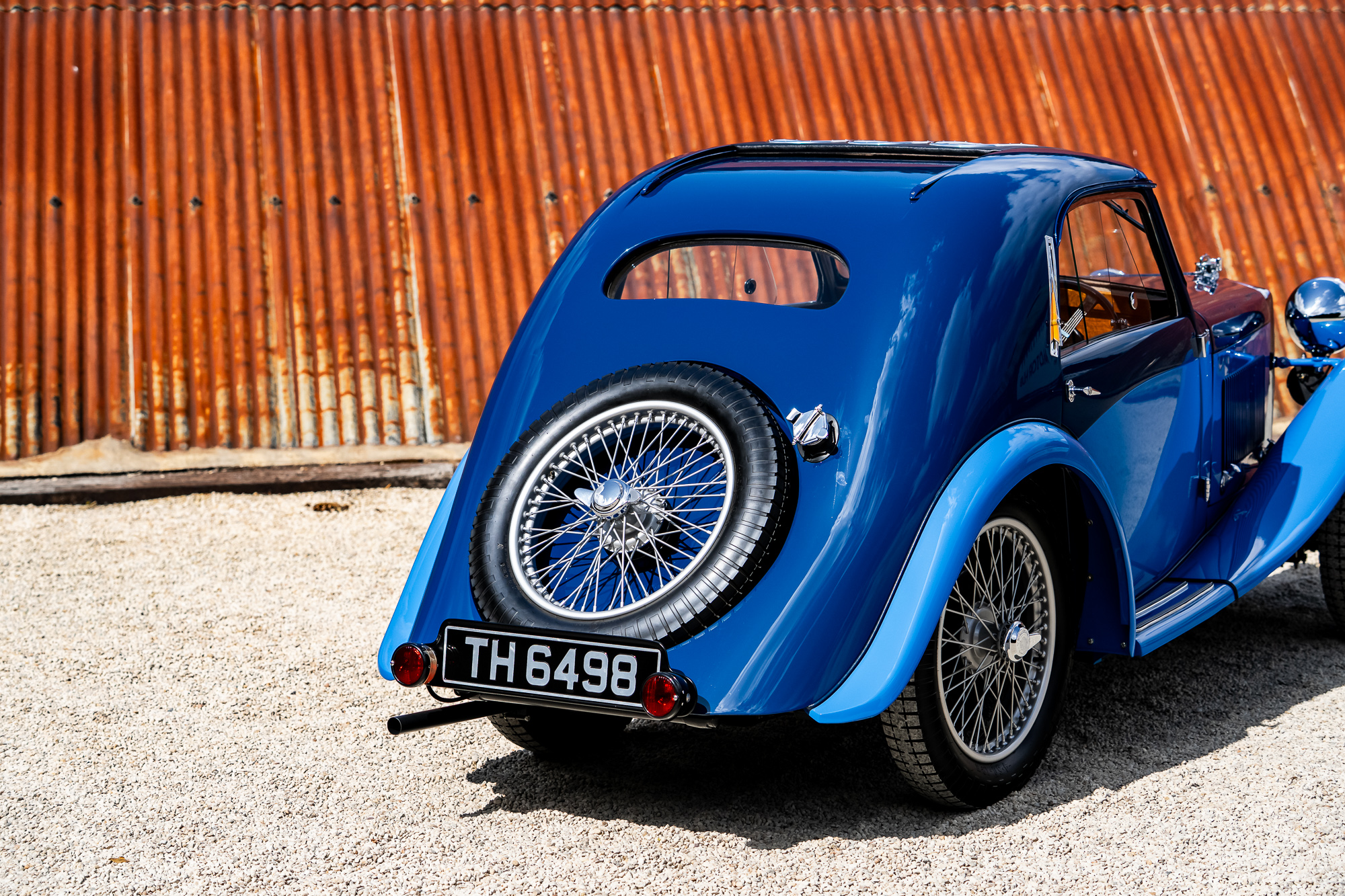

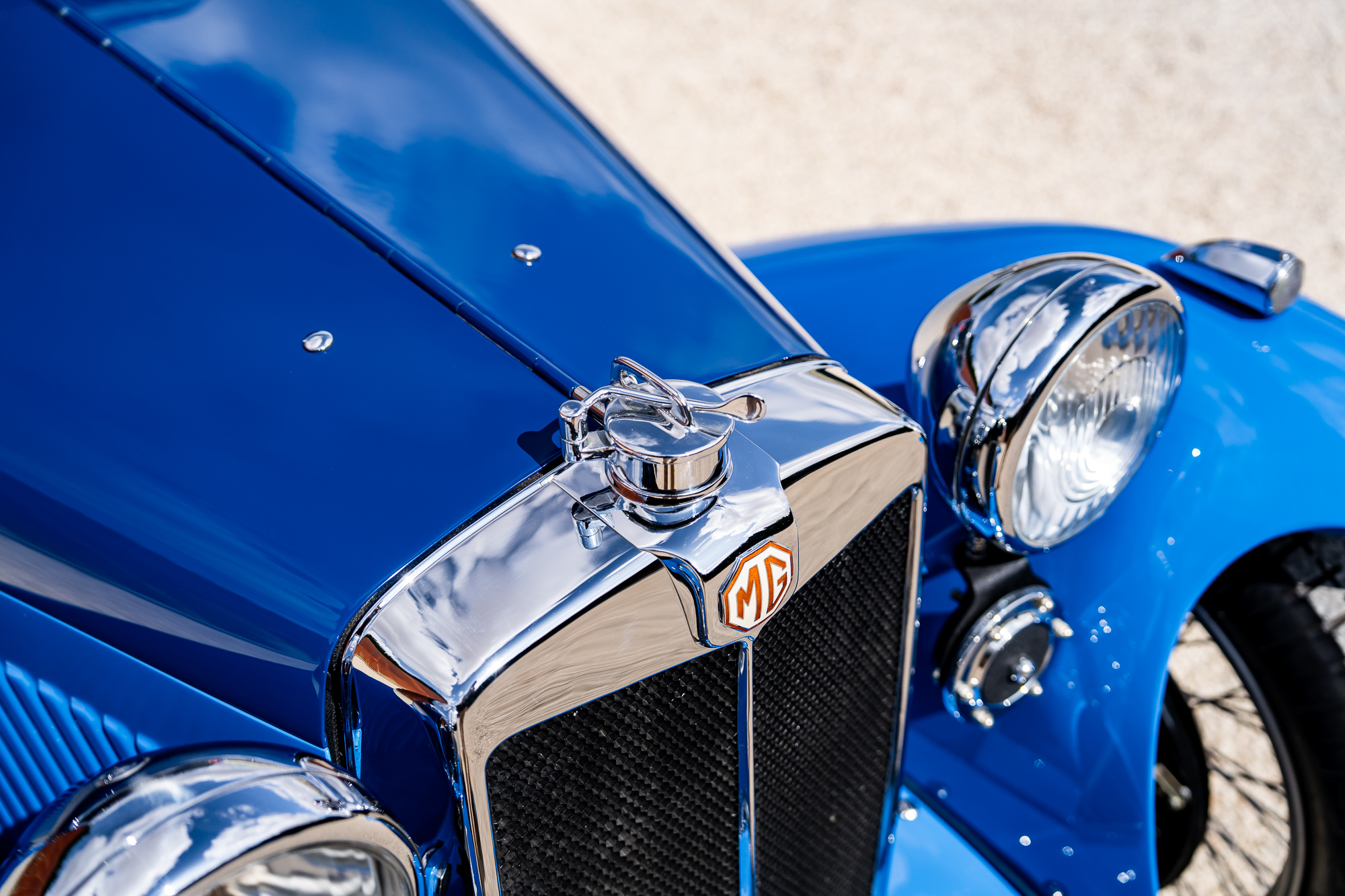
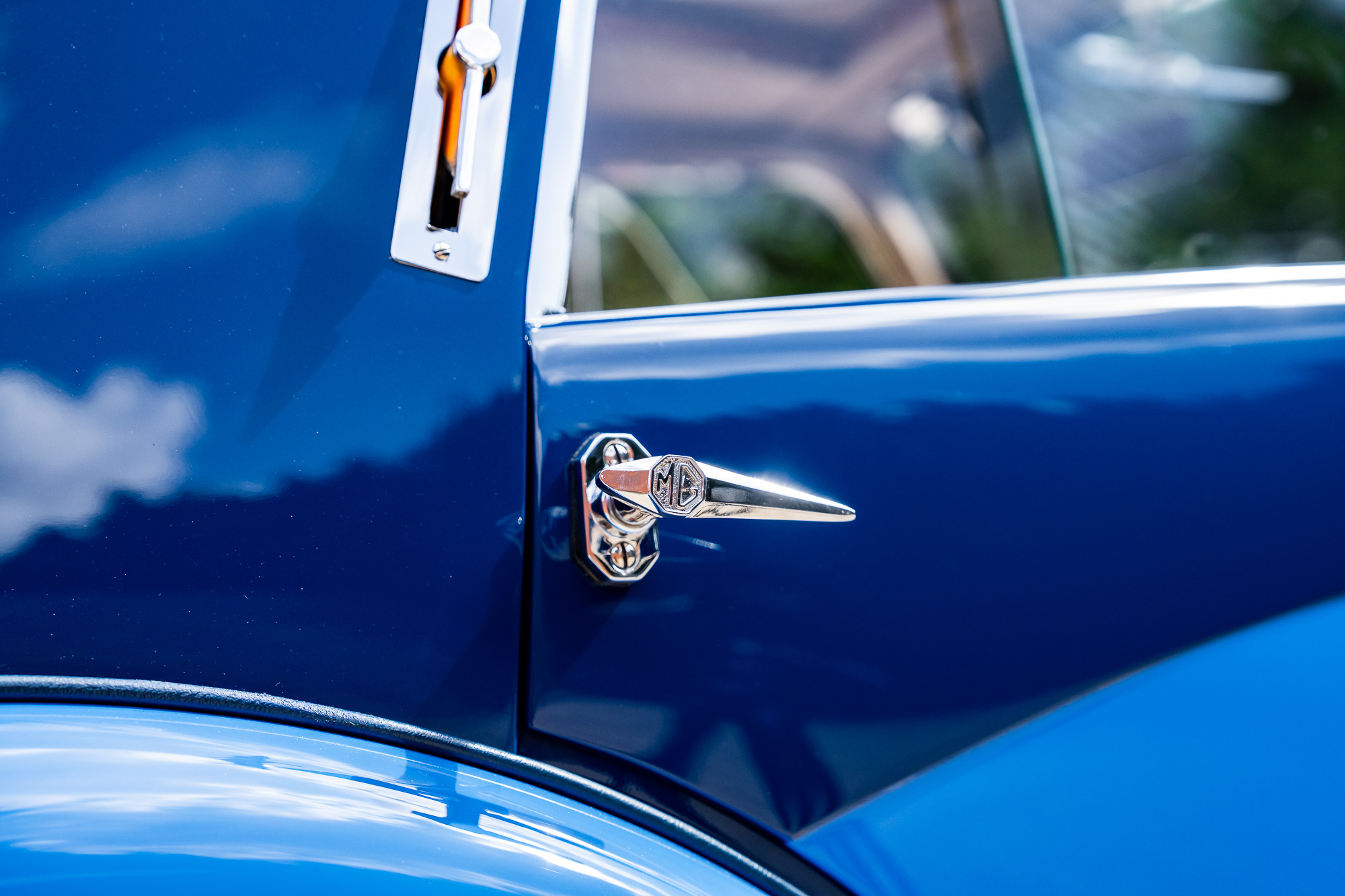
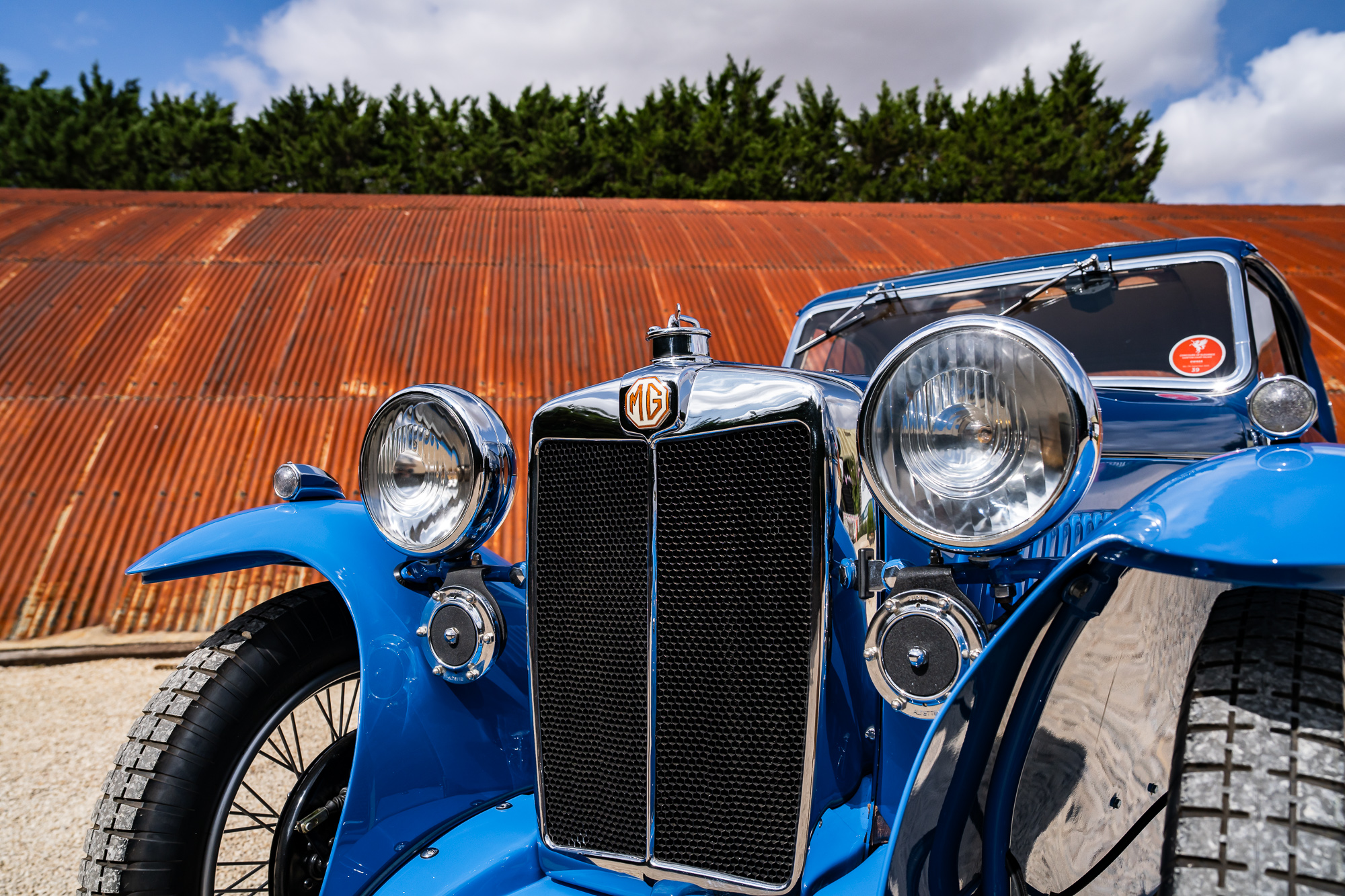
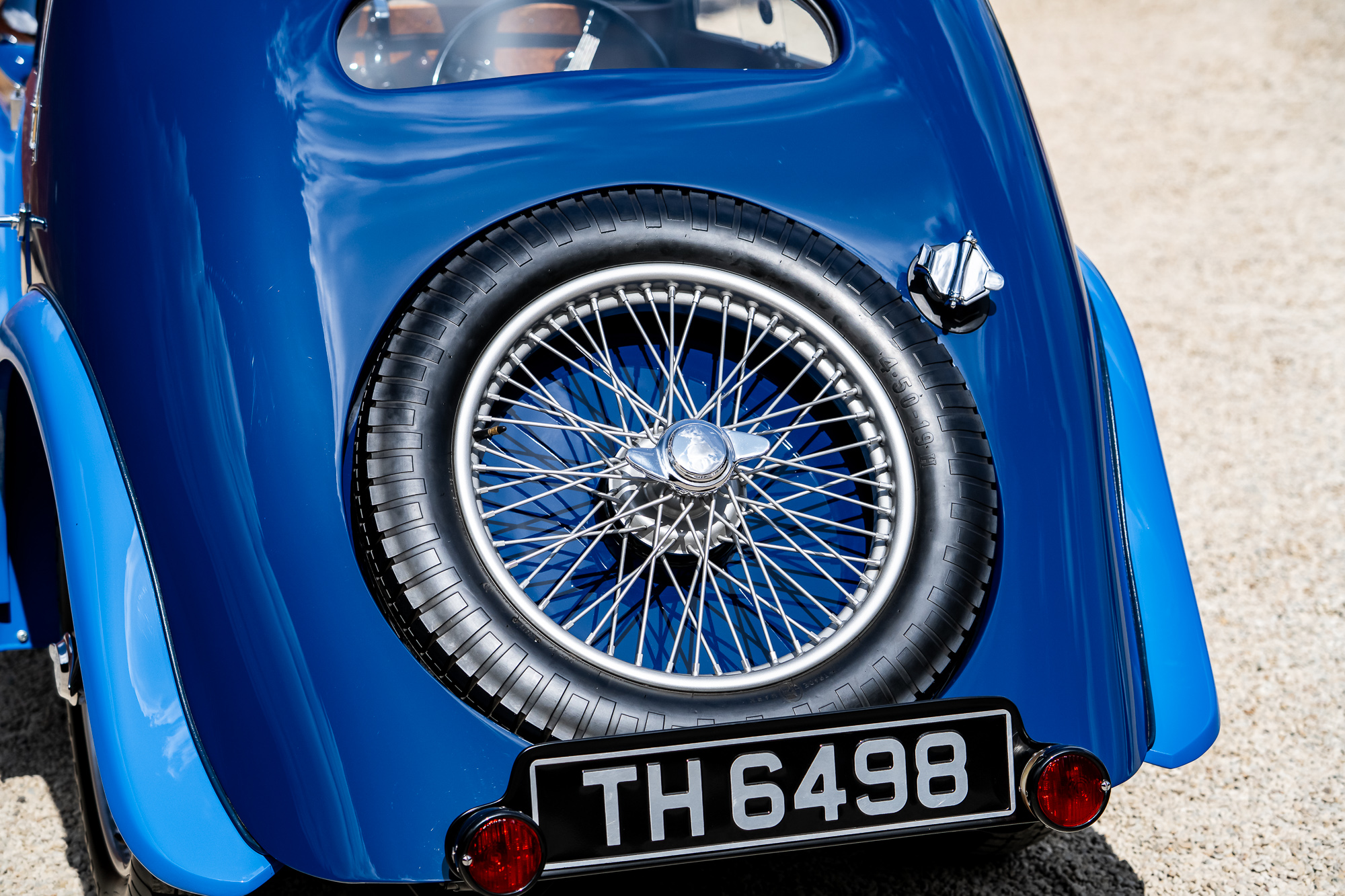
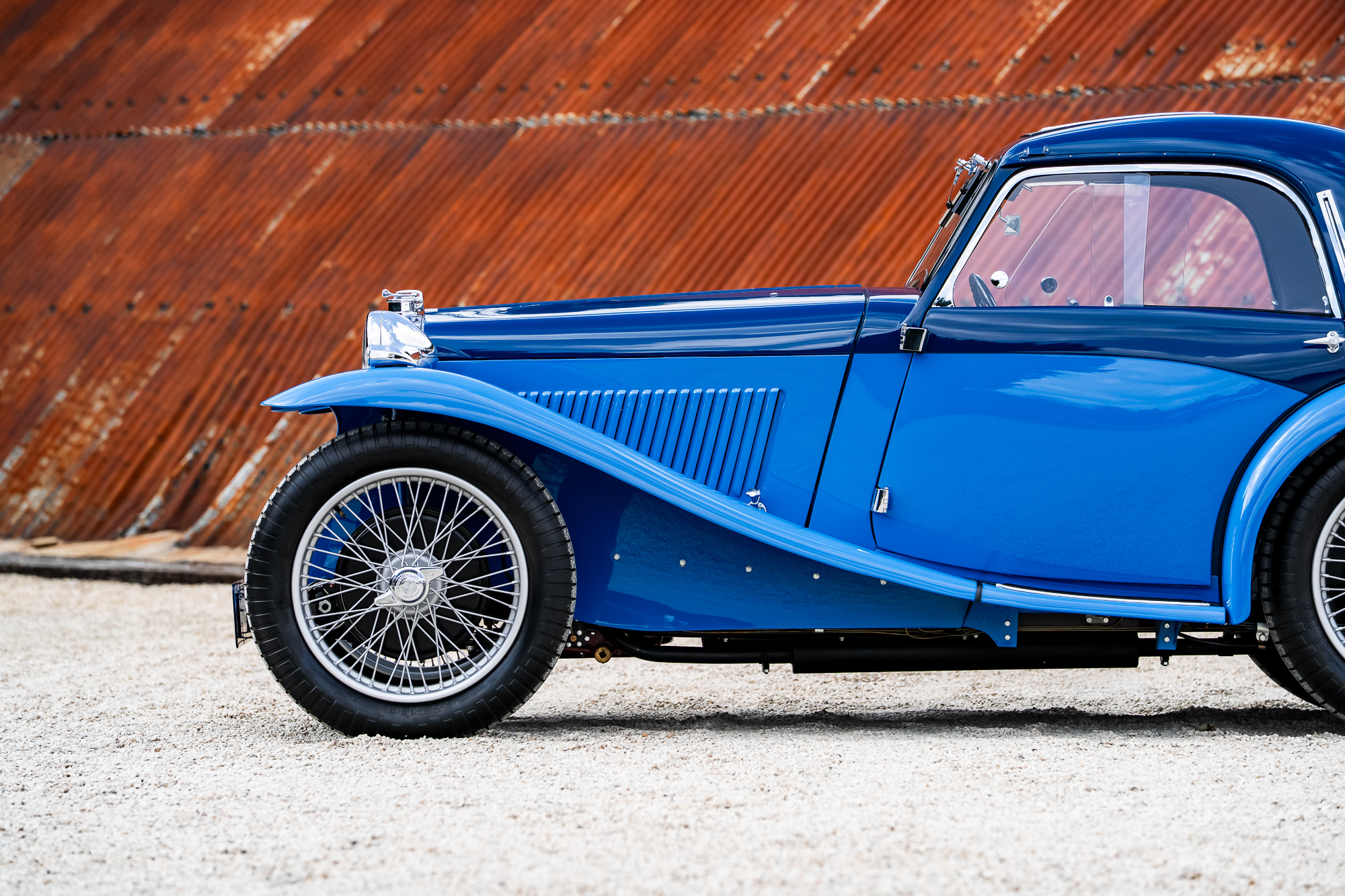
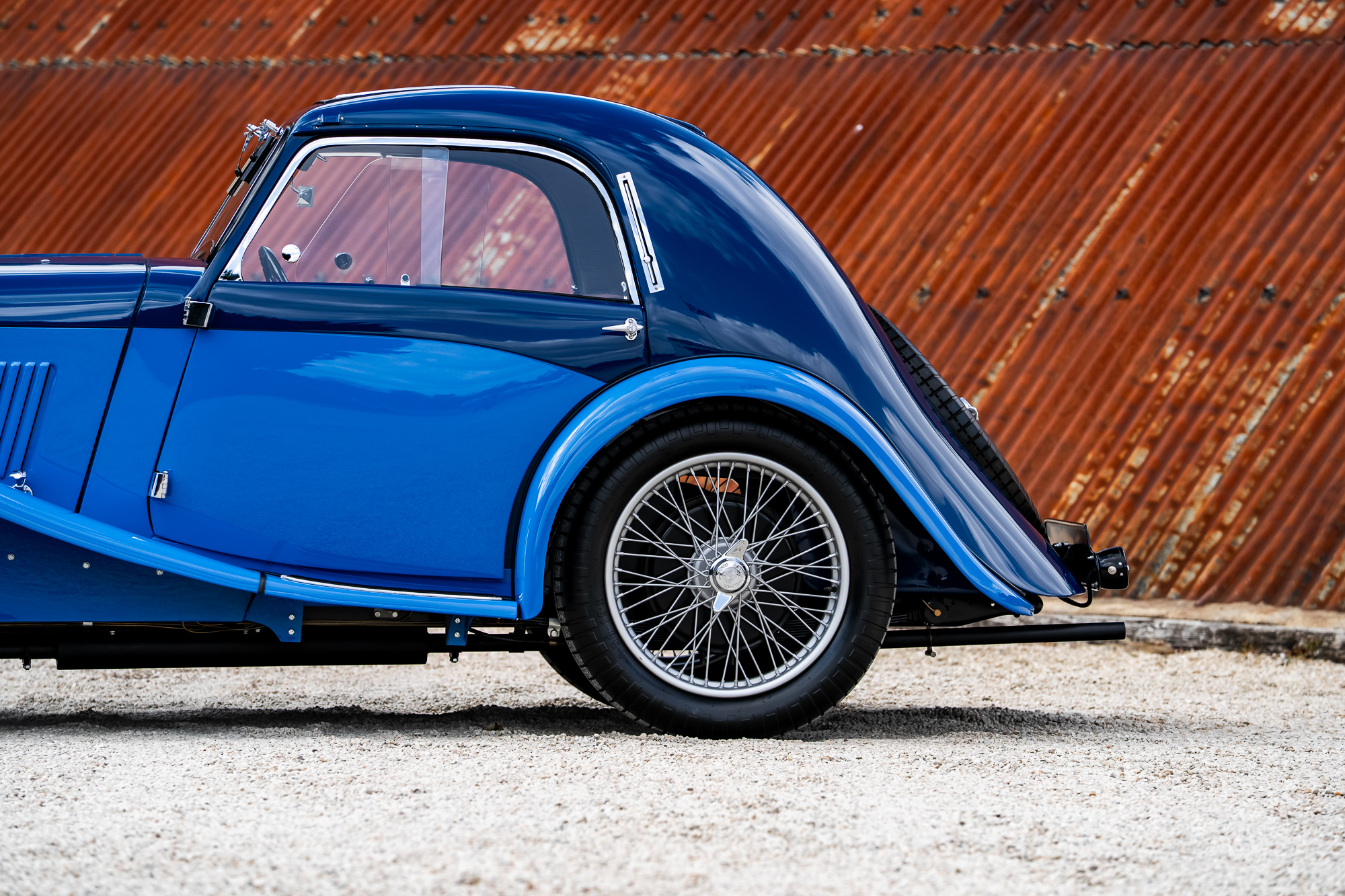
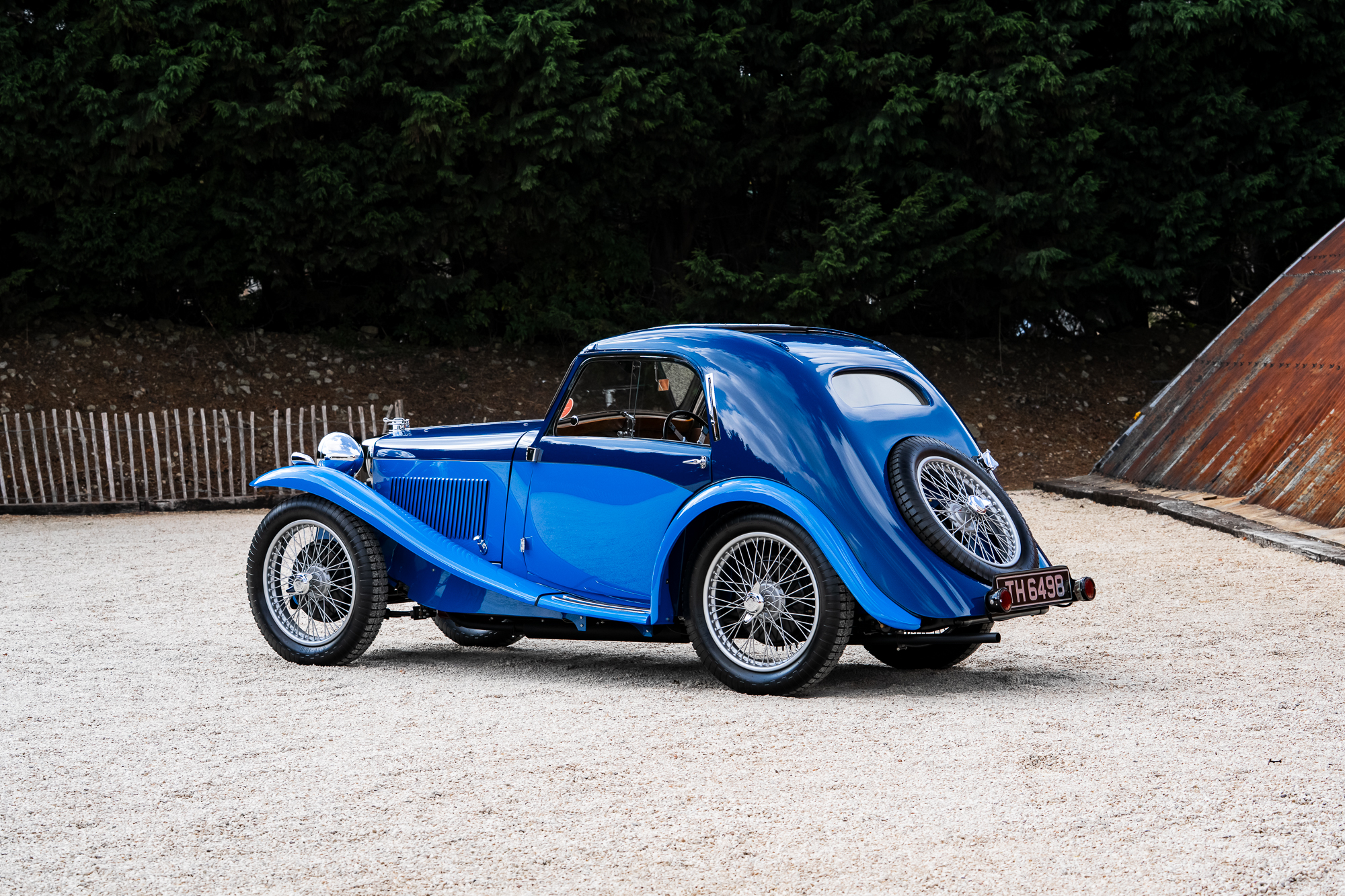
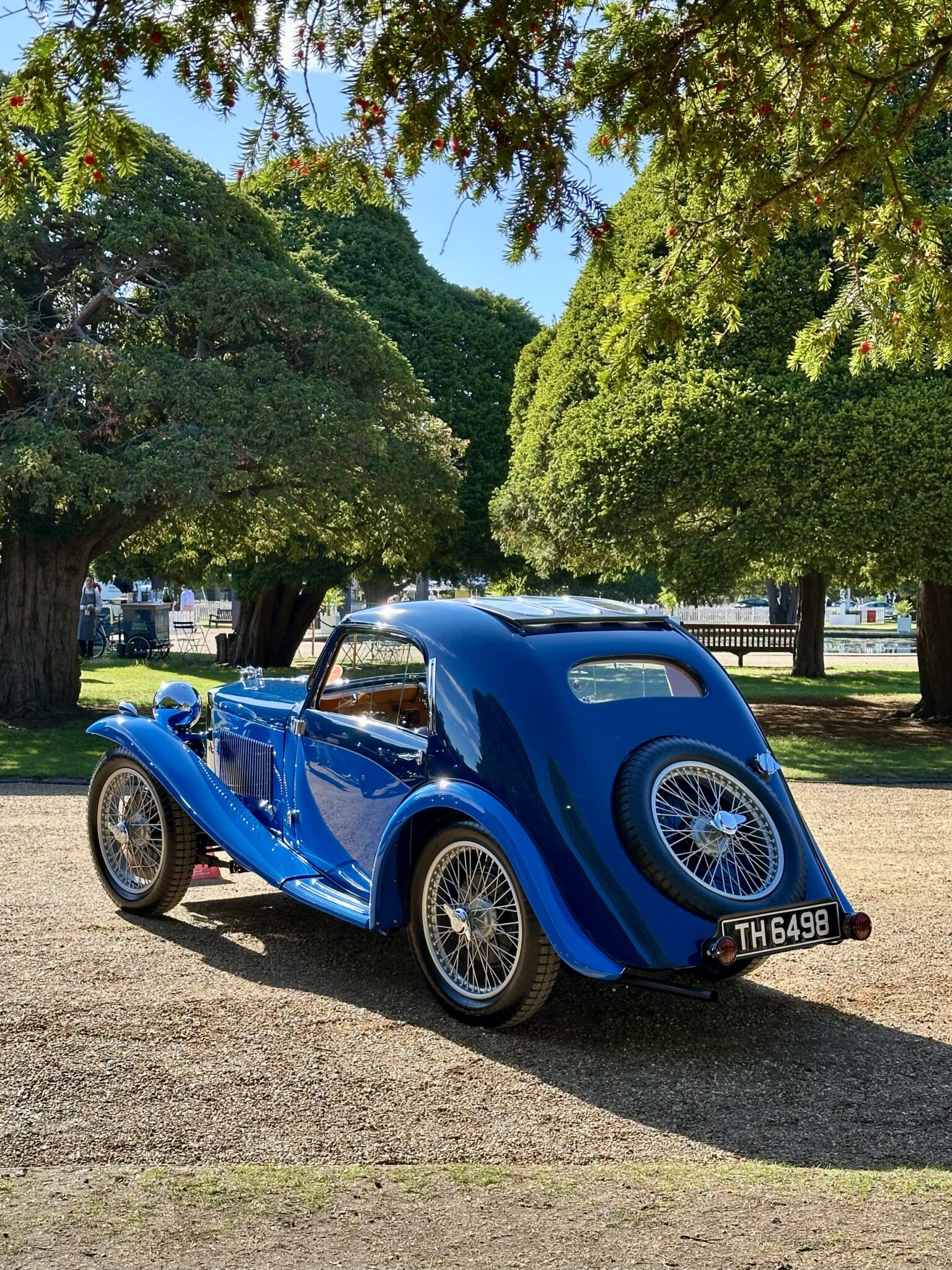
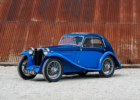
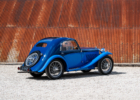
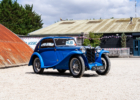
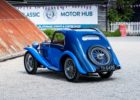
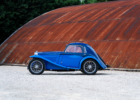
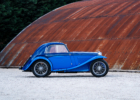
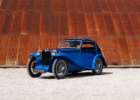
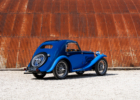
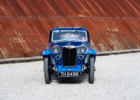
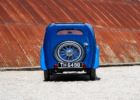
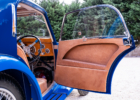
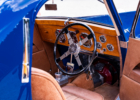
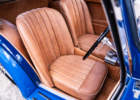
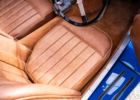
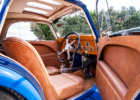
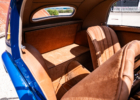
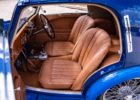
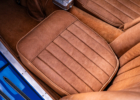
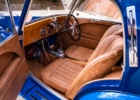
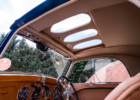
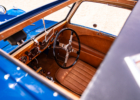
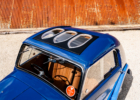

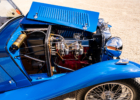
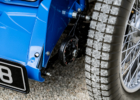
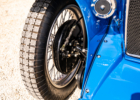
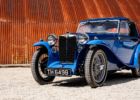
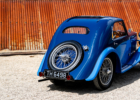
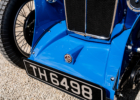
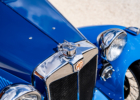
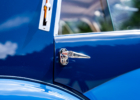
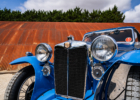
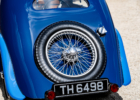
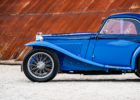
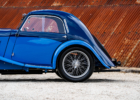
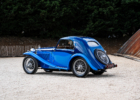
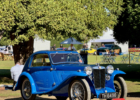
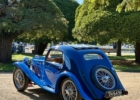
- Stunningly beautiful MG and extremely rare
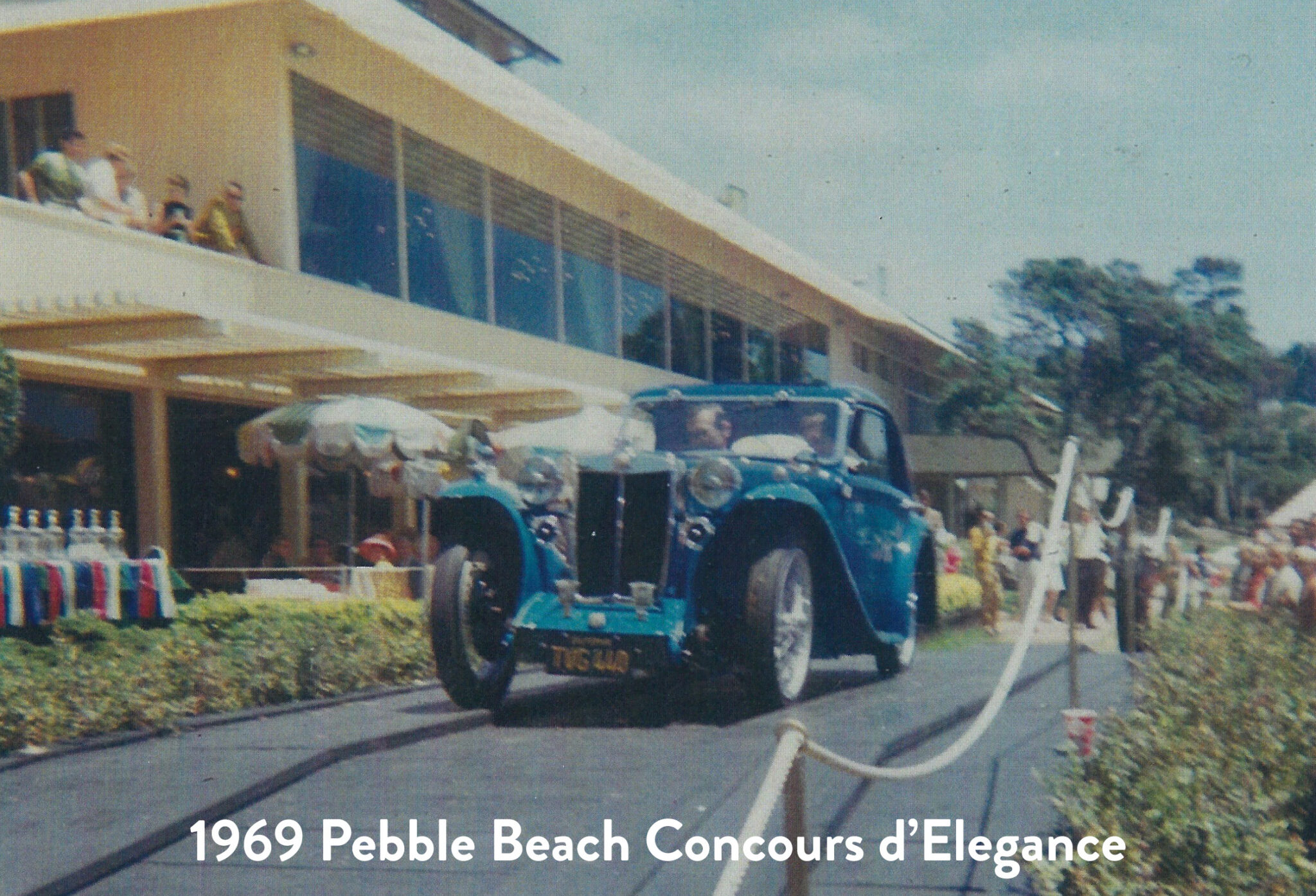
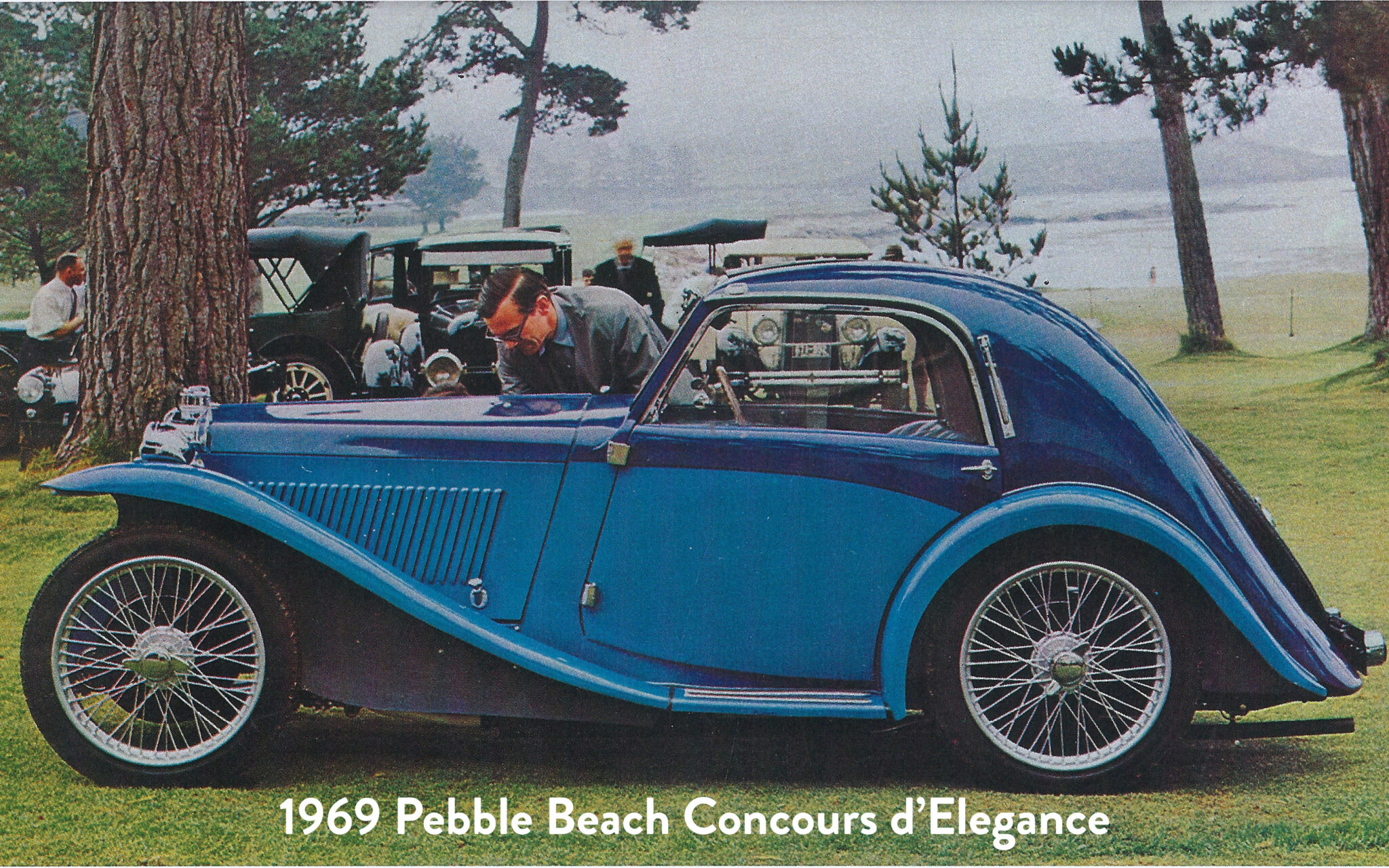
- Class winner at the 1969 Pebble Beach Concours
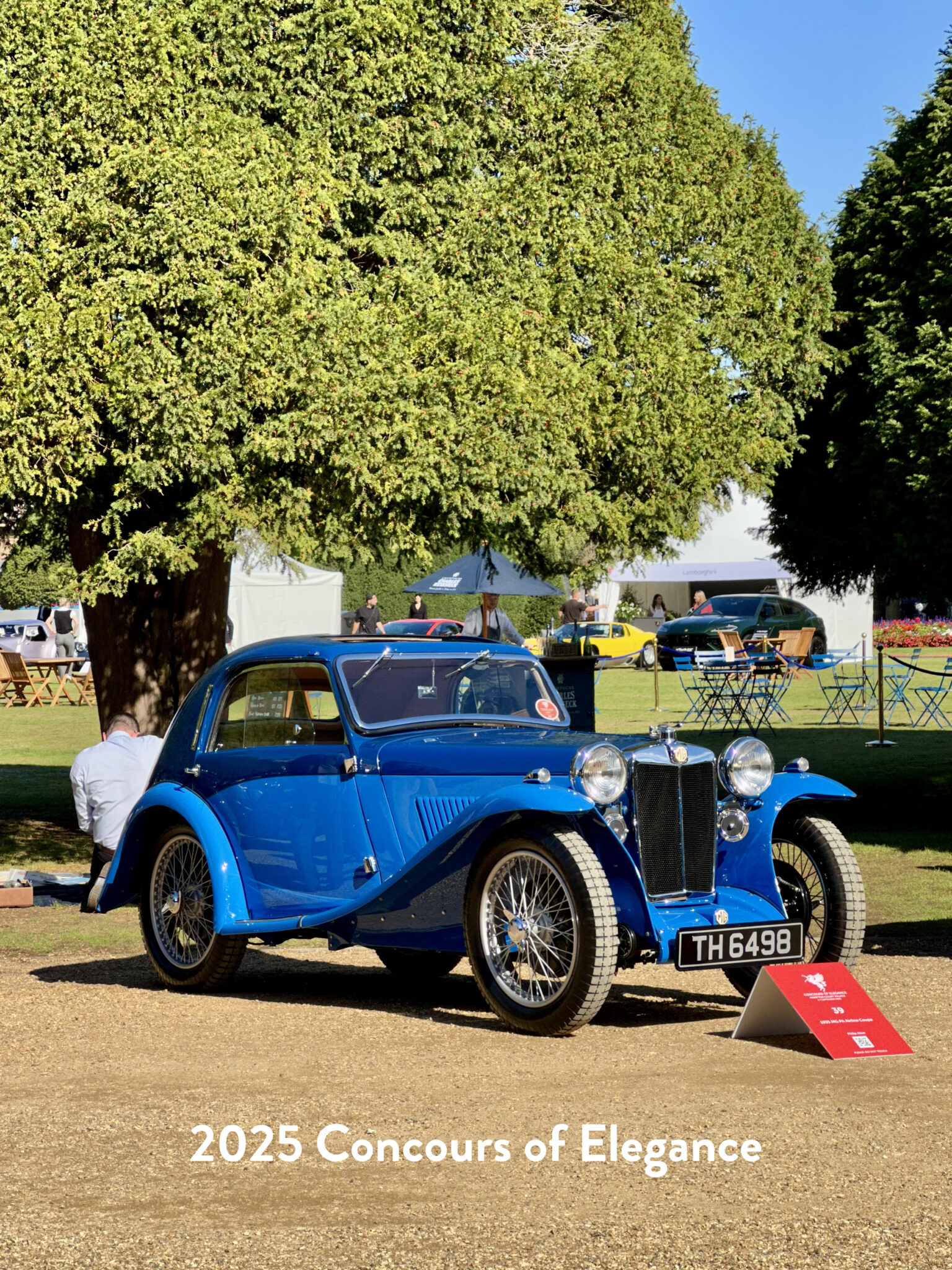
- 2025 Concours of Elegance at Hampton Court Palace entrant
- Concours level restoration completed in Australia in 2024
- One of the last PA Airline cars of about fifty of all derivatives constructed
- Wonderful history and a well-travelled car
| YEAR | 1935 |
| MAKE | MG |
| PRICE | £98,000 |
VEHICLE DESCRIPTION
Of approximately fifty MG Airline Coupes ever built, only around 27 were built on the PA chassis. Chassis PA 2242, registered TH 6498, is one of the very last of those PA examples: sent from the MG factory to Carbodies of Coventry in July 1935 as one of a batch of five, it was the only one of the five to sell that year. The other four remained unsold, were returned to the factory and converted to the emerging PB specification. That PA 2242 survived at all — let alone in the extraordinary condition it presents today — is a matter of considerable fortune, and its history across nine decades on three continents is as remarkable as the car itself.
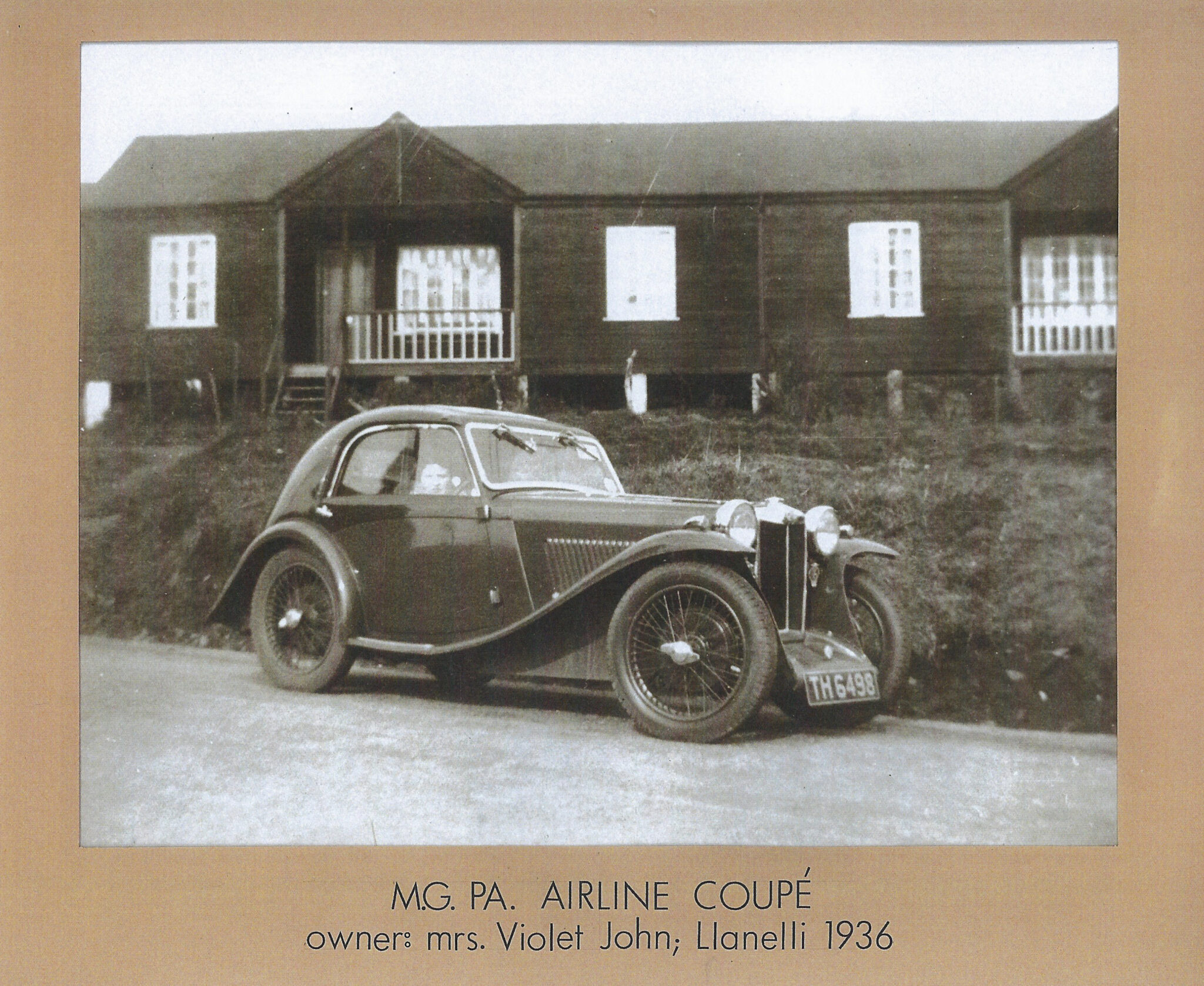
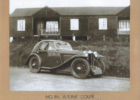
The history begins with Mrs. Violet John of Llanelli, South Wales, to whom the car was first registered on 2nd January 1936 — a period photograph from that same year which is included in the history file, shows the car in its original condition with the registration TH 6498 clearly visible. In the early 1950’s it was sold to a garage in Llanelli, and subsequent owners all were based within ten miles of its first owner.
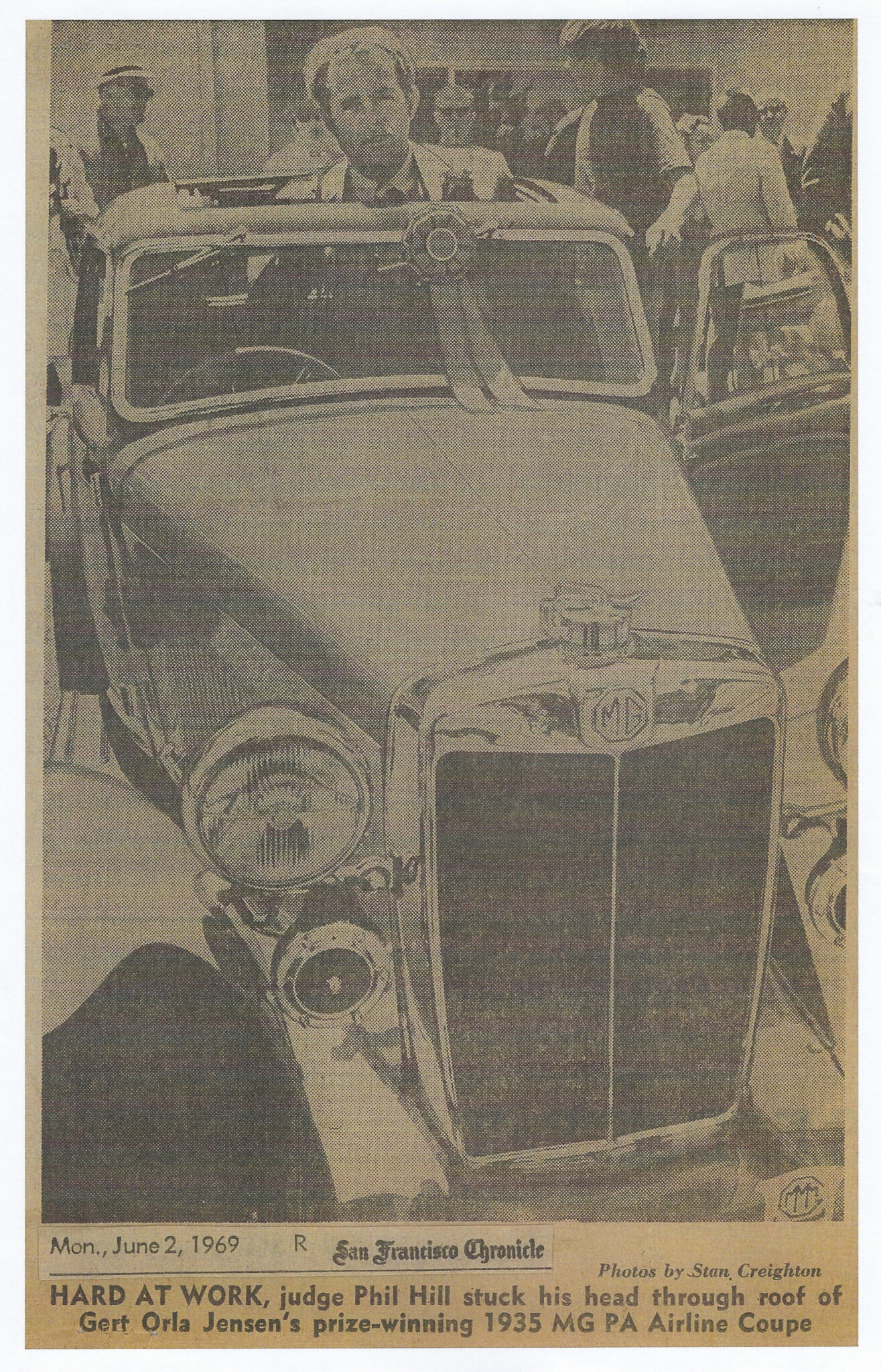
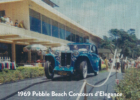
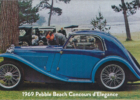
In October 1965, the car was acquired by Gert Jensen while on honeymoon in Wales, a Danish architect then living in San Francisco, who purchased it from a young student named Brian Pratt in Burry Port for £125. Jensen shipped the car to California and spent three years restoring it — no small undertaking in an era when MG Midget parts and specialist knowledge were considerably harder to come by than they are today. The result was triumphant: at the Pebble Beach Concours d’Élégance in July 1969, the Airline took first in the Pre-War class and was awarded the prestigious Gwenn Graham Concours Trophy. The head judge who assessed the car was Phil Hill — the only American-born Formula One World Champion — and the San Francisco Chronicle of 2nd June 1969 ran a photograph of Hill peering through the Airline’s distinctive roof. The Gwenn Graham Trophy — a handsome glass decanter with engraved label — and a copy of the newspaper clipping are included with the car, alongside period photograph copies of the car on the lawn at Pebble Beach.
Jensen returned to Denmark in 1970, taking the car with him. Over the following five years it participated in numerous vintage rallies and collected further prizes, before the family returned to the UK in 1975 — recovering, on their return, the original TH 6498 registration number, which the car still carries today. Jensen retained the Airline until his death in 2018, an extraordinary custodianship of 53 years.
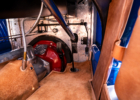
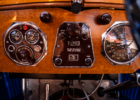
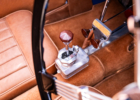
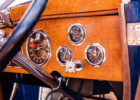
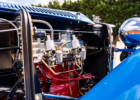
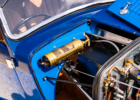
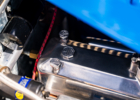
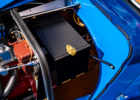
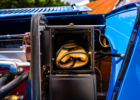
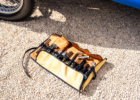
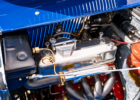
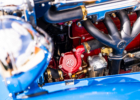
The current owner purchased the car from Jensen’s estate in 2018 and shipped it directly to Australia, where he undertook an extensive and comprehensive restoration that was finally completed in 2024. The restoration photographs in the history file tell the story in remarkable detail: the chassis stripped bare and rebuilt from the ground up, the Carbodies coachwork and woodwork restored, the 847cc four-cylinder engine stripped, rebuilt, and finished in the correct manner, and the whole assembled to a standard of perfection consistent with the car’s concours history.
The car returned to England for the 2025 Concours of Elegance at Hampton Court Palace, one of the most prestigious concours events in the British calendar, which was a fitting return to British life after its superlative restoration. It is presented today accompanied by the original Pebble Beach Gwenn Graham Trophy, the history file including copies of period photographs, a copy of the San Francisco Chronicle cutting, and a complete photographic record of the restoration carried out in Australia.
MODEL HISTORY
The MG PA Midget was introduced in 1935, replacing the J-type Midget. The principal mechanical advance was a third centre bearing for the crankshaft of the 847cc four-cylinder engine, which transformed its reliability considerably, while larger brake drums improved stopping power. The swept wings standardised across all PA models gave the car a more flowing, coherent appearance than its predecessor, and the P-type family is widely regarded as among the prettiest of all the pre-war Midgets.
For the small number of customers who wanted something altogether more dramatic, Carbodies of Coventry — the Coventry coachbuilder who would later become synonymous with the London black cab — offered the Airline Coupé body. It was one of the more adventurous responses to the aerodynamic fashion of the early 1930s, a period in which coachbuilders across Europe were experimenting with streamlined forms inspired as much by aviation as by engineering. Where many of these experiments produced ungainly or compromised results, the Airline Coupé was a genuine success: its sweeping fastback roofline, integrated rear spare wheel enclosure, louvred side panels, and flowing fender lines combined to produce something that looked as if it had been designed as a whole rather than assembled from separate ideas.
Approximately 50 Airline Coupes were produced in total across the PA, PB, N-Type, and TA chassis — though the precise figure remains a matter of archival debate, with the most authoritative current estimate suggesting a minimum of 49 and a probable total closer to 51. Of these, only approximately 27 were built on the PA chassis. Each body was individually coachbuilt, making no two cars identical, and the survival rate after nine decades of use means that genuinely original and complete examples are vanishingly rare. Among those that do survive, fewer still carry the documented provenance and concours history of PA 2242.