
1981 Range Rover 2-Door

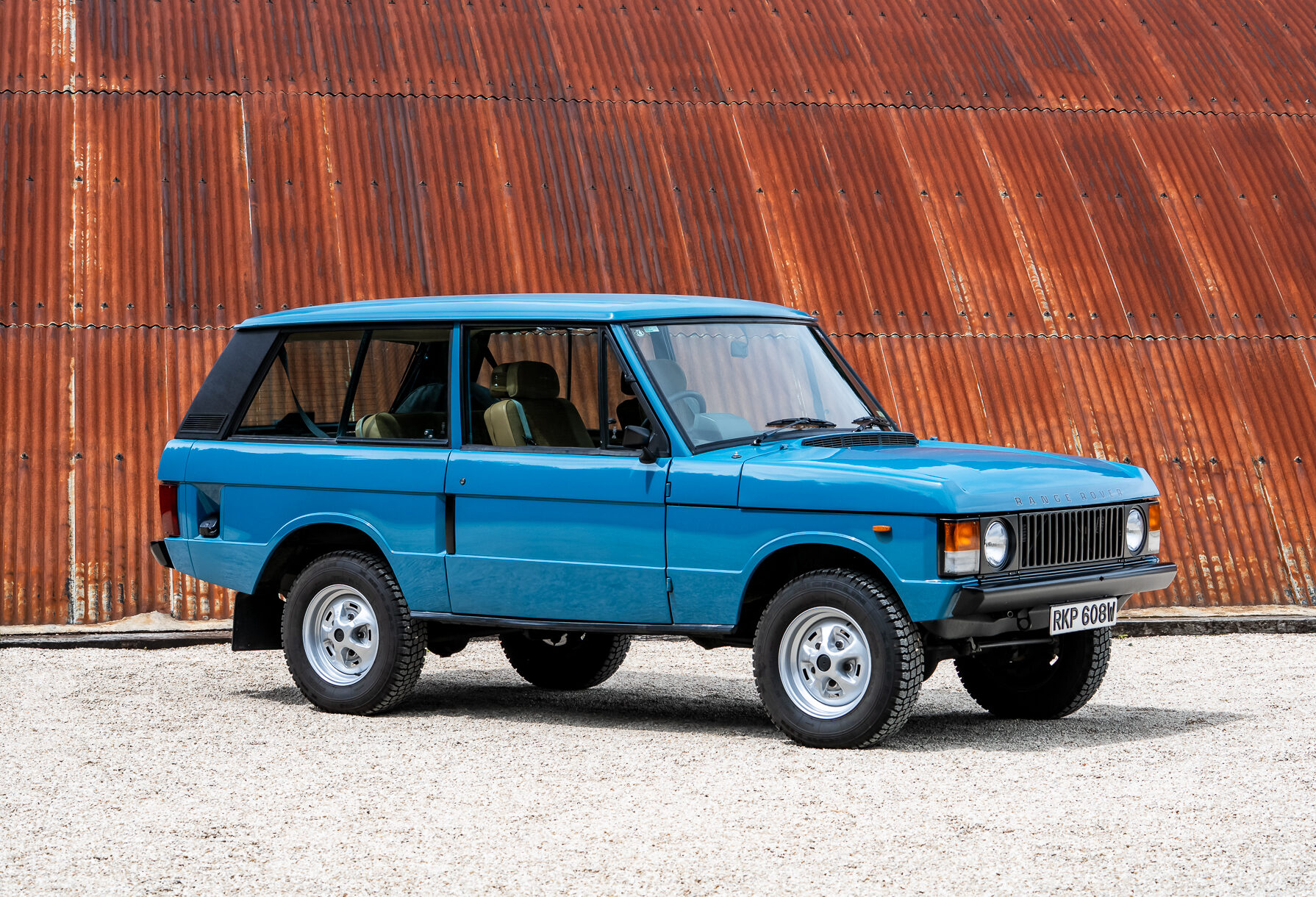
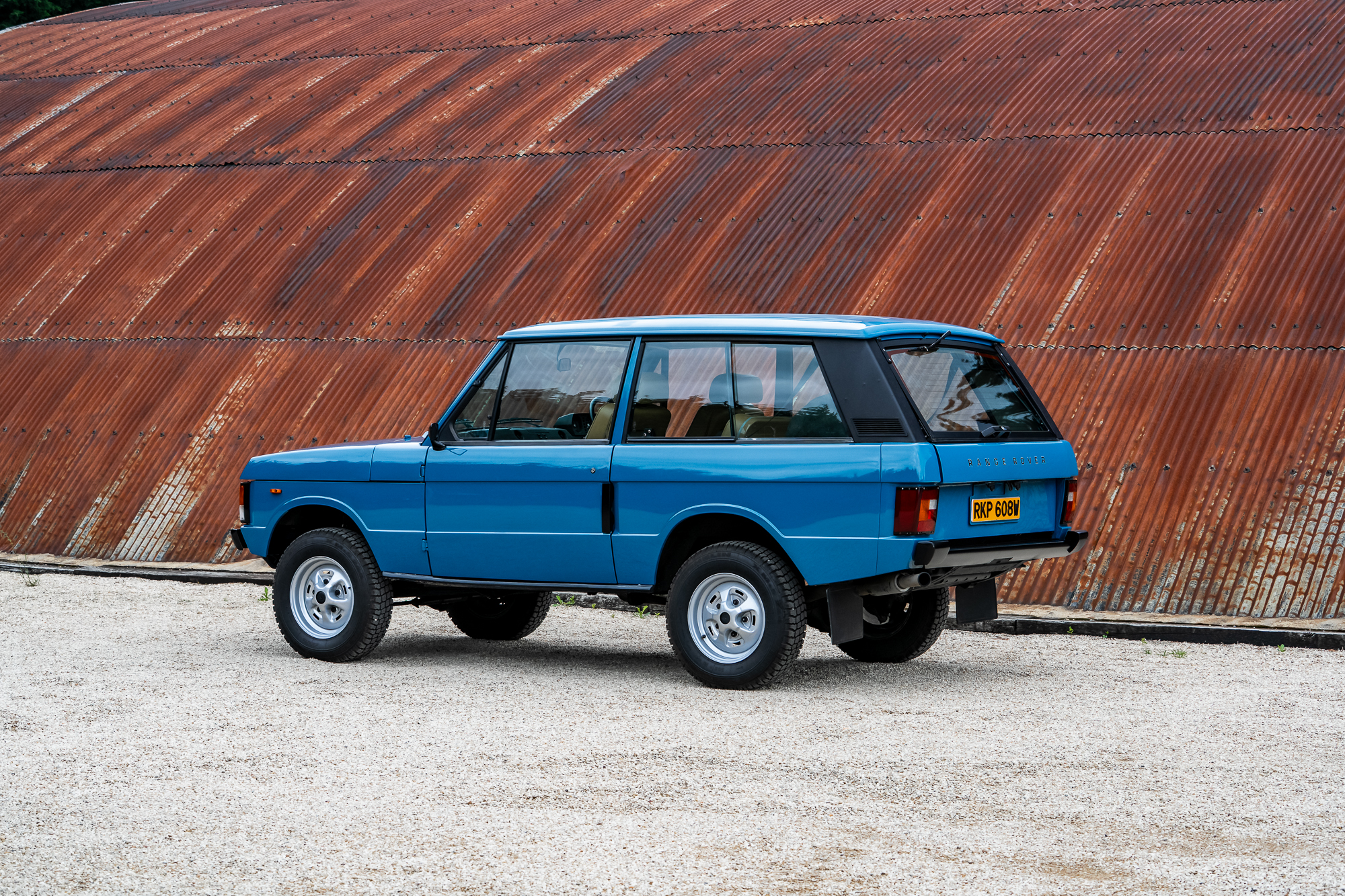
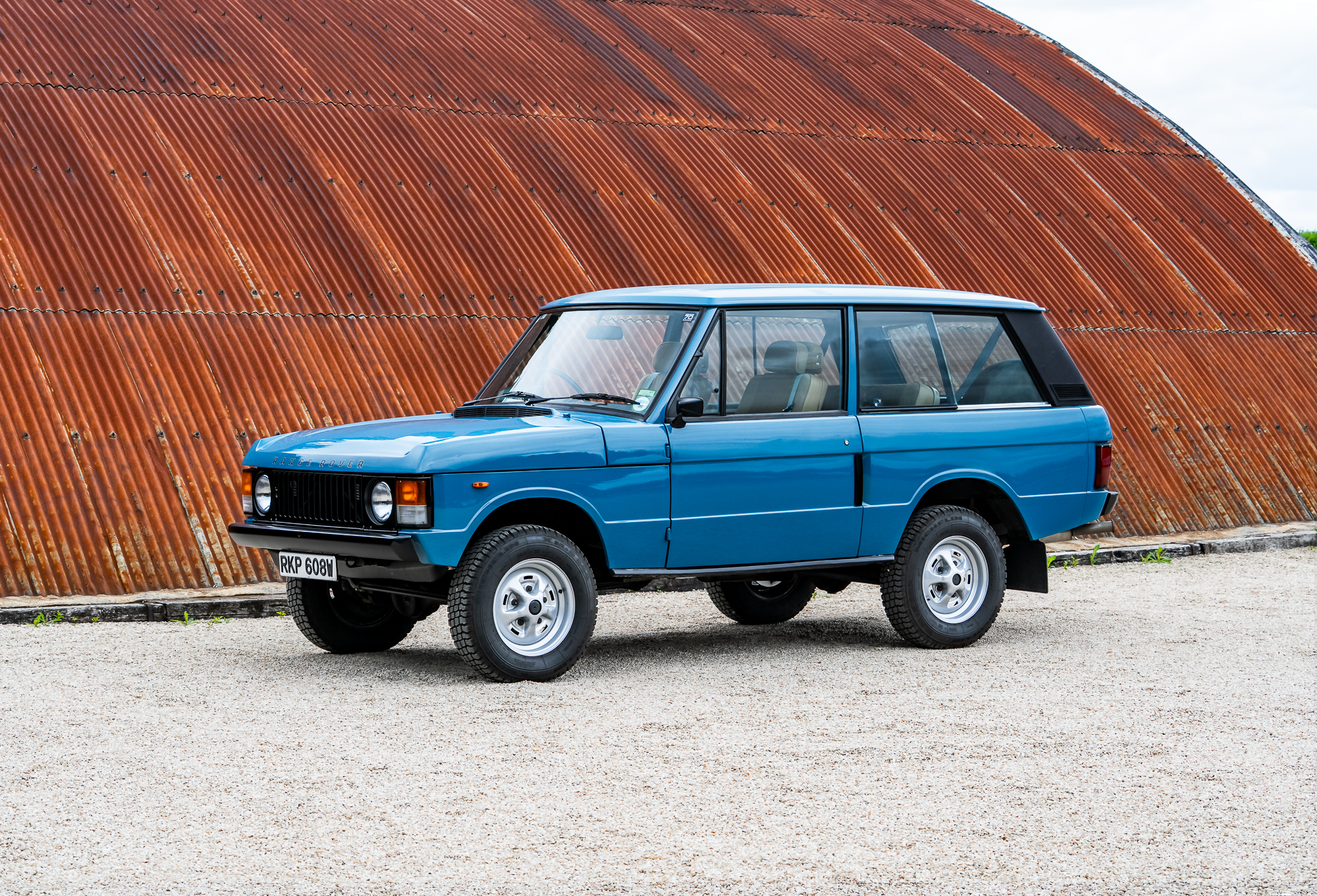
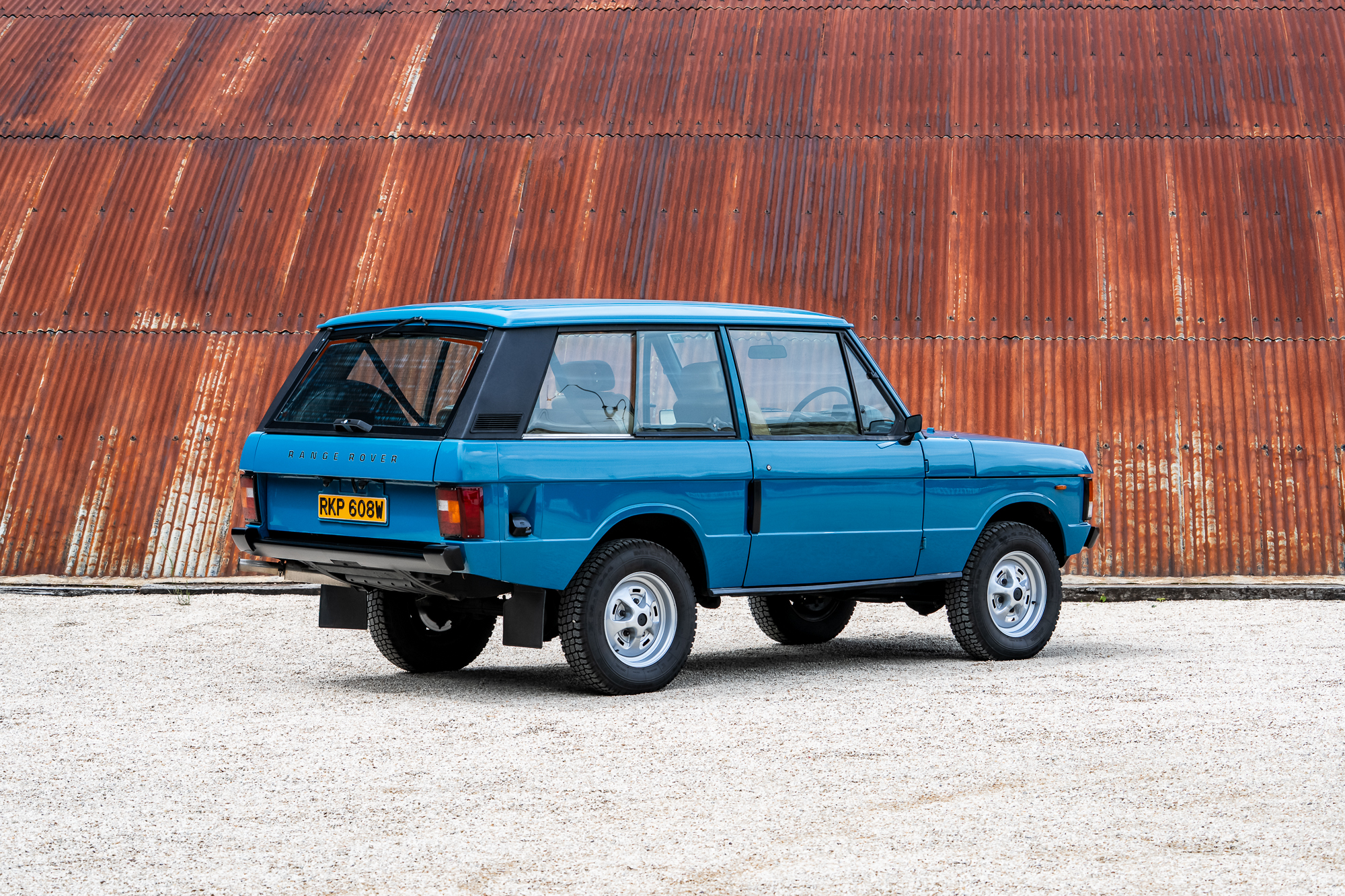
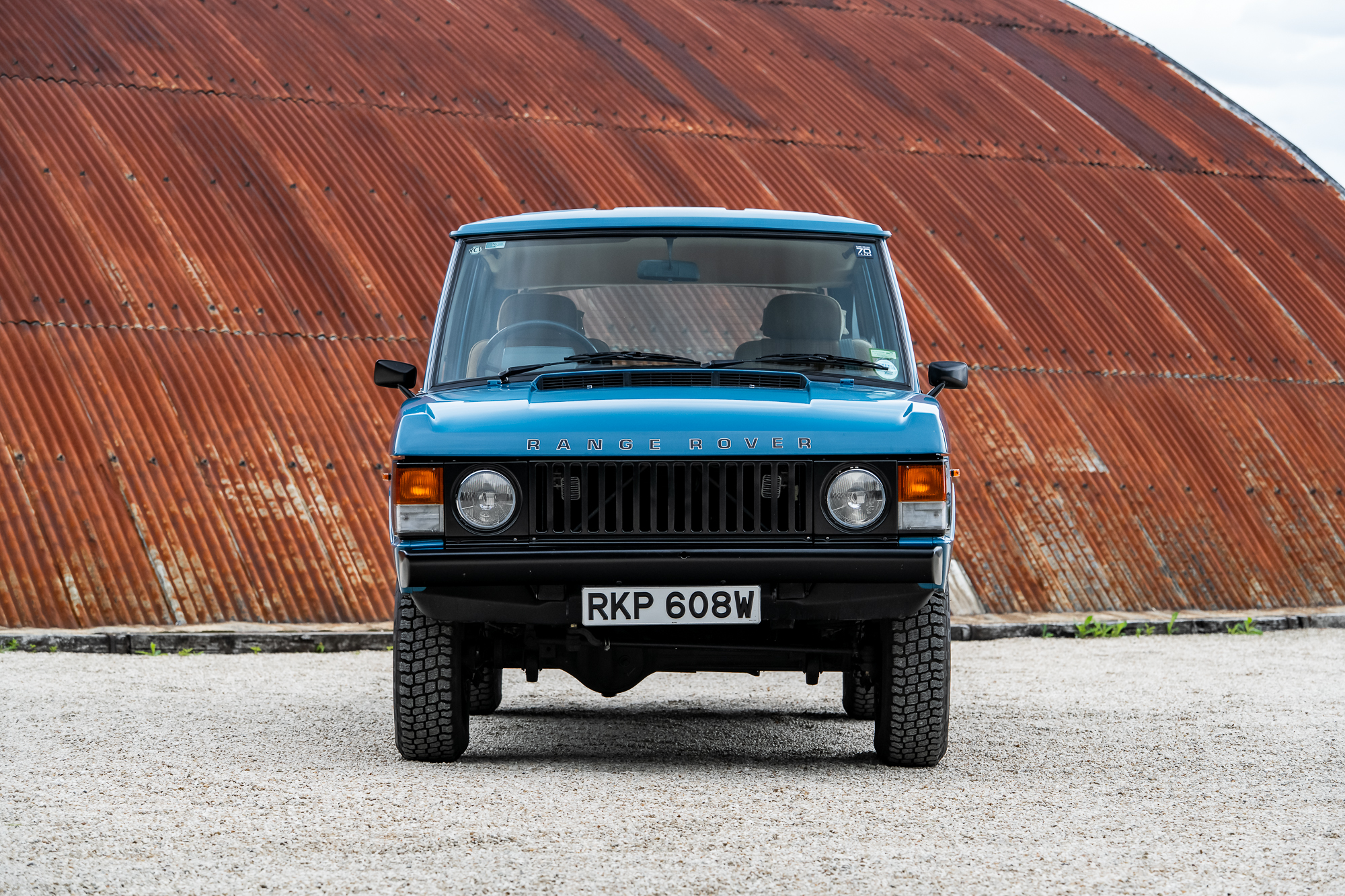
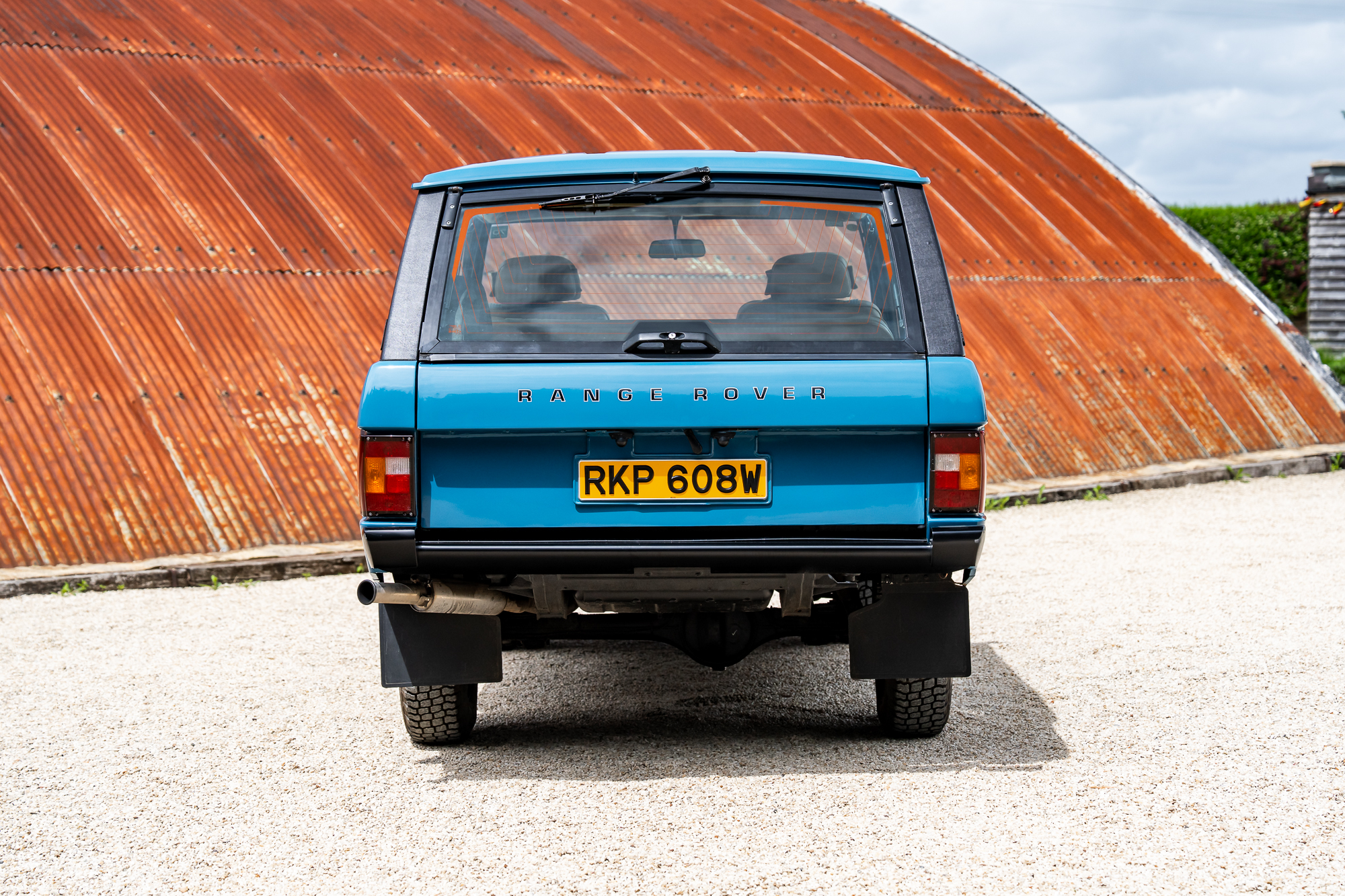
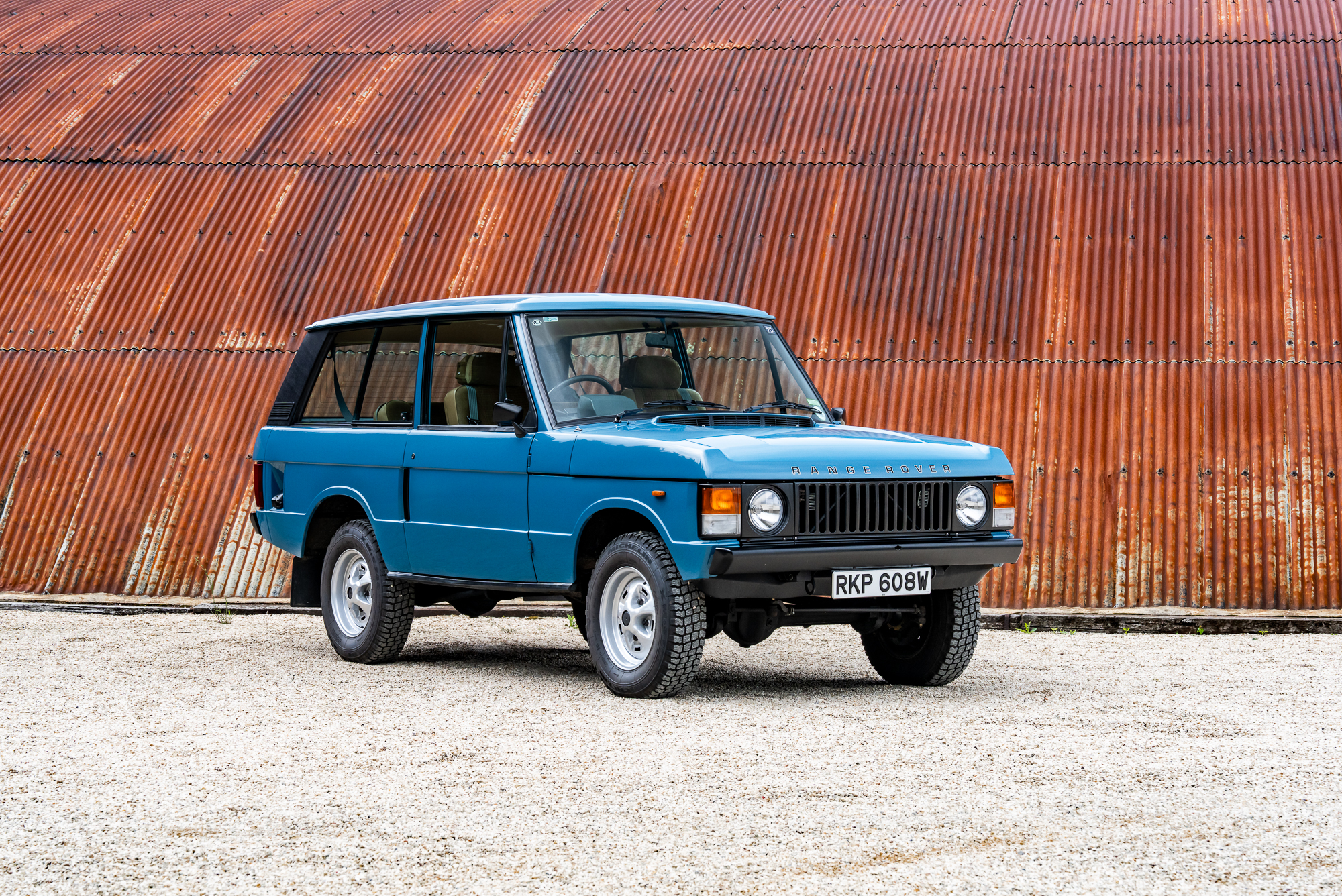
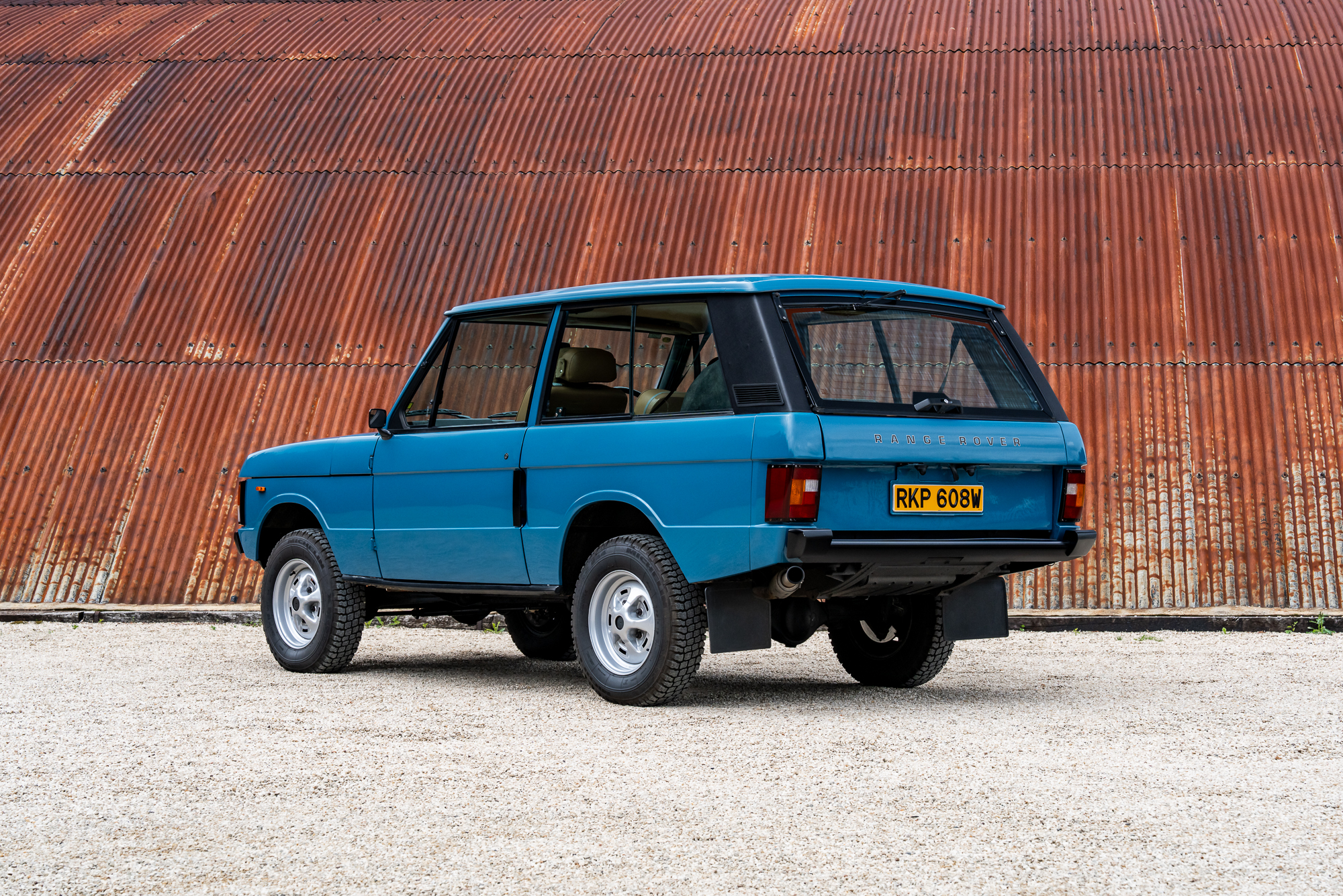
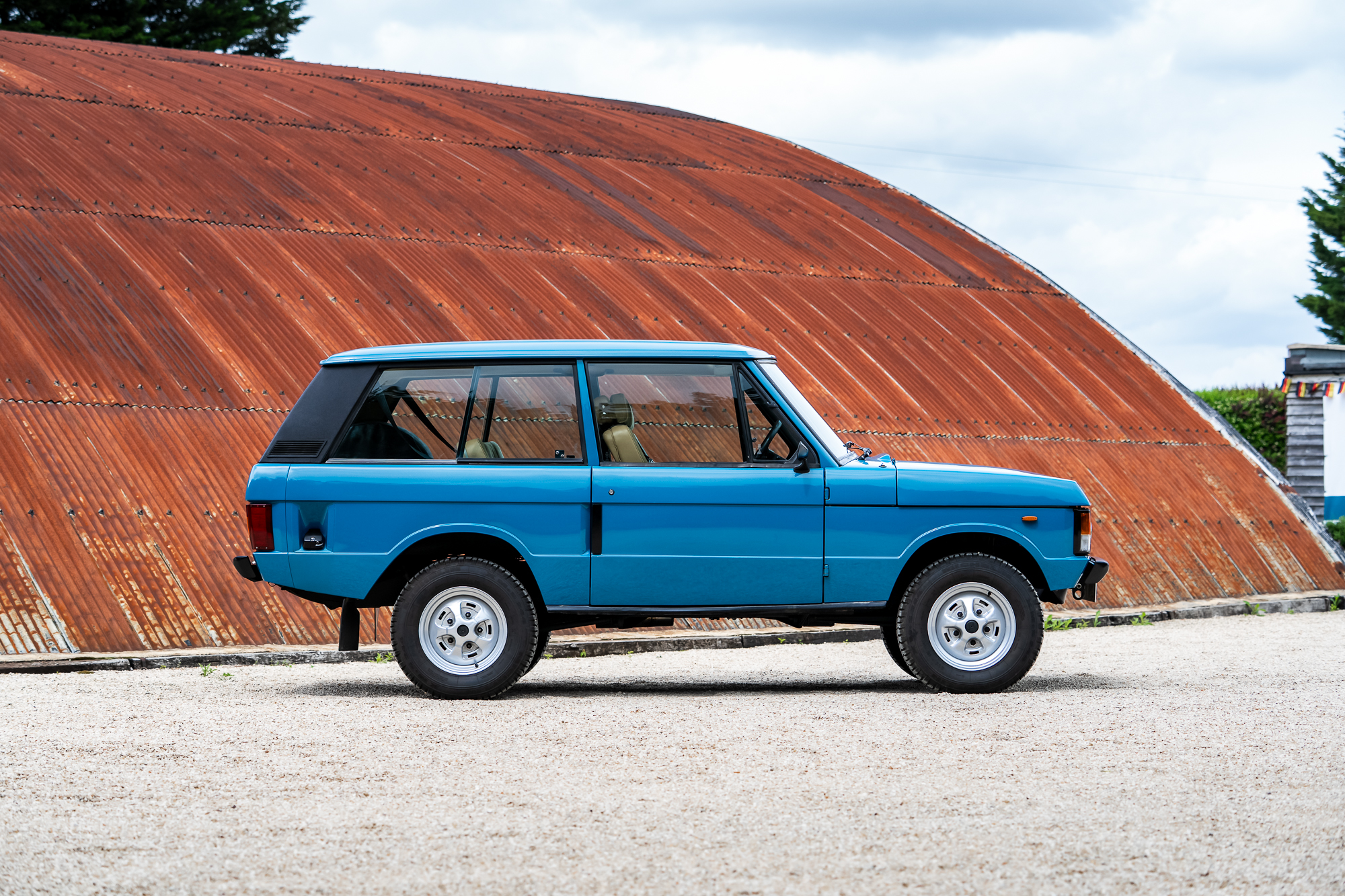
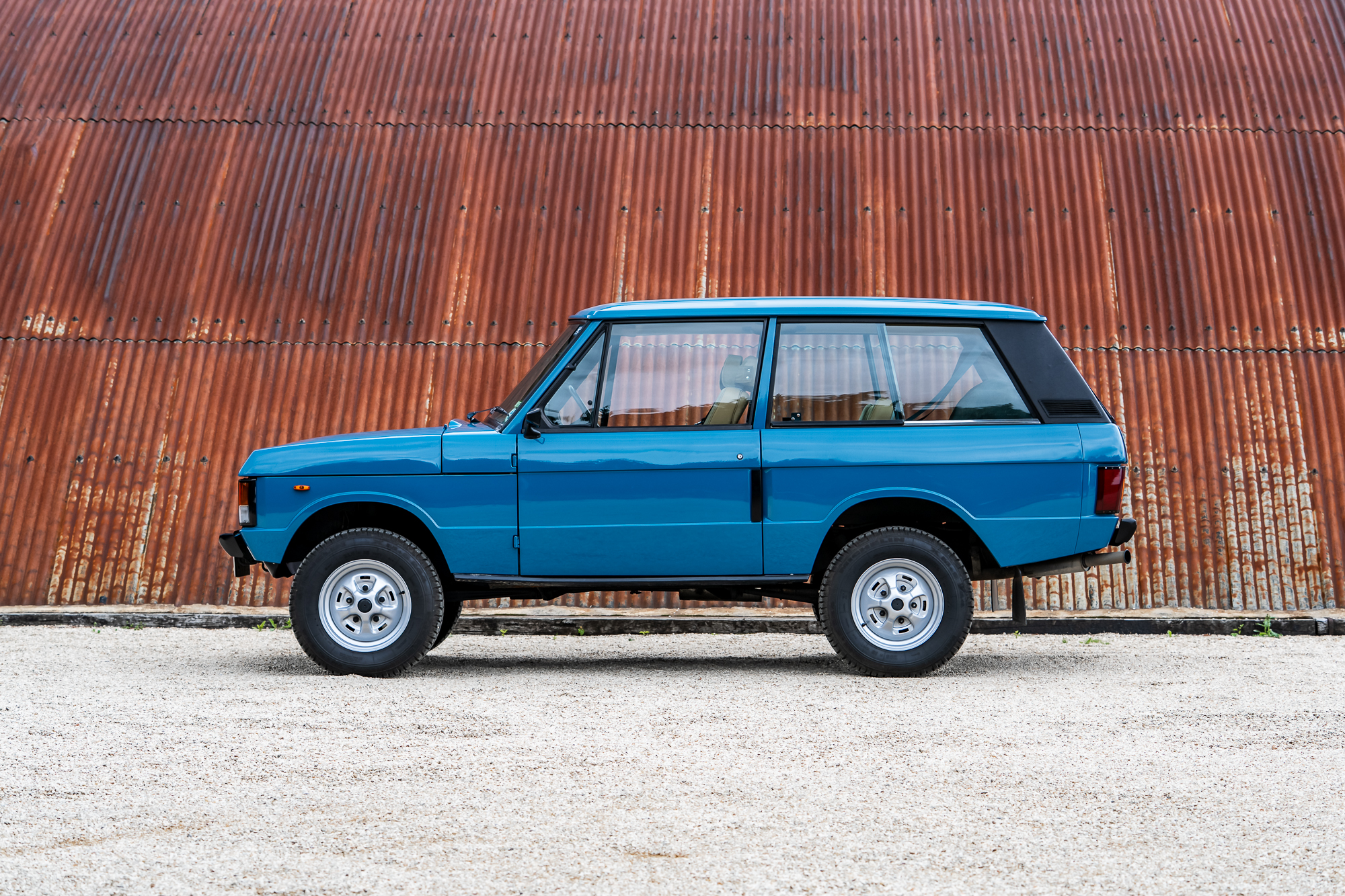
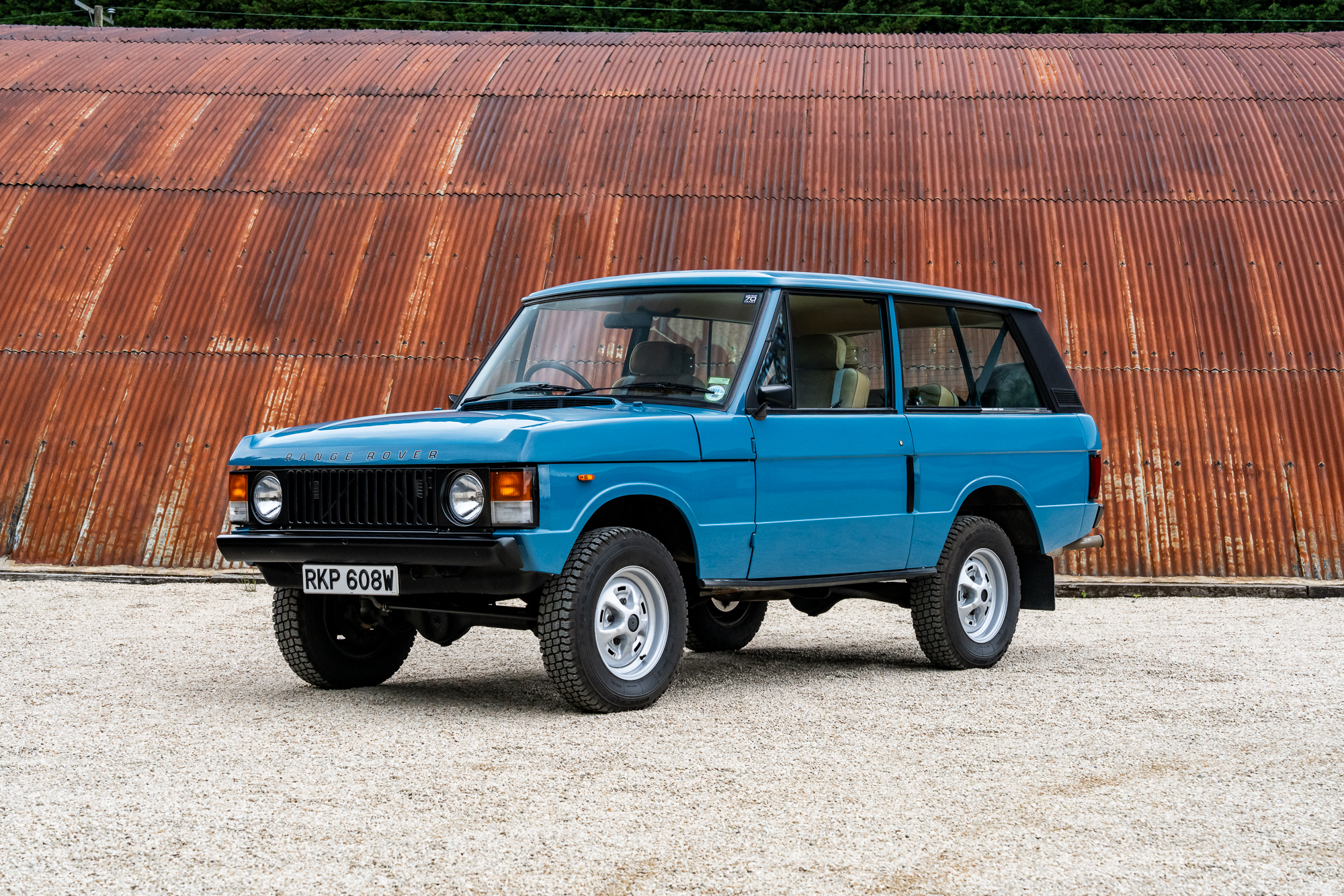
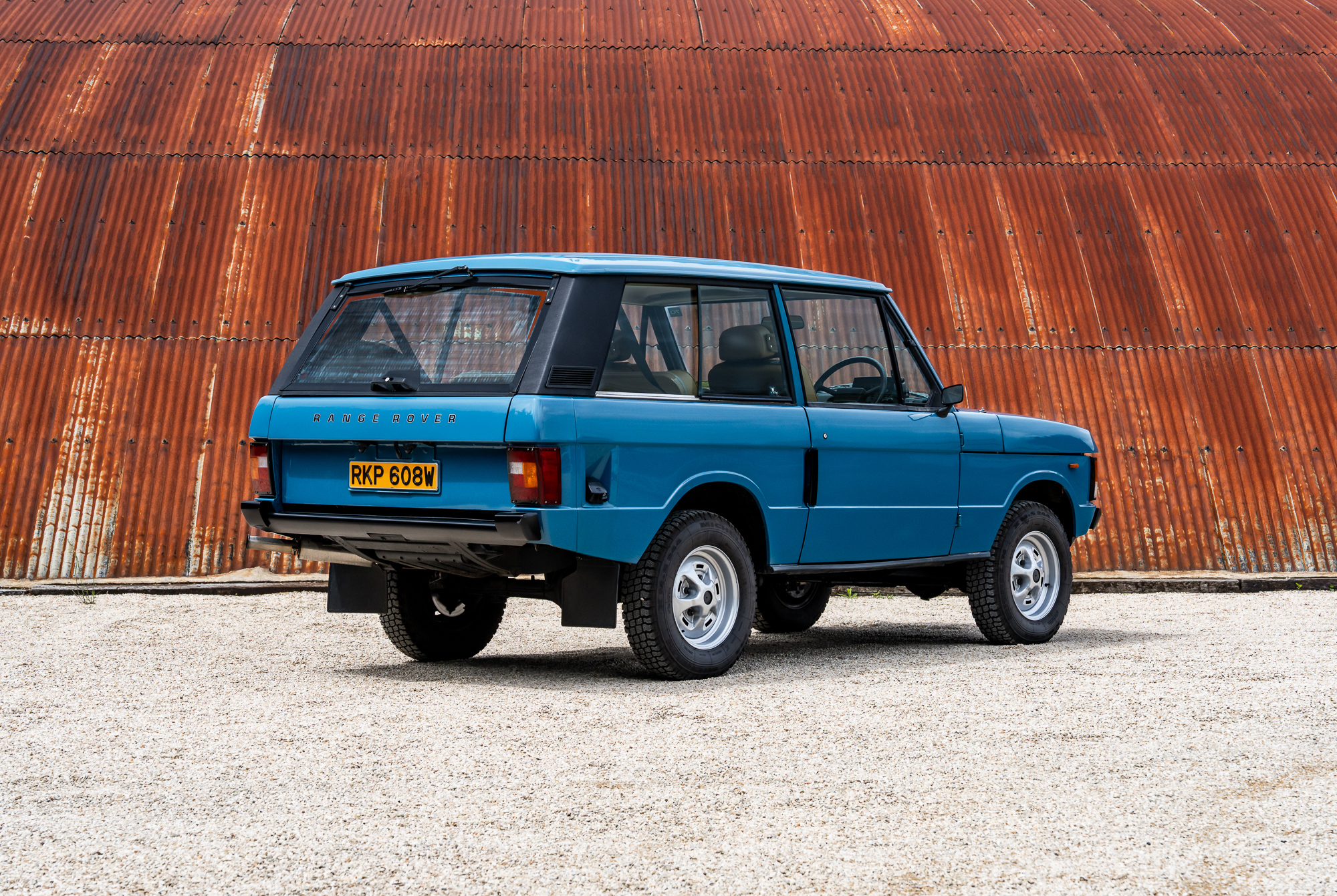

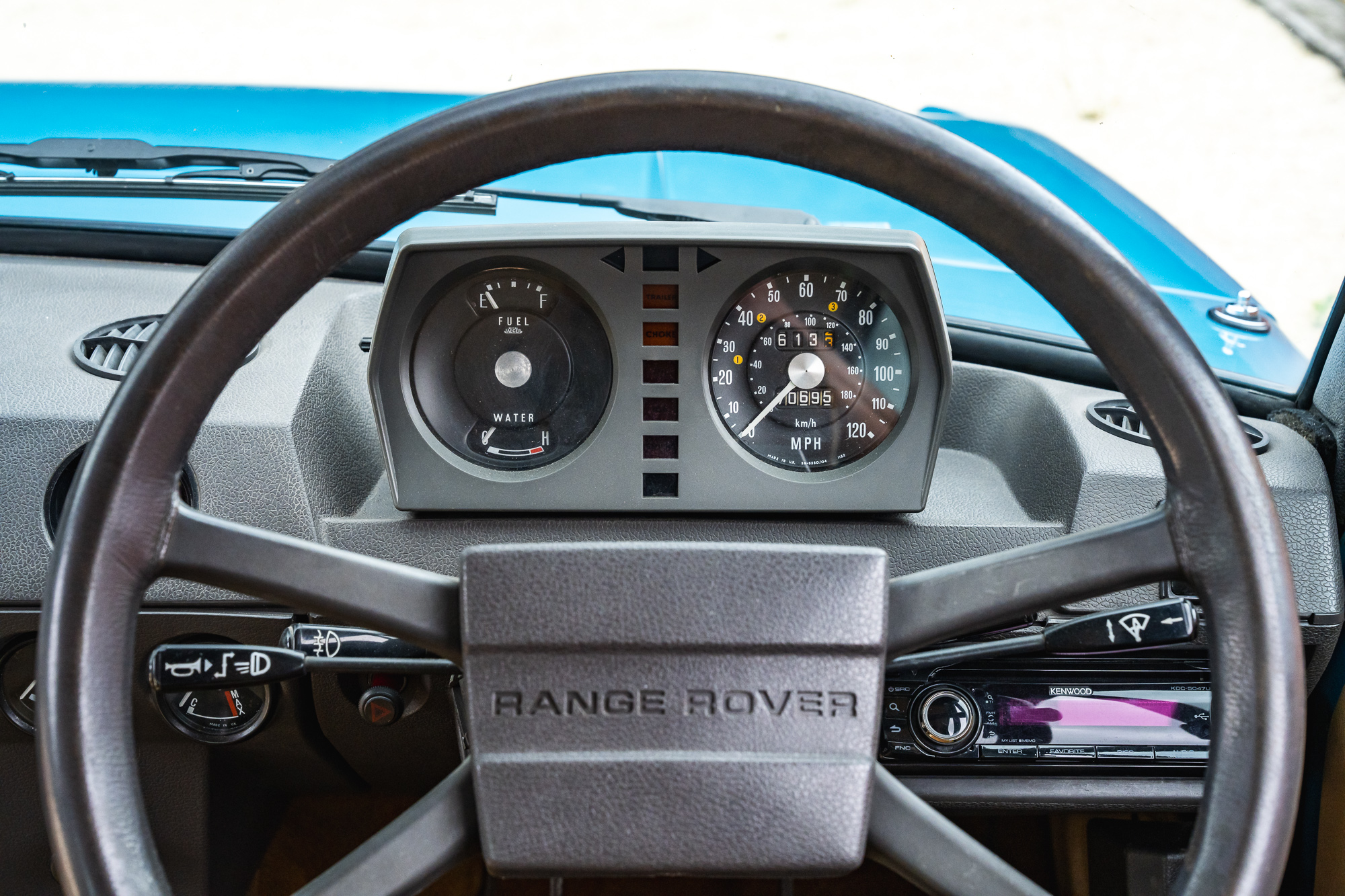
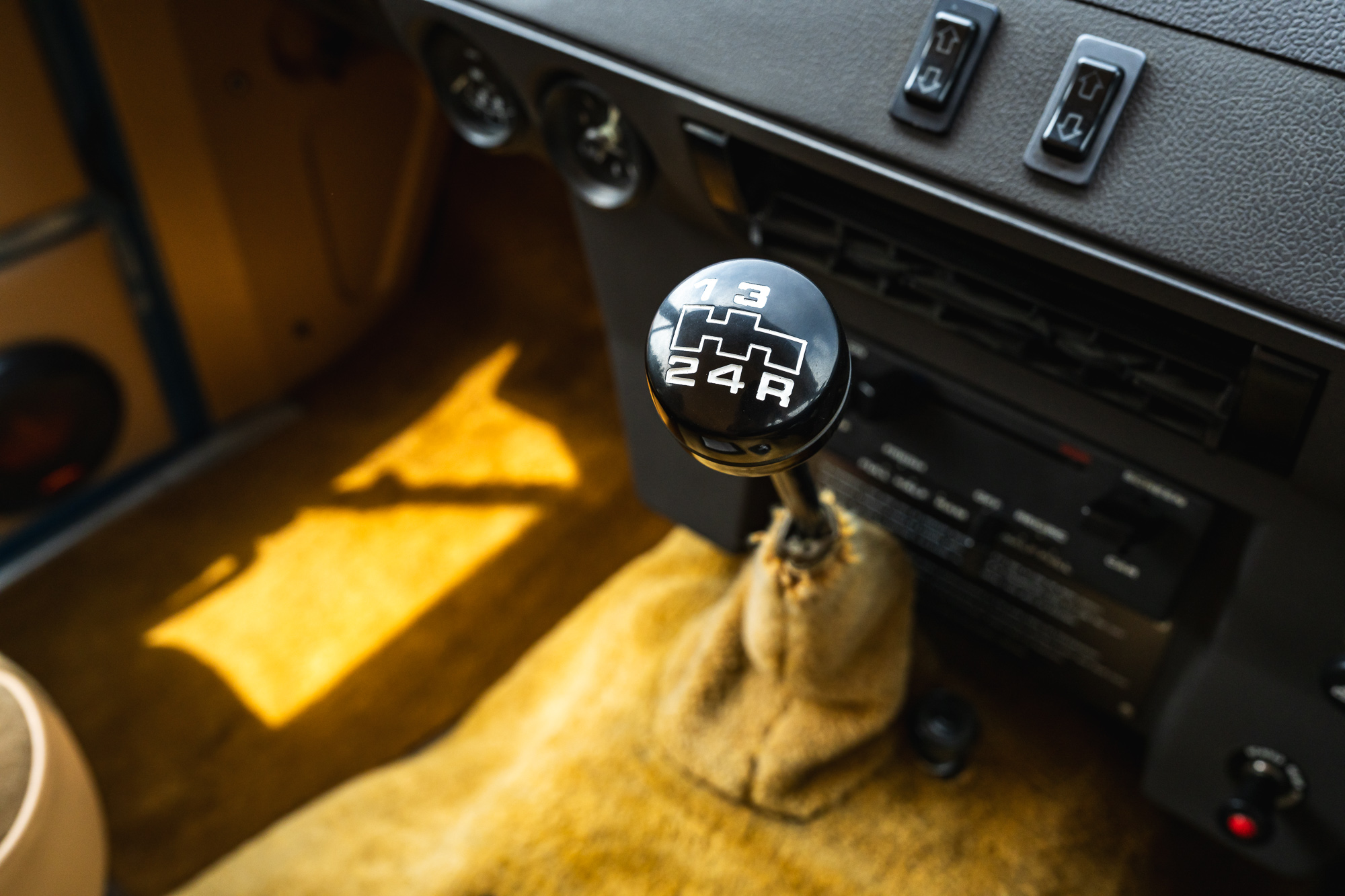
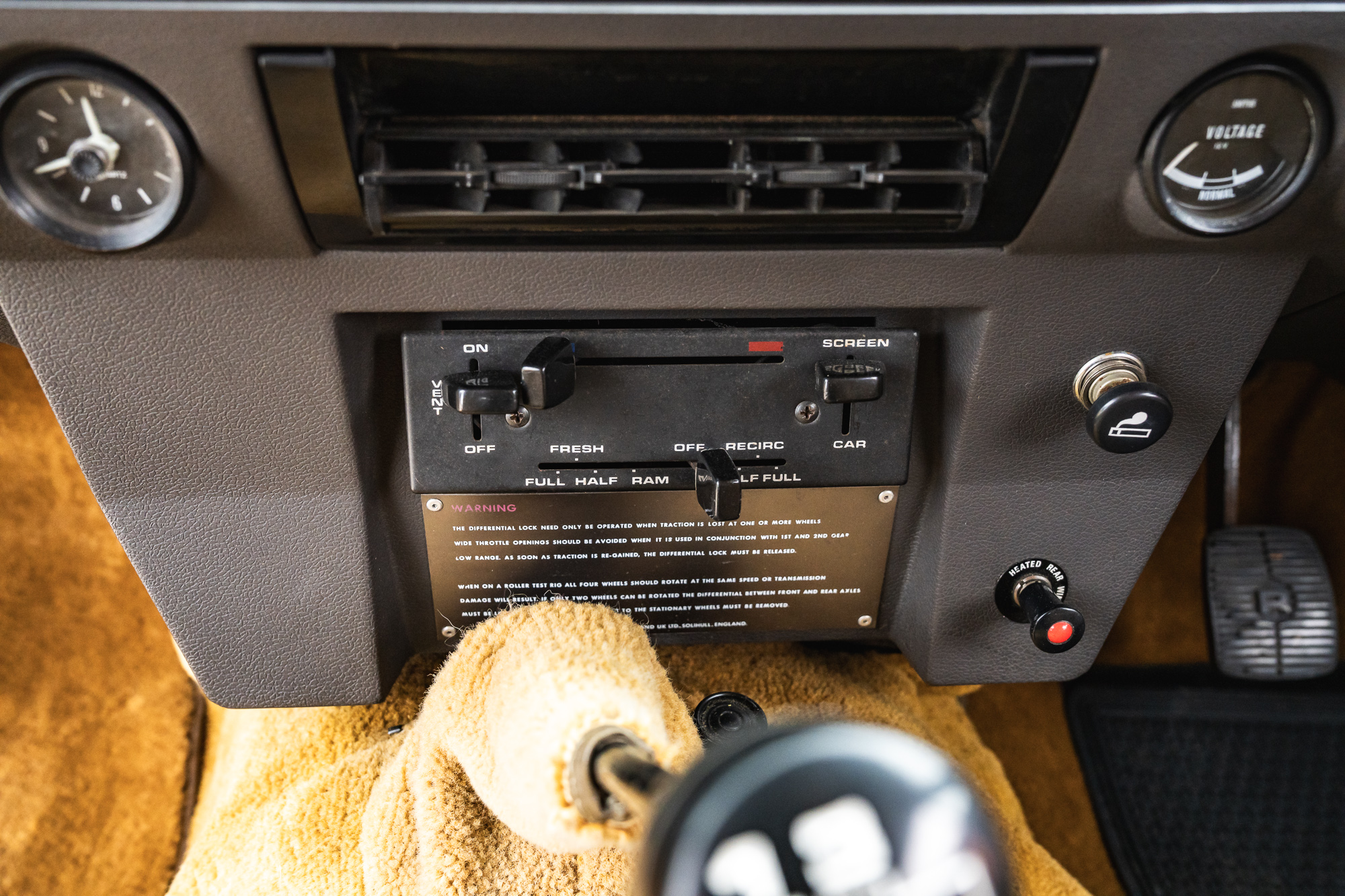
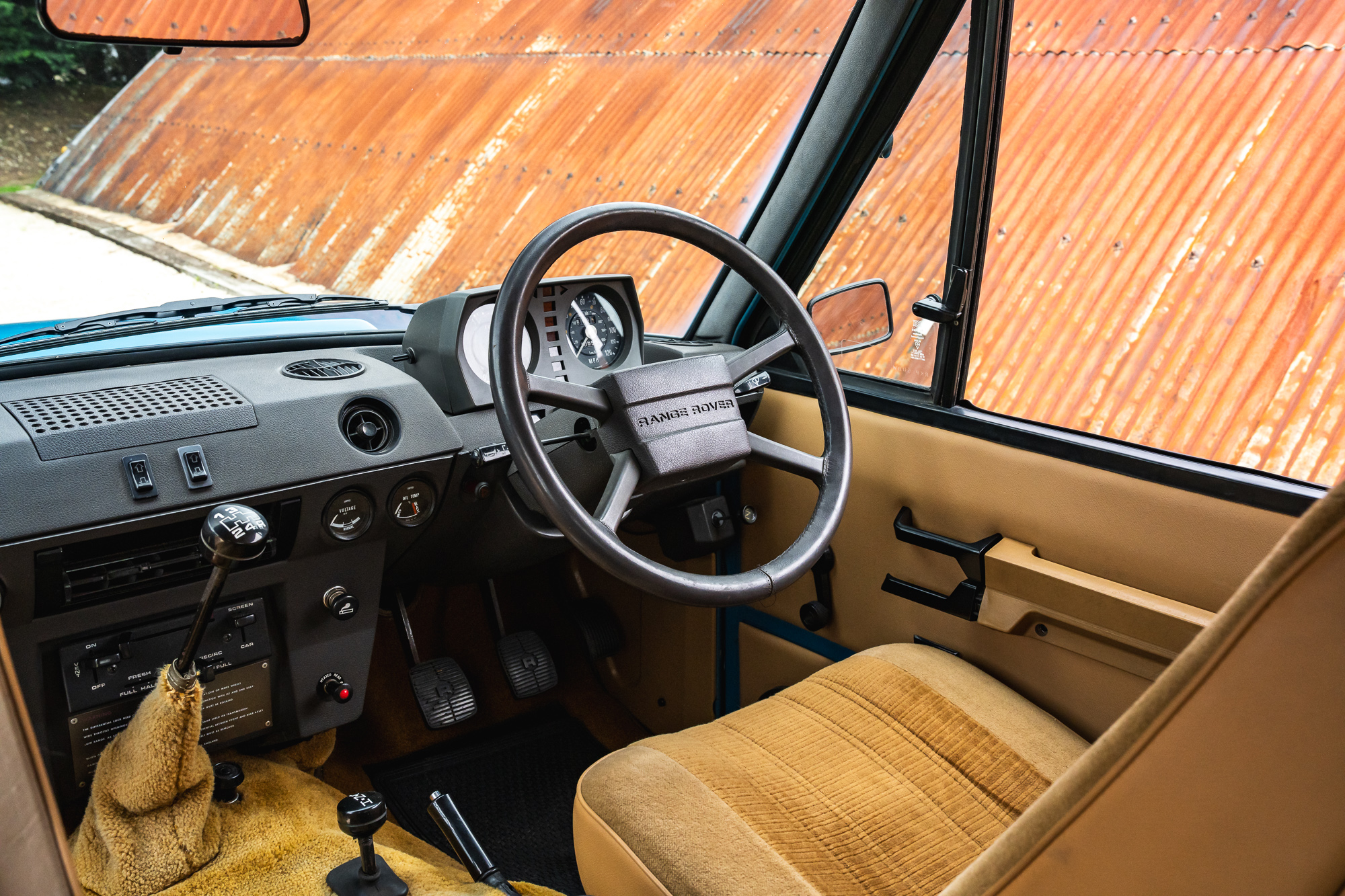
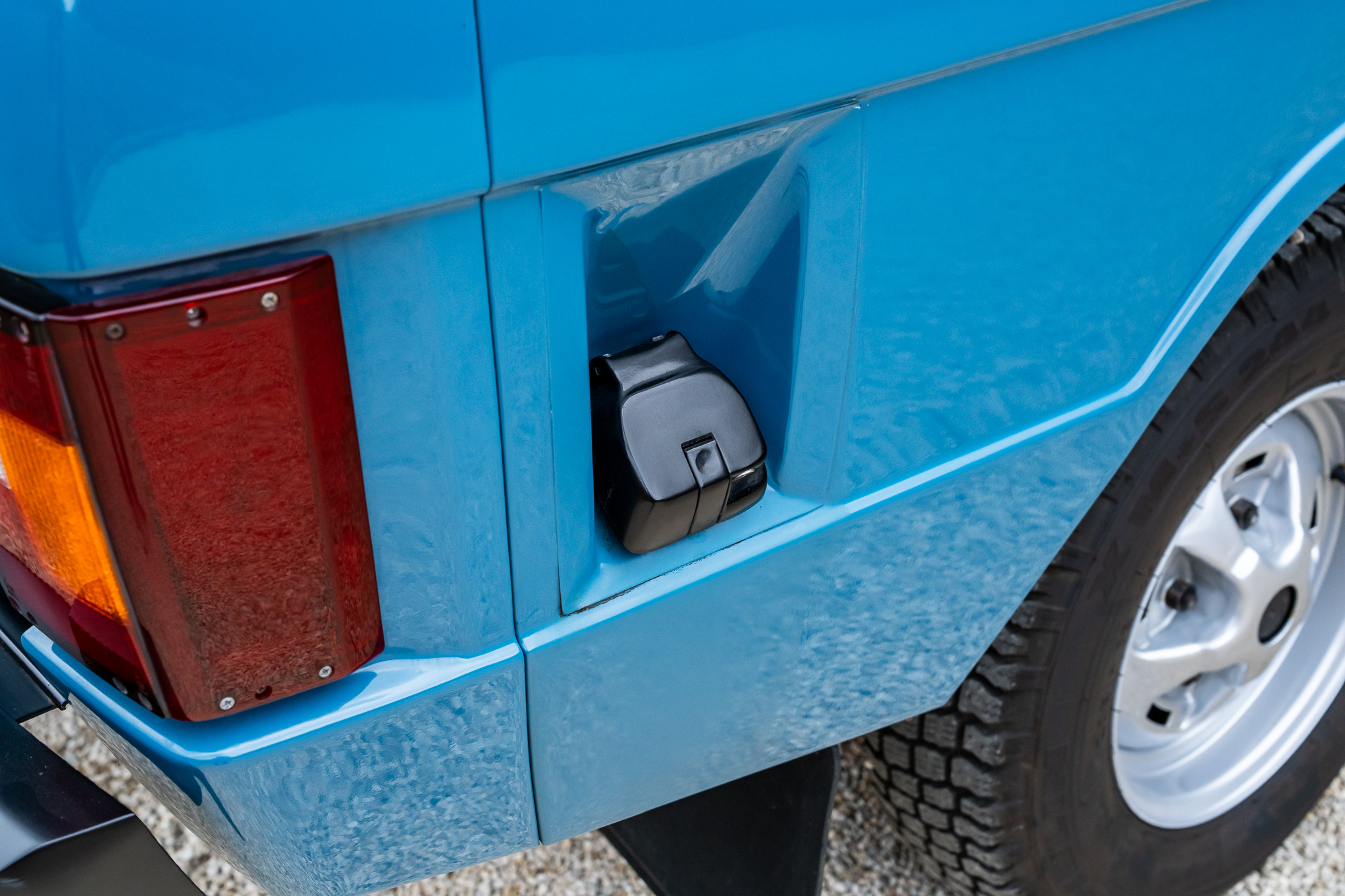
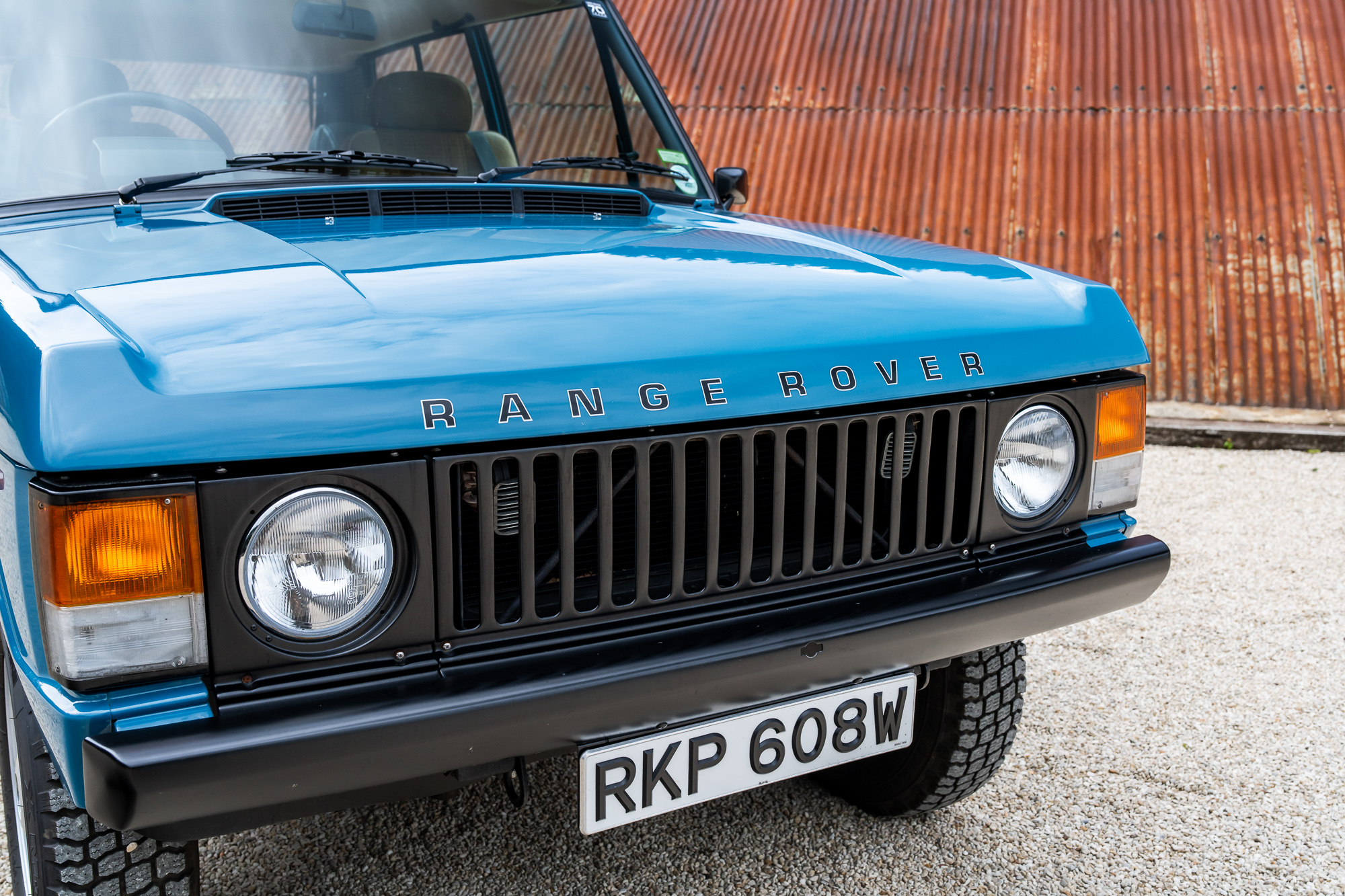
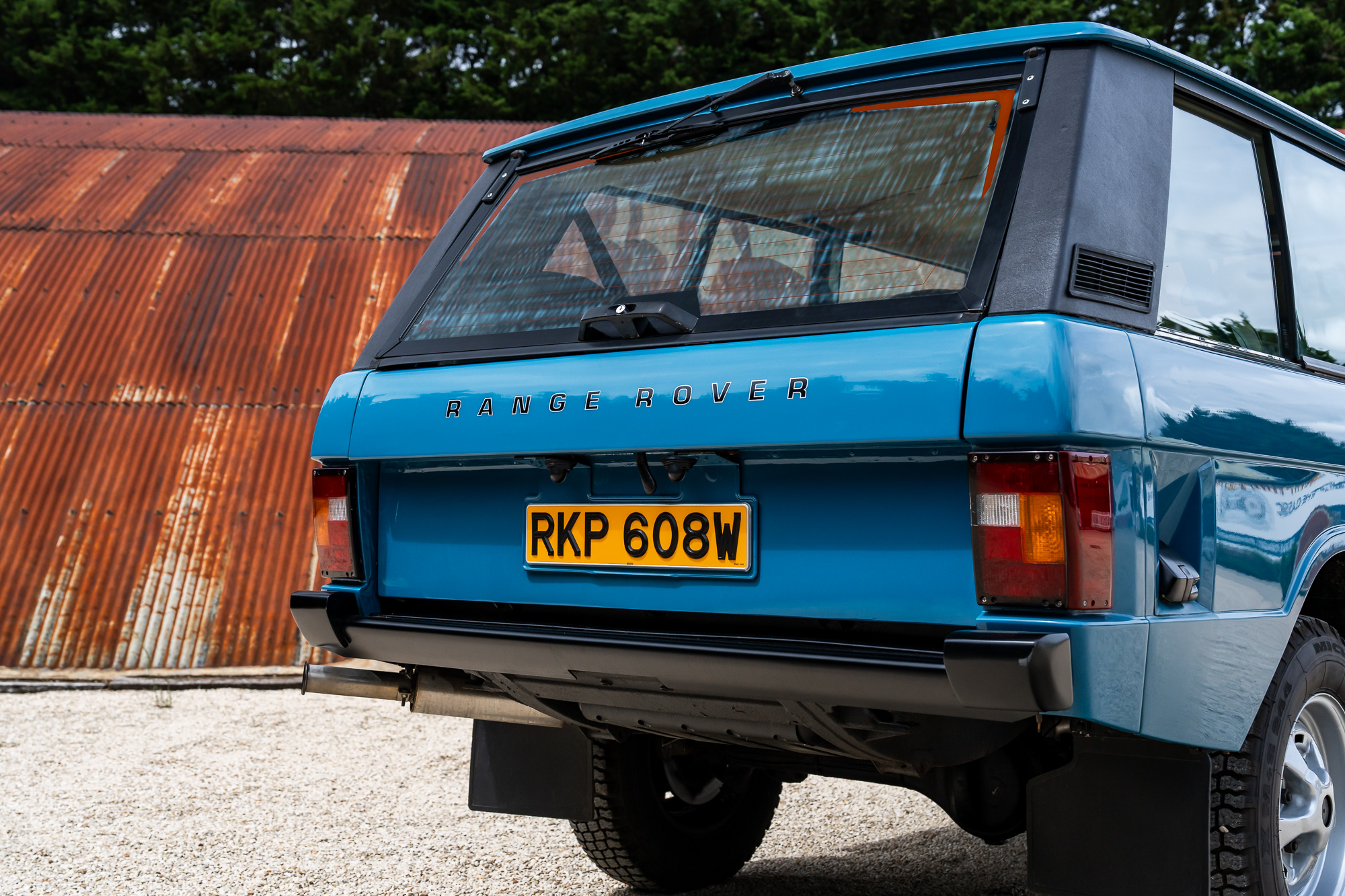
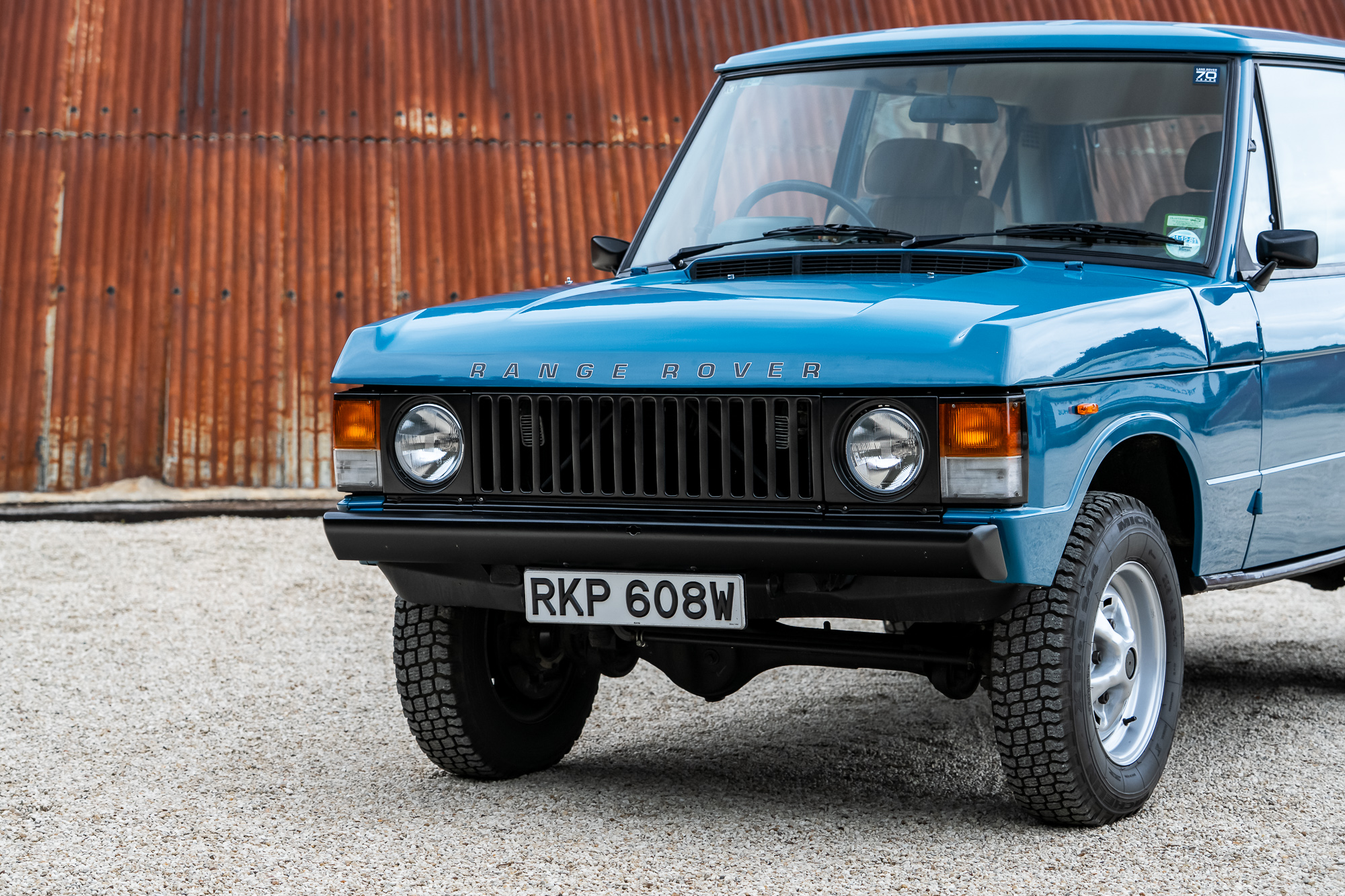
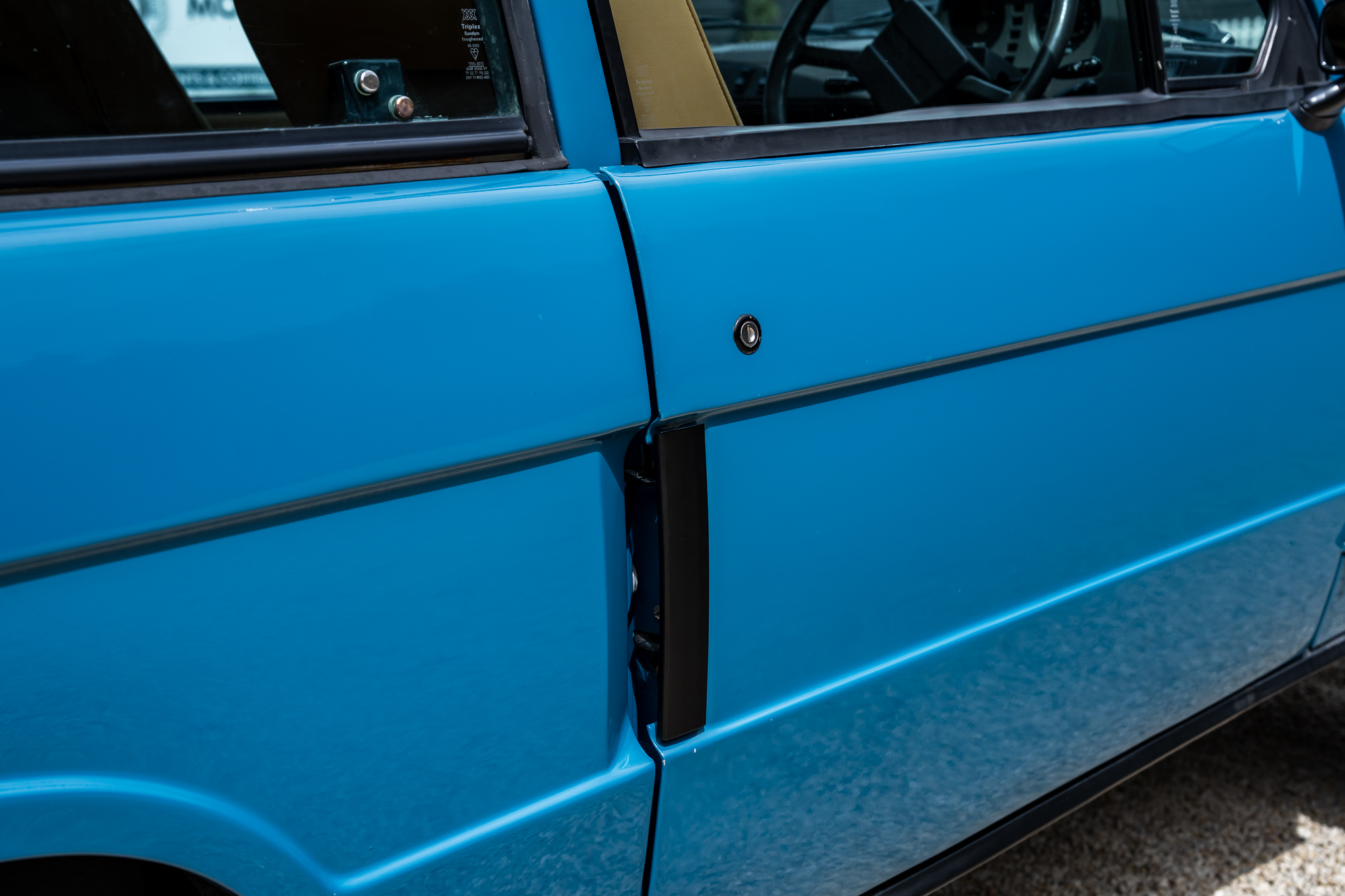
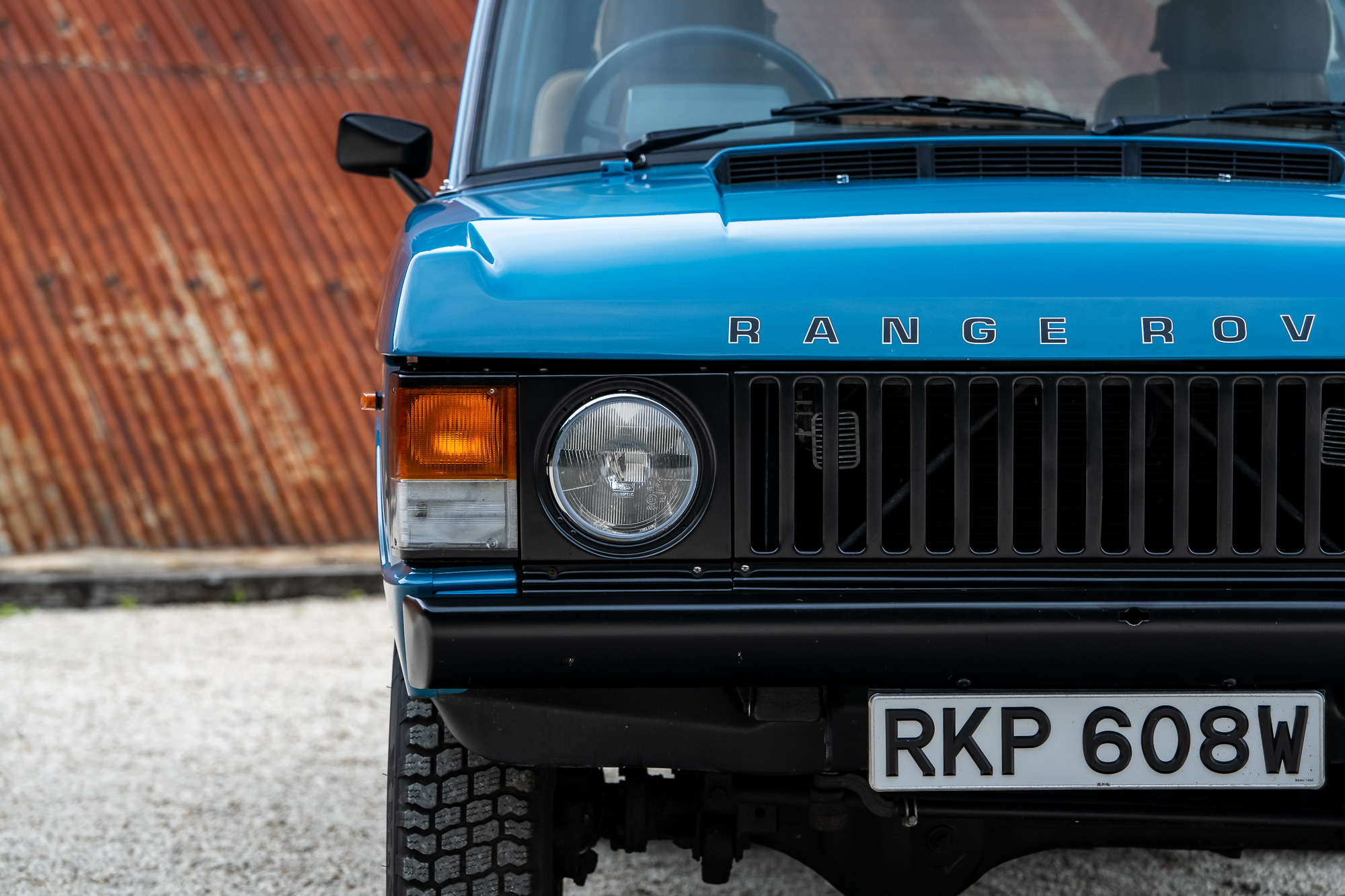
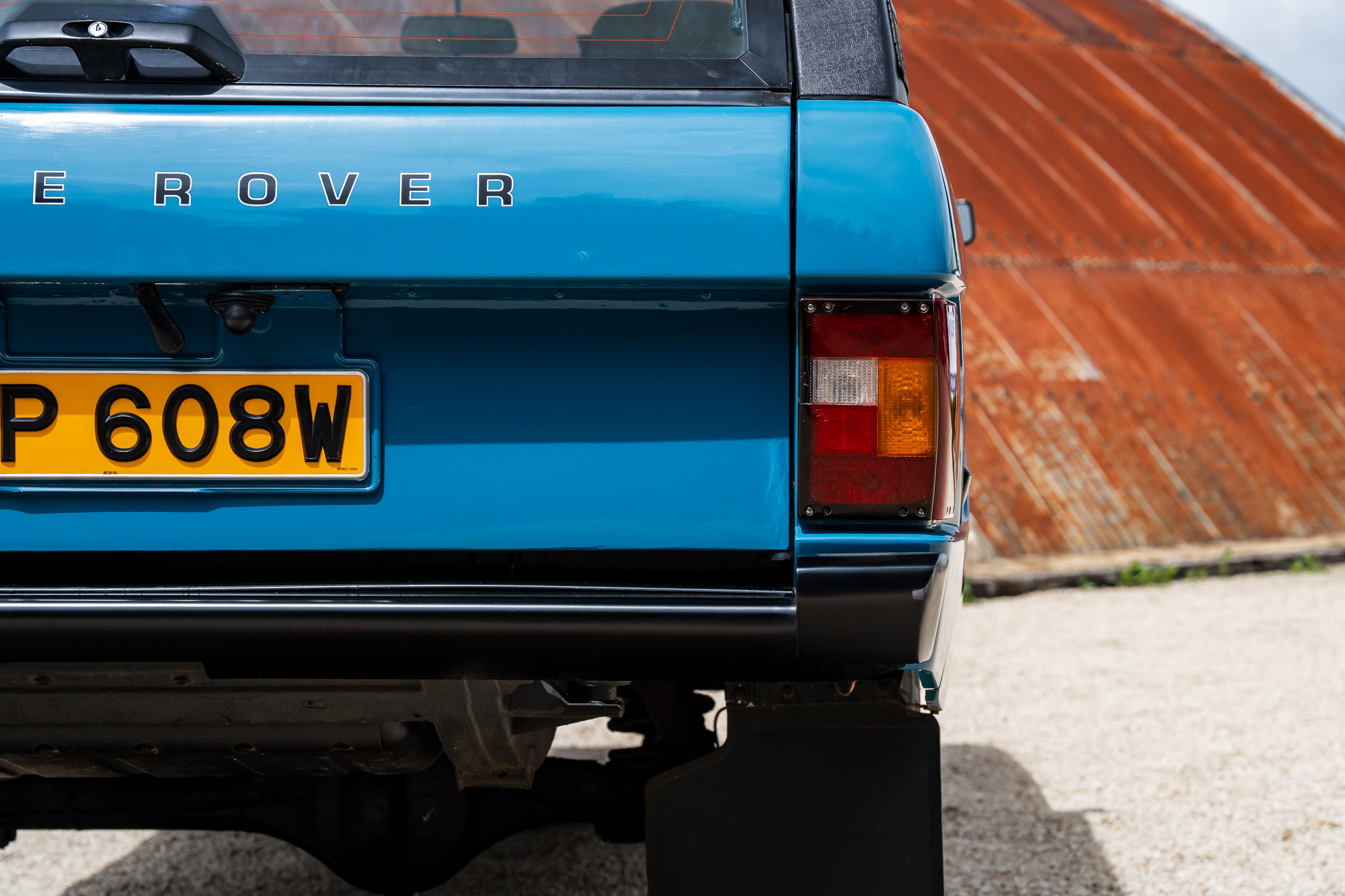
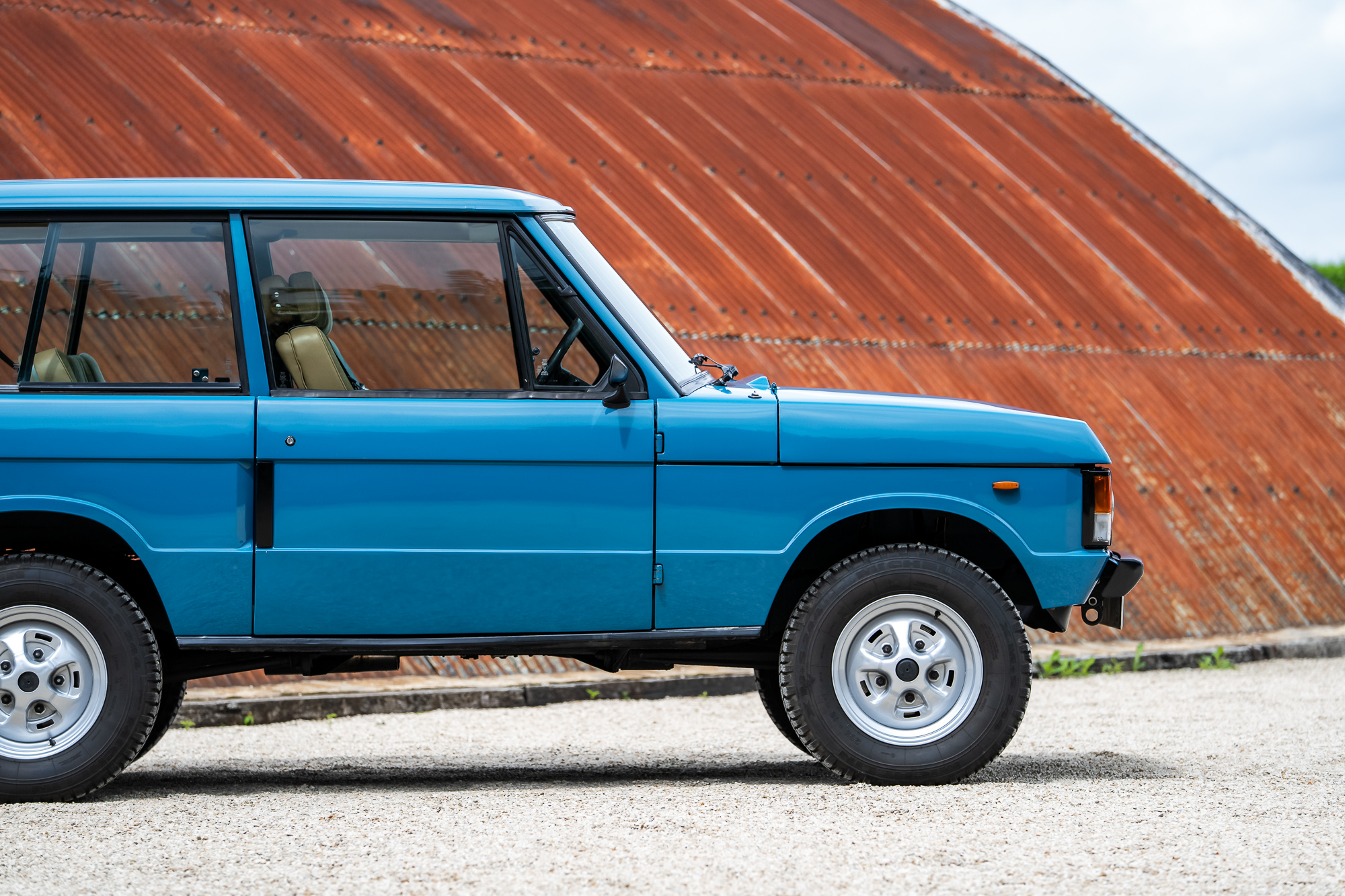
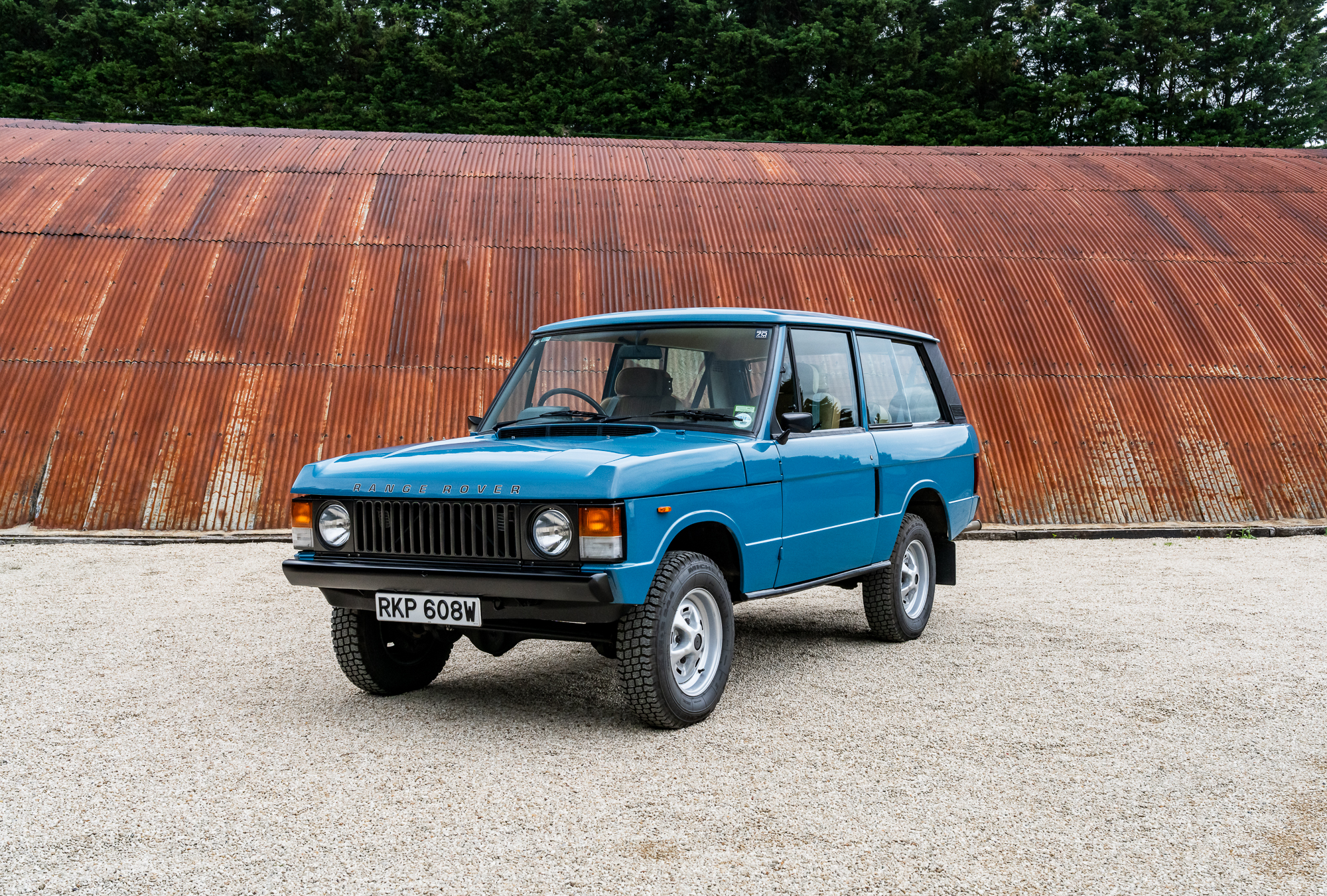
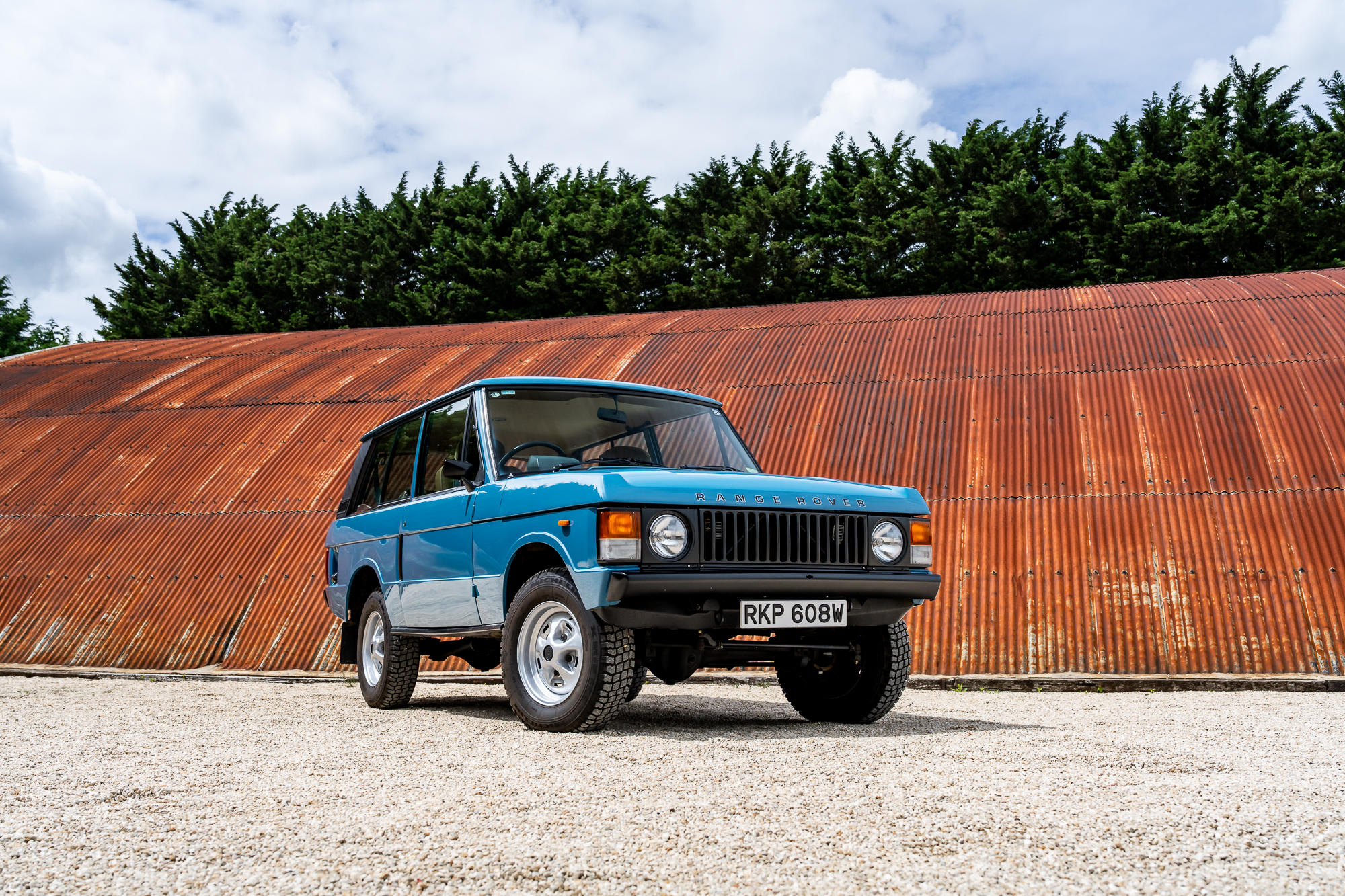
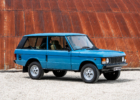
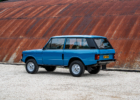
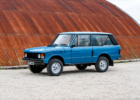
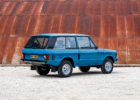
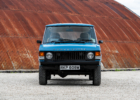
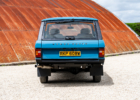
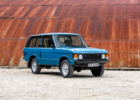
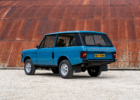
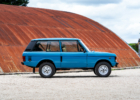
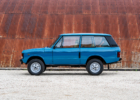
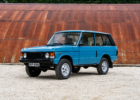
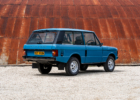
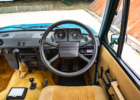

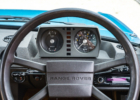
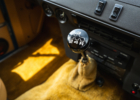
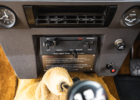
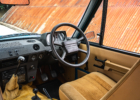
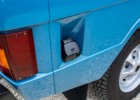
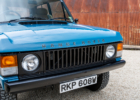
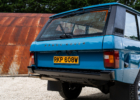
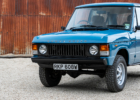
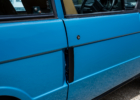
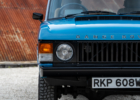
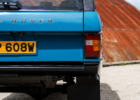
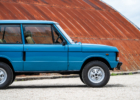
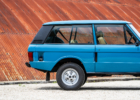
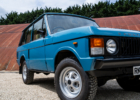
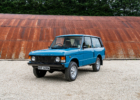
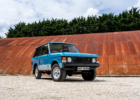
- One of the last two-door Range Rovers produced
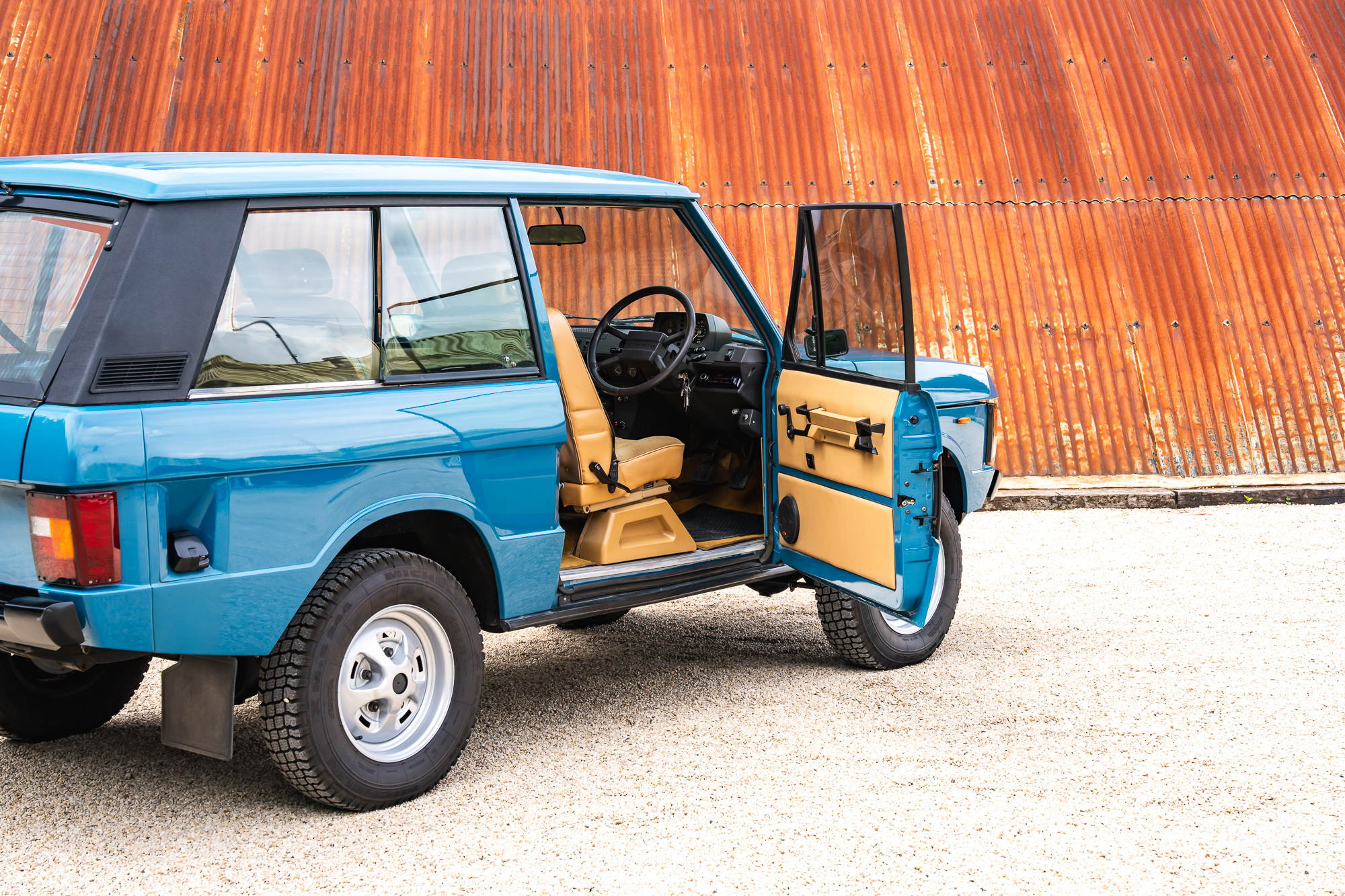
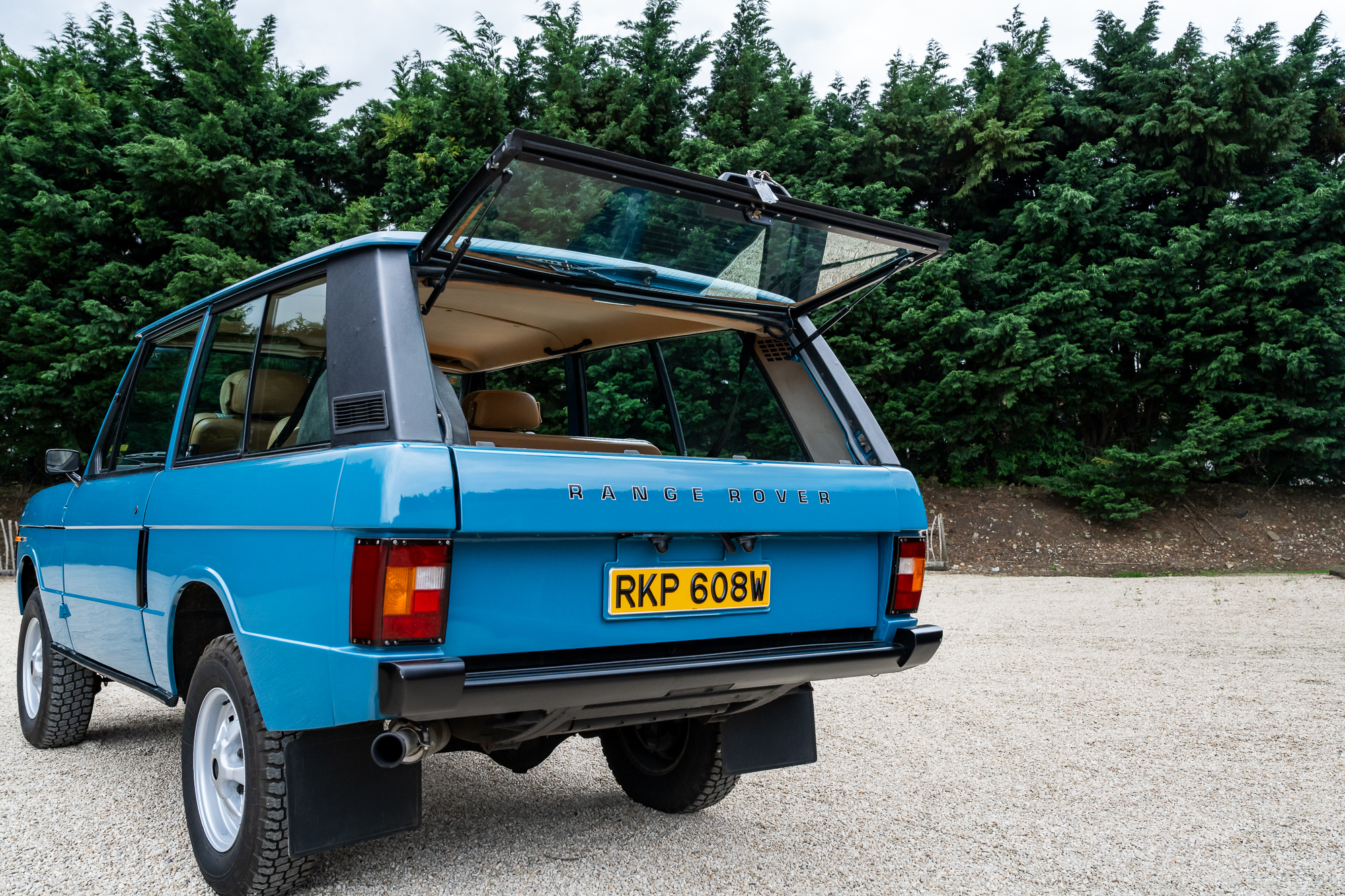
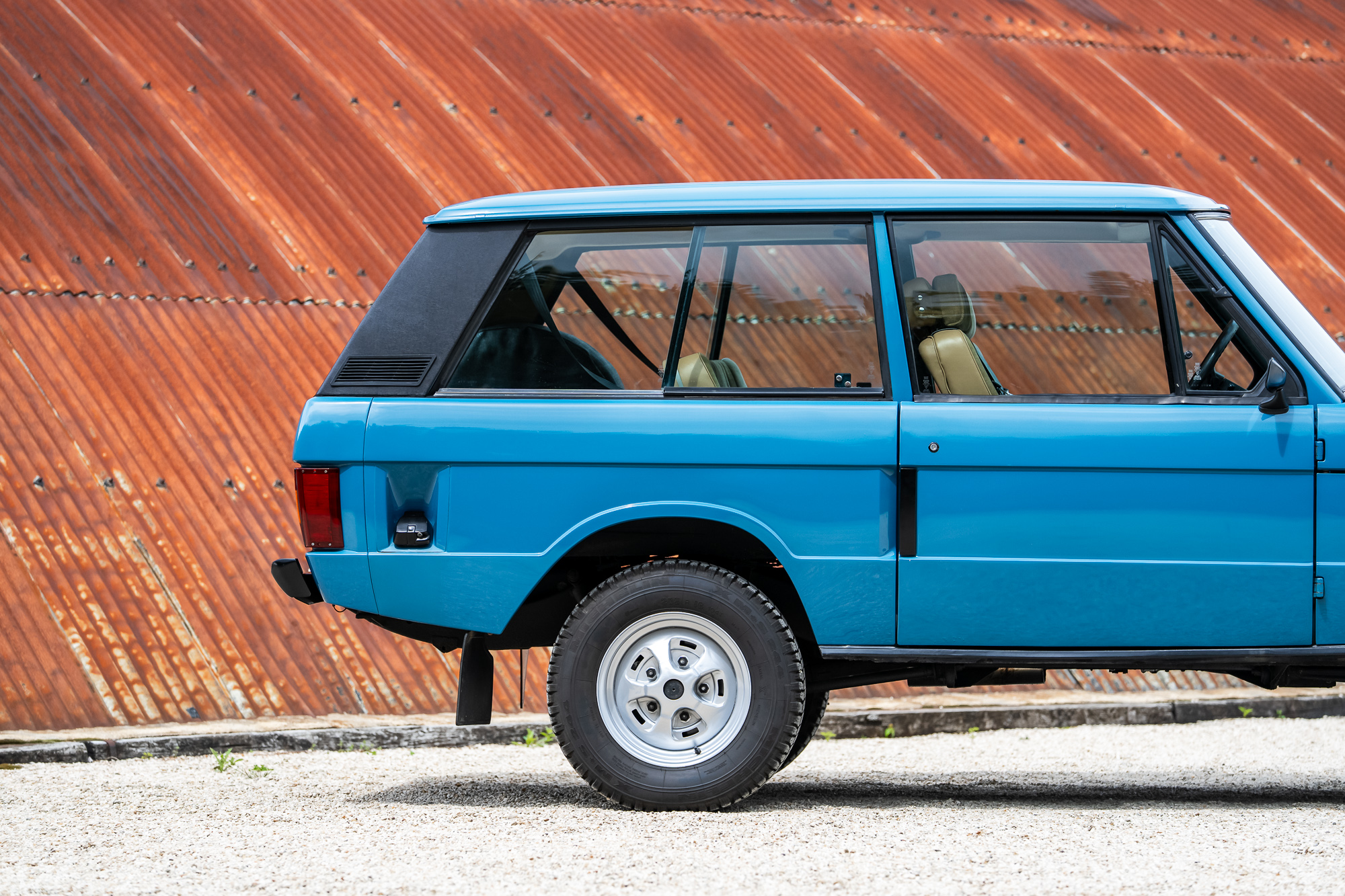
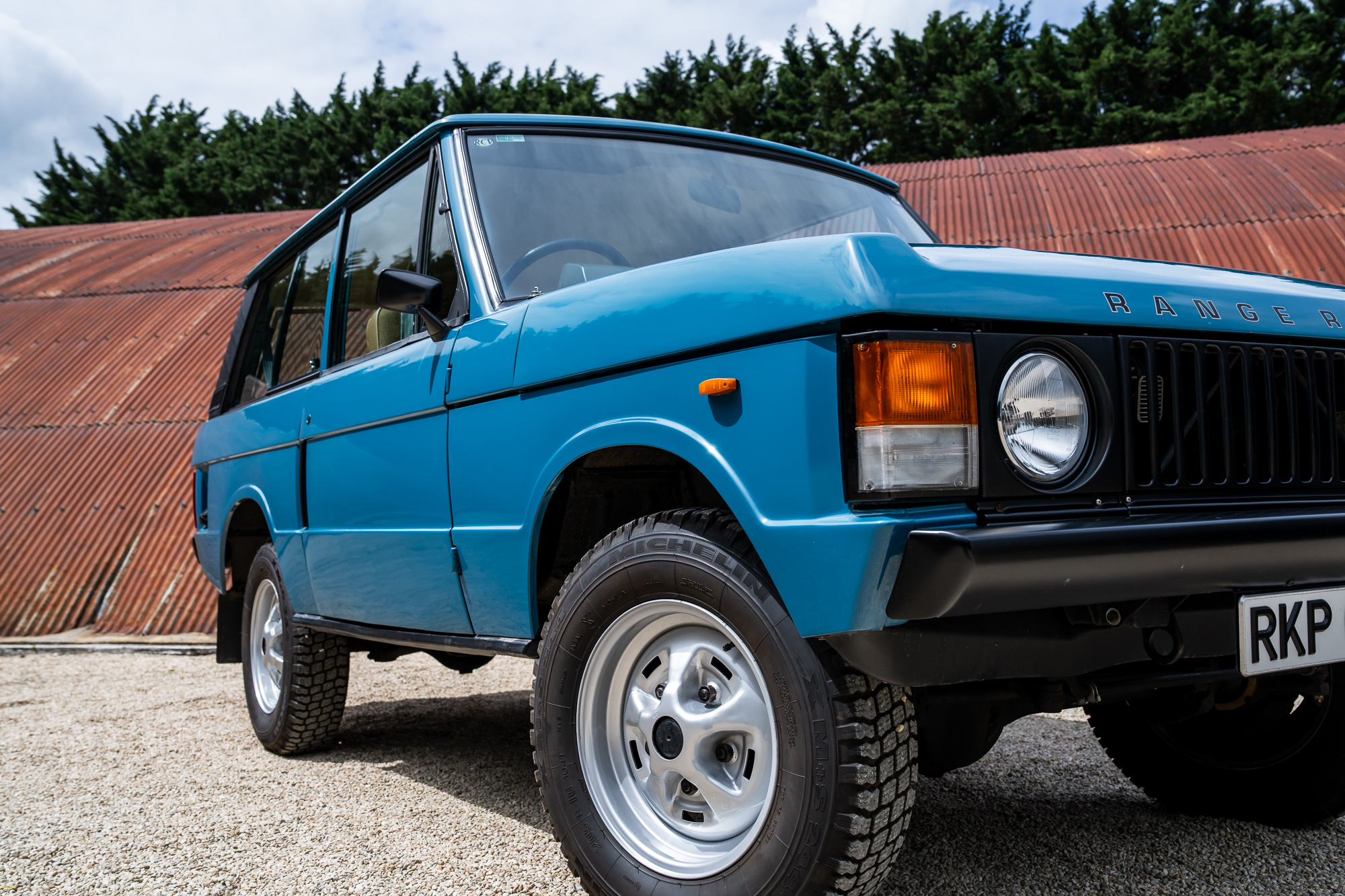
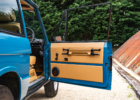
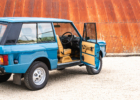
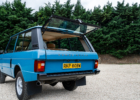
- Presented in period-correct Tuscan Blue
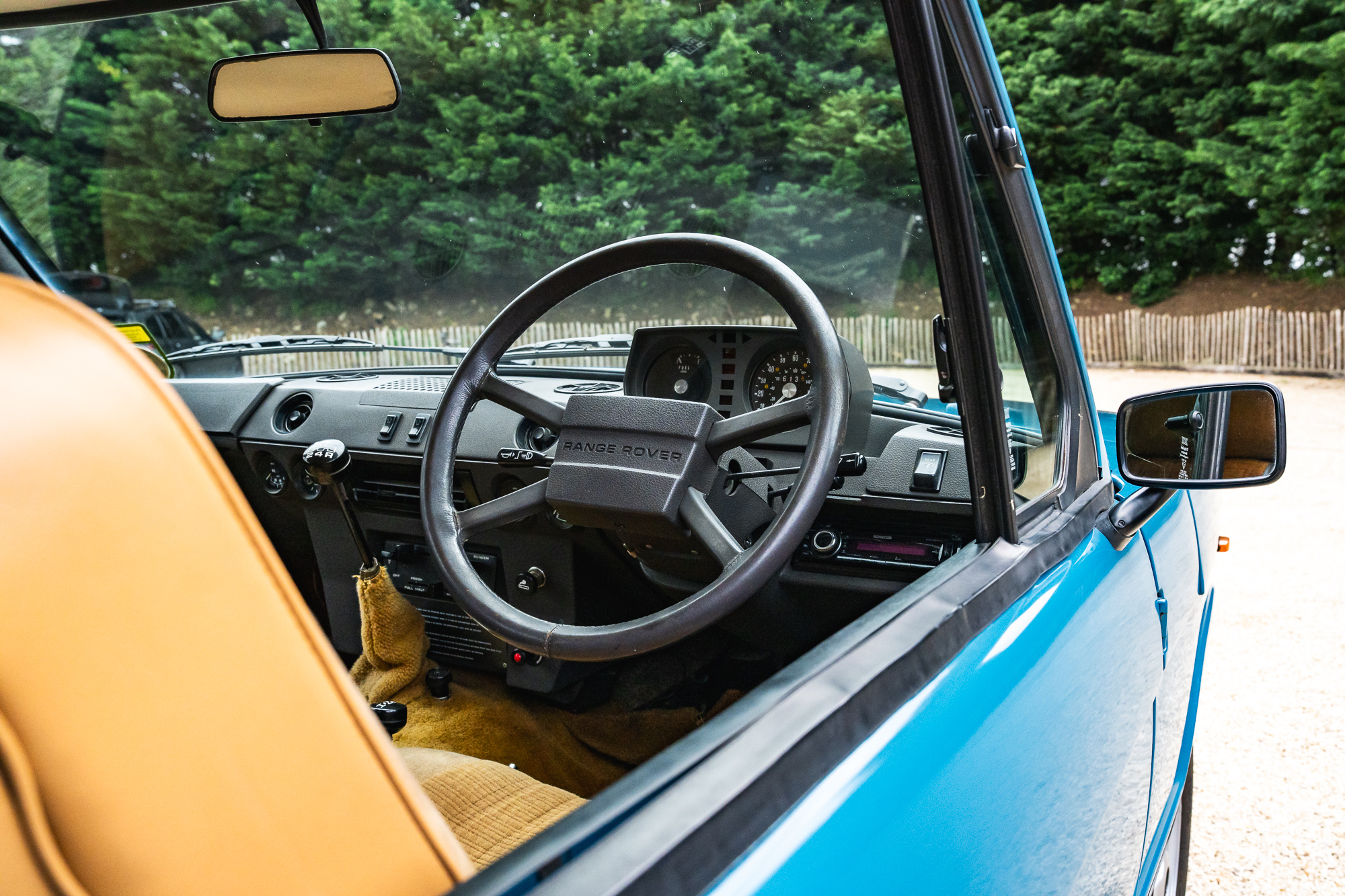
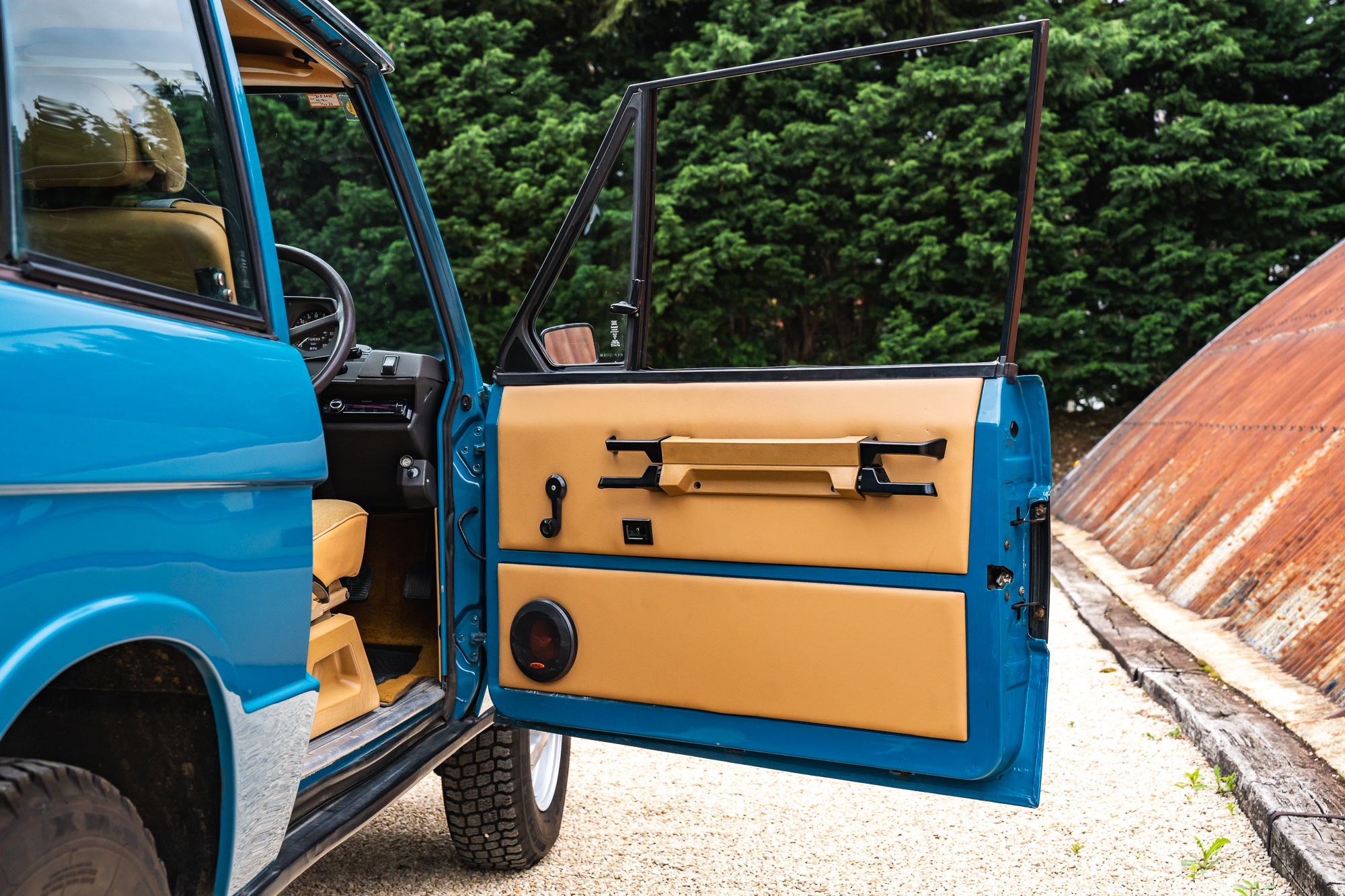
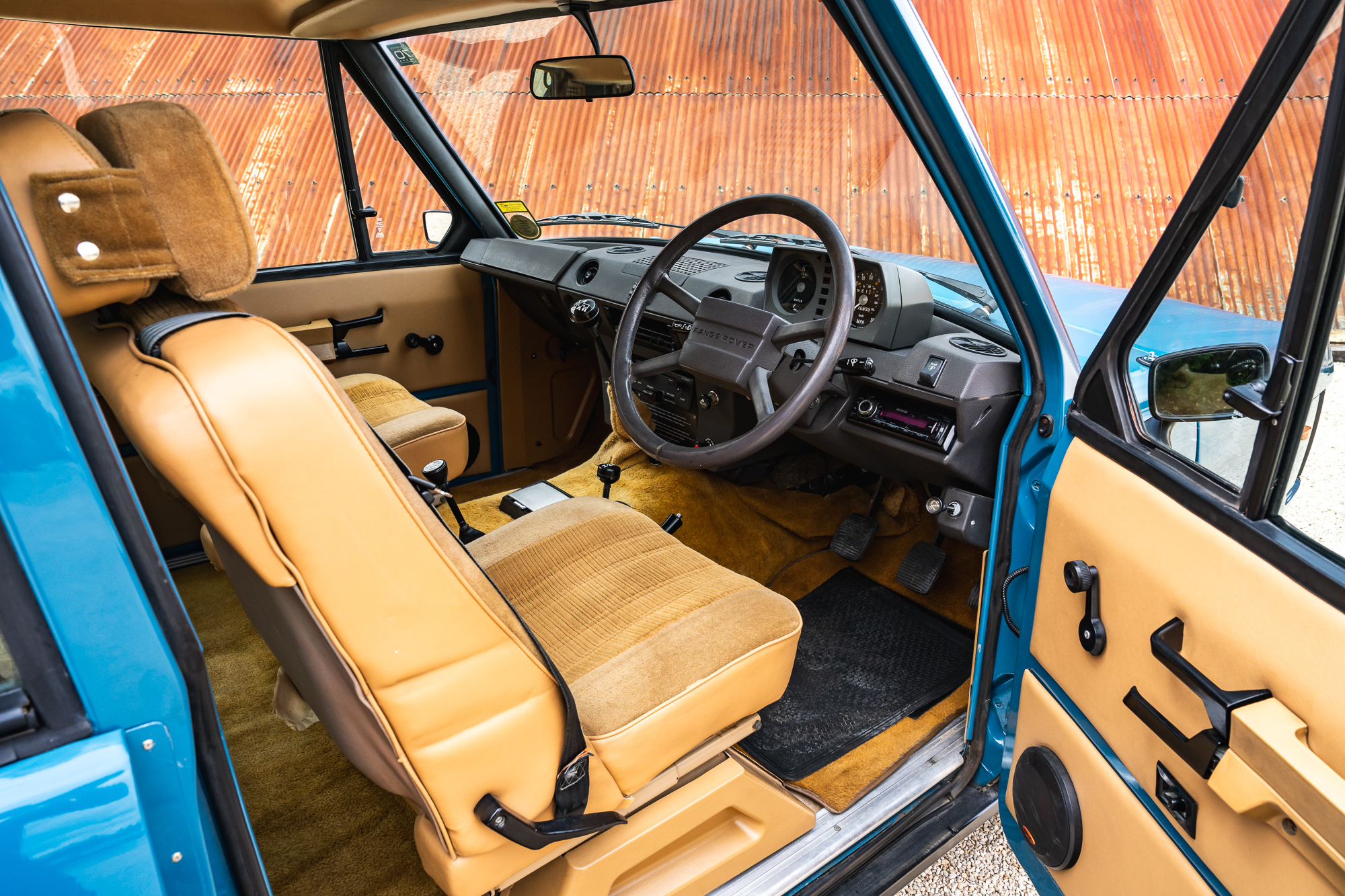
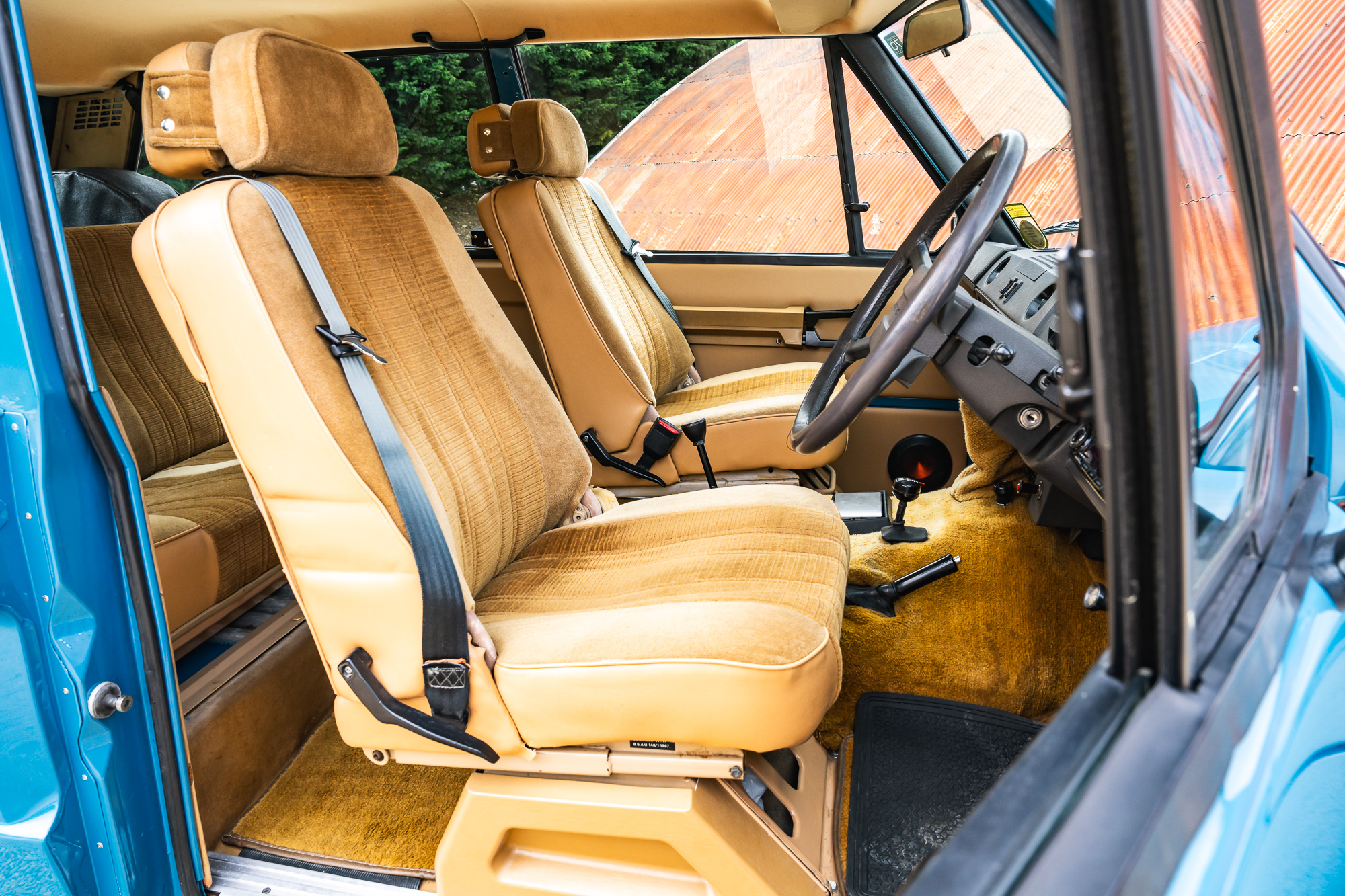
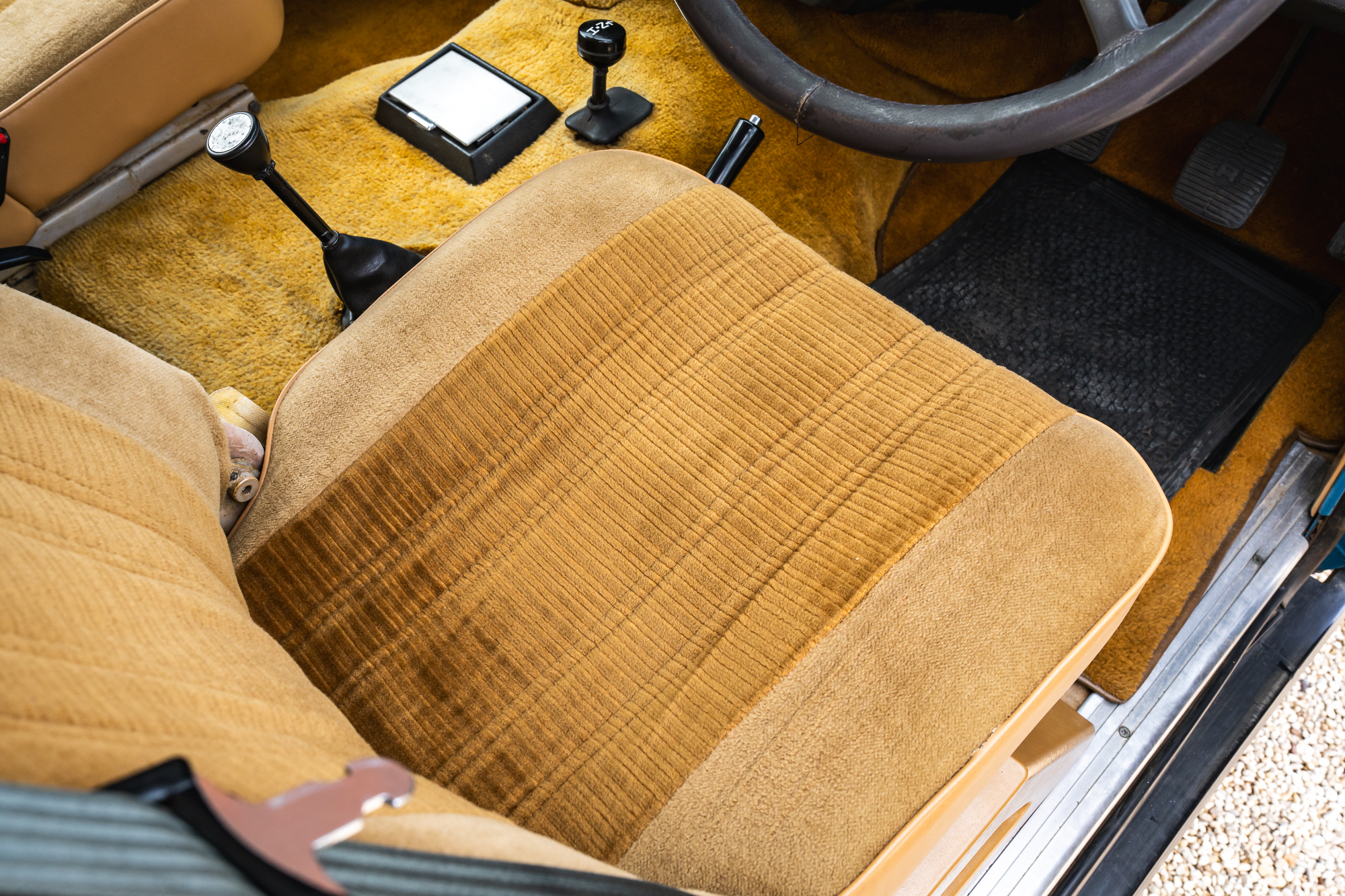
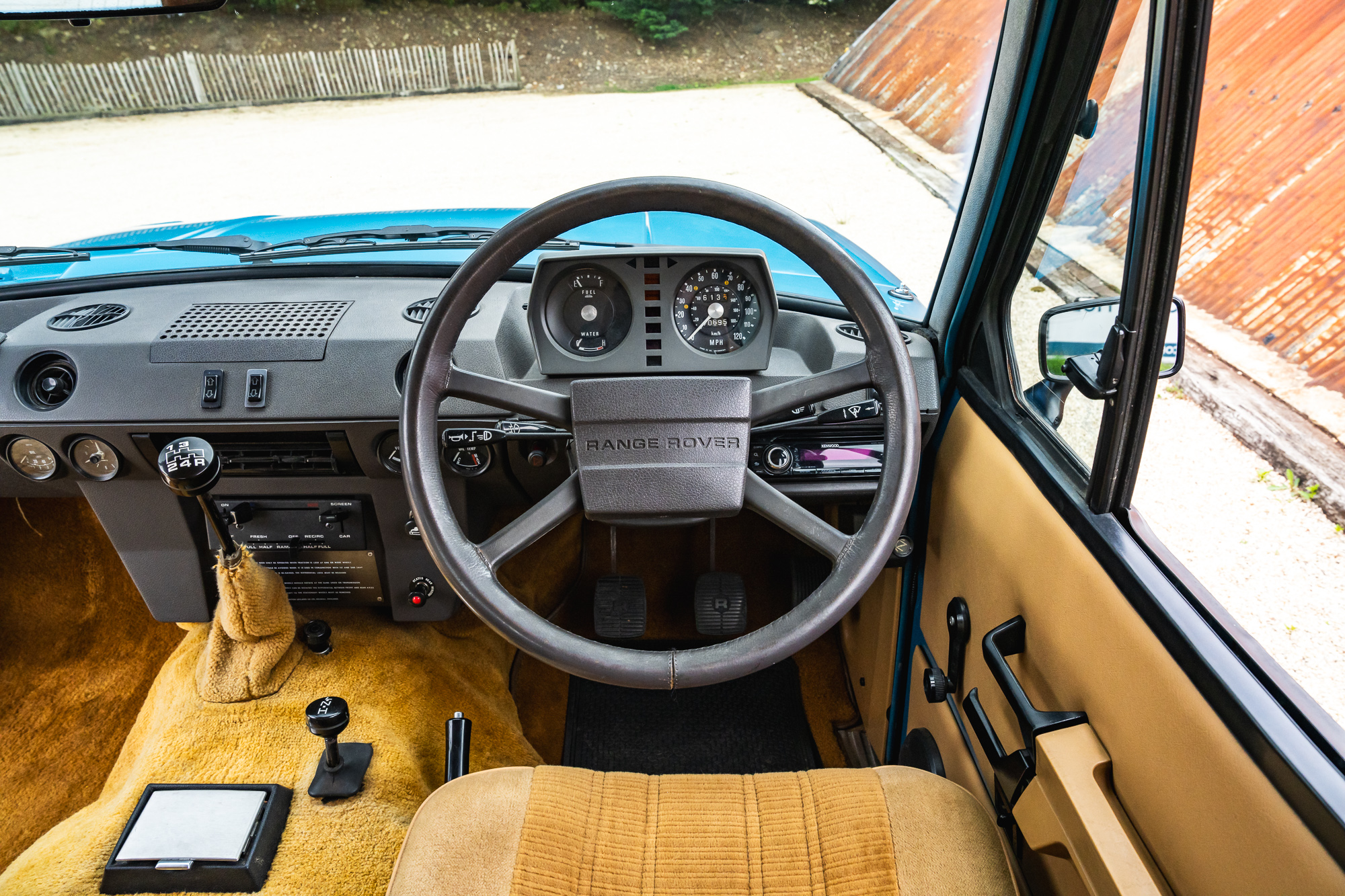
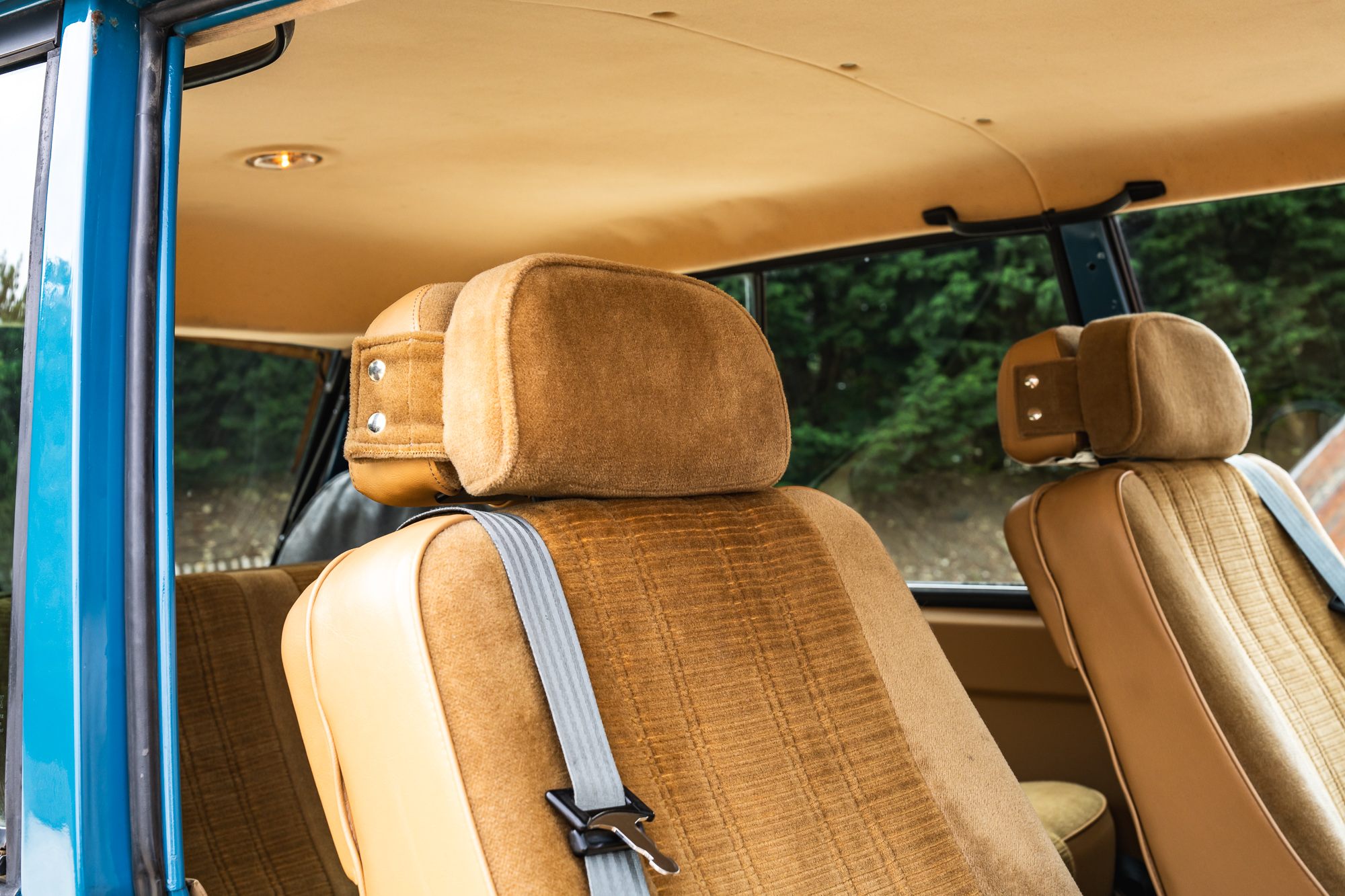
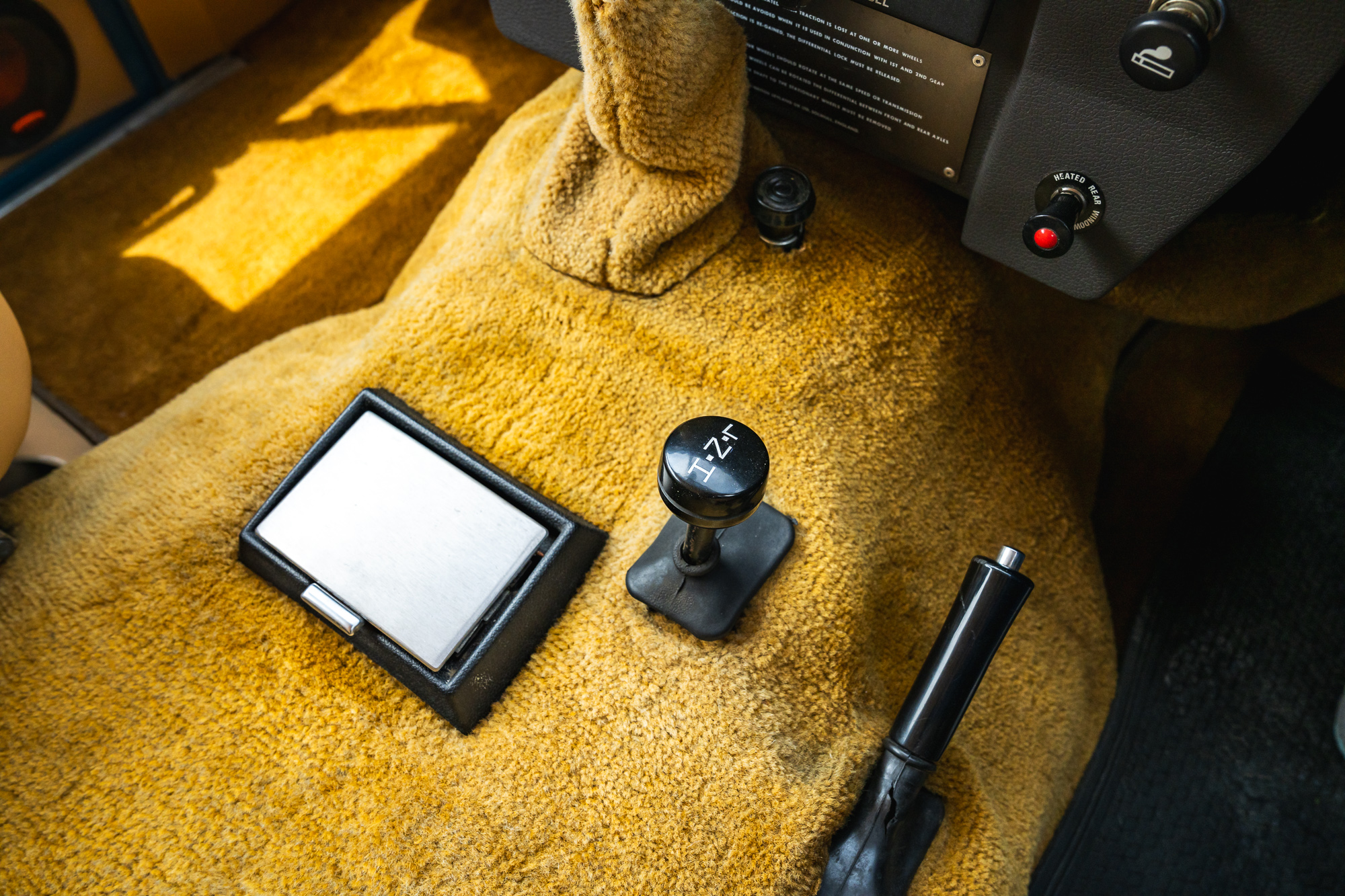
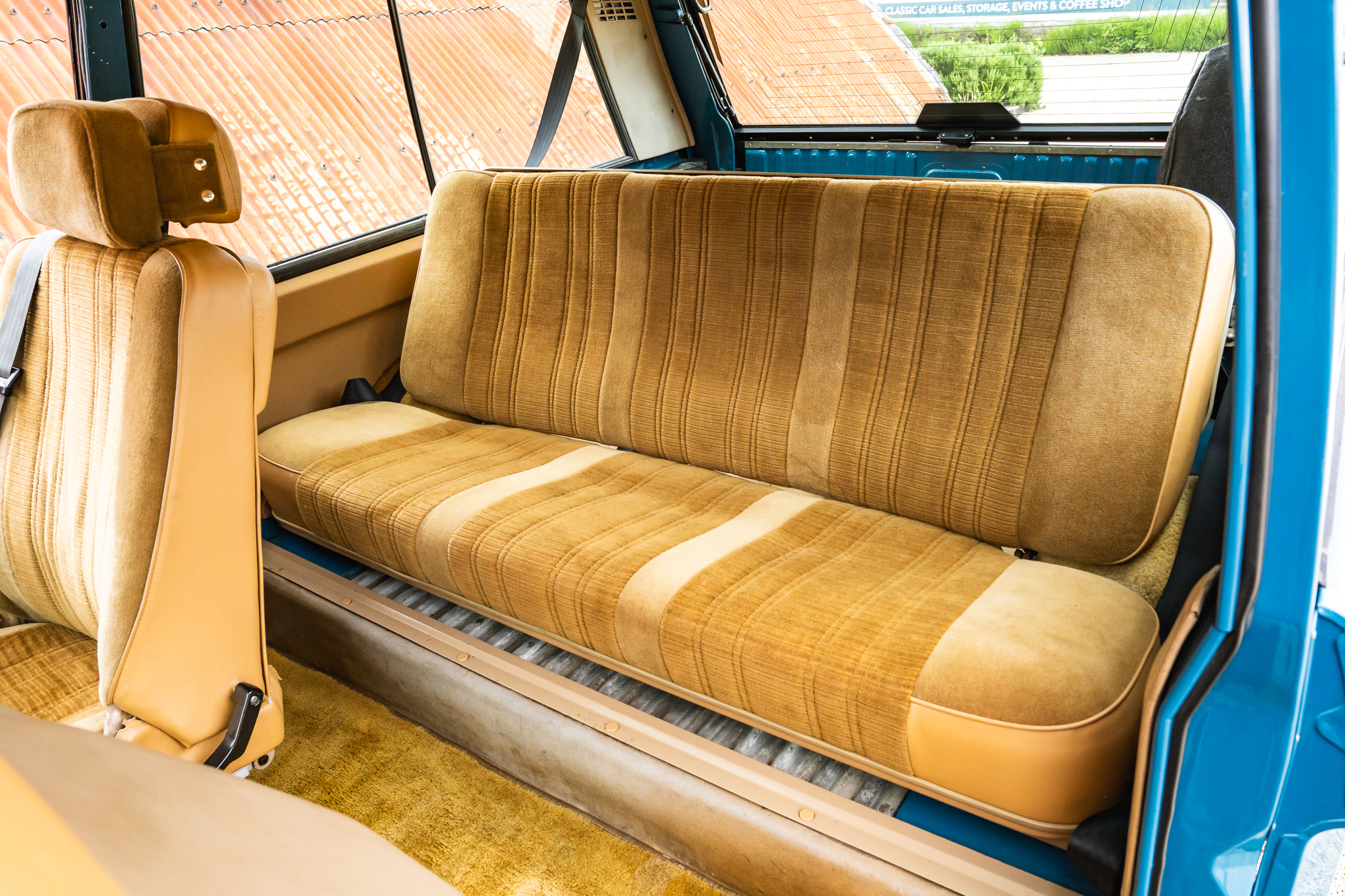
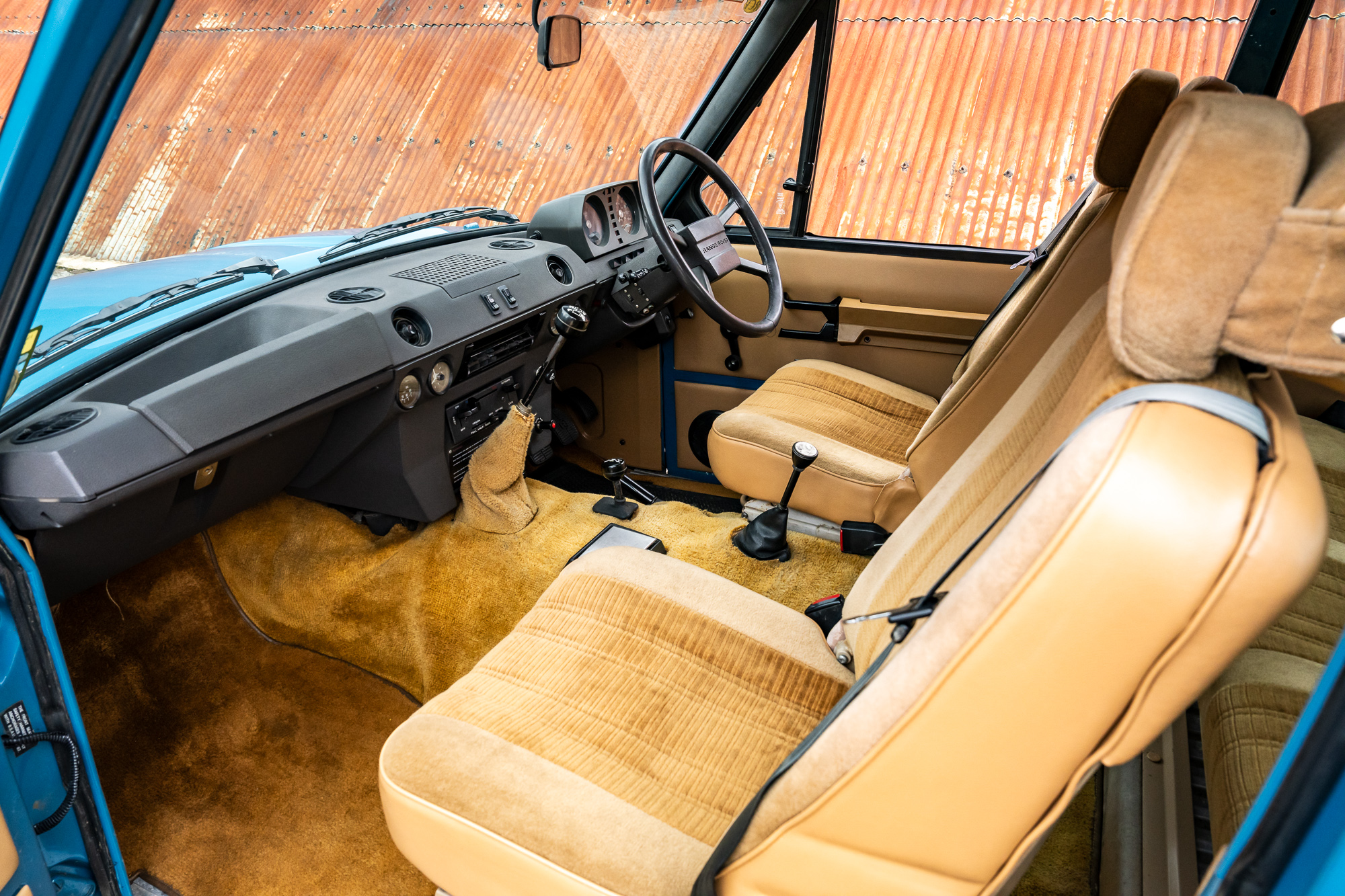
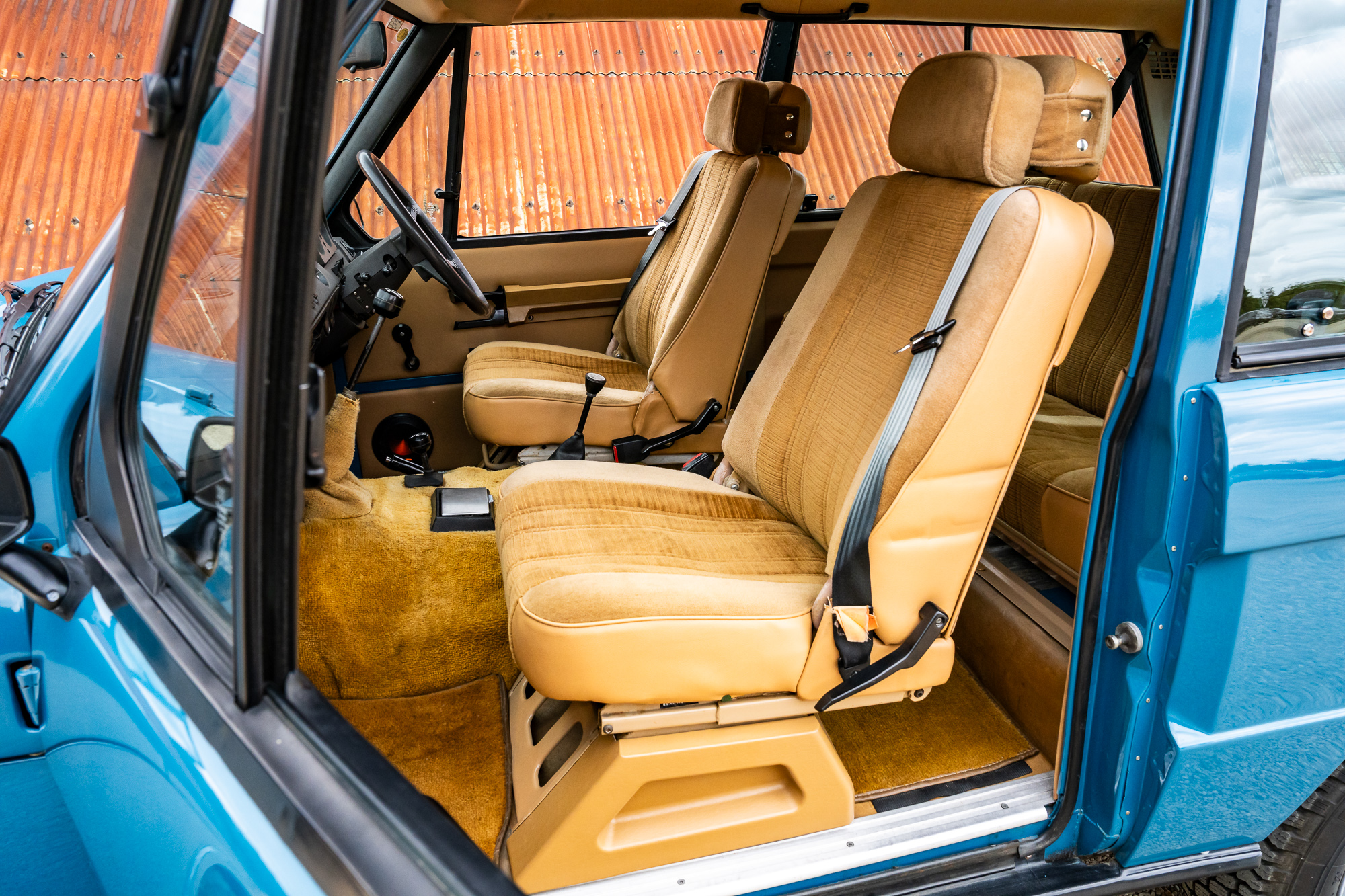
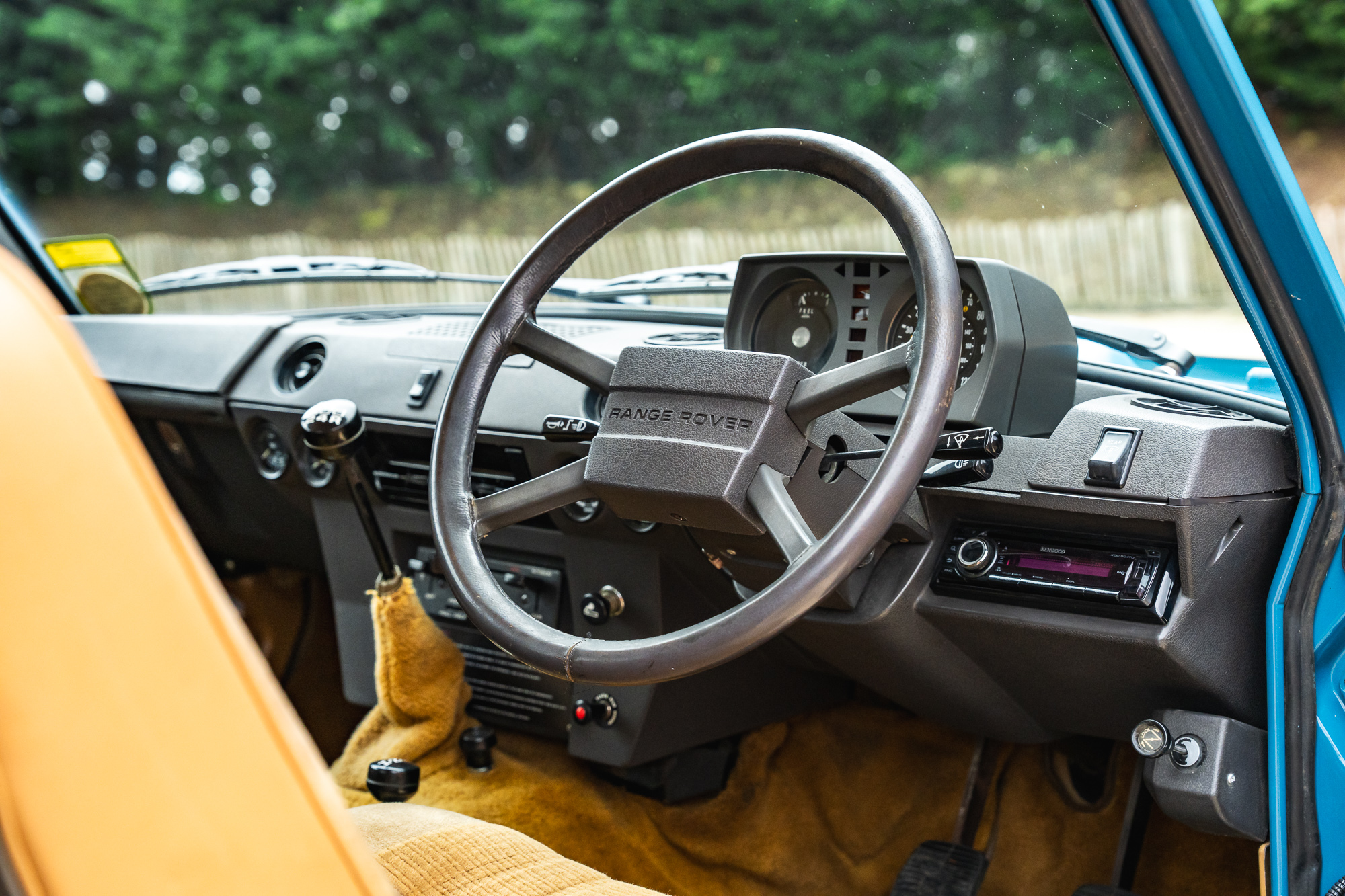
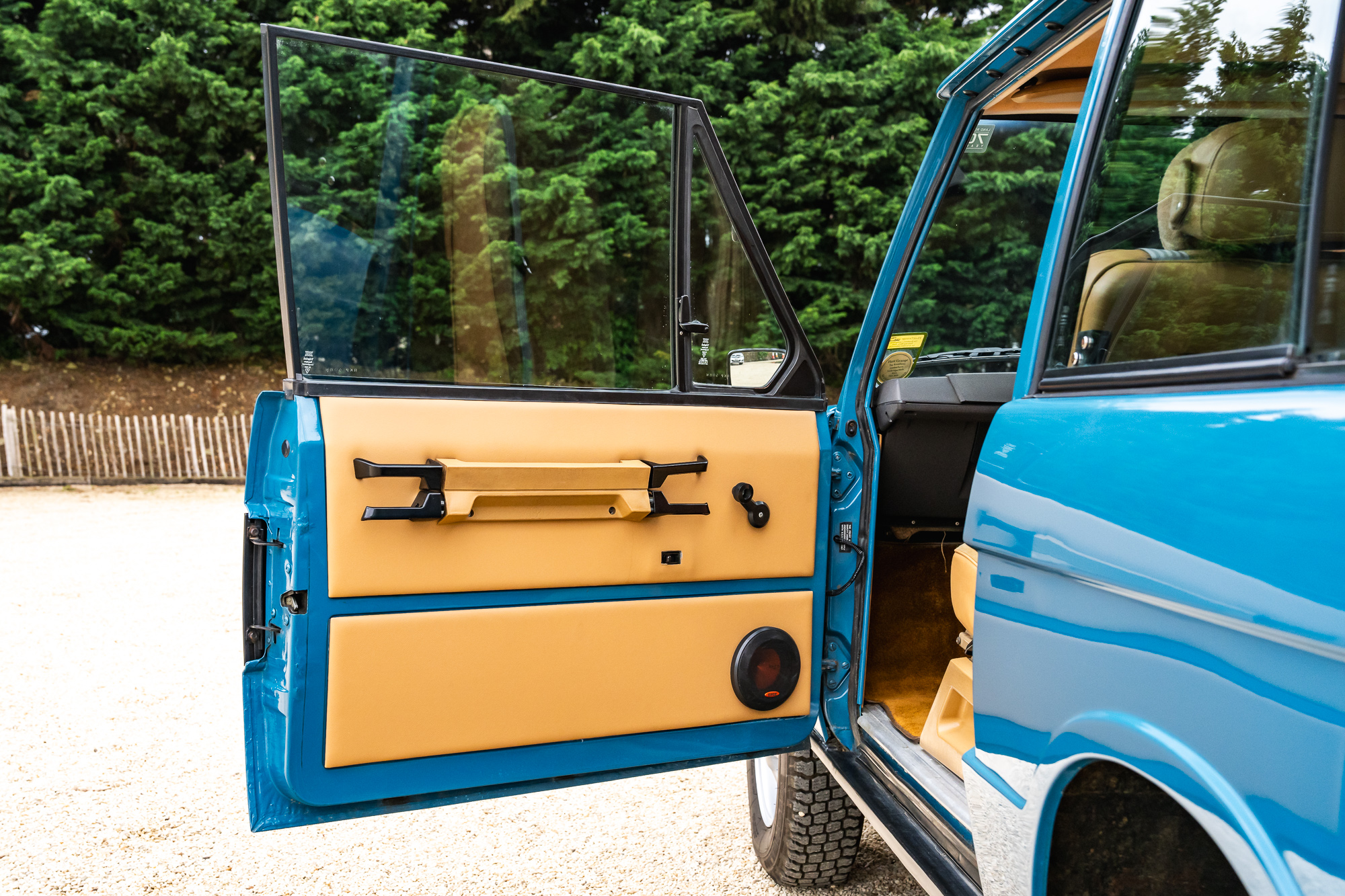
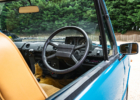
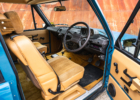
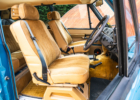
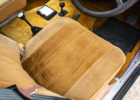
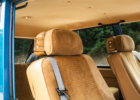
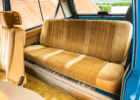
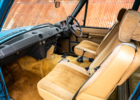
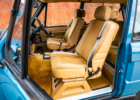
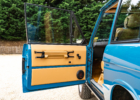
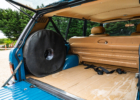
- Rare original ‘teddy bear’ velour interior; now unobtainable
- Comprehensive recommissioning by Kingsley in 2022, totalling £38,000
- Featured in Octane, CAR, and the JLR 70th Anniversary celebrations
| YEAR | 1981 |
| MAKE | Land Rover |
| PRICE | £92,500 |
VEHICLE DESCRIPTION
The two-door Range Rover Classic occupies a unique place in the collector landscape — rarer and more focused than its four-door successor, yet fully expressive of the original David Bache design that created an entirely new genre of vehicle when it launched in 1970.
This example, registered on 25 June 1981, is one of the last two-door Classics ever built, coming at the very end of first-generation production, and its history since is one of careful preservation and sustained investment rather than neglect and recovery.
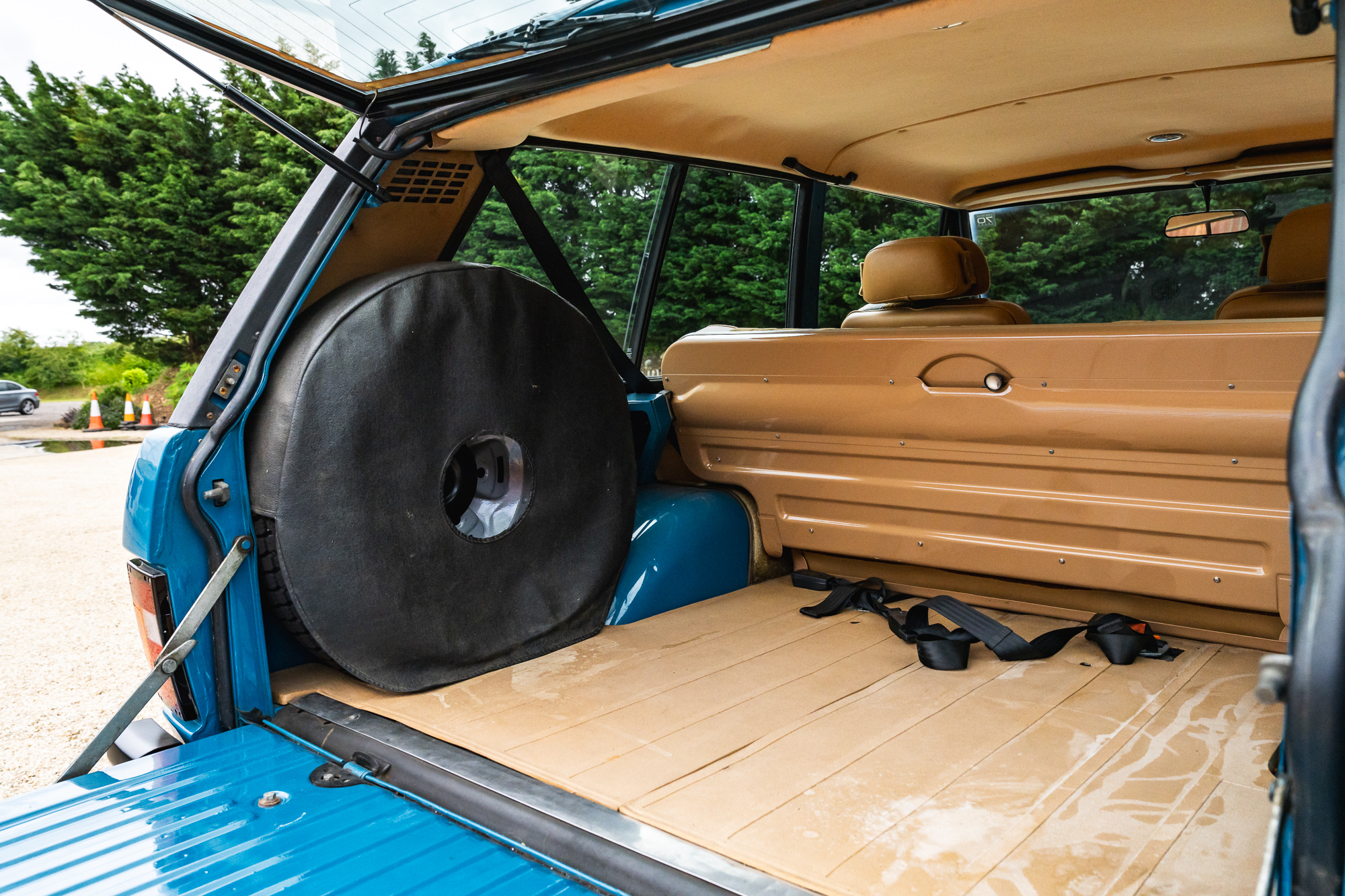
The car is presented in Tuscan Blue, the period-correct factory colour that suits the original body lines as well as anything in the Range Rover palette, and was re-trimmed at some point in the exact ‘teddy bear’ velour used in period — a material now unobtainable, even through official Land Rover channels. Combined with the replacement carpets fitted using new-old stock, the interior retains an almost-new quality that is simply impossible to replicate today. This is not a cosmetic flourish: it is a detail that separates this car from every other restored two-door Classic on the market.
The car’s standing within the Range Rover community was recognised when it was invited to the Goodwood Speedweek Range Rover 50th celebration in 2020 and featured extensively in the JLR 70th Anniversary celebrations at their experience centre in Spain, where it took part in the after-dinner parade and presentation. It has been covered in a number of significant publications including Octane and CAR magazine.
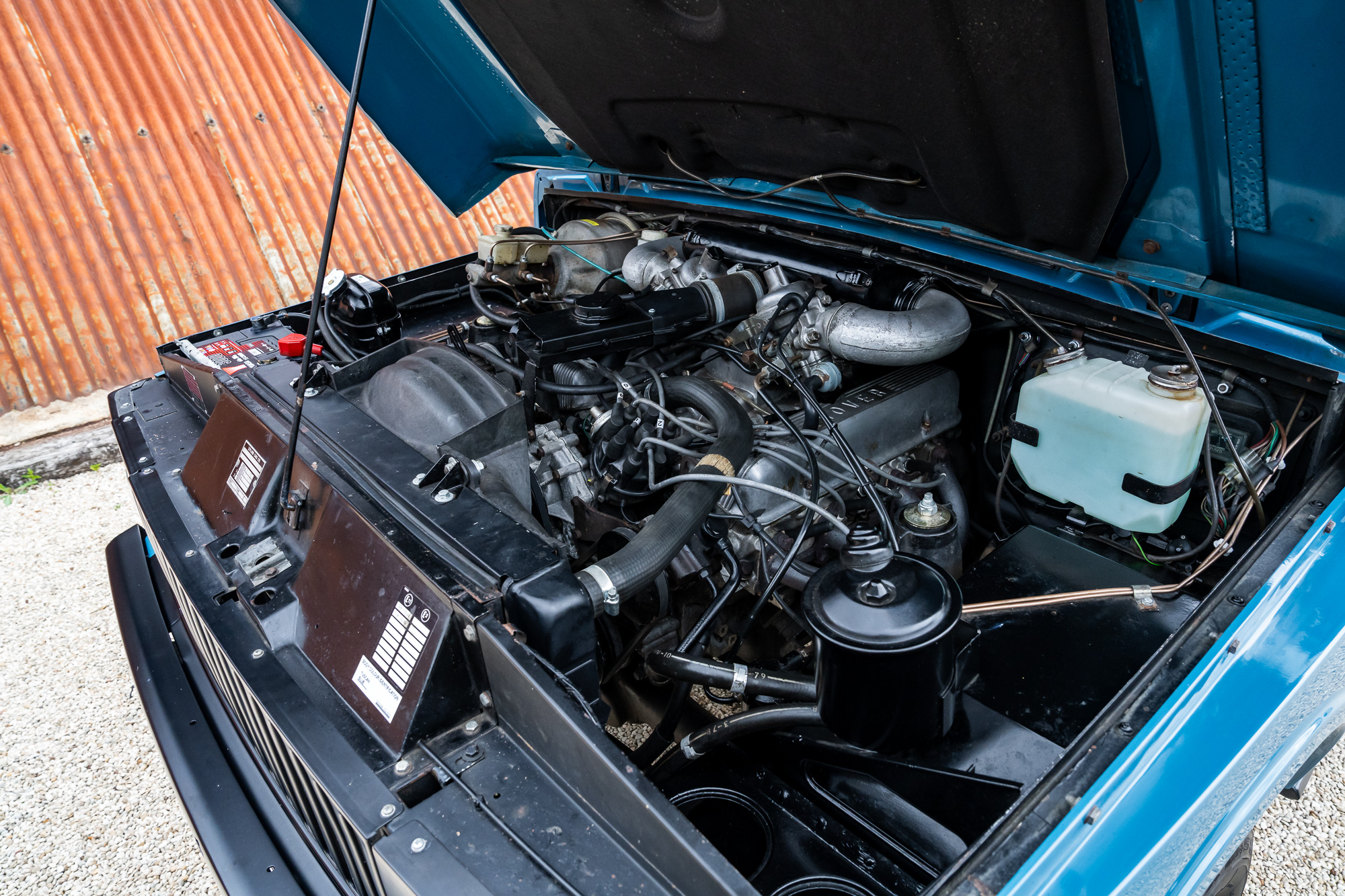
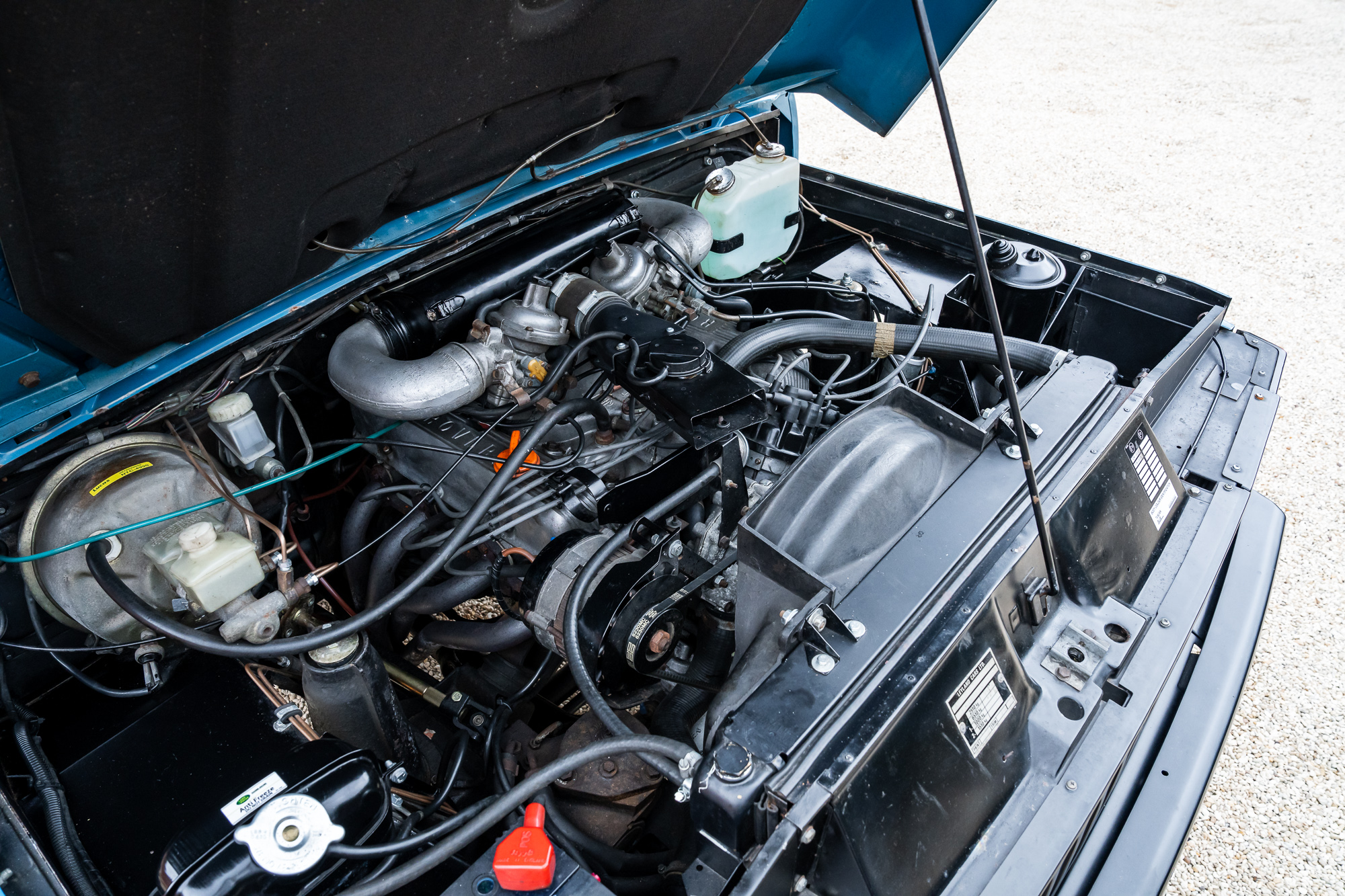
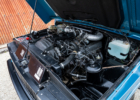
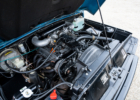
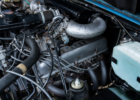
In 2022, the car was entrusted to Kingsley — specialists in the recommissioning and preparation of Classic Range Rovers — for a thorough programme of work totalling £38,000. The brief was not a restoration but something arguably more demanding: the systematic identification and rectification of every fault, however minor, to bring the car to a standard where nothing was left wanting.
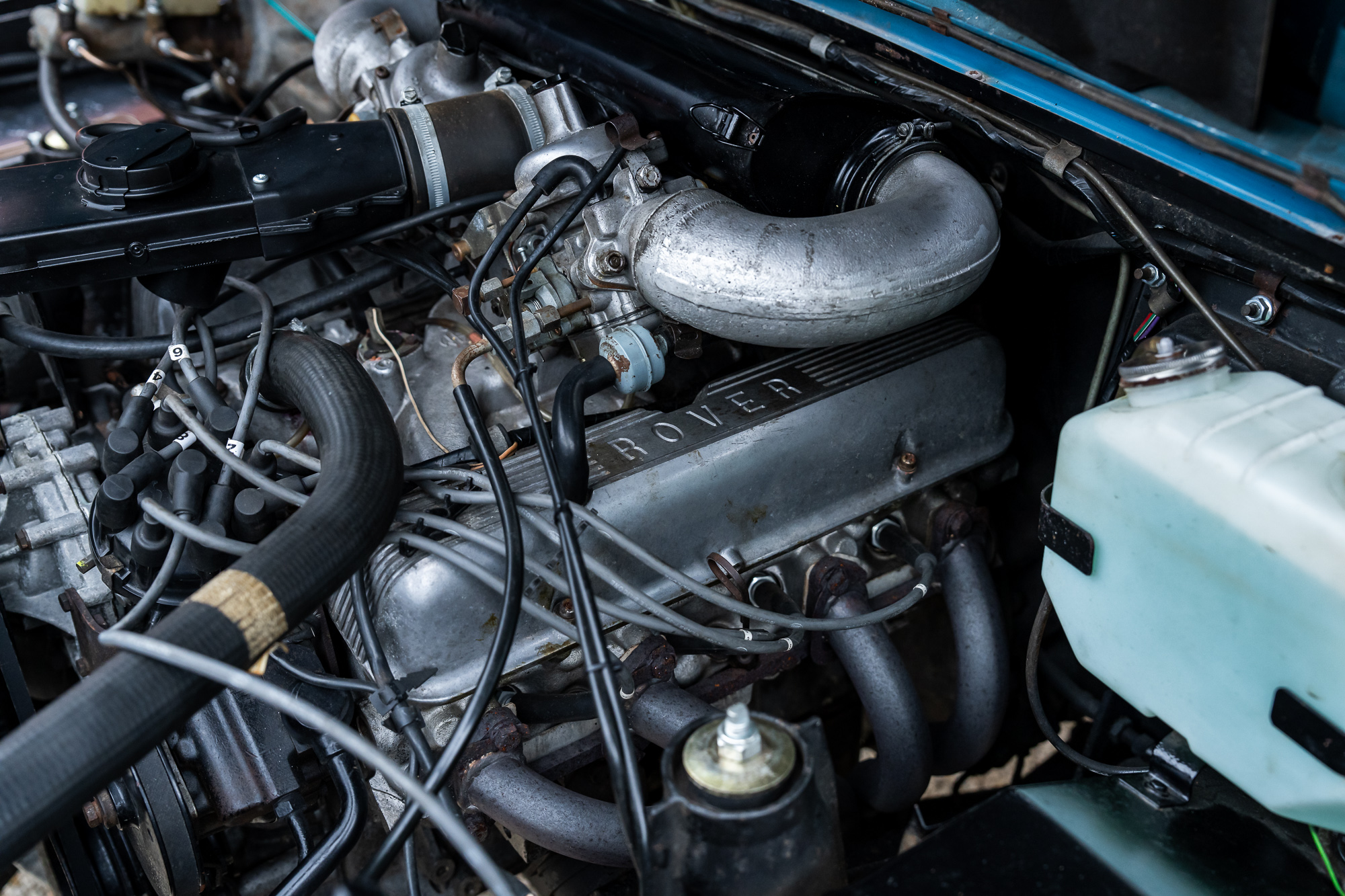
The scope ranged from the mechanical to the cosmetic. Engine work included attention to the rear main oil seal and associated components, alongside a full carburettor rebuild with new gaskets, new fuel filters, and new air intake panels. The cooling system was addressed with replacement radiators. Underneath, the track rod ends, rear shock bushes, differential oil seals, and transfer box were attended to, brake lines replaced, and the brake servo serviced.
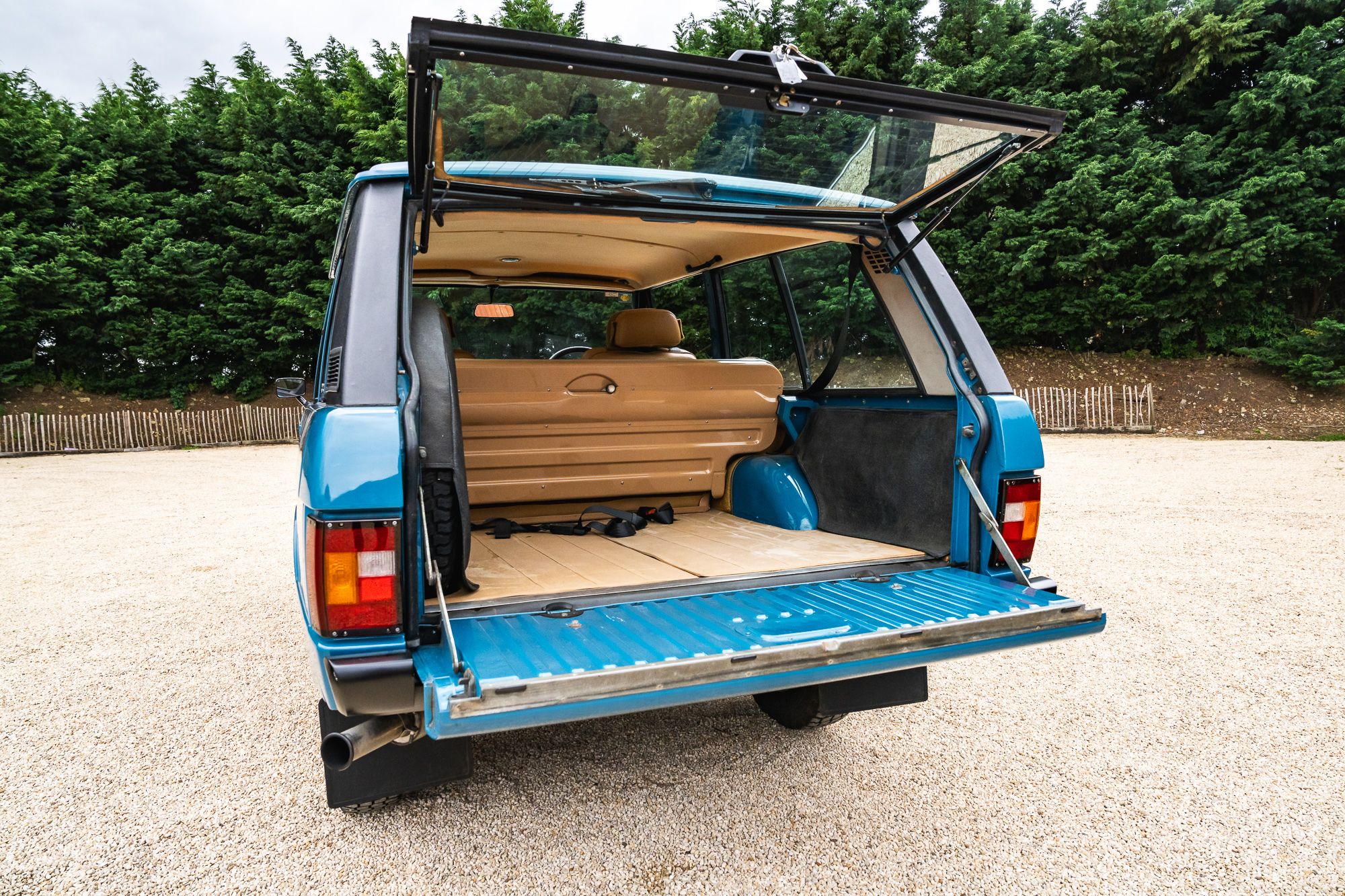
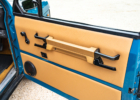
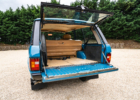
Bodywork niggles were resolved too: the tailgate catches and upper tailgate were replaced, the roof rails refinished, and the door cards attended to. Even the small but telling details were dealt with — interior light bases, door locks, and the ignition key were all made to work as they should. The result is a car in which every system has been gone through, every irritation resolved, and nothing left to chance.
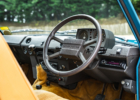
The odometer shows approximately 68,000 miles, understood to be genuine, and the history file reflects the car’s well-documented and consistently maintained life.
MODEL HISTORY
Spen King’s ‘100-inch Station Wagon’ project, which eventually reached the public as the Range Rover in June 1970, did not merely produce a new model — it created a new category of vehicle that the automotive world is still navigating today.
The brief was straightforward enough: to combine the serious off-road capability of the Land Rover with genuine on-road refinement and all-weather versatility. The execution, however, was inspired. David Bache’s body was clean, purposeful, and confidently proportioned, with a raised roofline, substantial glasshouse, and a split tailgate that made it as practical as it was elegant. Under the bonnet sat a 3.5-litre all-aluminium V8, a permanent four-wheel drive system with a two-speed transfer box, and long-travel coil-sprung suspension at all four corners — a combination that produced handling characteristics the car’s rivals, such as they were, could not approach.
Production of the original two-door model ran from 1970 until 1981, with the four-door variant arriving in 1981 as the model matured into a more overtly luxurious proposition.
The two-door cars are today regarded as the purists’ choice — lighter, simpler, and more direct in character than the cars that followed, and carrying within their design an honesty of purpose that has only appreciated with time. The last examples off the production line, such as this one, benefit from the mechanical refinements accumulated over a decade of development while retaining the essential character of the original.
They are, in a word, irreplaceable.