1931 Riley Sprite Special

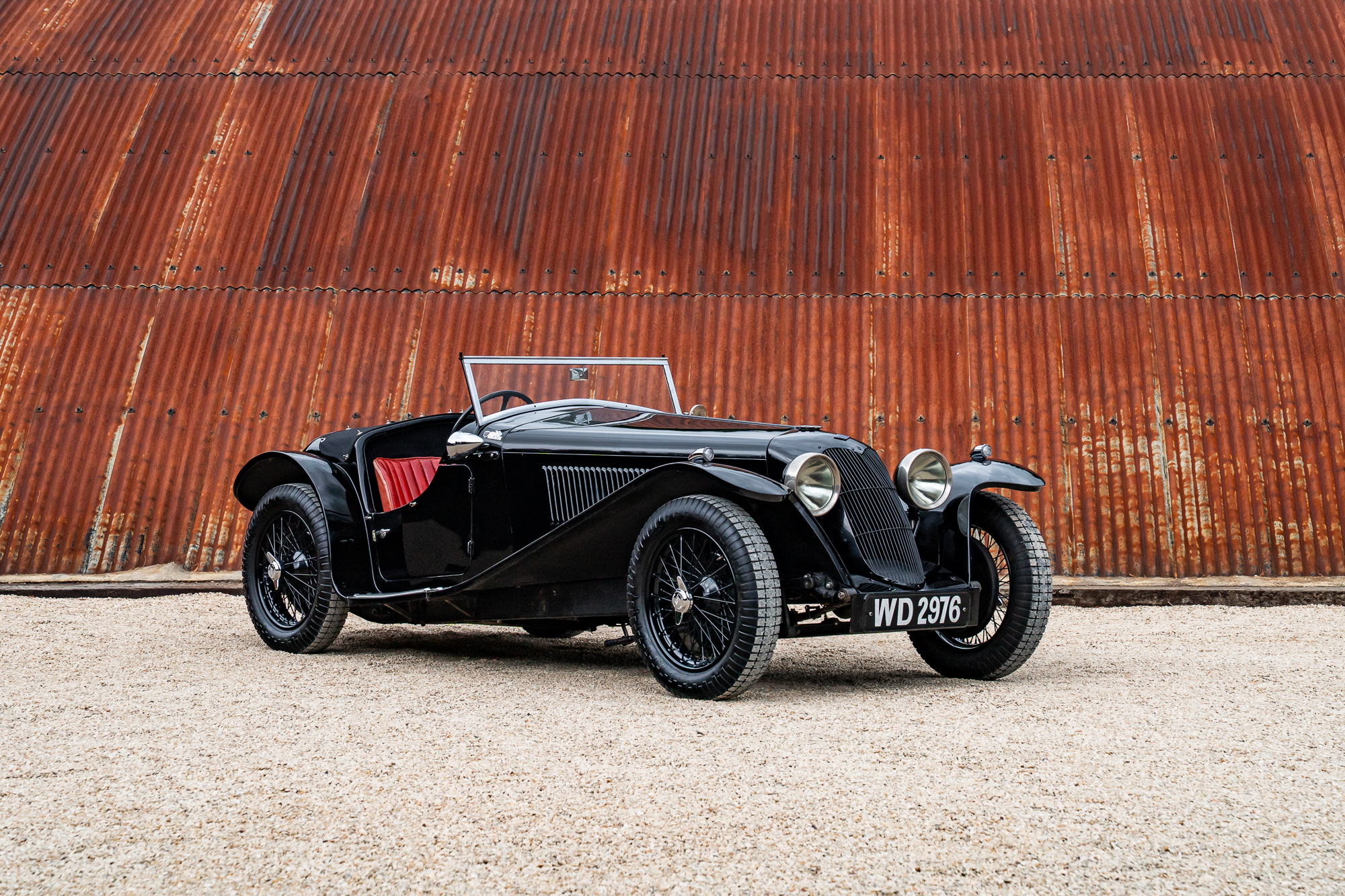
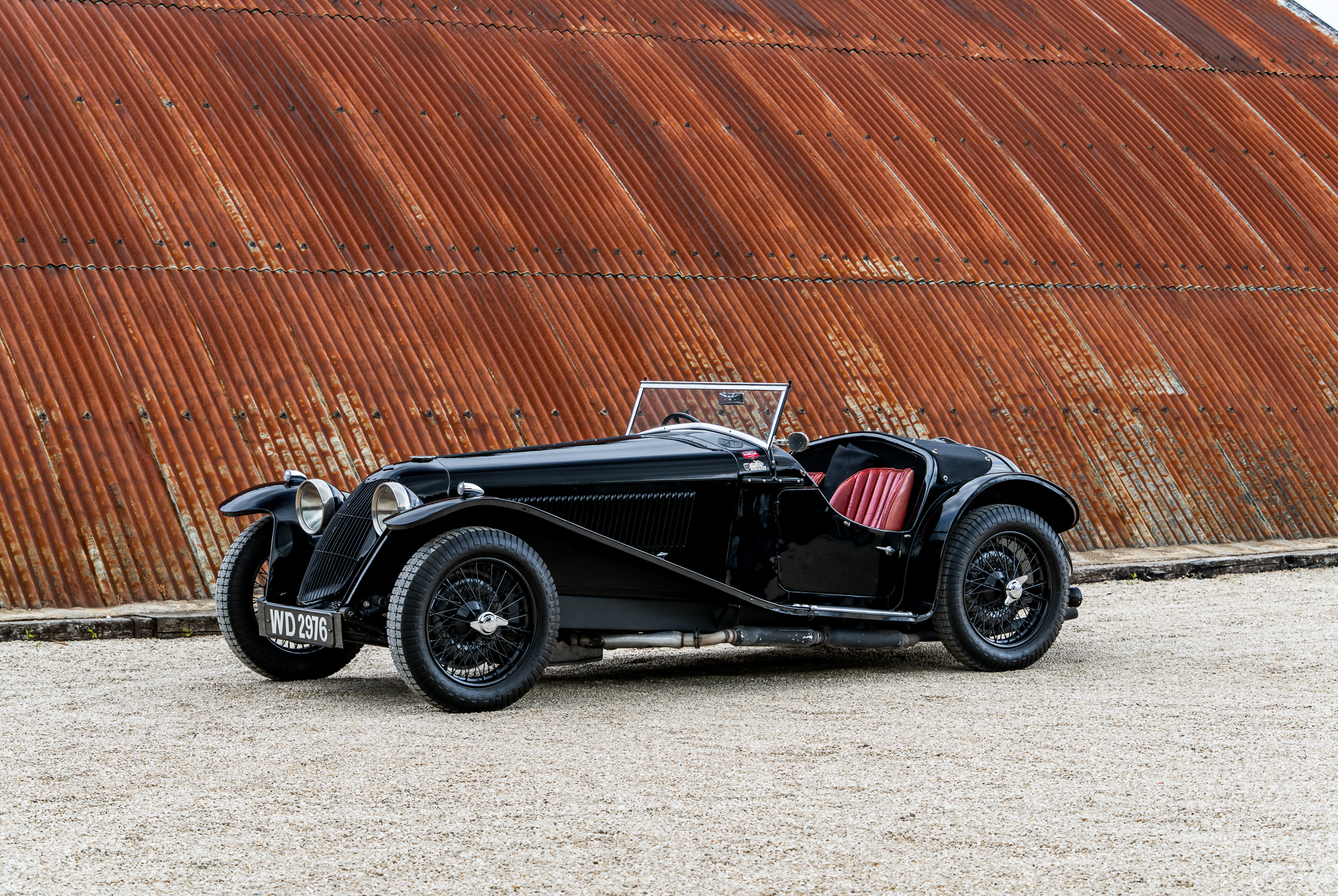
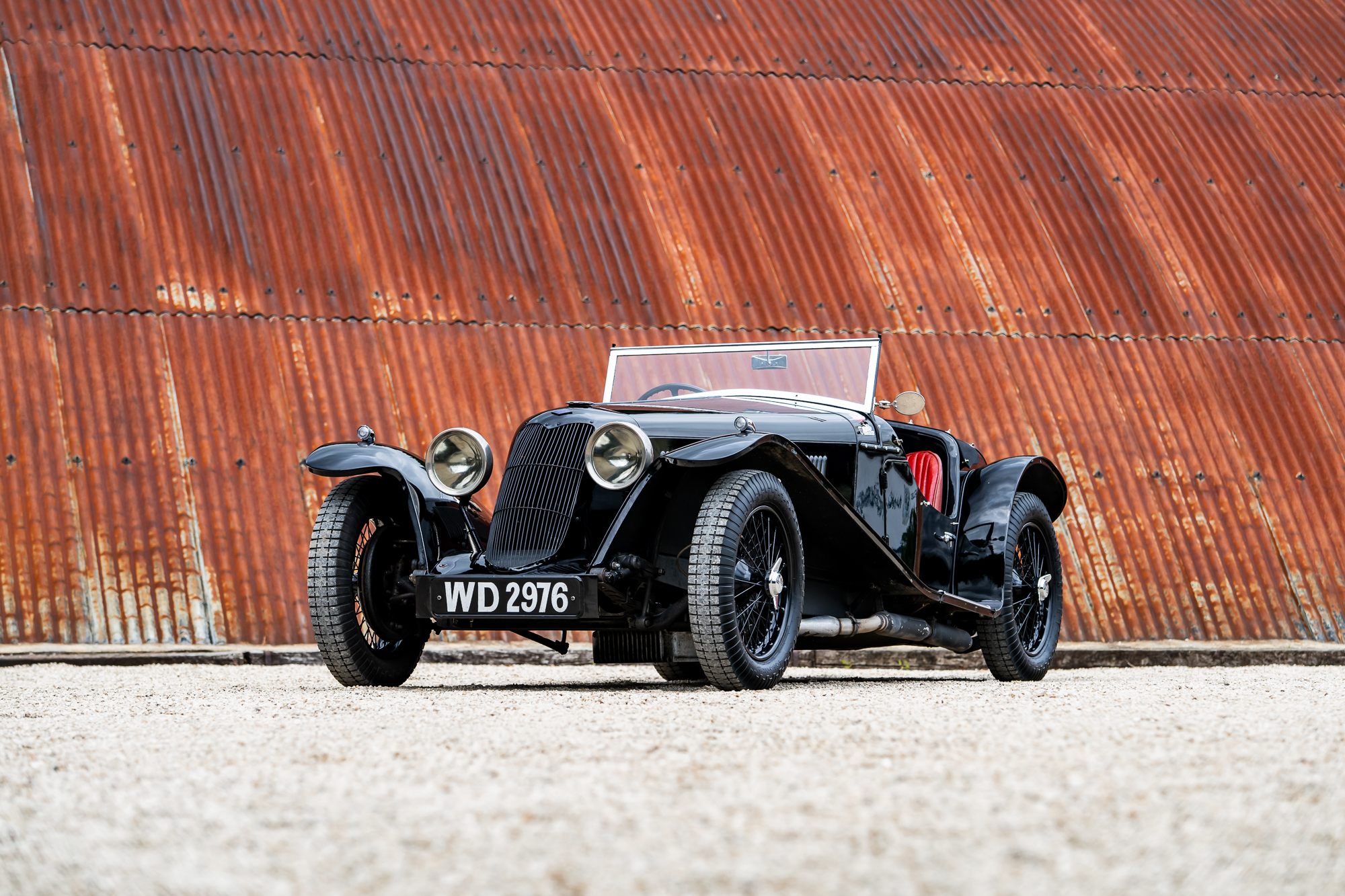
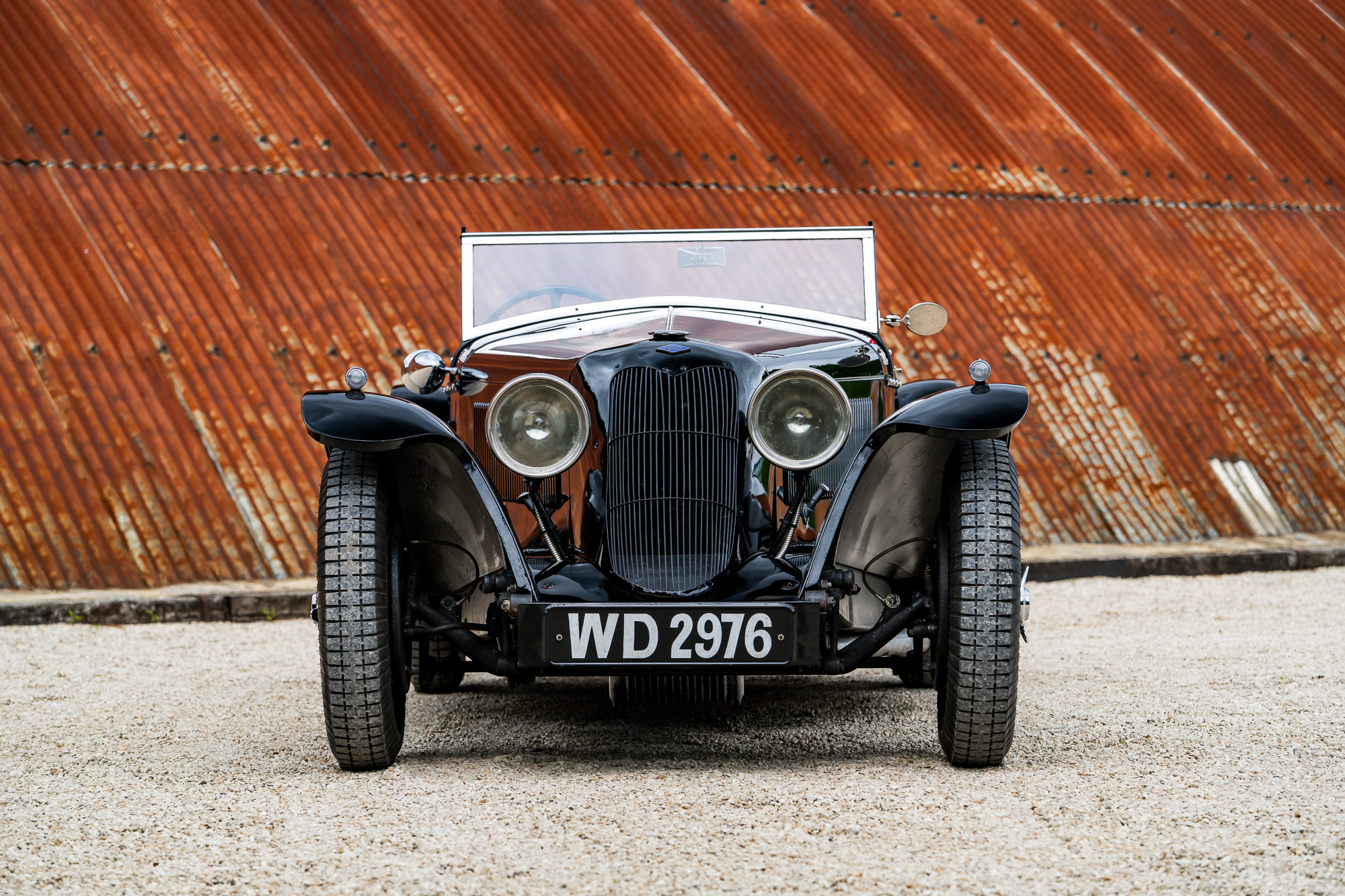
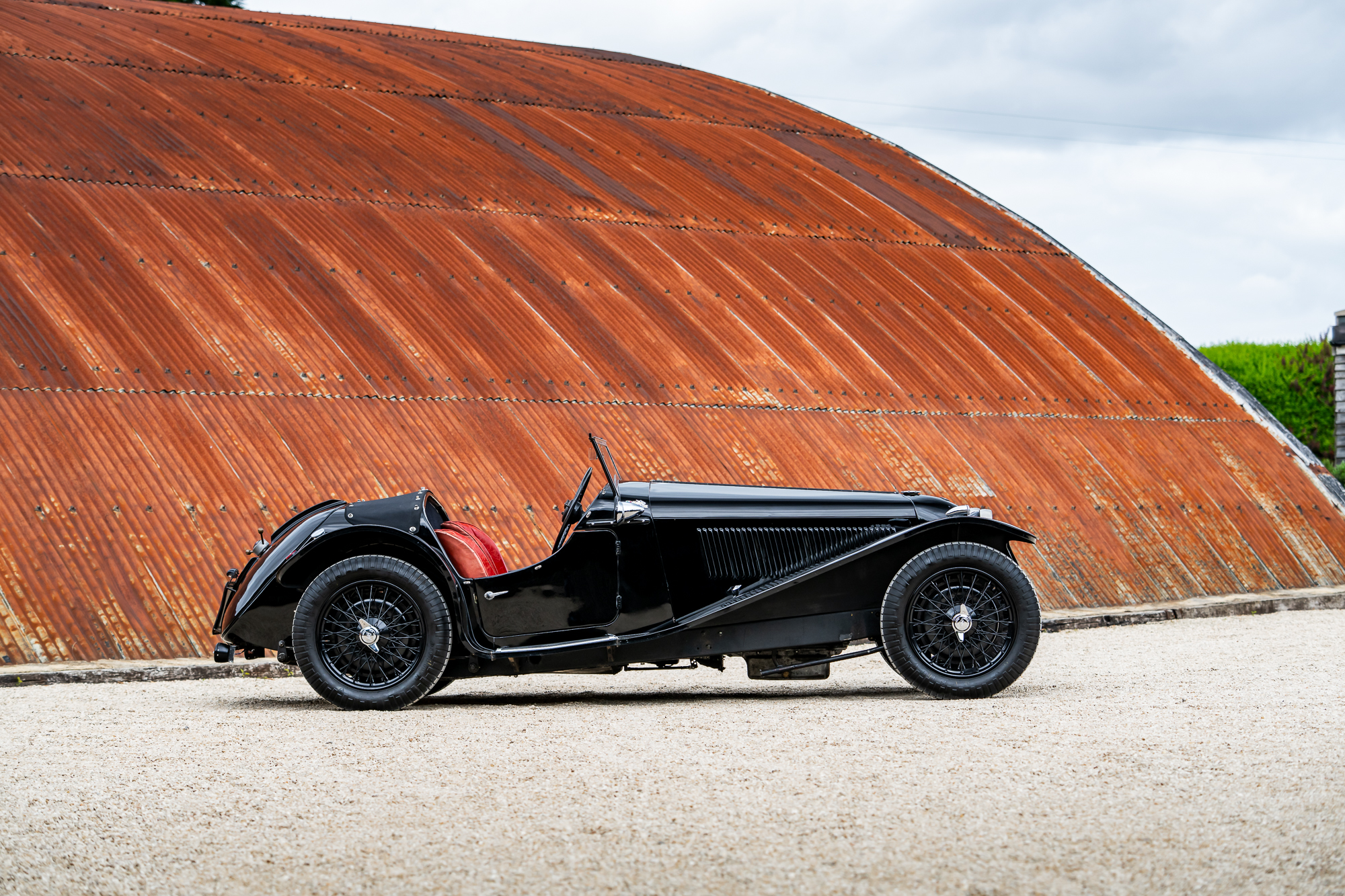
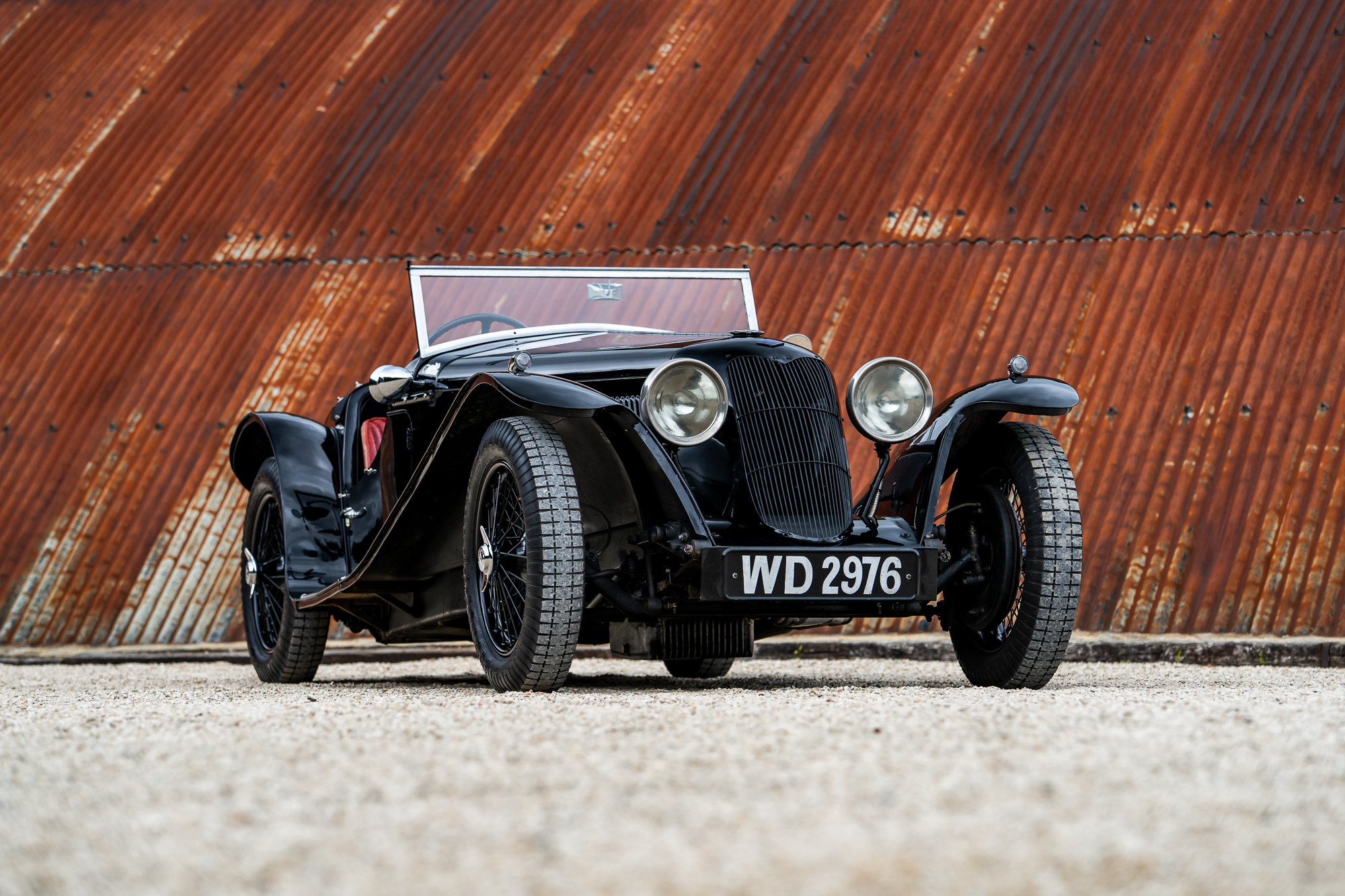
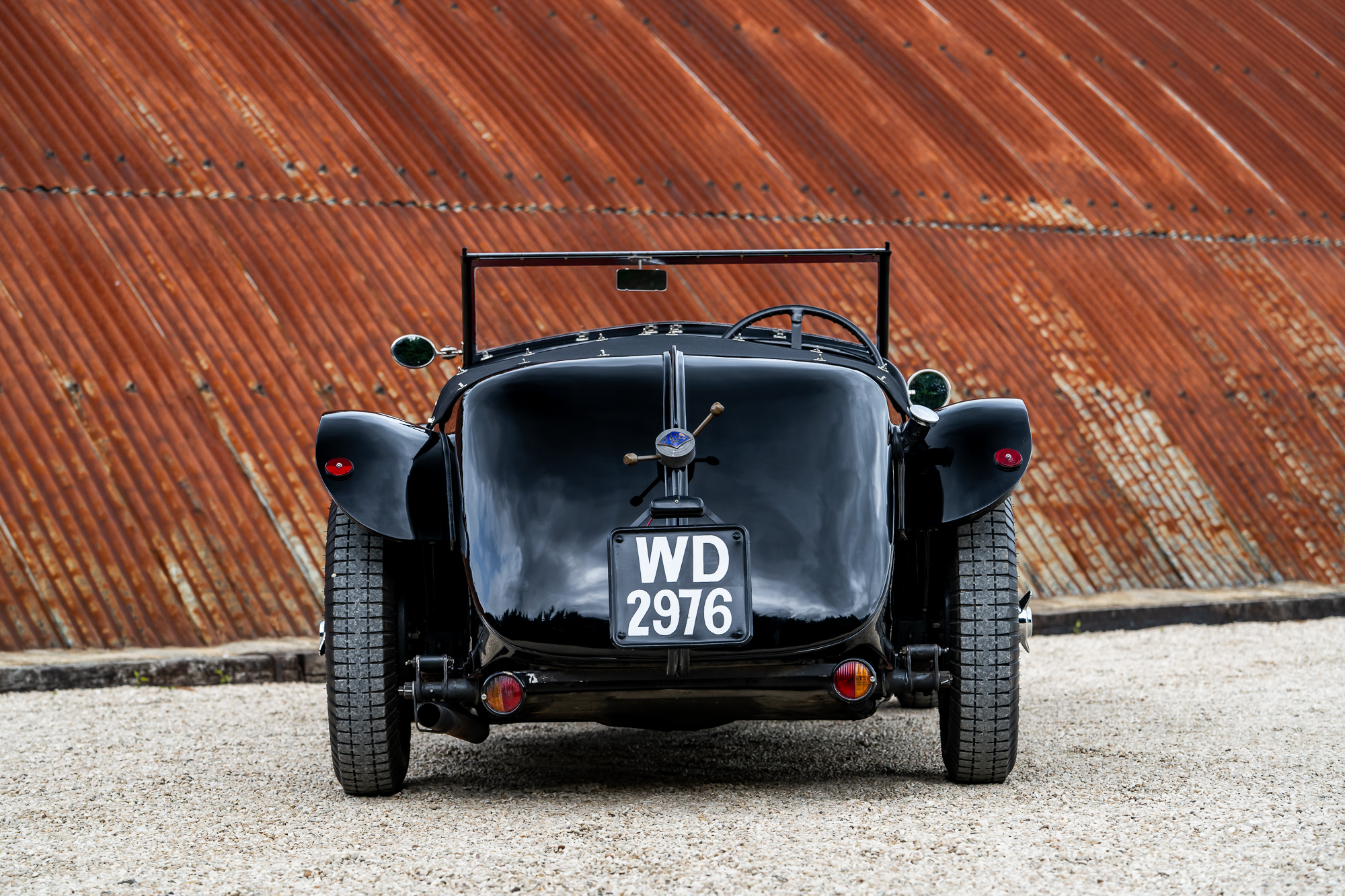
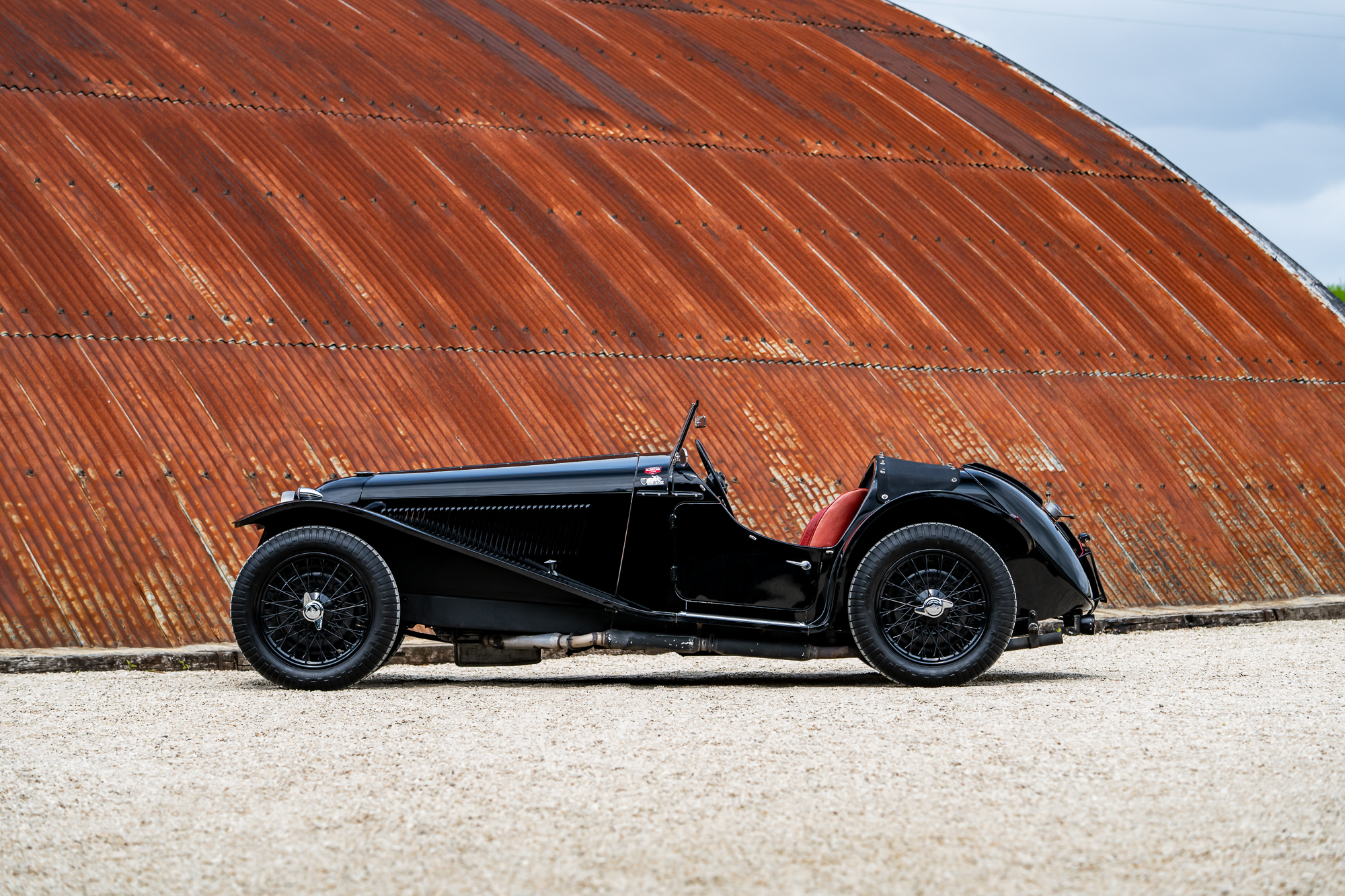
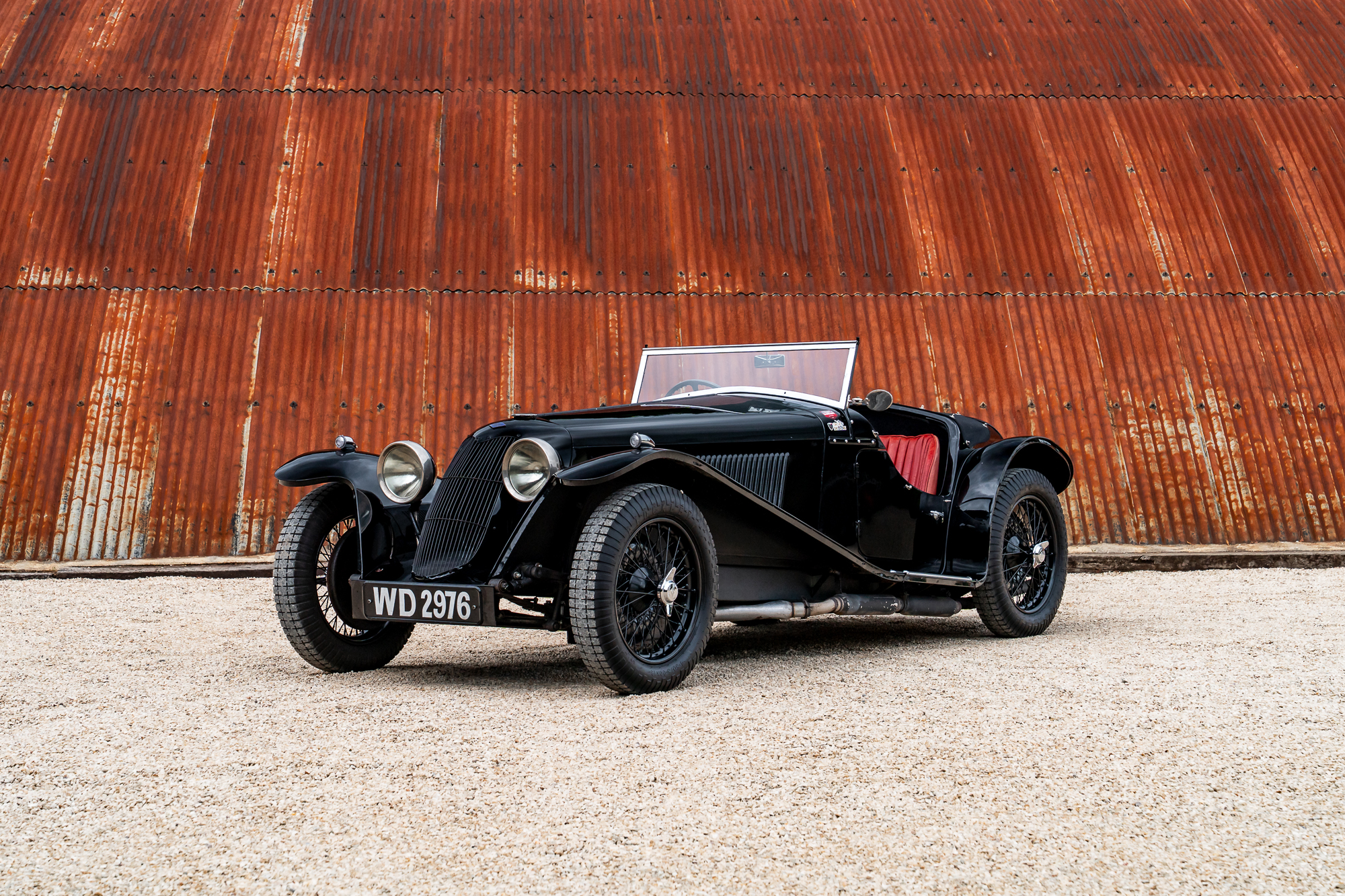
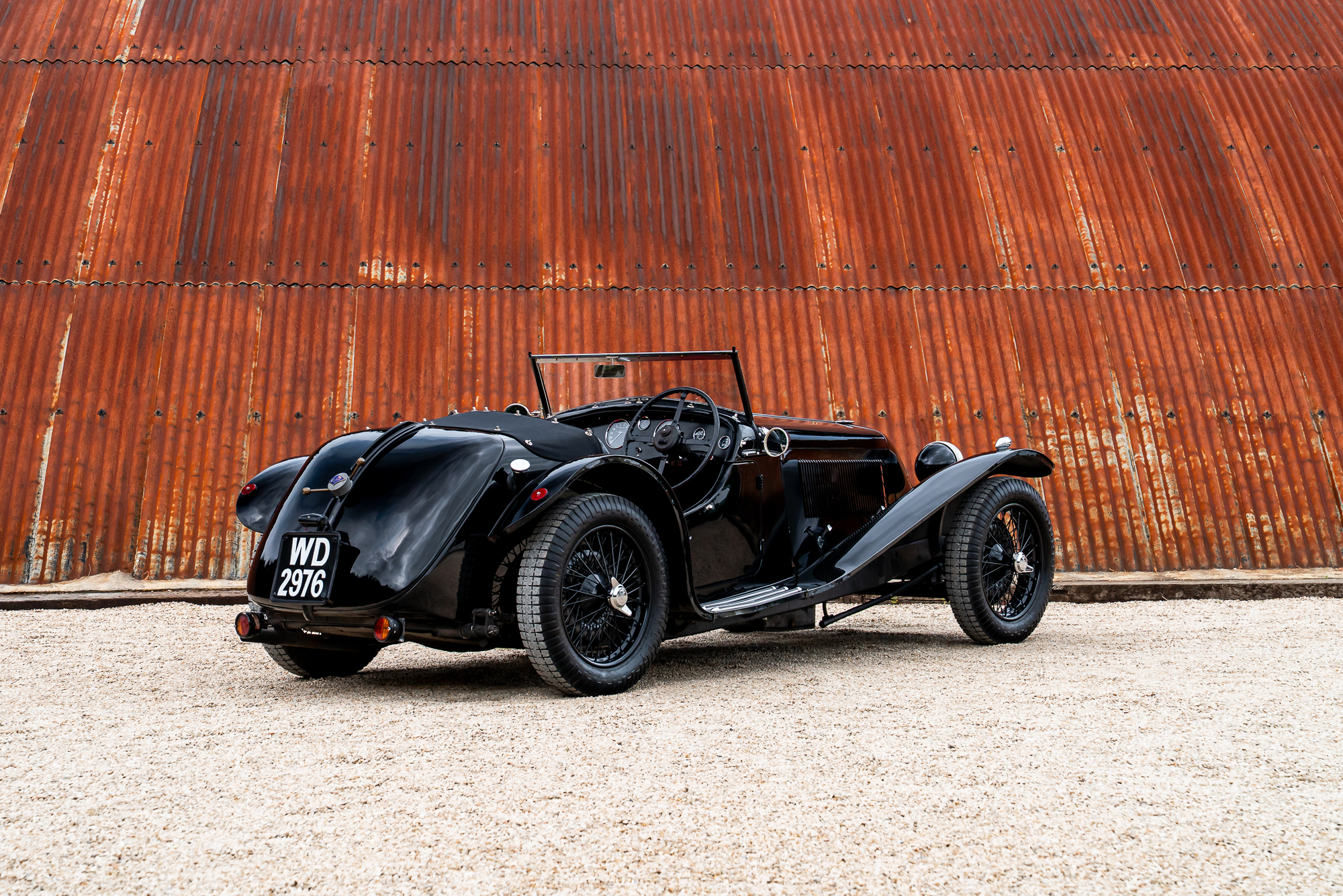
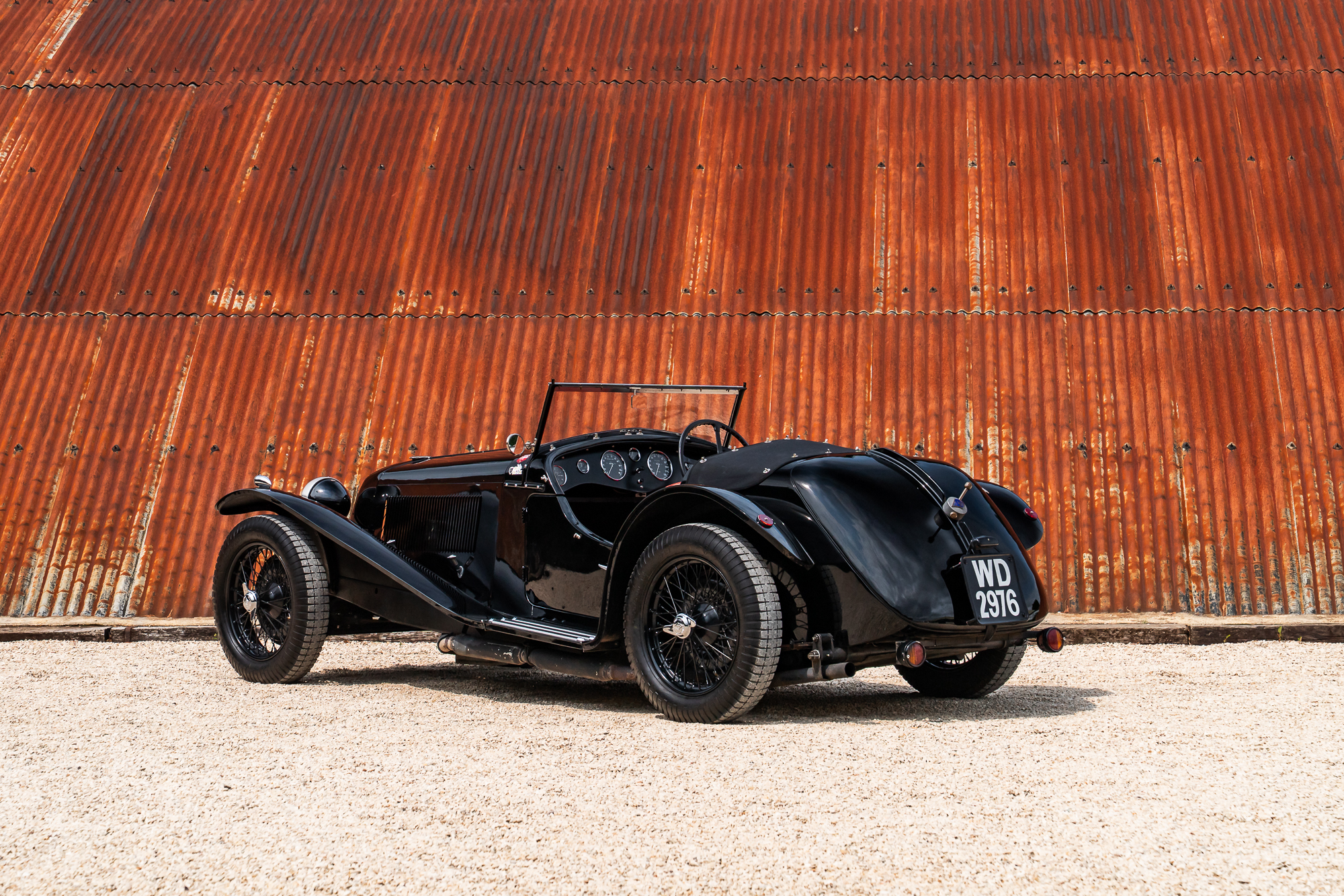
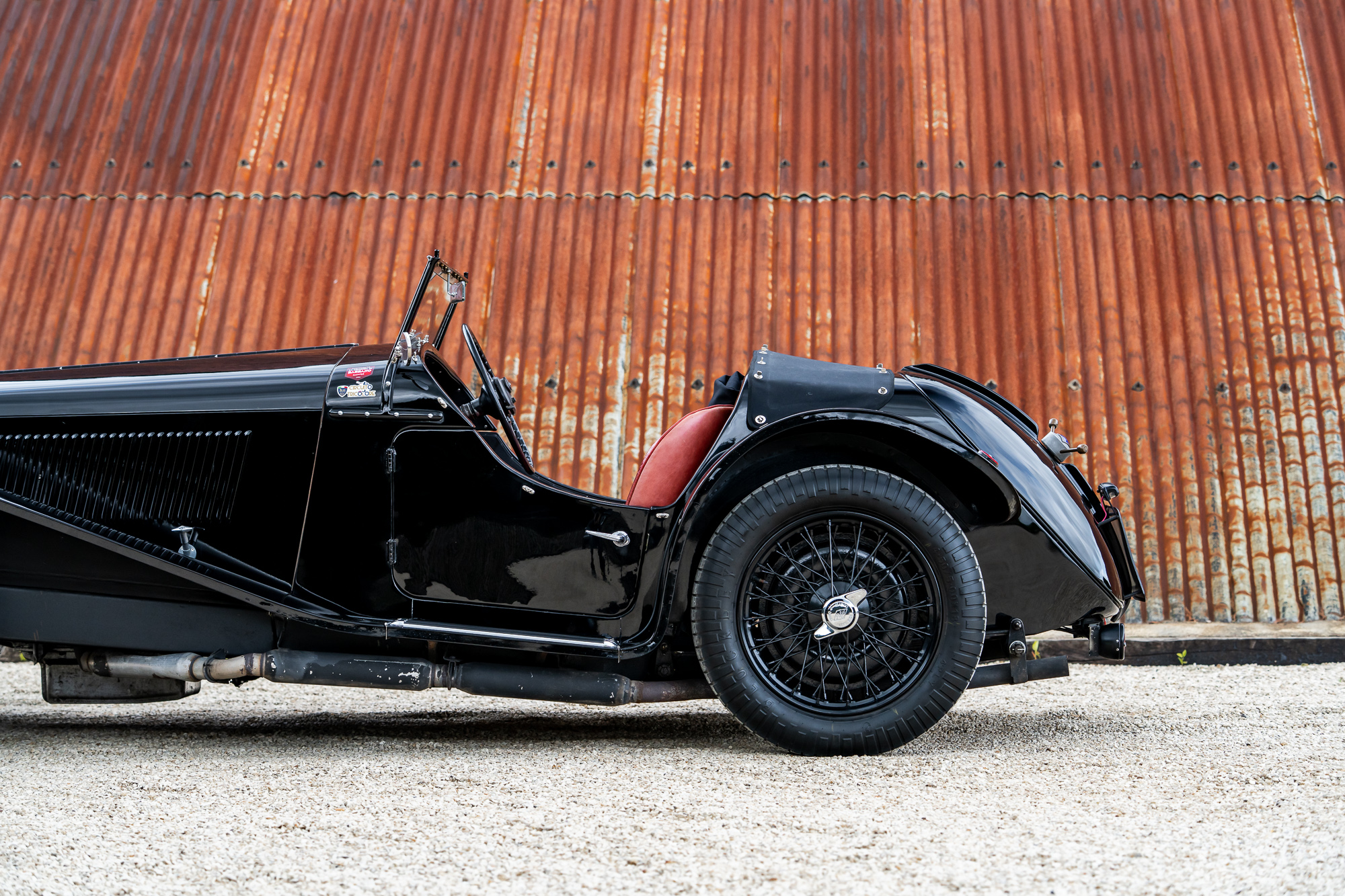
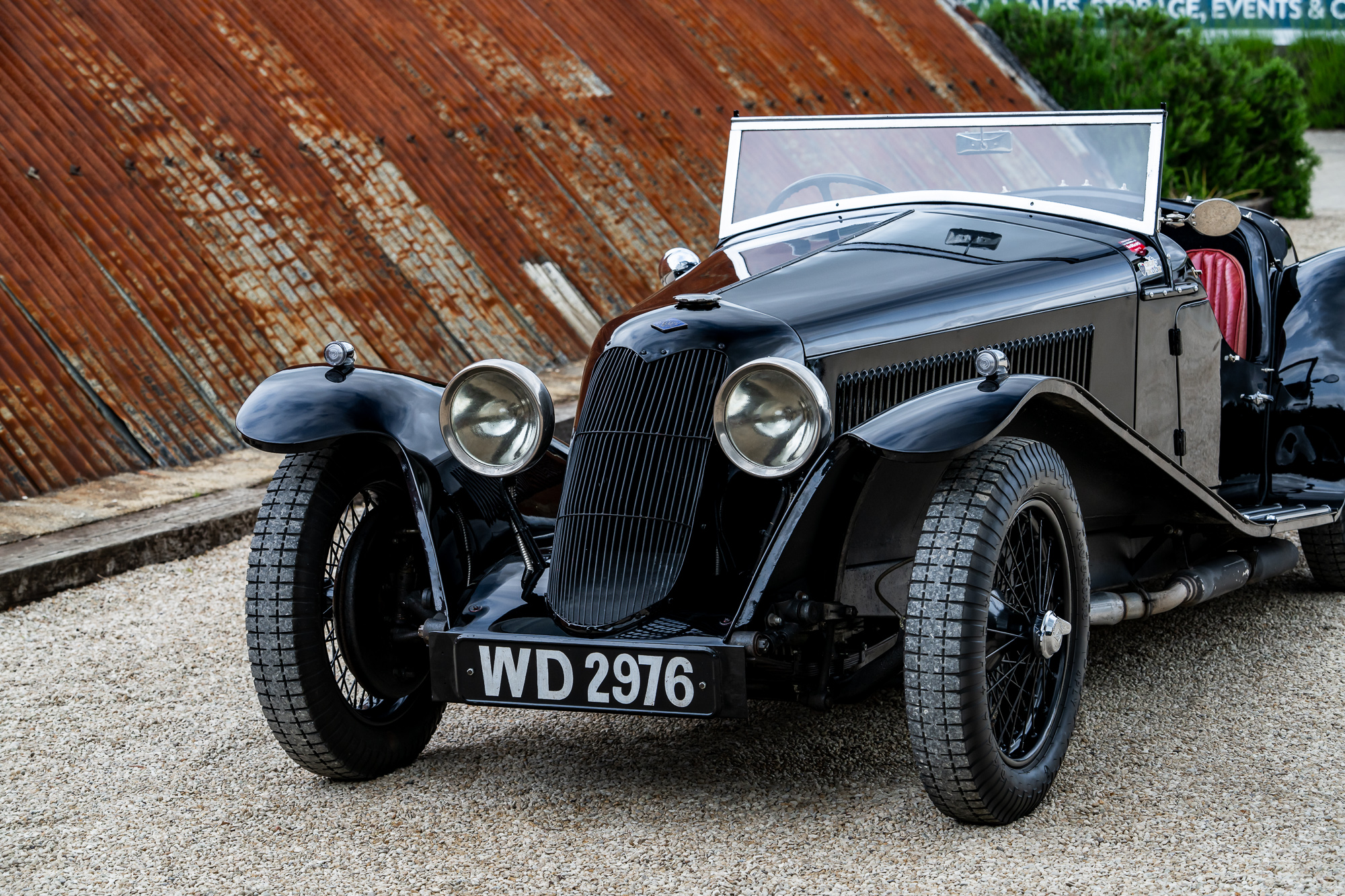
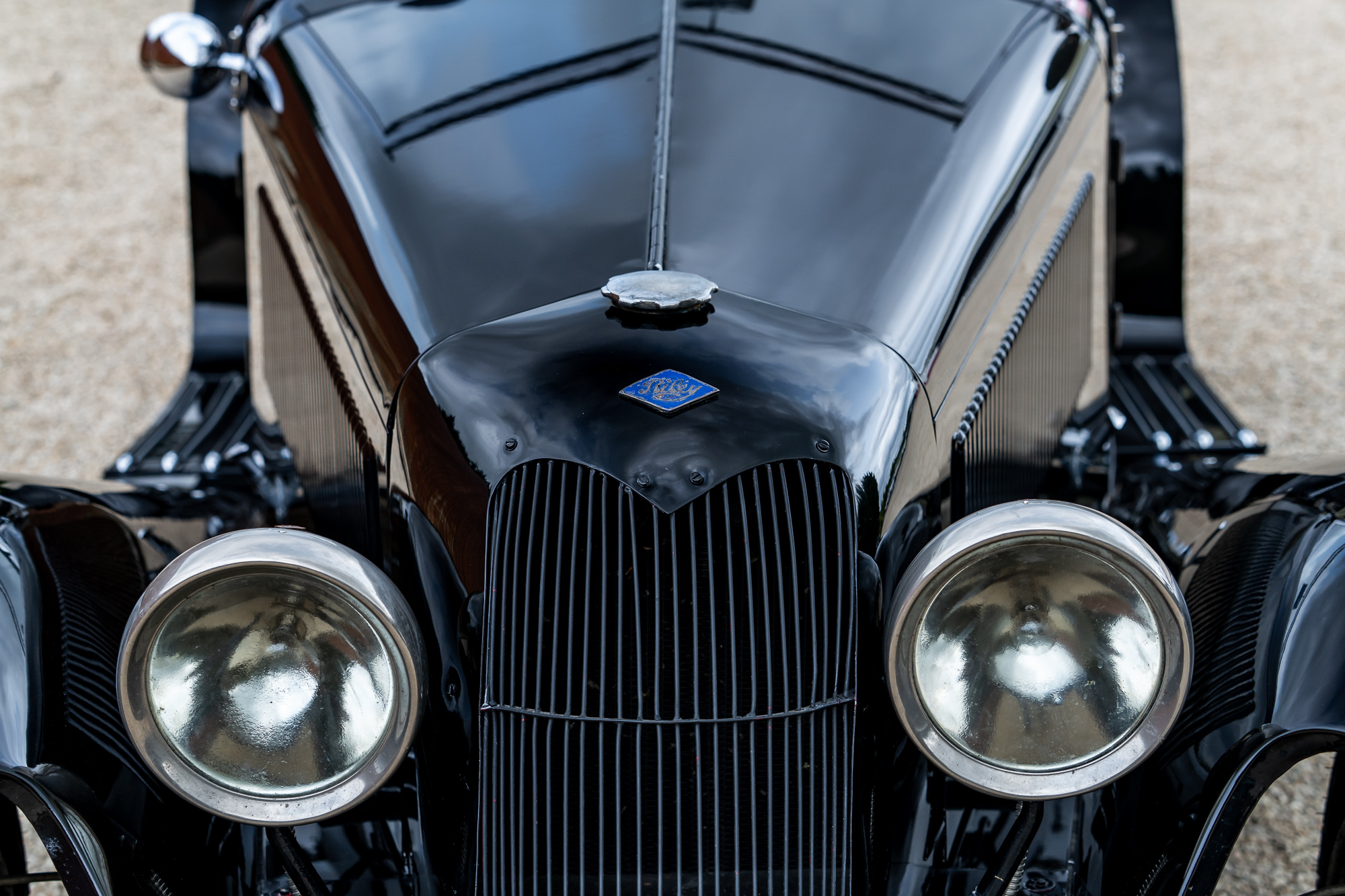
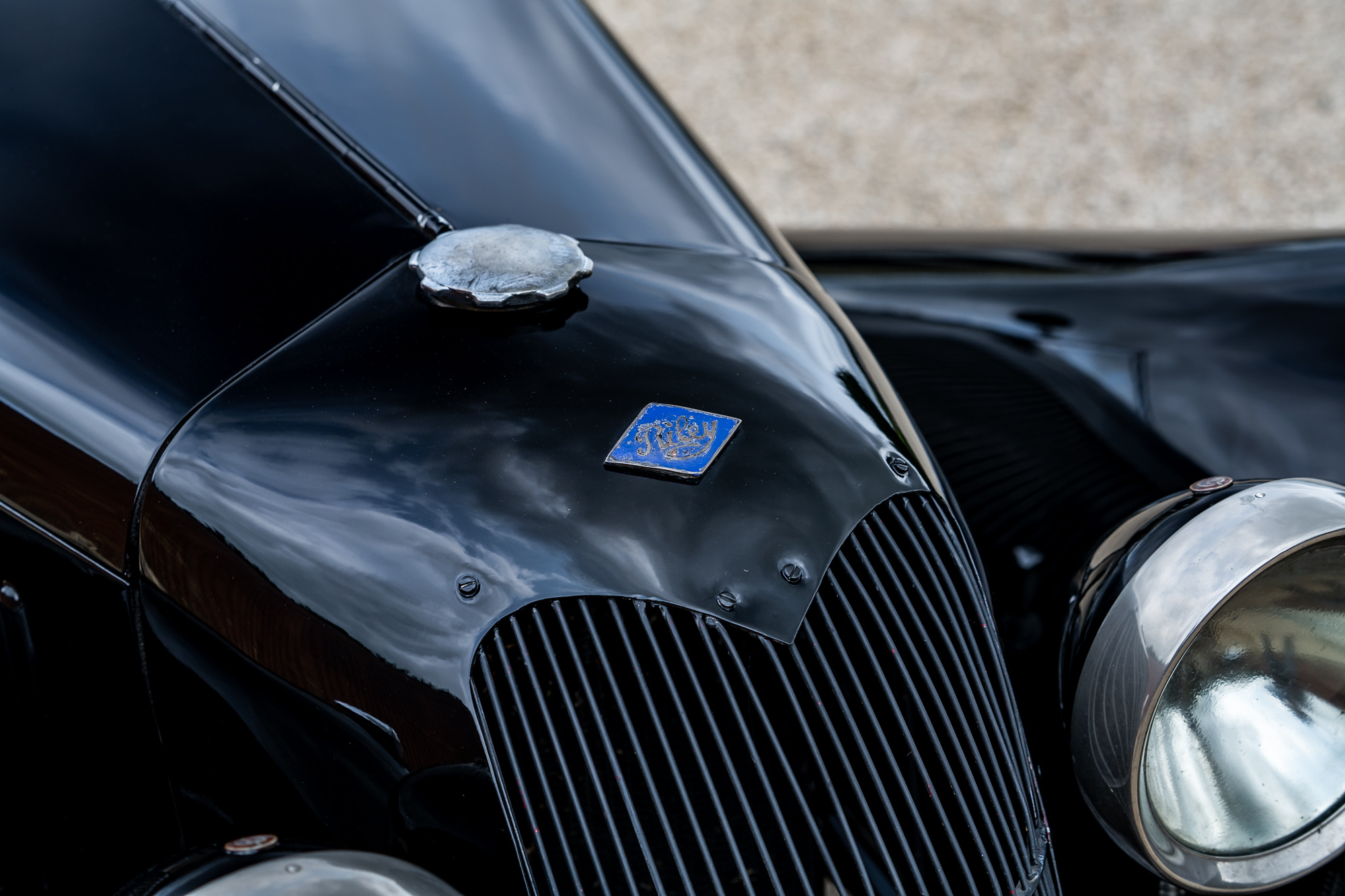
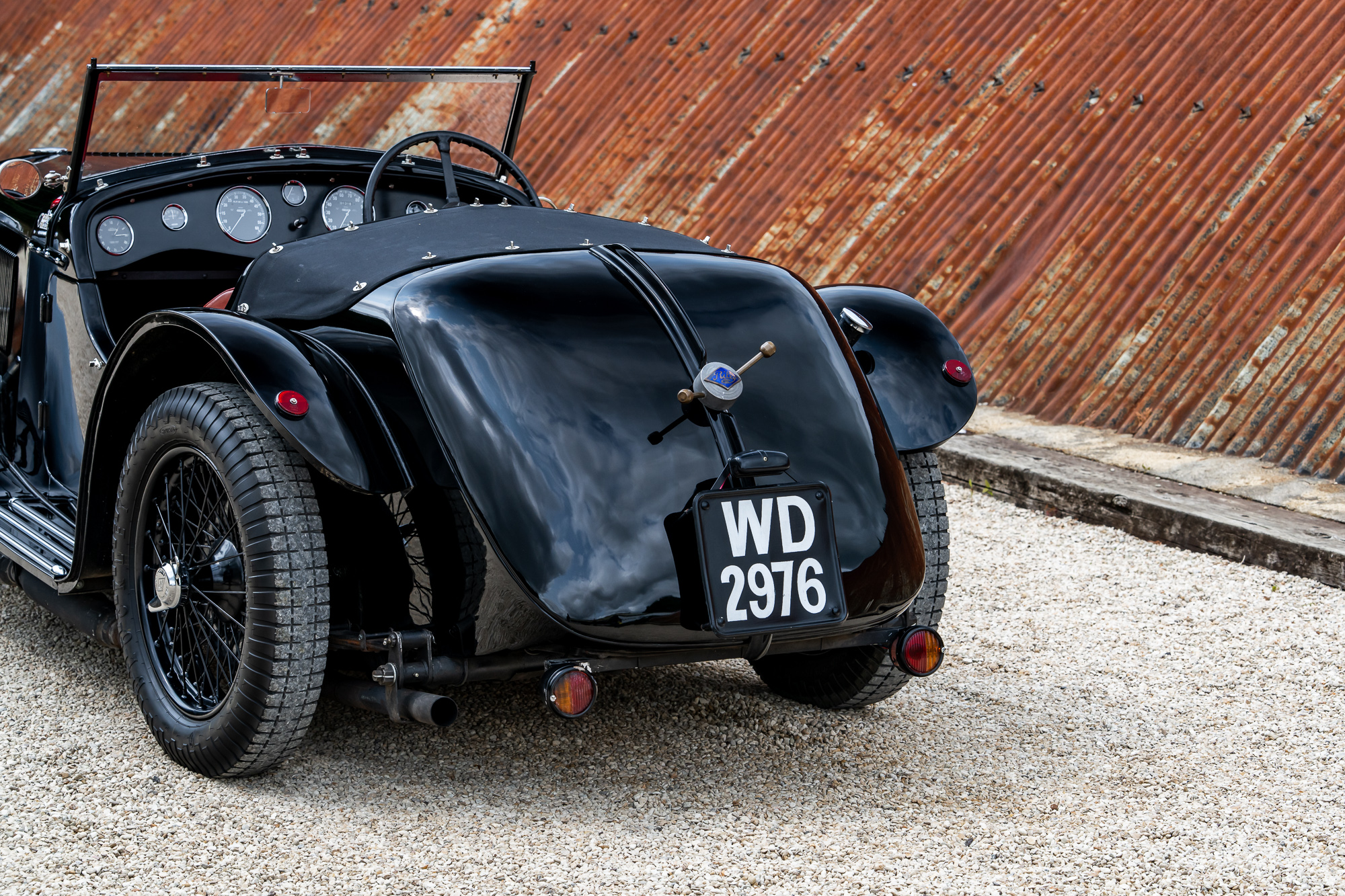
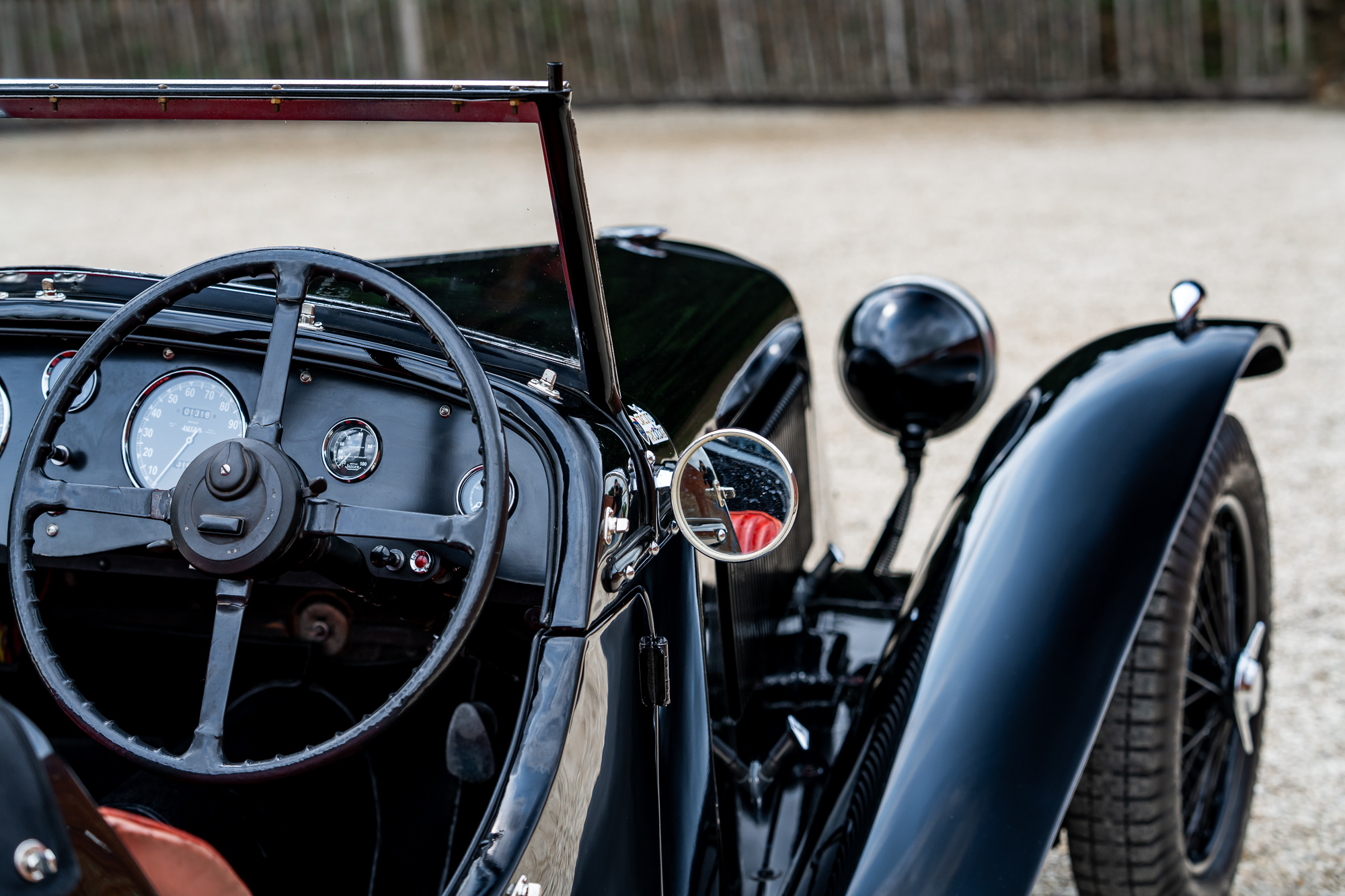
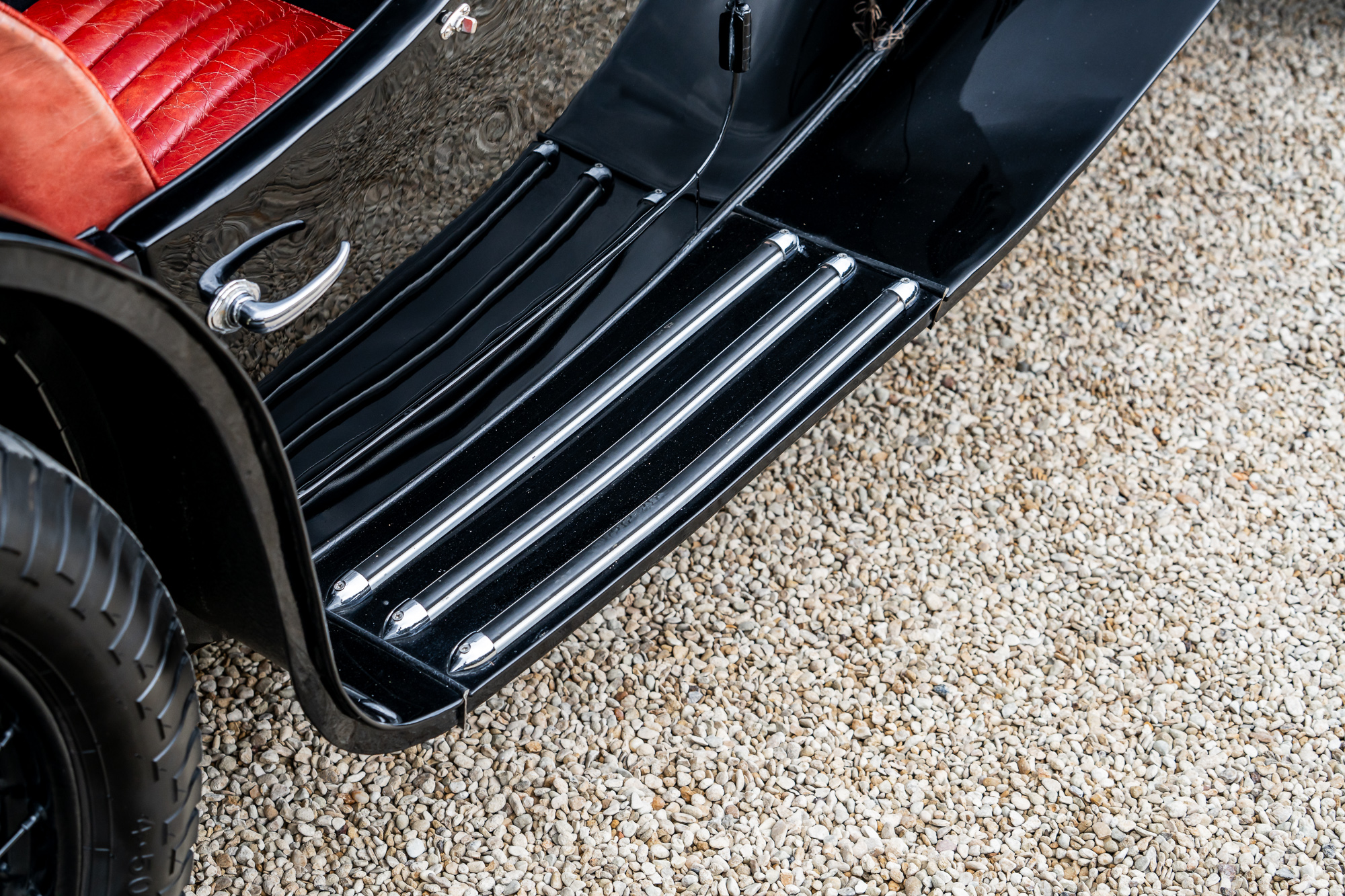
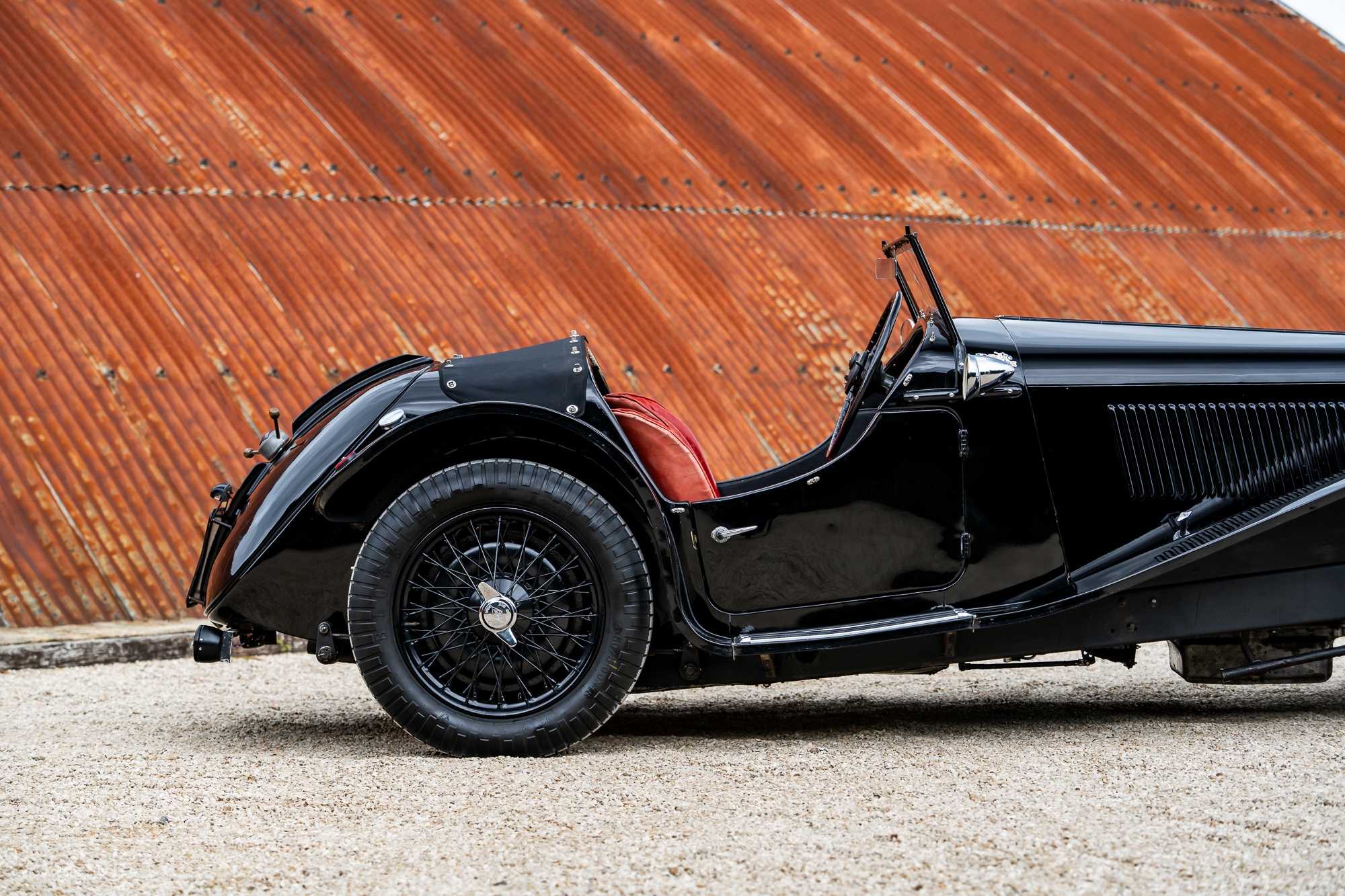
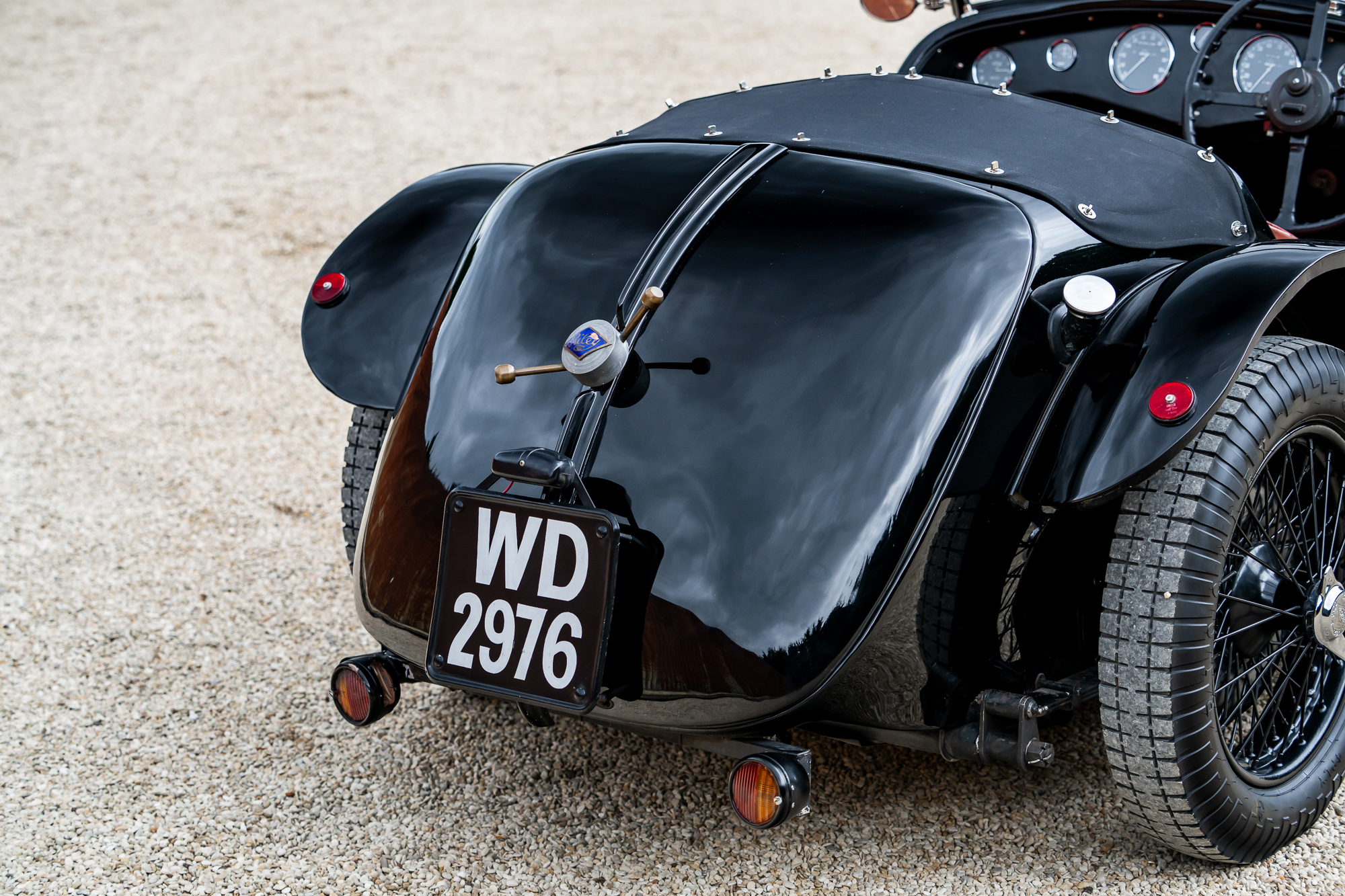
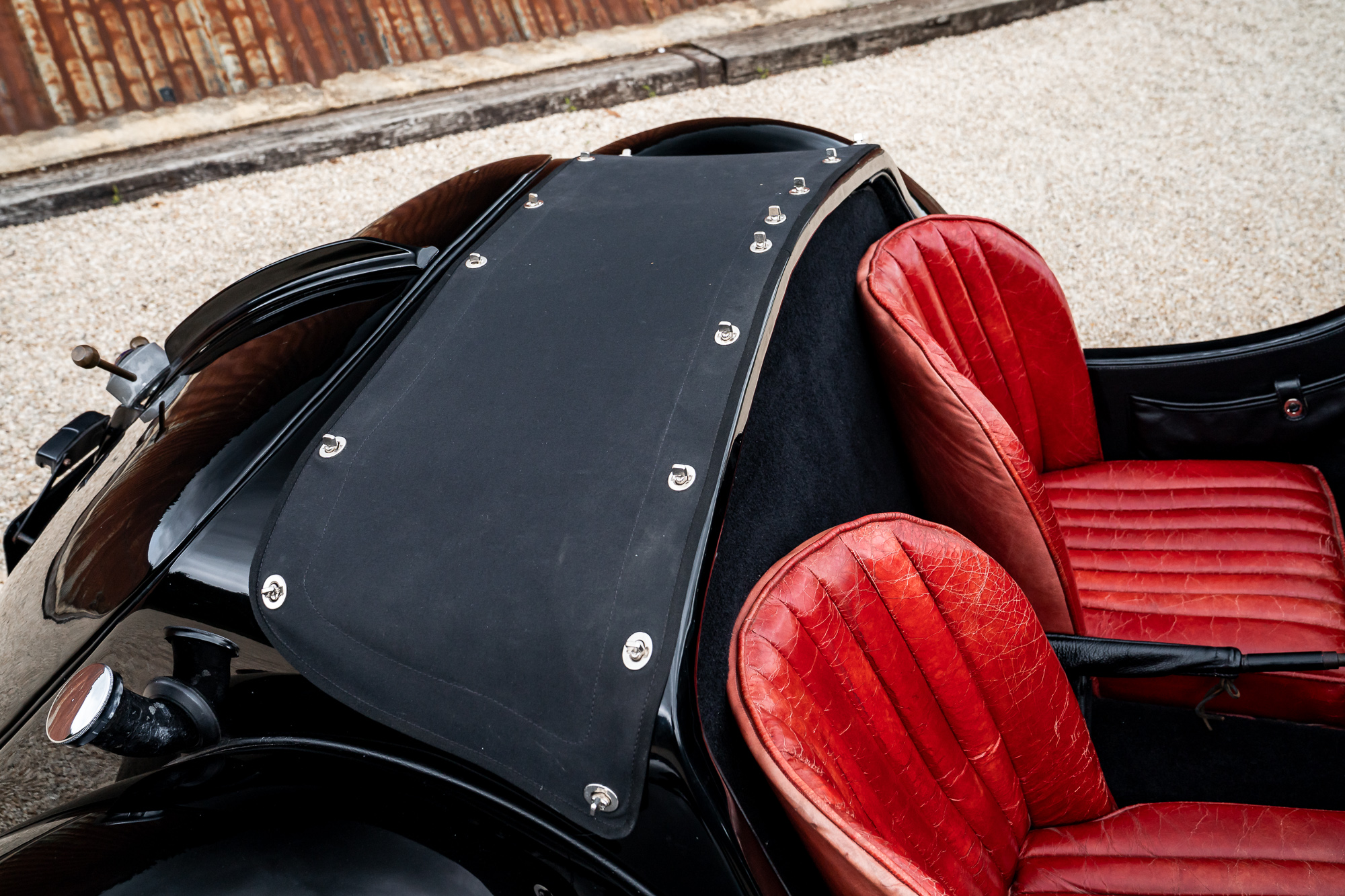
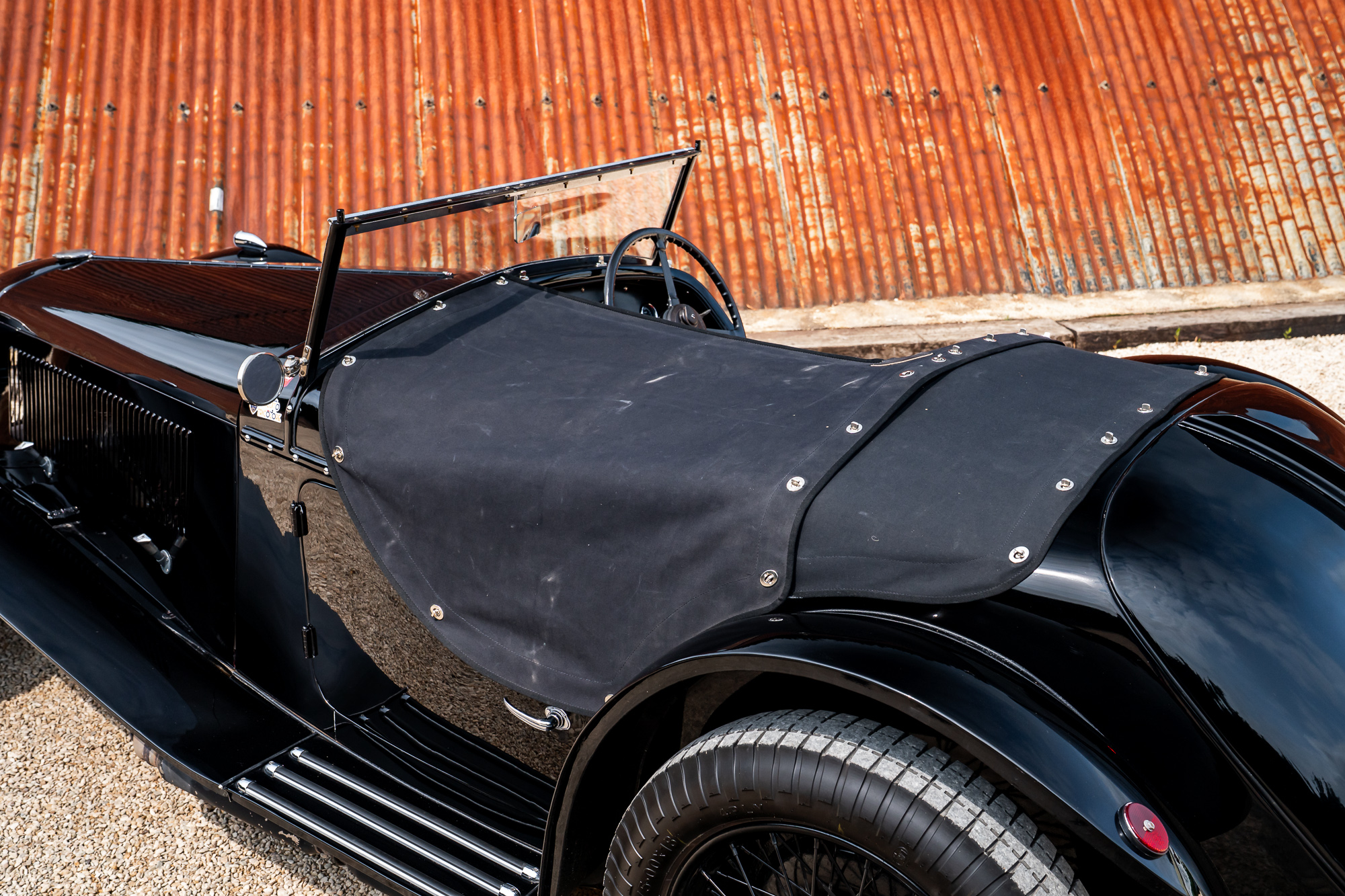
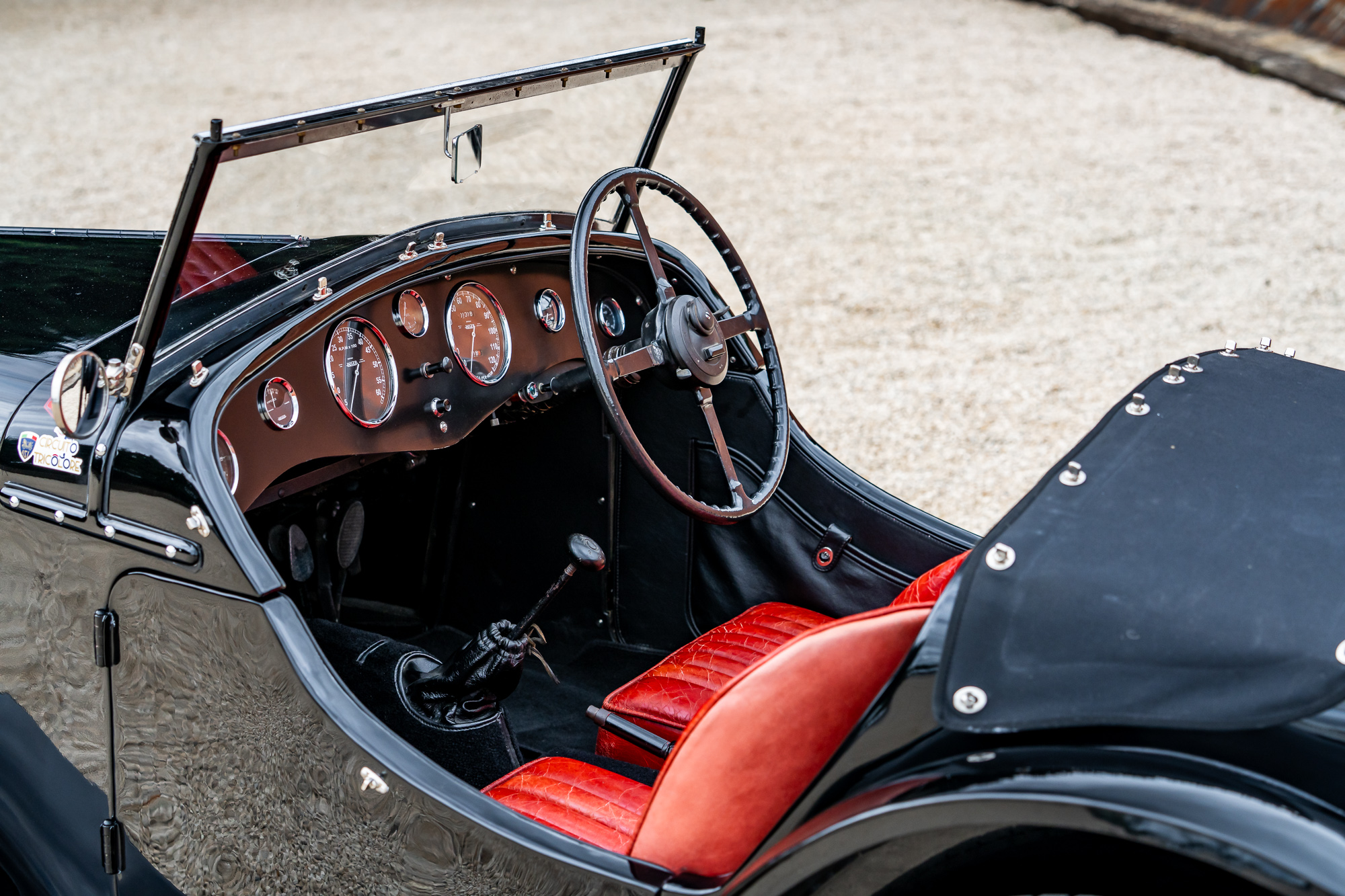
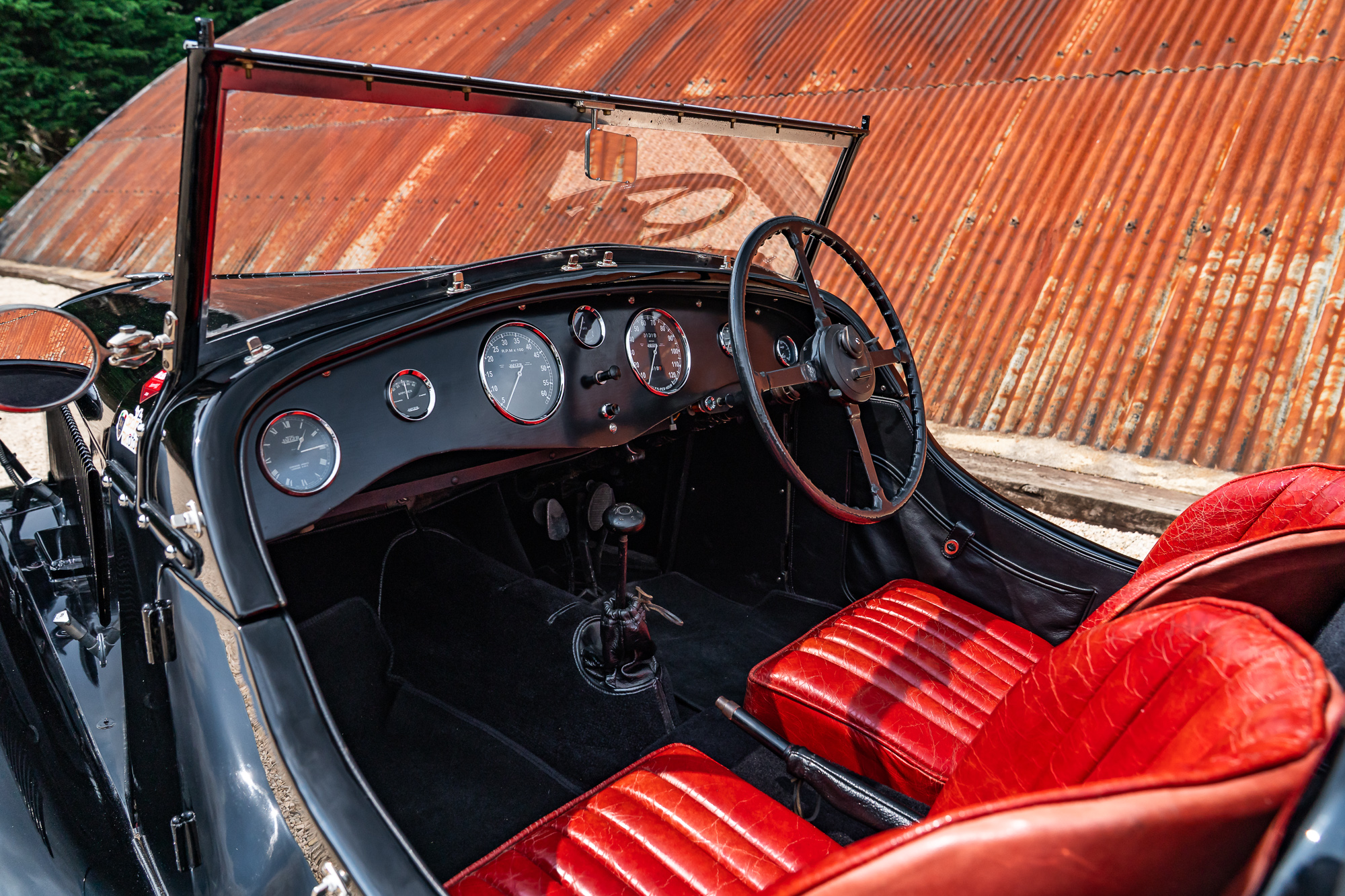
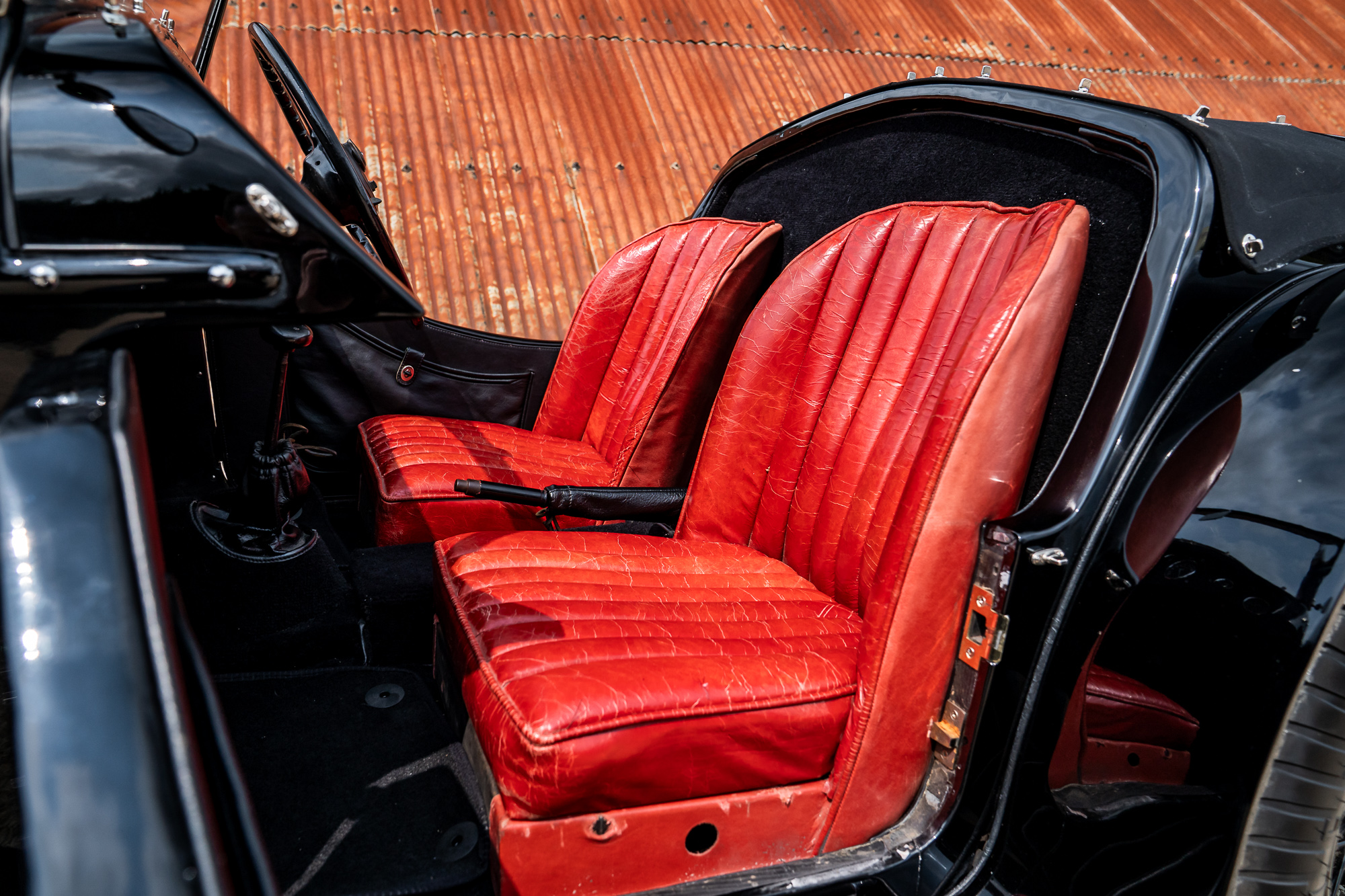
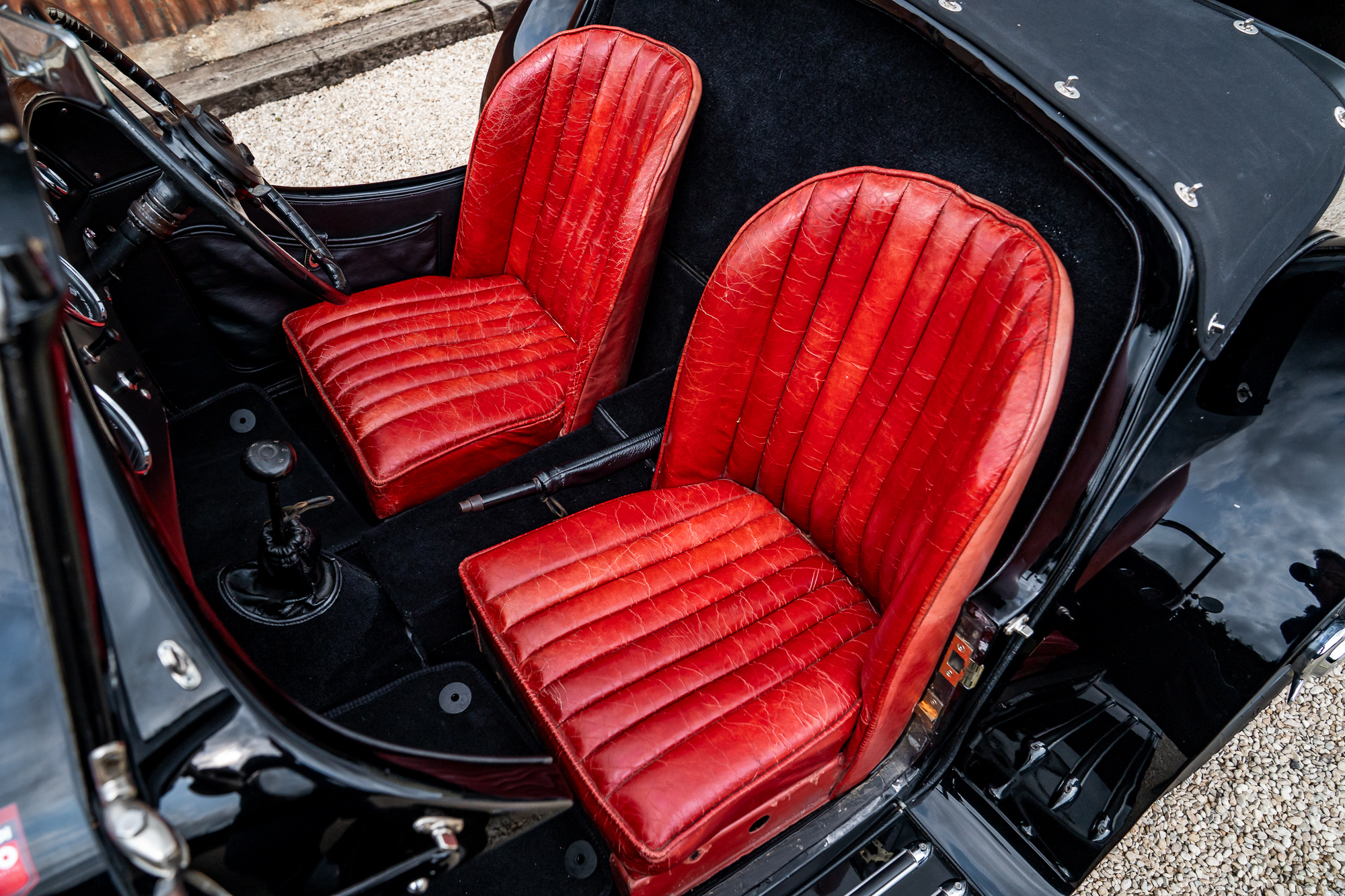
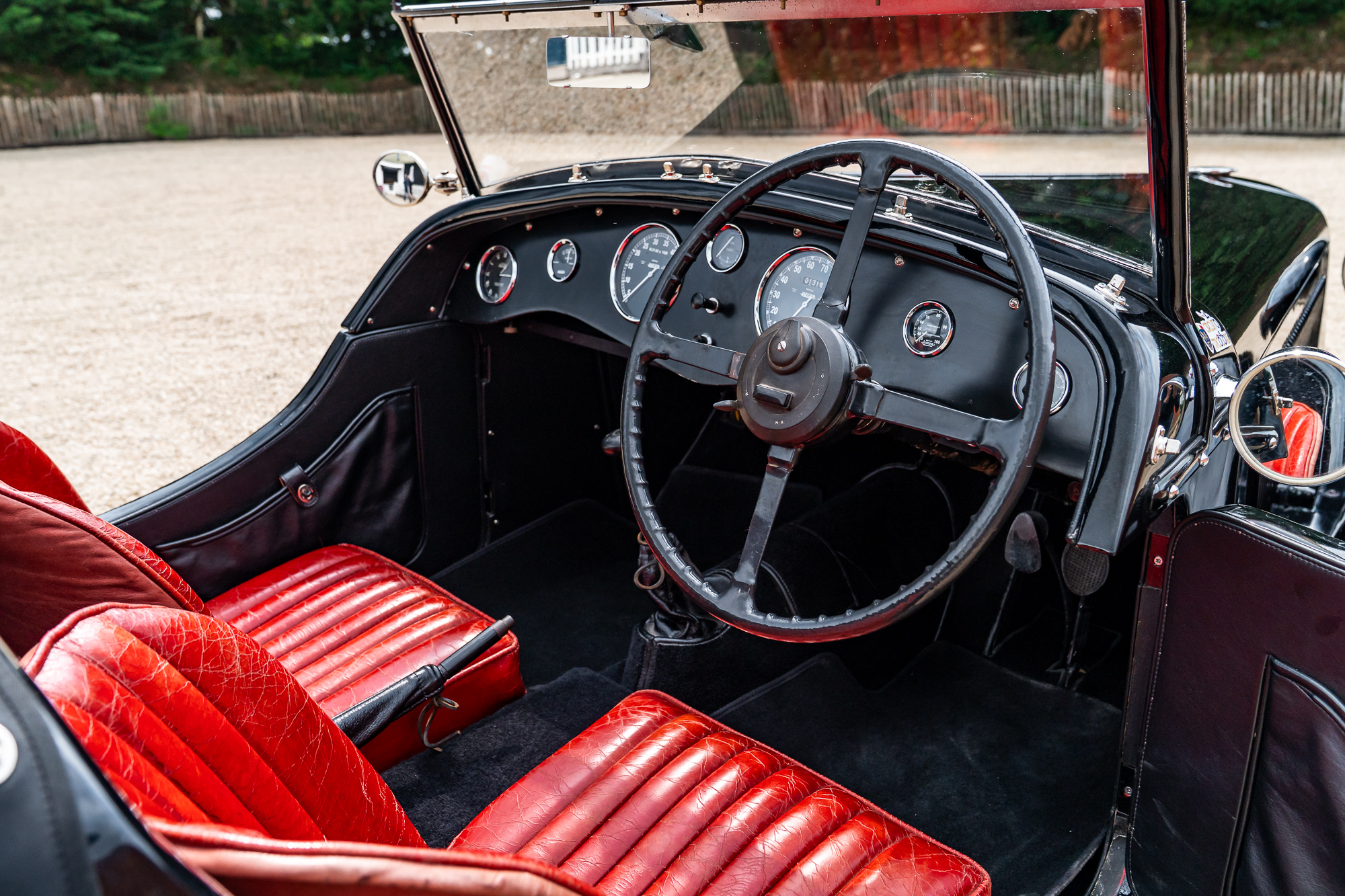
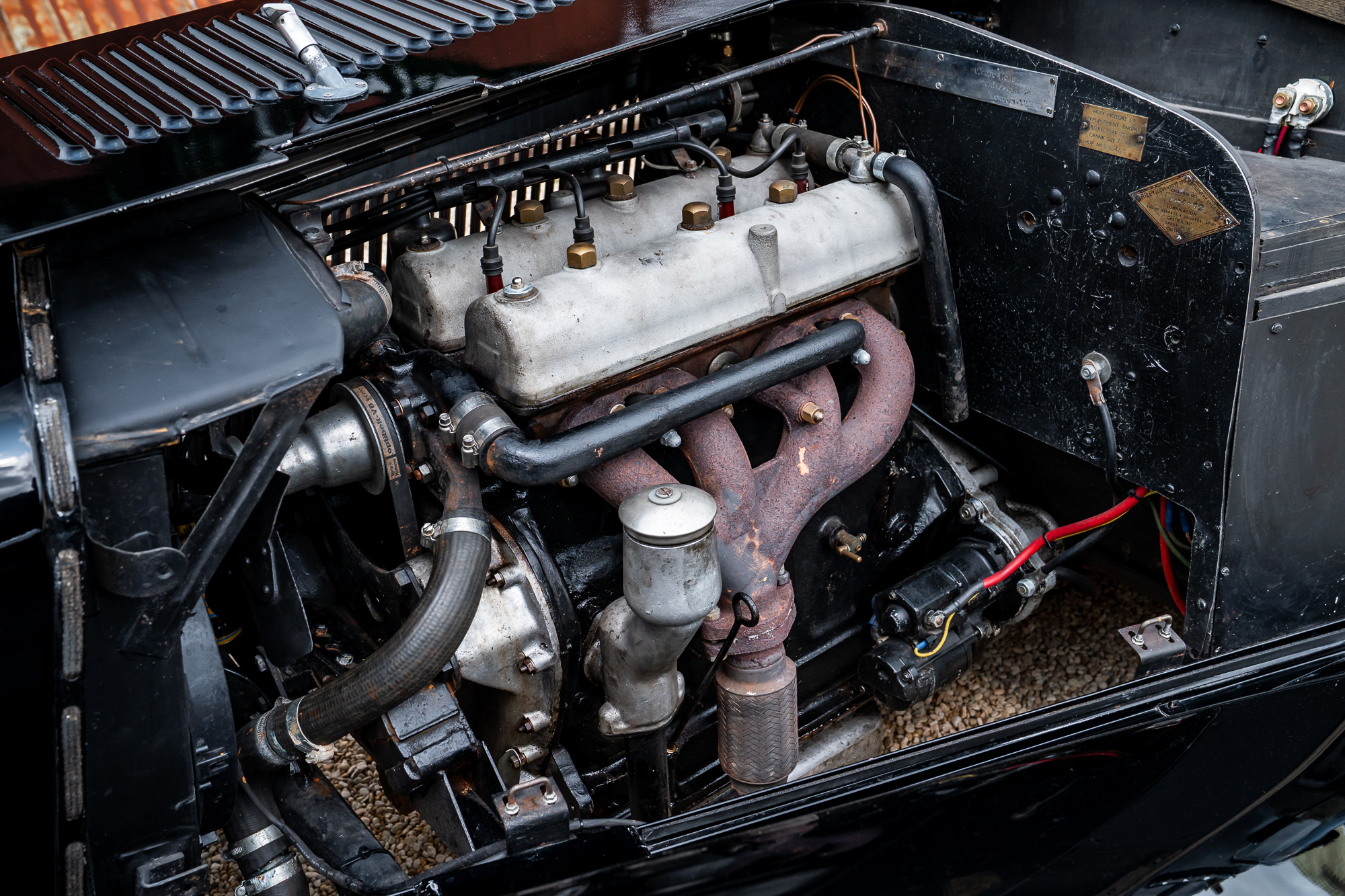
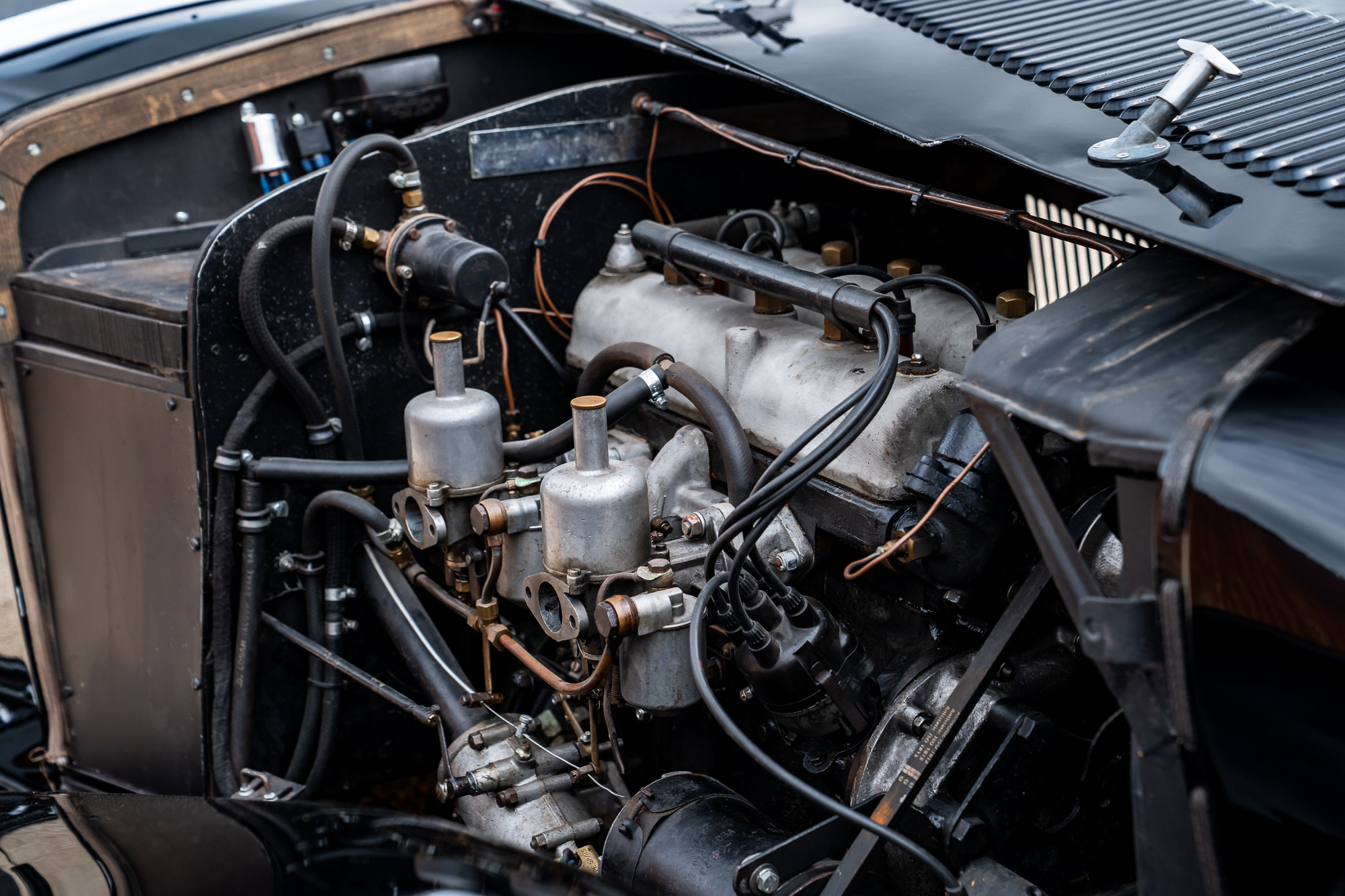
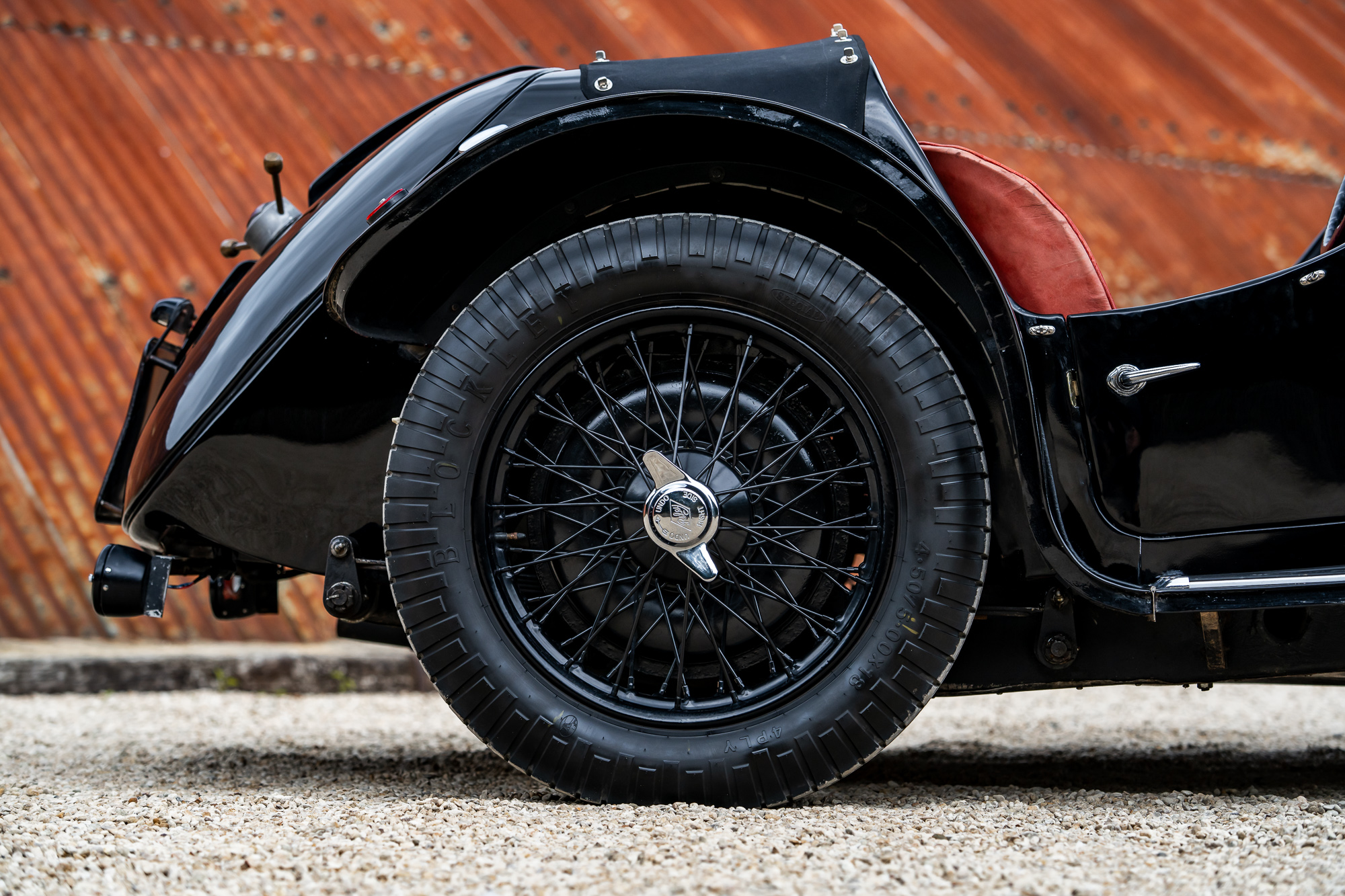
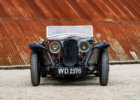
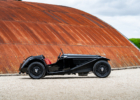
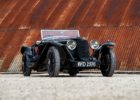
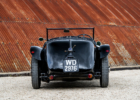
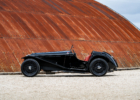
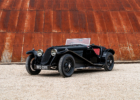
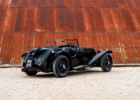
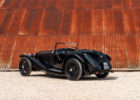

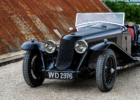
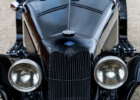
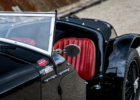

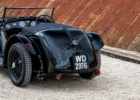
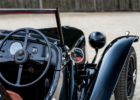
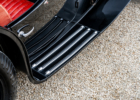
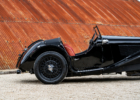
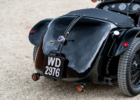
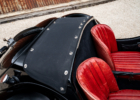
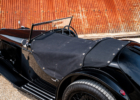
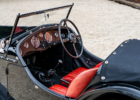
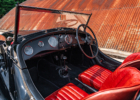

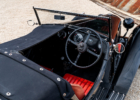
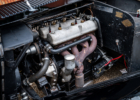
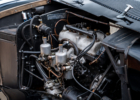
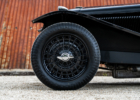
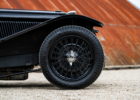
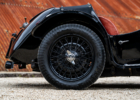
- The ultimate ‘special’ configuration: 2.5-litre ‘Big Four’ engine
- New FIVA papers
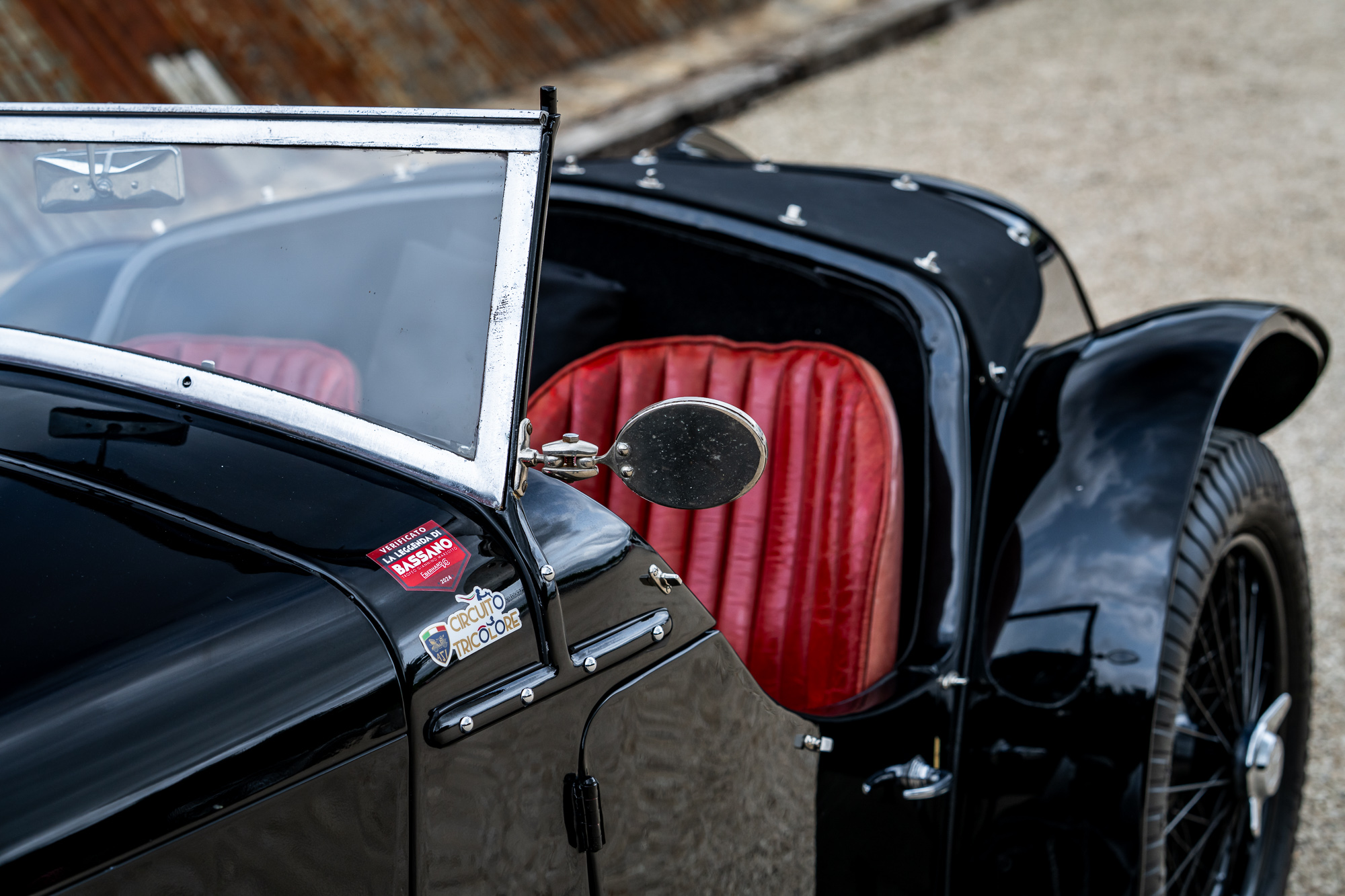
- Recently completed the Leggenda di Bassano rally in Italy
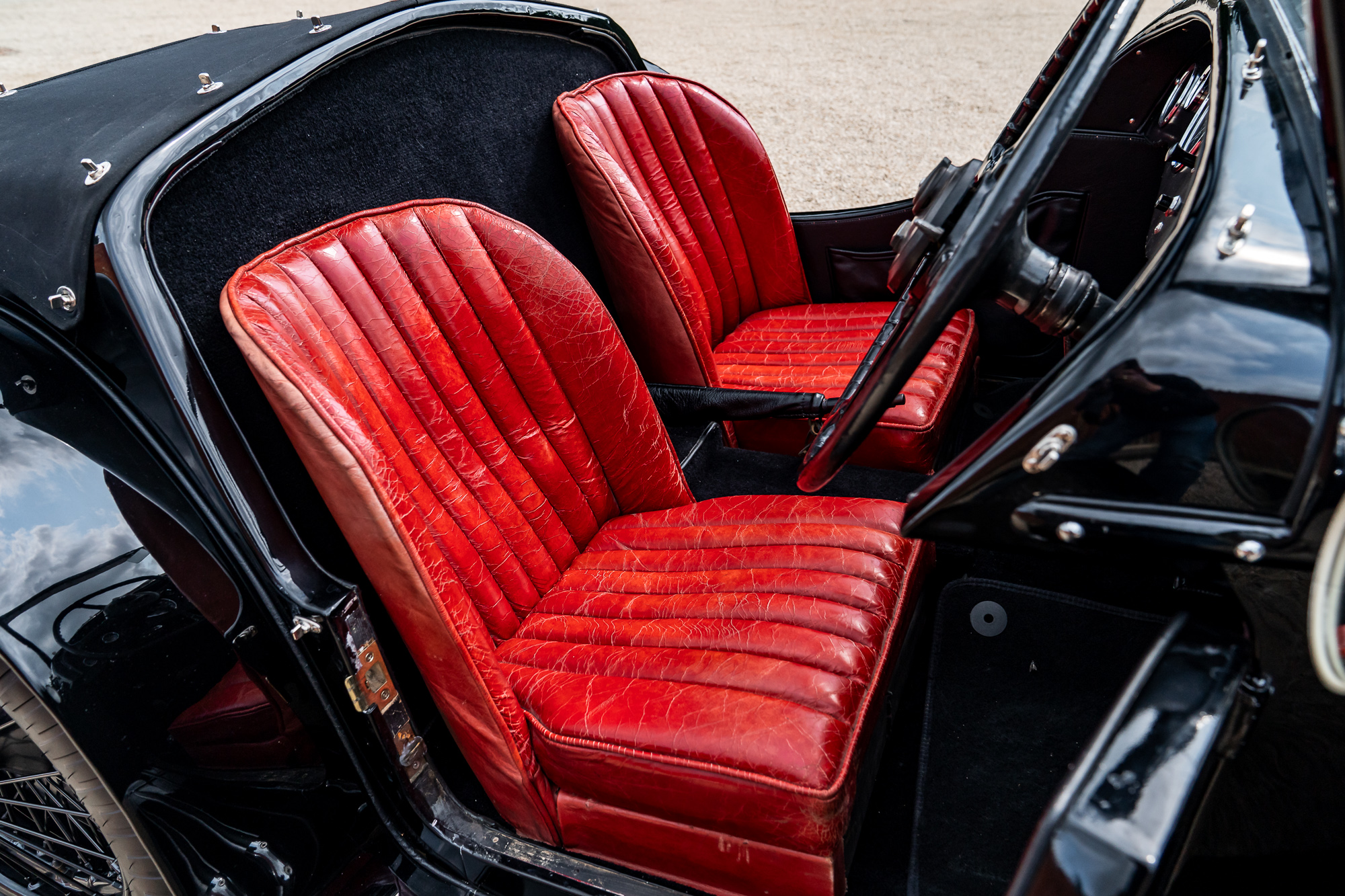
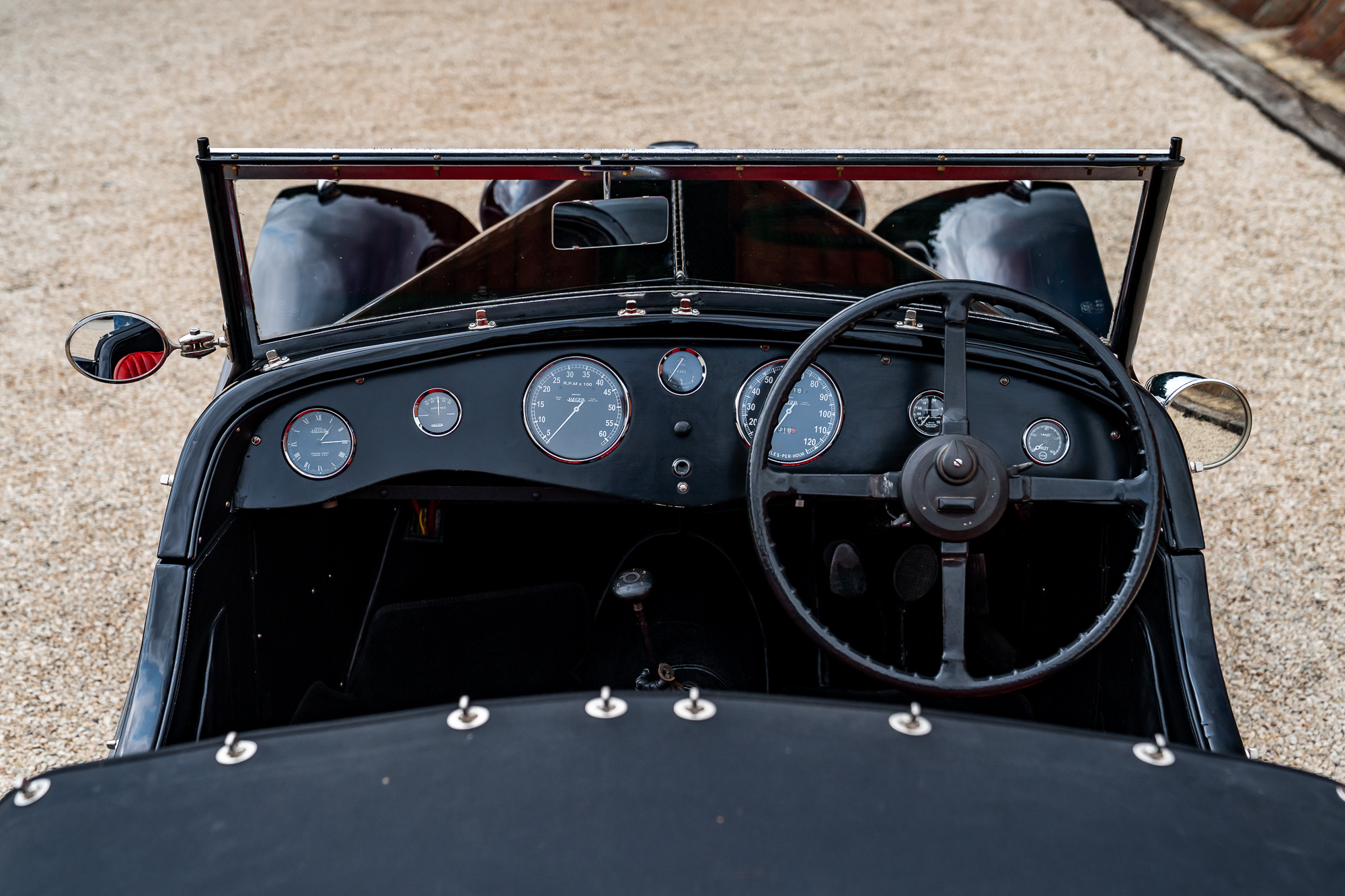
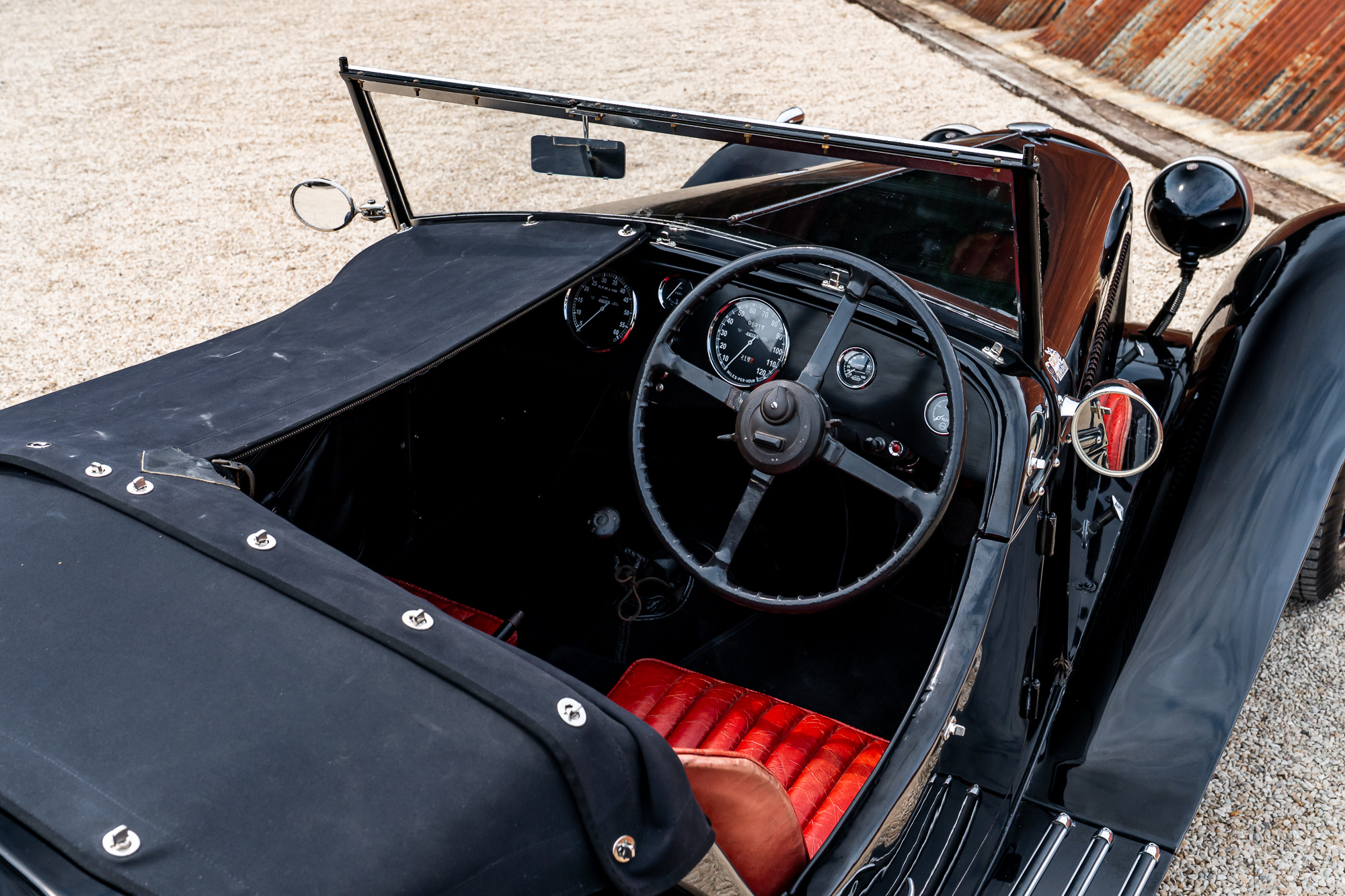
- Superbly presented throughout
| YEAR | 1931 |
| MAKE | Riley |
| PRICE | £79,500 |
VEHICLE DESCRIPTION
During the 1930s, Riley enjoyed a great deal of competition success that often influenced development of its production cars, and this beautifully presented special perfectly evokes those halcyon days for the marque.
From 1995 until 2018, the car was owned by a single family and competed in Vintage Sports-Car Club events. It’s based on a shortened 1931 Riley chassis, and has been fitted with a Sprite-type body that was built by Brian Martin – who used to work for Riley stalwart Barry Gillies – using measurements that were taken from an original Sprite.
Riley MPH-style wings were fitted, and the 2443cc engine from a Riley 16hp was installed. This ‘Big Four’ unit has recently been overhauled and is fitted with Alfa Romeo high-compression pistons, steel Carrillo-type conrods and a balanced crankshaft.
The specification also includes a 3.5:1 axle ratio, which allows for more relaxed high-speed cruising, and a hydraulic brake conversion has been carried out. The brakes themselves are from a Riley 12/4, as are the front and rear axles.
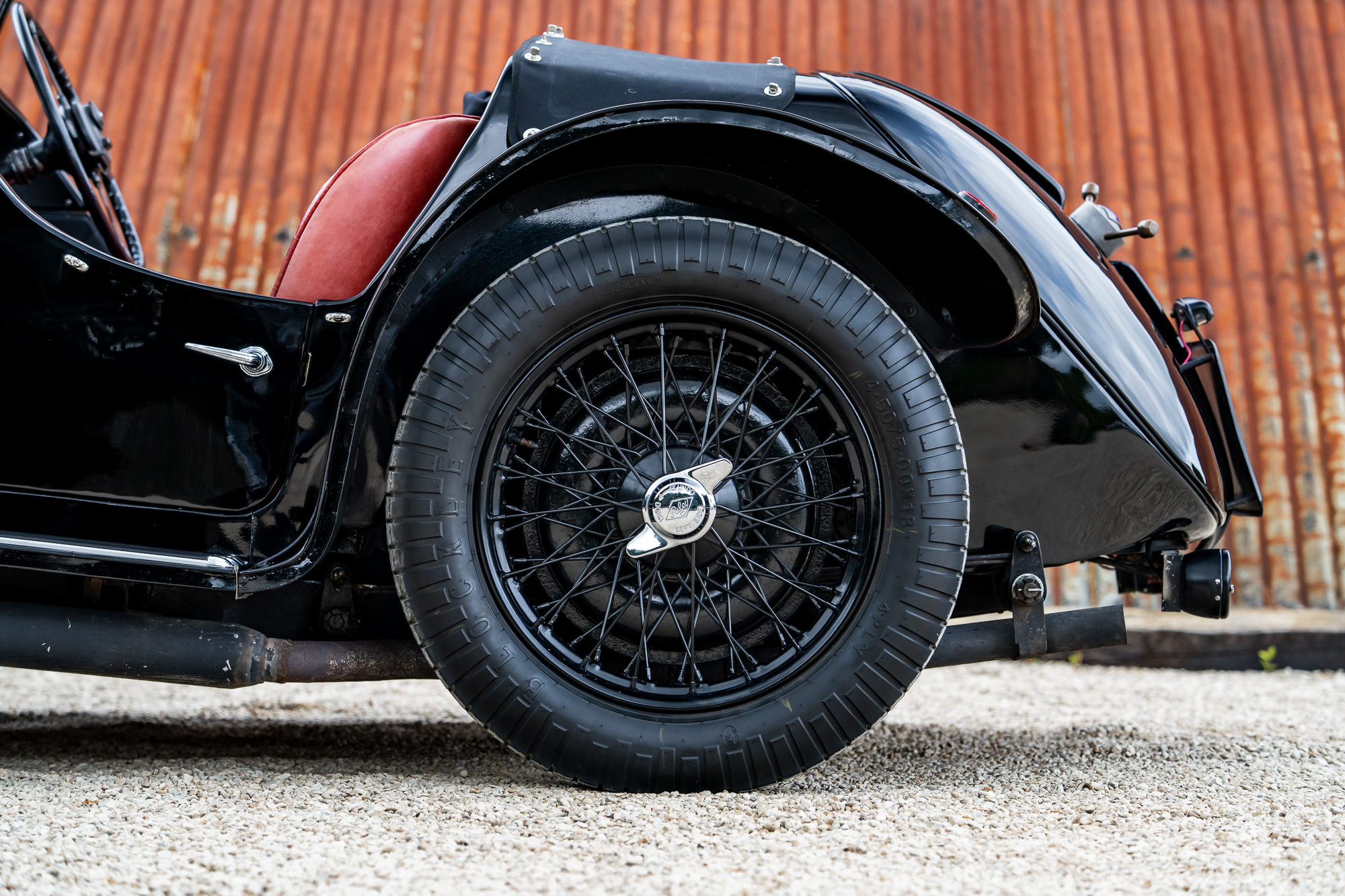
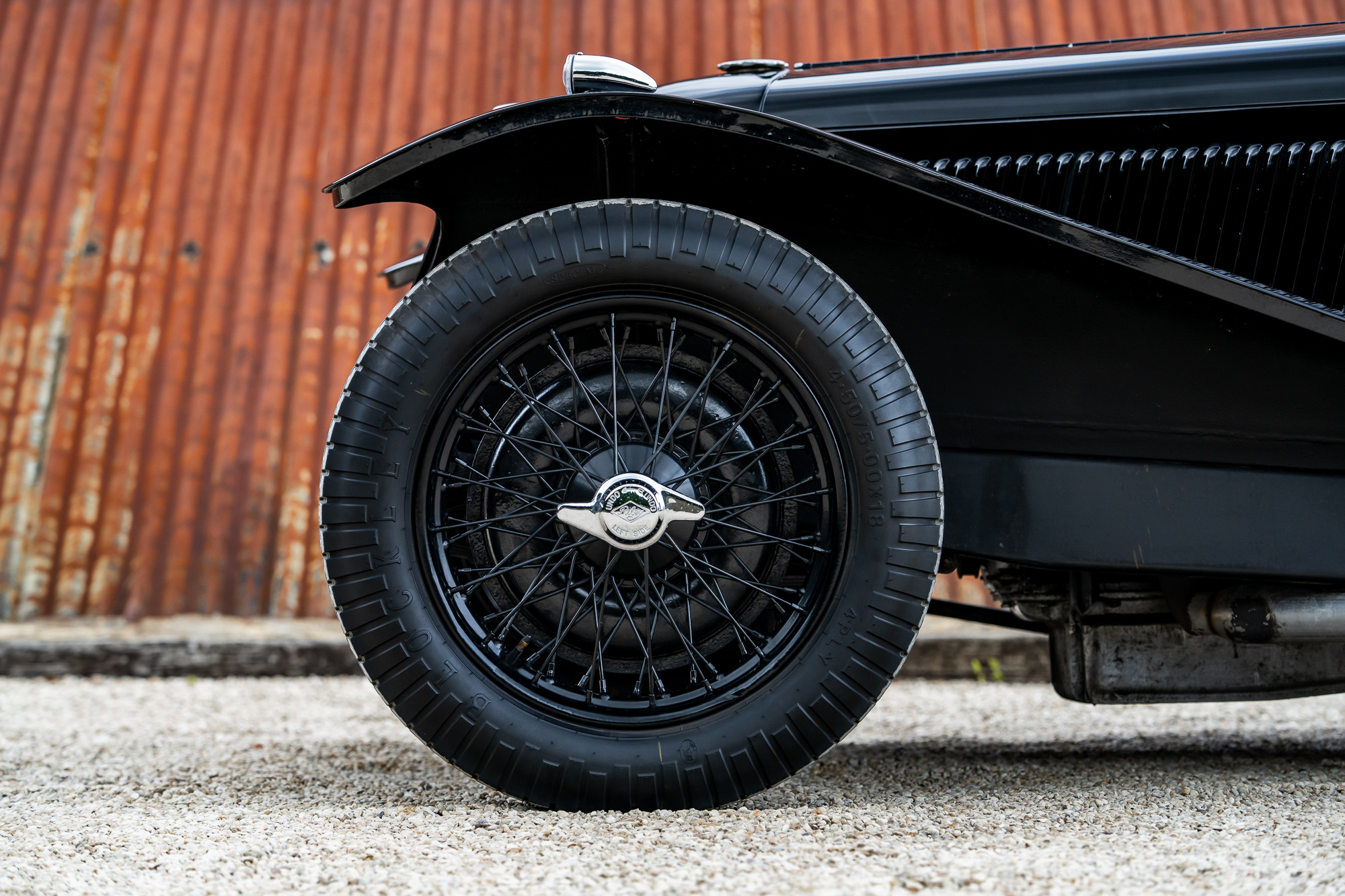
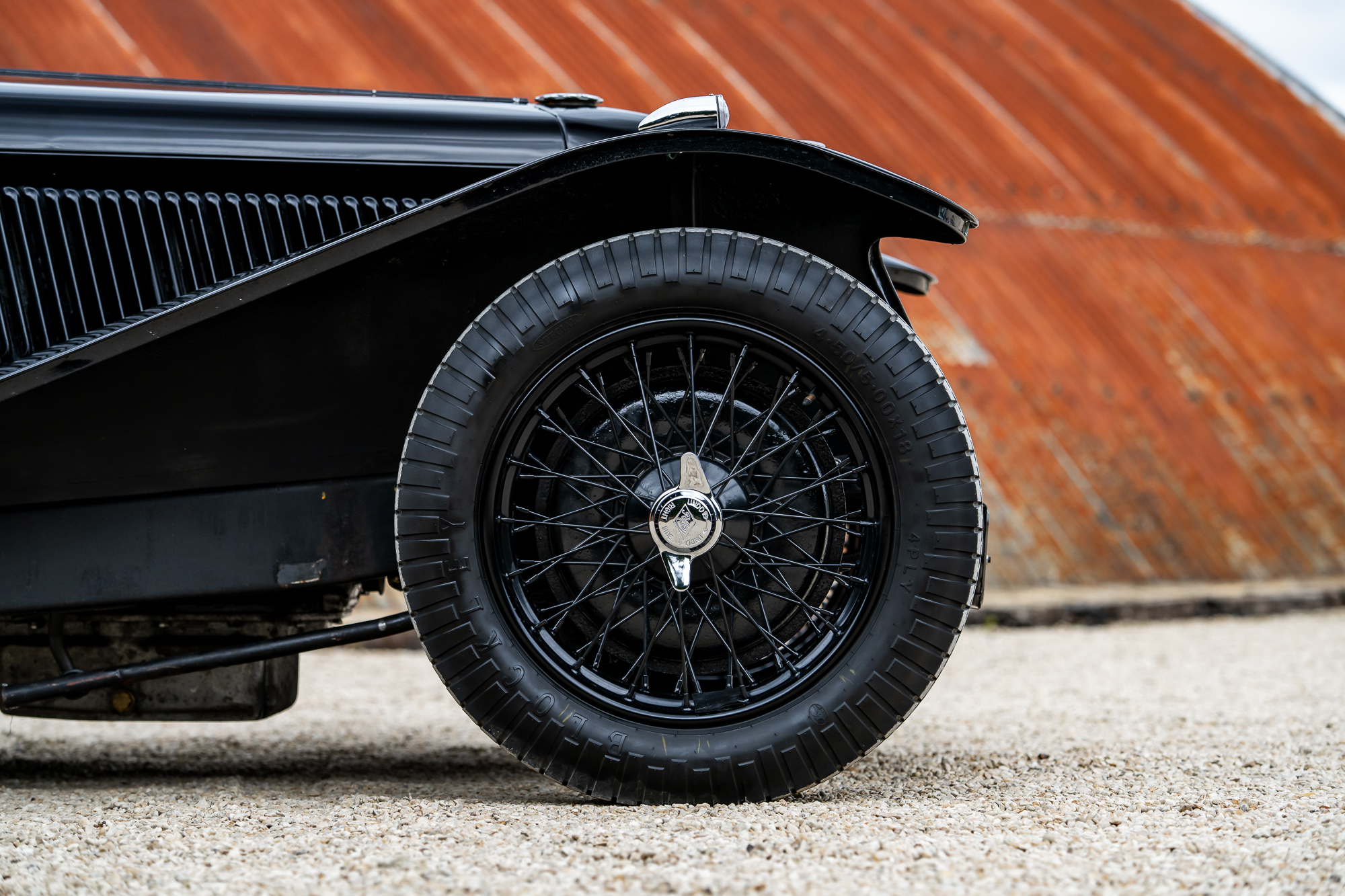
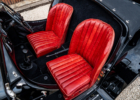
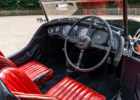
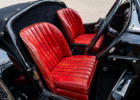
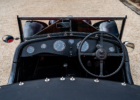
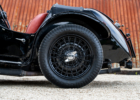
When the current owner bought the Riley in 2018, they embarked on a fresh round of work that included repainting it black from its previous red, having the interior retrimmed by RC Moss, fully rewiring the car, and having the wheels rebuilt. All of the invoices for this have been retained and add up to more than £25,000.
The end result is a supremely well-sorted Riley special. In 2024, the owner took it out to the Italian Dolomites, where it successfully completed the Leggenda di Bassano rally. A book of photographs documenting that adventure is part of the car’s history file, as are its current FIVA papers.
With its short chassis and robust, powerful, four-cylinder engine, this is an extremely versatile and enjoyable pre-war sports car that would be the ideal choice for a quick blast through the countryside or a long-distance rally.
MODEL HISTORY
The Riley marque could trace its roots to a bicycle company that was established in the late 19th century, and it built its first car in the early 1900s. It was a long and proud history that led to its adoption of the famous slogan, ‘As old as the industry, as modern as the hour’.
Like Aston Martin and MG, Riley was keenly aware of the promotional and engineering value of motor racing, and for 10 years following the 1926 introduction of the hugely successful Riley 9, it was a mainstay of the competition scene.
The Brooklands Speed Model not only won its class in events such as the Brooklands Double Twelve and the Index of Performance at Le Mans, it won the 1932 Tourist Trophy outright. Adding two more cylinders to the 9 engine then enabled Riley to develop a series of sporting ‘sixes’ that included the MPH, which used a chassis that was underslung at the rear and featured a wheelbase of 8ft 1.5in.
In 1934, two MPHs finished an amazing second and third overall in the Le Mans 24 Hours, but the next generation of competition Riley was represented by the four-cylinder TT Sprite.
The production Sprite was an open two-seater that was introduced in 1936 and had a chassis based on that of the MPH. The bodywork on most Sprites featured a distinctive ‘rounded’ grille, and beneath the bonnet was Riley’s 1496cc ‘four’, which gave the little car impressive performance. ‘The Sprite is not a racing car, but in part of its behaviour it shows that it is a close relative,’ wrote The Autocar.
The 16hp, which was announced at the 1937 Earls Court Motor Show, was one of the last ‘pure’ Riley models before the company was taken over by the Nuffield Organisation. It was powered by a 2443cc, four-cylinder engine and offered with various different body styles.
This enduring power plant survived longer than the model in which it was introduced. The ‘Big Four’ was used after the war in the RM series, and lasted until the Riley Pathfinder went out of production in 1957.